
On East Asian skincare culture, barrier care, fermentation and sun behaviour, and the routines that hold their value across seasons and years
The most useful lesson in East Asian skincare is not a step or a product but a system — consistency, prevention and respect for the skin barrier, supported by habits that begin long before a serum touches the face.
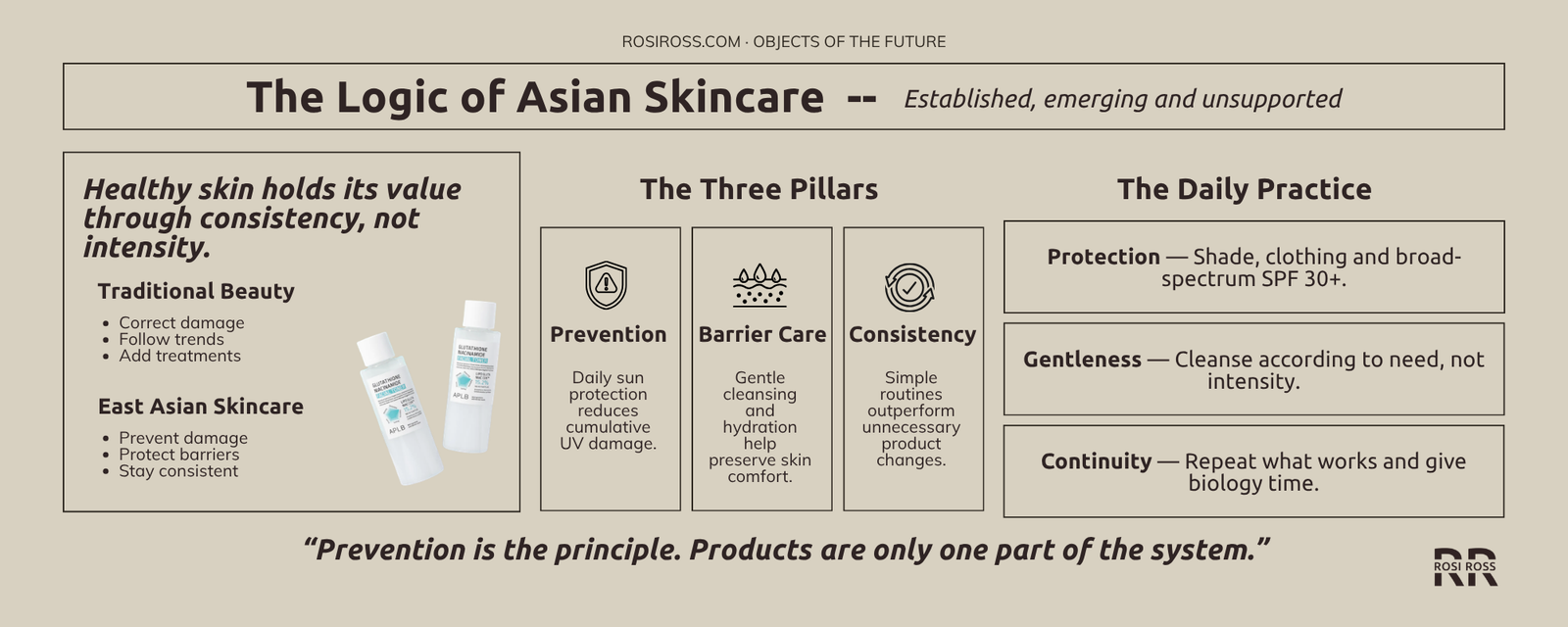
Skin holds its value through consistency, not intensity. The constant need to add, to correct, to participate in what the shelf is doing this season has given way, among the people who think about it most carefully, to a quieter and more precise form of care: one that places greater value on prevention, comfort and the ease of repetition. The routines that matter are not necessarily the ones that dominate a month, but the ones that remain present across many, repeated daily, without losing their clarity or intent.
In a Japanese drugstore in high summer, sun protection is not a shelf. It is a category: sunscreen essences beside UV-blocking hats, neck covers and arm sleeves, sold as everyday equipment and not as holiday accessories. In Seoul the same logic arrives by another door, with daily sunscreen increasingly described as an essential step of the morning rather than a seasonal purchase. The Western visitor who arrives looking for the famous ten-step routine tends to leave with a different conclusion, because the most useful thing these cultures have to teach is not a product at all.
This is a research feature, not a tutorial. It asks what is genuinely transferable, separates the biology that is well established from the biology that is merely fashionable, and treats the products as the visible layer of a larger system. It uses “East Asian skincare culture” when speaking of Korean and Japanese examples, because “Asian” describes a continent and not a routine, and nothing here suggests that any population has naturally better skin.
The Findings
The ten-step routine is a retail framework, not a requirement. What survives beneath it is sequencing, gentleness and repetition.
The barrier comes first. Skin and its resident microorganisms work as one system, and more products can mean more disruption. Food is context, not cosmetic. Diet shapes gut ecology; evidence that it changes complexion is limited and mostly observational. Sun protection is a behaviour, not a step. Shade, clothing and broad-spectrum SPF 30 or higher form one system, and dermatology guidance agrees with Japanese practice. Culture is plural, and the picture is complicated. Prevention is normalised in many East Asian markets, but habits vary, and some are shaped by a preference for light skin that is no part of the lesson.
Skincare works differently when the culture around it reduces the amount of damage the routine has to repair. The sophistication of a routine is measured not by how many products it contains, but by how little unnecessary damage the skin has to recover from.
Four Skincare Cultures, Not One
Before any lesson can be offered, the category needs correcting. Asia contains vastly different skincare cultures, with distinct histories, climates, diets, product markets and beauty norms, and the shorthand of “Asian skincare” erases most of them. The table below is an editorial characterisation, and every context varies widely within itself.
| Culture | Often associated with |
|---|---|
| Korea | Layered hydration, texture innovation and frequent product iteration |
| Japan | Meticulous cleansing, refined sunscreen use and prevention |
| China | Modern dermatology-led routines alongside older herbal and food-based wellness practices |
| Southeast Asia | Routines shaped by heat, humidity and year-round UV exposure |
Editorial characterisation for orientation only. No population has naturally better skin, and skin varies enormously within every one.
What is an Asian skincare routine? There is no single Asian skincare routine. The phrase is a retail shorthand for several distinct cultures, chiefly Korean and Japanese, whose shared lessons are consistency, daily sun protection, gentle cleansing, early hydration and respect for the skin barrier. Climate, diet, history and beauty norms differ widely across Korea, Japan, China and Southeast Asia, and the most useful reading of the term is a system of prevention rather than a list of products.
The Western beauty industry has a habit of converting cultural systems into exportable product categories: essences, sheet masks, ampoules, a ten-step ritual that is easy to visualise and easy to shop. The useful exercise is to run that process in reverse, moving from the shelf back to the behaviour, the context and the culture that made the shelf make sense.
What do Korean and Japanese skincare routines have in common? Both are organised around prevention: daily sun protection, gentle cleansing (often in two stages when makeup or water-resistant sunscreen is worn), early and consistent hydration, and repetition over intervention. They differ in emphasis. Korean beauty is associated with layered hydration, texture innovation and rapid product iteration, and Japanese beauty with meticulous cleansing, refined sunscreen use and prevention. Both sit within food cultures, kimjang and washoku, that UNESCO recognised in 2013.
The Ten-Step Myth: Why the Routine Was Never the Point
The central lesson is not quantity. It is sequencing, gentleness and repetition — the logic that survives when the steps are stripped away.
The ten-step routine became a powerful marketing story because it was easy to visualise, easy to shop and easy to reproduce. It also obscured the logic underneath. Strip the steps away and a pattern remains: add hydration in light layers when climate or skin requires it, use targeted treatments selectively rather than stacking every active, seal hydration according to skin type and season, and protect against UV every day while reducing cumulative exposure through behaviour. The order in which products are applied, from the thinnest, most watery texture to the richest, is a matter of absorption, not ceremony: each layer is designed to prepare the skin for the next.
Is the Korean 10-step skincare routine necessary? No. The ten-step routine is best understood as a retail and marketing framework, not a requirement. The principles beneath it are gentle cleansing, light layers of hydration where needed, selective use of targeted treatments, daily sun protection and consistency, and most people can apply them with four to six well-chosen products. Nothing in the dermatology literature suggests that ten steps are necessary for healthy skin.
The Habit Beneath the Ritual
If the routine is a system, the thing that makes it work is not the products but the repetition, and repetition is a behavioural problem before it is a skincare one. A frequently cited study by Phillippa Lally and colleagues at University College London, reported by the university, followed volunteers as they built a new daily behaviour and found that the time to reach automaticity varied widely, from 18 to 254 days, with a median of 66. Habit formation is neither instant nor fixed at the popular “21 days”. For skincare, the practical meaning is encouraging: a short routine, repeated in the same order at the same point in the day, becomes effortless far sooner than an ambitious one that depends on willpower. It is also the reason skin takes weeks to show the effect of any change. Biology and behaviour keep the same slow calendar.
The Barrier Before the Serum: What Skin Actually Asks For
The skin barrier is the principle hiding under every step. Healthy-looking skin often comes not from adding more, but from reducing unnecessary disruption.
The barrier is both physical and biological. Its outer layer, the stratum corneum, is built of skin cells and lipids, often described as bricks held together by mortar, and it works with acidity, immune signalling and resident microorganisms to defend against water loss, irritants and pathogens. A 2024 review in the Journal of Cosmetic Dermatology describes the skin microbiome as essential to skin health, acting as a first defence against infection, regulating immune responses and maintaining barrier integrity, and notes that ageing is associated with reduced microbial variety. A 2024 review in Frontiers in Physiology examines the same interaction between the microbiota and the skin barrier in ageing skin.
How does the skin microbiome affect the skin barrier? The skin microbiome, the community of microorganisms living on the skin, interacts with the barrier and the immune system, and balance between them is linked to skin health. Reviews report that ageing is associated with reduced microbial variety and that cosmetics can shift the skin’s flora in helpful or disruptive ways. The science is still developing, and the microbiome varies by body site, age and personal-care habits, so claims about restoring an ideal microbial state should be treated with caution.
The Western routine that this research quietly indicts is a familiar one: squeaky-clean cleansing, frequent exfoliation, ever-stronger actives, and irritation misread as proof that a treatment is working. Heliyon’s 2024 review of skin microbiomes and personal care products found that cosmetics can alter the skin’s normal flora to varying degrees, with some changes detrimental and others beneficial. The brands now selling prebiotics, probiotics and postbiotics are selling into the same anxiety, and the sensible question is not which microbiome product to buy but what routine disturbs the system least.
The preference for ingredients aligned with what skin actually needs, produced without asking the consumer to look away from how they were made, is the argument explored in The Return of Barrier Beauty: Why Lanolin Is the Ultimate Skin Investment. It describes the same instinct from another direction: protect the barrier first, and let everything else follow.
What the Dinner Table Has to Do With Skin
In Korean and Japanese food cultures, many of the foods now celebrated are not supplements to an ordinary diet. They are the ordinary diet — and that distinction is the whole difference between a food culture and a superfood cycle.
Food is not skincare, but it is part of the skin’s environment. A 2025 systematic review in the Journal of Nutrition, covering 17 randomised controlled trials in healthy adults, found that dietary fibres, plant compounds and unsaturated fats enriched particular groups of gut bacteria, with variable effects on metabolites and on markers of digestive and metabolic health. That is evidence about the gut. It is not evidence about complexion, and the discipline of this section is to keep the two apart.
How does diet affect skin health? Diet influences the gut microbiota and wider physiology, and observational research links dietary patterns with some skin conditions. Korean national-survey analyses, for example, associate higher fermented-food intake with a lower likelihood of atopic dermatitis and more meat and processed food with a higher one. Evidence that diet changes everyday complexion or ageing is limited, and sleep, stress, UV exposure, genetics, climate and skin care all matter. Dietary diversity is best treated as nutrition, not as a cosmetic treatment.
What is culturally distinctive is repetition. In many Western wellness cycles a food becomes a superfood and is added for a season in the hope of a result. UNESCO recognised the Korean and Japanese counterparts in 2013, when it inscribed kimjang, the making and sharing of kimchi, and washoku, Japan’s traditional dietary culture, on its list of intangible cultural heritage, although scholars caution that “washoku” as a category was formally defined for the inscription and should not be read as an unchanged tradition.
What foods are commonly eaten in Korean and Japanese diets? Traditional Korean eating centres on rice, vegetables, soups and stews, soy foods, fish and fermented dishes such as kimchi and doenjang. Japanese eating draws on rice, fish, vegetables, soy foods such as tofu and miso, sea vegetables, pickles and tea. These are traditional patterns, not uniform modern diets, and nothing here makes any single food a skincare treatment.
Tea, soy and sea vegetables belong to this pattern, and they belong as food. Green tea polyphenols are widely studied and biologically active, but the evidence is supportive and not cosmetic destiny. Soy foods supply protein and bioactive compounds within a pattern, and nothing here amounts to an anti-ageing claim. Sea vegetables add minerals, fibre and distinctive polysaccharides, and they are a vegetable, not an edible facial serum.
Fermentation Before Fermented Skincare: The Table, Then the Bottle
In the West, fermentation arrived in beauty bottles. In Korea and Japan, it had been sitting on the table all along.
Fermentation is a cultural technology before it is a beauty buzzword. Kimchi, doenjang, ganjang and gochujang developed in Korea as preservation systems and remain embedded in everyday eating, and Japanese diets likewise include miso, natto, soy sauce and pickles. Western beauty met fermentation first as an ingredient story, in fermented essences, ferments and postbiotics, while these cultures had been living with it at the table for generations.
Do fermented foods help skin? The evidence is suggestive and incomplete. Observational studies in Korea have associated higher intake of fermented foods such as kimchi with a lower likelihood of atopic dermatitis, but they show association, not causation, and eczema is not the same as complexion. Reviews of human trials conclude that fermented foods may modify the gut microbiota, while the evidence linking this to health outcomes remains limited. No single food clears acne or prevents ageing.
The strongest direct evidence is condition-specific and observational. An analysis of a Korean national health survey reported in Nutrition Research found that fermented-food intake was associated with a lower likelihood of atopic dermatitis, and that higher meat and processed-food intake was associated with a higher one. A separate analysis of 7,222 Korean adults, drawing on the Korea National Health and Nutrition Examination Survey, examined kimchi intake and atopic dermatitis and reported lower odds at certain intake levels. Both are cross-sectional. A review of human intervention studies in the Journal of Nutrition concluded that fermented foods may modify the gut microbiota, while describing the evidence that these changes mediate health outcomes as cursory and calling for longer, larger trials. Whether a particular food still carries live cultures at the table also depends on processing, since pasteurisation and cooking can change it. None of this supports the claim that kimchi creates “glass skin”.
The bottle is a different proposition. The Fermented Active Serum is a serum built on fermented ingredients, which places it firmly on the ingredient side of the story: a cosmetic formulation, evaluated as a cosmetic, with no inherited authority from the dinner table. Oral and topical evidence are separate questions, and a fermented serum works, if it works, for its own reasons — texture, tolerance, how skin responds over weeks — not because fermented food is healthy.

The Gut–Skin Axis Is Real, and More Complicated Than the Feed Says
The gut–skin axis is promising science, not magic. The right register is “thought to”, and the evidence has not yet earned a stronger one.
A 2024 review in Frontiers in Physiology describes intestinal microbes as thought to affect the skin barrier directly through their metabolic products and indirectly through their influence on the immune system. Causality, optimal diets and condition-specific interventions are still being worked out.
What is the gut–skin axis? The gut–skin axis is the proposed two-way relationship between the gut microbiome and the skin, thought to operate through immune signalling, microbial metabolites and inflammation. Reviews describe links between intestinal and skin microbial ecosystems, but causality, optimal diets and interventions for conditions such as acne or eczema are still being studied. It is a promising field of research, not an established treatment.
What cannot be said is as important as what can. One fermented food will not clear acne or prevent ageing. Probiotics do not automatically improve every skin type. East Asian diets are not uniformly healthier than Western ones, and visible differences in skin cannot be explained mainly by food, because genetics, climate, health care, income, stress and beauty practices all matter. The ledger below sorts the claims that circulate in this field by the strength of their support.
| Claim | Status | Basis |
|---|---|---|
| Daily photoprotection is foundational to skin health | Established | UV exposure contributes to photoageing, pigmentation and skin cancer; American Academy of Dermatology guidance |
| Barrier integrity and resident microbiota are components of skin health | Established | Reviews in the Journal of Cosmetic Dermatology and Frontiers in Physiology (2024) |
| Diet influences gut microbial ecology | Established | Journal of Nutrition systematic review of 17 randomised trials (2025) |
| Fermented foods can modify the gut microbiota | Emerging | Review of human trials; links to health outcomes described as cursory |
| The gut–skin axis shapes specific skin outcomes | Emerging | Reviews describe plausible pathways; causality unproven |
| Fermented foods or probiotics help acne, eczema or ageing | Emerging | Observational associations for atopic dermatitis in Korean surveys |
| Microbiome cosmetics restore an ideal skin flora | Emerging | Cosmetics shift flora in helpful and disruptive directions (Heliyon, 2024) |
| “Glass skin comes from kimchi” | Unsupported | No evidence links one food to complexion |
| “Asian diets prevent wrinkles” | Unsupported | Skin differences reflect many factors, not diet alone |
| “Fermented skincare works because fermented food is healthy” | Unsupported | Oral and topical evidence are separate questions |
| “Ten steps are necessary for Korean skin” | Unsupported | A marketing frame, not a clinical requirement |
Status reflects the editorial reading of the cited sources. Association is not causation, and oral food evidence is distinct from evidence for topical cosmetics.
The ledger explains why the word on a label deserves scrutiny. The Probiotics Hydrogel Eye carries probiotics in its name, a reminder that the word is a marketing term as much as a scientific one. A 2024 review in the Journal of Cosmetic Dermatology notes interest in topical probiotics to reinforce the skin microbiome in older adults, and in the same breath says further exploration is needed. Hydrogel eye patches are pleasant and hydrating; they are not a microbiome intervention.

Sun Protection Is a Behaviour: What Japan and Korea Show the West
Prevention is not only what is applied to skin. It is how exposure is managed across a day — and this is not exotic dermatology. It is exactly what dermatologists recommend.
In Japan, sun protection extends well beyond sunscreen. A government-backed Japanese publication, Web Japan, has long documented parasols, hats, gloves and arm-covering “ray sleeves” as ordinary accessories that have become a fact of everyday life, and travel reporting regularly describes drugstores stocking UV hats, neck covers and arm sleeves alongside sunscreens.
The Western advice is identical in kind. As the American Academy of Dermatology’s sun-protection guidance recommends, the system is to seek shade, wear protective clothing including a wide-brimmed hat and UV-protective sunglasses, and apply broad-spectrum, water-resistant sunscreen of SPF 30 or higher to uncovered skin, reapplied about every two hours outdoors, noting that protection reduces the risk of skin cancer and premature ageing. The U.S. Food and Drug Administration’s sunscreen guidance explains how to read the label. The contribution of these cultures is a social setting in which following the advice is unremarkable.
Why is sunscreen so important in Japanese and Korean skincare? UV exposure contributes to photoageing, pigmentation and skin cancer, so daily photoprotection is foundational. In Japan, sun protection extends beyond sunscreen to hats, parasols, sleeves and shade-seeking, and in Korea daily sunscreen is increasingly treated as a core morning step, though surveys show regular use is far from universal. A long-standing preference for light skin helps explain the habit. Dermatologists in the United States recommend the same combination of shade, clothing and broad-spectrum SPF 30 or higher.
The Korean picture deserves precision. Popular reporting often describes daily sunscreen as an essential step of the Korean routine, and the habit is often tied partly to a beauty culture long defined by a preference for fair skin. Peer-reviewed surveys complicate the portrait. A 2015 survey in the Korean Journal of Dermatology found that only 29.8 percent of respondents used sunscreen regularly, even though most users chose an SPF above 30, and an earlier clinic-based study found everyday use uncommon. Those samples are older and not nationally representative, and habits are changing, but they are a useful corrective to romance. A cultural norm and a daily behaviour are different things.
These habits are also shaped by a light-skin preference that carries its own pressures. The lesson worth borrowing is the protection. The pressure is no part of the bargain.
Cleansing, Bathing and the Cultural Value of Gentleness
Cleanse according to what needs removing, not according to how tight the skin feels afterwards. Gentleness is not weakness; it is the discipline of not disturbing a system that is working.
Western beauty has long equated tight skin with clean skin. The East Asian emphasis on oil cleansing followed by a gentle second cleanse rests on another logic: remove what needs removing, and respect comfort afterwards. Double cleansing is a functional method for water-resistant sunscreen, makeup and particulate pollution, not a ritual to be performed for authenticity, and someone wearing nothing heavy may need only a rinse or a mild cleanser. Reviews of the cosmetic microbiome note that harsh surfactants and non-selective preservatives in daily products can influence the skin’s microbial balance, which is one more reason to cleanse by need.
The Pore Deep Clean pH Balancing Foam Cleanser is a foam cleanser positioned around pH balance, which places it in the gentle-first logic of this section. The test of any cleanser is how skin feels twenty minutes later: comfortable, not tight. The “deep clean” of its name is a reminder to read positioning with scepticism, since what matters is whether it removes what needs removing and leaves the barrier undisturbed.

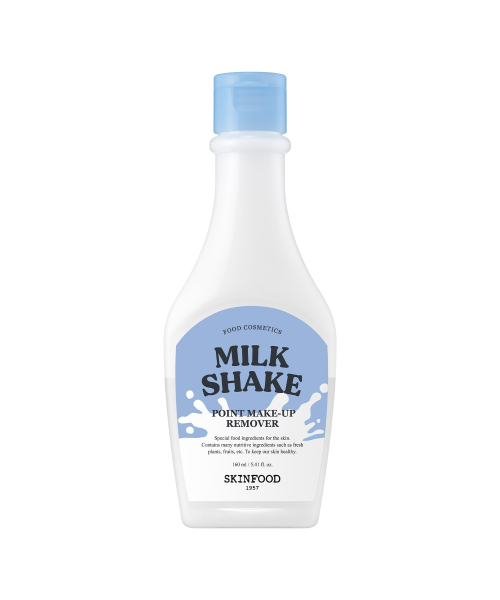
The Milk Shake Point Makeup Remover belongs to the point-remover category, designed for targeted lip and eye makeup. It is the argument for double cleansing at its most precise: remove what needs removing, in the place it needs removing, and no more.
Bathing belongs in this story as embodied care. Japanese bathing traditions and Korean bath culture are practices of cleansing, heat, relaxation and ritual. They are not detoxification, and no claim of toxin removal is made here. The interest is regularity: care as something that happens often and without drama, which is the same intelligence described in Inside the Atmosphere Economy: How NEOM Is Redefining Modern Home Wellness, where rest and atmosphere are treated as part of a daily system and not as an occasional indulgence.
The Lip Exfoliator is included as a counter-example. It is an American drugstore lip scrub, in the category of exfoliation that this essay asks readers to ration. Dry lips are usually better served by a protective balm first; exfoliation, if used at all, belongs on a calendar measured in weeks and not days.

Hydration Before Aggression: Comfort as Strategy
Doing less damage can be a more sophisticated strategy than continually adding stronger correction. The routine is designed around comfort and barrier function, not around waiting for dryness to become severe.
Essences, toners and light emulsions are best understood as delivery formats that make hydration pleasant and repeatable. The insight is not that every reader needs three toners. In many East Asian beauty markets, sunscreen, moisturisation and early maintenance are culturally normalised before visible ageing becomes an emergency, while Western anti-ageing marketing has historically been correction-oriented: treat the wrinkle, peel the pigment, resurface the texture. It would be wrong to say that one culture ages better. The comparison is of philosophies, prevention against correction and daily maintenance against episodic intervention. Climate matters too: the same routine feels different in humid summer and in heated, dry winter air, and a routine that adjusts its texture to the season, lighter in heat and richer in cold, is following the skin rather than the shelf.
It is also where hype is most dangerous. In any category where performance and virality are not the same thing, the trend cycle is the enemy of the routine, a distinction explored in Beyond Virality: why performance-led skincare outlasts the trend cycle.
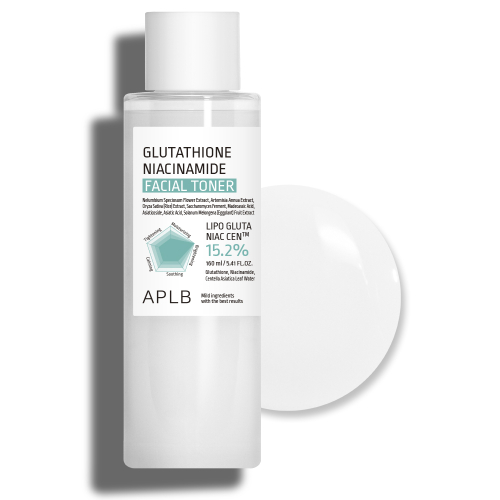
The Glutathione Niacinamide Toner sits in the toner-and-essence format and is named for two ingredients it lists: glutathione and niacinamide. It is sold for comfort and pleasure, and the editorial rule applies: keep it if it makes skin feel better, and drop it if it does not.
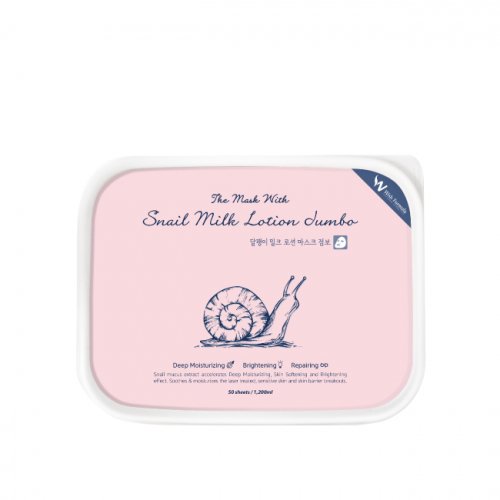
The Snail Milk Lotion Mask is a lotion-style mask, a pleasure for occasional comfort and not a requirement of any routine.
The FIF Centella Sensitive Ampoule Mask is positioned for sensitive skin and built around centella. Used sparingly and patch-tested first, a mask of this kind is a reasonable weekend ritual. It is not a substitute for a routine that is already working.

The Targeted Layer: One Instrument at a Time
Use targeted treatments selectively. A serum, an ampoule, or an eye cream is an instrument for a specific purpose, introduced one at a time, and judged by stability over weeks.
The ampoule is a concentrated format, intended for a short course when skin needs extra attention. The Triple Collagen Firming Ampoule is an example of the category. Claims such as “firming” are the brand’s positioning and not a clinical result, so the sensible test is tolerance and comfort across several weeks, with nothing else changed at the same time.

The VT Riddle Shot Lifting Eye Cream addresses the delicate eye area, where a gentle, well-tolerated product is more useful than an ambitious one. The word “lifting” is the brand’s positioning, and the practical rule is the same: introduce it alone, and keep it only if it sits comfortably.

What to Take Home: The Transferable Rules
Protect first, disturb less, eat broadly, repeat what works, and give biology time. The investment is not in the shelf. It is in the habit.
The translation comes to ten principles. Treat sunscreen as a behaviour system, not a single product. Protect the barrier before adding more actives. Cleanse according to what needs removing, not how tight skin feels afterwards. Use hydration strategically and consistently. Think in dietary patterns rather than beauty foods, and include fermented foods if they suit your diet without medicalising them. Value vegetables, legumes, soy, fish, tea, and dietary diversity as nutrition. Stop changing the entire routine whenever a trend appears. Prevent cumulative damage instead of waiting to correct it. Introduce one change at a time so that the skin and you can tell what is working. And measure success in stability, comfort, and resilience, not in “glass skin”.
How can a Western skincare routine adopt East Asian principles without using ten products? Adopt the logic and leave the shelf. Cleanse according to what needs removing, protect the barrier before adding actives, use hydration consistently where skin needs it, choose one targeted treatment at a time, and treat sun protection as a daily behaviour of shade, clothing and broad-spectrum SPF 30 or higher. Eat for dietary diversity as nutrition, and measure success in stability, comfort and resilience. A four-to-six-step routine, repeated for years, captures most of the benefit.
The Routine, demystified.
Morning
Rinse, or use a gentle cleanser only if needed. Add a hydrating toner or essence only if it improves comfort; it is optional, not mandatory. Apply a targeted serum according to actual skin need, then a moisturiser suited to climate and skin type. Finish with broad-spectrum sunscreen (SPF 30 or higher), paired with shade, hats and clothing when exposure is significant.
Evening
Oil or balm cleanse when removing makeup or water-resistant sunscreen, followed by a gentle water-based cleanser if a second cleanse is needed. Use one evidence-based treatment, not an active cocktail, and finish with hydration and a moisturiser to support barrier comfort. Then leave the rest to consistency, sleep and recovery, and not to another mask because the algorithm said so.
It is worth noting what this edit leaves out. There is no sunscreen and no moisturiser among the products above: those are the two products that matter most, and they are better chosen on your own criteria, using the dermatology guidance in this piece, than from any list. Product names describe positioning, not proven outcomes, and anything new to your skin deserves a patch test. Some links on this page are affiliate links; the editorial selection is independent of them.
What Remains Defines the Routine
A routine is not a static achievement. It is the ongoing result of decisions made with the same criteria applied consistently: does this protect the barrier? Does it earn its place through use rather than requiring justification through novelty? Will it still be part of the routine next year, and the year after, with the same ease it has this season?
The logic that makes a barrier-first routine valuable- its capacity to compound through consistent use, to hold its quality across years and not seasons- is the same logic that makes the natural luxury objects explored in The Return of the Pearl: Inside the Quiet Luxury of Robert Wan genuinely worth their price. Both are arguments for the same form of acquisition: choosing once, with knowledge, and living with the result for as long as it holds.
The same understanding runs through the philosophy of ritual and patience that defines the philosophy of Japanese beauty and ritual, in which care is a practice repeated and not a product consumed. And in personal fragrance, it produces the argument explored in The Language of Scent: How Fragrance Becomes Identity in Modern Beauty: the most resonant personal routine is built through precise, layered choices, each one earning its place through genuine contribution to the whole rather than through novelty or trend compliance.
“The routine was never the point.
Prevention was —
protect early, disturb less,
eat broadly, repeat what works.
The most advanced skincare
is not the one with the most steps.
It is the one that leaves
the least damage to repair,
and gives biology time.”

