On expressive makeup philosophy, skin-first beauty formulation, the psychology of self-presentation, and why NARS Cosmetics has always understood that the most modern face is the most intentional one
The most modern makeup is not the most visible — it is the most intentional. What has changed is not the appetite for beauty but the grammar through which beauty is expressed. Expression is created through contrast, not excess. The face most fully realised is not the face most thoroughly covered — it is the face most carefully composed.
Something has shifted in the way the face is understood as a surface in contemporary beauty culture. For much of the modern beauty era, the dominant aspiration was uniformity: the perfected complexion, the sculpted contour, the face resolved into a seamless, high-production version of itself that concealed its origins in human skin. The tools and techniques that supported this aspiration — full-coverage foundation, heavy contouring, the systematic correction of anything that deviated from a shared template — were not merely practical. They were ideological: a position on what a face should be, and on the gap between the face as it exists and the face as it should appear.
What emerged from the exhaustion of that ideology was not the abandonment of makeup but a fundamental rethinking of its purpose. If the previous era asked makeup to perfect, the current one asks it to express. The distinction is not minor. A perfecting makeup erases the face’s individuality in the service of a shared template. An expressive makeup uses the face’s individuality as its primary material — working with skin texture rather than against it, using colour and detail to direct attention rather than to achieve uniformity, treating the face as a composition rather than a problem to be solved.
NARS Cosmetics was not designed for the perfecting era, even when that era was at its height. François Nars launched the brand in 1994 with twelve lipsticks and a philosophy rooted in his decade of editorial work — American Vogue, Vogue Italia, Elle — where the face was always understood as a creative object rather than a surface for correction. His governing principle, that makeup should have no rules, was not a marketing position. It was a design methodology: the commitment to building makeup products that served expression rather than prescription, that gave the wearer tools for individuality rather than instructions for conformity.
The cultural shift toward expressive self-definition through beauty extends well beyond makeup. In fragrance, the same movement has produced a generation of wearers who choose scents not for what they signal to others but for what they mean to themselves. The Language of Scent: How Fragrance Becomes Identity in Modern Beauty explores this parallel in depth: the understanding that the most resonant beauty choices are those that communicate inward before they communicate outward. NARS operates within the same logic — not beauty as performance, but beauty as self-knowledge made visible.
Skin as the foundation of expressive beauty — the philosophy of enhancement over coverage
Real skin is not a problem to be solved. It is the surface on which everything else becomes legible — the ground that gives detail its meaning, texture its resonance, and colour its emotional register. The most significant change in modern base makeup is not technical. It is philosophical.
The NARS base makeup range is built around the recognition that skin — with its texture, its tonal variation, its capacity for luminosity and warmth — is the primary expressive material of the face, and that the role of base products is to support rather than replace it. This requires a different kind of makeup product intelligence: not the ability to cover but the ability to edit, to address specific areas without erasing the whole, to bring the skin to its most vital version of itself without manufacturing a version it has never been.
The NARS Soft Matte Complete Concealer performs this makeup function with unusual precision. Its role is not to achieve uniformity across the entire face but to provide selective correction — the targeted address of specific areas that benefit from evening without requiring the full face to operate at the same density. Used in this way, the NARS concealer becomes an instrument of composition rather than a tool of erasure. The areas it touches recede; the areas it leaves untouched advance. The face acquires dimension not through the addition of contour but through the strategic deployment of coverage — a negative space technique borrowed from drawing, applied to skin.
The NARS Pure Radiant Tinted Moisturiser SPF 30 operates on the complementary makeup principle: the provision of a sheer, unified tone across the skin’s surface that corrects without covering, that makes the complexion legible without making it opaque. A tinted moisturiser that performs at the level this brief demands — radiant, pure, unified — must be formulated around the skin’s own capacity for luminosity, amplifying what is already there rather than substituting something artificial. The NARS formulation achieves this by prioritising ingredient transparency: what is visible on the skin is the skin, enhanced rather than concealed.
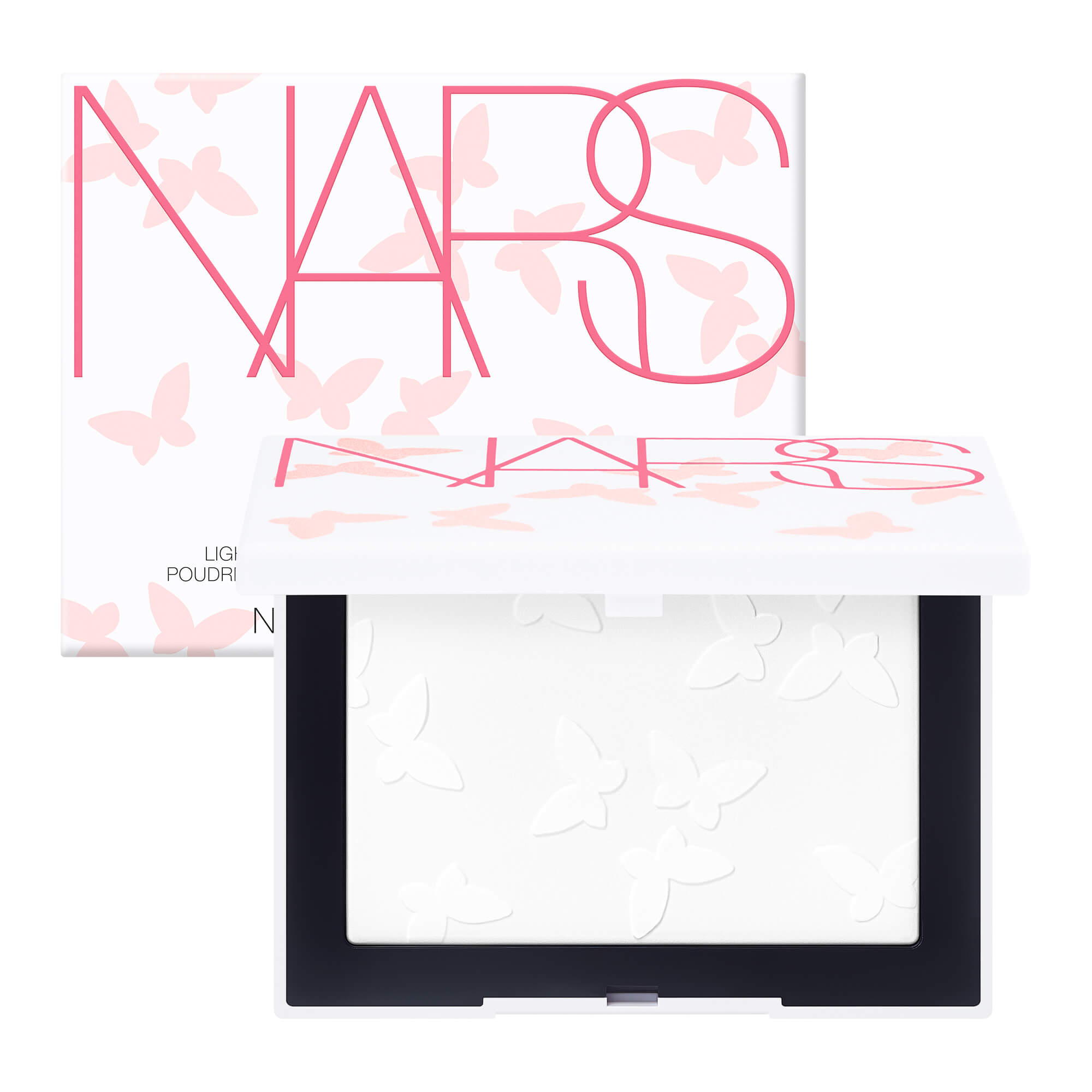
The NARS Light Reflecting Setting Powder completes the skin-first base makeup system as a light-management tool rather than a mattifying layer — the setting of what has been applied in a way that allows the skin’s natural luminosity to persist through the translucent powder without the base becoming mobile. In this role, the NARS setting powder is not about perfecting but about preserving the quality of what the base has established: the breathable, living texture of skin that has been supported rather than covered.
The philosophical turn toward skin-first makeup — building beauty practice around enhancement rather than transformation — has been documented across luxury beauty editorial. As Vogue’s ongoing beauty coverage on the evolution of base makeup philosophy reflects, the most significant development in contemporary base makeup is the shift from coverage as the primary metric of quality to skin quality enhancement as the defining standard. The most beautiful base is the one that makes real skin look like the best version of itself — not a different face, but the same face, more fully realised.
The preference for makeup formulations that work with the skin’s own biology rather than imposing upon it connects the best expressive makeup philosophy to the most considered approach to skincare. The same intelligence that produces a barrier-first skincare routine produces a skin-first makeup approach. The Return of Barrier Beauty: Why Lanolin Is the Ultimate Skin Investment explores this principle in the skincare context — the argument that the ingredient most closely mirroring the skin’s own lipid matrix produces effects that more aggressive formulations cannot achieve. NARS’s Light Reflecting makeup formulation philosophy rests on the same foundation.
Light as emotional architecture — glow, luminosity, and the NARS illumination system
Glow is not shimmer. It is not highlight applied to cheekbones in a specific pattern. It is the quality of light that skin produces when it is in good health, in good spirits, and in the presence of something worth being present for. The best makeup products do not add glow — they restore the conditions under which it appears naturally.
The relationship between light and emotional perception in beauty is one of the most consistently documented phenomena in the psychology of appearance. Faces that reflect light more evenly and with greater luminosity are perceived as healthier, more energetic, and more present than those that appear flat or matte — regardless of other features. This is not a cultural construct. It is a neurological response to a signal that the visual system has been interpreting for as long as human beings have been reading each other’s faces. Light in skin communicates vitality. Its presence or absence changes how a person reads to others before any other makeup feature registers.
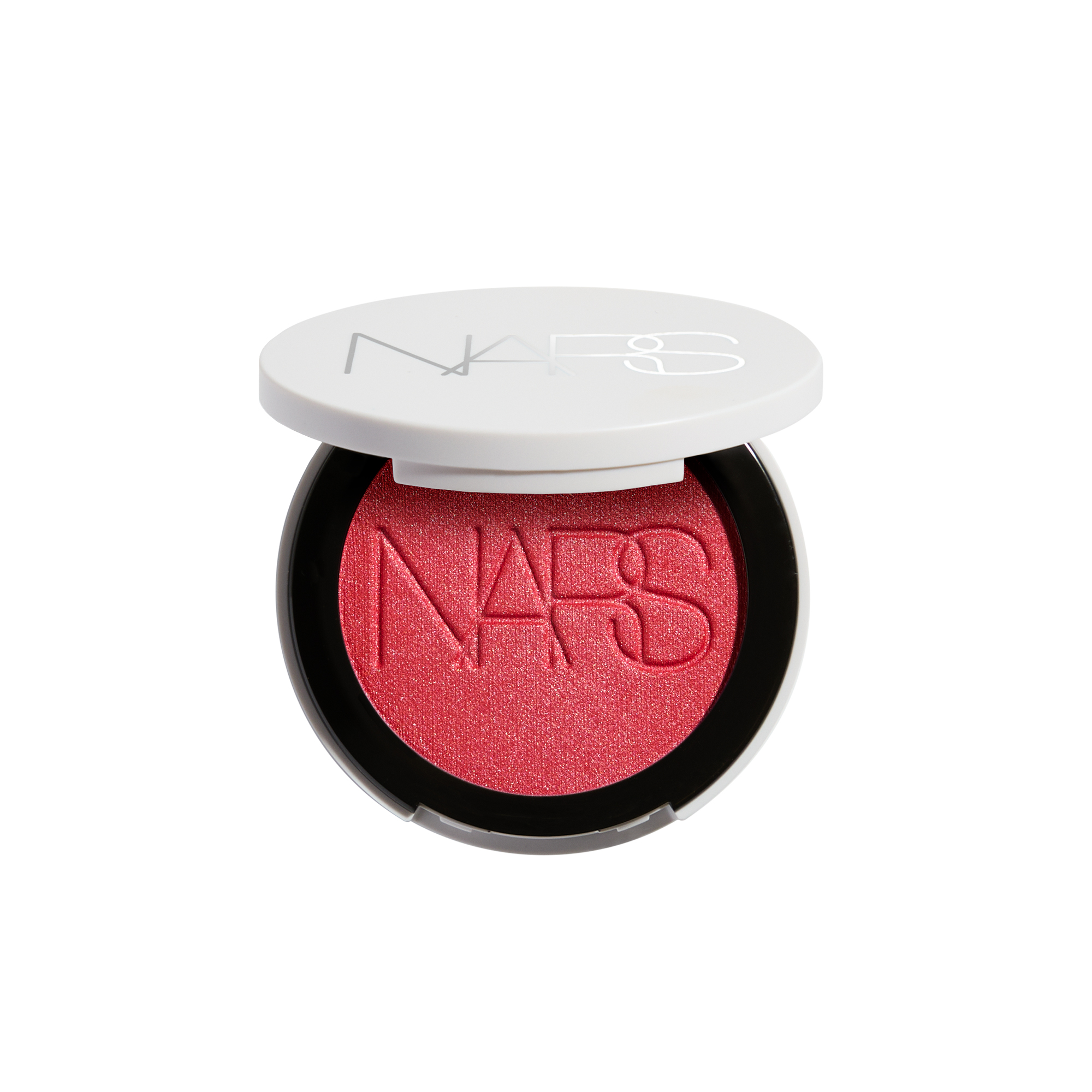
The NARS Light Reflecting Luminizing Blush operates within this makeup understanding. Its design intention is not the addition of colour to the cheeks in a specific placement pattern but the introduction of a quality of light to the skin that changes its entire register. The luminizing quality of the formula means that its effect is not isolated to the area of application but diffuses outward, so that the face appears to generate light from within rather than to have light applied from without. This is the distinction that separates a luminizing blush from a matte one: not the presence of shimmer particles but the capacity to change the face’s relationship to the light around it.
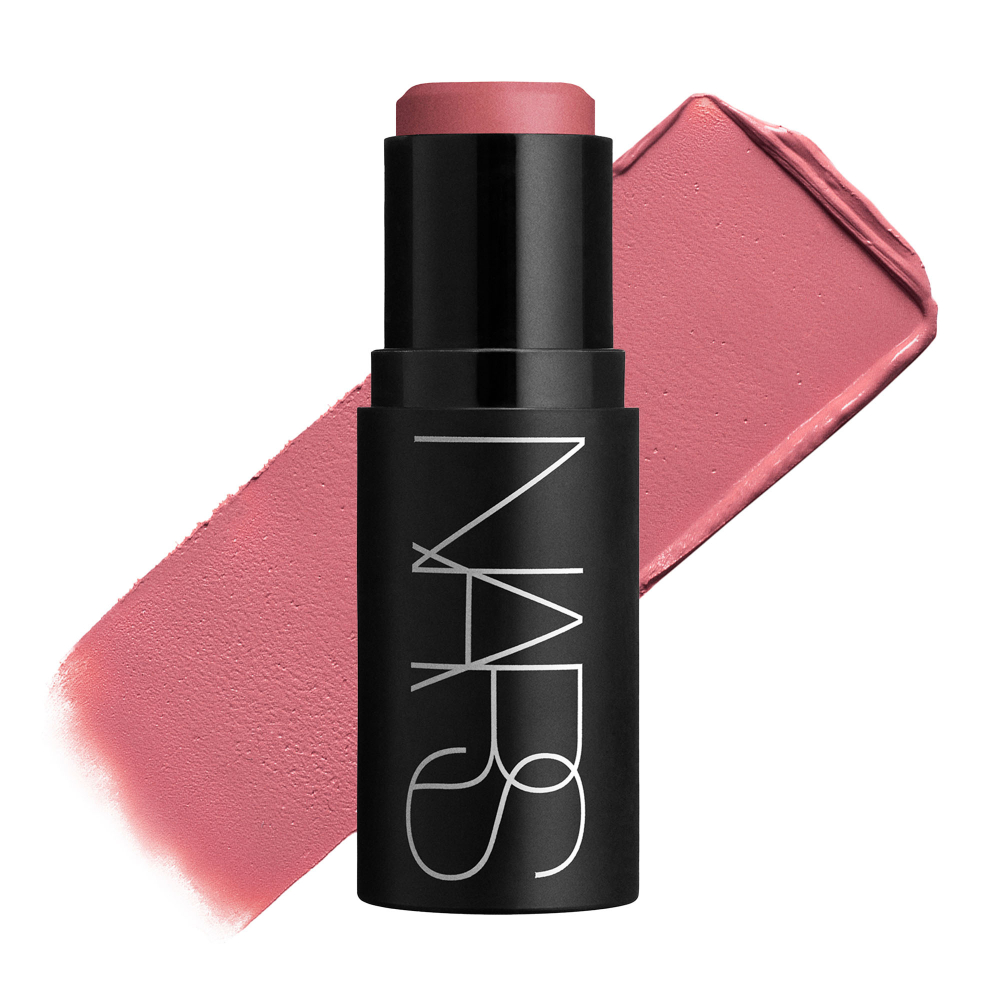
The NARS The Multiple is the brand’s most conceptually significant makeup product, and one of the most frequently misunderstood. It is a concentrated, multi-use colour and light vehicle whose function is defined entirely by placement and intention. Applied to the high point of the cheek, it is a glow. Swept across the eyelid, it is a wash of colour and dimension. Touched to the lip, it is both hydration and luminosity. The Multiple’s intelligence lies not in what it does in isolation but in what it enables: the personalisation of where light lives on the face, the decision about which features will catch the eye and which will recede, the composition of a face that reflects the wearer’s specific understanding of their own best light.
Detail as identity — expressive eye makeup and the precision of intentional placement
The eye is the most expressive feature of the face and the most culturally loaded site in the history of makeup. What has changed is not its centrality but the grammar through which it is used — from the maximalist comprehensive coverage of previous eras to the precise, intentional detail that defines expressive contemporary makeup.
The expressive makeup approach asks a different question of the eye: not how much can be done to it, but what specific quality of attention a particular eye can hold. The answer is almost always less than the previous era assumed and more precisely placed. A single wash of unexpected colour on the lid, allowed to show its texture rather than blended to invisibility. A smudged line at the lash line that carries the character of something applied by hand rather than engineered to perfection. A graphic accent in a non-standard position that redirects the eye’s movement across the face rather than completing a conventional makeup circuit.
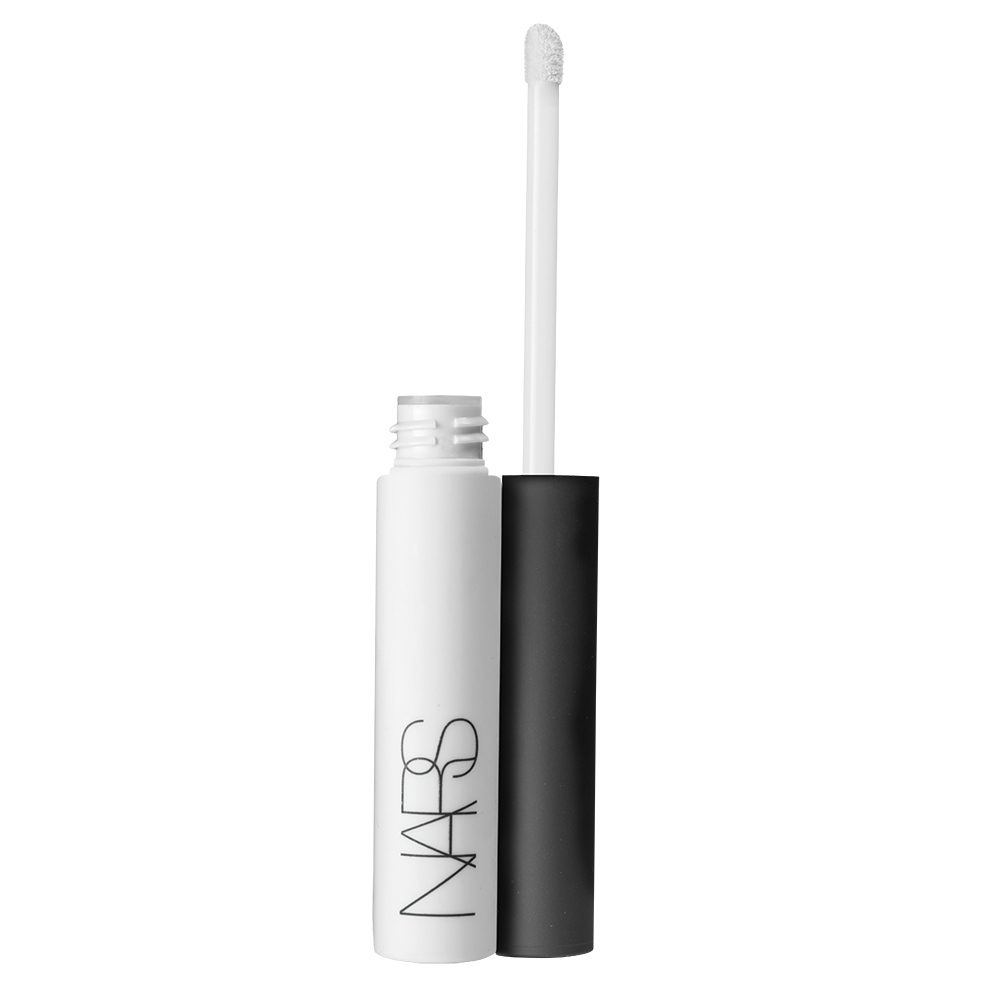
The NARS Smudge Proof Eyeshadow Base performs the foundational function that makes all of this expressive eye makeup possible: the creation of a surface on which colour behaves with the pigment intensity and longevity that intentional placement requires. Without a reliable eyeshadow base, the most considered shadow placement loses its precision within hours. With it, even a light application of colour in a specific position holds its relationship to the face across the day, which is what allows a deliberately placed detail to function as a composition element rather than an accident.
The NARS Afterglow Tempting Eyeshadow Palette extends this expressive eye makeup system across a curated colour range in which the selections are designed to reward both the traditional approach and the expressive one — shades that work conventionally when they need to, and that work in isolation or in unexpected combination when the intention demands it. The NARS Total Seduction Eyeshadow Stick reduces the eye makeup to its most efficient expressive gesture: a single, precise tool that delivers colour and texture in one movement, rewarding instinct over calculation.
The repositioning of the eye from a site of comprehensive coverage to a space for precise, intentional expression is part of a wider editorial movement in beauty culture. As Harper’s Bazaar’s analysis of expressive makeup as a lasting cultural shift documents, the shift from perfection to expression is not a temporary trend but a structural change in the values that beauty culture is being asked to carry — one in which individuality, emotional resonance, and the visible mark of a person’s own choices are valued more highly than technical flawlessness. The eye, as the most expressive feature of the face, is where this makeup culture change is most legibly played out.
Lips as balance and contrast — the NARS lip makeup vocabulary
The lip is the face’s punctuation. In a composition of soft skin and considered light, it carries the weight of the sentence — the specific choice about whether the face ends with a period or an exclamation, with restraint or with statement. In expressive makeup, the lip colour is not a complement to the look. It is a primary compositional decision that organises everything else.
The NARS Explicit Lipstick operates at the most committed end of this expressive makeup spectrum: a full-coverage, high-impact lip colour that announces itself as the face’s primary statement. In an expressive makeup context, this is not excess. It is a deliberate compositional choice — the decision to let the lip carry the face’s emotional weight while the skin remains minimal and the eye stays considered. The boldness of the lip is not in tension with the restraint of the base. It is enabled by it.
The NARS Powermatte High-Intensity Lip Pencil extends this into definition and structure: the lip makeup tool that gives the lip its precise edges, that makes the difference between a colour that reads as applied and one that reads as intended. The NARS Afterglow Lip Shine introduces the complementary register: luminosity over saturation, the lip that catches light rather than projecting colour, that reads as vital rather than dramatic.
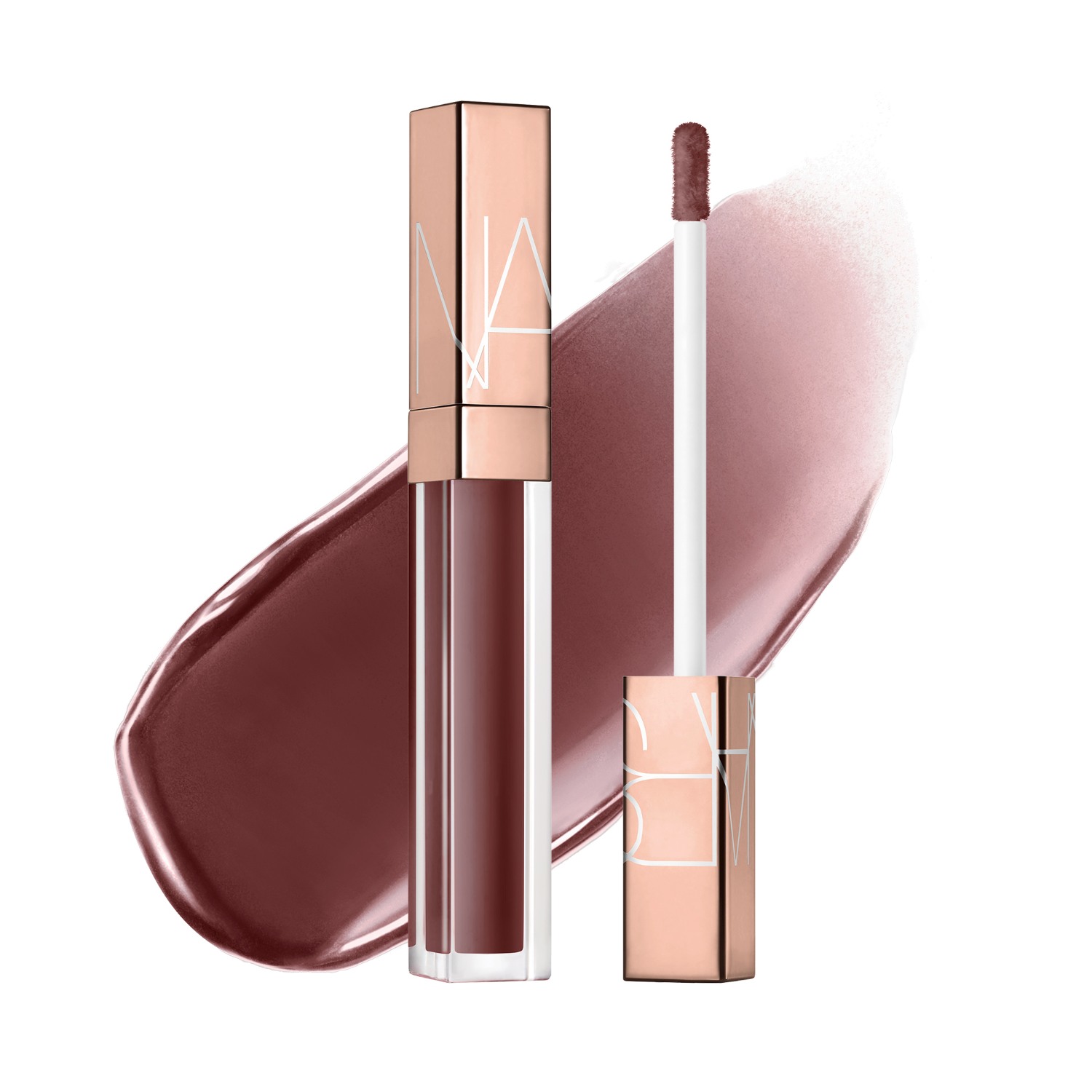
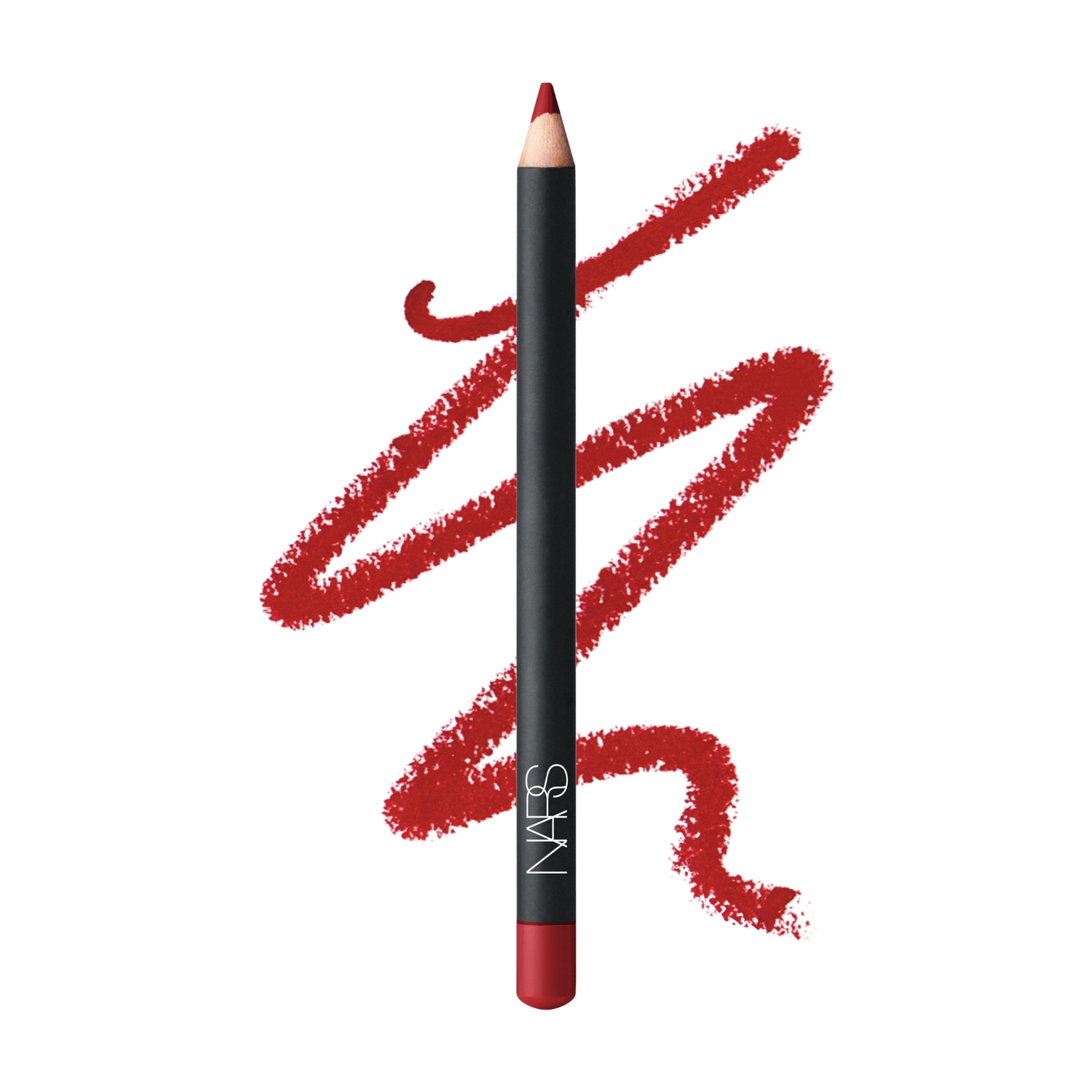
The NARS Precision Lip Liner bridges these two registers — the architectural lip makeup instrument that makes both possible, that gives whatever goes above it the definition to read with the clarity that expressive makeup requires. The most sophisticated lip is not always the most visible. It is the one whose relationship to the rest of the composition is most precisely calibrated — the lip that gives the face exactly the punctuation its specific sentence requires.
The power of contrast — composition, not addition, as the organising principle of expressive makeup
The new beauty formula is not addition. It is composition — the understanding that what is withheld is as expressive as what is applied, and that the tension between simplicity and detail is where individual beauty is most precisely located. Contrast is the organising principle of all visual art, and makeup at its most sophisticated has always understood this.
A bold lip requires a minimal eye. A graphic eye requires a restrained skin. A luminous glow requires the matte base that makes it visible. These are not rules to be followed but principles to be understood — descriptions of how the visual system processes a face, and how the most intelligently composed face manages the distribution of attention across its surface. In the expressive makeup vocabulary that NARS’s product range supports, contrast operates at multiple levels simultaneously: between matte and luminous finishes, between the skin’s natural warmth and the specific temperature of applied makeup colour, and between areas of fullness and areas of restraint.
NARS’s design intelligence, accumulated across three decades of editorial artistry, consistently returns to this principle. The brand’s most enduring makeup products are those that serve contrast rather than uniformity — the Orgasm blush, launched as one of the brand’s early signature pieces and still in the range because nothing has superseded it, works by introducing a specific quality of warmth and light to the face that creates visible contrast with the cooler tones of natural skin. It does not make the face look finished. It makes it look alive. This is the definitive expression of what expressive makeup achieves when it is working at its highest level.
Makeup as emotional expression — the psychology of intentional beauty
Makeup does not change who you are. It changes how who you are is visible to the world — and, more importantly, to yourself. The act of composing the face with intention is an act of self-knowledge: the decision, made daily, about which version of the self will be most fully present today.
The psychological literature on the relationship between appearance and self-perception is consistent: the way a person presents themselves externally has measurable effects on their internal experience of their own confidence, capability, and presence. The shift from perfecting to expressive makeup changes the psychological mechanism of this self-management. Perfecting makeup produces its psychological effect by reducing the gap between the face as it is and the face as it should be according to a shared template. Expressive makeup produces its psychological effect by a different mechanism: the assertion of a particular aesthetic position, the communication of a specific mood or intention, the visible declaration that the face being presented is a deliberate composition rather than a default appearance.
A perfecting makeup can make someone feel adequate. An expressive makeup can make them feel specific — can give them the particular quality of presence that comes from having communicated something true about themselves through the choices they made before leaving the house. As research published in the National Institutes of Health database on the psychology of cosmetic use and self-perception confirms, the use of makeup is associated with increased confidence, improved mood, and heightened sense of social presence — with the most significant effects observed when the makeup choices reflect the wearer’s own aesthetic preferences rather than external standards. This is the scientific underpinning of the expressive makeup philosophy.
The relationship between expressive self-presentation through makeup and the broader landscape of considered personal aesthetics is explored across this site’s Aesthetics and Beauty section. The principle that the most resonant personal aesthetic is built through precise, intentional choices rather than through accumulation connects expressive makeup to every other dimension of considered self-presentation. In jewellery, the same intelligence produces the argument explored in The Language of Modern Necklaces: Metals, Stones, and the New Codes of Personal Luxury: that the most meaningful objects in a personal aesthetic are those chosen for what they communicate about who the wearer is, rather than for what standard they meet. A NARS lip colour chosen for its specific emotional register and a Dower and Hall talisman chosen for its symbolic precision are expressions of the same underlying intelligence.
What modern makeup is building — the lasting argument for the intentional face
The beauty conversation has arrived at a position that François Nars intuited in 1994 and built a brand to support: that the face is most interesting as a site of individual expression, that the tools of makeup are most valuable when they serve that expression rather than override it, and that the most sophisticated beauty practice is the one most fully aligned with the aesthetic intelligence of the person practising it.
The most considered expressive makeup practice is not the one that achieves a specific look but the one that develops a genuine relationship with the face’s own expressive vocabulary — that learns, over time, which details produce the most specific and honest version of the person wearing them, and returns to those details as a foundation rather than a formula. NARS was built for this kind of practice. The brand’s longevity — thirty years, beginning with twelve lipsticks and a philosophy that has not fundamentally changed — is not despite its commitment to expression over perfection but because of it.
The structural shift in beauty culture from perfection to expression has been identified across the most authoritative industry and cultural analysis as one of the most durable changes in how beauty is understood and practised. As Business of Fashion’s analysis of beauty culture and its relationship to identity documents, the brands that will define beauty’s next phase are those that have understood the deeper cultural shift — not toward a specific aesthetic but toward the primacy of individual self-expression as the organising value of beauty practice. NARS’s founding philosophy, articulated thirty years before this shift became the dominant conversation, positions it uniquely to lead within it.
The same movement that has reshaped beauty practice — away from comprehensive coverage toward selective intention, away from the meeting of external standards toward the expression of individual intelligence — is reshaping every category of considered luxury simultaneously. In fashion, it produces the preference for fewer, better pieces chosen for how they hold over time rather than how they read in the moment. The New Language of Quiet Luxury: Inside the Timeless Wardrobe of Apparis explores this logic through the lens of material permanence and ethical construction. The person who builds a wardrobe around pieces chosen with genuine aesthetic intelligence, and who composes their face with the same considered precision, is operating from the same underlying sensibility: that the most enduring beauty is always the most intentional.
“Modern makeup is no longer about creating a flawless surface.
It is about revealing identity through contrast and intention.
Skin remains real. Light becomes expressive. Detail carries meaning.
This is the new era of beauty — built on individuality, not perfection.
And the face most fully realised
is the one most honestly composed.”

