
On the end of the manufacturing myth, why a country that learned to make everything is now deciding what to imagine, and what it means when the world’s largest production economy starts exporting ideas instead of goods
Shanghai Fashion Week is not simply showcasing what China produces. It is revealing what China imagines — and the distinction between those two sentences is the entire story of the industry’s next decade.
For decades, the phrase “Made in China” carried a fairly fixed set of associations: scale, speed, manufacturing precision, and very little claim to authorship. That narrative has been quietly dismantling itself for years, and Shanghai Fashion Week is where the demolition has become impossible to miss. The question the industry has been asking of China is no longer whether the country can make luxury. It has already answered that. The more interesting question now on the table is who gets to define what luxury means next — and Shanghai has positioned itself, deliberately and at scale, as part of that answer.
From Manufacturing Giant to Creative Economy
A country that spent decades learning precisely how clothing is made eventually arrives at a different, more consequential question: how clothing should be imagined.
China’s fashion industry has never lacked technical capability — its expertise in textiles, craftsmanship, and supply-chain logistics is, if anything, unmatched globally. What has shifted is not competence but ambition. That manufacturing foundation is now being redirected toward creative independence rather than simply fulfilling someone else’s design brief, a transition The Business of Fashion has tracked closely as one of the defining structural stories in the industry’s recent history. The result is a domestic fashion economy built increasingly on originality rather than volume — designers who understand production intimately enough to know exactly where to depart from it.

Why Shanghai Became Asia’s Fashion Laboratory
Shanghai functions less as a backdrop for this transformation than as its actual ecosystem. The city combines international influence with genuine historic architecture, a serious luxury retail infrastructure, design education, and a level of entrepreneurial energy that makes it a credible meeting point between East and West, tradition and experimentation, heritage and outright invention. That infrastructure argument is not abstract: institutions including Istituto Marangoni and IFA Paris have both established a presence in the city, drawing designers who want to train inside the ecosystem they intend to build careers within, rather than importing a Chinese sensibility into a Parisian or Milanese education after the fact.
Is Shanghai becoming a fashion capital? The infrastructure suggests it already has, on its own terms — not by replicating Paris, Milan, London, or New York, but by building a parallel ecosystem where domestic designers develop, launch, and scale without first needing validation from any of the traditional four.
The growth of Chinese design talent tracks closely with a genuinely new consumer profile: culturally confident, globally connected, and increasingly drawn to originality over logo recognition. This is not a generation rejecting international fashion. It is one expanding the category, asking a fairly direct question of its own market: why consume only imported aesthetics when a domestic design language now exists worth choosing instead?
That question has driven a broader luxury market spanning footwear, bags and streetwear toward valuing style and craftsmanship over brand name alone, with emerging designers increasingly prioritising quality and a distinct point of view over sheer output.
From Imported Status to Chosen Identity
For much of the last few decades, luxury in China was read largely through foreign names. A recognisable logo worked as a shorthand for success, and the market rewarded visibility over subtlety. That logic made sense in a moment when a growing middle class wanted to signal arrival quickly, and when the domestic industry was better known for manufacturing other people’s designs than for originating its own.
What has changed is the buyer’s relationship to that signal. A consumer who has travelled, studied abroad or simply spent years online inside global fashion conversation no longer needs a logo to prove fluency. She has already seen the references. The more interesting move now is to choose something that cannot be read at a glance: a silhouette with a point of view, a material treated with care, a label whose story the wearer can explain. Status has not disappeared; it has moved from what a brand announces to what an object quietly shows.
Three conditions have come together. The first is training and exposure: a generation of Chinese designers has studied or worked in international fashion capitals and returned, or stayed connected, with both technical skill and a global reference set. The second is infrastructure. China’s manufacturing depth, long a quiet advantage, means a young label can move from sketch to sample to small production run with a speed and quality that designers elsewhere often cannot match. The third is audience. A domestic consumer who is comfortable with design, and curious about it, gives an emerging label something many young designers struggle to find: a home market willing to take it seriously before the rest of the world does.
The term often used for this shift in the domestic conversation is guochao, loosely “national tide”, which describes a rising pride in homegrown design and culture. It is worth treating with some care. At its weakest it is a marketing label applied to anything with a traditional motif attached. At
Inside Shanghai Fashion Week’s Creative Ecosystem
Shanghai Fashion Week operates as considerably more than a runway calendar. It functions as an economic engine connecting designers, buyers, media, and investors across a genuinely dense week-long schedule — access to which now runs largely through WeChat mini-programmes rather than a conventional press office, itself a small but telling detail about how deeply the event is embedded in China’s own digital infrastructure rather than adapted from a Western fashion-week template.
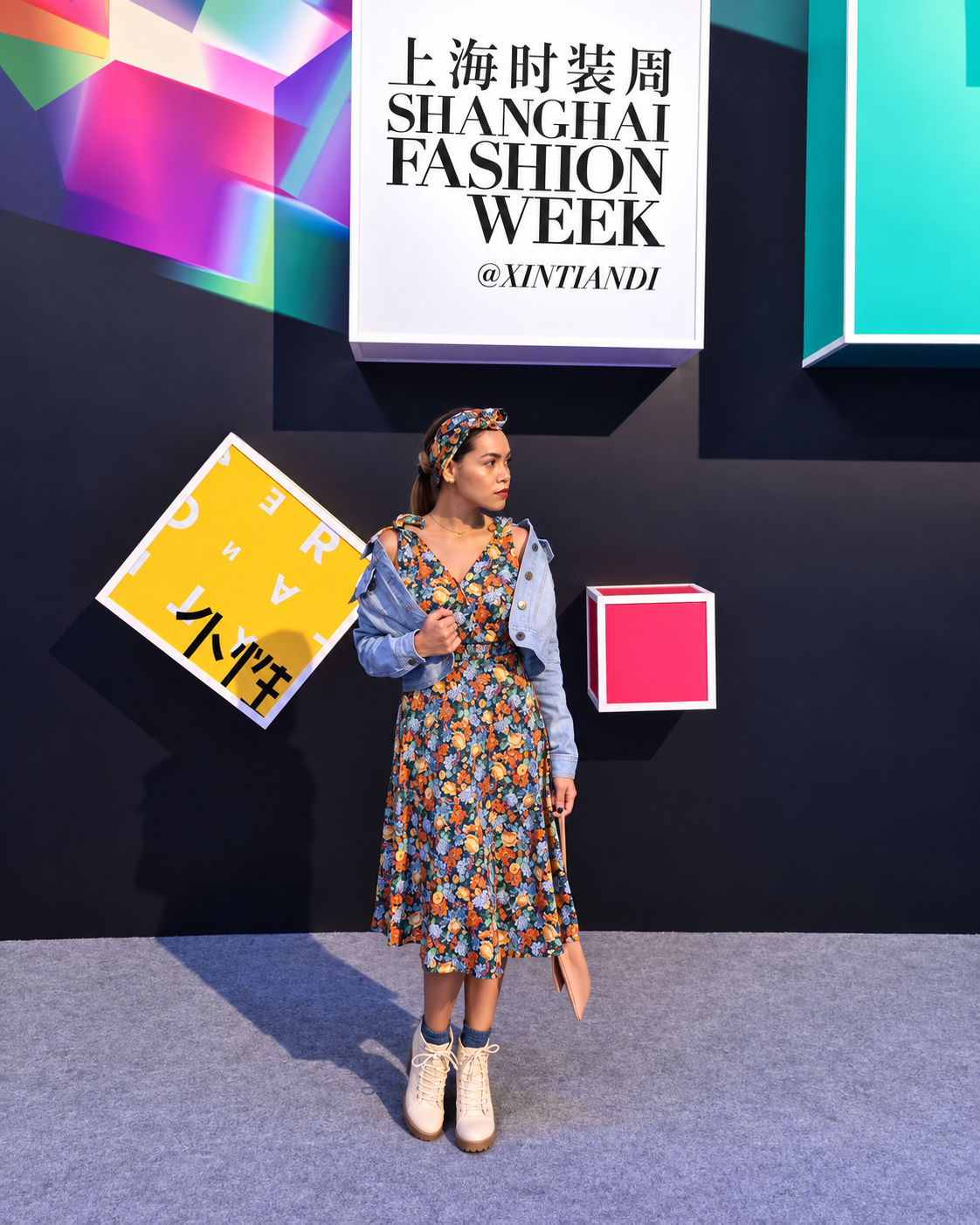
This season’s theme, Personal Expression, staged at Taiping Hu Park within Shanghai’s Xintiandi district, focused mid- and high-end designer brands around the integration of functionality with genuinely expressive design — and, notably, around socially engaged subject matter including feminism, cultural heritage, and public interest concerns, a thematic seriousness that tracks closely with the values of the younger Chinese consumers the week is increasingly built to serve.


Ontimeshow: Where Fashion Meets Business
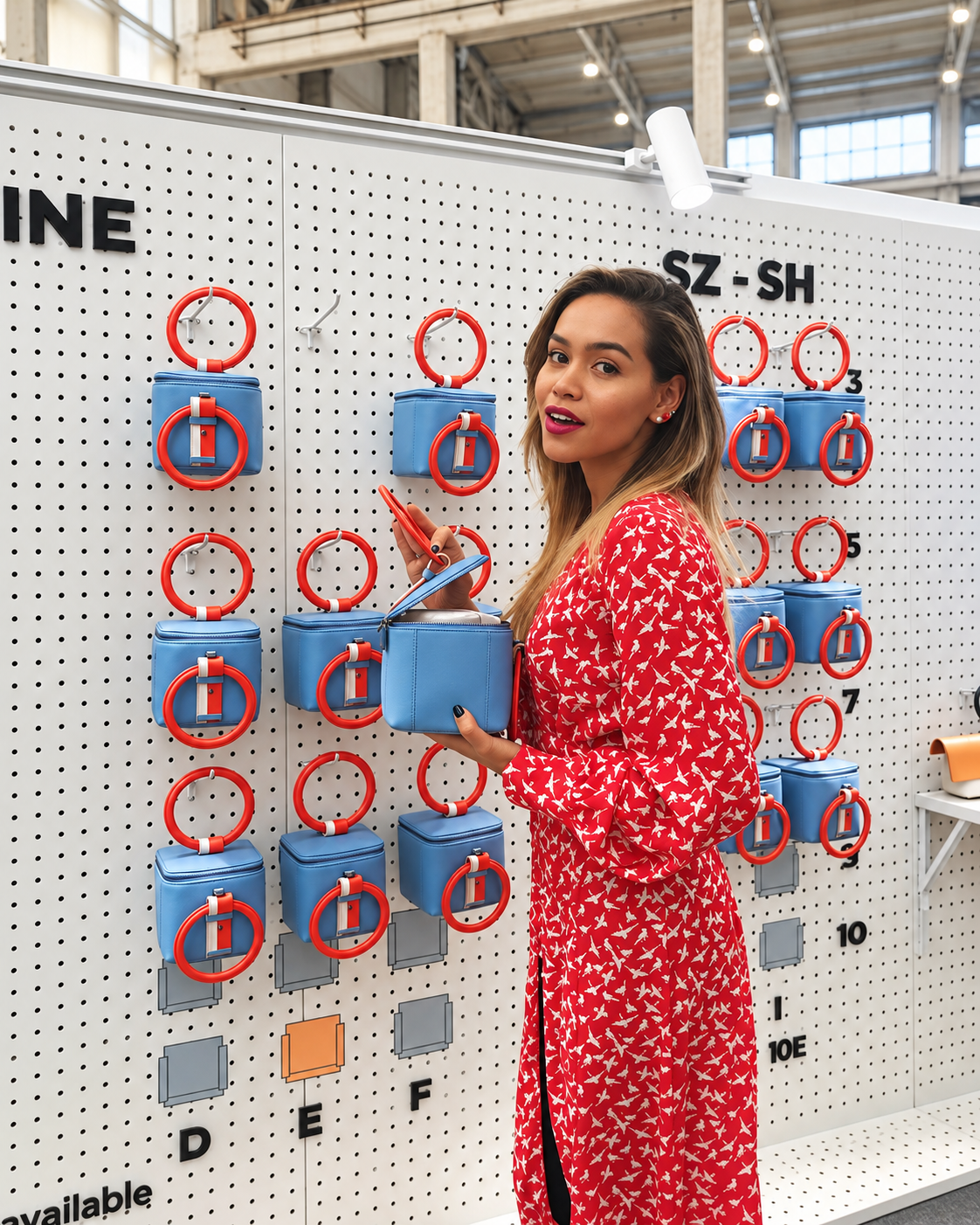
If the runway is where Shanghai Fashion Week performs its identity, Ontimeshow is where that identity gets converted into commerce. A by-invitation trade platform run to a high curatorial standard, Ontimeshow functions as a vital link between designers, buyers, brands, media, and retail — less a showcase than a genuine catalyst for sales and distribution. Its timing during the broader fashion week is deliberate, maximising exposure precisely when international buyers and press are already in the city, and its value lies specifically in infrastructure: the fashion ecosystems that endure are the ones that pair genuine creativity with equally genuine commercial machinery, and Ontimeshow is where Shanghai has built that half of the equation with real intent.



The Designers Redefining Chinese Identity
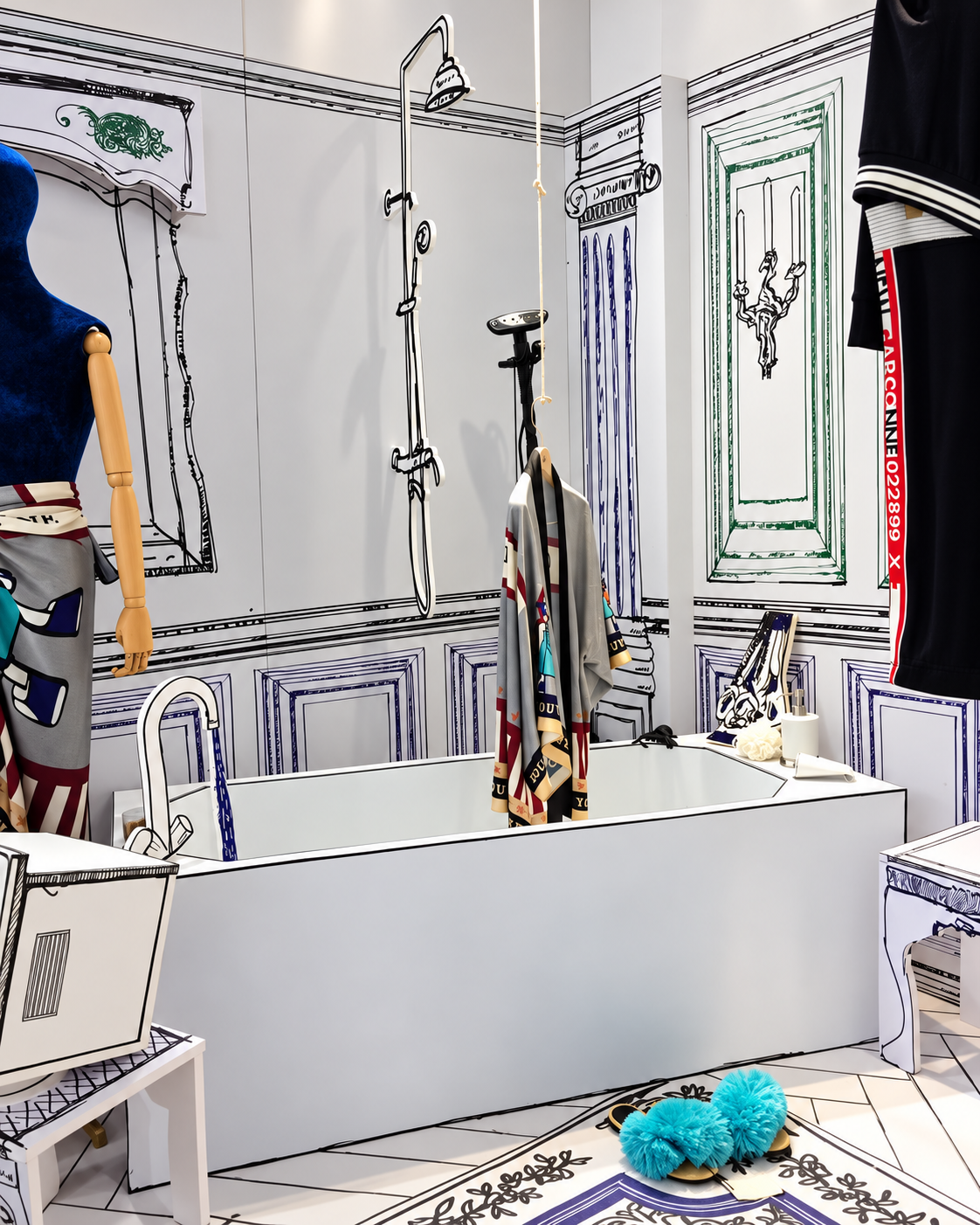
The most interesting development within Shanghai’s design language is not a simple return to tradition. It is a genuine negotiation — historical reference held in tension with urban life, emerging technology, and global visual culture, producing an aesthetic that reads as both familiar and unfamiliar at once. “The Fashion Master,” the week’s talent-development segment and a rough analogue to Project Runway, captures this negotiation directly: designs shown through the competition have carried a distinct maturity and modernity while remaining unmistakably rooted in Chinese heritage, submitted by designers trained across Europe, the United States, and Asia without any single educational pedigree dominating the field. That openness is itself the point — a signal that Chinese fashion’s next generation is being defined by perspective rather than credential.
Who are emerging Chinese fashion designers? Increasingly, the answer is being written through platforms like The Fashion Master and the broader Shanghai Fashion Week ecosystem rather than through any single breakout name — talent development treated as cultural infrastructure rather than a one-off discovery story.
Xintiandi’s own runway programme remains the week’s central stage, drawing a reported forty thousand attendees and roughly a hundred and fifty international and domestic media representatives each season — a scale that places it firmly within the global fashion calendar rather than positioning it as a regional showcase. Its historic architecture, set against Shanghai’s contemporary skyline, gives the runway a physical argument for the same synthesis its designers are pursuing on the body: heritage and modern life sharing the same frame without either one flattening the other.
Labelhood and the Democratisation of Fashion
Fashion, in Labelhood’s own framing, is not simply clothing. It is a form of communication — one that fosters connection and sparks conversation well beyond the runway’s traditional audience.
Labelhood’s central contribution to Shanghai’s ecosystem is structural rather than aesthetic: an insistence that fashion belongs to more than industry insiders and luxury houses. Its Flag Pioneer Art and Fashion Festival, the first fully public event of its kind in China, folds runway presentation together with music, performance, art installation, and multimedia work, treating attendees as participants rather than spectators. The effect is a genuinely multi-dimensional platform for younger designers and audiences alike — evidence that Shanghai’s fashion infrastructure now extends deliberately past the traditional show format into something closer to a cultural ecosystem in its own right.


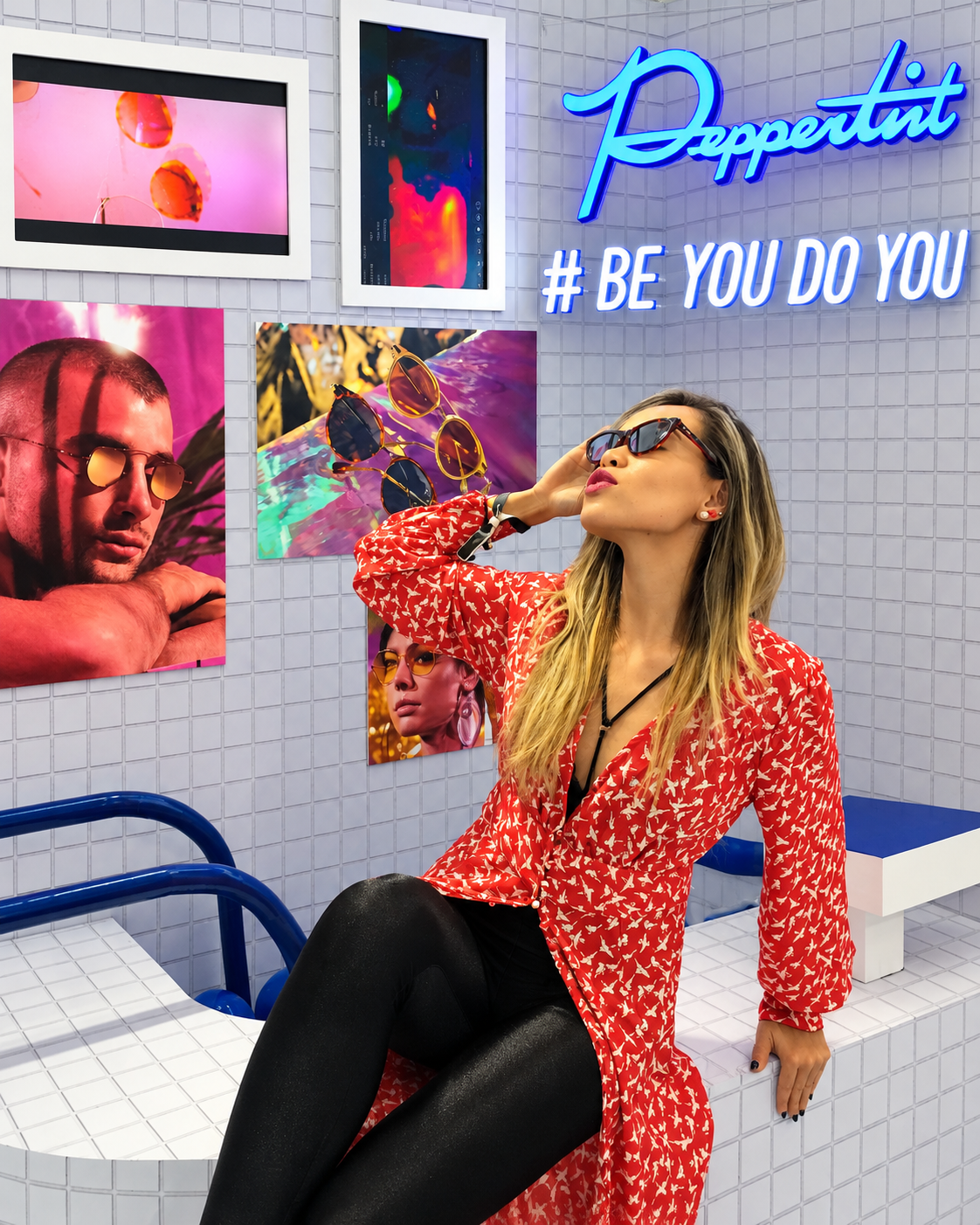
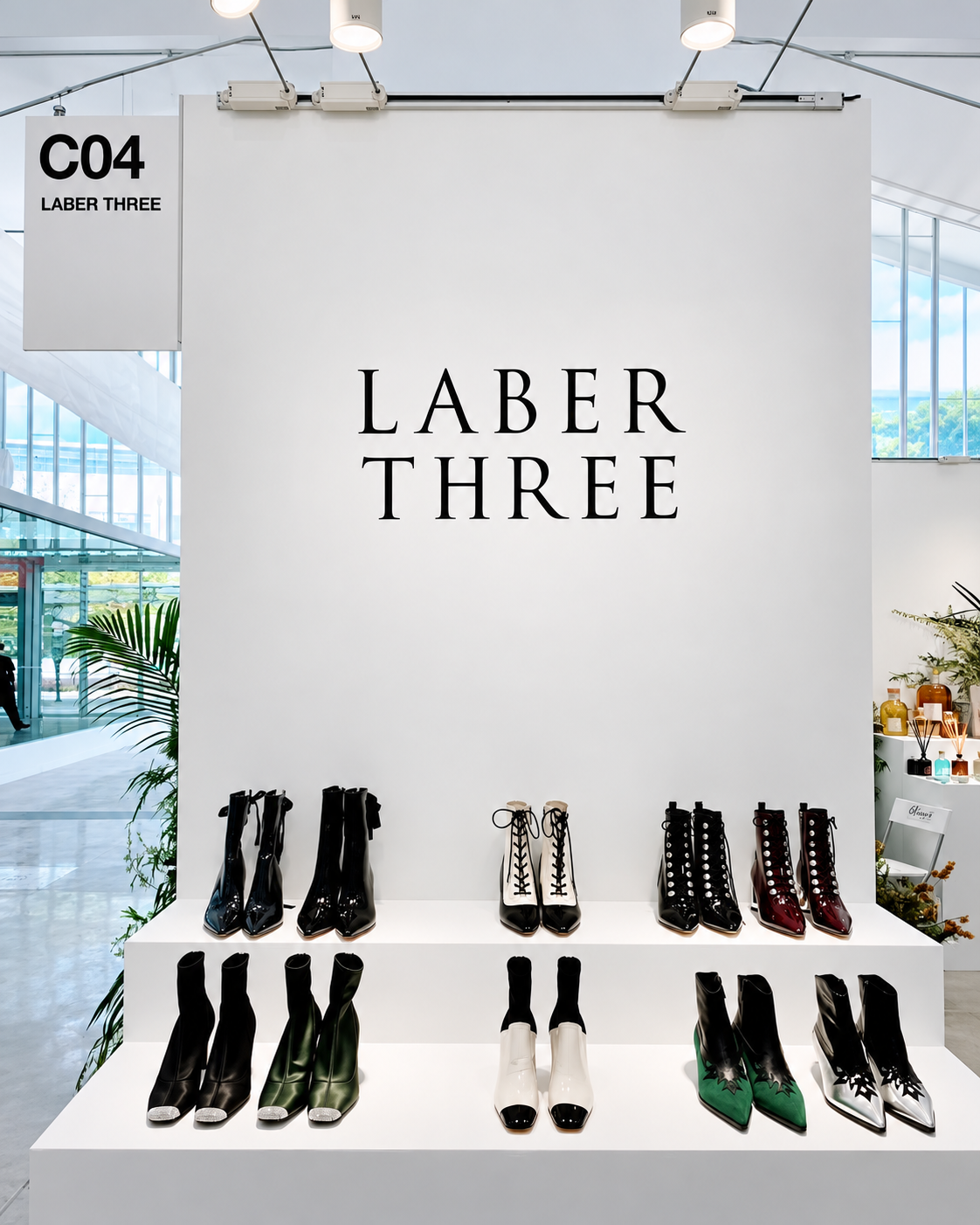
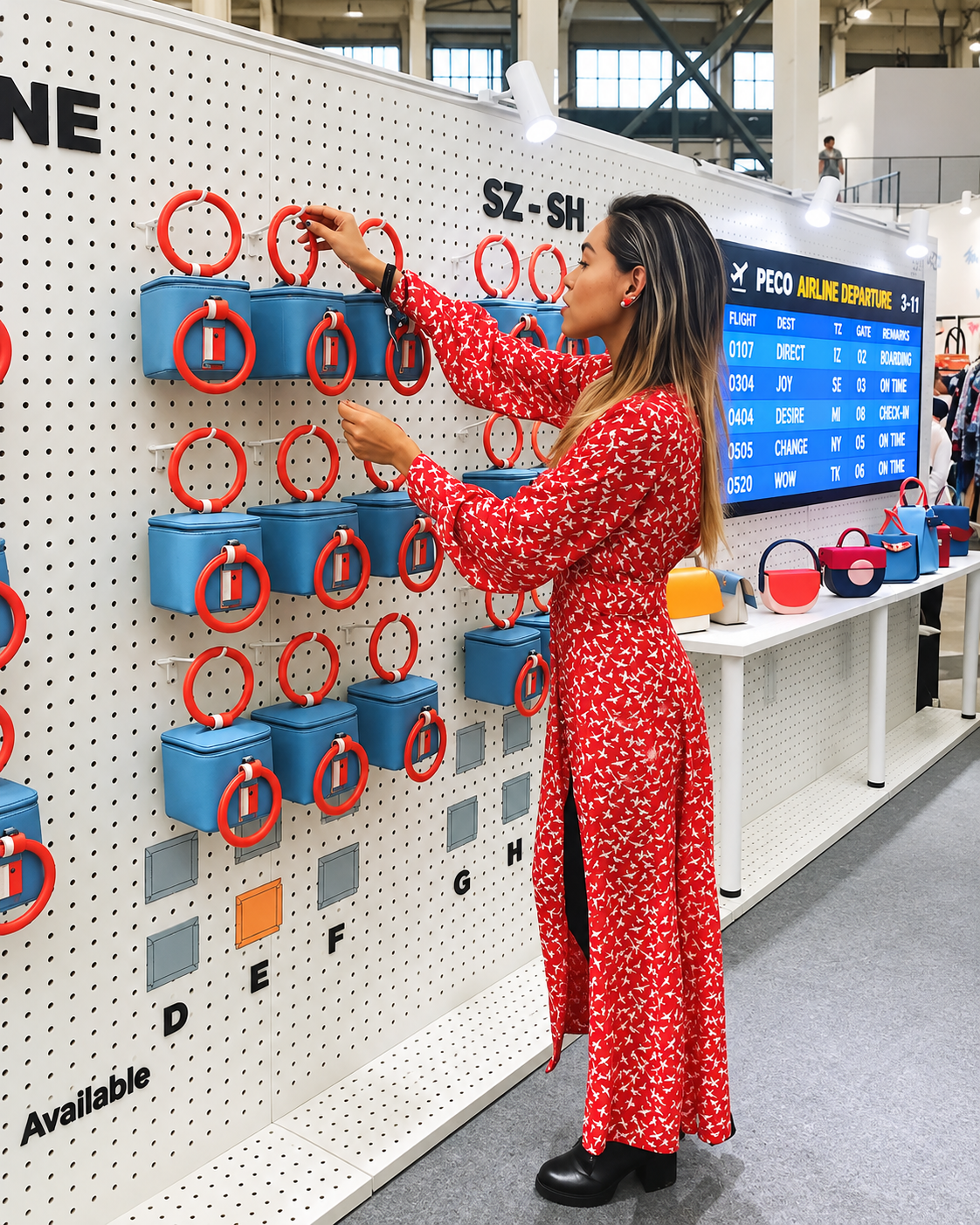
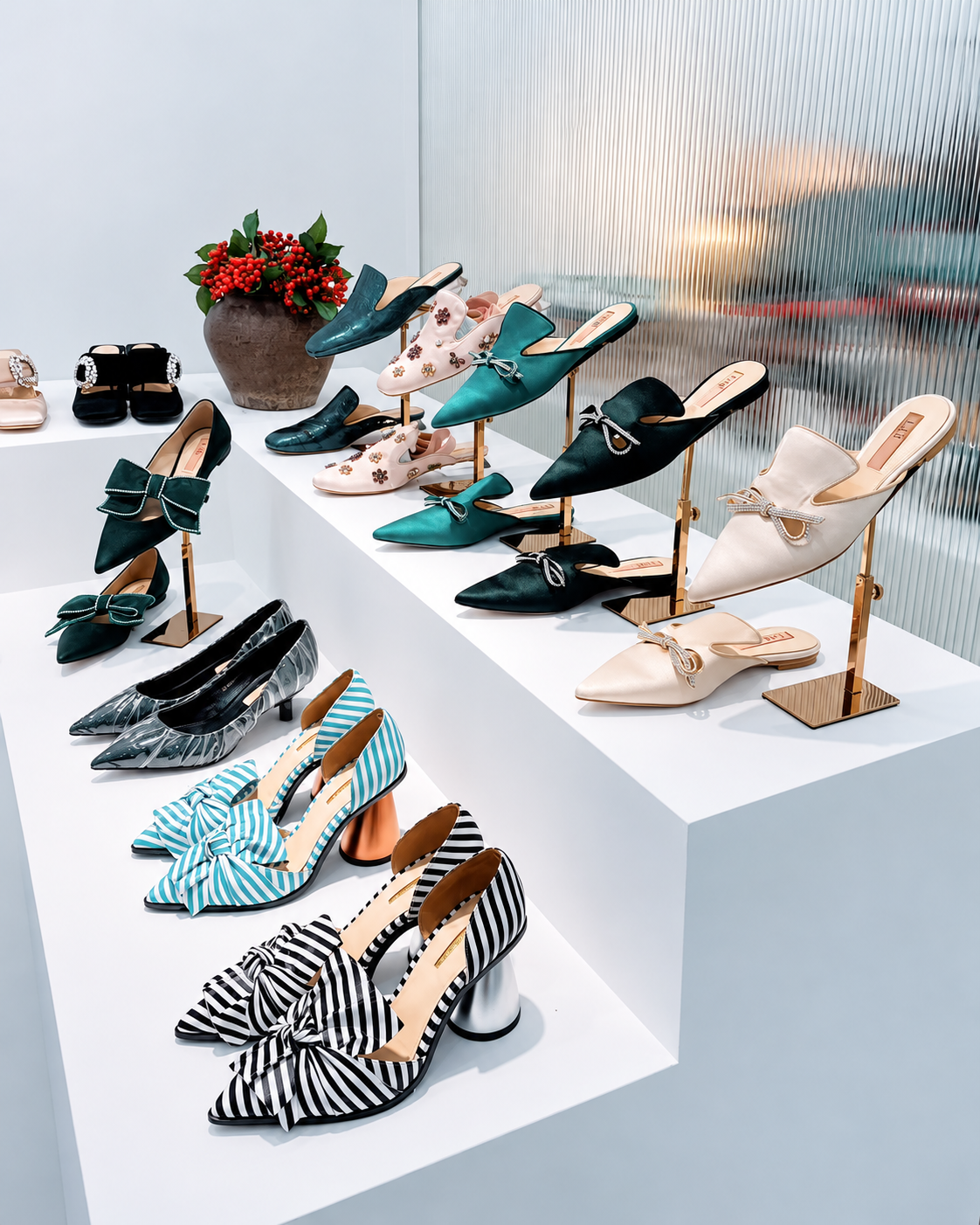
Elsewhere in the city’s expanding fashion geography, the Shanghai International Fashion Showcase has hosted established international names such as the American label BEBE alongside Lebanese couturier Mikael Derderian, whose romantic, fantasy-driven gowns have earned him a devoted international clientele — a reminder that Shanghai’s fashion week functions as a genuine crossroads rather than an exclusively domestic showcase.


Galaland, the newest addition to the week’s platform ecosystem, previewed its debut under the theme Dan — the rising sun — a full year of planning behind a concept built explicitly around new beginnings and the promise of what comes next. Its stated ambition, curating quality domestic and international brands with equal seriousness, reflects the same infrastructure logic running through Ontimeshow and Labelhood alike: platforms built specifically to let emerging talent develop rather than simply appear once and disappear.


The New Luxury Language Emerging From China
A clear framework has emerged from watching this ecosystem mature across seasons: craftsmanship, valued as human skill rather than automated output; cultural identity, expressed as origin and meaning rather than decorative reference; innovation, treating technology and creativity as complementary rather than opposing forces; a deliberate move away from mass consumption toward exclusivity and intention; and storytelling, building emotional value into product rather than relying on brand recognition alone. Shanghai’s fashion movement, across its runways, its trade platforms, and its more experimental festivals, reflects all five simultaneously — which is precisely what separates an emerging fashion capital from a market simply producing more of what already exists elsewhere.

Why Shanghai Matters for Fashion’s Future
Global fashion’s centre of gravity is shifting, and Shanghai’s ecosystem — a genuine synthesis of runway, trade infrastructure, talent development, and cultural programming operating in close coordination — offers a credible preview of where that shift is heading: toward Asian consumers with real purchasing power and cultural confidence, toward independent and digitally native brands rather than only heritage houses, and toward production capability treated as a foundation for creativity rather than a substitute for it. The next fashion capitals, on current evidence, will not simply export garments. They will export ideas about what fashion is for — a shift that runs parallel to other categories of considered culture reclaiming their own authorship, from an indigenous Indian painting tradition asserting its own ecological worldview to a Croatian beauty philosophy built around regional heritage rather than imported convention, or a preference for fewer, more considered wardrobe pieces over constant acquisition — the same underlying instinct, wherever it surfaces: authorship over imitation, meaning over volume.
Shanghai is not waiting for fashion’s future to arrive from somewhere else. Between its runways, its trade shows, and its increasingly public-facing festivals, the city has already begun designing that future directly — a claim Vogue Business has itself increasingly extended to China’s broader creative economy, and one Shanghai Fashion Week continues to make its own case for, season after season. The future of fashion will not belong to a single city. But Shanghai has already secured a permanent seat in that conversation, and it did not ask anyone’s permission to take it.
“Made in China
used to describe
where something was assembled.
It is beginning to describe
where something was imagined —
and that is a far harder title
to hand over once earned.
Shanghai did not ask
Paris, Milan, London or New York
for permission
to have a point of view.
It simply built the runway,
the trade floor, and the festival
and started speaking
in its own language.”

