

On on-chain blockchain analytics, exchange infrastructure, institutional capital, and why the Web3 markets that function rather than perform define where decentralised finance goes next
In maturing Web3 markets, proximity stops being an advantage and becomes a requirement. The distance that makes a blockchain market easier to interpret is the same distance that limits how fully it can be understood — and in Singapore, that distance has been structurally reduced to a degree that no other city in Asia has replicated.
There is a version of Web3 market understanding that is available to everyone — pattern recognition built from observing cycles, following blockchain momentum, and reading the structural coherence that holds when looking from a distance. This version requires no particular access and produces no particular edge. It is the view that the majority of crypto market participants hold, and the view they act on — which is precisely why it compounds less than the alternative.
The alternative is structural understanding: the kind that forms not from observing what the blockchain market produces but from being present where it is produced. In Web3 and decentralised finance, a significant share of the market’s real movement stays within environments that do not extend outward in real time. It forms inside institutional conversations, capital relationships, and regulatory engagements that never surface as publicly visible signals. The market’s direction takes shape beneath what is apparent — in ways that cannot be fully read from the outside regardless of how sophisticated the external analysis is.
Singapore is where this distinction between Web3 market observation and Web3 market participation is most clearly visible and most consequential. It is not the largest crypto market in Asia. It is the most structurally coherent one. And structural coherence, in a blockchain ecosystem, is what determines where institutional capital flows, where serious founders build with genuine confidence, and where the next phase of decentralised finance is actually worked out rather than merely anticipated. This is a permanent condition of Singapore’s position in the global Web3 economy — not a phase it is passing through, but the architecture it has permanently established.
Reading a blockchain market from the outside produces pattern recognition. Reading it from within produces structural understanding. Only one of those compounds over time. A version of that same principle is visible in Dubai, where Inside Token2049 Dubai: The Infrastructure Era of Web3 documents how the convergence of capital, founders, and institutional blockchain infrastructure creates the conditions in which structural understanding — rather than surface observation — becomes the operative mode of market engagement.
Singapore as a permanent Web3 signal environment — why regulation, institutional capital, and blockchain infrastructure converge here
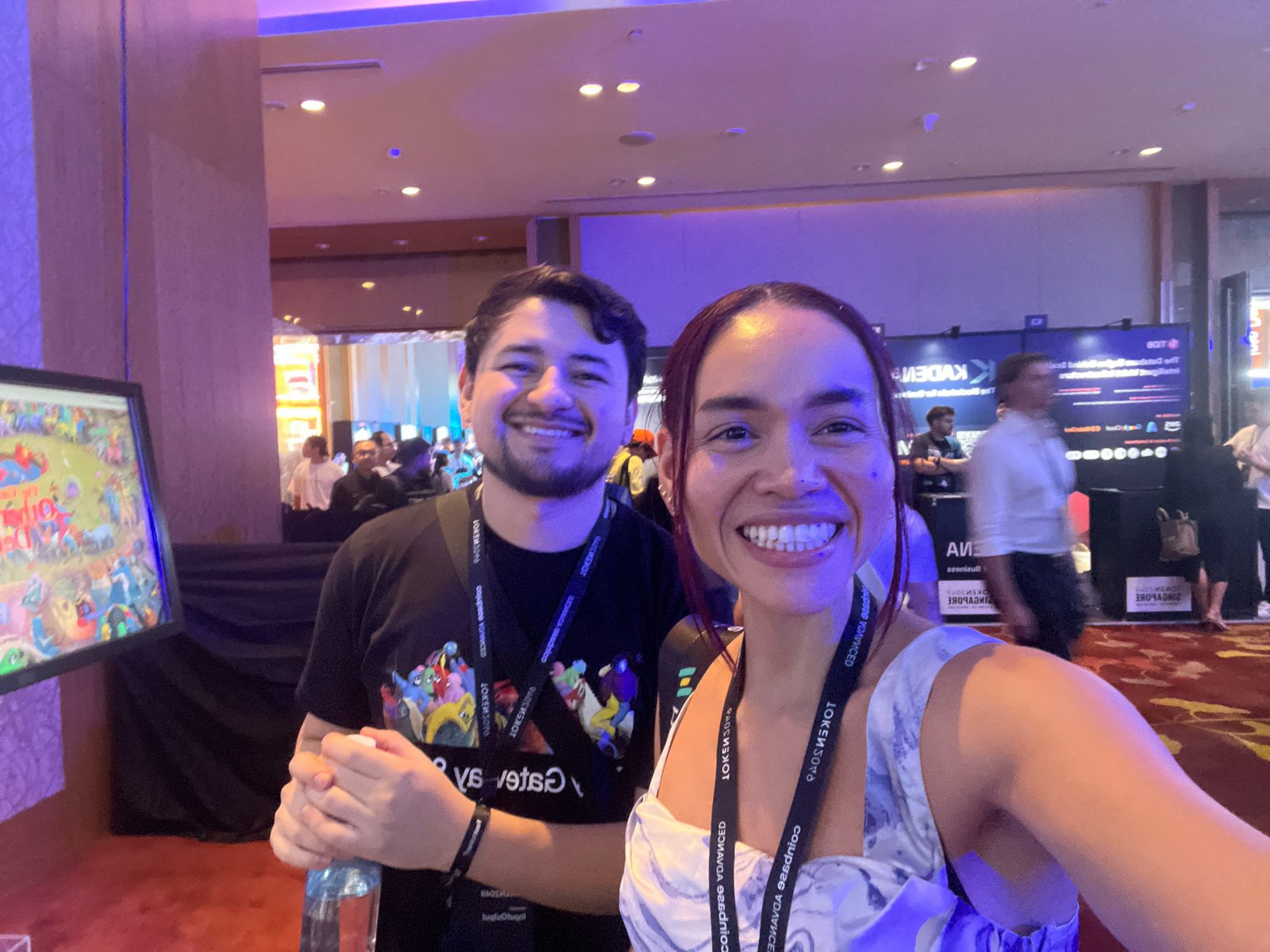


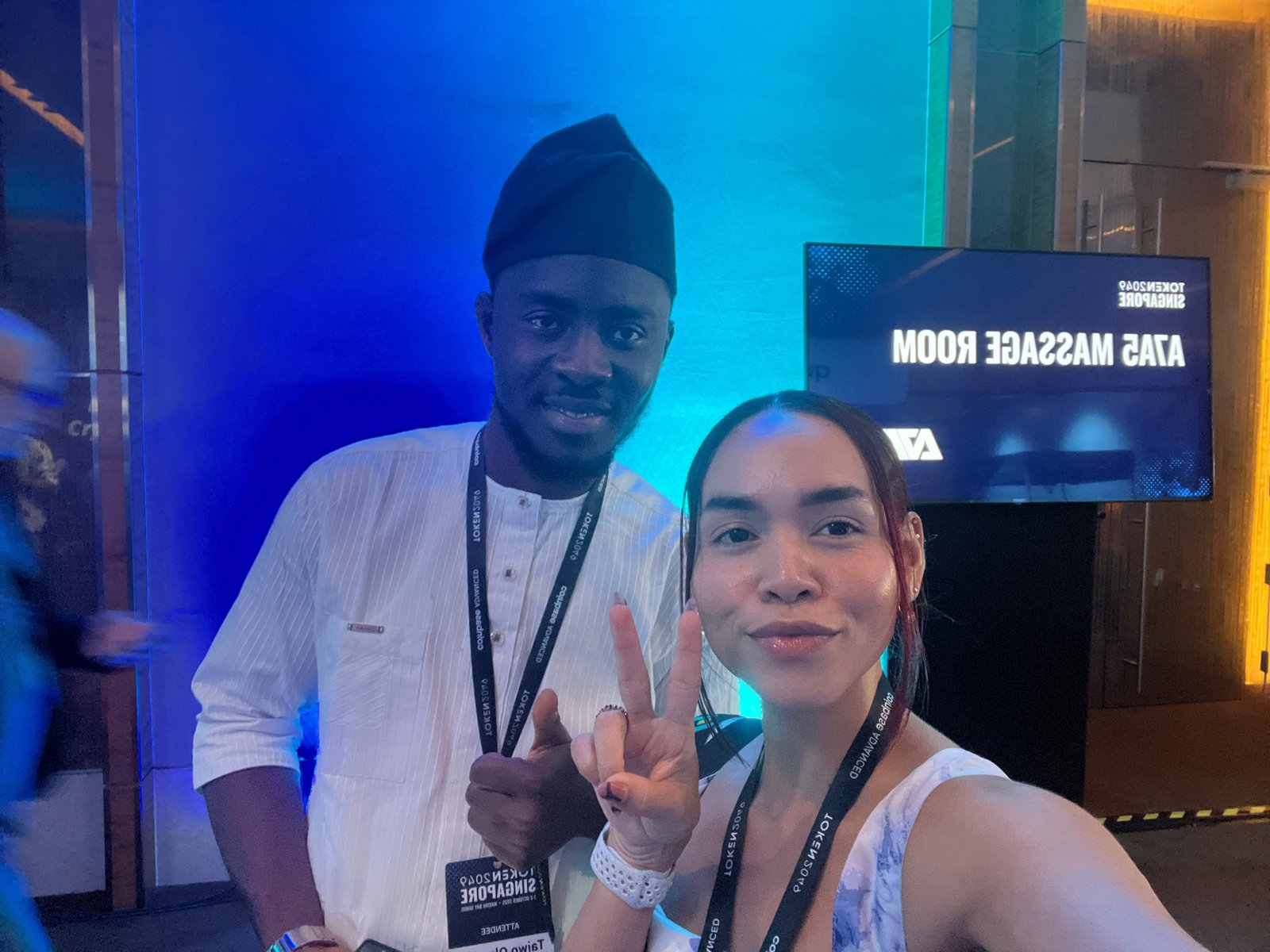
Singapore is where Web3 blockchain infrastructure, digital asset regulation, and institutional capital have been made to move in the same direction at the same time. What this produces is not a crypto-friendly environment in the broad sense that term is applied to many jurisdictions making similar claims. It is a high-signal blockchain environment — one where the decisions that shape Web3 market direction form closer to the intersection of policy, capital, and infrastructure than anywhere else in Asia.
The Monetary Authority of Singapore has built one of the most considered regulatory frameworks for digital assets anywhere in the world — not as a constraint on the crypto ecosystem, but as a structural layer within it. Compliance, custody, licensing, and cross-border blockchain participation have been made to move alongside institutional capital rather than against it. Crypto regulation and capital infrastructure are calibrated to the same pace, which means the friction that slows things in other environments — the delays, the uncertainty, the misalignment that follows when policy and capital are not speaking the same language — is significantly reduced before any participant enters the system.
This is the distinction that most jurisdictions attempting to establish blockchain hub status have failed to achieve. In Singapore, the regulatory framework and the capital infrastructure are not developing in parallel tracks that will eventually be integrated. They are already integrated — and that integration is self-reinforcing. Regulatory clarity attracts institutional blockchain capital. Institutional capital attracts serious Web3 founders. Serious founders build the blockchain infrastructure that makes the regulatory framework more relevant. The cycle compounds rather than peaks. This is the architecture of a permanent Web3 hub.
As Bloomberg’s analysis of MAS digital finance and blockchain asset tokenisation initiatives documents, Singapore’s framework is being built in coordination with global financial institutions — an architecture designed not to react to crypto market cycles but to carry through them. Singapore does not announce itself as a Web3 hub. It functions as one. Environments that function rather than perform attract sustained institutional blockchain presence, hold through crypto market cycles, and become the places where the next phase of an industry’s development is actually worked out rather than simply discussed.
What makes Singapore a permanent blockchain signal environment — rather than a moment in the crypto cycle — is that the structural conditions it has established are durable by design. A comparable dynamic is visible in Dubai, where the Dubai AI and Web3 Festival shows how blockchain, artificial intelligence, and institutional infrastructure converge in a working ecosystem — one that operates at the level of design and implementation rather than positioning. Both cities are establishing, not explaining. Both are functioning, not performing. The distinction matters because permanence in Web3 infrastructure is determined not by ambition but by execution — and execution requires exactly the kind of structural coherence that Singapore has built into its blockchain regulatory and capital architecture from the foundation.
What the Web3 ecosystem reveals from within — signal, structure, and the blockchain intelligence that does not surface externally
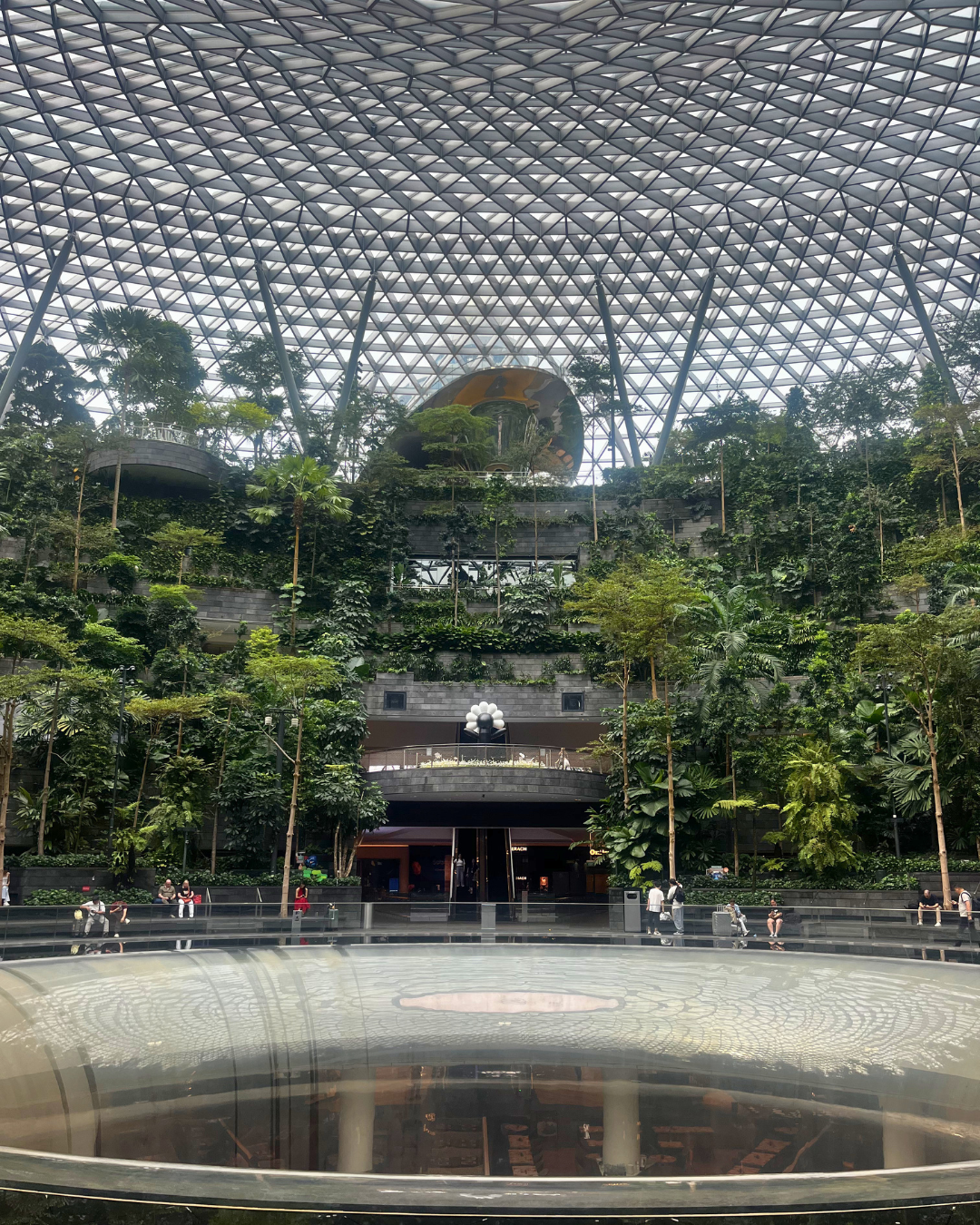
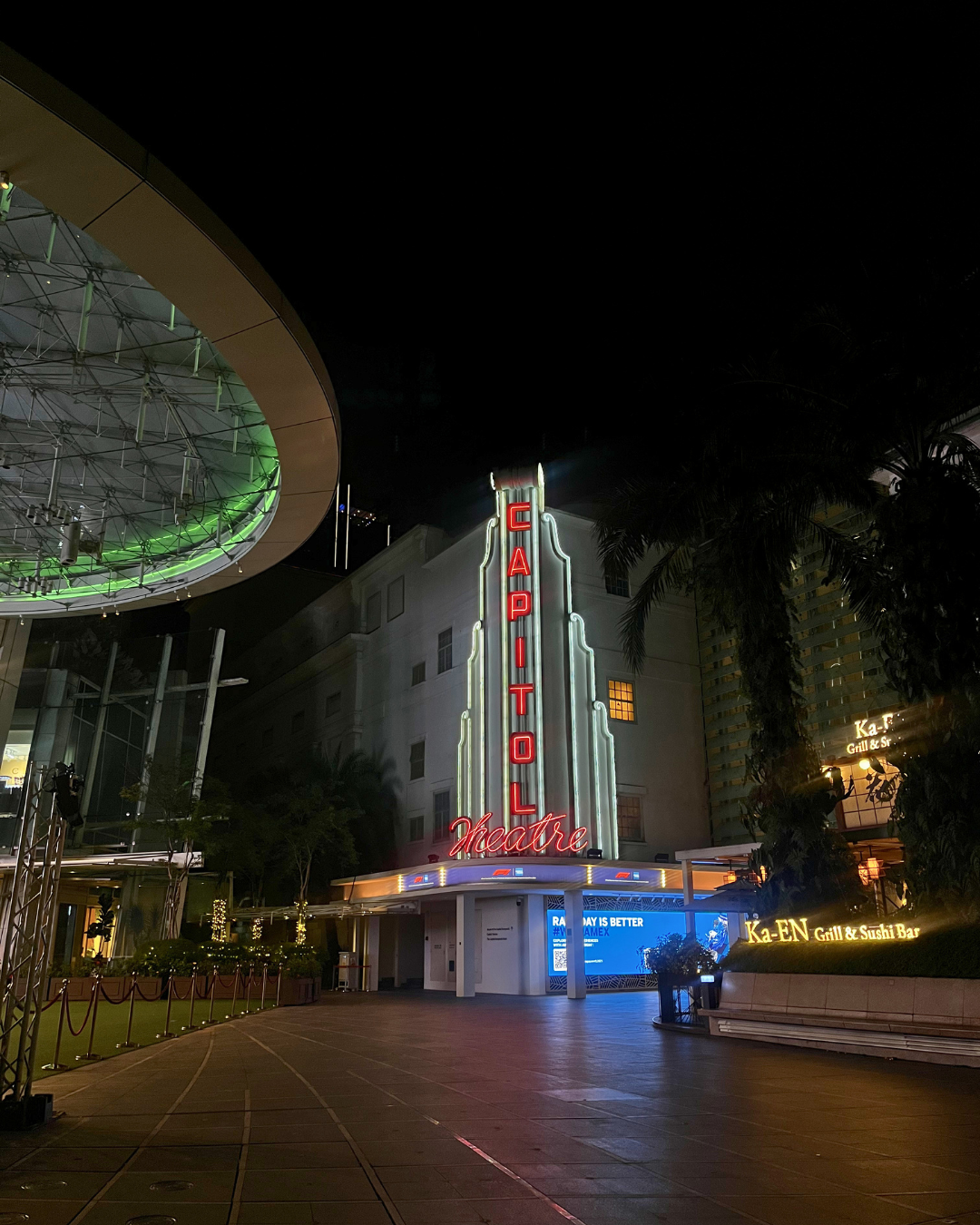

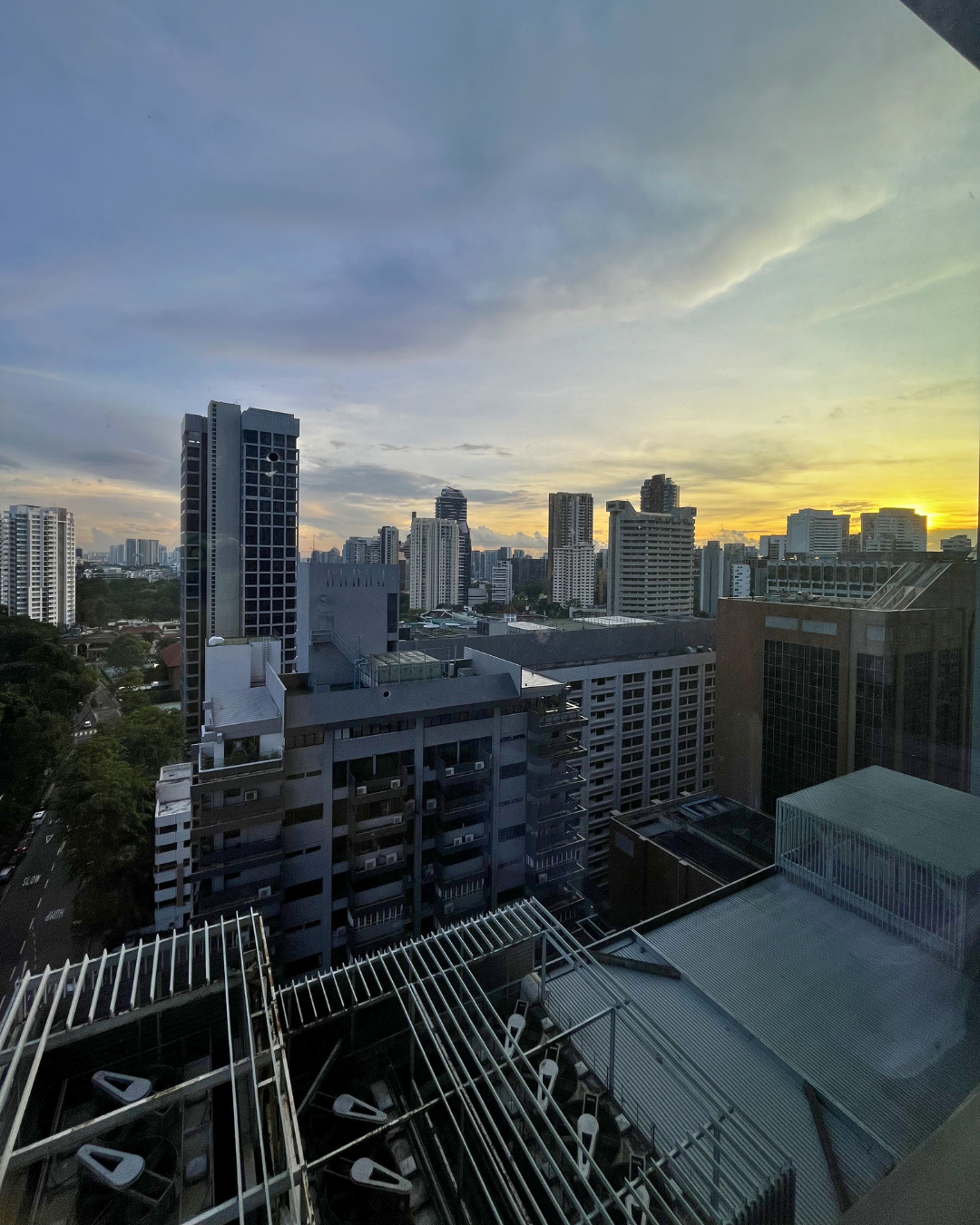
The most consequential movement in a maturing Web3 ecosystem forms before it becomes visible externally. The blockchain ecosystem functions as a live system — and the difference between that and a showcase is immediately legible from within it, and almost entirely invisible from outside it.
Different parts of the Web3 market — blockchain builders, centralised and decentralised exchanges, on-chain data infrastructure providers, institutional capital networks — are all present within Singapore’s ecosystem, but their roles are less clearly separated in practice than they appear from a distance. Functions overlap. Movement carries across layers rather than staying within defined categories. What becomes apparent from within is how consistently different parts of the blockchain system hold together across market conditions that would expose fragmentation elsewhere.
Web3 projects that gain traction in Singapore’s ecosystem sustain it through structures that continue to support them beyond initial visibility — institutional capital that moves alongside blockchain infrastructure, decisions that form within the systems that enable them, each layer remaining connected long enough for market direction to stabilise rather than peak and recede. This is the structural pattern that distinguishes a mature Web3 ecosystem from a developing one: not the volume of blockchain activity, but the continuity of it. Not how many crypto projects launch, but how many hold across market cycles that test every conviction the community carries.
From within that ecosystem flow, a shift becomes apparent in how the blockchain market selects. Narrative-driven momentum — the kind built on Web3 visibility, timing, and attention cycles — carries progressively less weight as a market matures. Access to crypto liquidity, infrastructure depth, and on-chain data awareness increasingly shape which parts of the Web3 ecosystem move forward and which ones, regardless of their visibility, do not. The market is not selecting for the most articulate blockchain ideas. It is selecting for the most structurally sound ones. This is a permanent feature of market maturity — not a phase the market passes through, but the condition it settles into as speculation gives way to infrastructure.
Web3 markets stabilise around what holds, not what peaks. Asia’s role in shaping the next cycle of blockchain and decentralised finance adoption shows up precisely here — the region is not following a Web3 development pattern established elsewhere. It is establishing its own.
Asia’s blockchain development trajectory is shaped by regulatory frameworks like Singapore’s MAS, by institutional capital networks that move fluidly between the GCC and Southeast Asia, and by an appetite for blockchain infrastructure that is increasingly ahead of Western markets rather than behind them. The capital networks connecting these Web3 ecosystems move through the same GCC-to-Southeast-Asia corridors that define where the blockchain market is actually forming. In Dubai, Money Monday Dubai is one expression of how Web3 founders and investors in that corridor build the trust and deal flow that allows cross-border blockchain capital to move. Singapore is where that same capital arrives at institutional depth — and where the relationship networks built in Dubai’s informal Web3 gathering spaces find their counterparts in one of Asia’s most mature and permanently established regulatory environments.
The blockchain exchange infrastructure layer — how centralised exchanges became Web3 structural connective tissue



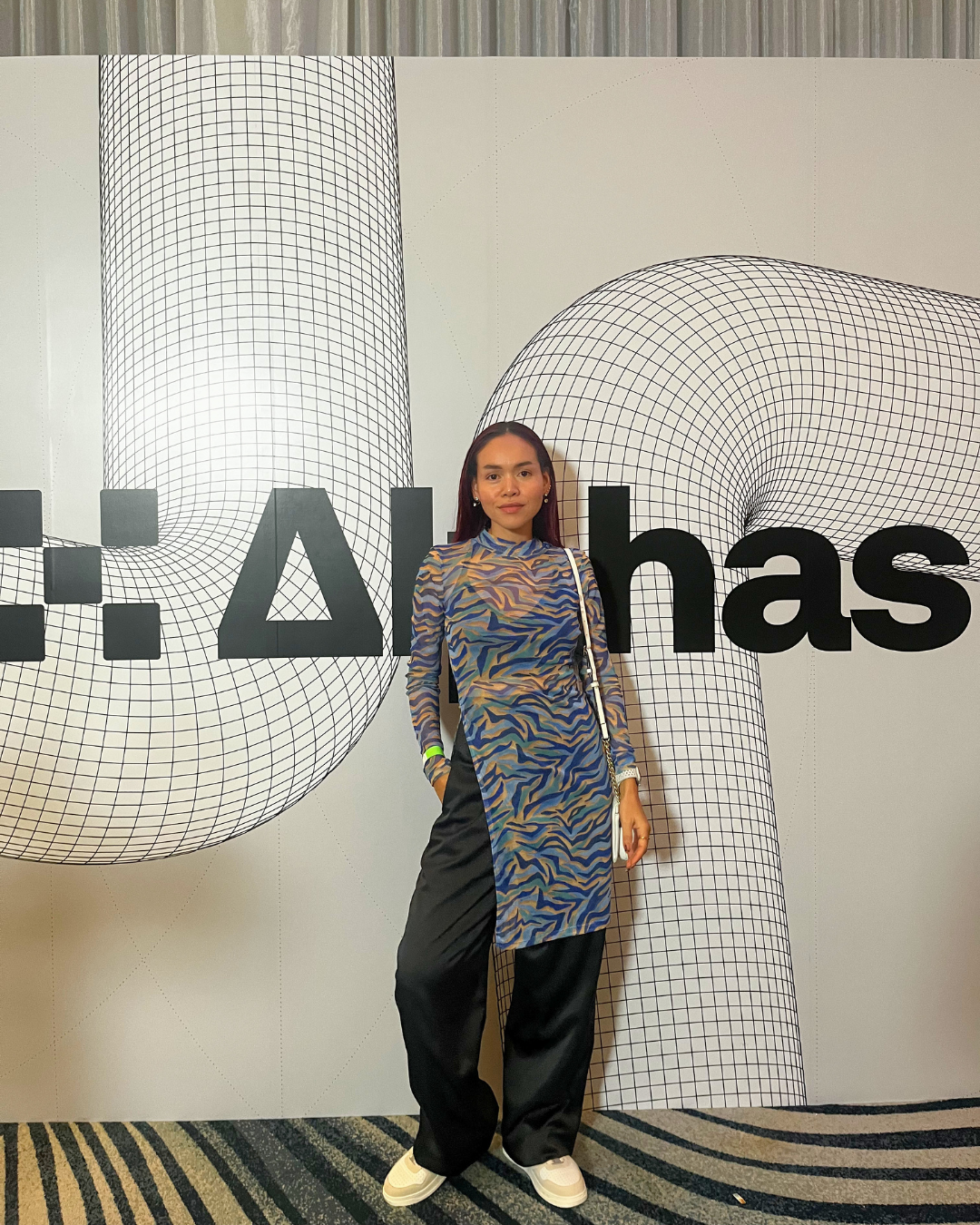
In maturing Web3 ecosystems, centralised crypto exchanges are no longer primarily trading venues. They are blockchain infrastructure — the layer through which access, liquidity, and participation are organised across the entire decentralised finance economy. Understanding this distinction is foundational to understanding how the Web3 market actually functions at institutional depth.
The conventional understanding of centralised crypto exchanges positions them as platforms where digital assets are bought and sold — intermediaries between supply and demand, competing on fees, liquidity depth, and user experience. This understanding is accurate for the earliest phase of blockchain exchange development. It becomes progressively less accurate as the Web3 ecosystem matures. In mature blockchain environments, centralised exchanges function less as crypto marketplaces and more as infrastructure — the connective tissue through which different layers of the Web3 ecosystem are linked, and through which access, liquidity, and project visibility are organised before they surface as publicly visible market outcomes.
CoinW’s position within Singapore’s Web3 ecosystem illustrates this structural evolution directly. Trading remained present, but it no longer sat at the centre of how the exchange functioned within the broader blockchain ecosystem. What became apparent was how the exchange influenced blockchain participation itself — shaping how project access formed, how crypto liquidity moved, and how blockchain projects entered the market in the first place. CoinW was operating as a connector across different layers of the Web3 ecosystem: linking builders, institutional capital, and users in ways that felt continuous rather than transactional, structural rather than episodic.
The structure of blockchain participation had become more important than the visibility of individual transactions. What this represents within Singapore’s Web3 environment is not a crypto platform competing for volume. It is a platform building the connective tissue that a more mature phase of the blockchain ecosystem depends on — exchange infrastructure that allows the Web3 market to organise around connections and structural relationships rather than around individual moments of trading activity.
Crypto liquidity reveals blockchain structure before visibility does. The evolution of centralised exchanges within Web3 is not about platforms becoming more sophisticated — it is about them becoming more structural, embedded in the systems through which the blockchain market organises itself rather than sitting at the edge of it.
The behaviour of blockchain liquidity within a mature exchange infrastructure layer is qualitatively different from what external observation suggests. Rather than following Web3 narrative attention, liquidity aligns earlier — shaping market movement before it becomes visible externally. This alignment influences which blockchain projects gain traction and how ecosystems form around them. Crypto liquidity, in a mature Web3 environment, is less reactive and more positioned — operating in ways that reflect underlying blockchain structure rather than responding to surface-level market signals. For anyone building credibility within the Web3 and decentralised finance ecosystem, the exchange infrastructure layer matters beyond its trading function. Access, liquidity, and blockchain project viability are increasingly determined here before they surface as publicly visible outcomes — which is why understanding this layer from within the ecosystem produces a fundamentally different quality of market intelligence than observing it from the outside.
On-chain blockchain intelligence — the baseline capability that separates Web3 market participants from market observers
On-chain blockchain intelligence is no longer a specialist capability reserved for quantitative funds and institutional research desks. It is the emerging baseline for credible participation in maturing crypto markets — the Web3 infrastructure that closes the gap between how the blockchain market appears to be moving and how it is actually moving.
The gap between these two things — appearance and actuality — is the most consequential gap in any financial market, and it is particularly wide in Web3. Publicly visible narratives in the crypto market carry significant weight with a large share of participants. They shape retail behaviour, influence media coverage, and create the surface-level patterns that external observers track as blockchain market intelligence. What they rarely reflect with accuracy is the underlying movement of institutional crypto capital and the decision-making of participants with genuine structural knowledge of the Web3 ecosystem.
On-chain blockchain data closes this gap by making capital movement verifiable rather than interpretable. The transactions recorded on a blockchain are not opinions or projections. They are the actual movement of actual crypto capital, traceable in real time and in aggregate. On-chain analytics platforms — represented in Singapore’s blockchain ecosystem by CipherBC — translate this verifiable data into frameworks that allow the gap between Web3 narrative and crypto market reality to be measured rather than estimated.
In environments where institutional blockchain capital is increasingly present — and Singapore’s Web3 ecosystem is precisely this kind of environment — on-chain analytics is not a competitive advantage held by a few sophisticated participants. It is becoming the baseline expectation for anyone operating with genuine authority within the digital asset and decentralised finance ecosystem. The market is not moving toward more Web3 information — information has never been the limiting factor in blockchain markets. It is moving toward structured, verifiable on-chain data that allows decisions to form within conditions already understood well enough to act within, without waiting for certainty the market will not provide.
What appears uncertain in Web3 from the outside often sits within a range of outcomes already accounted for within the blockchain system. On-chain intelligence is what closes that gap — the practice of reading blockchain data to understand how institutional capital is actually moving, not how it appears to be moving. It is the difference between following the crypto market and being structurally positioned within it.
As the World Economic Forum’s analysis of Web3 as computable economy identifies, the defining shift of this phase of blockchain development is not in data availability but in the infrastructure of trust — the capacity to verify, to act within verifiable on-chain conditions, and to close the gap between what the crypto market appears to be doing and what it is actually doing. CipherBC’s position in Singapore’s Web3 ecosystem is a marker of that shift becoming structural rather than optional across the institutional blockchain landscape.
The implication for how authority operates in Web3 is direct. Credibility within the blockchain ecosystem is increasingly tied not to commentary on what the market appears to be doing, but to demonstrated access to how it is actually moving — through the infrastructure layer, the institutional capital layer, and the on-chain intelligence layer that connects them. That principle extends beyond the financial layer of the Web3 ecosystem into creative and cultural contexts, as explored in Fashion Meets Web3 at DGISLAND, where participation within the blockchain ecosystem shapes what can be seen and known in ways that observation from outside it never can. The intelligence edge is not sector-specific. It is structural — and it is compounding.
Web3 market positioning — how structural blockchain alignment compounds into permanent market authority


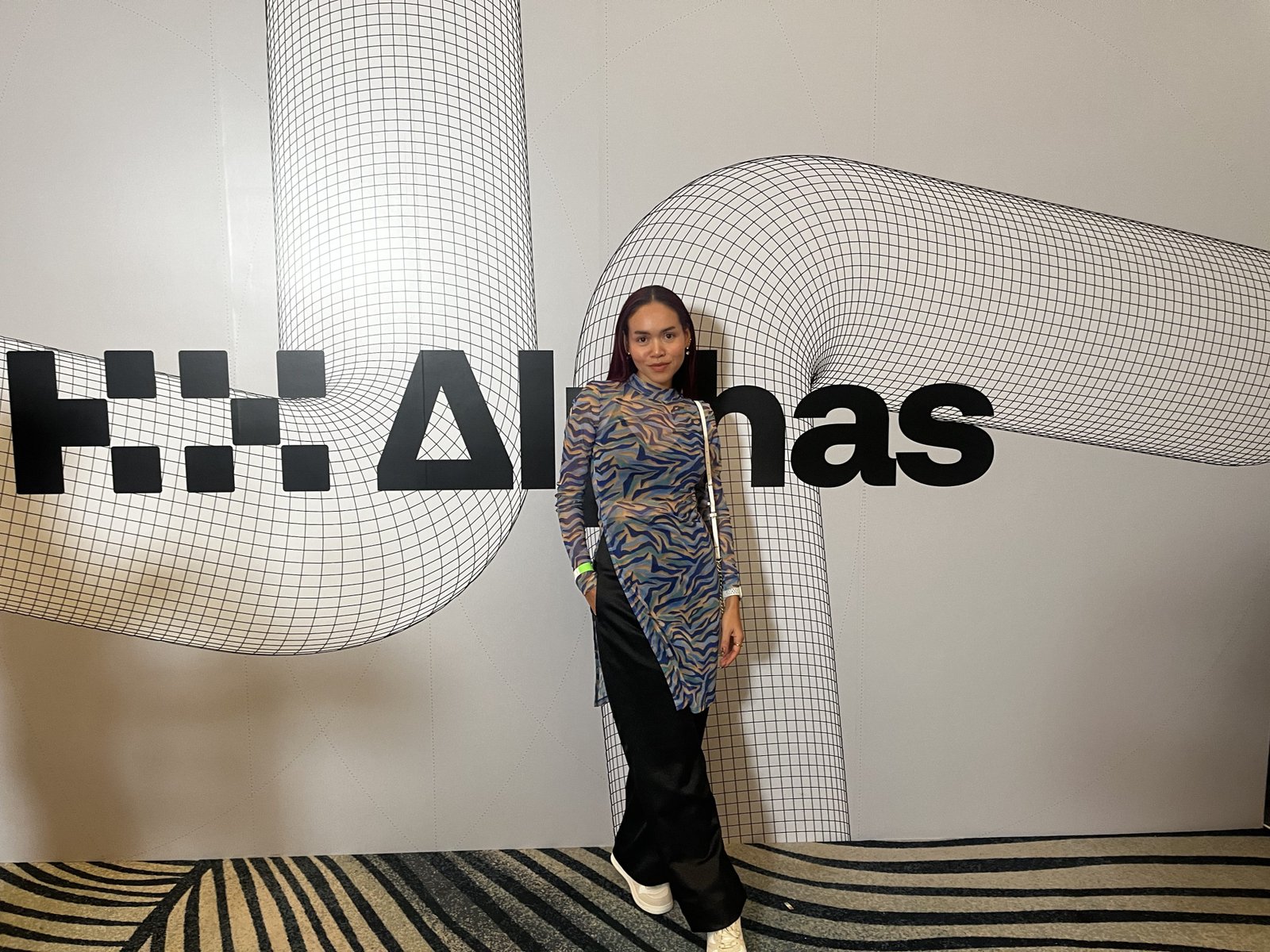
Web3 credibility is not declared. It is established through continued structural alignment with how the blockchain market actually moves — through repeated exposure, institutional presence, and the kind of decentralised finance authority that can only compound from inside the system over time.
The distinction between Web3 market observation and Web3 market participation is not primarily about access to information. Blockchain information is widely available. It is about the quality of understanding that forms when that information is encountered from within the system rather than from outside it. From within a functioning blockchain ecosystem, the same market signals carry fundamentally different meaning depending on the structural position of the person reading them. That meaning is not available to anyone observing from a distance, regardless of the sophistication of their external Web3 analysis.
With continued proximity to the blockchain ecosystem, the quality of market engagement shifts in ways that are not available from the outside. Capital relationships hold across interactions. Crypto investment access deepens not through negotiation but through established structural presence over time. Conversations carry the accumulated context of previous encounters rather than beginning from explanation. The difference between observing a Web3 ecosystem and operating within it becomes less defined — and from that position, the relationship with the blockchain market shifts from interpretation toward alignment. These are not the same thing. Interpretation is what you do when the market is something happening around you. Alignment is what happens when you are part of the system that is making it happen.
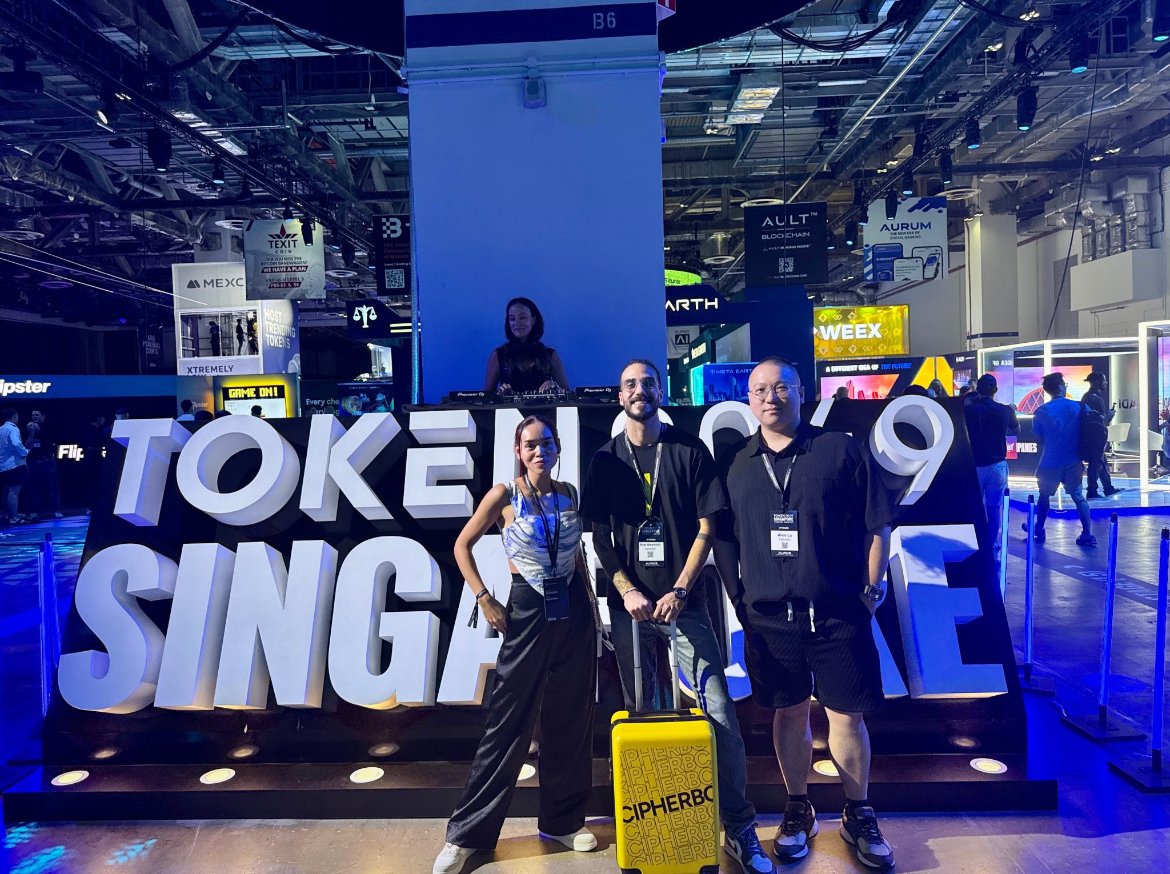
Singapore’s Web3 ecosystem — anchored by Token Singapore, by the institutional blockchain capital networks that move through it, by the exchange infrastructure represented by CoinW, and by the on-chain intelligence layer represented by CipherBC — is one of the most complete expressions of this kind of structural positioning available anywhere in the global blockchain economy. Not because it is the largest Web3 market. Because it is the most coherent. And coherence, in a blockchain ecosystem, is what allows the compounding of authority, institutional capital, and Web3 presence that defines a permanent hub rather than a temporary one.
Authority within Web3 is marked by the point at which the blockchain market begins to move with you — when structural alignment replaces observation as the primary mode of crypto market engagement. Presence in blockchain ecosystem hubs does not create Web3 authority. It creates the conditions within which authority forms and compounds across every market cycle.
That compounding is visible across the blockchain ecosystems where it has been developing longest. In Dubai, Inside Token2049 Dubai: The Infrastructure Era of Web3 captures how institutional blockchain presence and relational depth reinforce each other in a crypto market that has been building its Web3 infrastructure for years. The same principle operates in Singapore at a different register — more institutionally concentrated, more regulatory-infrastructure-driven, more directly connected to the capital networks of global institutional finance. Both cities are expressions of the same underlying blockchain pattern: Web3 systems that function rather than perform, and that reward structural presence over market observation across every cycle of decentralised finance development.
As Web3 moves deeper into implementation across blockchain, decentralised finance, on-chain analytics, and digital asset infrastructure, the limiting factor is no longer visibility. It is proximity — to blockchain capital, to crypto infrastructure, and to the signal environments where the Web3 market is already forming. Singapore and Dubai represent the two most advanced expressions of what that proximity looks like at scale — different regulatory architectures, different positions in the global capital corridor, but the same structural principle: the blockchain market rewards those who are inside the system. That shift connects Singapore’s intelligence edge to the broader Web3 ecosystem being built across the same global capital corridor — from the institutional blockchain infrastructure documented in the Dubai AI and Web3 Festival to the exchange and on-chain intelligence layers that make Singapore’s position in that corridor permanent rather than provisional.
“The Web3 market is no longer something read first and acted on later.
It is something engaged with as it moves.
Singapore is the environment where that engagement
is most structurally supported — and most consequential.
In blockchain markets, proximity is not an advantage.
It is the condition.”

