
On the Nile, the Giza Plateau, Zamalek Island, Khan El Khalili, the Grand Egyptian Museum, and why Cairo is not merely visited but inhabited by everyone who encounters it seriously
Leisure, at its most considered, is not the absence of effort. It is a different kind of effort — the deliberate construction of conditions under which a day can feel like something chosen rather than something endured. A day spent well is its own form of luxury. Not because of what it costs, but because of what it took to stop long enough to have it.
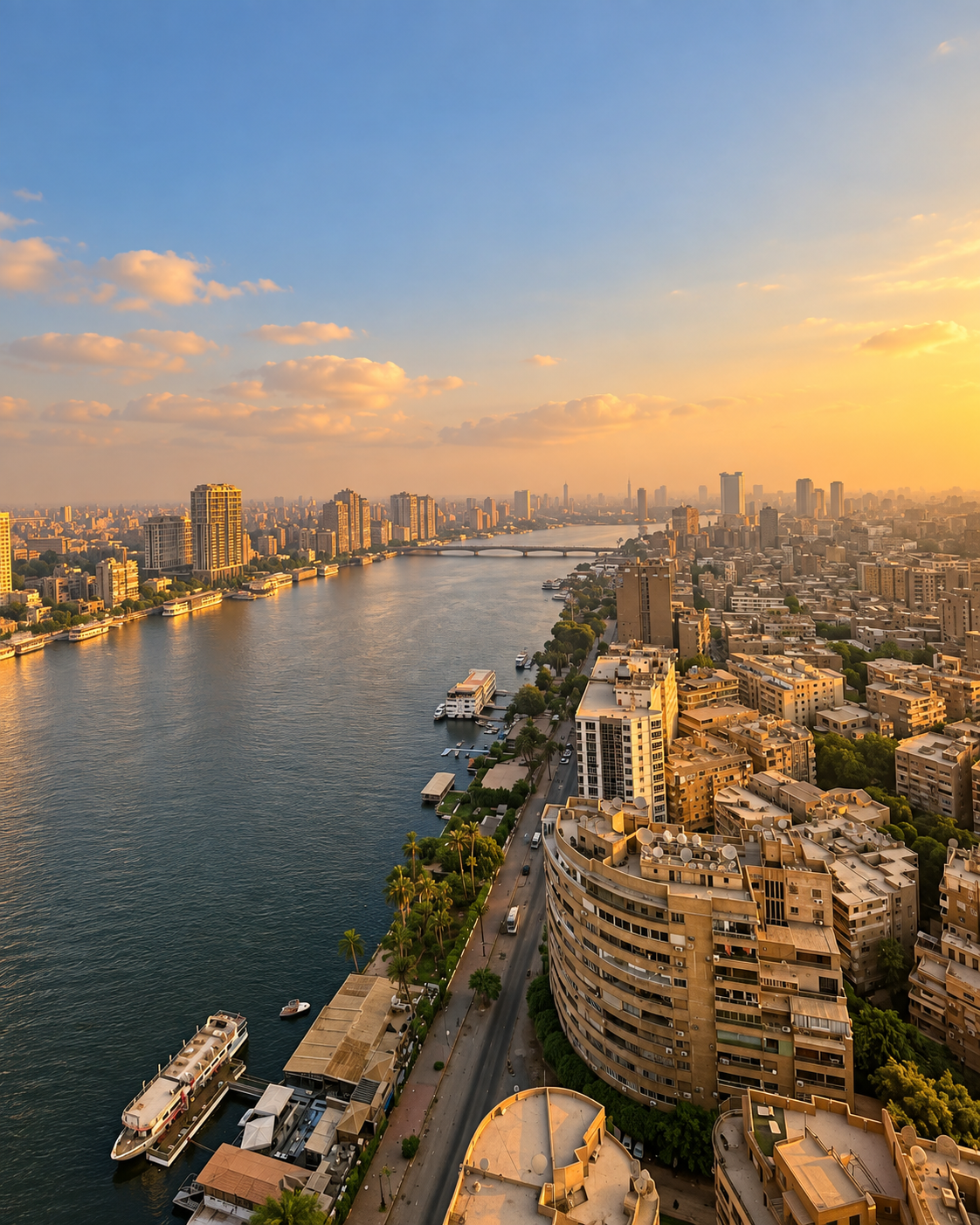
The Nile moves through Cairo the way history moves through the city itself — continuously, without urgency, entirely indifferent to the pace of the life conducted along its banks. It has been doing this for longer than any other river in human memory has been observed by anyone capable of writing down what they saw. To arrive in Cairo and stand on a terrace above the Nile at dusk is to be confronted, almost immediately, with a question that most destinations do not raise: what does it actually mean to be in a place where civilisation began and has never, since, stopped?
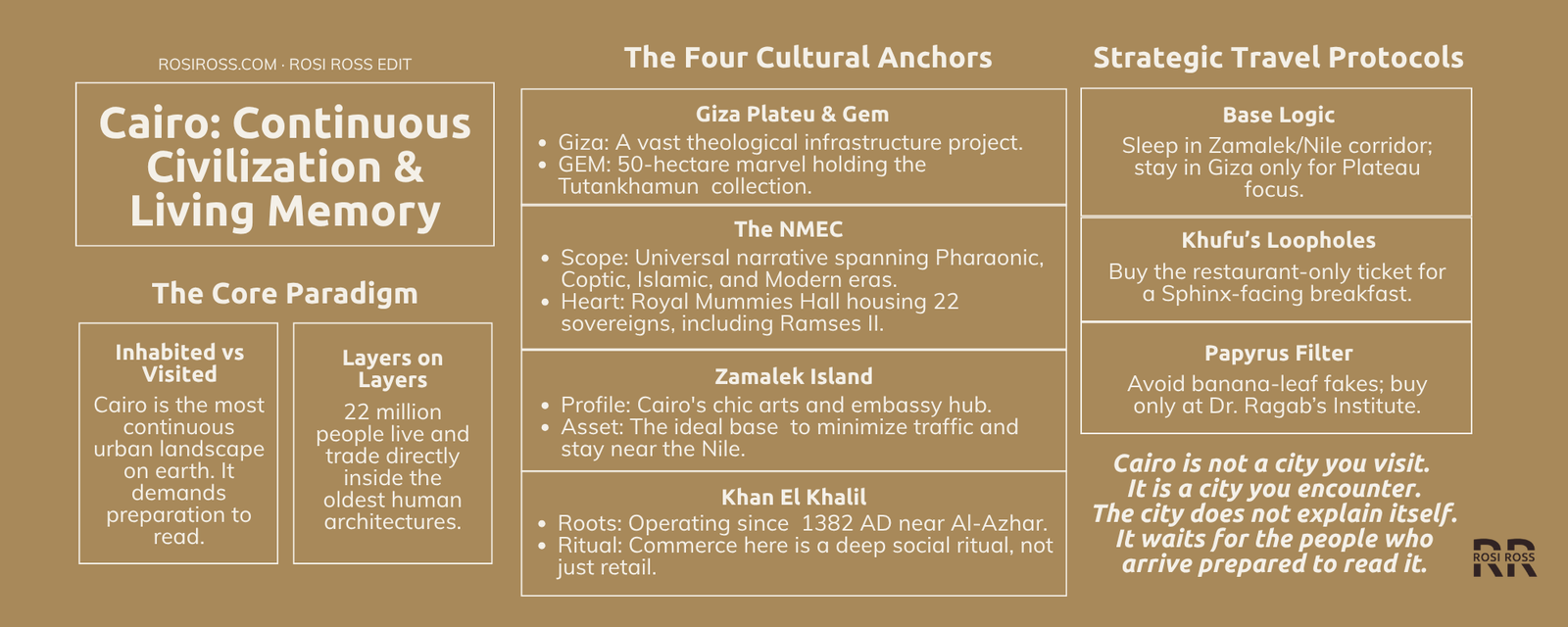
Cairo is not an ancient city. It is the most continuously inhabited major urban environment on earth, built layer by layer over millennia, each era adding its own architectural and cultural sediment without fully displacing what came before. The Pharaonic temples at Giza predate the founding of Cairo by more than four thousand years. The Mamluk minarets of Islamic Cairo were already medieval when the Renaissance was beginning in Europe. The tree-lined streets of Zamalek — the island neighbourhood that has functioned as Cairo’s most cosmopolitan quarter for more than a century — were themselves laid out over a landscape whose prior inhabitants had been building for generations. Layers on layers. History not preserved but inhabited.
This is what makes Cairo structurally unlike any other city a serious traveller encounters. Other ancient cities wear their history as heritage — curated, protected, explained through plaques and guided audio tours. Cairo wears its history as skin. The monuments are there, yes, but they exist alongside schools and apartment blocks and traffic and commerce and the particular noise of a city of twenty-two million people conducting daily life in the shadow of the oldest surviving structures humanity has ever produced. The Pyramids of Giza are not in a museum. They are at the edge of a city. And that adjacency — that refusal of the past to retreat into the past — is the defining fact of the Cairo experience for anyone who comes willing to pay attention to it.
What follows is not a list of places to visit. It is an attempt to understand what Cairo actually is, and what it asks of the people who arrive in it.


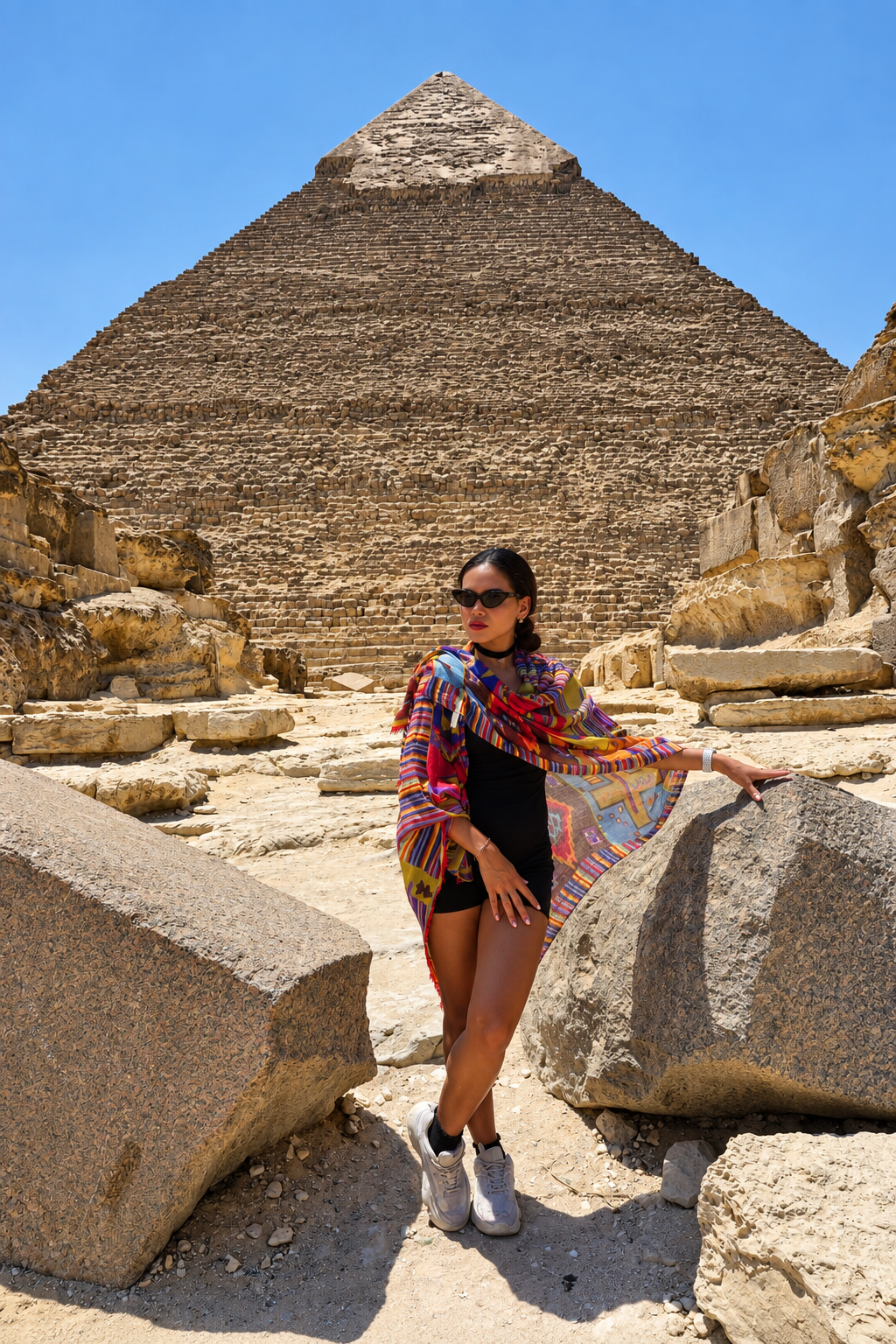
The Giza Plateau: Understanding What You Are Looking At
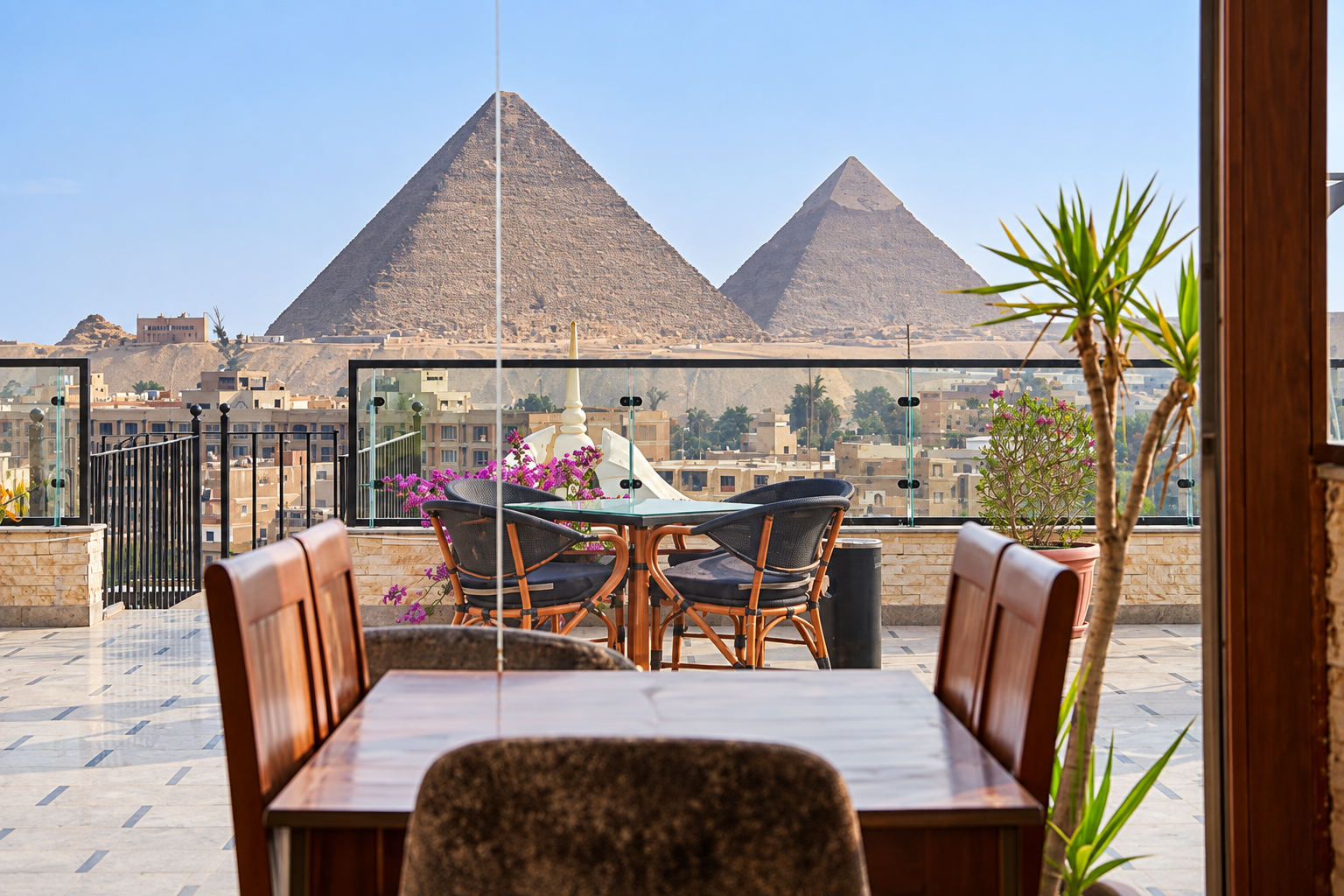
The three pyramids of the Giza Plateau — Khufu, Khafre, and Menkaure — were built during the Fourth Dynasty of the Old Kingdom, between approximately 2580 and 2510 BC. The Great Pyramid of Khufu, the largest, remained the tallest man-made structure on earth for nearly four thousand years, surpassed only in the fourteenth century by the spire of Lincoln Cathedral. It was built using an estimated 2.3 million limestone and granite blocks, the heaviest weighing up to 80 tonnes, by a workforce that Egyptologists now believe numbered in the tens of thousands — skilled labourers, not slaves, housed in purpose-built towns, fed, and buried with honour when they died in service.
These facts matter because they resist the mythology that has always surrounded the Pyramids. They were not mysterious. They were the most ambitious and precisely executed infrastructure project of the ancient world — a civilisation’s total commitment to a theological argument about what happens to a pharaoh after death, encoded in stone at a scale designed to last longer than any other human achievement. The argument has outlasted every dynasty, every empire, every religion that came after it. Four and a half thousand years on, the Pyramids still make their case.
What a certified Egyptologist does — and what separates the serious Cairo visit from the photographic one — is teach you how to read that argument. The alignment of the pyramids to cardinal points and to specific star systems. The internal geometry of the burial chambers. The relationship between the Sphinx, which faces due east toward the rising sun, and the funerary temples along the causeway that connected royal life to royal death. None of this is visible without the vocabulary to see it. With that vocabulary, the Giza Plateau becomes what it actually is: the most complete surviving expression of a worldview that organised one of the most sophisticated civilisations in human history around the problem of eternity.
As we documented in a companion editorial on visiting Saqqara, Memphis, and Giza with a certified historian, the transformation of these monuments from impressive visual spectacle to legible intellectual argument requires a guide with the depth to carry it. The Pyramid Texts at Saqqara — the oldest religious writings in the world, inscribed on the walls of sealed stone chambers around 2400 BC — are the theological foundation of which the Giza complex is the physical expression. You cannot understand the Pyramids fully without understanding what was written at Saqqara first.





The Grand Egyptian Museum, which opened its principal exhibition halls at the foot of the Giza Plateau in 2024, is the most significant development in the cultural infrastructure of Egyptian antiquity in a generation. Housed in a purpose-built structure spanning 50 hectares — the largest archaeological museum on earth — it displays the complete Tutankhamun collection for the first time in its entirety, alongside a 3,200-year-old, eleven-metre statue of Ramses II and artefacts spanning three thousand years of Pharaonic history. As Condé Nast Traveller India’s editorial coverage of Cairo identified, the museum represents a fundamental repositioning of Egypt’s cultural offer to the global traveller — not simply the preservation of antiquity but its active interpretation at a standard comparable to the world’s great museums. To visit Giza now is to have access to both the monuments and the world-class institutional context in which to understand them.
Zamalek: The Island That Has Always Known How to Live
Zamalek occupies the northern part of Gezira Island in the Nile, connected to both banks of Cairo by bridges but atmospherically removed from both. Its streets are wide and shaded by mature trees. Its buildings range from early twentieth-century neoclassical villas — remnants of a colonial period when Cairo was one of the most cosmopolitan cities in the Mediterranean world — to mid-century apartment blocks that have weathered with a particular kind of grace. Embassies. Cultural institutes. Galleries. Cafés that have been operating for decades without changing their formula, because the formula was correct from the beginning.
Zamalek functions as the city’s intellectual and cultural quarter in a way that has survived successive waves of Cairo’s development. The neighbourhood has always attracted the kinds of residents — diplomats, artists, academics, journalists, returned expatriates — who value the specific quality of life that tree-lined streets and proximity to the Nile and a density of good conversation can produce. It is, in the vocabulary of contemporary urban analysis, a city within a city: coherent in its identity, resistant to the homogenising forces that have reshaped much of the rest of Cairo, and genuinely different in atmosphere from anywhere else in a metropolitan area of twenty-two million people.
For the visitor who understands what Zamalek is, it functions as a base rather than merely a neighbourhood. The Nile is a short walk in either direction. The Egyptian Museum on Tahrir Square — which still holds more than 170,000 artefacts including treasures not yet transferred to the Grand Egyptian Museum — is accessible in minutes. The island’s restaurants and cafés offer the particular pleasure of places that have earned their reputations through decades of operation rather than through social media discovery. The restaurants along Cairo’s Nile corridor, from Gingko at the Fairmont Nile City to Crimson in Zamalek and Zeeyara’s contemporary Egyptian menu, represent a dining culture as considered and geographically specific as anything in the Mediterranean world they sit at the edge of.
Khan El Khalili: Commerce as Cultural Form
Khan El Khalili was established in 1382 AD by the Mamluk sultan Jaharkas El Khalili — making it one of the oldest continuously operating markets in the world, now more than 640 years in continuous commercial use. It occupies the heart of Islamic Cairo, the medieval district of mosques, madrasas, and merchants’ quarters that developed between the tenth and sixteenth centuries as Cairo became the most important city in the Islamic world. The Al-Azhar Mosque, founded in 970 AD and home to one of the world’s oldest continuously operating universities, is a short walk from the market’s entrance. The Mosque of Sultan Hassan, built between 1356 and 1363, represents the apex of Mamluk architectural achievement. These are not tourist attractions arranged around a shopping area. The shopping area developed around them, because commerce and learning and worship in medieval Cairo occupied the same urban fabric as a matter of social philosophy.
What Khan El Khalili offers the contemporary visitor is something few markets anywhere in the world can still provide: the experience of commerce as cultural form rather than retail transaction. The negotiation over a brass lamp or a length of fabric is not an inconvenience to be bypassed by knowing the fixed price. It is the social substance of the encounter — a choreography of conversation, counter-offer, and eventual agreement that has been performed in these lanes for more than six centuries and that encodes in its ritual form the relational values of a trading culture that built one of the most sophisticated merchant economies of the medieval world.
The question of authentic papyrus — which we have addressed in full in a companion editorial — is the most instructive microcosm of the Khan El Khalili experience. Approximately ninety percent of what is sold as papyrus in Cairo’s tourist market is banana leaf: a surface that accepts ink and resembles papyrus but has none of its properties or provenance. Genuine Cyperus papyrus — the reed that ancient Egyptians cultivated along the Nile to produce one of the world’s first writing surfaces — reveals itself under natural light through its cross-fibre construction, the physical result of the ancient layering and pressing technique that has not fundamentally changed in five thousand years. Dr. Ragab’s Papyrus Institute, established in the 1960s by the scholar who revived authentic papyrus production in Egypt, remains the collector’s primary destination: the only place in Cairo where the production process can be witnessed in full and where a genuine certificate of authenticity carries the weight of institutional authority. To buy authentic papyrus in Khan El Khalili is not merely a purchase. It is participation in one of the oldest living craft traditions on earth.


The National Museum of Egyptian Civilization: Where Cairo Faces Itself
The National Museum of Egyptian Civilization at Fustat — known as the NMEC — is the most recent and in some ways the most significant of Cairo’s major cultural institutions. As we explored in a full editorial on Cairo’s museums, bazaars, and the road to Ain Sokhna, the NMEC’s scope is what distinguishes it from every other institution in the city: where the Egyptian Museum and the Grand Egyptian Museum are principally Pharaonic, the NMEC traces the entirety of Egyptian civilisation from prehistory through the Pharaonic, Coptic, Islamic, and modern periods. It is, in effect, an argument about what Egypt is — not simply the oldest civilisation in the Western historical canon, but a living, continuously evolving culture whose identity encompasses five thousand years of accumulated change.
The centrepiece of the NMEC is the Royal Mummies Hall, in which twenty-two royal pharaohs — including Ramses II, Seti I, and Thutmose III — are displayed in individual temperature-controlled cases in a room designed with the gravity the subject demands. There is no spectacle here. The display is quiet, considered, and profoundly affecting in the way that only genuine proximity to something historically fundamental can be. To stand in the presence of Ramses II — who ruled Egypt for sixty-seven years, who fought at Kadesh, who built Abu Simbel, and who died around 1213 BC at a likely age of ninety — is to experience the collapse of the abstraction of antiquity into the specific reality of a person. He was buried three thousand two hundred years ago. He is here. The distance between those two facts is what the NMEC exists to make legible.
As the UNESCO World Heritage documentation for the Memphis and its Necropolis records, the Giza pyramids, Saqqara, Dahshur, and the broader necropolis of ancient Memphis constitute a cultural and architectural achievement that remains, in UNESCO’s own assessment, one of the supreme expressions of human creative genius. The NMEC places that achievement within the context of everything that came after it — the Coptic monasteries of the first centuries AD, the Islamic calligraphy of the Fatimid and Mamluk periods, the twentieth-century national self-determination that produced the Egypt that exists today. It is the only institution in Cairo — perhaps in the world — where that full arc is visible in a single afternoon.






Where to Stay: The Intelligence of Location
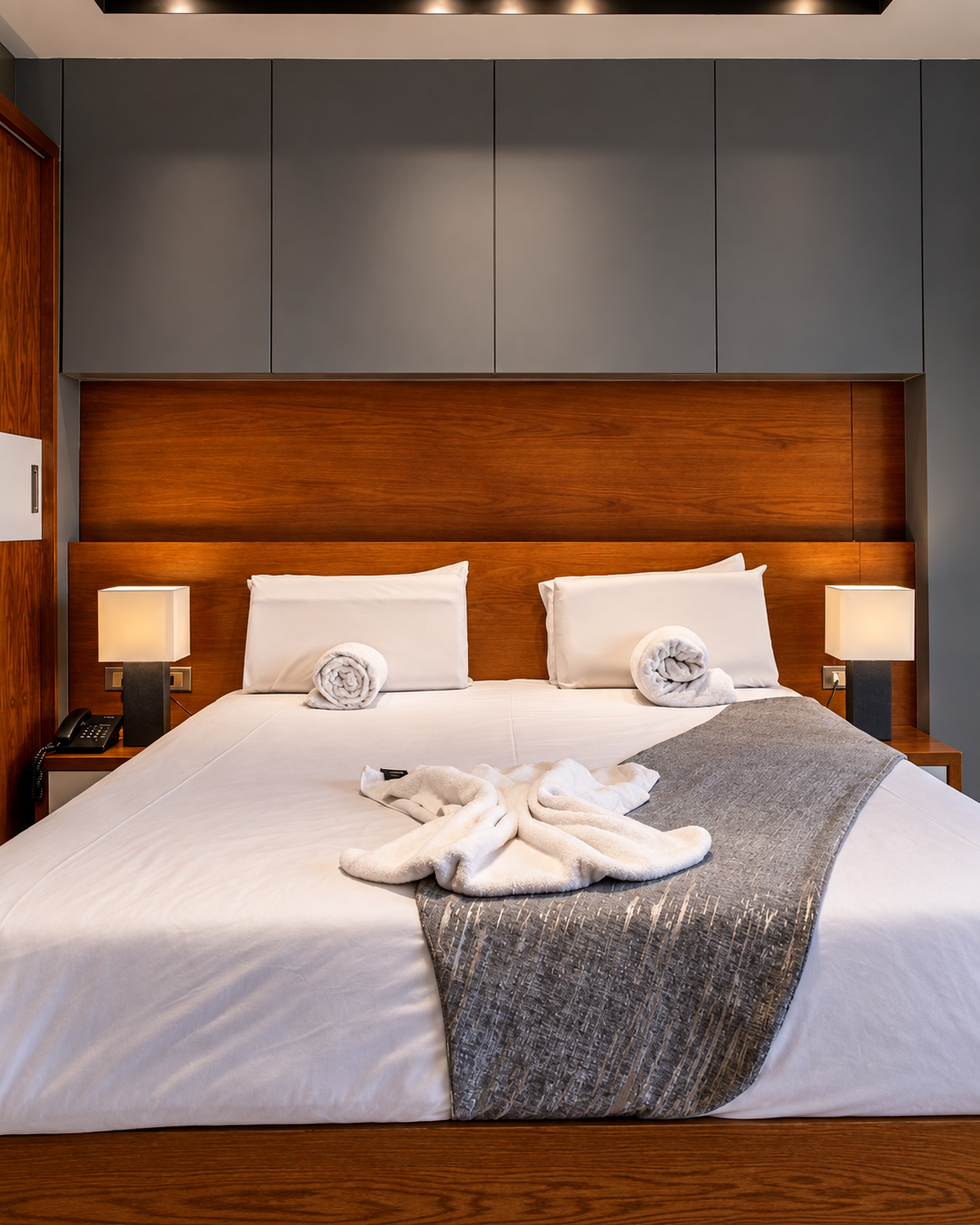
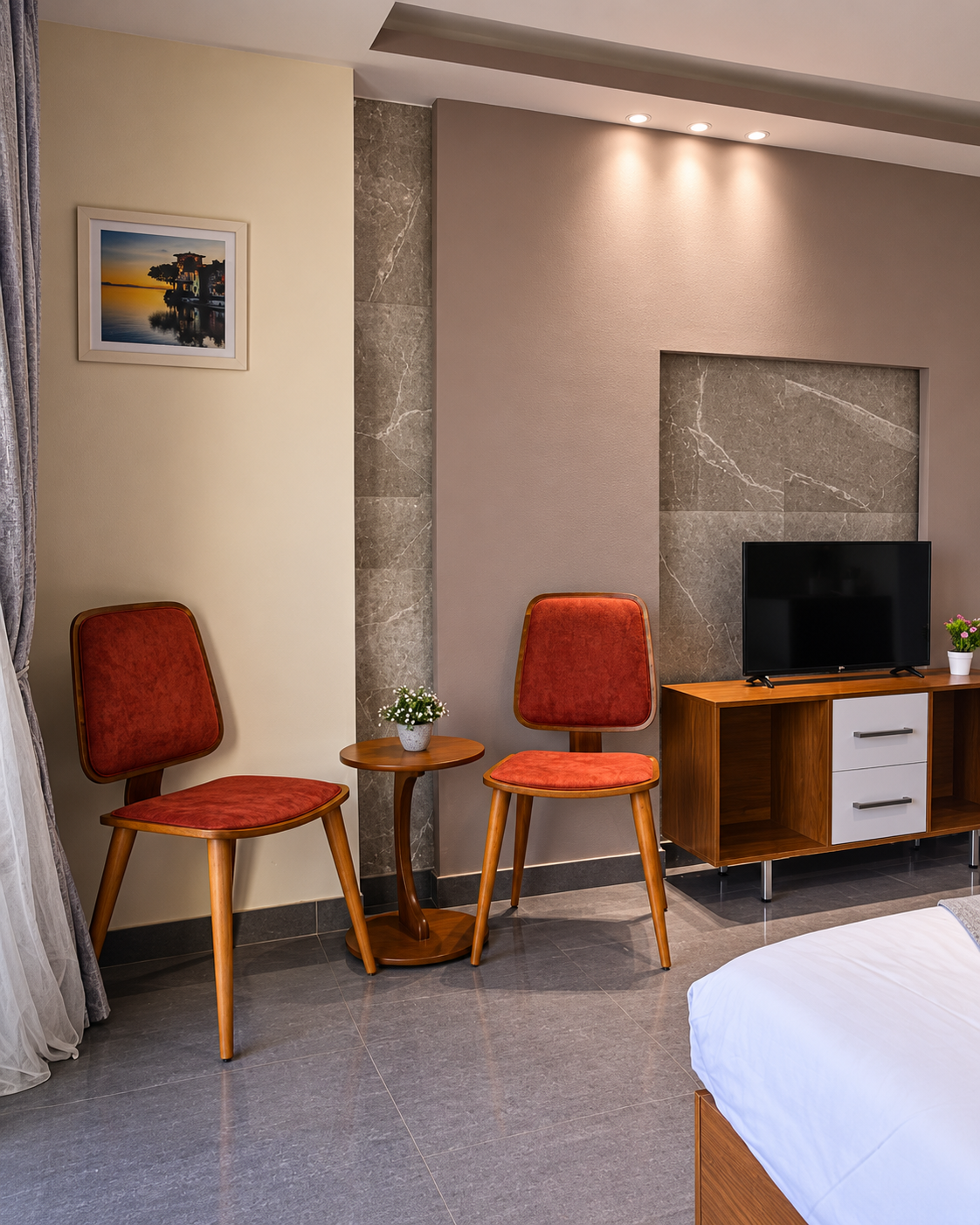
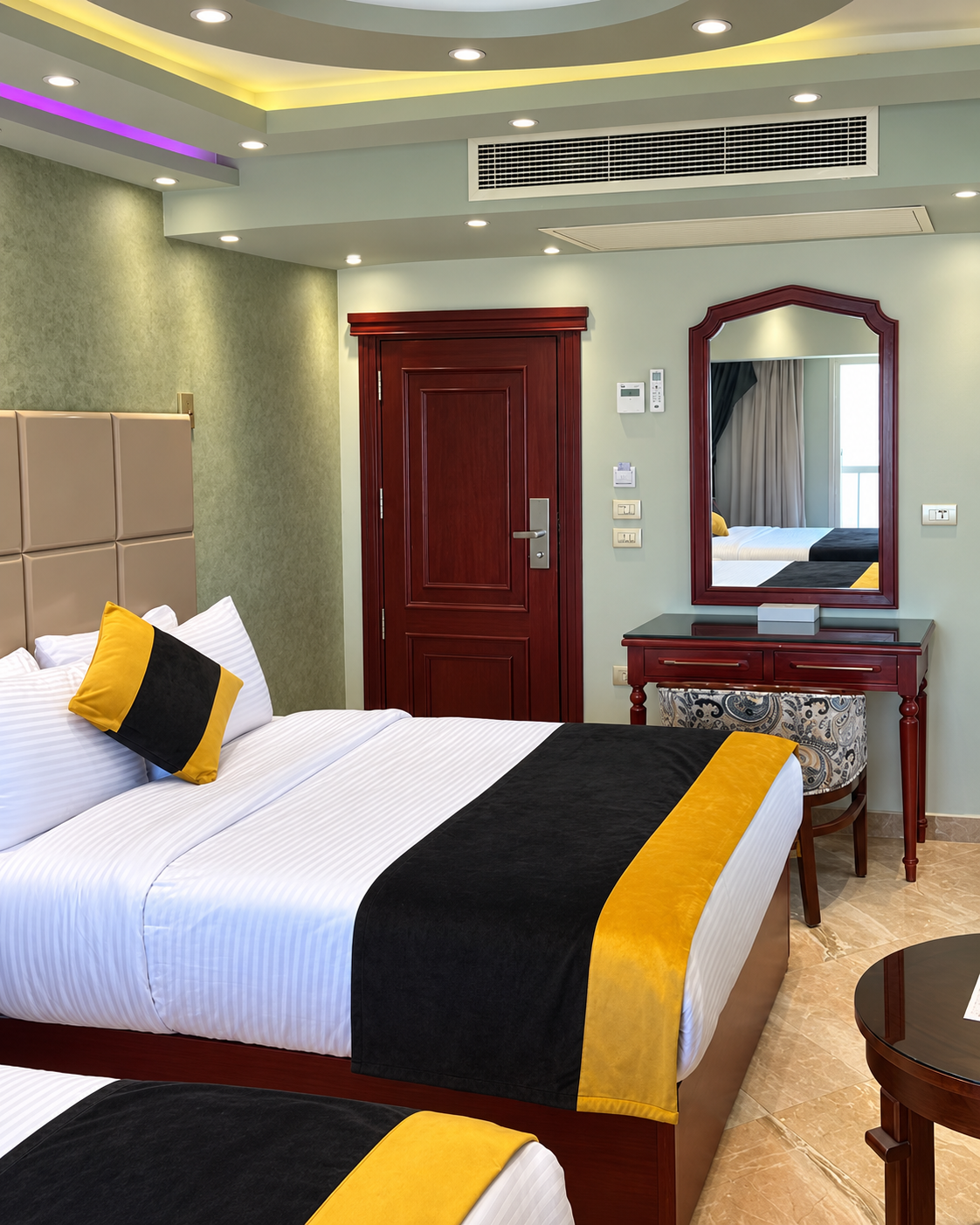
The question of where to stay in Cairo is not primarily about hotel quality. It is about which version of the city you intend to inhabit and how much of your time you are prepared to spend in transit. Cairo is a metropolitan area of twenty-two million people. The distance between Zamalek and Giza is not great in kilometres. In traffic, at the wrong hour, it is significant. Understanding the city’s geography before choosing accommodation is the single most consequential practical decision of the Cairo visit.
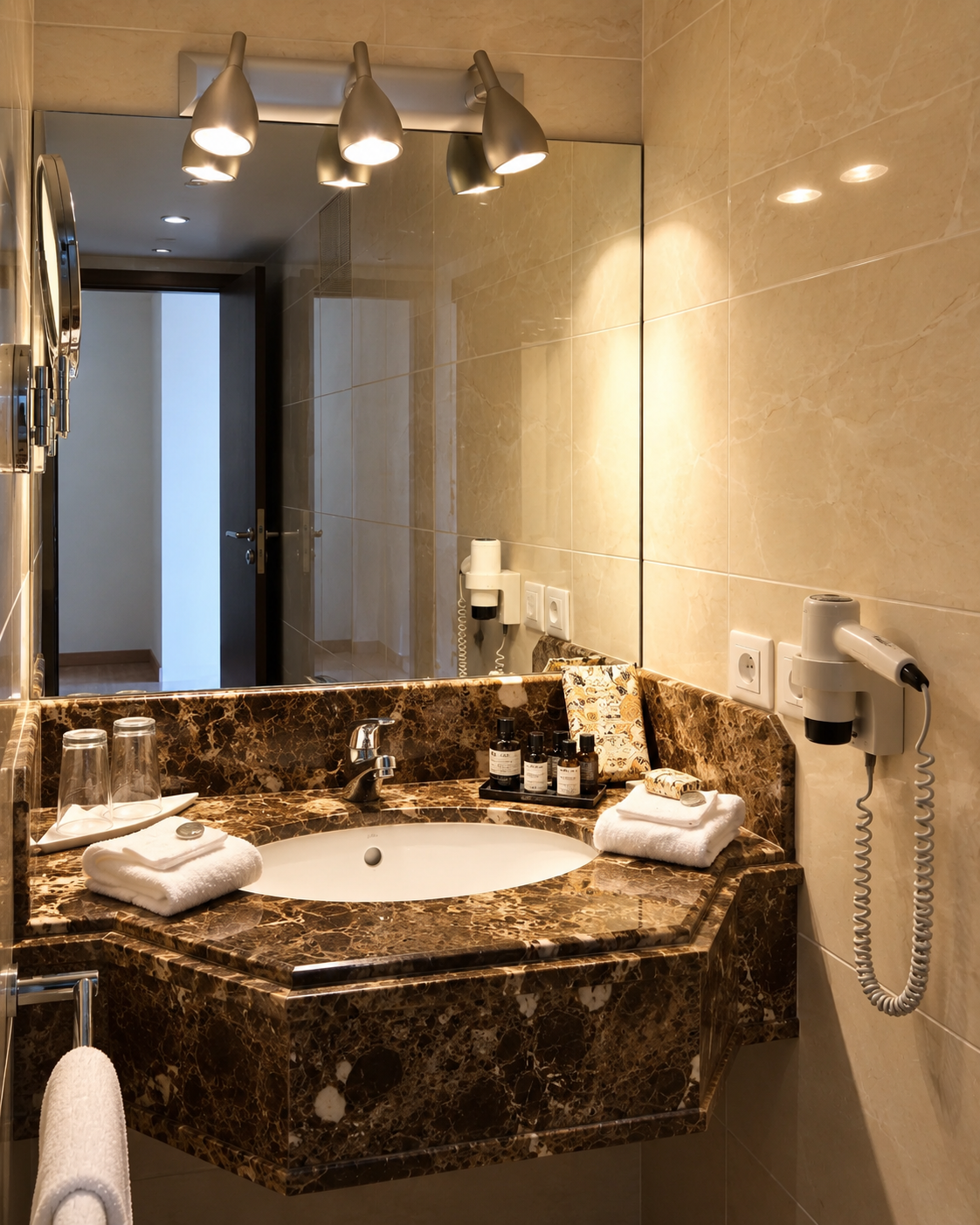
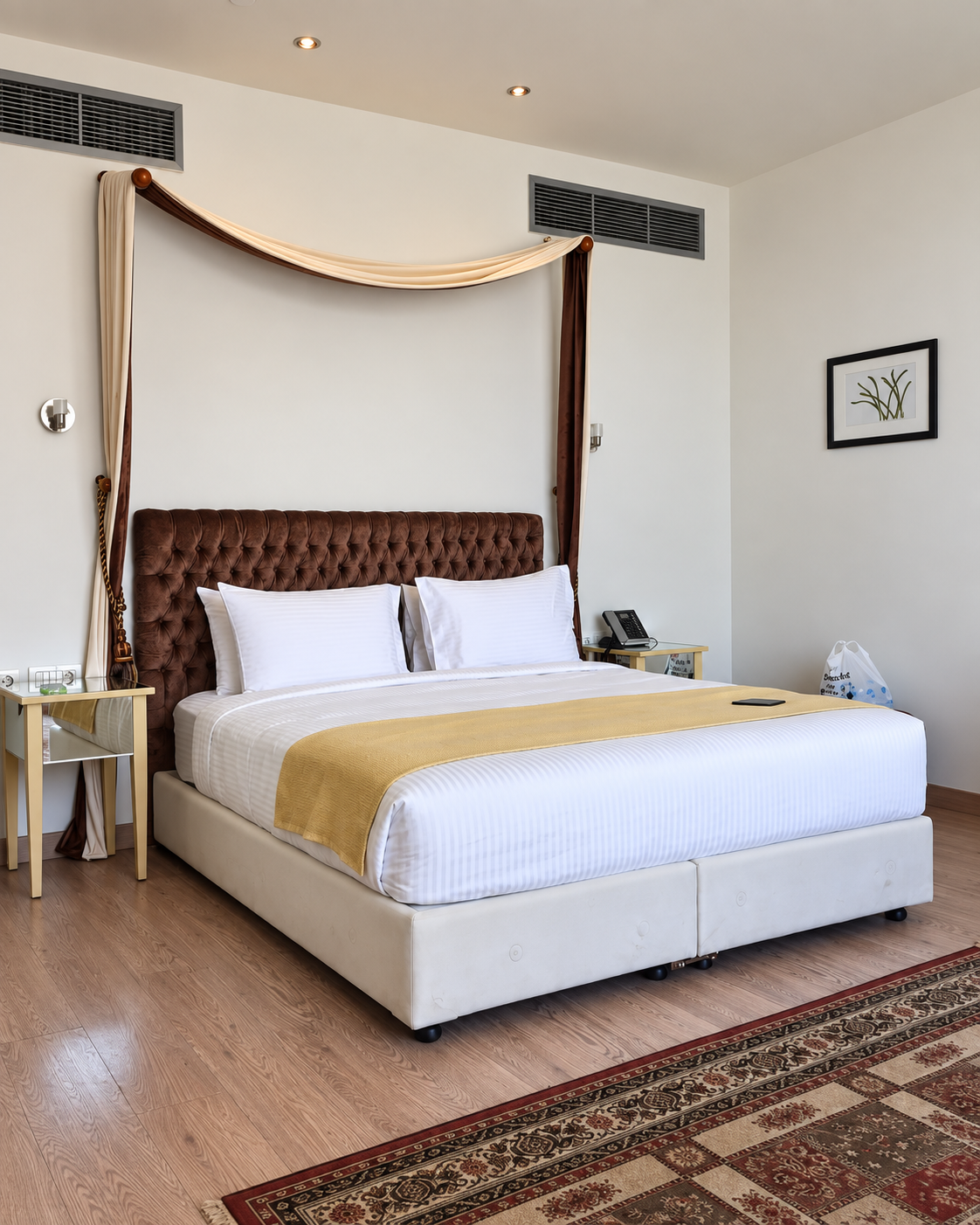
Zamalek and the Nile corridor — the neighbourhoods that run along the river’s eastern and western banks through Garden City and Downtown — offer the best combination of central location, atmospheric coherence, and access to Cairo’s most compelling cultural and dining infrastructure. As we have explored in detail in a separate guide to where to stay in Cairo, the Nile-facing properties in this corridor offer more than a convenient address: they offer a specific quality of morning, with the river visible before the city’s density imposes itself, that shapes the psychological tone of the day in ways that matter more than any single hotel amenity.
Giza has an obvious claim for those whose primary purpose is the Plateau. The Marriott Mena House, with the Great Pyramid visible from its garden, has been operating in various forms since 1869 and represents one of the most historically layered hotel experiences anywhere in Egypt. The trade-off is distance from the rest of Cairo — a trade-off that resolves easily if the Pyramids are the primary agenda, and less easily if they are one among many.
What the Grand Egyptian Museum’s positioning at the foot of the Giza Plateau has changed is the logic of the Giza hotel: where previously it made sense to stay at Giza primarily if the Pyramids were the overwhelming priority, the addition of the world’s largest archaeological museum in that same geographic radius now makes a Giza base viable for a broader range of cultural agendas.
Dining: The Geography of the Table
Cairo’s dining culture is one of the least documented and most rewarding aspects of serious engagement with the city. The Nile corridor has always functioned as the primary axis of significant dining — from Gingko at the Fairmont Nile City, where the river is present as a permanent backdrop through floor-to-ceiling glass, to Birdcage at the InterContinental Semiramis, where Thai fine dining and an unexpectedly accomplished Egyptian wine list represent the kind of sustained quality that only survives in cities with a genuine appetite for it.
The specific geography of Zamalek produces its own dining character. Crimson Bar and Grill at the Riverside Hotel offers a Nile terrace and a kitchen that understands protein with a precision that Cairo’s better restaurants have always maintained. Zeeyara — the contemporary Egyptian restaurant that has been quietly establishing itself as one of the most interesting culinary arguments in the city — offers a menu built on the proposition that Egyptian cuisine, understood at its depth, is as sophisticated and regionally specific as any Mediterranean food culture. The Rozo dessert — ice cream, rice pudding, and mastic combined in a sequence that sounds simple and arrives as a small revelation — is the most accurate single expression of what Zeeyara understands that its contemporaries do not.
Khufu’s, on the Giza Plateau with direct sightlines to the Sphinx and the Great Pyramid, operates on a different logic entirely. It is possible to book a table here without a full pyramid entry ticket — the restaurant-only ticket, little known among first-time visitors, is the single most valuable practical piece of information available to anyone planning a morning at Giza. Breakfast here — a full Egyptian spread, mint tea, cappuccino, dry yogurt — with the Pyramids present in the distance as the morning light changes across their limestone faces, is the closest available approximation of what it might have felt like to inhabit this landscape as something other than a tourist.




The Larger Argument
Cairo is the most misread major city in the world by the travellers who pass through it. It is misread as overwhelming, as chaotic, as a delivery mechanism for a handful of monuments surrounded by difficulty. That reading is available if you go looking for it. The traffic is real. The density is real. The scale is real. But it is the reading of a city whose surface has been encountered without the vocabulary to go deeper.
The deeper reading reveals something that no other city offers: the continuous presence of human civilisation at every layer of its history, without the sanitising distance of pure heritage. The Pyramid Texts at Saqqara are the oldest religious writings in the world. The Al-Azhar University in Islamic Cairo is the oldest continuously operating university in the world. The Khan El Khalili market has been in continuous commercial operation for more than six hundred years. And behind all of it, the Nile — moving without urgency through a landscape it has been shaping for longer than any of these structures have existed.
To arrive in Cairo with the preparation to understand what you are looking at is to arrive in the most consequential city on earth. Everything that constitutes Western civilisation — writing, mathematics, astronomy, architecture at monumental scale, agricultural organisation, juridical systems, the concept of the state — was being practised here before it was practised anywhere else that left a legible record. Cairo is not a museum of that achievement. It is its continuation. And the specific quality of being in a city that has never once stopped is unlike anything else that travel, at its most serious, can offer.
As U.S. News Travel’s editorial assessment of Cairo notes, the city rewards the patient traveller who surrenders to its rhythm rather than fighting its scale. That is accurate and insufficient simultaneously. Cairo does not merely reward patience. It rewards preparation — intellectual, cultural, logistical. The visitor who arrives with some understanding of what the Pyramid Texts argue, of what the Mamluk dynasty built and why, of what Zeeyara is trying to do with Egyptian cuisine, of where to find authentic papyrus and why the distinction matters — that visitor does not simply have a better time. They inhabit, briefly, one of the most layered and intelligent urban environments on earth. And leaving it, even after a short stay, carries the particular feeling of having been somewhere that made a permanent alteration to how you understand human time.
For those whose Cairo experience extends to the coast, the road east from the city toward Ain Sokhna — one hundred and twenty kilometres along the Gulf of Suez, passing the visible procession of cargo ships moving through the Suez Canal’s northern approach — offers its own form of cultural intelligence. The Suez Canal carries an estimated twelve percent of global trade annually; the Ain Sokhna coastline, and the quiet of Tanoak Hotel above it, are where that global commerce becomes visible as landscape.
“Cairo is not a city you visit.
It is a city you encounter.
And the difference between the two
is the difference between seeing the Pyramids
and understanding what the Pyramids argue —
between eating in Zamalek
and knowing why the table you are sitting at
has been worth sitting at for a hundred years.
The city does not explain itself.
It waits for the people who arrive prepared to read it.”

