

On biophilic design, slow living in Dubai, nature-integrated café culture, and why Al Barari’s most considered lifestyle destination earns its place among the city’s permanent landmarks
There is a moment, somewhere on the approach to Al Barari, when the city releases its hold. The air changes before the landscape does — cooler, less insistent, carrying something that might be the memory of a different pace. The most durable luxury is not the densest, the tallest, or the most immediately spectacular. It is the one that knows when to be quiet.
The road that leads to Al Barari runs parallel to the city it is departing from, but the feeling of departure begins well before any garden is visible. Dubai’s usual signals — the density, the ambient hum of ambition, the sense of everything happening at once in close proximity — begin to fall away gradually. By the time the first trees come into view, the transition feels less like driving somewhere new and more like recovering something temporarily misplaced. A quality of attention that the city, through no particular malice, tends to erode.
Al Barari was conceived as a counterpoint long before counterpoints were fashionable. When its founders chose to work with environmental designers rather than urban planners, to plant more than five hundred species from around the world, to give over sixty per cent of the neighbourhood to landscaped gardens and waterways, they were making an argument that Dubai would spend subsequent years proving. That the most durable form of luxury real estate and lifestyle design is not the densest, the tallest, or the most immediately spectacular — but the one with enough intelligence to know when to be still.
Nette arrived at Al Barari as the natural continuation of a design and hospitality conversation the neighbourhood had already been having. The original Nette — positioned among padel courts and wellness studios at Matcha Club in Al Quoz — had established a particular register: considered French-Japanese food, an atmosphere that invited staying longer than strictly necessary, a sensibility that did not announce itself aggressively. The Al Barari location extended that register into a different setting entirely, and in doing so revealed how much the original had always depended on a quality of space that the new Al Barari location could provide in abundance.
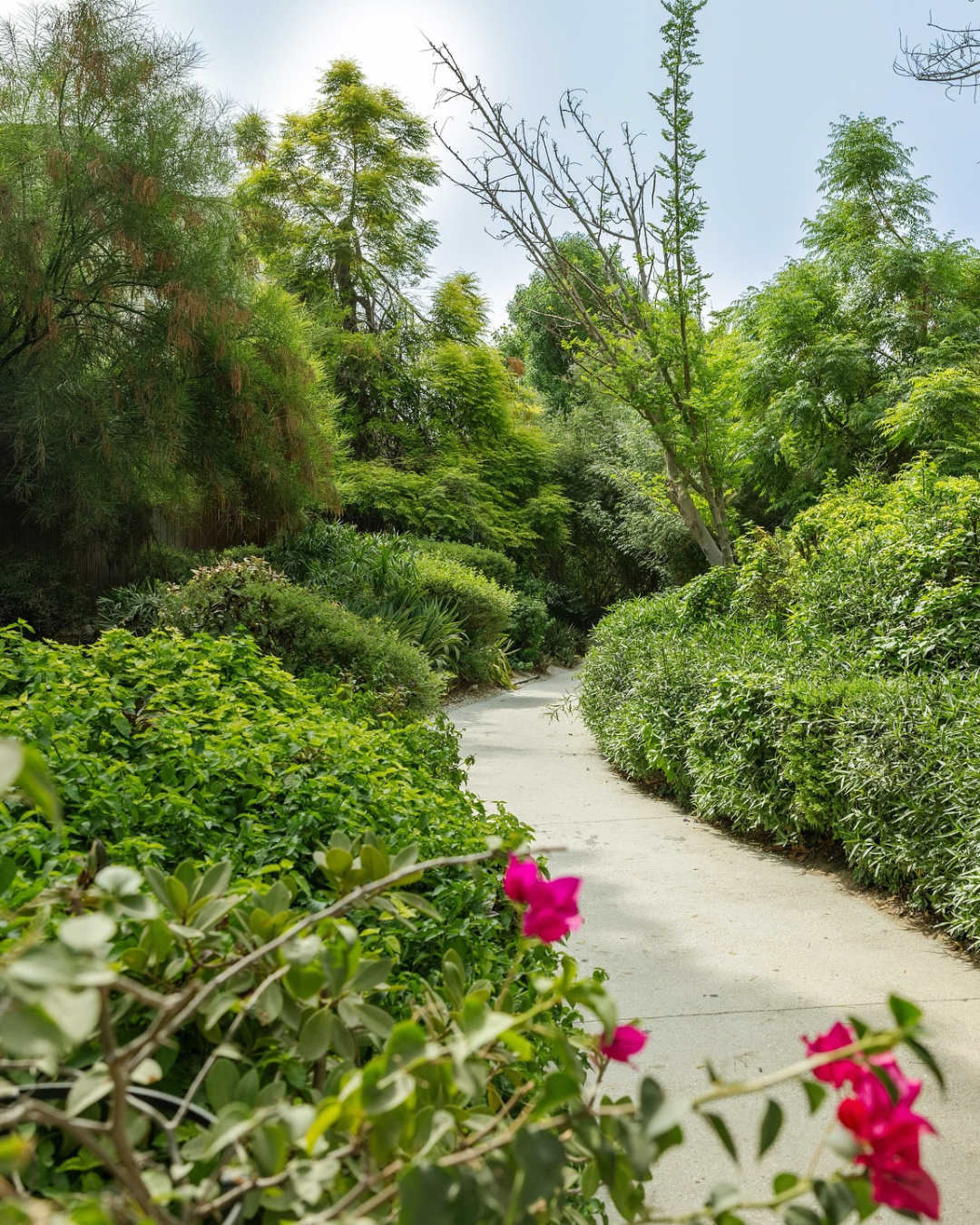
Al Barari has long been understood, by those who know it, as something apart from the rest of Dubai. The neighbourhood’s founders chose environmental designers over urban planners — creating a masterplan where winding garden paths and still waterways run between the villas, and where the cafés that have grown up within it mirror that botanical character: calm, thoughtful, and surrounded by living nature. Nette Al Barari arrived as its most complete expression yet.
The full account of that opening, and what it represented for the Nette brand and for Al Barari’s café culture, is documented in Nette Launches at Al Barari on this site, where the experience of the space in its earliest days is captured alongside the design decisions that shaped it. This editorial approaches the same space from a different angle: as a portrait of what it means to inhabit it across the full arc of a day, and what that experience reveals about the kind of luxury Dubai is increasingly learning to value.
The design of Nette Al Barari — biophilic architecture and the intelligence of subtraction
The entrance does not prepare you for the interior the way many Dubai lifestyle destinations do — through spectacle, through the choreographed reveal of something deliberately impressive. It prepares you through subtraction. The sound level drops. The light shifts from direct to filtered. The best designed spaces are the ones that change how you relate to time without your noticing that they have done so.
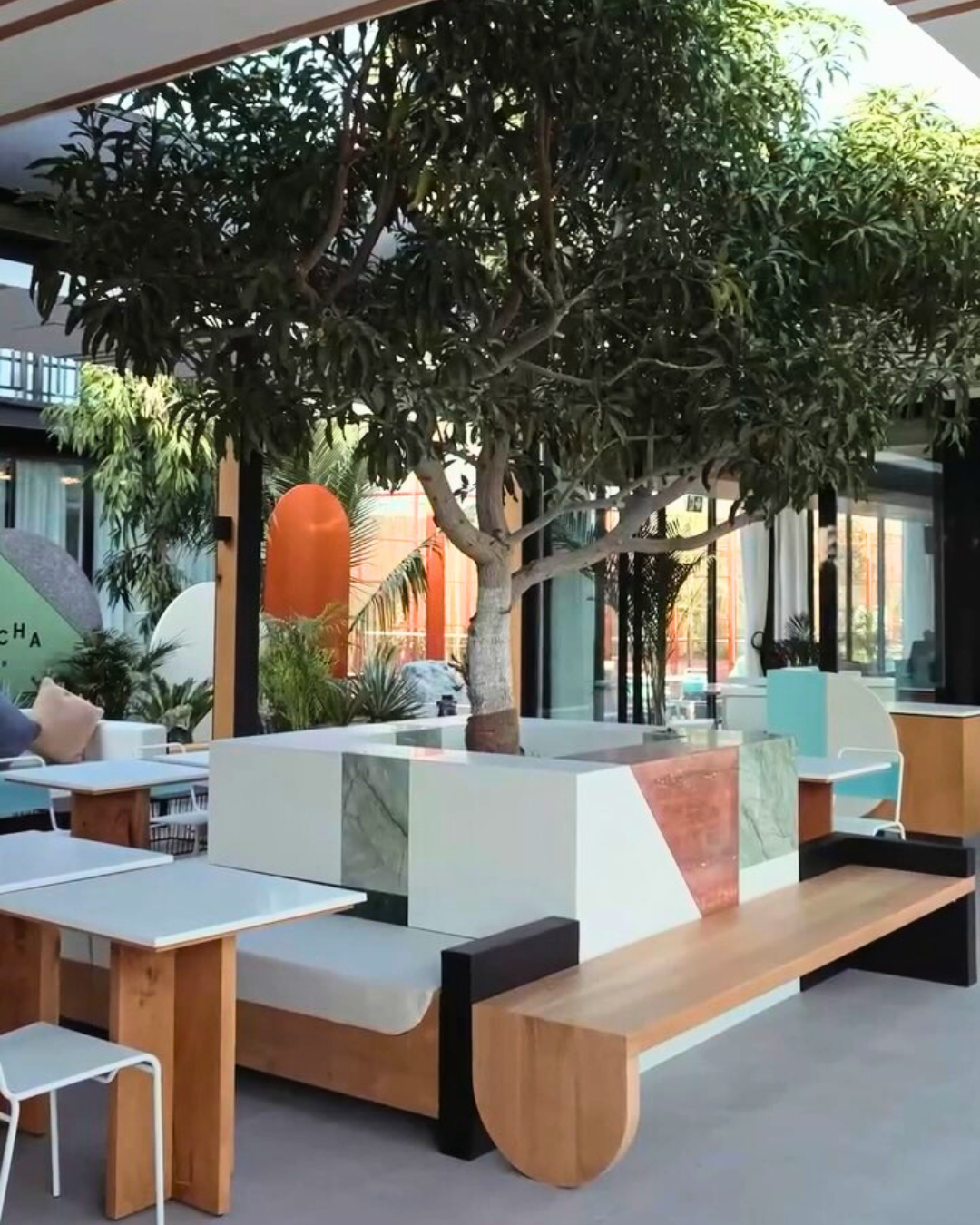
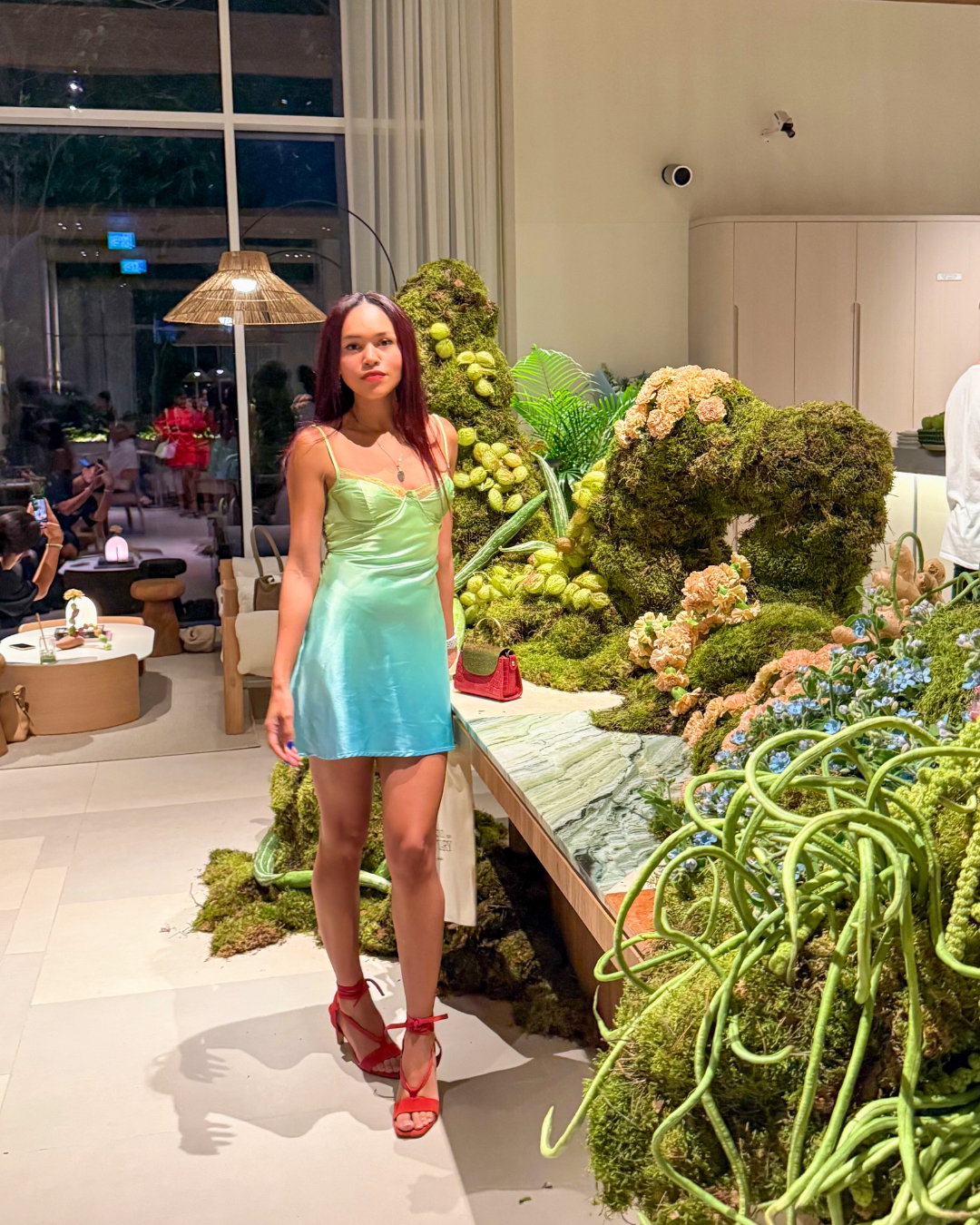
The Nette Al Barari interior, designed by the award-winning H2R Design studio, resolves itself gradually: not small, but proportioned in ways that feel legible to a single person, as though the room was designed around the experience of being in it rather than around the impression of it from a distance. Warm woods, natural stone, brushed metal, and upholstery in neutral tones constitute a material palette that reads as a considered response to the Al Barari landscape beyond the glass rather than an imposition of aesthetic onto it.
The ceiling is one of the first things that registers: sculpted, layered, designed to create visual continuity that draws the eye upward and inward rather than toward any single focal point. Below it, varying flooring materials delineate zones without walls — the long coffee counter that runs the length of one side, the communal tables that occupy the centre, the sofa areas that sit closer to the edges and carry a different invitation. Each zone asks something slightly different of the people who choose it. The counter asks for engagement, for the specific pleasure of watching something being prepared with attention. The communal tables ask for openness. The sofas ask for nothing at all, except perhaps that you stay a little longer.
The large windows — floor to ceiling, running along the garden-facing side — do not frame the Al Barari exterior the way a painting is framed. They dissolve the boundary between in and out with enough subtlety that the distinction stops feeling relevant after a few minutes. The greenery of Al Barari’s botanical gardens is always visible, always peripheral, always present as a reminder of the decision to be here rather than somewhere else in the city.
Biophilic design — the formal practice of integrating natural elements into built environments to support human psychological wellbeing — is grounded in decades of research into how the built environment affects human health and cognition. As ArchDaily’s foundational analysis of biophilia in interior design documents, the approach produces measurable benefits: reduced heart rate variability, decreased blood pressure, improved cognitive function, and reduced stress. What makes Nette’s application of these biophilic design principles distinctive is how little it announces itself. The greenery, the light, the materials do not perform being natural. They simply are those things — and the cumulative effect is a space that feels restorative in the way a walk through Al Barari’s gardens is restorative: not through drama, but through the quiet provision of what the nervous system was looking for without knowing it was looking.
Morning at Nette Al Barari — the quality of intentional space
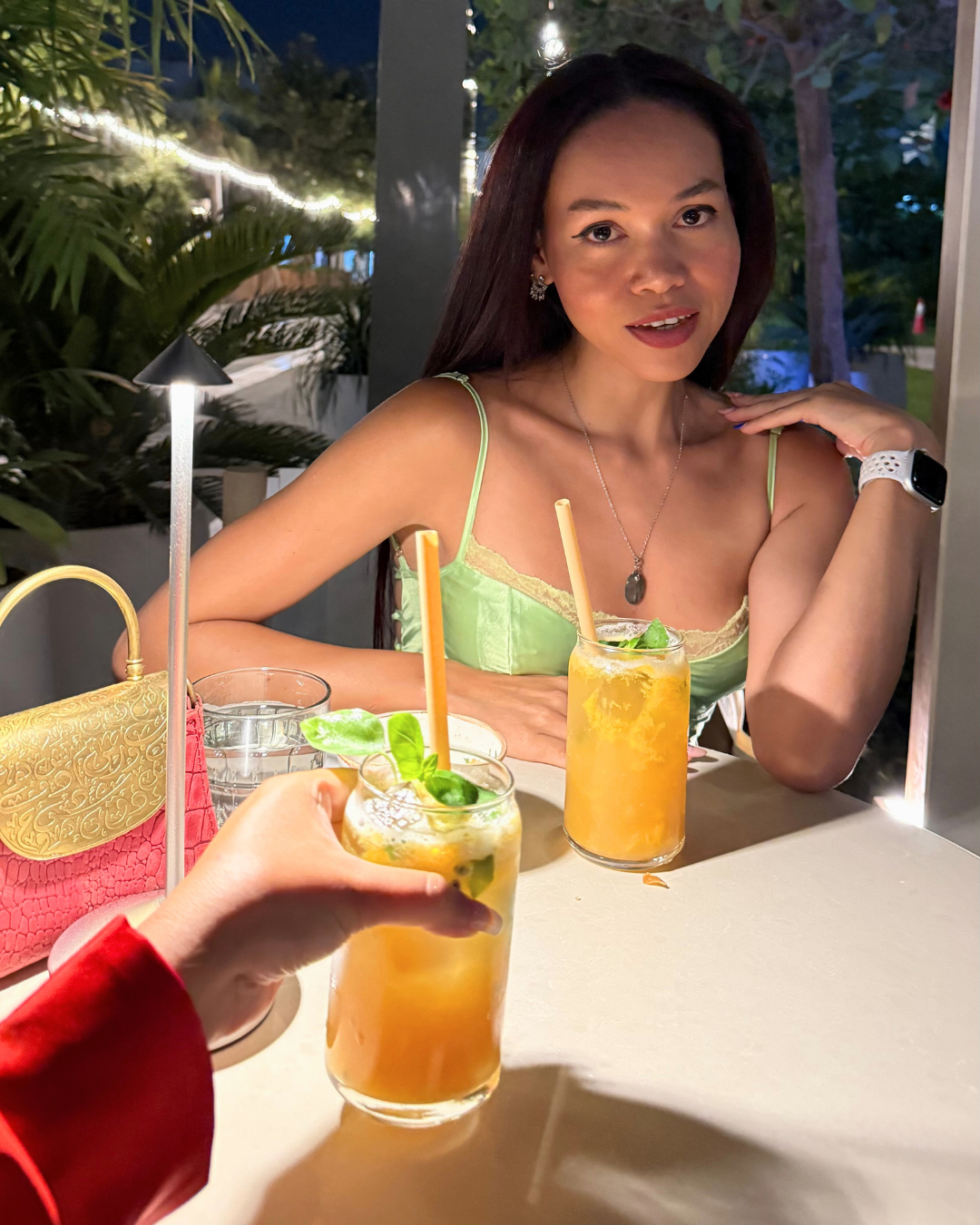
Morning at Nette Al Barari has a quality that is difficult to manufacture and easier to describe in negative terms — the absence of performance, of hurry, of the ambient competitive energy that defines so many spaces in Dubai. This is not accidental. It is the direct result of design decisions made in deliberate alignment with how human beings actually function in environments that support rather than overwhelm them.
In the mornings, the Al Barari café space fills slowly and fills with a particular kind of person: someone who has chosen this rather than settled for it. The choice matters. Al Barari is not on the way to anywhere. It requires intention to arrive here — whether from within the neighbourhood itself, or from elsewhere in the city — and that intention seems to carry through into how people occupy the space once they do. Laptops open unhurriedly. Conversations start quietly and seem in no rush to conclude.
There is a specific quality of stillness that communal spaces achieve only when everyone present has unconsciously agreed to honour it — and Nette Al Barari manages this without signs requesting it, without a design strategy that announces itself, without any visible effort at all. It is the product of design decisions working at a level below conscious awareness: the acoustic quality of the space, the scale of the furniture relative to the ceiling height, the quality of the light at that hour as it moves through the botanical garden beyond the windows.
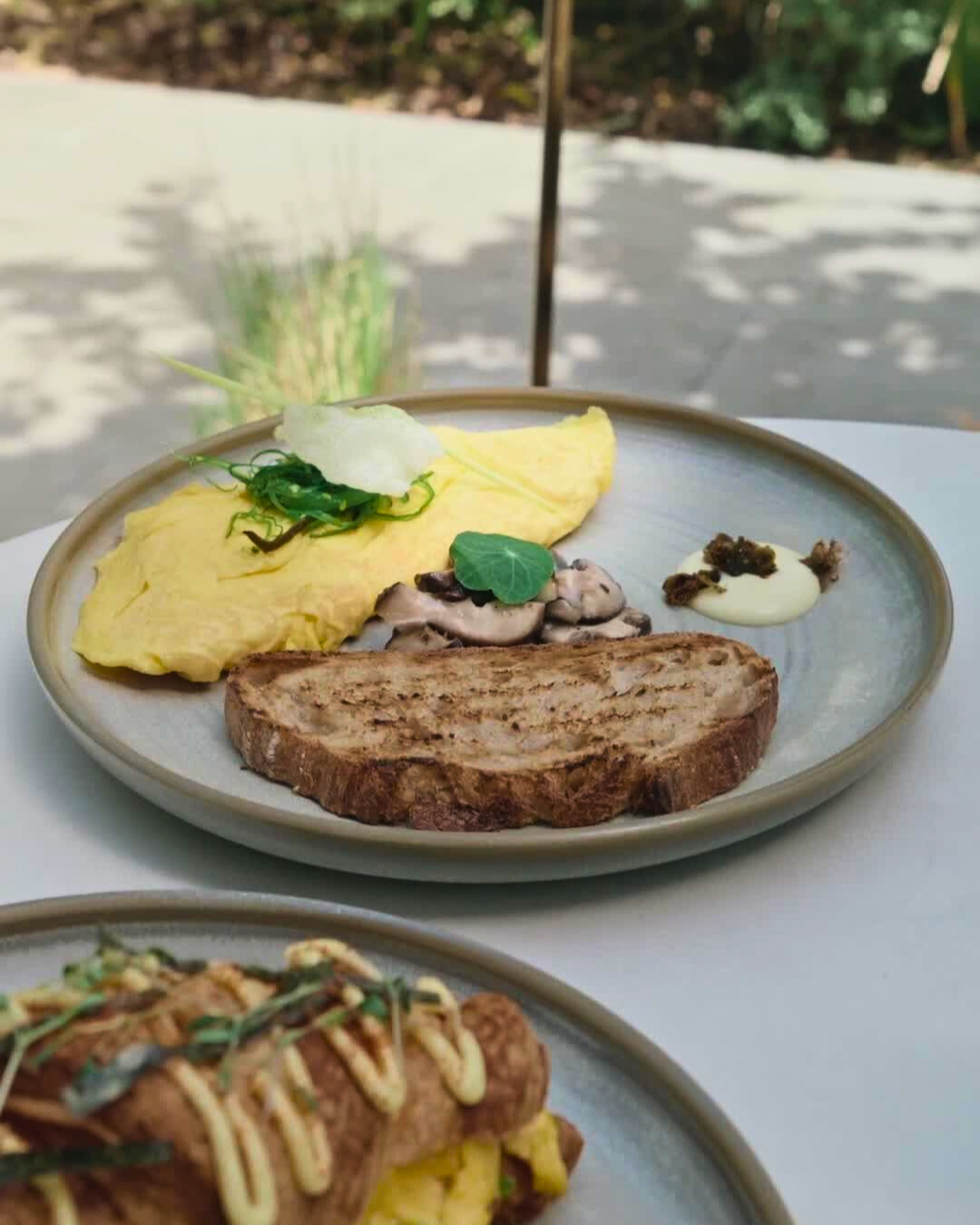
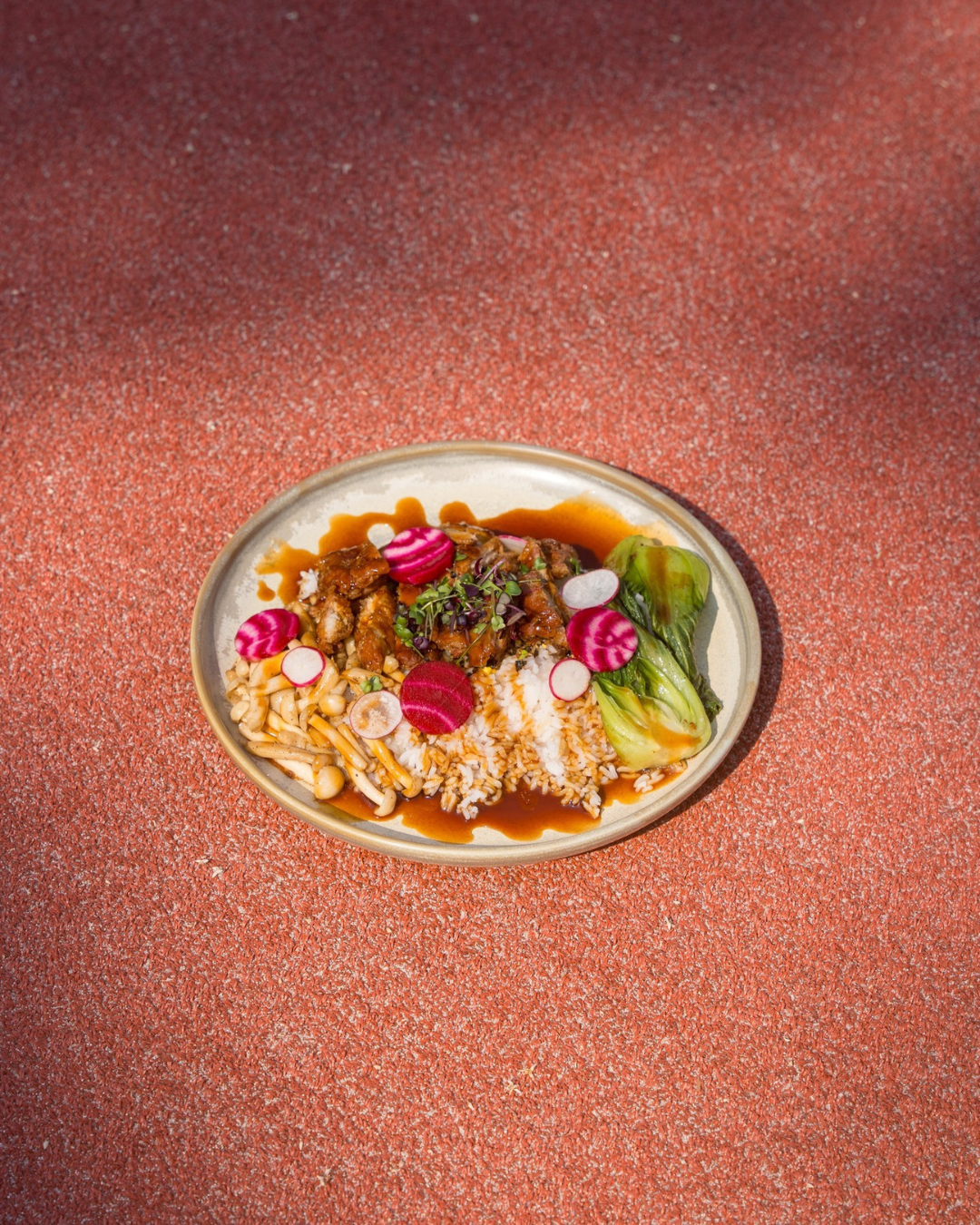
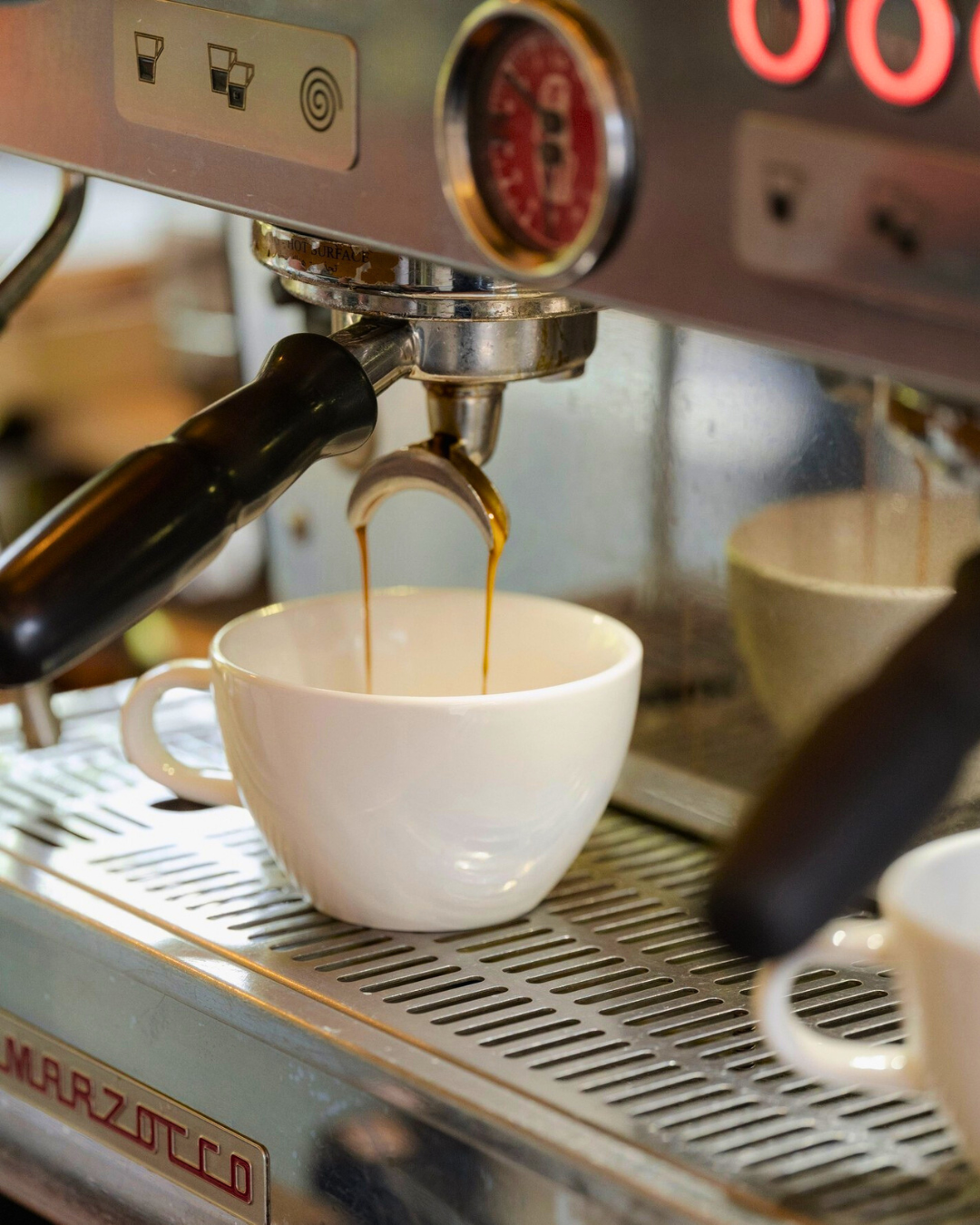
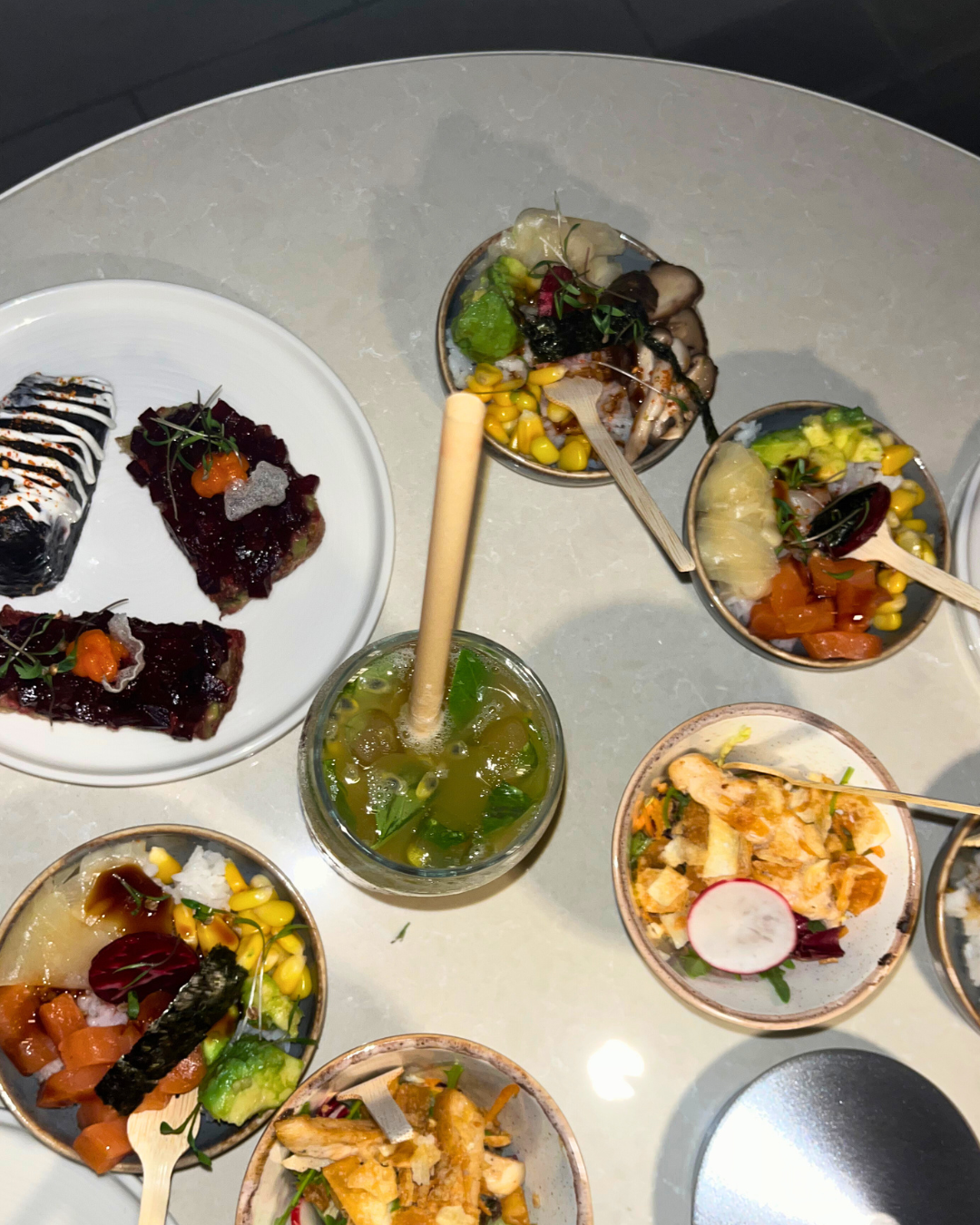
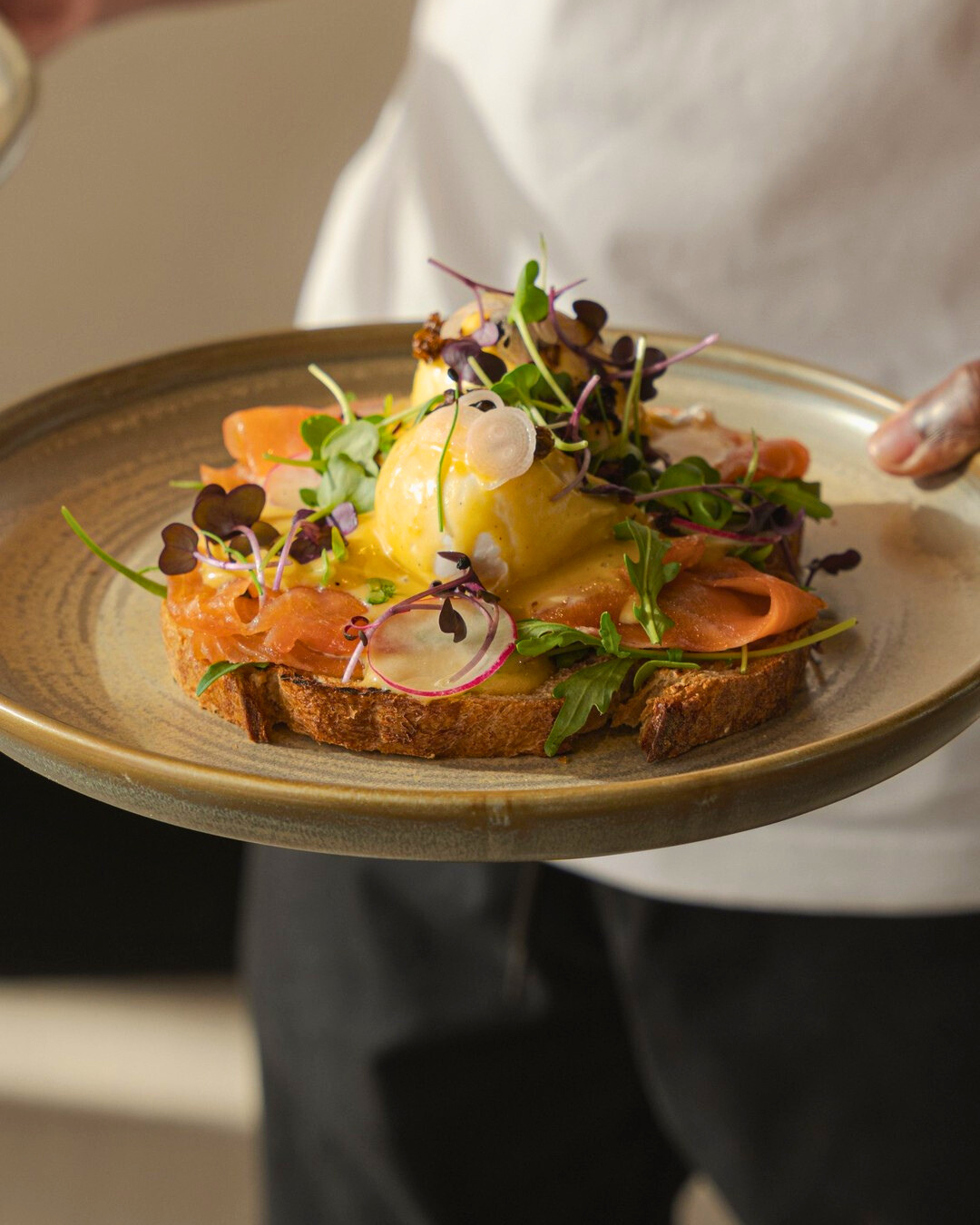
Under the creative direction of Executive Chef Shaunne Cordier, the Nette Al Barari menu delivers French-Japanese cuisine that merges flavour with nutritional function. The Yuzu Ponzu Crispy Salmon Salad — a signature from the original Al Quoz location — arrives with the same clarity that defines everything else about the space: perfectly considered, presented without performance, calibrated to the setting rather than to any external standard of what a meal at a destination like this should be. New dishes exclusive to the Al Barari location include grain bowls built around roasted vegetables, vegan-forward options, and nutrient-dense preparations that function as genuine nourishment rather than aesthetic food. The drinks menu — ceremonial-grade matcha, cold-pressed juices, smoothies, and Three Roastery coffees — carries the same philosophy into liquid form.
The culinary philosophy and sustainability architecture of Nette Al Barari
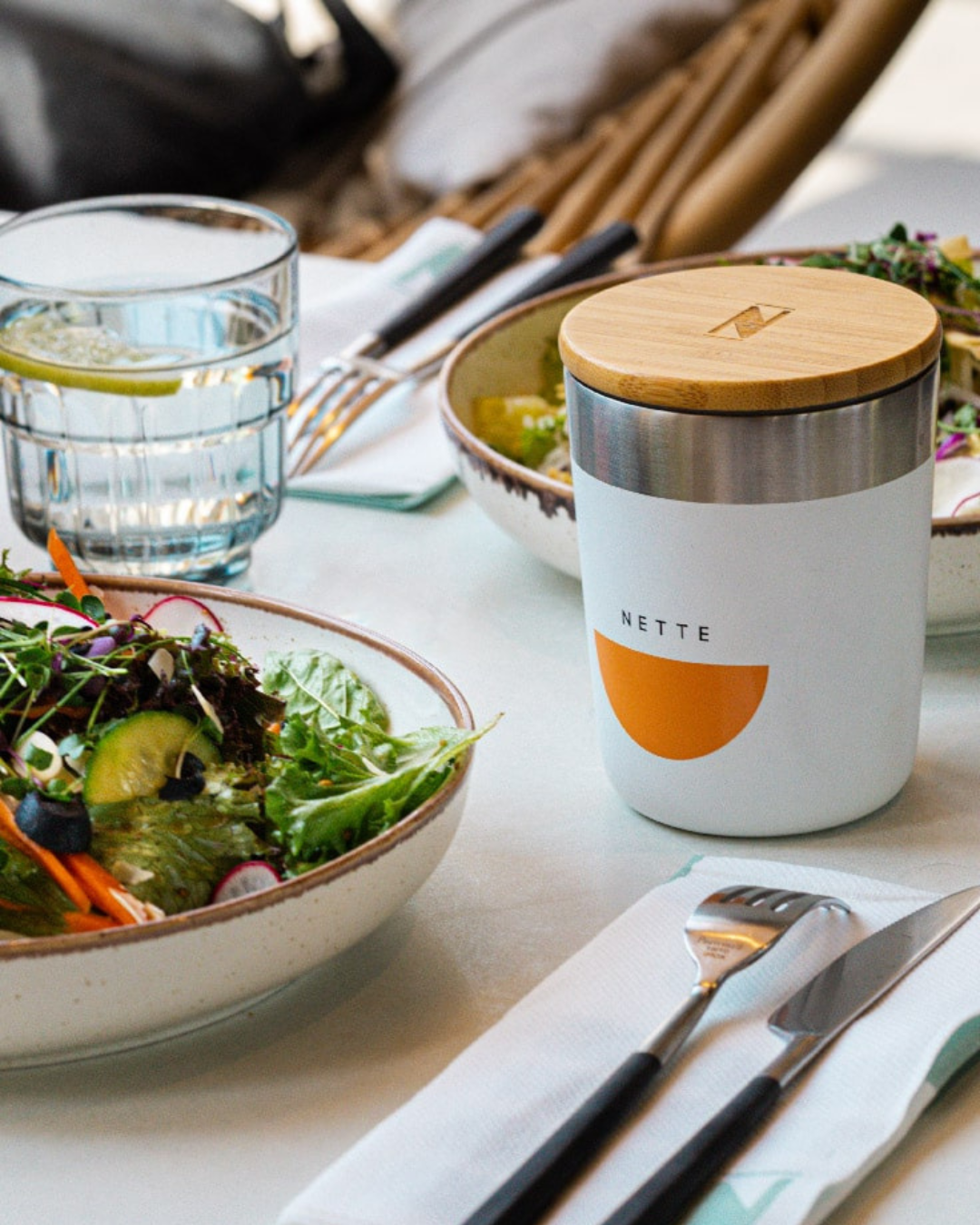
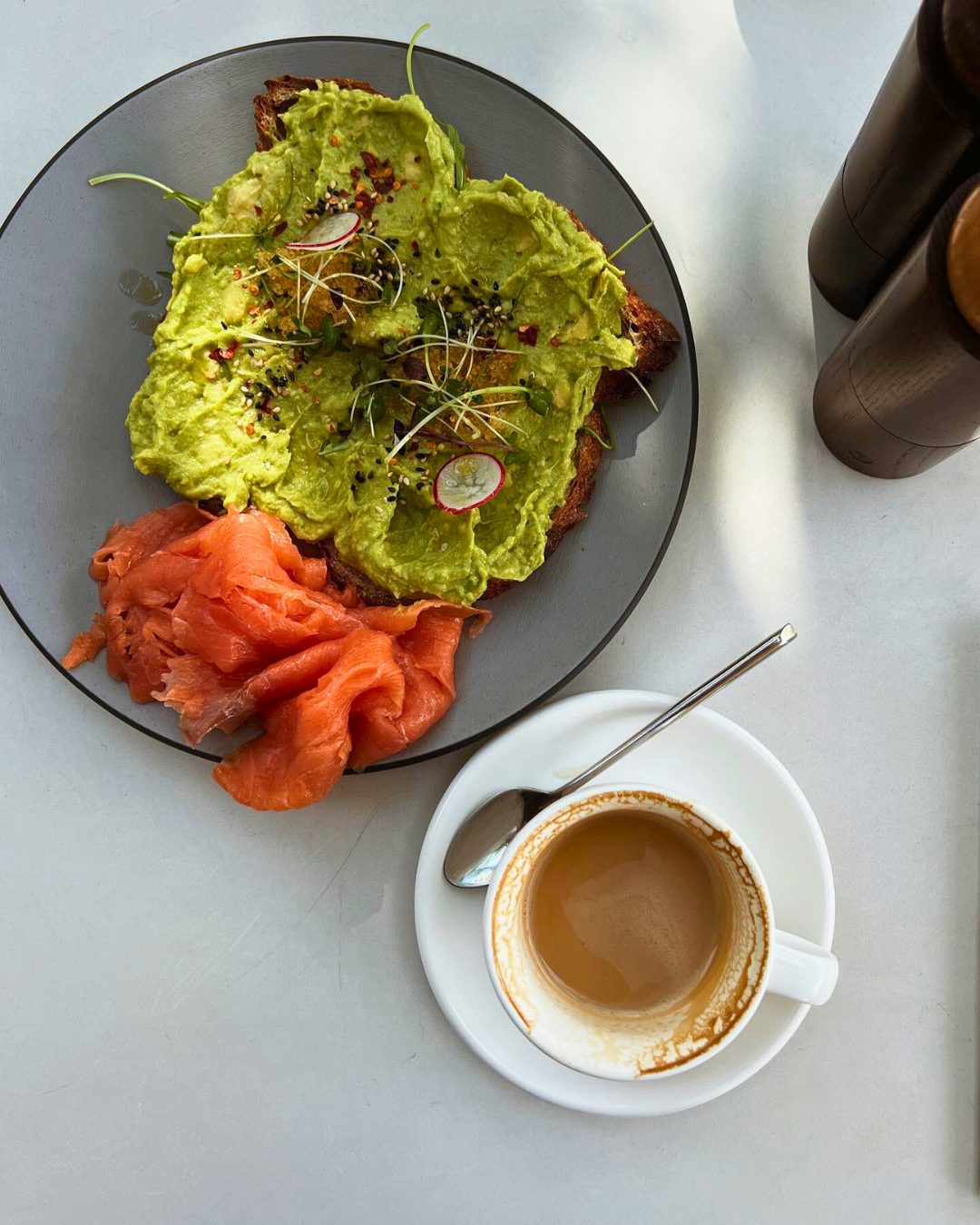
The food at Nette arrives in the same register as everything else: considered without being laboured, presented without being performed. The French-Japanese culinary identity does not need to explain itself at each dish. Its logic accumulates across a meal the way the Al Barari space accumulates across a visit — the specific pleasure of ingredients chosen for what they are rather than for what they signal.
Clean, nourishing, and calibrated to the setting: this is what it means for dining to be integrated into a lifestyle experience rather than imposed upon it. The food does not anchor the visit to Nette Al Barari. It extends it. You eat as part of being here, and the being here is the primary fact. Most lifestyle spaces that try to offer this overinvest in the food as a performance to compensate for what the atmosphere cannot deliver on its own. Nette’s French-Japanese cuisine is good enough that this is never the question.
Sustainability remains structural rather than decorative to the Nette philosophy. Partnerships with local Dubai farms — including New Leaf and Harvest Fresh — source seasonal produce with reduced transport emissions while supporting the local agricultural economy. Packaging is biodegradable. Even the team’s chef jackets are produced from recycled fabrics. The reusable Hans Larsen vacuum mugs available in-store channel three per cent of every sale to Water.org, providing clean water and sanitation access to communities in need — a small acquisition with a direct and verifiable impact. These are not brand gestures. They are the structural expression of the same philosophy that governs the space itself: that what is chosen with intelligence and restraint holds more value, across more time, than what is chosen for its immediate visibility.
The relationship between environment, pace, and psychological restoration is one that informed wellness practice has been exploring across multiple contexts. Inside the Atmosphere Economy: How NEOM Is Redefining Modern Home Wellness approaches the same underlying principle from a different angle — the understanding that the conditions for genuine rest must be cultivated deliberately, and that the spaces and rituals we choose to inhabit have a direct bearing on the quality of our recovery. A morning at Nette Al Barari and an evening with NEOM are expressions of the same philosophy: that slowing down is not passive. It is chosen.
The Al Barari outdoor experience — gardens, waterways, and biophilic community design
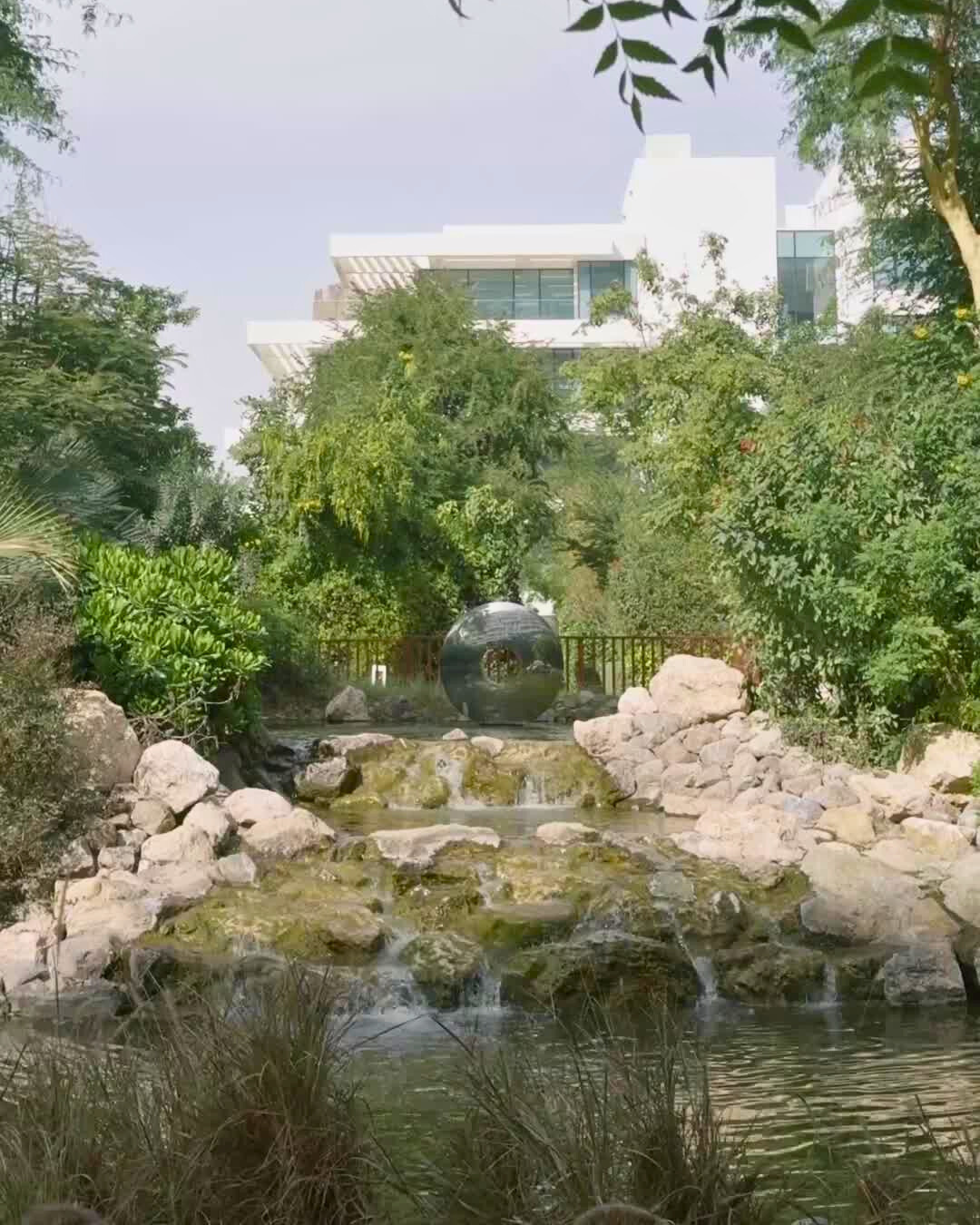
Al Barari is not a refuge from Dubai so much as a different argument about what Dubai can be. The city has always contained more than one version of itself, and Al Barari makes visible the version that knows how to be still. The mature trees that shade its walkways, the waterways that move through the landscape with the easy inevitability of things that belong, the botanical diversity that gives each garden path a slightly different character — these things have aged into the neighbourhood rather than out of it. They have compounded.
The Nette Al Barari outdoor space continues the interior’s biophilic design logic without interruption. Grass seating with oversized poufs and picnic-style configurations offers a relaxed setting under shaded garden areas. The sound of nearby waterways is audible without being intrusive. Surrounded by Al Barari’s botanical gardens and the soft presence of mature trees, the outdoor space provides something that interior design can approximate but never fully replicate: the specific quality of calm that comes from being genuinely outdoors, in a neighbourhood whose ecological density was planned and planted with this specific experience in mind.
Even four-legged visitors are welcome in the Al Barari garden during the cooler months, making Nette one of the few Dubai lifestyle destinations that extends its philosophy of welcome to the full household. Located near the splash pad and walking trails that connect to Al Barari’s broader landscape circuit, the café functions as a natural pause point in a longer engagement with the neighbourhood — a place to arrive from and to return to.
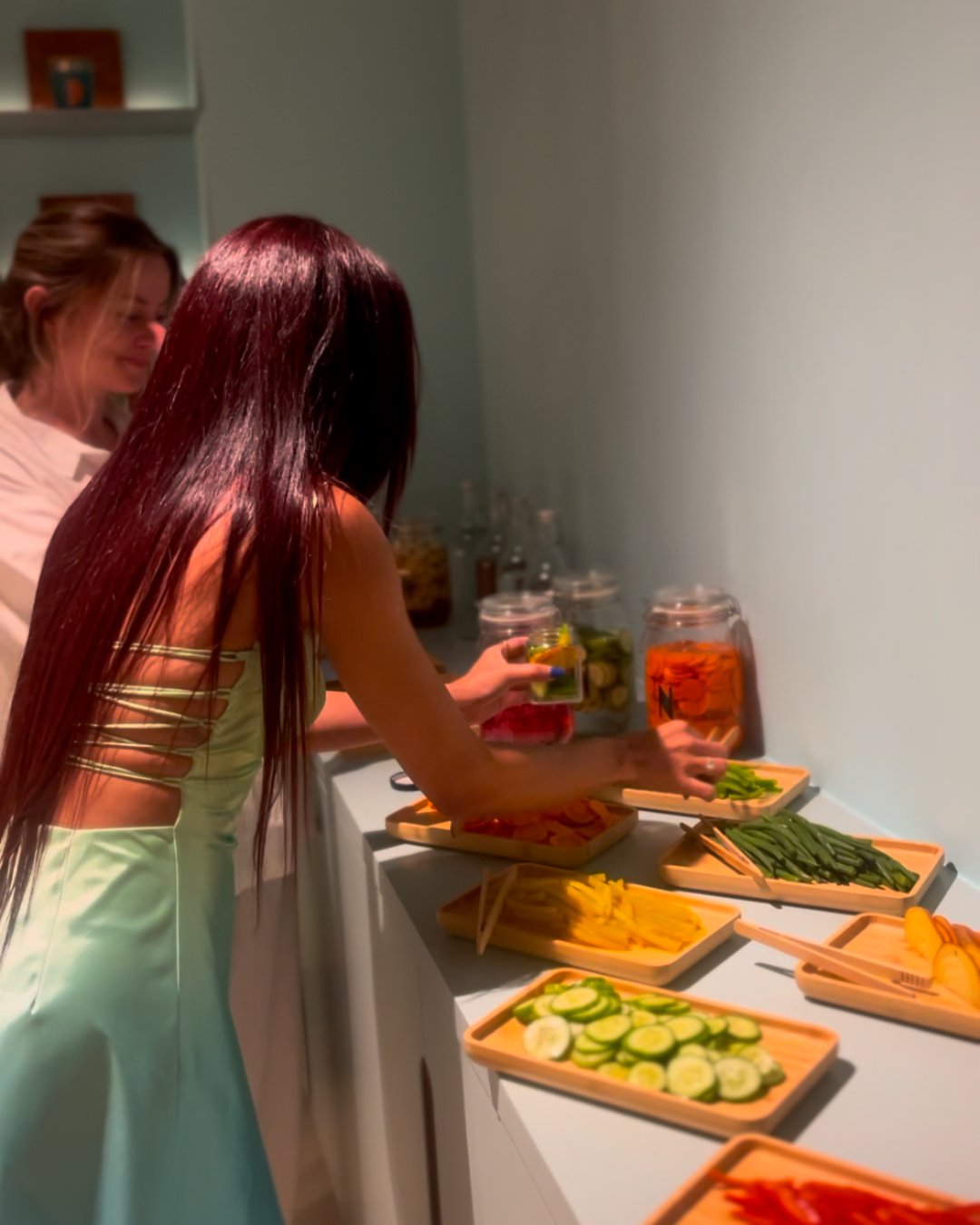
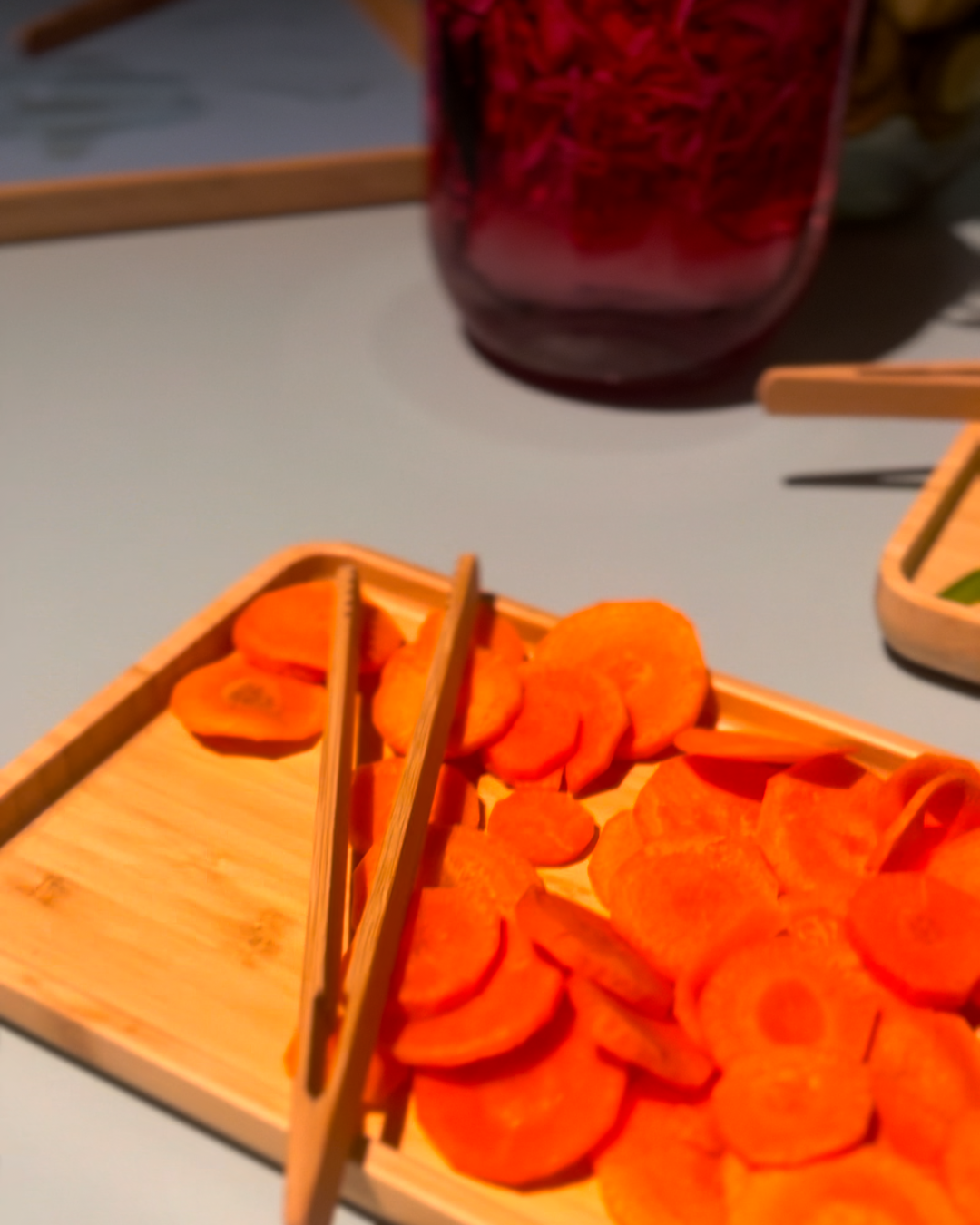
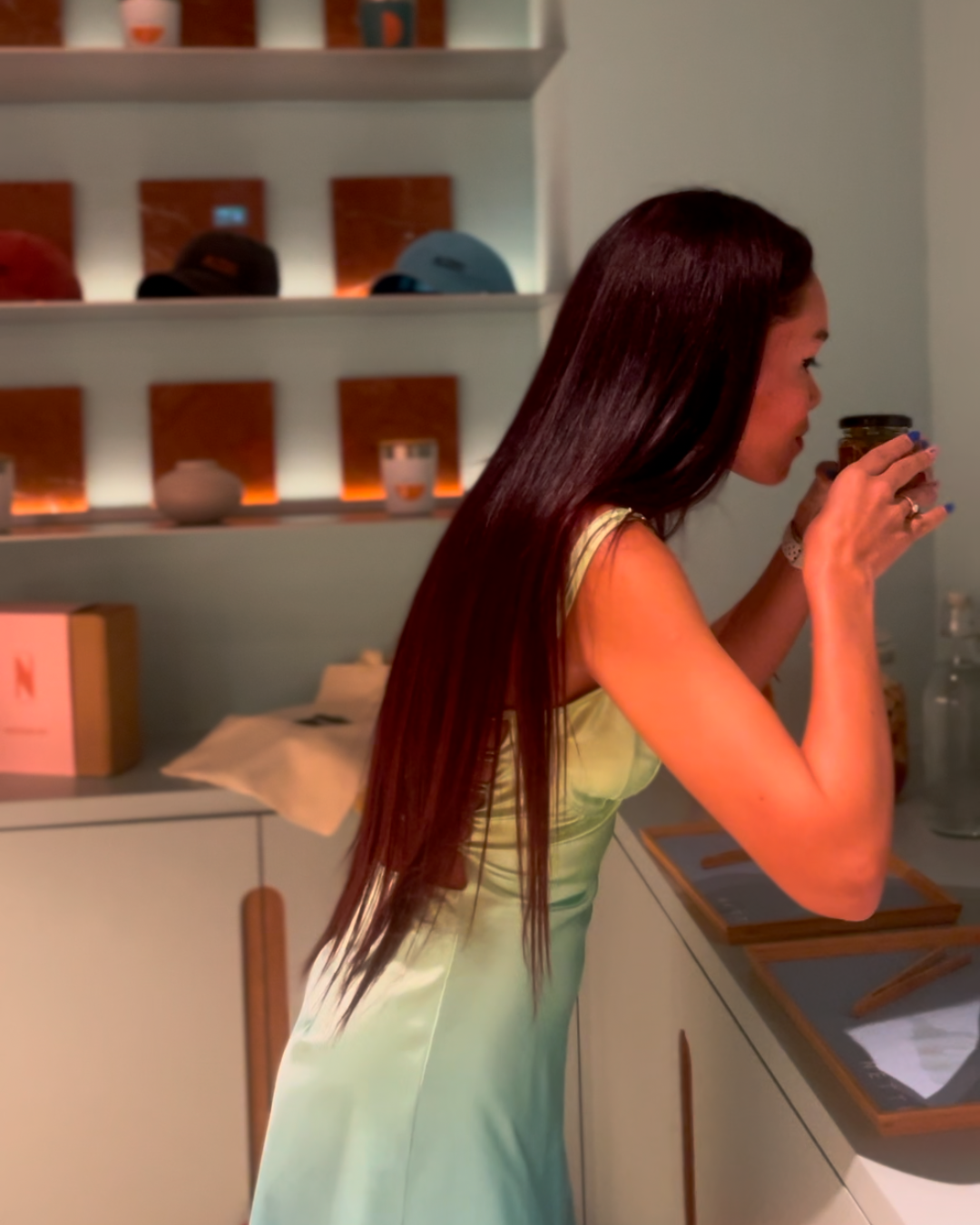
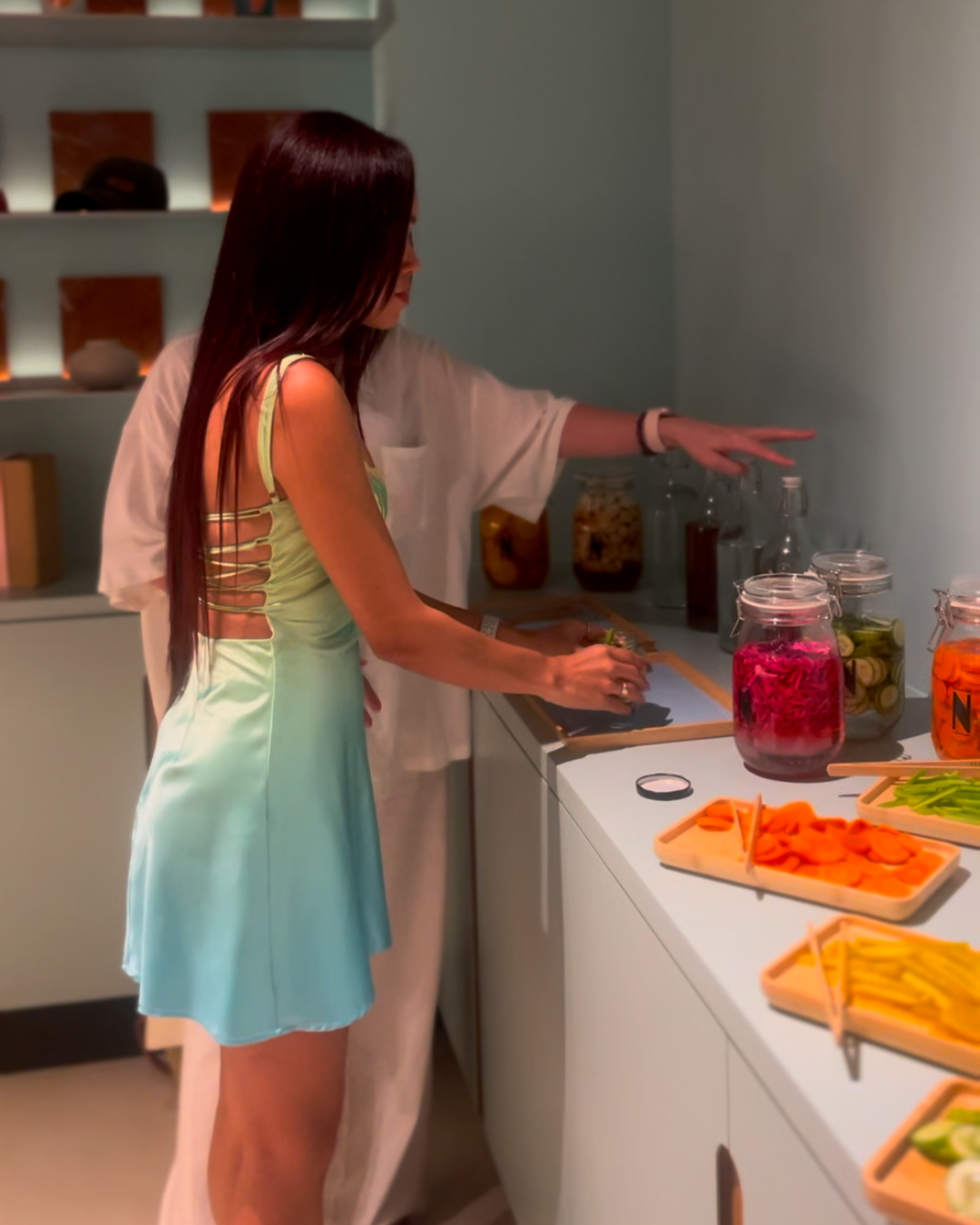
The opening experience at Nette Al Barari included activations that embodied this sensibility precisely: a Pickling Bar where guests could craft their own jars of farm-fresh pickled vegetables, and a Salt Bath Station where attendees curated bespoke bath salt blends using mineral-rich salts, essential oils, and dried florals. Both experiences were meditative and hands-on — functional wellness encounters that left with the guest rather than remaining in the space. They hinted at the kind of thoughtful, embodied experiences that Nette’s philosophy is oriented toward delivering beyond the plate.
Dubai’s social dining scene contains many registers, and part of what makes Nette Al Barari distinctive is the clarity with which it occupies its own. The city’s more exuberant dining experiences have their own genuine pleasures — lively, vibrant, designed for different forms of presence. Girls Night Out at Lah Lah captures one version of that register: the Dubai dinner that is social performance, shared pleasure, the particular energy of a group of people choosing to be seen and heard together. Both experiences are valid and entirely distinct. What Nette Al Barari offers is the other end of the same city — the version where the quality of the silence is as important as the quality of the conversation.
The afternoon register — how Nette Al Barari changes across the arc of a day
By midday the Al Barari café space has changed its register without changing its character. Where the mornings carry a quality of individual occupation — each person settled into their own relationship with the space, their own rhythm — midday brings a gentle increase in movement and interaction that the room absorbs rather than amplifies. The acoustic quality of the space prevents any single conversation from dominating the room. This is not accidental. It is biophilic interior design functioning exactly as the research says it should.
The people who come to Nette Al Barari during the day constitute a particular cross-section of a city that has more cross-sections than most. Residents of Al Barari, for whom this is proximity to home. Visitors who have made the deliberate journey from elsewhere in Dubai. Remote workers who have chosen the commute for its return in atmosphere. Parents with young children who have found that the proximity to Al Barari’s outdoor spaces and splash pad makes Nette a natural pause point in a longer circuit. What they share is not a demographic but a disposition — the willingness to choose experience over convenience, and to sit with that choice long enough for it to become a different kind of efficiency.
Afternoon at Nette Al Barari moves differently from morning and midday. The quality of natural light has shifted — warmer, more angled, catching the surfaces of the wood and stone in ways that the flatness of midday obscures. Conversations acquire the particular quality of conversations that have had time to arrive somewhere real. This is one of the less discussed functions of a lifestyle café designed for lingering: it selects for a kind of social interaction that cannot happen in shorter visits. The acquaintance who becomes a friend, the professional relationship that finds its human register, the conversation that starts with what is happening and ends somewhere closer to what matters.
As ArchDaily’s survey of biophilic interior design projects demonstrates, the successful application of biophilic principles produces measurable behavioural benefits — including enhanced attention span and increased social interaction — alongside the more widely cited physical and cognitive ones. What Nette Al Barari achieves across its full daily arc is not accidental. It is the product of design decisions made in deliberate alignment with how human beings actually function in environments that support rather than overwhelm them.
Dubai’s leisure landscape is broad enough to contain spaces designed for spectacle and social visibility alongside those designed for quiet and restoration. Nikki Beach Girls’ Day Pass explores the former register — the specific pleasures of a space where sea, sun, and the social energy of a crowd are the point. Understanding what Nette Al Barari offers requires understanding what it is not: not competitive, not performative, not organised around visibility. It is the city’s quiet option, which makes it not a lesser choice but a rarer one — and increasingly, the more valuable one.
The cultural and civic significance of Nette Al Barari — slow luxury and the city’s most durable register
What people are really investing in, when they choose a place like Nette Al Barari, is not the food or the design or even the atmosphere in isolation. It is the quality of time they will spend within it — and the sense of having chosen that quality deliberately. This is the economics of unhurried experience, which rarely gets articulated clearly because it resists the metrics through which most consumption is evaluated.
In a city defined by the density of its stimulation and the premium placed on visible success, spaces that offer the opposite — quietness, unhurriedness, the freedom to remain without having to justify remaining — perform a function that goes beyond what they serve. They reorient the nervous system. They provide the conditions under which reflection becomes possible. They offer a version of Dubai lifestyle luxury that does not depend on spectacle for its effect, and that retains its value precisely because it cannot be photographed as easily as everything around it.
Dining in Dubai carries cultural meaning that extends well beyond the purely gastronomic. The city’s relationship with the table — with gathering, with the rhythm of eating together, with the social and ceremonial dimensions of shared food — is layered in ways that its international profile does not always make visible. The Best Iftar Experiences in Dubai documents one of the city’s most profound dining traditions: the Ramadan iftar, where the act of breaking fast together carries the full weight of community, hospitality, and shared time. Nette Al Barari operates within a city that understands, at its core, the non-trivial relationship between how people eat and how they belong to a place. Al Barari gives that understanding its most nature-integrated expression.
As the World Economic Forum has identified in its analysis of nature and human wellbeing in urban environments, the most durable cities are those that build in the conditions for human restoration rather than treating them as secondary to productivity. Al Barari understood this at the neighbourhood scale from its founding. Nette Al Barari understands it at the table scale. The logic is the same in both cases: that the environment built around human experience, rather than against it, produces outcomes that compound across time rather than peaking at opening.
The same movement toward slowness, toward choosing permanence over novelty and depth over volume, that is reshaping how the most considered luxury consumers think about fashion and jewellery is reshaping how Dubai’s most considered spaces define what they offer. Quiet Luxury with Giuseppe Zanotti explores that logic in the context of investment footwear — the same insistence that what holds value is chosen with intelligence and restraint, that the most enduring luxury is always rooted in quality over visibility. Nette Al Barari is the spatial and hospitality expression of the same argument. The pieces that remain in a wardrobe are the ones worn most often without being thought about. The spaces that remain in the memory are the ones inhabited most fully without being performed in.
People begin to leave Nette in the late afternoon, but without the abruptness that marks the end of a meal at a place where the table is required. They leave in the gradual way that people leave environments they were genuinely sorry to depart. Conversations conclude at a pace set by the conversation rather than by the implied availability of the seat. There is a moment before stepping back out toward Al Barari’s gates, and beyond them toward the city, when the transition announces itself gently — and a small, real reluctance registers.
This is the function of places like Nette Al Barari that is hardest to name and most important to understand: they do not merely offer an alternative to the city’s pace. They make you aware that an alternative was available. That the speed at which Dubai moves is a choice, at least sometimes, and that the city contains within it environments designed to slow the choice down long enough for it to feel like one. What Nette Al Barari offers is not an escape from Dubai. It is a reminder of what the city holds when you know where to look, and what pace to look at it from.
“Modern luxury is no longer always the loudest thing in the room.
Sometimes it is the place that makes the room quiet enough
to hear what you actually think.
Nette Al Barari is that place —
and in a city that moves as fast as Dubai,
that is the rarest form of luxury available.”

