
On blockchain regulation, institutional digital capital, NFT ownership models, AI convergence, and why Dubai operates differently from every other city in the global Web3 economy
Infrastructure becomes visible when systems no longer need to be explained. Most markets are still defining what Web3 blockchain adoption looks like. In Dubai, that question has already moved on — the city is not positioning itself as a participant in the global Web3 economy. It is operating as the infrastructure through which that economy moves.
Dubai is a convergence point for blockchain technology, artificial intelligence, gaming, and institutional digital capital where the work of ecosystem formation is largely complete. What replaced it is execution — the operational phase of a Web3 economy that no longer requires demonstration of its own legitimacy. In environments where blockchain becomes infrastructure rather than experiment, individual gatherings stop reading as isolated moments. They read as a system — one that reveals how decentralised technology and digital capital are being absorbed into a city’s permanent economic fabric.
Regulation, institutional capital, community, and blockchain technology are not developing in parallel tracks in Dubai. They are converging. In rooms where Web3 founders, financial regulators, and investment capital intersect, that convergence becomes visible not through announcements but through the quality of the questions being asked. The questions are not about whether Web3 and decentralised finance work. They are about how blockchain systems scale, how they hold across market cycles, and how institutional digital capital moves across borders within a regulatory framework designed to support rather than impede that movement.
What makes Dubai distinct within the global blockchain economy is not the volume of Web3 activity — it is the structural alignment beneath it. The Virtual Assets Regulatory Authority, the Dubai Multi Commodities Centre, and the broader regulatory architecture of the UAE have created a Web3 institutional environment that functions rather than positions. That distinction is the most consequential one available for understanding why Dubai attracts the world’s most serious blockchain founders, institutional crypto investors, and decentralised finance operators — and why that attraction compounds rather than cycles.
When blockchain systems reach this stage, execution takes precedence over formation. Technologies move into integrated institutional environments rather than experimental ones. The system no longer depends on formation. It is already in place — and what follows is the compounding of what has been built.
As Fortune’s reporting on Dubai’s blockchain regulatory architecture makes clear, the city is establishing itself as a permanent global crypto hub not through regulatory tolerance alone, but through a combination of clear institutional frameworks, demonstrated regulatory confidence, and a blockchain governance approach calibrated for the pace at which decentralised finance and digital asset markets actually move. VARA functions not as a constraint on the Web3 ecosystem but as a working structural layer within it — bringing clarity to blockchain compliance, digital asset custody, licensing, and cross-border crypto participation across one of the world’s most strategically positioned financial corridors.
From collectibles to access — digital ownership as permanent Web3 infrastructure




Digital ownership becomes blockchain infrastructure when it defines access, not visibility. The question has shifted permanently from what is held to what holding enables — and that shift is redefining how users participate in, move through, and build within Web3 ecosystems.
The earliest framing of NFTs centred on collectibility — digital scarcity, display value, and speculative price. That framing is giving way to something more structurally durable. In maturing Web3 ecosystems, digital ownership is being used to define how users access, participate in, and move through blockchain systems. NFT projects that have sustained relevance beyond crypto price cycles illustrate this structural change. Their continuity is not tied to speculation — it is tied to community. NFT holders engage, build, and extend the ecosystem. Digital ownership, in that sense, functions closer to membership in a permanent institution than to possession of a depreciating asset.
The collaboration between Pudgy Penguins, Arts DAO, and Ledger exemplified this evolution — a gathering that blended NFT culture with digital asset security, creating an environment that was both educationally substantive and culturally rich. The event demonstrated the potential of NFT projects to foster genuine blockchain community engagement while embedding security as a foundational structural layer of the digital ownership model. In maturing Web3 systems, crypto custody sits alongside culture as a structural requirement — not a technical afterthought applied after the community has formed.
This structural shift in digital ownership comes with different institutional expectations. If blockchain ownership is active rather than passive, it is also exposed — security becomes a core layer of the ownership model itself rather than a peripheral service. The intersection of NFT cultural projects and blockchain ownership infrastructure is already visible across creative industries globally, where digital ownership is being embedded into luxury, fashion, and cultural contexts that extend well beyond decentralised finance. NFTs are not the centre of this shift. They are the entry point into a broader and more permanent architecture of participation-based digital identity and community-defined access.
In environments like Dubai, the significance of this transition from collectibility to access shows up in how these structural pieces connect. NFT cultural projects, blockchain security infrastructure, and Web3 regulatory frameworks are developing alongside each other rather than in sequence. That simultaneous development is what allows digital ownership models to move beyond niche blockchain environments and into the kind of broad institutional adoption that defines a permanent phase of Web3 maturity rather than a speculative one.
Institutional blockchain presence — AI, gaming, and decentralised finance convergence at DMCC
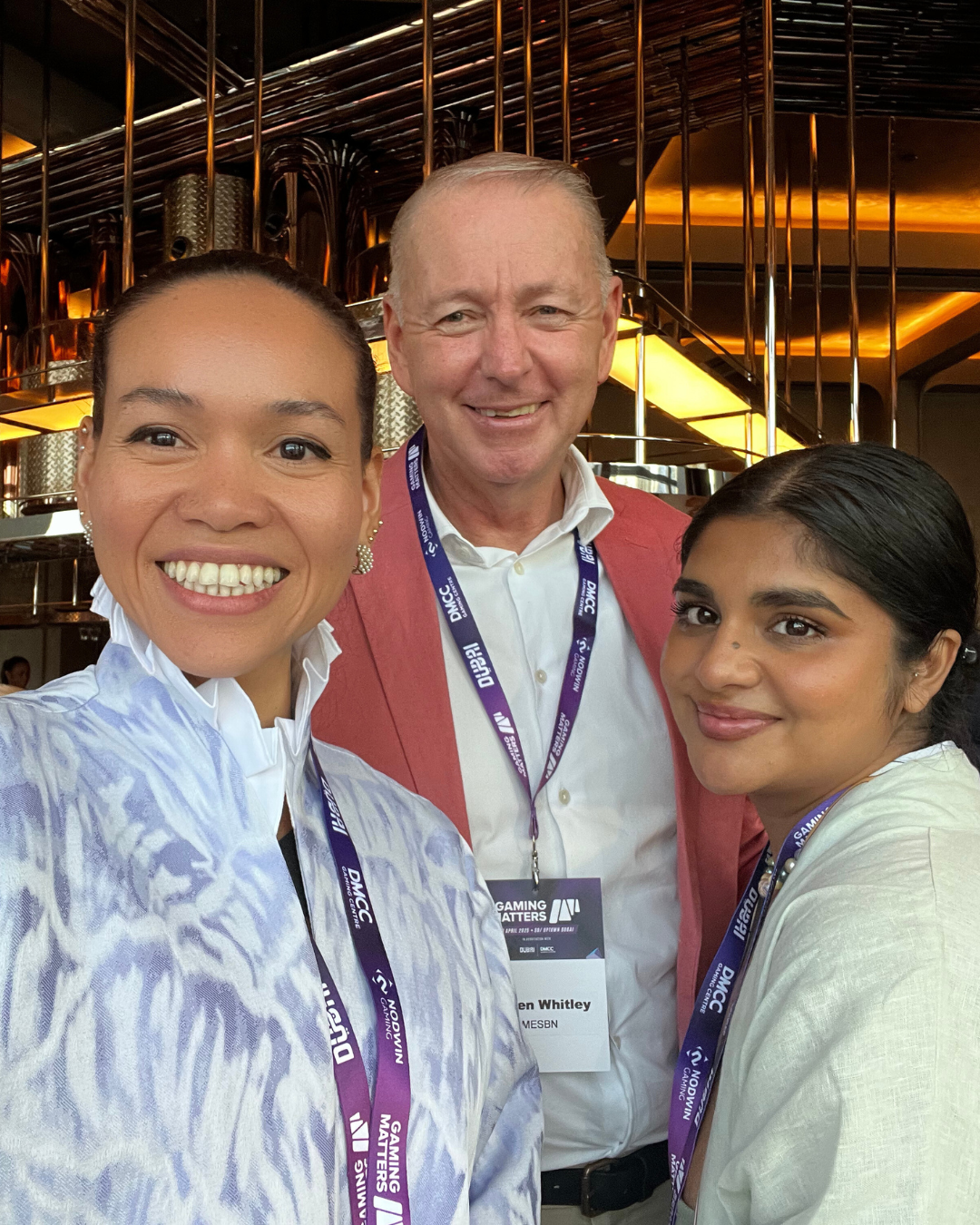
Institutional presence is what separates blockchain momentum from blockchain permanence. The convergence of decentralised finance, artificial intelligence, and gaming within Dubai’s Web3 ecosystem is not accidental — it is the result of deliberate structural decisions about how these technologies are positioned relative to institutional capital and regulatory frameworks.
The Dubai Multi Commodities Centre functions as one of the primary structural pillars of this convergence. Within the DMCC, decentralised finance is moving beyond early protocol experimentation into questions of institutional efficiency, DeFi risk modelling, and crypto market infrastructure. Gaming environments are using blockchain technology to define digital ownership models, monetisation frameworks, and participation architectures. Regulatory frameworks sit across these layers, shaping how institutional value moves between blockchain systems, AI-driven gaming economies, and the broader digital capital infrastructure that Dubai has permanently established.
The Gaming Matters conference, supported by the Museum of the Future and DMCC, examined the convergence of gaming, artificial intelligence, and blockchain technology at an institutional level — with topics including play-to-earn economic models, NFT integration in gaming environments, and the ethical considerations of AI in interactive media. The event reflected the maturity of a conversation that has moved from theoretical to operational, from experimental to infrastructural. The transformative potential of blockchain gaming, AI-driven interaction design, and NFT-defined digital ownership is not being anticipated in this environment. It is being implemented.
VARA’s blockchain regulatory architecture is what makes Dubai’s position in this AI and gaming convergence permanently distinct. Licensing categories, compliance frameworks, and cross-border blockchain participation rules are calibrated for the pace at which decentralised finance, AI, and gaming are actually developing — not for the pace at which legacy regulatory frameworks are comfortable operating. That calibration matters particularly across the GCC-Southeast Asia corridor, where institutional capital, Web3 founders, and digital markets move fluidly in both directions and where the speed of blockchain regulatory alignment is itself a permanent structural competitive advantage.
Infrastructure holds institutional value when it reduces friction between blockchain regulation, digital capital, and Web3 execution. Dubai has built that friction reduction into the architecture itself — making it a permanent condition of the ecosystem rather than a temporary advantage.
The recurring nature of this blockchain and AI convergence is not theoretical. Money Monday Dubai — one of the region’s original Web3 networking infrastructures — reflects how institutional capital, Web3 founders, and blockchain operators have been building trust and deal flow within this environment long before formal regulatory frameworks formalised around them. The Dubai AI and Web3 Festival is one expression of how blockchain, AI, and institutional infrastructure are being worked through at the level of design, ethics, and permanent infrastructure — not features — and how that working-through happens in dedicated institutional environments rather than on the margins of other events. This is the trajectory the World Economic Forum has identified as the defining shift of Web3’s maturation — from speculative blockchain infrastructure to computable economy, where blockchain becomes the base layer of institutional trust. Dubai is not anticipating that shift. It is already building within it. The same institutional maturation is taking shape in a structurally different register across Singapore’s Web3 intelligence ecosystem — two cities, two regulatory philosophies, the same fundamental shift from Web3 formation to Web3 infrastructure that defines this phase of the global blockchain economy.
Blockchain capital and Web3 investment — where proximity to institutional capital shapes scale
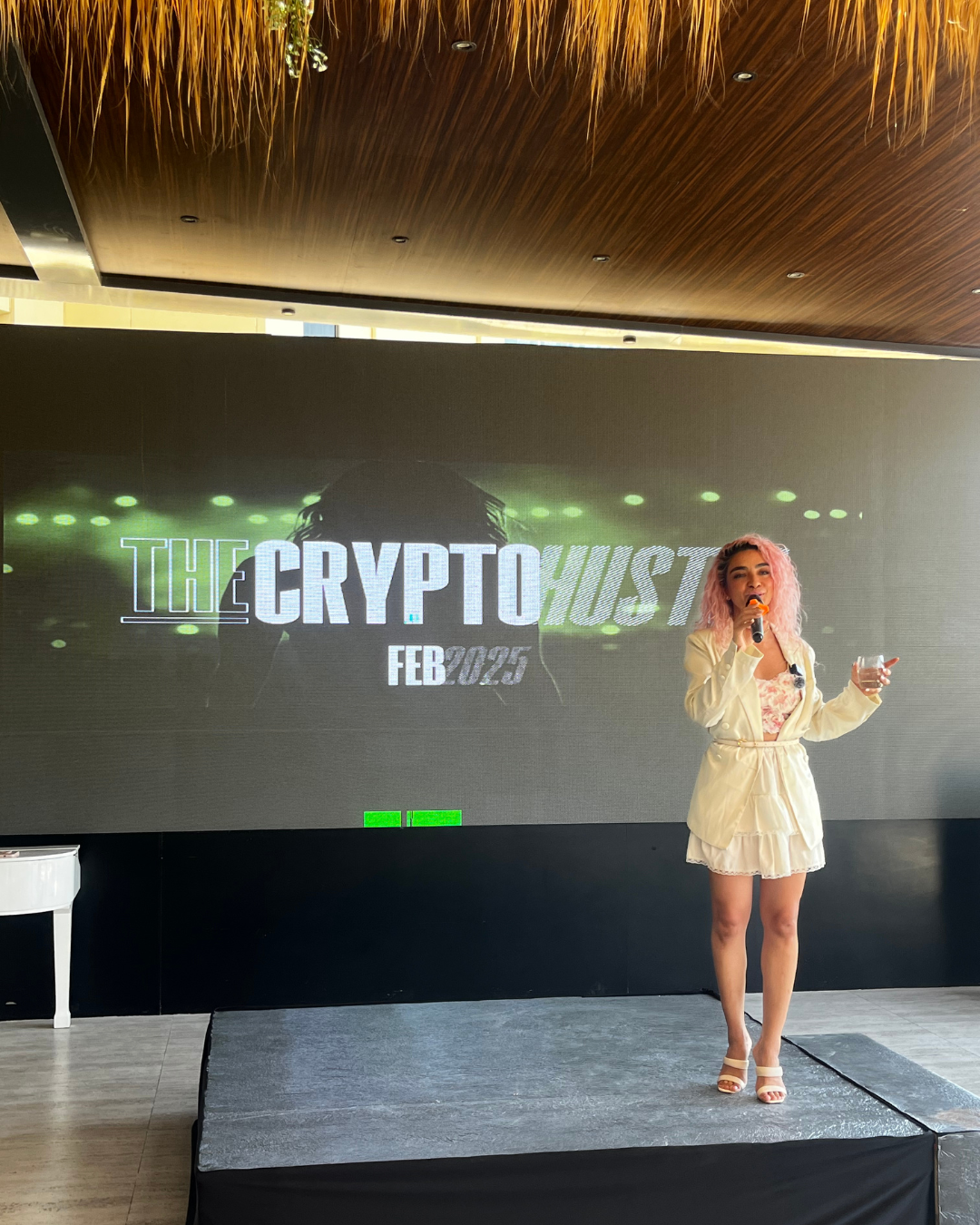
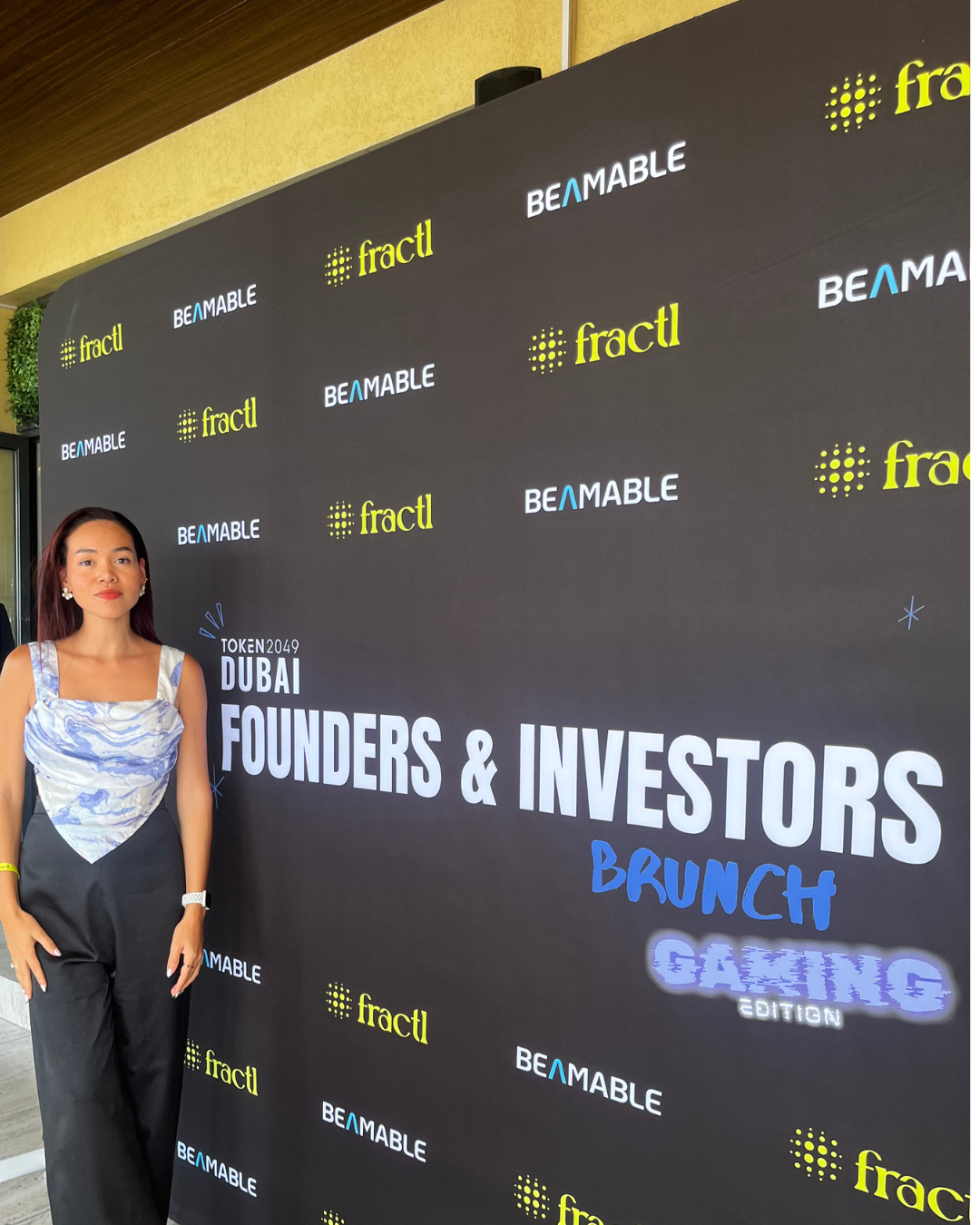
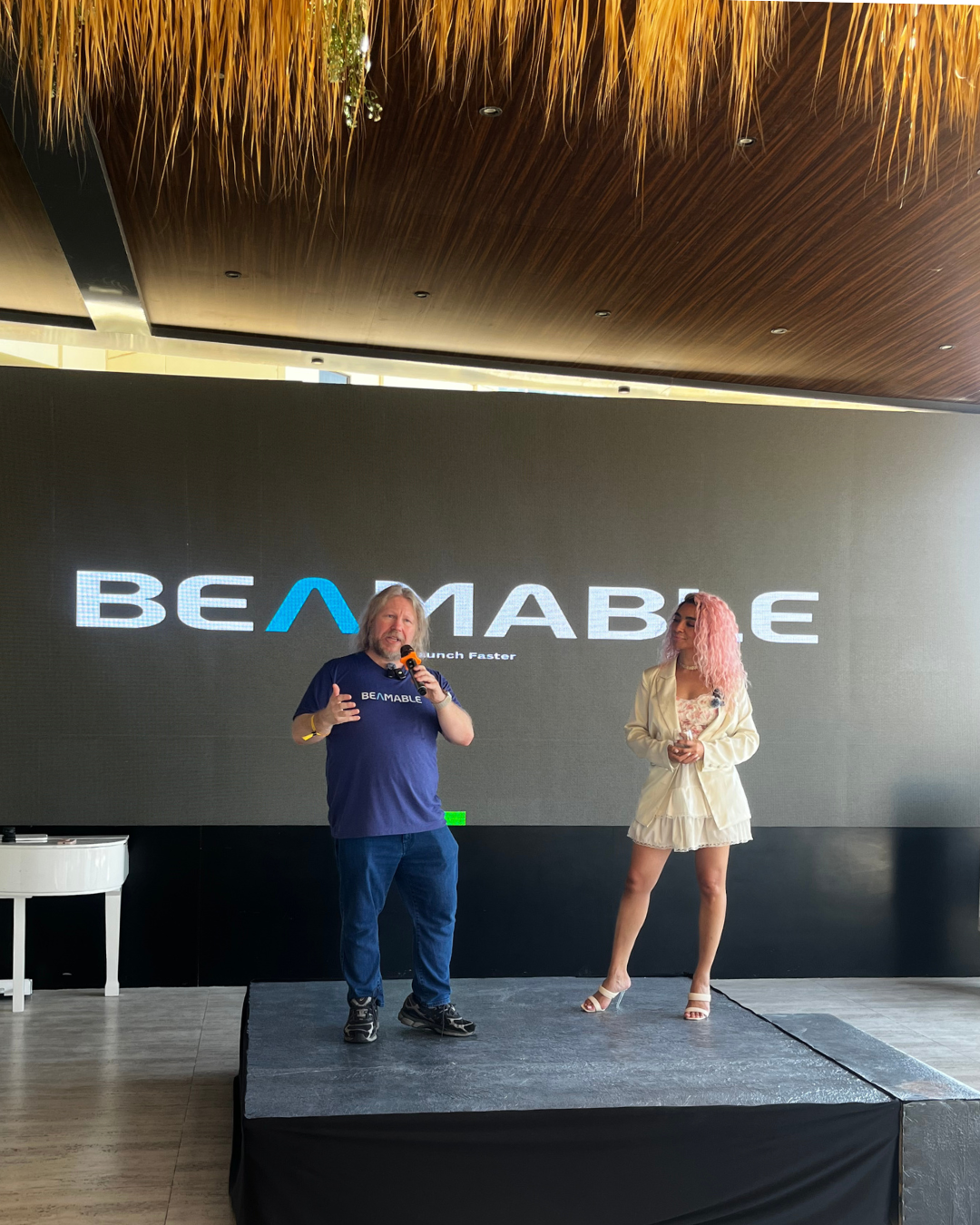
Institutional capital in maturing Web3 ecosystems does not sit on the sidelines waiting for clarity. It moves through relationships built within environments where blockchain regulation, decentralised finance infrastructure, and founder communities exist in the same structural space. In Dubai, that proximity is permanent and structural.
In rooms where Web3 founders and institutional investors engage within the same blockchain ecosystem rather than approaching each other across jurisdictional distance, the dynamics of crypto funding shift fundamentally. Pitching becomes a starting point rather than the main event. The focus moves quickly to blockchain execution, DeFi market fit, and how companies scale within Web3 and AI environments. Investment decision-making happens closer to the point of interaction, with shorter cycles between introduction and capital commitment.
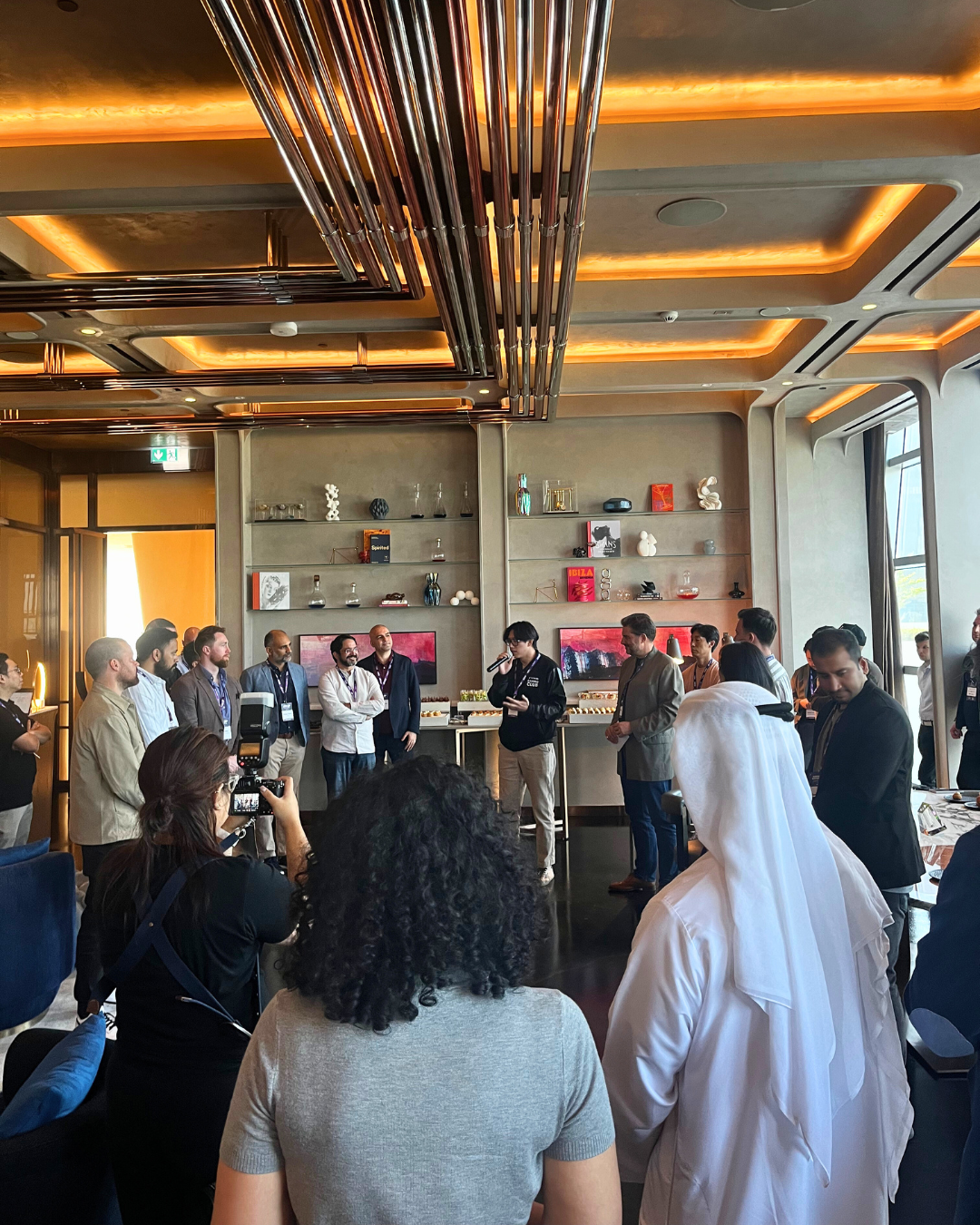
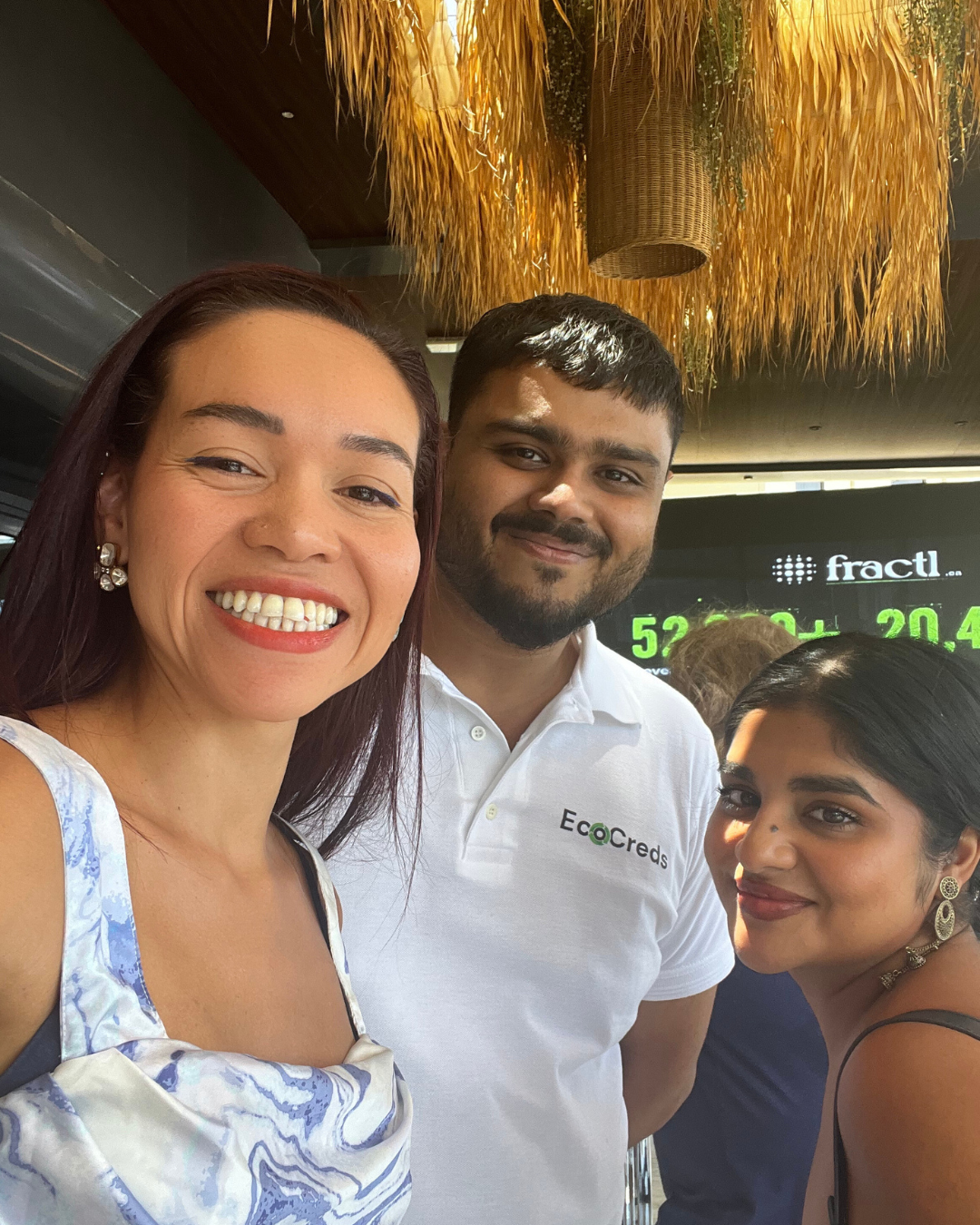
Fractl’s Founders and Investors event at Somiya, led by Rime Salmi, exemplified this structural dynamic — a gathering that facilitated substantive conversations between blockchain project leaders and venture capitalists in an environment where the institutional context was already shared. Investors embedded within a Web3 ecosystem respond to blockchain market signals differently than those observing from outside it. For early-stage crypto companies, this changes how quickly ideas move toward execution: founders build with immediate structural feedback, and institutional capital is deployed with a clearer directional sense across blockchain, AI, and decentralised finance systems.
Dubai’s permanent position as a structural link between Southeast Asia and the GCC strengthens this capital model continuously. Institutional capital flows across these regions are becoming more fluid, with blockchain investors tracking opportunities that move between markets rather than staying within them. That cross-border capital movement reflects how crypto funding decisions increasingly align with a globally connected blockchain outlook — one that Dubai’s regulatory architecture is uniquely and permanently positioned to support.
The blockchain regulatory architecture that enables this institutional capital environment — VARA’s licensing categories, ADGM’s DLT Foundations framework, the DIFC’s crypto token regime — is what differentiates Dubai from every other jurisdiction competing for the same blockchain capital and Web3 founder talent. As Bloomberg’s analysis of institutional digital asset frameworks across leading financial hubs and Finews’ analysis of UAE blockchain regulatory positioning together confirm, the UAE’s structural advantage lies in purpose-built blockchain regulators and comprehensive coverage across the entire digital asset value chain — a combination that allows Web3 businesses to choose a regulatory home tailored to their product and institutional investor base rather than forcing them into legacy frameworks that predate the decentralised finance technology they are governing.
Institutional blockchain capital accelerates where structural alignment already exists. Web3 investment flows into systems that cut across decentralised finance, gaming, blockchain infrastructure, and digital identity — and founder acceleration depends as much on regulatory proximity and institutional positioning as it does on the size of the investment cheque.
Web3 human capital and inclusion — expanding the blockchain builder base

Blockchain adoption does not scale without people who can build within it. The structural constraint is not capital or regulation. It is capability — who can enter and build within Web3, AI, and emerging digital economies, and how access to that builder role is permanently structured within the ecosystem.
One of the most structurally significant dimensions of Dubai’s Web3 ecosystem is the visible, substantive participation of women across every layer of the blockchain economy — from technical developer communities and DeFi protocol design to institutional investor roundtables and community-led governance workshops. In a technology sector that has historically concentrated both blockchain capital and institutional platform access among a narrow demographic, Dubai’s Web3 ecosystem is building a working counter-narrative: the future of blockchain is collaborative, intersectional, and structurally diverse — not because diversity is a stated value but because the most durable Web3 infrastructure requires the broadest possible builder base.
SonicSweethearts by Sonic Labs focused on onboarding women developers into the Web3 ecosystem through technical workshops and structured mentorship — a practical, pipeline-oriented approach to bridging the gender gap in blockchain development that moves beyond representation language into structural builder access. The initiative demonstrated how inclusivity and blockchain capability-building are not competing priorities but the same structural investment expressed simultaneously — the same investment that produces the most durable decentralised finance infrastructure over time.
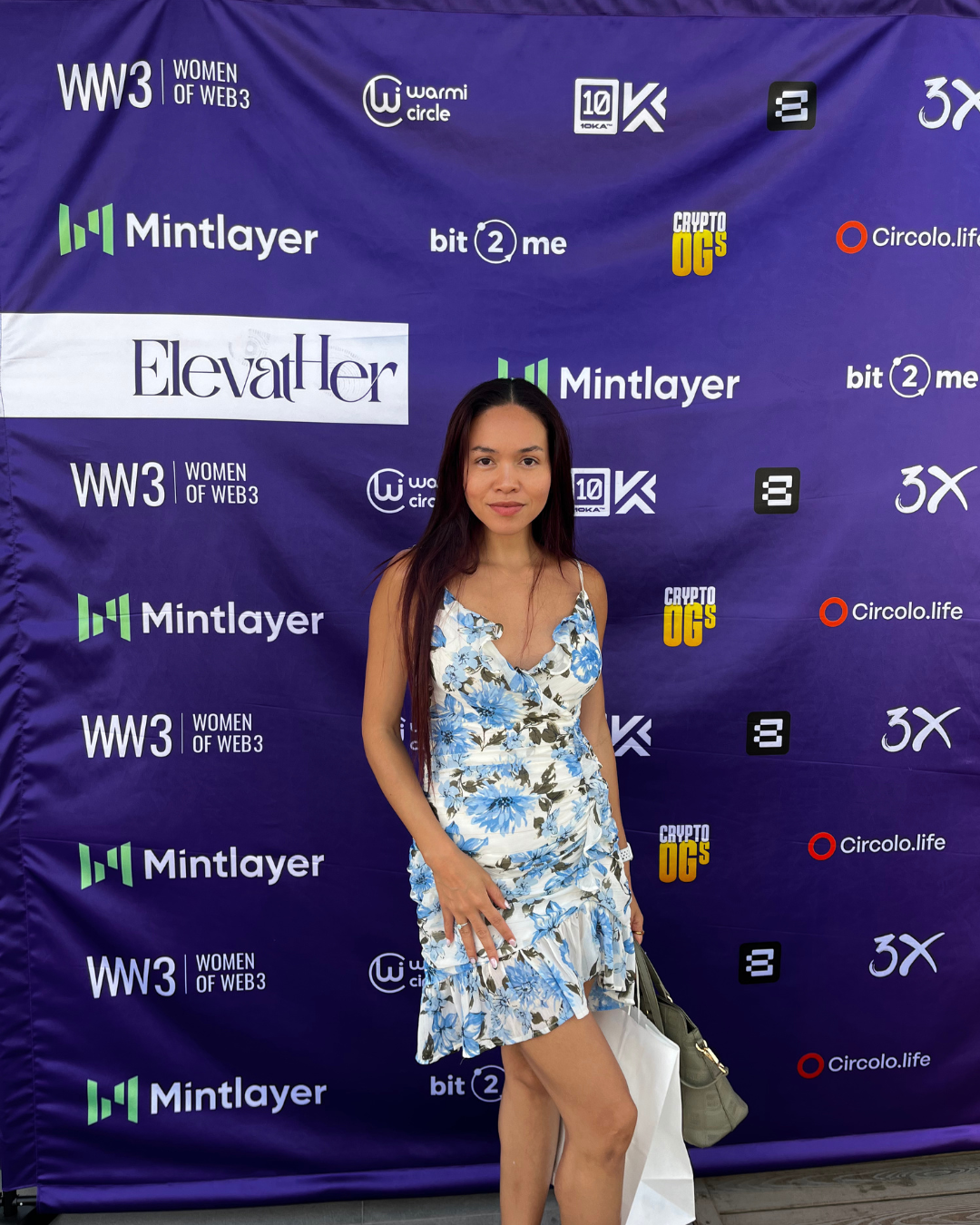
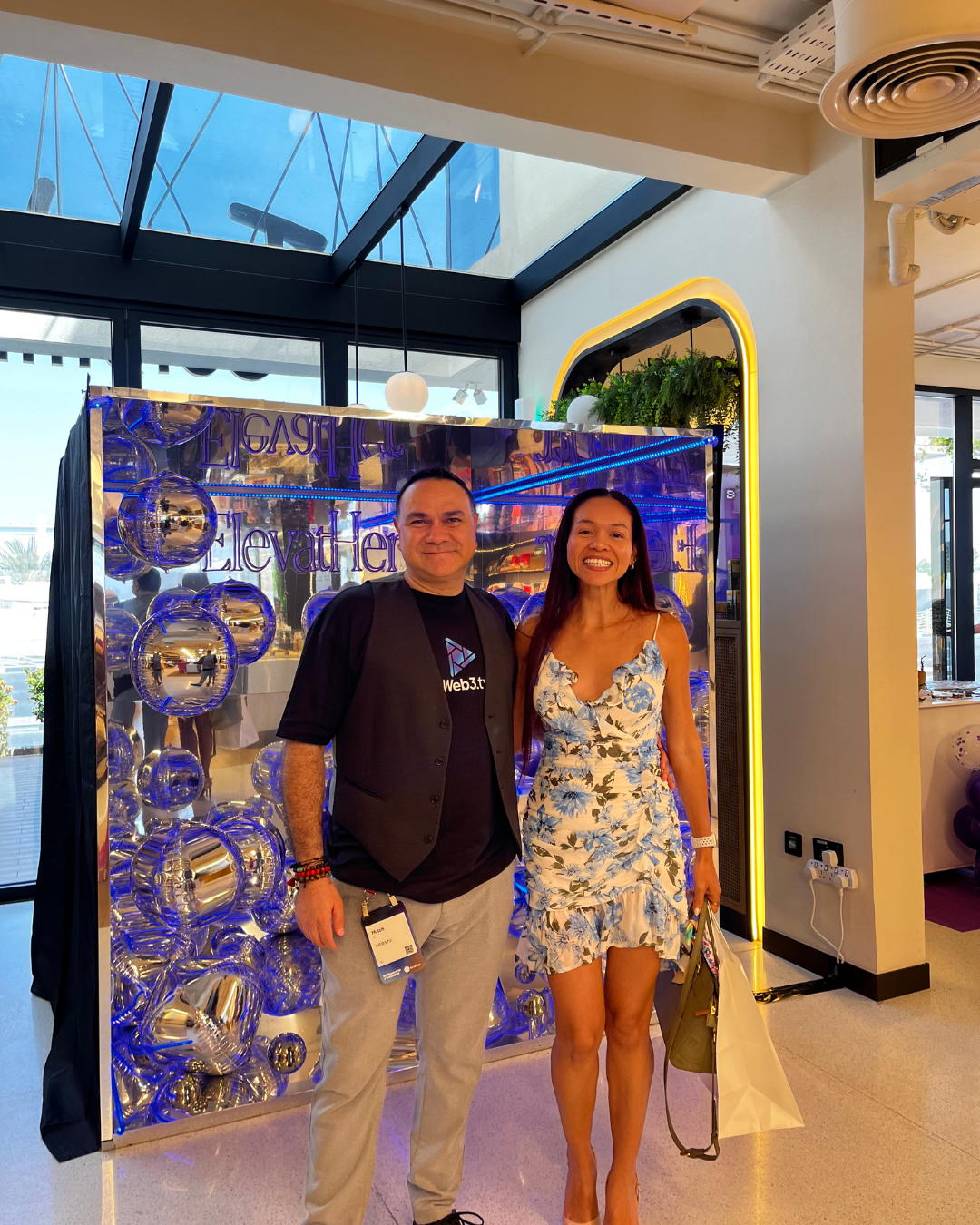
ELEVATEHER by WarmiCircle and WW3 Women in Web3 celebrated the achievements of Latina women in the crypto space through substantive panels on blockchain investment opportunities, creative Web3 leadership, and the structural importance of diverse representation in technology’s most consequential emerging sector. These were not token gestures toward diversity. They were the kind of dynamic, technically grounded conversations about equity, education, and structural opportunity in blockchain that are the precondition for the broad builder base that Web3 infrastructure requires to reach its next phase of development.
Access determines who builds Web3. Who builds determines how the blockchain system evolves. That is not a secondary consideration in ecosystem development. It is the most structural one — and the Web3 ecosystems that understand this earliest will produce the most durable and institutionally credible blockchain infrastructure.
Web3 and AI literacy now sit at the baseline for emerging blockchain founders in environments like Dubai, with the ability to build within decentralised systems treated as an expected structural capability rather than a specialised technical track. Education pipelines, mentorship networks, and clearer entry points into technical and blockchain entrepreneurial roles are being built in parallel — allowing the builder base to expand without the fragmentation that limits ecosystem coherence. As that builder base expands, the impact shows up in what gets built, how it reaches the market, and how broadly the range of users these blockchain systems are designed for extends beyond the early adopter communities that built the initial infrastructure.
Gaming, AI, and Web3 technology convergence — where decentralised systems meet mass adoption

Most users do not enter the Web3 blockchain economy through decentralised finance. They enter through experience — through gaming, digital ownership, and the participatory economies that embed blockchain into daily interaction before the user has consciously chosen to engage with decentralised technology.
Gaming sits at that Web3 entry point, with blockchain ownership, digital identity, and economic participation embedded into the game experience from the beginning. In maturing Web3 environments, this role is becoming more structurally defined. For many users, gaming is where blockchain begins and how they first move through the decentralised economy. Entry defines Web3 adoption, and experience determines whether users stay and build within the system. That recognition has changed how blockchain game economies are approached by developers, investors, and regulators simultaneously.
Early blockchain gaming models relied heavily on speculative token incentives, often without long-term economic stability. What is taking structural shape in more developed Web3 ecosystems is a more measured and institutionally credible integration — where in-game blockchain economies are designed to hold value without depending entirely on crypto price cycles, and where NFT assets define player access and progression through utility and participation rather than through speculative visibility.
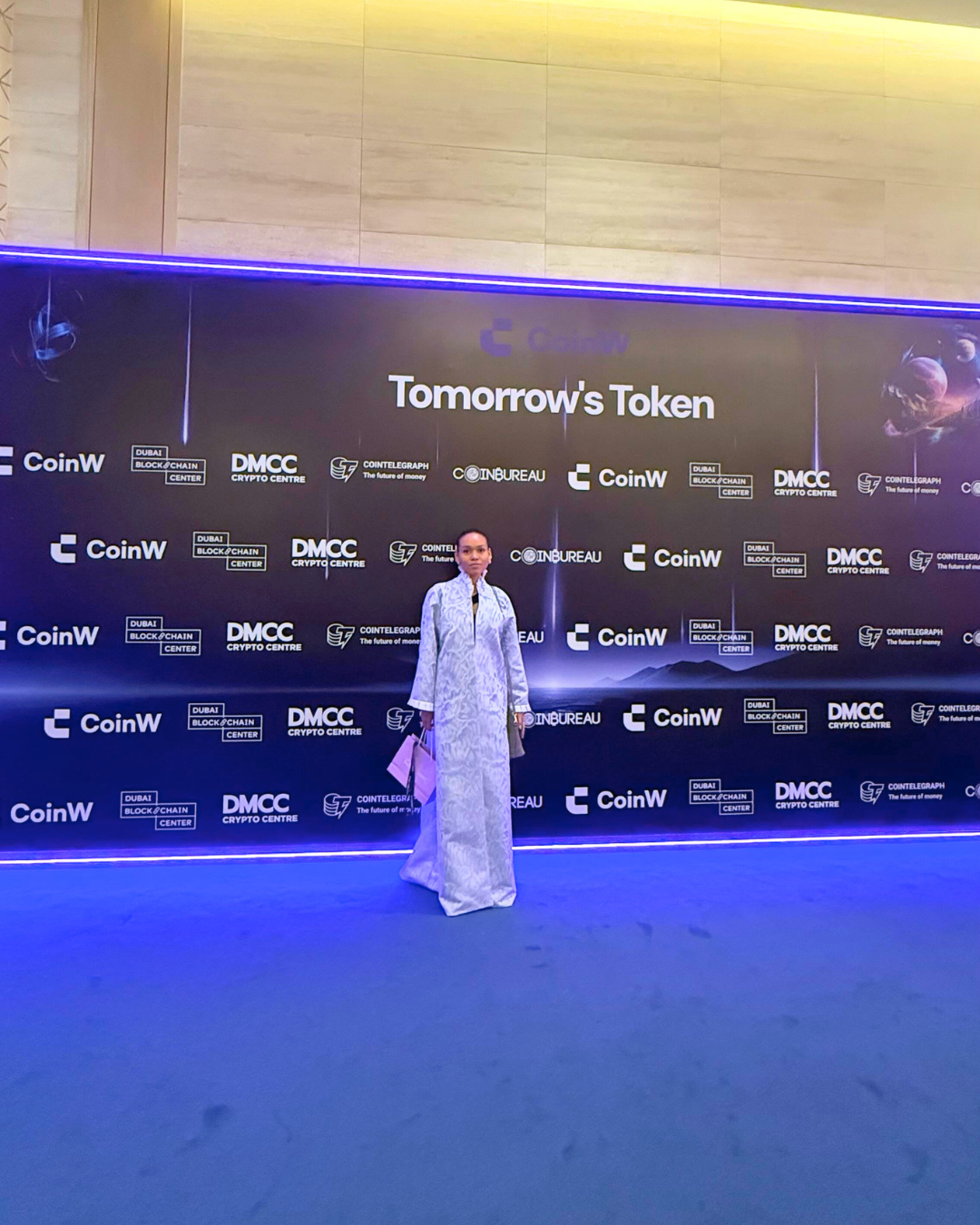
CoinW’s Tomorrow’s Token event at DMCC offered substantive institutional panels on the future of decentralised finance and blockchain cryptocurrency in Southeast Asia — examining regulatory developments, DeFi market trends, and the region’s growing institutional influence in the global crypto landscape. The cross-border nature of the audience underscored the importance of GCC-Southeast Asia collaboration in advancing the blockchain industry across both regions simultaneously.
Artificial intelligence sits across all of these Web3 systems — shaping blockchain gameplay design and user behavioural modelling while raising persistent and important questions around AI control, content authorship, and the structural limits of automation in creative and participatory environments. The Marketer’s House at WAREHOUSE4 addressed the evolving landscape of Web3 and AI marketing directly: decentralised branding strategies, blockchain community engagement models, and the ethical use of AI in crypto marketing were examined with the precision of practitioners already operating within these systems rather than anticipating them from outside.
Gaming shapes the Web3 interface. Blockchain defines digital ownership. AI influences user interaction and economic participation. These layers are developing together as a converging system already in motion — not as parallel tracks that will eventually be integrated. The convergence is being worked through at the level of institutional design, ethics, and permanent infrastructure — not as features added to existing platforms. These layers determine how users enter and move through Web3 ecosystems, and that entry point determines the scale of blockchain adoption and the breadth of the decentralised economy that follows.
Web3 networking ecosystems — where blockchain relationships move institutional markets
The most consequential exchanges in a maturing Web3 blockchain ecosystem happen outside formal institutional settings. In rooms where founders, investors, and operators engage without structured agendas — but with a shared understanding of the decentralised systems they are building within — the conversation is already calibrated at the level of execution. What moves is the relationship, and with it, the institutional opportunity.
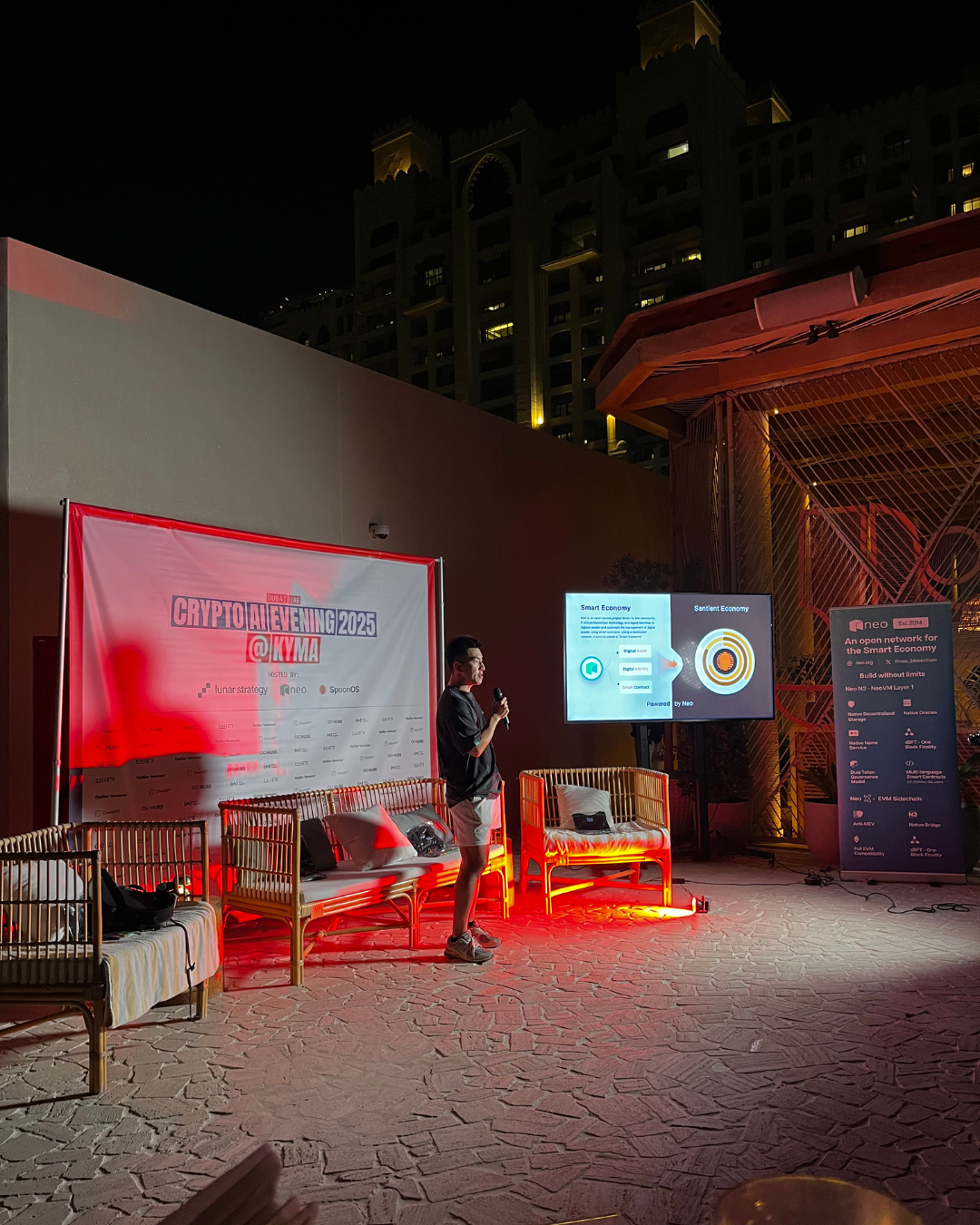
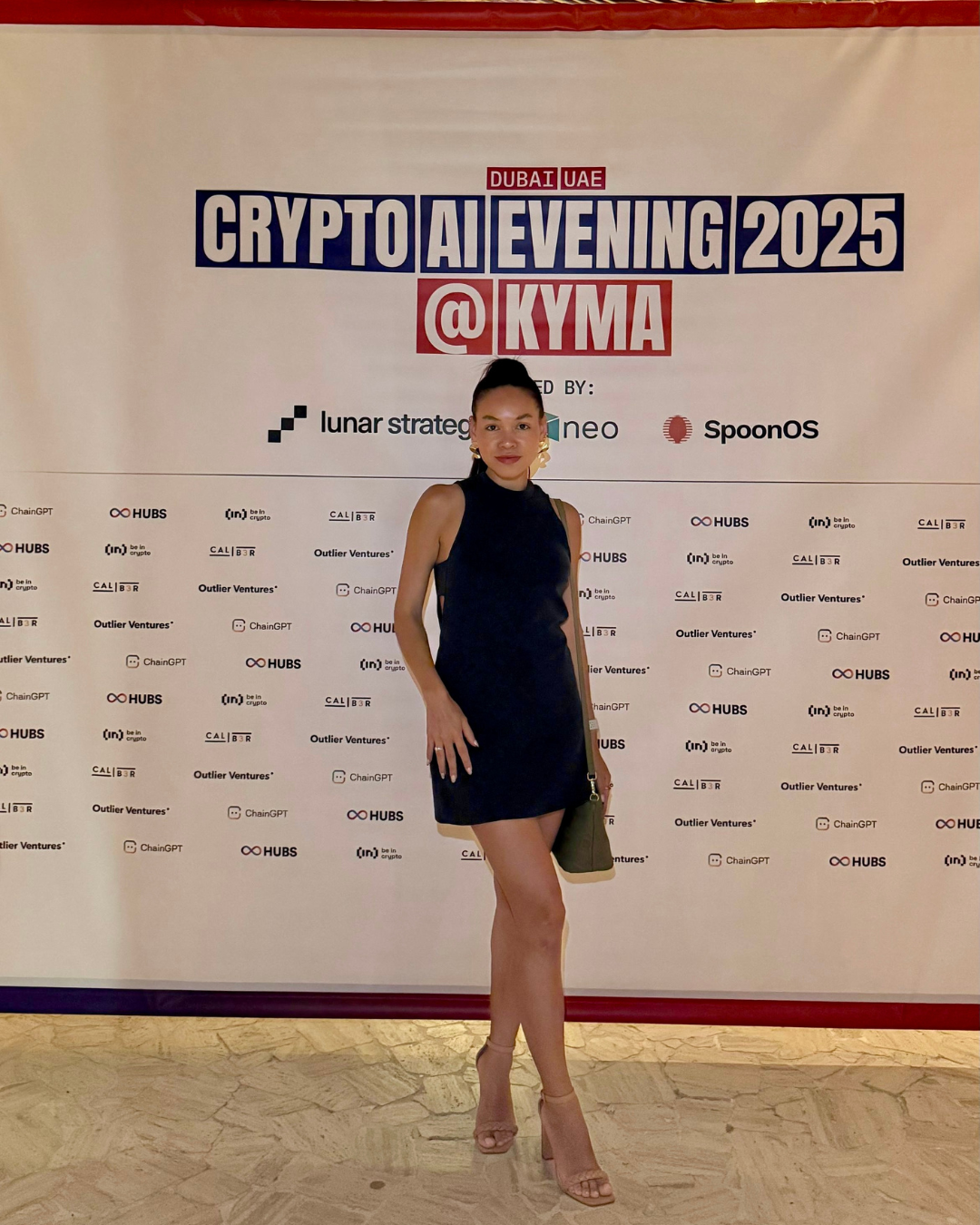
The Crypto Evening at Kyma, organised by Lunar Strategy, Neo, and SpoonsOS, exemplified this structural dynamic — conversations on developing blockchain crypto projects in the GCC region, metaverse infrastructure initiatives, and DeFi applications, in an environment where the professional and the social operated alongside each other without the friction that separates them in more formally structured formats. Attendees engaged across blockchain markets — from GCC-specific Web3 opportunities to broader discussions around digital identity infrastructure and cross-border decentralised finance expansion — with the immediate relevance of people who are not observing a blockchain ecosystem but operating within one.
Web3Preneur focused on empowering women from diverse backgrounds through blockchain educational pathways and AI integration in emerging digital markets — emphasising accessible Web3 resources and mentorship structures as the permanent foundations of the next generation of female technology leadership. Marketing within mature blockchain ecosystems operates through community formation and long-term retention rather than broadcast — with participation, transparency, and shared digital ownership shaping how Web3 communities grow and sustain themselves across market cycles.
Informal and structured Web3 environments operate alongside each other permanently, with blockchain relationships moving as fluidly as institutional capital and decentralised ideas. The intersection of Web3 with creative and cultural industries is one expression of how these blockchain networks extend beyond decentralised finance into every domain where digital ownership and community participation are becoming structural rather than supplementary features of the economy.
The system behind the signal — why Dubai’s Web3 infrastructure is permanent
Across Dubai’s Web3 environments, the institutional signal does not sit in any one conversation or any one moment. It shows up in how consistently blockchain execution is prioritised — how quickly ideas move from formation to implementation, how easily institutional capital aligns with Web3 founders, and how participation extends across global crypto markets without losing structural coherence.
Dubai’s permanent position in the global Web3 economy reflects how these structural conditions are continuously maintained and reinforced. Blockchain regulation, institutional capital, and Web3 community build on each other, keeping movement between intent and execution structurally tight. VARA and the DMCC function not as landmarks of a particular moment in the crypto cycle but as permanent structural pillars around which the blockchain ecosystem continues to organise, attract institutional capital, and produce the decentralised finance infrastructure that the global Web3 economy requires.
In rooms where Web3 founders, blockchain regulators, and institutional capital intersect, the focus stays on how decentralised systems operate in practice — not on whether they should exist. As blockchain moves deeper into institutional implementation across DeFi, AI, gaming, and digital ownership, the limiting factor shifts away from Web3 visibility and toward the environments that can sustain institutional coordination at scale. Structure defines what holds when blockchain momentum fades. Decentralised systems scale when structural alignment is built in from the foundation, not added later when the system is already under pressure.
The ambition Dubai has permanently staked — to balance blockchain regulation with decentralised finance innovation, to attract the world’s leading crypto and Web3 companies while maintaining the institutional rigour that gives them permanent regulatory confidence — is not a positioning statement. It is a working institutional model that is already operating at scale. As Fortune’s analysis of VARA’s blockchain regulatory strategy makes clear, it is not ambition that defines Dubai’s position in the global Web3 economy. It is execution — and the structural conditions that allow that execution to compound rather than cycle.
For a ground-level view of how Dubai’s Web3 ecosystem has been building toward this permanent institutional position, Inside Token2049 Dubai offers the most complete editorial account of how the convergence of blockchain, AI, and institutional digital capital became observable at the ecosystem level — and what it means for the permanent trajectory of the global Web3 economy.
“Systems that hold do not rely on moments.
They operate independent of them.
Dubai is not anticipating the next stage of Web3.
It is already building permanently within it —
and the distance between that position
and every other city in the global blockchain economy
is widening, not closing.”

