
On why the objects that occupy the least physical space in a room often carry the most emotional weight, and what a well-chosen textile knows about colour, memory, and the architecture of feeling at home
A home is not created only by walls, furniture, or architecture. It is created by the objects we choose to surround ourselves with. Among these, the cushion is one of the most underestimated design tools — occupying almost no physical space, while defining, more than almost anything else, how a room actually feels.
A single textile can introduce a memory. A colour can shift the mood of an entire room without a single piece of furniture moving. A pattern can quietly reveal a cultural influence or a personal history that no amount of expensive furniture could communicate on its own. Cushions have spent decades being treated as an afterthought — the last item added once the real decorating decisions were already made. That hierarchy has it backwards. The smallest objects in a room are frequently the ones doing the most emotional work.
Why Cushions Are the Forgotten Heroes of Interior Design
Luxury interiors are no longer defined only by expensive materials or designer furniture. A room becomes luxurious the moment it feels considered — and the smallest details in a space are usually the ones that reveal how much consideration actually went into it.
This shift matters because it changes where design intelligence is actually spent. A well-chosen sofa is an investment; a well-chosen cushion is a decision, remade regularly, that keeps a room responsive to a person’s evolving taste rather than frozen at the moment of purchase. Cushions carry three distinct design functions simultaneously — colour, introducing visual energy into an otherwise neutral space; texture, built from the sensory range of silk, linen, velvet, cotton, or embroidered cloth; and shape, where square, rectangular, round, and sculptural forms each shift the rhythm of a composition. Few other objects in a home do this much work while asking this little of the architecture around them.
Colour, Texture and Shape: The Three Foundations of Cushion Styling
The most sophisticated interiors tend to work from a controlled palette rather than an accumulation of favourites. A base colour — beige, ivory, charcoal, a natural wood tone — establishes the dominant foundation of a room. A supporting colour, something like olive, terracotta, navy, or emerald, introduces personality without disrupting that foundation. An accent colour — gold, burgundy, cobalt, bronze — creates the visual interest a room needs to avoid feeling static. This three-colour structure produces balance precisely because it resists the temptation toward visual chaos, allowing a handful of considered choices to read as intentional rather than accidental.


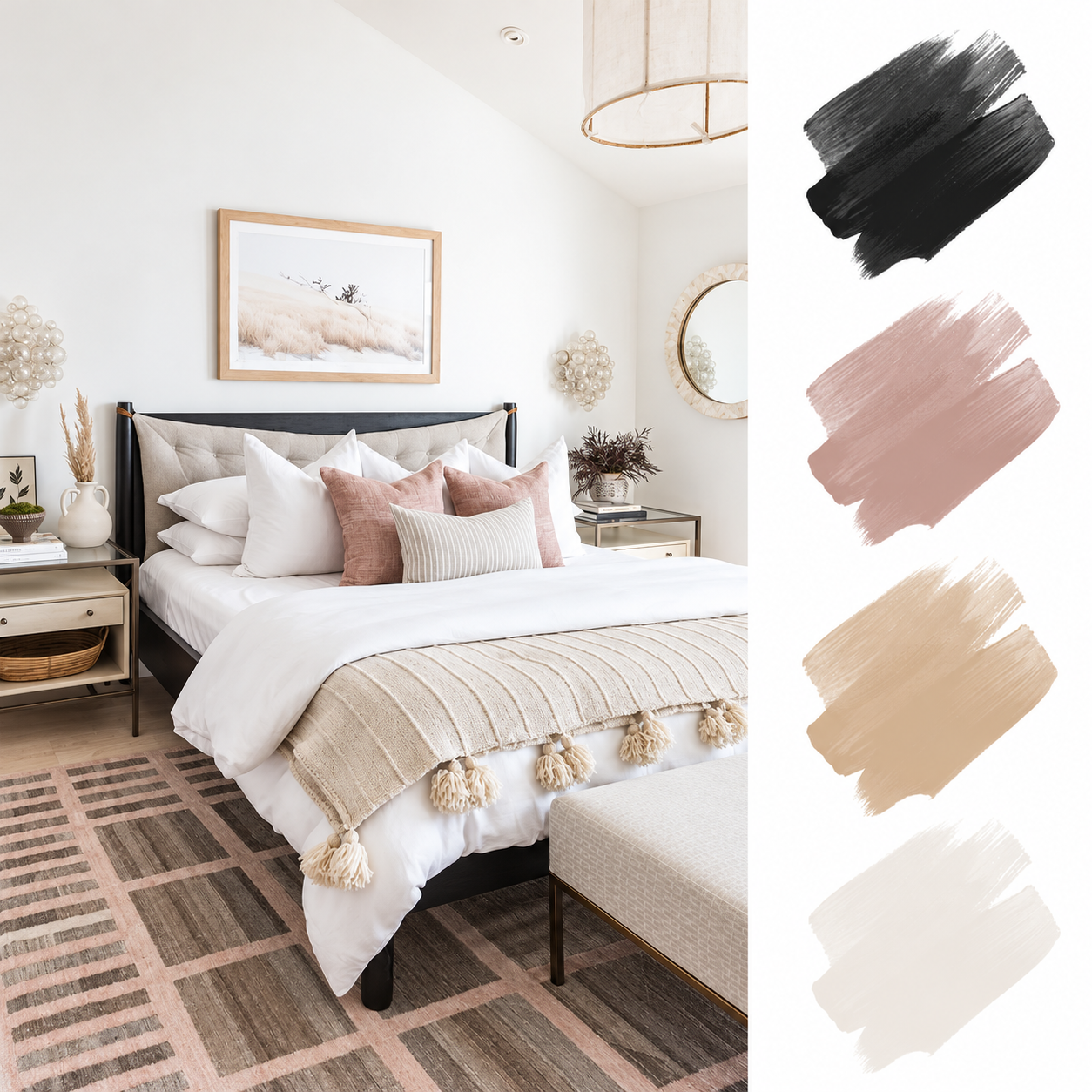
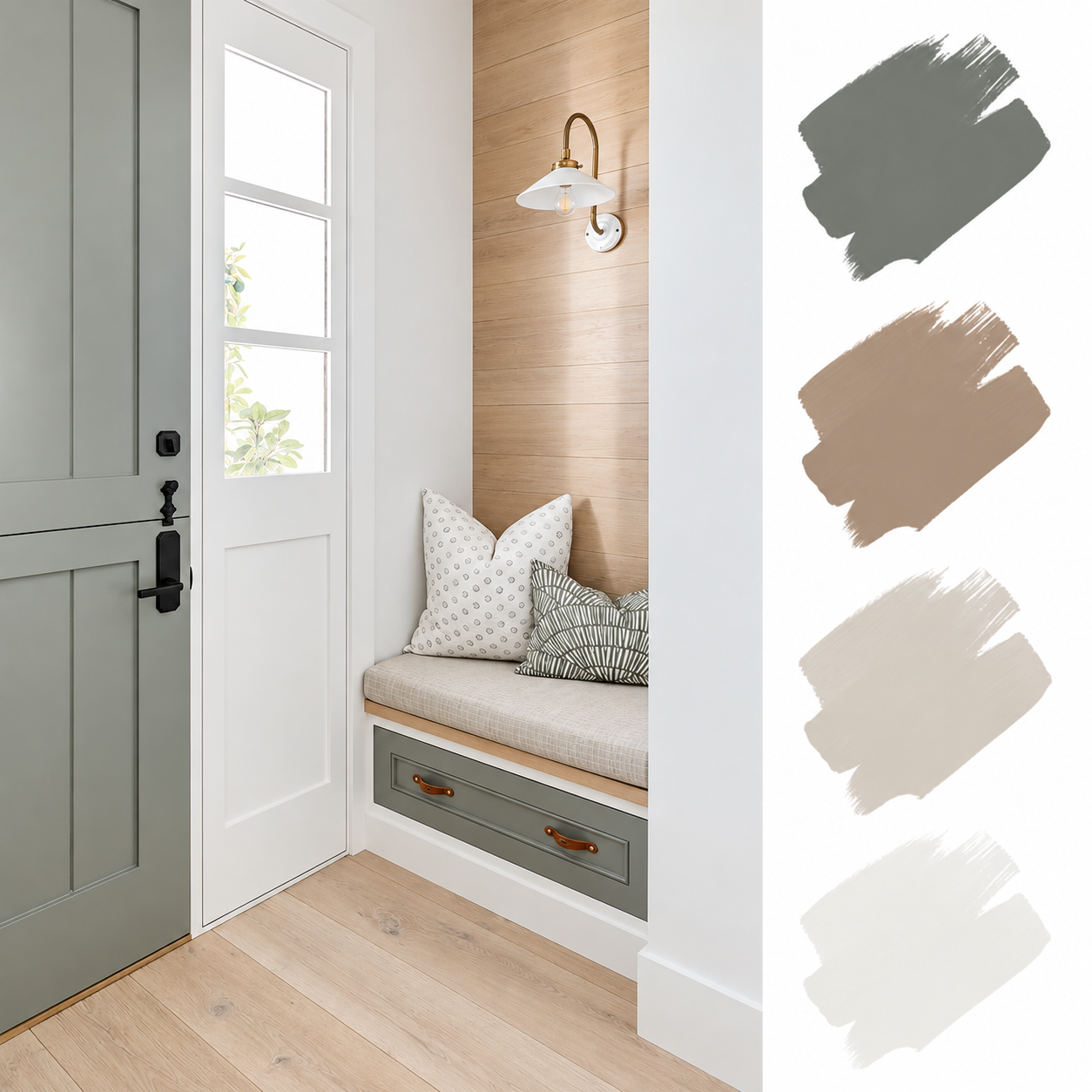


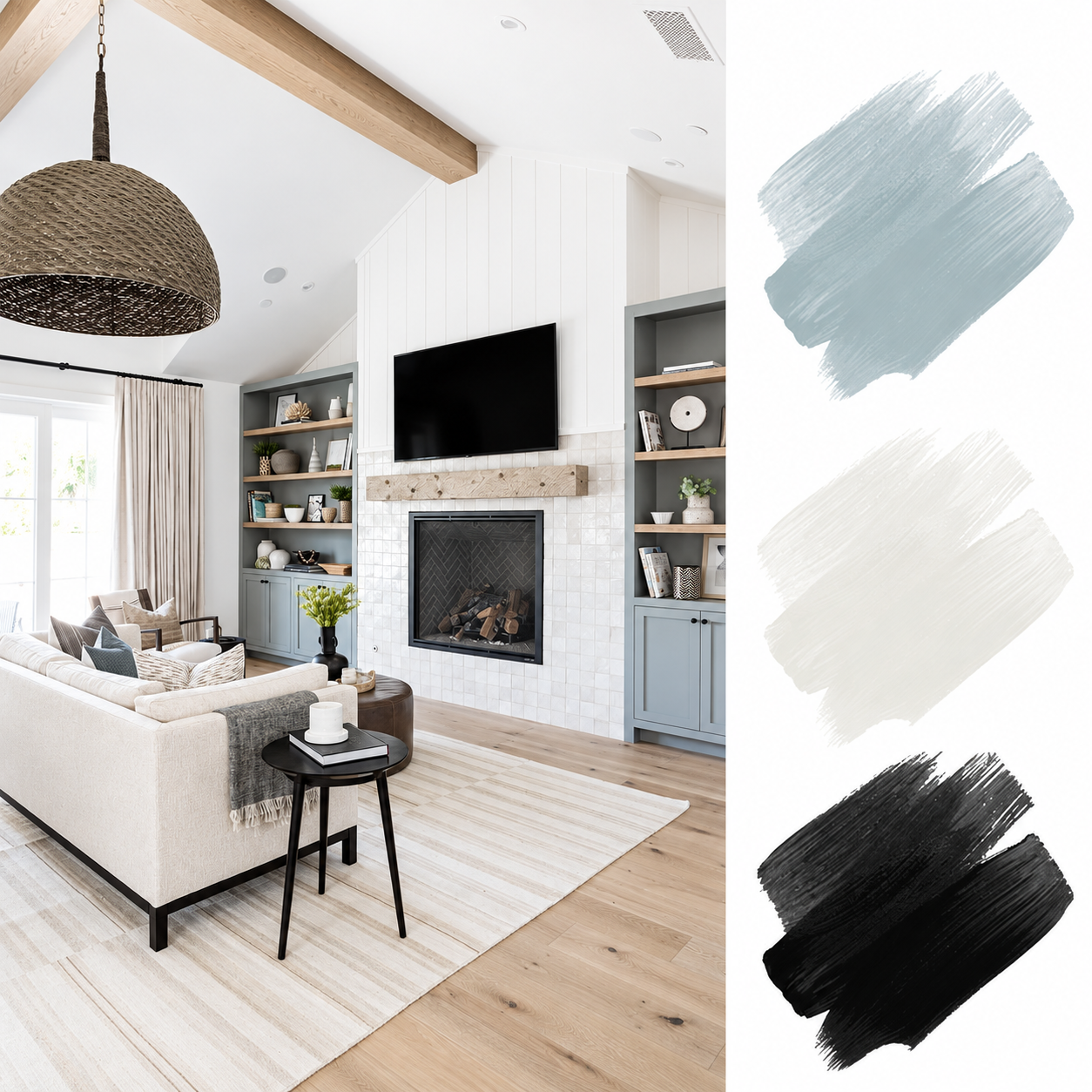
What makes a cushion high quality? Fabric that rewards touch as much as sight is the clearest signal. Velvet introduces richness and intimacy; linen reads as natural and unforced; silk contributes refinement and a subtle sense of movement; wool brings warmth into a room without visual heaviness. A cushion’s material is doing emotional work long before its colour or pattern is even registered.
How Designers Create Balance Through Pattern and Proportion
Pattern mixing is one of the most consistently misunderstood aspects of interior styling, largely because the instinct to avoid it entirely is the wrong instinct. The goal was never to eliminate pattern from a composition. It is to build a genuine relationship between patterns — typically one dominant motif, one subtler secondary pattern, and one solid texture to let the eye rest. This structure is what separates a room that feels curated from one that feels merely accumulated.
How do I mix cushion colours and patterns? Choose one pattern to lead the composition, let a second, quieter pattern support it rather than compete with it, and ground both in at least one solid textile drawn from the same colour family — the same three-colour logic that governs the palette applied at the level of print.
Proportion deserves the same deliberate attention as colour. Many interiors default to identical square cushions purchased in uniform sets — a reasonable, timeless choice that can nonetheless flatten a room’s visual interest if left unvaried. Introducing rectangular forms, lumbar shapes, and unexpected dimensions alongside the standard square creates genuine depth: two differently sized cushions in the same striking fabric, framed by complementary solids, do more compositional work than an entire matched set ever could.


How many cushions should I put on a couch? There is no fixed number, only a proportional one — a range of three to five typically holds a sofa’s scale without overwhelming it, though a minimalist interior may need only two considered pieces, and a maximalist one may comfortably support far more. The governing principle is not quantity. It is whether every cushion present is actually contributing to the room’s story.
The Psychology of Textiles: Why Materials Change How Spaces Feel
A visually striking room becomes genuinely memorable only once it also feels inviting to the touch, which is where material choice moves from aesthetic decision to emotional one. This is the layer of design most easily overlooked and most immediately felt: a linen cushion relaxes a formal room; a velvet one deepens an otherwise spare space into something closer to intimate. How can cushions transform a room? By operating on both registers simultaneously — visual and tactile — in a way that a painting or a piece of furniture, engaged with primarily by sight, structurally cannot.
Composition itself follows principles closer to visual art than to shopping: balance between elements, scale that mixes sizes to create depth, layering that builds genuine dimension through placement, and contrast between texture and shape that keeps a symmetrical arrangement from reading as sterile or an asymmetrical one from reading as careless. Symmetrical styling produces elegance and order; asymmetrical styling produces a more relaxed, personality-driven luxury; layered styling, combining both instincts, produces the depth and richness most sophisticated interiors are actually working toward.
Beyond Decoration: The Rise of Meaningful Objects
The modern homeowner is moving steadily away from disposable decoration and toward objects that carry genuine provenance — pieces connected to a place, an artist, or a tradition rather than simply a season’s colour forecast. A cushion, understood this way, stops being fabric and becomes a small, portable act of cultural memory: a textile that can transport its owner back to a specific journey rather than simply matching a sofa. This is precisely the sensibility Architectural Digest has tracked across its own recent coverage of the shift toward fewer, more meaningful objects inside considered homes — the interior equivalent of the same instinct that favours a wardrobe built around fewer, better pieces over constant acquisition.
How Global Craftsmanship Is Changing Modern Interiors
A cushion is no longer simply fabric. It can represent a place, an artist, a tradition, a story — the same craftsmanship intelligence that has reshaped how considered consumers approach fashion and beauty, now arriving inside the home.
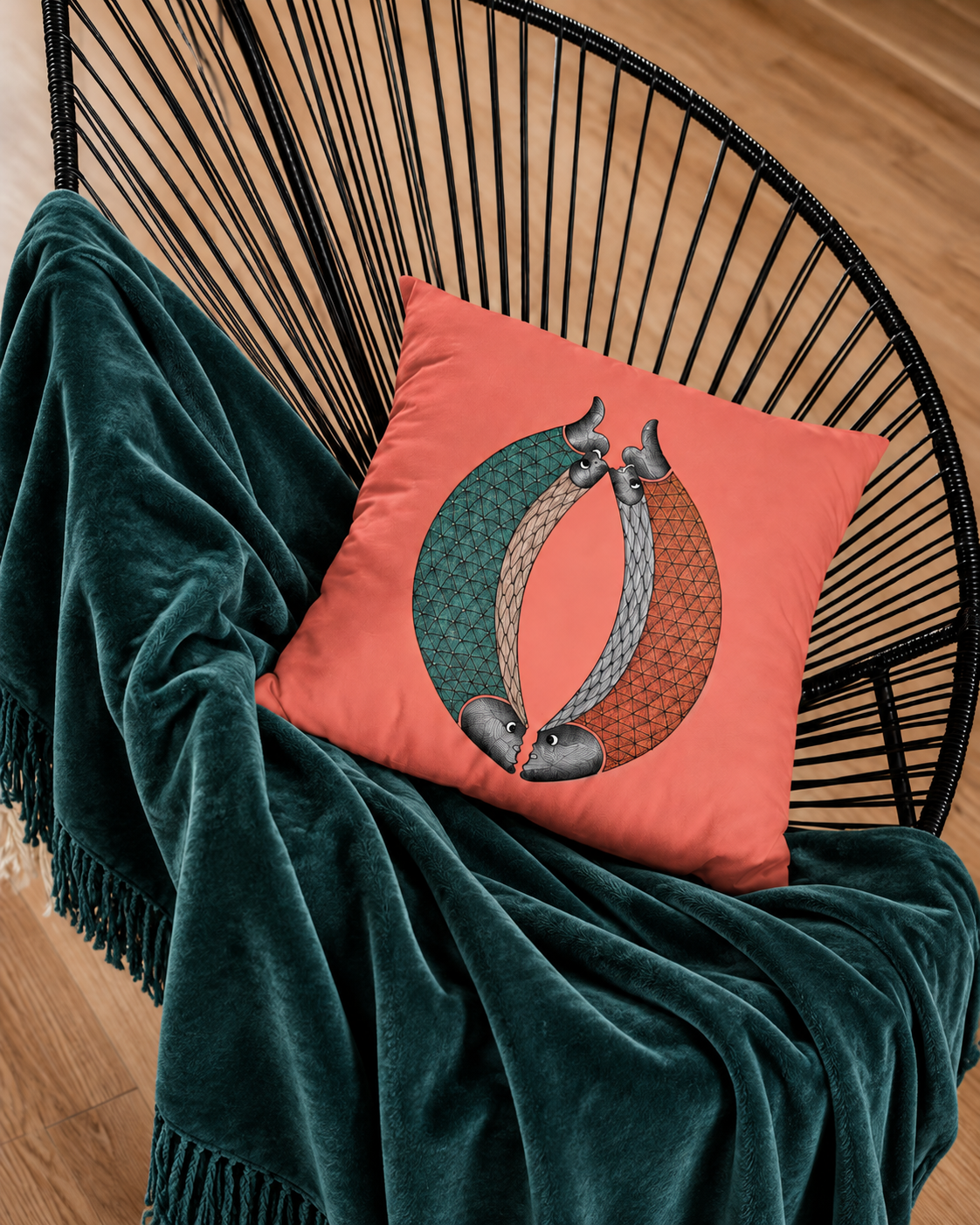
Tales On Silk exemplifies this shift with particular clarity. Its most recent collection draws directly on the visual language of Indian Gond art, translating the tradition’s forests, animals, and dense linework into luxurious textile finishes carried out in blue, bronze, and gold. The result is not a decorative borrowing of a pattern. It is a genuine act of cultural transmission — a centuries-old ecological worldview, developed by the Gond communities of central India, arriving on a sofa in a form that keeps the source tradition visible rather than diluted beyond recognition. This is what distinguishes meaningful craftsmanship from surface-level “ethnic” styling, a distinction Wallpaper* has consistently insisted on in its own coverage of textile design: origin and authorship matter as much as the finished object’s appearance.



The Traveller’s Home: Bringing Global Stories Indoors
The most sophisticated interiors are rarely furnished from a single source. They are shaped, gradually, by the places their owners have actually experienced — a textile from India, a ceramic from the Mediterranean, a scent memory carried home from the Adriatic coastline. A cushion built around the layered continuity of an island like Naxos, or a colour story inspired by the Adriatic’s own mineral and botanical palette, does something a generic decorative object cannot: it holds a specific memory in place, quietly, in a room a person returns to every day. This is travel functioning as interior design — not souvenirs in the trinket sense, but objects chosen with the same discernment a considered wardrobe or jewellery collection would demand, the kind explored in the case for precisely chosen personal luxury.

The Future of Personalised Luxury Homes
Interiors are moving steadily toward emotional design, genuine craftsmanship, and cultural storytelling over adaptable but ultimately anonymous space. Consumers are increasingly choosing objects not only for how they look but for what they represent — a shift Pantone’s own ongoing work on colour psychology has helped formalise, treating colour choice as an emotional decision rather than a purely decorative one. This same instinct toward authorship and origin runs through other categories of considered culture as well, from a fashion industry reclaiming its own creative identity to a design philosophy the Design Museum has long argued belongs at the centre of how objects are evaluated: not simply what they look like, but what skill, place, and intention produced them.
The perfect cushion was never just something placed on a sofa. It is a small, deliberate expression of how a person has chosen to live — proof that the objects occupying the smallest corner of a room can still define the entire atmosphere of the space around them.
“A home is never finished
by its architecture alone.
It is finished
by the small, considered choices
made long after the walls
were already painted —
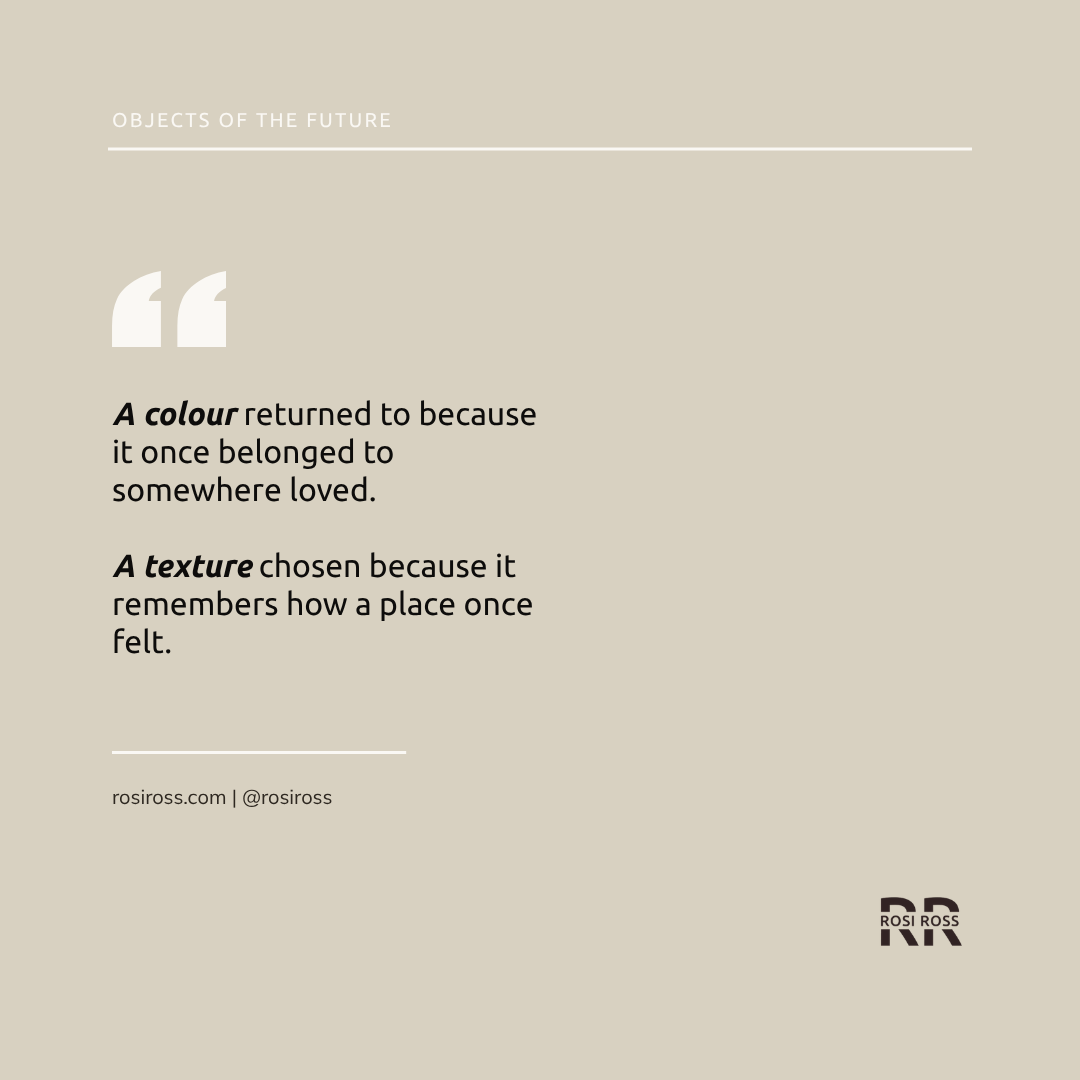
a colour returned to
because it once belonged
to somewhere loved,
a texture chosen
because it remembers
how a place once felt.
The cushion asks
almost nothing of a room.
And gives it,
in return,
almost everything.”

