On Pearl Jumeirah’s most iconic beach club, the Girls’ Day Pass value proposition, Dubai beach club culture, and what the quality of a day well spent actually costs
Leisure, at its most considered, is not the absence of effort. It is a different kind of effort — the deliberate construction of conditions under which a day can feel like something chosen rather than something endured. A day spent well is its own form of luxury. Not because of what it costs, but because of what it took to stop long enough to have it.
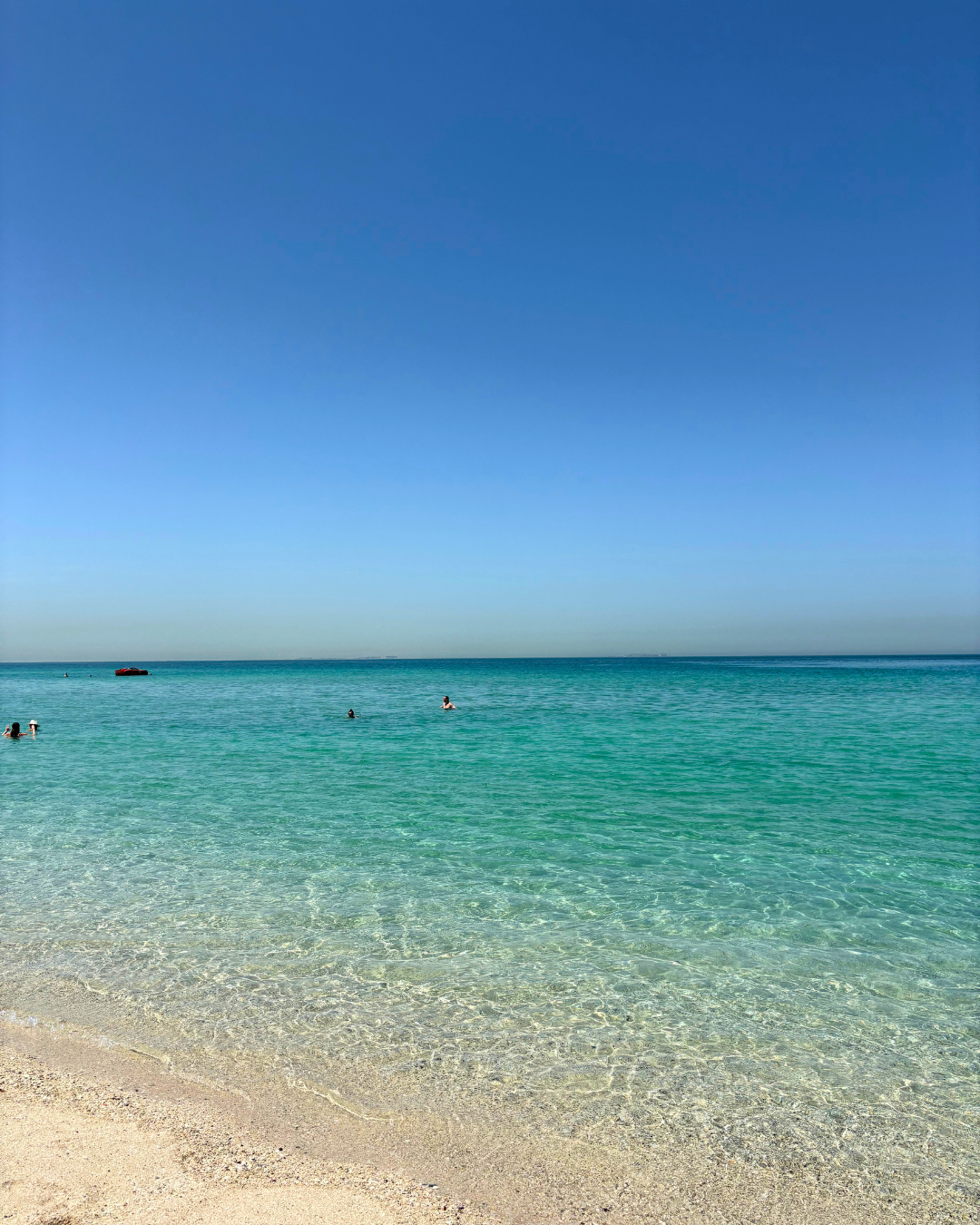
The Arabian Gulf appears before the building does. Arriving at Pearl Jumeirah from the city, you follow a road that deposits you at the edge of something unexpectedly still — a shoreline that holds a quality of light the rest of Dubai rarely offers. White architecture against the blue-green of the water. The ratio of sky to structure shifting decisively in the sky’s favour. By the time you have handed over the car and walked through into the space itself, the city has receded in ways that have nothing to do with distance.
Nikki Beach was born in Miami in 1998 — conceived by Jack Penrod as a celebration of life, specifically in memory of his daughter Nicole, who died young. That origin is not incidental. It is structural. A beach club built around the idea that the right circumstances can make the act of being alive feel deliberate and worthwhile tends to design itself differently from one built around maximising covers or optimising spend per head. The philosophy persists across the brand’s global locations — from Saint-Tropez to Marbella, Ibiza to Monte Carlo, Koh Samui to Sardinia — with the same consistent principle: the point is not the destination but the quality of the time spent within it.
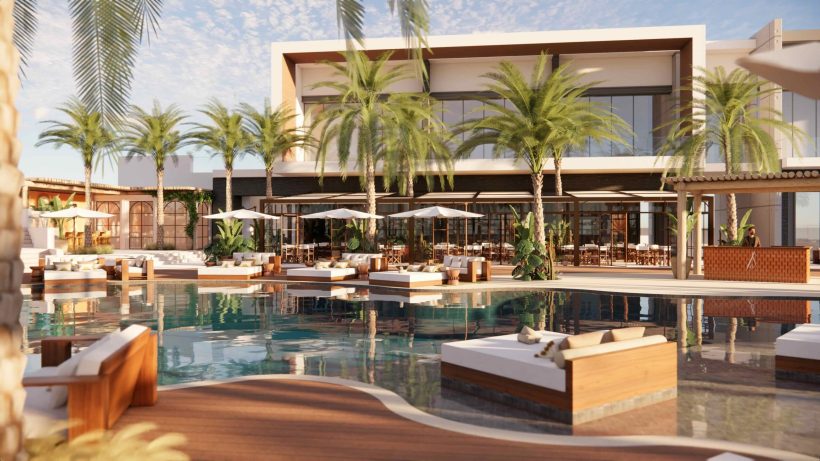
In Dubai, Nikki Beach occupies Pearl Jumeirah — an island that sits at a remove from the city’s denser hospitality corridors, carrying an air of deliberate distance that serves its purpose well. Getting here requires intention. The journey separates. By the time the white-washed space opens up around you — the oversized daybeds, the infinity pool, the long sightlines to the water — you have already, without quite knowing it, made the psychological transition from the city that surrounds you to the day you are about to spend.
For a practical understanding of what access to this Dubai beach club environment involves — what different configurations of the day look like in concrete terms — the Nikki Beach Girls’ Day Pass guide on this site offers the ground-level account. What follows here is something else: an attempt to understand what the experience means, rather than what it contains.
As GQ Middle East’s guide to beach clubs in Dubai identifies, Nikki Beach Dubai is globally renowned for its blend of music, dining, and fashion — the epitome of stylish beachfront living, with sleek white décor, an infinity pool, and a resident DJ that ensures the vibe is always lively. That description is accurate. It is also incomplete, in the way that descriptions of places always are — because what Nikki Beach offers at its fullest is an experience of time whose value cannot be extracted from the specific conditions that produce it.
The Girls’ Day Pass at Nikki Beach Dubai — what AED 150 actually buys
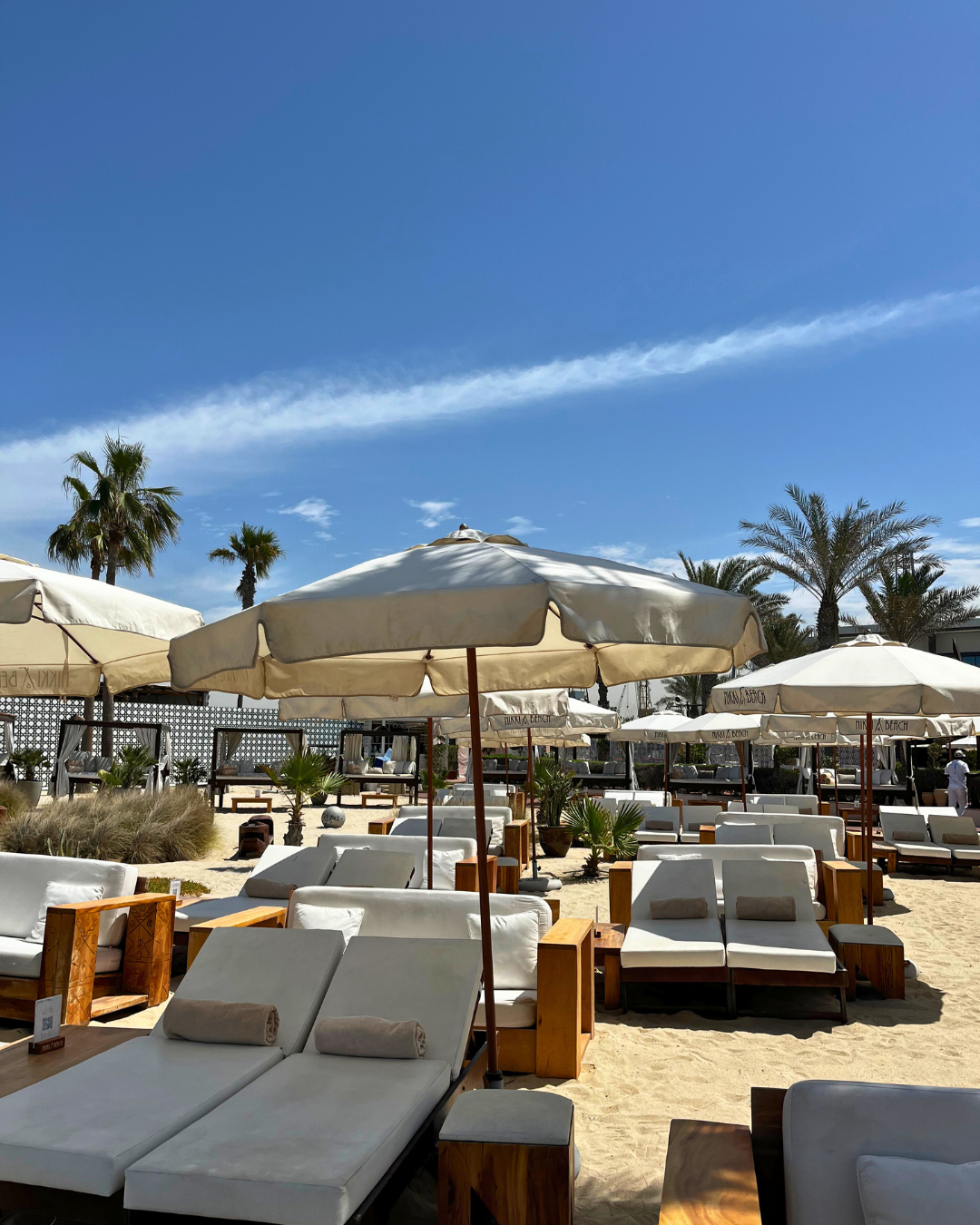

In luxury lifestyle, value is not just about price — it is about experience per dirham. At AED 150, the Nikki Beach Dubai Girls’ Day Pass ranks as one of the city’s most considered leisure investments: six complimentary drinks, prime Pearl Jumeirah beachfront access, and entry into one of the most globally recognised beach club brands in existence.
The Girls’ Day Pass runs every Tuesday, exclusively for women, and is priced at AED 150 — a figure that requires context to fully appreciate. In a city where a single cocktail can set you back AED 80 to 120, six complimentary drinks from a curated menu represents exceptional value before any other consideration enters the equation. Add the Pearl Jumeirah beachfront access, the infinity pool, the DJ-managed social atmosphere, and the branded experience that Nikki Beach’s global reputation carries, and the AED 150 entry point becomes one of the clearest examples of high-value leisure available in Dubai’s beach club landscape.
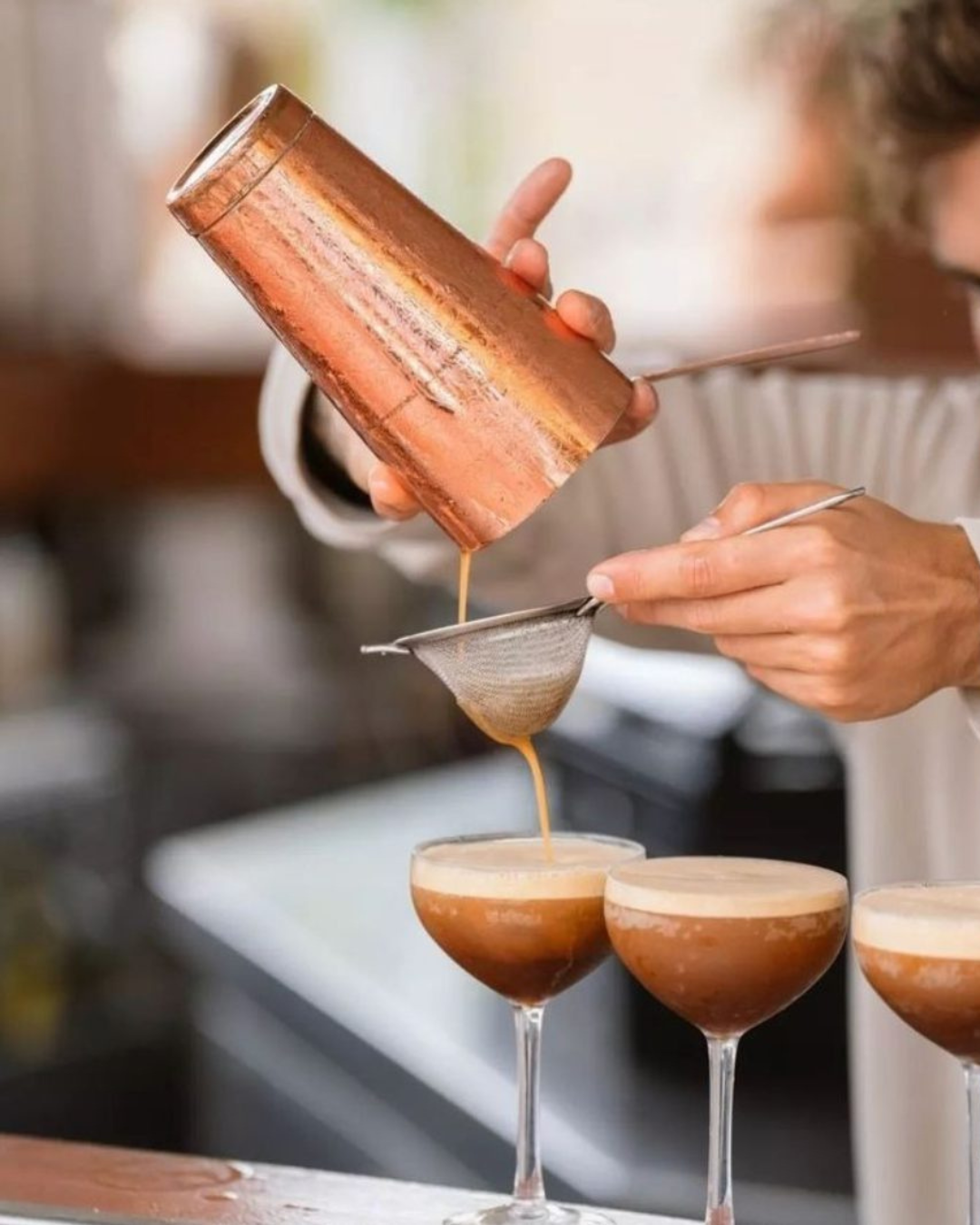
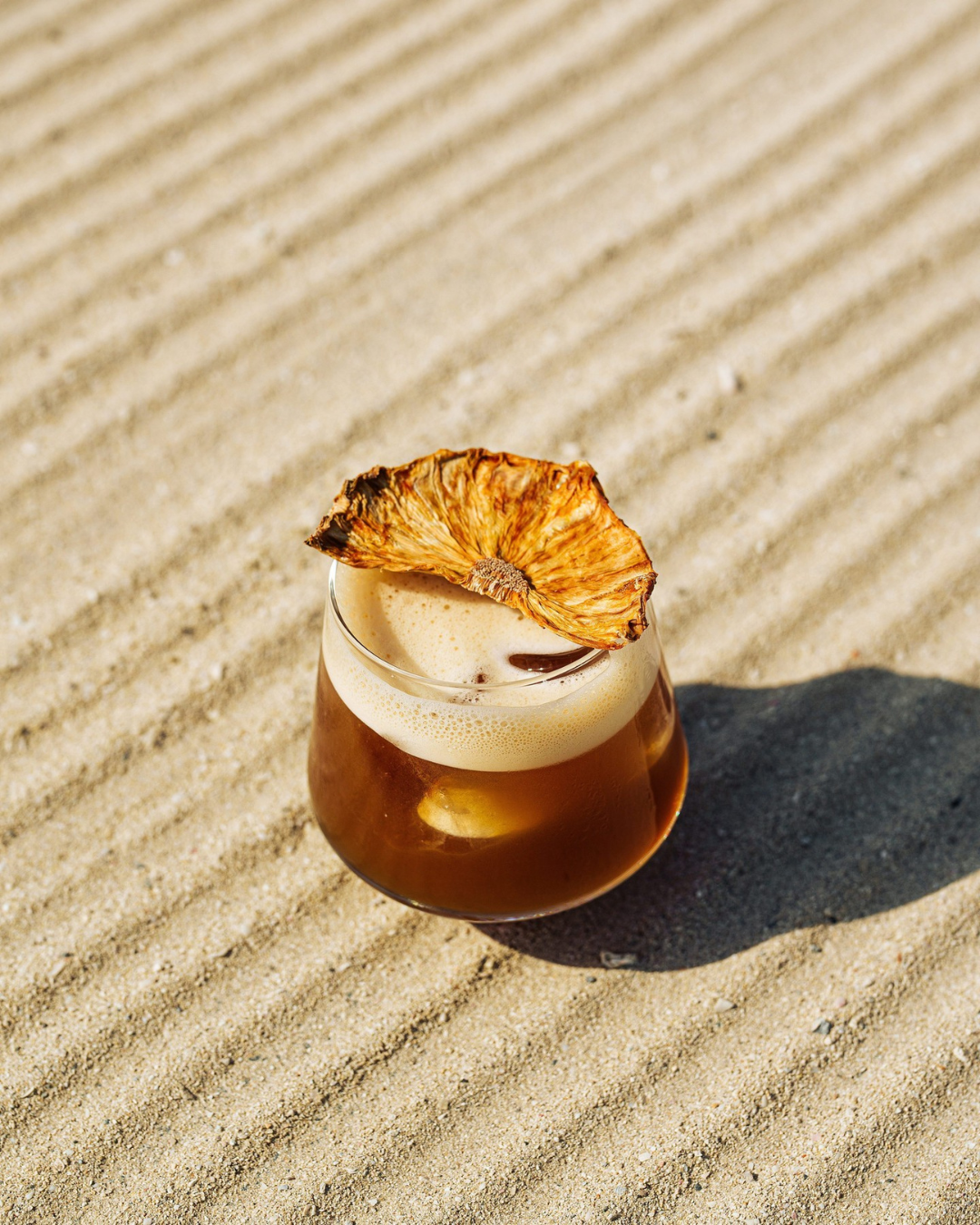
The drinks menu for the Girls’ Day Pass typically includes house wines, prosecco, and signature Nikki Beach cocktails — zesty mojitos, fruity spritzes, passionfruit martinis, and seasonal creations from the bar team that has understood since Miami that the right drink in the right glass in the right light is itself a form of design. The six-drink allocation covers the arc of a well-paced afternoon without requiring strategic conservation.
What the Girls’ Day Pass includes: entry to Nikki Beach Dubai from midday onwards, use of shared poolside and beach areas, six drinks from the curated menu, and DJ-led ambiance that shifts in register from the chilled-out quality of early afternoon through to the more assertive energy of the peak hours. What is not included: food, which is available à la carte from a Mediterranean-inflected menu that runs from sushi boats and tuna tartare through truffle flatbreads to artisan cocktails served in artful glassware. For groups planning to occupy the space for several hours, poolside beds can be reserved with a minimum spend and offer a level of comfort and positioning within the space that shared areas cannot provide.
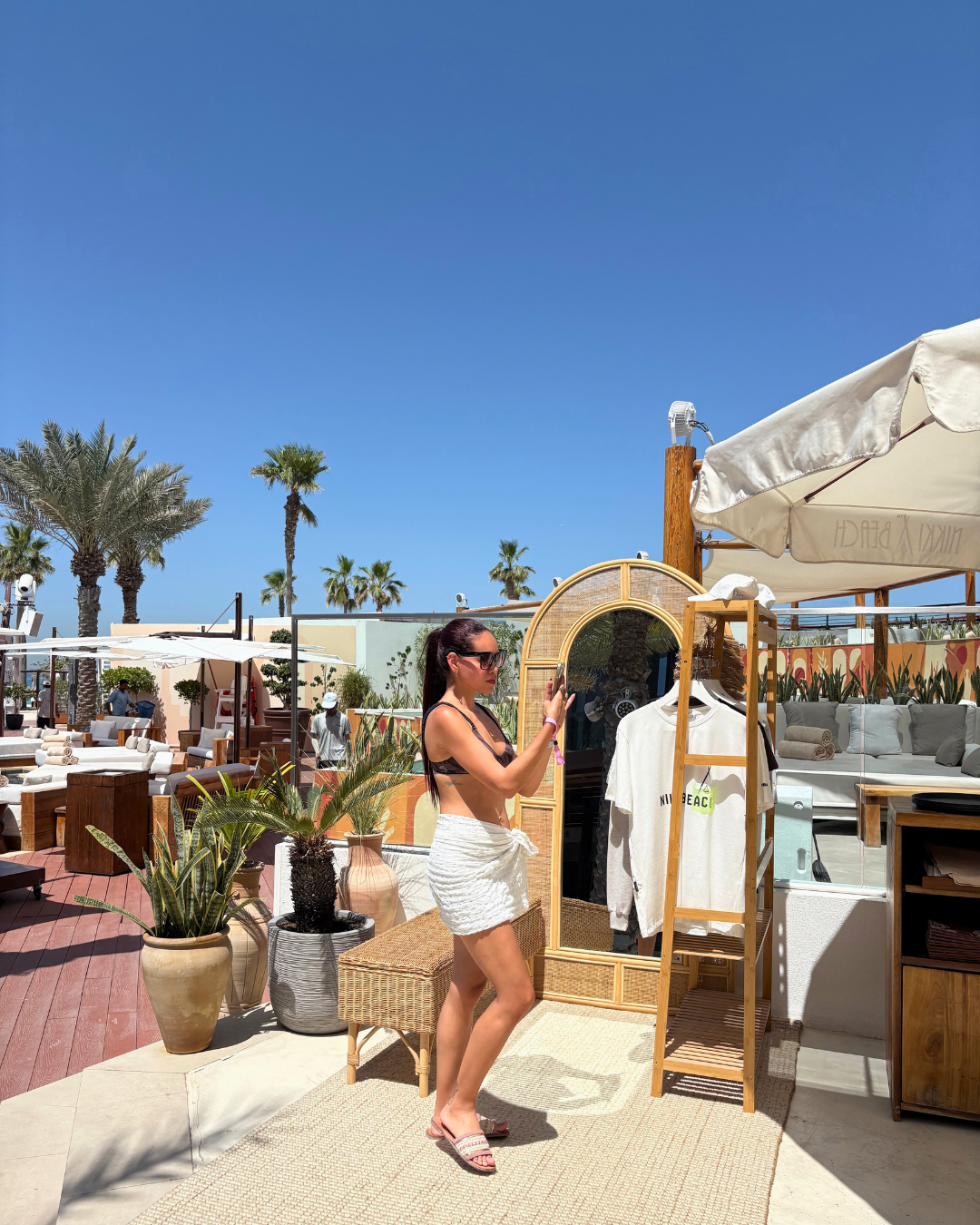
The pass is ideal for: women on holiday in Dubai seeking a glamorous midday outing with genuine value; Dubai-based professionals wanting a midweek reset without overextension; content creators seeking Pearl Jumeirah’s sun-soaked white architecture as a backdrop; and anyone who understands that a Tuesday afternoon at a space like this produces a quality of presence that cannot be manufactured in a gym, an office, or a restaurant. Insider timing: arriving around 11:30 AM secures the best shared seating, particularly during peak Dubai season from October through April.
The design and atmosphere of Nikki Beach Dubai — how white architecture produces a specific quality of day
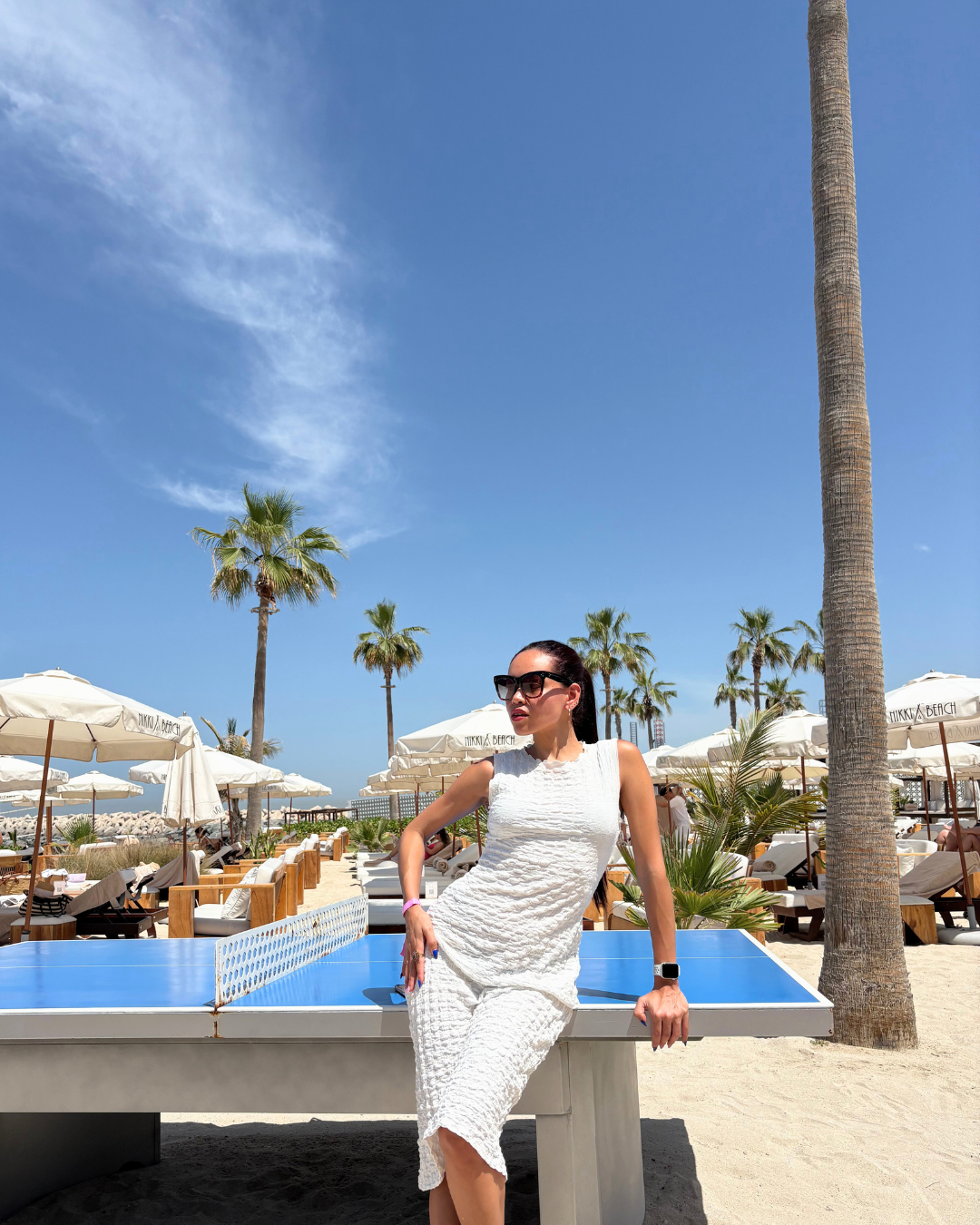
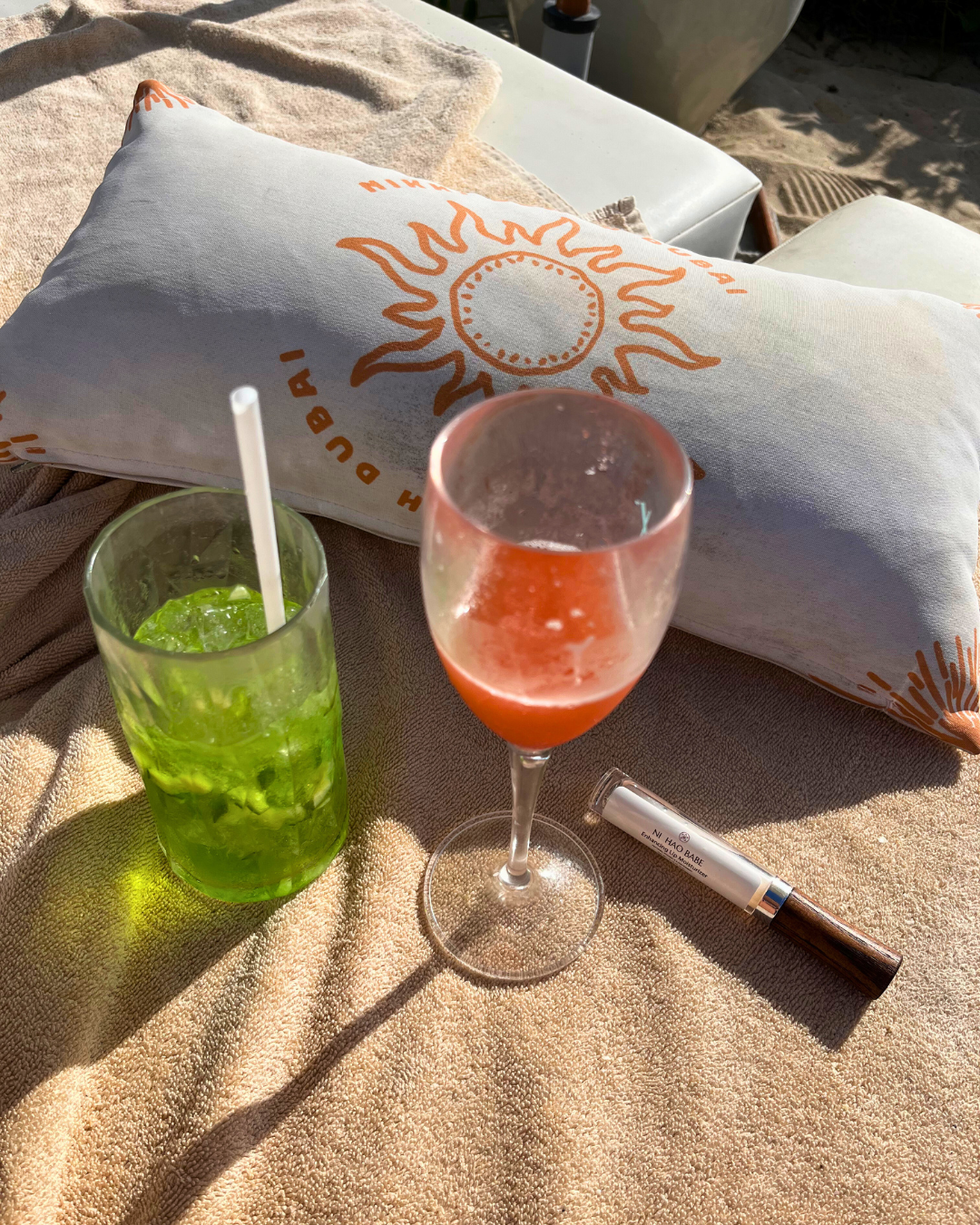
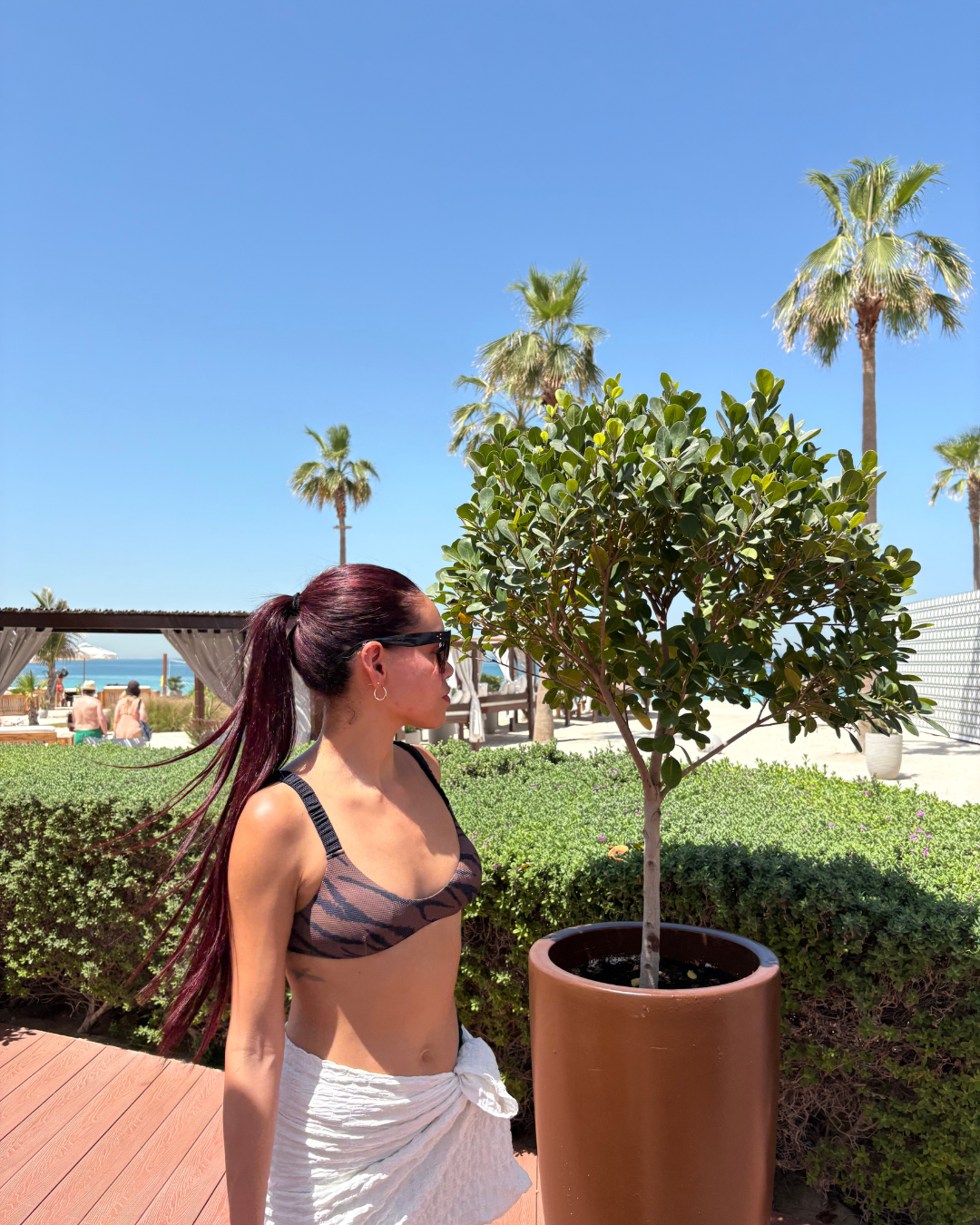
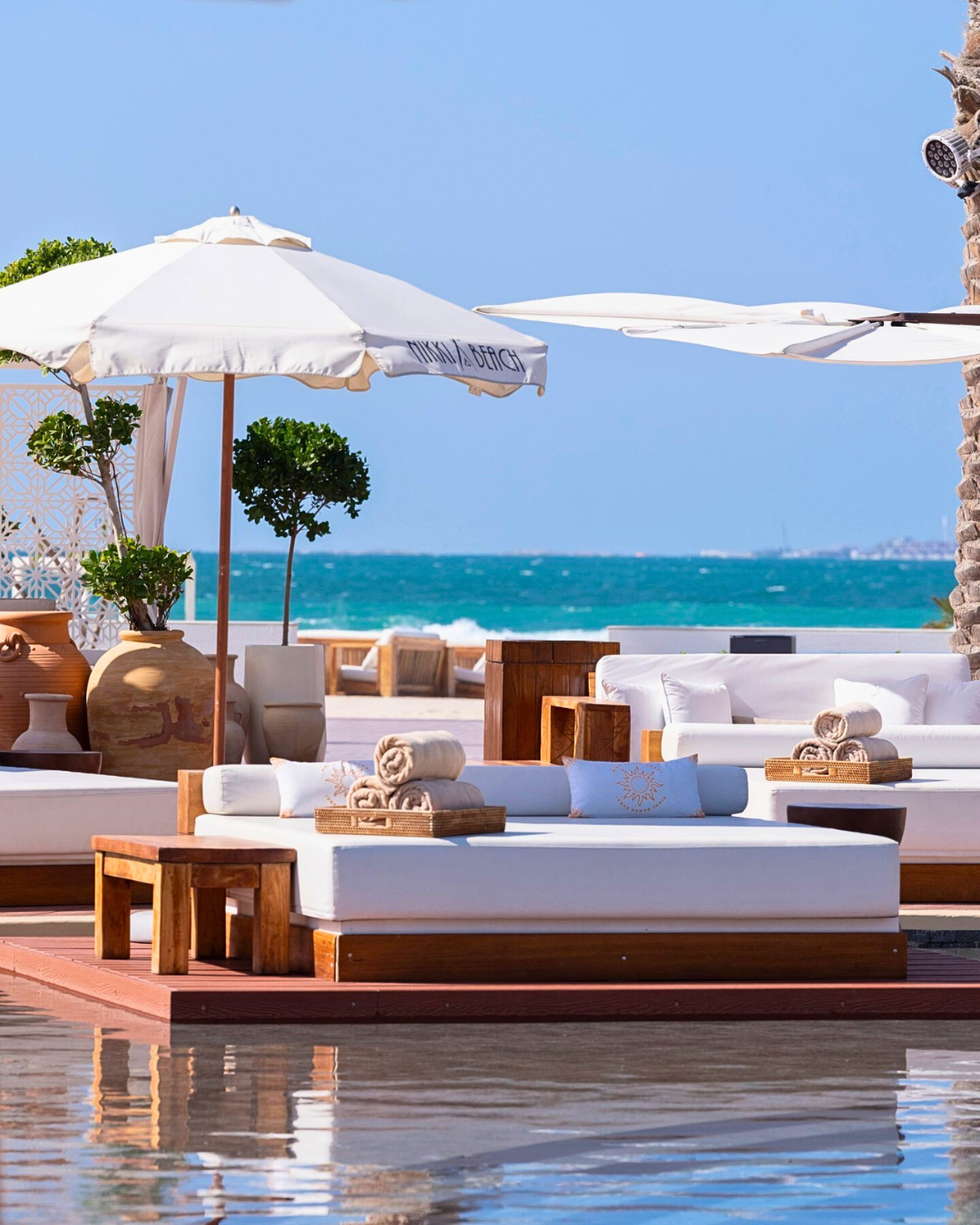
The design logic of Nikki Beach Dubai operates through a set of principles that are instantly legible and yet never quite announced. White is the dominant tone — not the white of clinical environments, which produces anxiety, but the white of bleached linen and sun-warmed stone, which produces release. The palette communicates a simple thing: you are somewhere that has been considered, and the consideration was not for show.
The spatial design — refreshed and deepened through the most recent renovation — manages sightlines with a sophistication that its hospitality function requires but that its aesthetic register conceals. Cabanas provide privacy without enclosure. The pool terrace offers visibility without exposure. The beach itself — private, palm-strewn, carrying the particular quality of sand that has been maintained rather than merely permitted — provides a zone of retreat from the curated social atmosphere of the pool area, available to those who want to step out of the frame rather than remain within it.
Against the dominant white, a recent renovation introduced terracotta accents and sculptural new daybed forms that register as warmth rather than colour — a chromatic decision that speaks to the specific quality of late afternoon Gulf light without competing with it. The floor-to-ceiling glass at the restaurant deepened the connection between indoor dining and outdoor living, producing a dining experience in which the pool deck is always visible, always present as the frame through which the afternoon continues to unfold.
The DJ pavilion — also rebuilt to function as a focal point rather than a peripheral convenience — sits at the heart of the space’s social architecture. From it, the day’s emotional arc is managed with an intelligence that is easy to mistake for coincidence. The music is not background. It is architecture. It determines the pace of movement, the register of conversation, the energy with which people occupy their daybeds and pool edges and table corners. The transition from the softness of mid-morning to the more assertive energy of noon is not announced. It accumulates. One track resolves into another. The tempo lifts by a degree that registers physically before it registers consciously.
The pool at Nikki Beach Dubai carries this function with particular efficiency. Its scale allows for genuine distances between groups while maintaining the sense of a shared experience. The infinity edge does not merely create a visual effect; it creates a Gulf horizon that every person in or around the water can orient themselves toward simultaneously, producing a collective relationship with the view that individual experience would not generate. Looking out at the Gulf from the pool at Pearl Jumeirah is a social act. This is not a paradox. It is the point.
The morning register — what Nikki Beach Dubai reveals before the crowd assembles

In the early hours, before the music finds its register and the Dubai beach club space fills with the particular social energy that defines its afternoons, Nikki Beach reveals a different quality — the one that will sustain everything that comes later. The morning is its most honest hour.
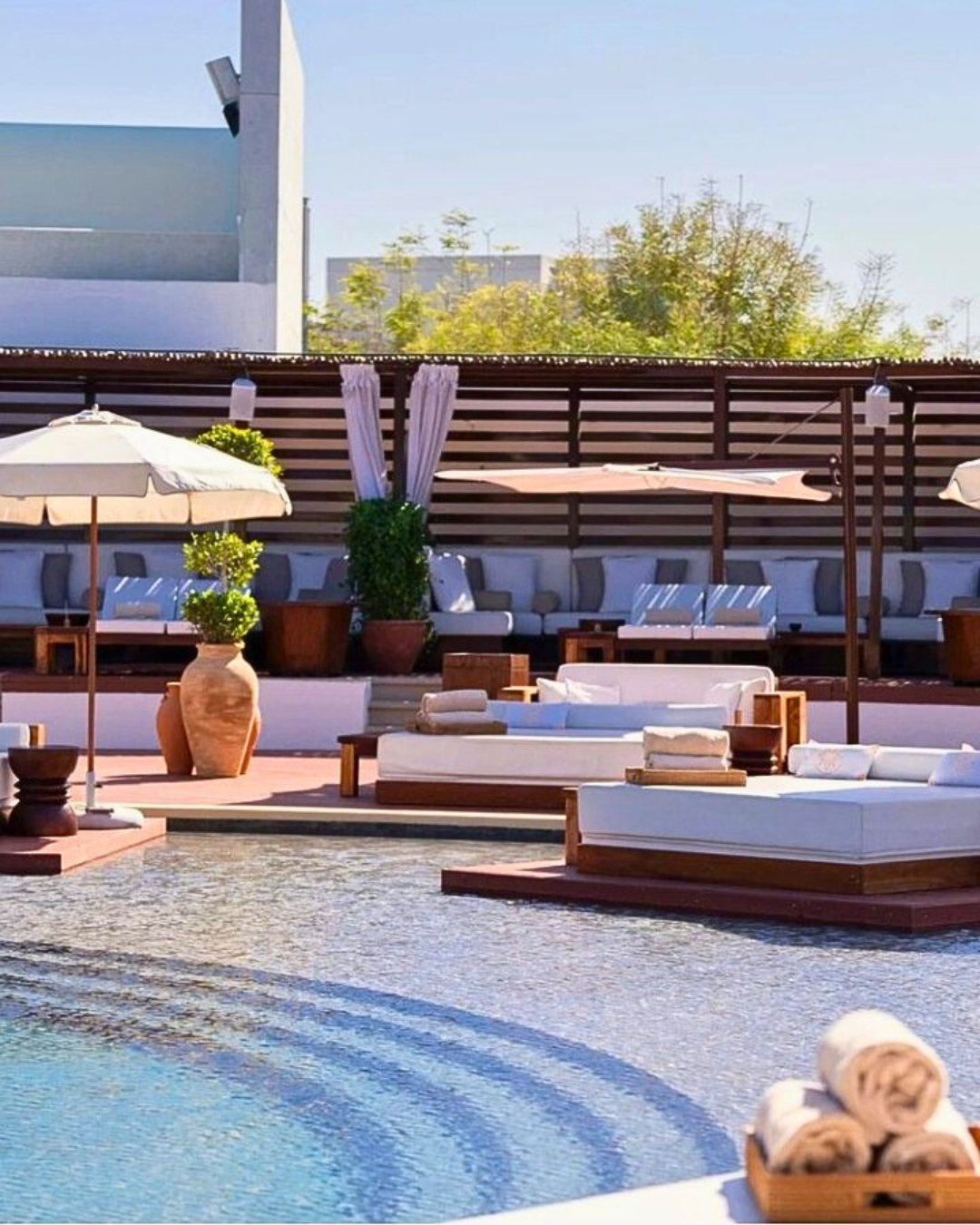
The architecture has not yet been activated by the crowd. The sunbeds hold the clean geometry of objects that have not yet been claimed. The pool reflects the Pearl Jumeirah sky with the particular clarity that only still water before midday offers. The Gulf beyond it is present rather than backdrop — a body of water doing what water does in the early part of a day, which is to exist without performing.
Staff move through the space with the particular efficiency of people who know the arc of what is about to happen and are preparing for it without revealing that preparation. Ice arrives at poolside. Towels are arranged with a care that will become invisible the moment they are occupied. The coffee at the restaurant — floor-to-ceiling glass opening onto the pool deck — arrives at the temperature and weight that signals something has been considered about what the hour requires.
There is a specific quality to early morning at a place designed for collective pleasure: the sense of being in it before it has fully assembled itself. The white and warm-terracotta palette of the space reads differently in this light — less curated, more elemental. The hand-painted murals that animate the interiors carry a different weight before the crowd arrives to contextualise them. In this hour, the space is available in ways it will not be later, and those who choose to be here early are choosing, consciously or not, to know Nikki Beach Dubai in a way that most of its visitors never will.
Dubai’s leisure landscape accommodates spaces that operate on entirely different principles of experience. Where Nikki Beach organises itself around collective energy, visibility, and the pleasure of a crowd assembled in pursuit of the same good day, the city’s quieter spaces work through subtraction and stillness. At Nette Al Barari, Where Dubai Slows Down explores the other register — the garden café in the botanical neighbourhood, where the design principle is unhurried presence and the social code is quiet. Understanding what Nikki Beach is requires understanding what it has deliberately chosen not to be. Both are valid expressions of a city with more registers than its international profile suggests.
Peak hours and collective energy — the social architecture of the afternoon
A beach club at peak hours is a social instrument. It produces a specific kind of collective experience — not spontaneous but carefully engineered to feel that way, not anonymous but not intimate either. Something in between that has its own distinct appeal and its own distinct value in the ecology of a full life.
People arrive at Nikki Beach Dubai in configurations that tell their own stories. Groups of women whose coordination of white linen and gold jewellery suggests that this is not their first time here, or that they have thought carefully about what arriving here well-dressed means. Couples who have chosen Pearl Jumeirah for a reason they may not have articulated even to each other — the proximity to water, the permission to stop being productive, the specific social neutrality of a space that is neither work nor home. Solo visitors who have brought books they will probably not read, because the point was never the book.
The beach club is one of the few social spaces that successfully holds both rest and visibility simultaneously — where lying still and being seen are not in contradiction but in conversation. This is not an accident of programming. It is the product of a design philosophy — the celebration of life as a principle — that has been refined across Nikki Beach’s global locations and decades into something that functions even when it is not being consciously noticed.
By early afternoon, without announcement, the day crosses a threshold. The energy that has been building since mid-morning arrives at a quality specific to this hour in this kind of space — neither the contained sociality of the morning nor the dispersal of the evening, but something particular to the peak hours of collective leisure. The pool fills. The daybeds are occupied in ways that express the variety of what people need from a day like this. The beach is animated with movement — the kind of purposeless, comfortable physical activity that city life rarely permits.
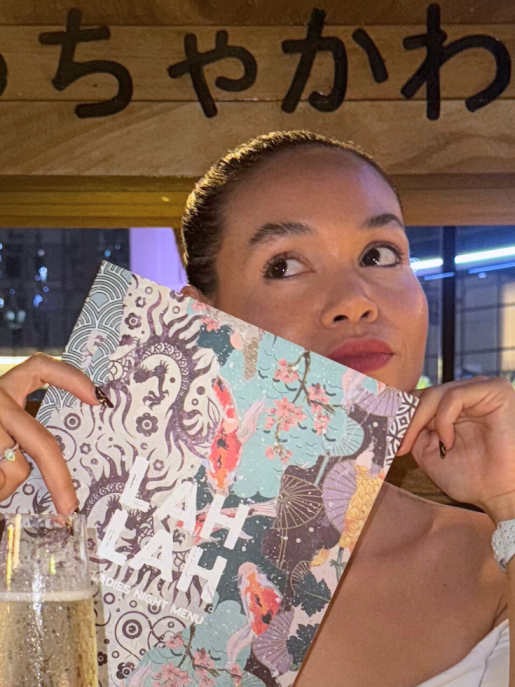
The social energy that builds through an afternoon at Nikki Beach Dubai finds different expression across other registers of the city’s leisure culture. After dark, Dubai’s social scene operates through a different set of codes — the restaurant table, the shared platter, the conversation that requires proximity and the specific intimacy of a meal. Girls Night Out at Lah Lah captures one version of that evening register: the hidden-gem dinner where discovery is part of its pleasure. Both Nikki Beach and Lah Lah understand that the people who share a space with you are as much a part of the product as anything the venue provides directly.
As Condé Nast Traveller’s coverage of Dubai’s beach club scene observed in its editorial survey of the city’s coastal leisure landscape, Dubai’s beach clubs offer everything from the style and glamour of the French Riviera to the whitewashed elegance of spots in Miami or Mykonos — all within the same coastline, all calibrated to the specific kind of day their guests are choosing to have. Nikki Beach sits at the intersection of these references while remaining distinctly itself — one of the few genuinely global hospitality brands that arrived in Dubai and found an audience immediately, because the city and the brand share the same underlying conviction about what a curated day is for.
What the experience of Nikki Beach Dubai actually produces — the economics of time well spent
What is being exchanged at a beach club is not primarily food or sunbed or pool access. It is the quality of a day — the specific texture of hours spent in conditions that were chosen for what they would produce, rather than defaulted into through the absence of a better option. This is what makes the Nikki Beach Dubai Girls’ Day Pass the kind of value that resists simple metric comparison.
The question of value in leisure resists the metrics applied to most other forms of consumption. A meal at a restaurant can be assessed against the quality of its ingredients, the skill of its execution, the attentiveness of its service. A beach club day at Nikki Beach Dubai cannot be assessed in the same way, because its primary product is not any individual component but the experience of the whole — the particular feeling of a Tuesday afternoon that felt like a Saturday, of an ordinary week that contained something that felt like escape without requiring actual departure.
What guests at Nikki Beach are really investing in is access to a specific emotional state: the feeling of having chosen well. Of having put themselves in conditions under which relaxation becomes not a passive surrender but an active achievement. The sunbed and the pool and the music are the instruments through which that state is produced. But the state itself — the quality of presence that a day like this generates — is what is remembered. The brand has understood this since Miami in 1998, and the understanding has shaped every decision about how to design and programme the experience since.
The appeal of spaces organised around collective presence extends well beyond leisure. In professional contexts, the same dynamics produce the most valuable exchanges. Money, Culture, and Capital: Inside the Event That Shaped Dubai’s Web3 Elite documents how shared space and shared energy generate outcomes that isolated environments cannot — how being in the same room with the right people at the right moment produces something that remote engagement never can. A day at Nikki Beach and a morning at a professional gathering are not the same thing. But both understand that human beings in proximity, oriented toward a shared experience, produce something that individual experience cannot replicate.
Dubai’s relationship with the rituals of time and gathering has a depth that its international profile does not always surface. The city knows what it means to spend time in ways that carry weight. The Best Iftar Experiences in Dubai documents one of the city’s most profound expressions of that understanding: the Ramadan iftar, where breaking fast at sunset with others carries the full emotional freight of shared time and deliberate presence. Nikki Beach and the iftar table are not the same thing. But both are expressions of a city that has always understood that how time is spent is as important as how much of it there is.
The shift toward intentional leisure — toward choosing experiences for what they produce in terms of feeling and memory rather than for their social media coordinates — is part of the same cultural movement reshaping luxury consumption across categories. In fashion, the same instinct produces the preference for pieces chosen for how they hold over time rather than for how they read in a moment. The New Language of Quiet Luxury explores how the aesthetics of restraint and considered choice signal sophistication in ways that loudness once did. A day at Nikki Beach Dubai operates within this shift: the curated choices of dress and daytime leisure communicate values, taste, and self-knowledge as clearly as any wardrobe decision. Both are forms of the same intelligence applied to different materials.
Nikki Beach Dubai and Pearl Jumeirah — the city’s relationship to manufactured paradise
Dubai is a city that takes leisure seriously — not in the sense of making it effortless, but in the sense of making it deliberate. The beach club in this city is not a peripheral offering. It is a central expression of how the city understands what a good day looks like, and Nikki Beach at Pearl Jumeirah is its most globally legible version.
Pearl Jumeirah, where Nikki Beach Dubai sits, carries its own relationship to this logic. It is an island that was made rather than found, an expression of Dubai’s willingness to manufacture the conditions for the kind of leisure it wants to offer. The waterfront access that guests take for granted is the product of an engineering ambition translated into a strip of private beach and the Gulf that lies beyond it. The distance from downtown Dubai — just fifteen minutes but atmospherically much further — that makes the approach feel like arrival somewhere is the distance the city’s geography makes available to those who have chosen to locate themselves at its edge.
Dubai’s beach club culture is now part of the city’s defining cultural identity — a leisure infrastructure that shapes how the city is experienced by residents and visitors alike, and that represents a genuinely distinctive contribution to global hospitality. As GQ Middle East’s editorial coverage of Dubai’s leisure landscape reflects, the city’s beach clubs range from the ultra-polished to the laid-back, each occupying its own register within an ecosystem that has raised the standard for what a day by the water can be. Nikki Beach helped set that standard. Two and a half decades after Miami, it continues to define it in Dubai — and the Girls’ Day Pass is the most accessible entry point to that standard the brand offers anywhere in the world.
The light changes in the late afternoon in ways that the morning light did not anticipate. It becomes golden and directional — finding the surfaces of the pool at an angle that makes the water look like something other than water, revealing textures in the white architecture that the flat light of midday conceals. The music follows the light into a more reflective mode. People begin to make the calculations that the end of a day like this requires. The city will need to be returned to. The specific quality of presence that the afternoon produced — the particular ease of being here, in this light, with this music, in water that is the temperature of a considered decision — will not travel. It belongs to this place and this hour, which is both the limitation and the argument for having been here at all.
“A day spent well is its own form of luxury.
Not because of what it costs,
but because of what it took
to stop long enough to have it.
Nikki Beach Dubai has understood this
since the beginning.
On Tuesdays, that understanding
comes with six drinks and a sea breeze.”