
On what it means when one of the fastest-changing cities on earth still makes room for stillness, and why Shanghai’s temples are not relics being preserved but living systems that never stopped operating
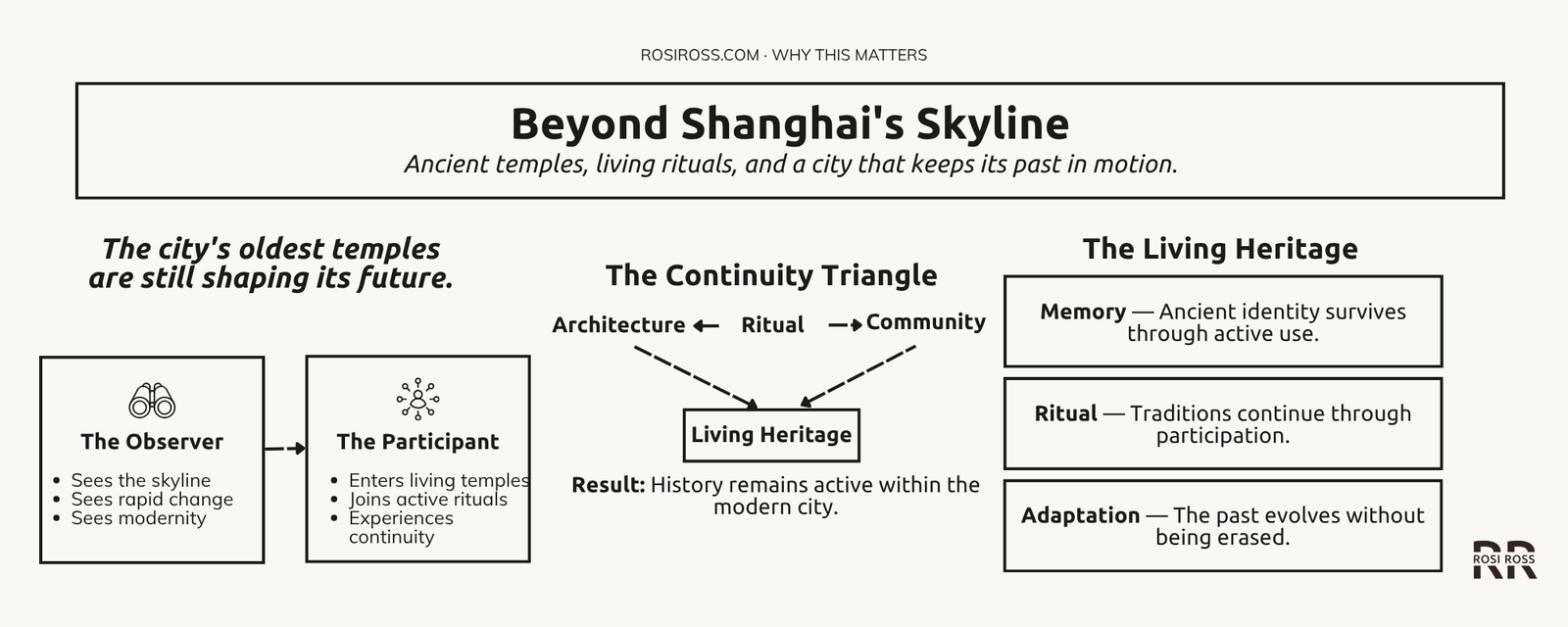
Shanghai’s temples are not relics of the past. They are living cultural systems that reveal how a city balances acceleration with continuity — proof that progress, done properly, does not require forgetting.
Shanghai moves at a velocity few cities have ever sustained. Its skyline reconfigures itself on a timeline most urban planning would consider impossible. Its financial district functions as one of the genuine engines of global commerce. And yet, threaded between towers and shopping districts that seem engineered exclusively for the future, incense-filled halls continue to welcome worshippers exactly as they have for centuries, offering something increasingly scarce in any city moving this quickly: silence, on purpose.
Shanghai’s Ancient Identity Beneath the Modern Skyline
China’s cultural imagination is often compressed, from outside, into a handful of familiar images — the Great Wall, the Forbidden City, imperial architecture held at a careful distance. Shanghai’s own religious architecture rarely factors into that shorthand, which is precisely why it rewards closer attention.
As one of China’s four directly administered municipalities and the country’s largest city by population, Shanghai carries a scale and financial weight that can make its older layers easy to overlook entirely. But temples are not interchangeable monuments distributed evenly across the city as backdrop. Each carries a distinct religious lineage, historical period, and architectural philosophy, and each maintains its own particular relationship to the city that has grown around it — a relationship that has, in most cases, been renegotiated rather than severed by Shanghai’s modernisation.
Why Chinese Temples Are More Than Religious Buildings
A traditional Chinese temple functions simultaneously as spiritual centre, community space and architectural achievement: a structure that preserves philosophy, ritual and craftsmanship in the same physical form. This is the frame worth holding throughout. A temple, in this tradition, is not simply a building people visit. It is a living expression of collective memory, actively maintained rather than passively conserved, which is why Shanghai’s temples remain genuinely operational religious sites rather than museum pieces behind rope barriers.
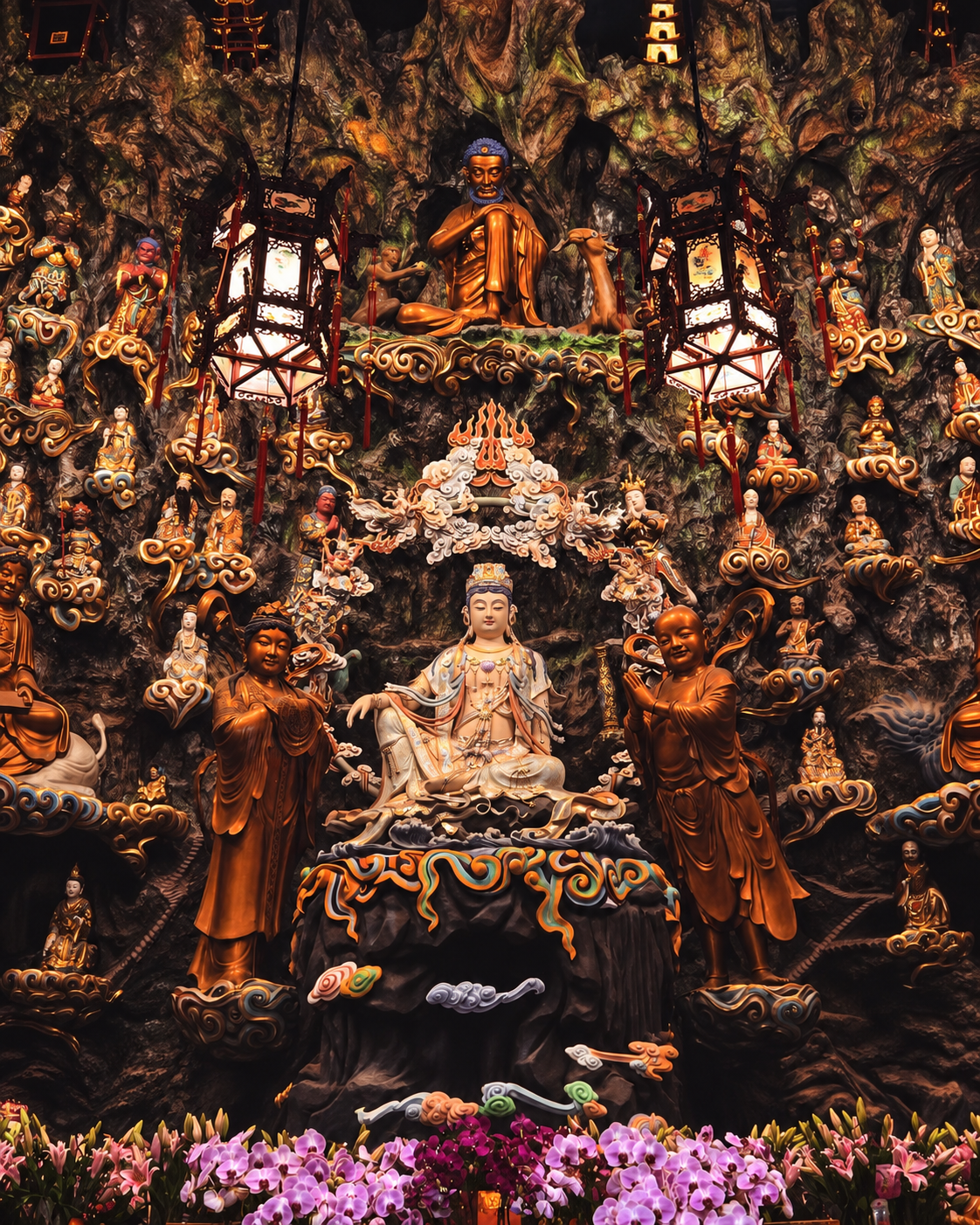
What gives a temple its depth is what it holds. Inside the halls sit the objects that make the building more than architecture: statues of the Buddha and of protective deities, carved steles recording donors and restorations, bronze bells and incense burners, painted scrolls, scriptures and ritual instruments. In Buddhist practice in particular, the veneration of relics and sacred images is central, and pagodas and stupas have long existed to house and honour them. These are not decorations. They are the points at which belief takes physical form, and they are treated accordingly: cleaned, tended, offered to and, when the time comes, carefully restored.
The value of such an object does not sit in one place. It is spiritual, because worshippers treat it as a presence rather than a thing. It is historical, because it carries the record of who commissioned it, who carried it and who protected it. It is artistic, because the carving, casting and painting represent the highest skill of their period. And it is communal, because generations of the same families have returned to the same image to ask for the same things. An object that holds all four kinds of value does not depreciate with age. It accumulates meaning.
Longhua Temple: Shanghai’s Buddhist Time Capsule
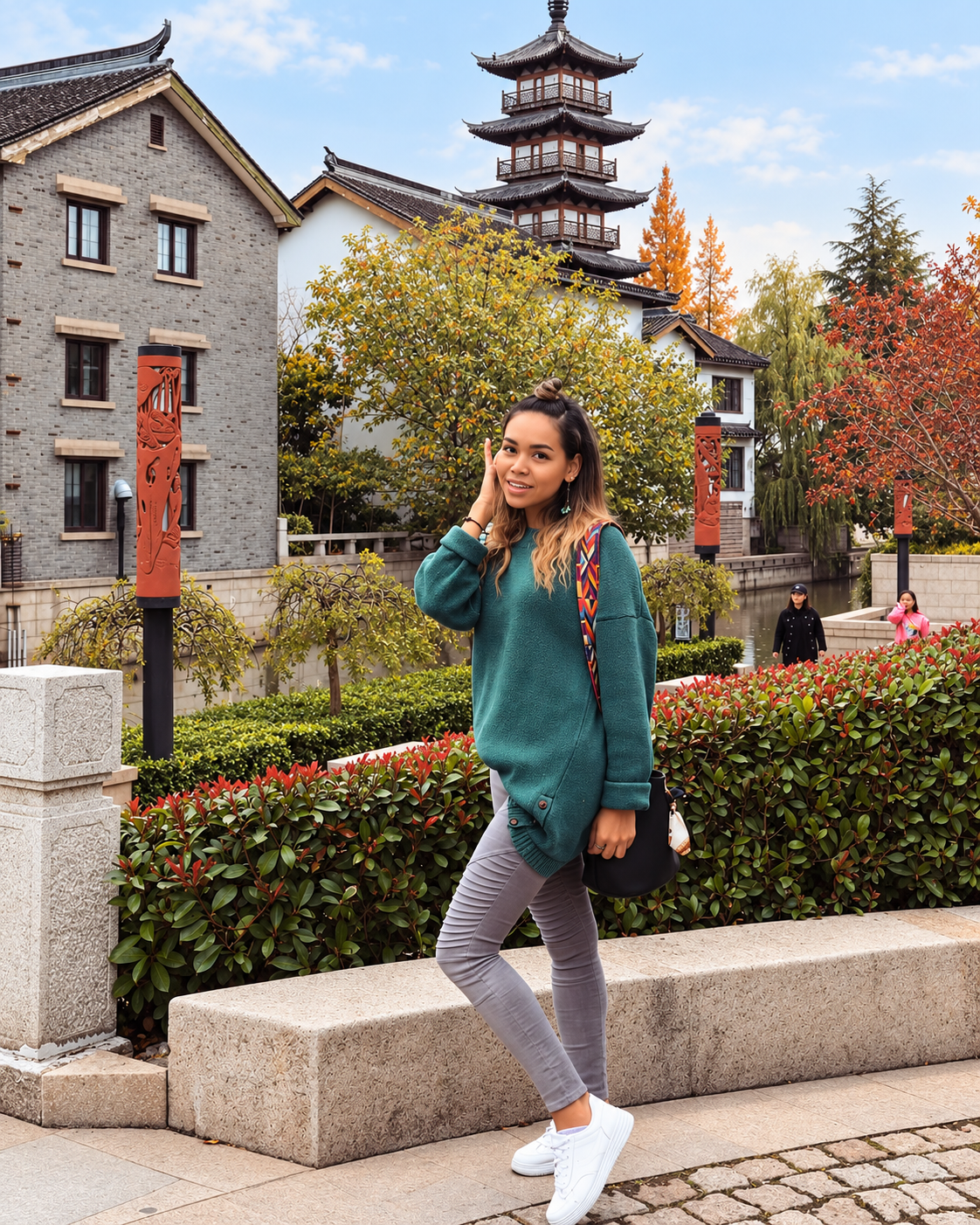
Longhua is both Shanghai’s largest Buddhist temple and its oldest, its pagoda the only structure of its kind in the city to have survived intact from before the modern era. The complex is organised along a deliberate south-to-north axis, five major halls arranged in sequence: the Maitreya Hall, housing the Buddha of future enlightenment in his familiar Budai form; the Heavenly Kings Hall, its four guardian deities each watching over a cardinal direction; the Grand Hall of the Great Sage, the complex’s spiritual centre, where a large golden Buddha presides over daily chanting and devotion; the Three Sages Hall, dedicated to Amitabha Buddha; and the Abbot’s Hall, reserved for teaching and formal ceremony.
Why is Longhua Temple famous? Partly for its Song Dynasty origins — the brick pagoda’s tubular shell dates to 977, though its wooden staircase and seven distinctive roofs reflect later reconstruction — and partly for traditions that remain genuinely active rather than historical. On the third day of the third lunar month, the temple fair opens to peach blossoms in full bloom, drawing crowds who come as much for the seasonal ritual as for the architecture. On New Year’s Eve, the temple bell is struck a symbolic 108 times, a number representing, in Buddhist tradition, the release of worldly desire — a ceremony visitors can join directly, striking the bell themselves for a modest fee, in one of the more genuinely participatory rituals available inside any major Chinese temple. Most of the current buildings date to reconstruction during the Qing Dynasty, restored further in 1954 with support from overseas Chinese donors, a preservation effort that has kept the complex in remarkable condition.



City God Temple: The Spiritual Guardian of Shanghai
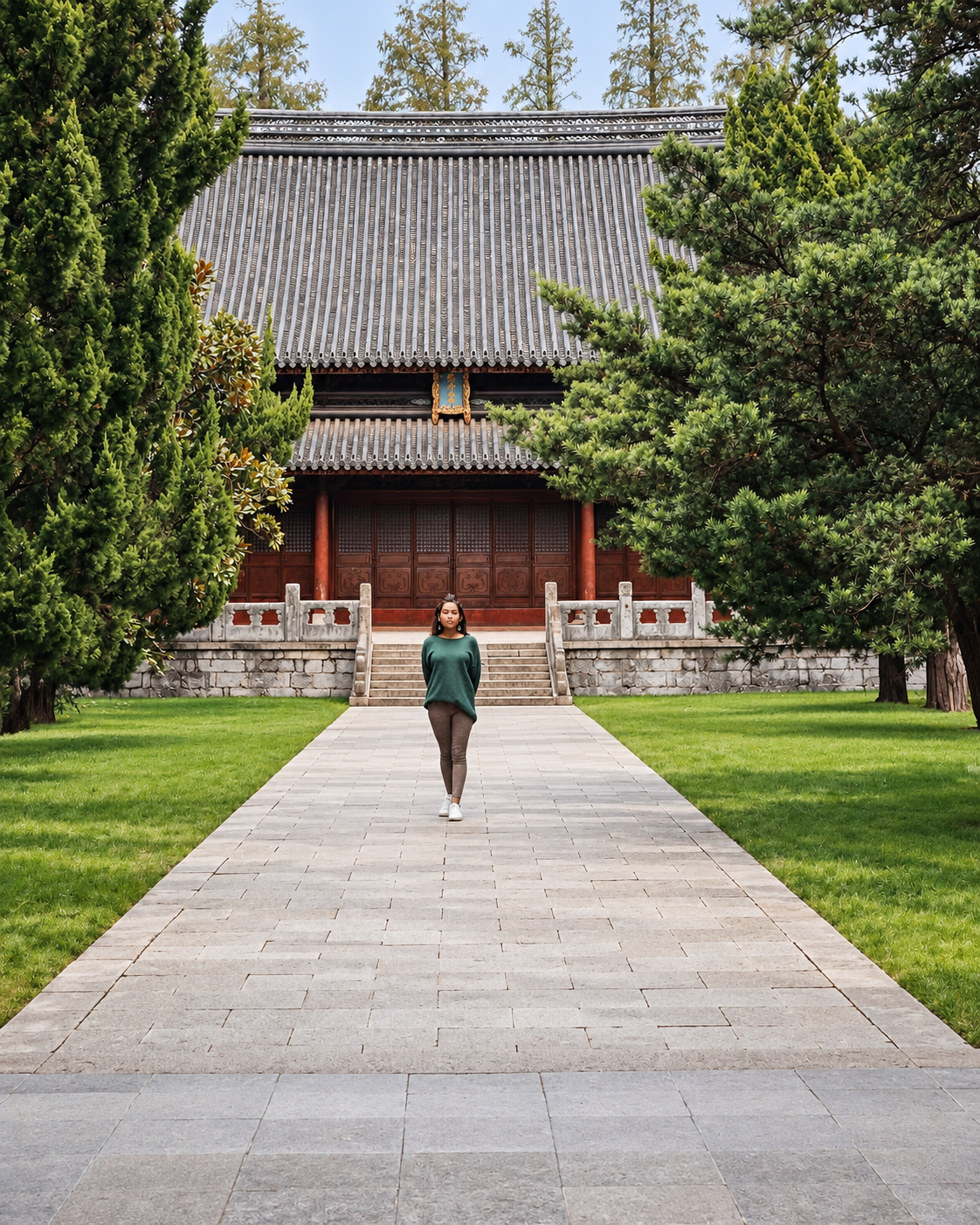
Where Longhua represents Buddhist continuity, the City God Temple represents Shanghai’s Taoist relationship to its own urban identity. Chenghuang, its Chinese name, translates roughly to “guardian of the city” — a concept that positions the temple not as a retreat from urban life but as a spiritual counterpart to it. What is the most important Taoist temple in Shanghai? This is it: dedicated to three historical city gods — Huo Guang, Qin Yubo, and Chen Huacheng — and structured across nine distinct halls, each addressing a specific dimension of ordinary human concern, from wealth and mercy to family and education. That structure is itself the editorial point: the temple’s architecture mirrors the actual anxieties and hopes of everyday urban life rather than an abstract cosmology held apart from it. Its position at the centre of Shanghai’s Old Town, immediately adjacent to Yu Garden and the Yuyuan handicraft market, has made it a natural stop for visitors and locals moving through the district together, particularly during Chinese New Year, when ringing the temple bell for good fortune remains a widely observed tradition.


Yu Garden: The Art of Harmony Between Nature and Architecture
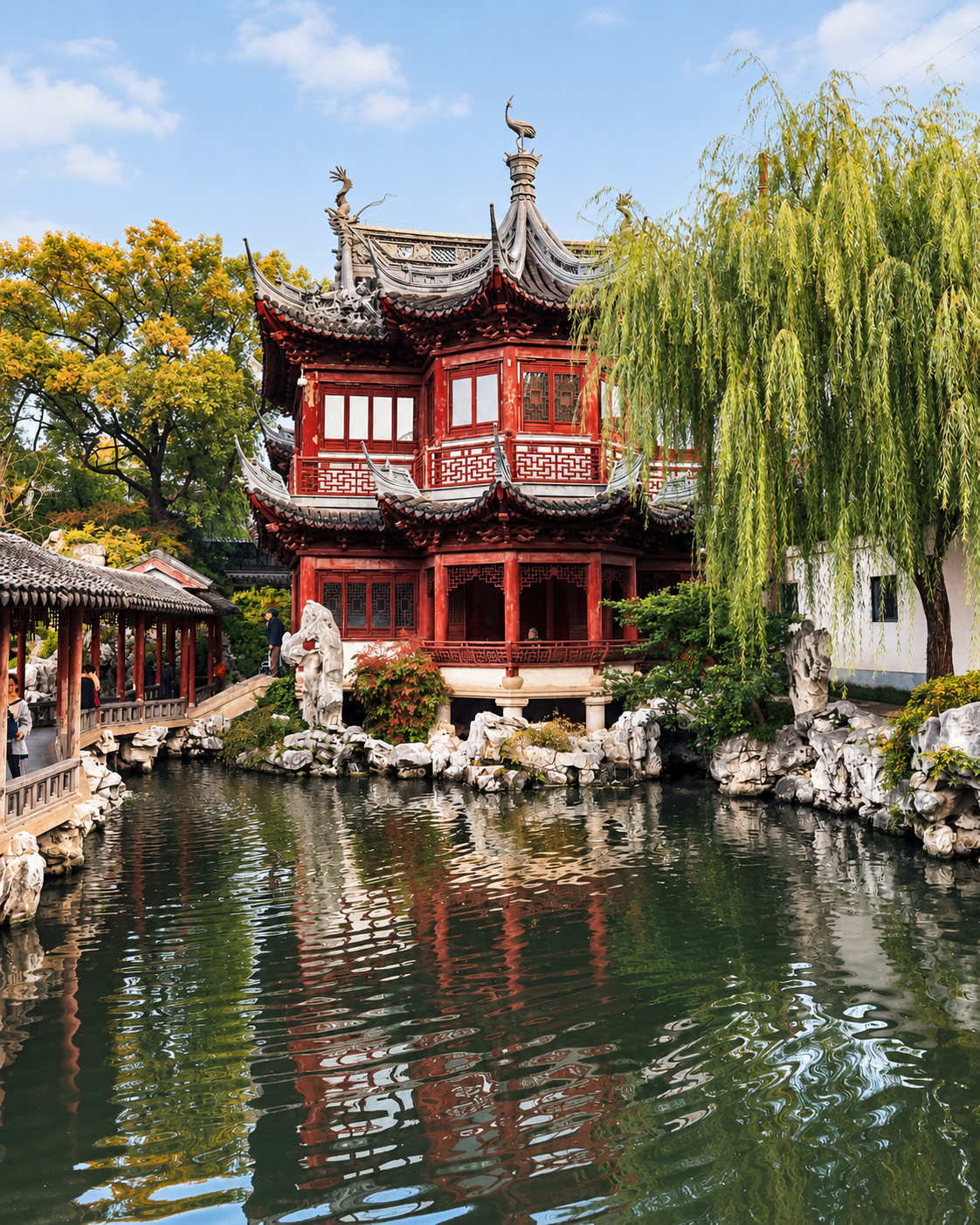
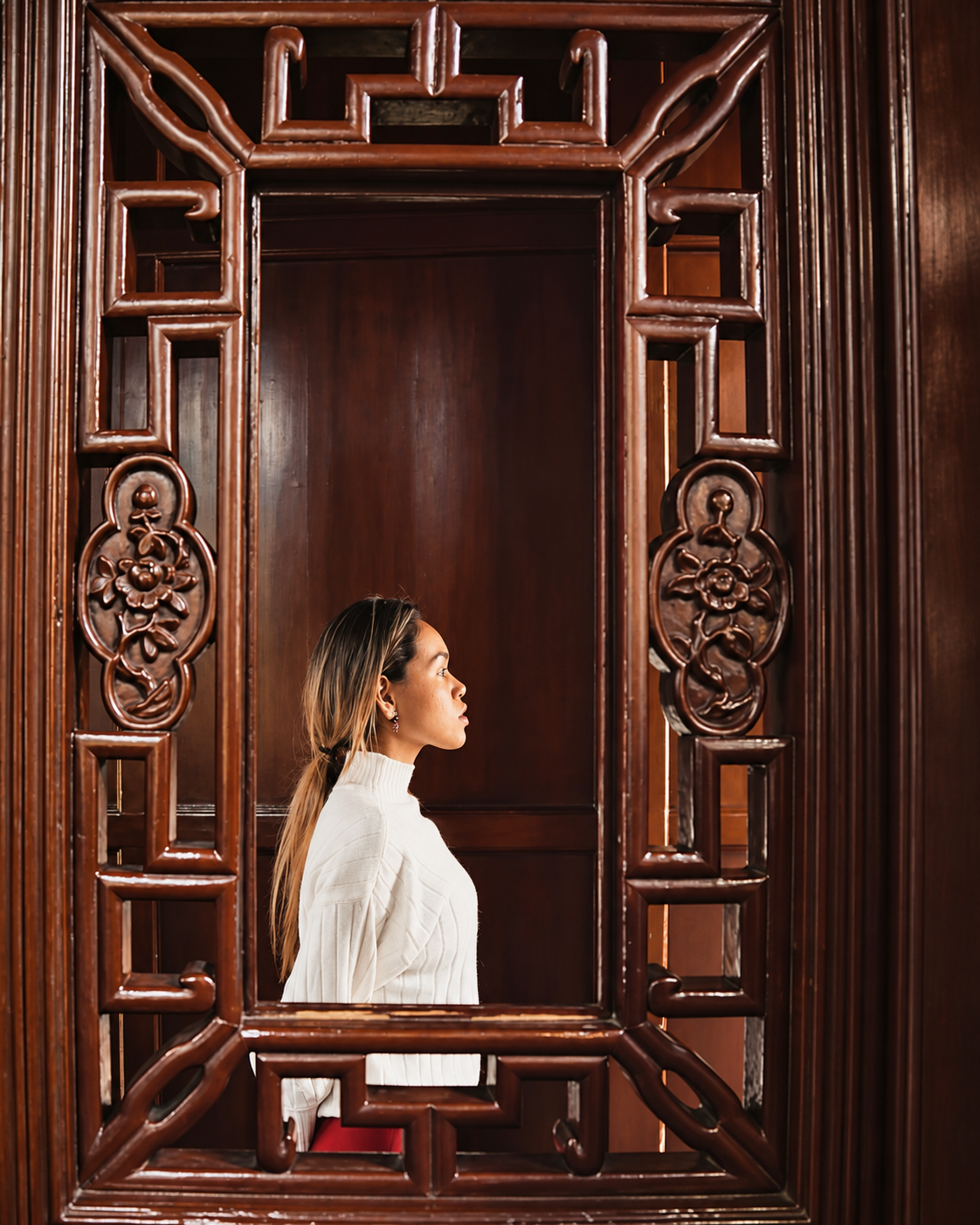
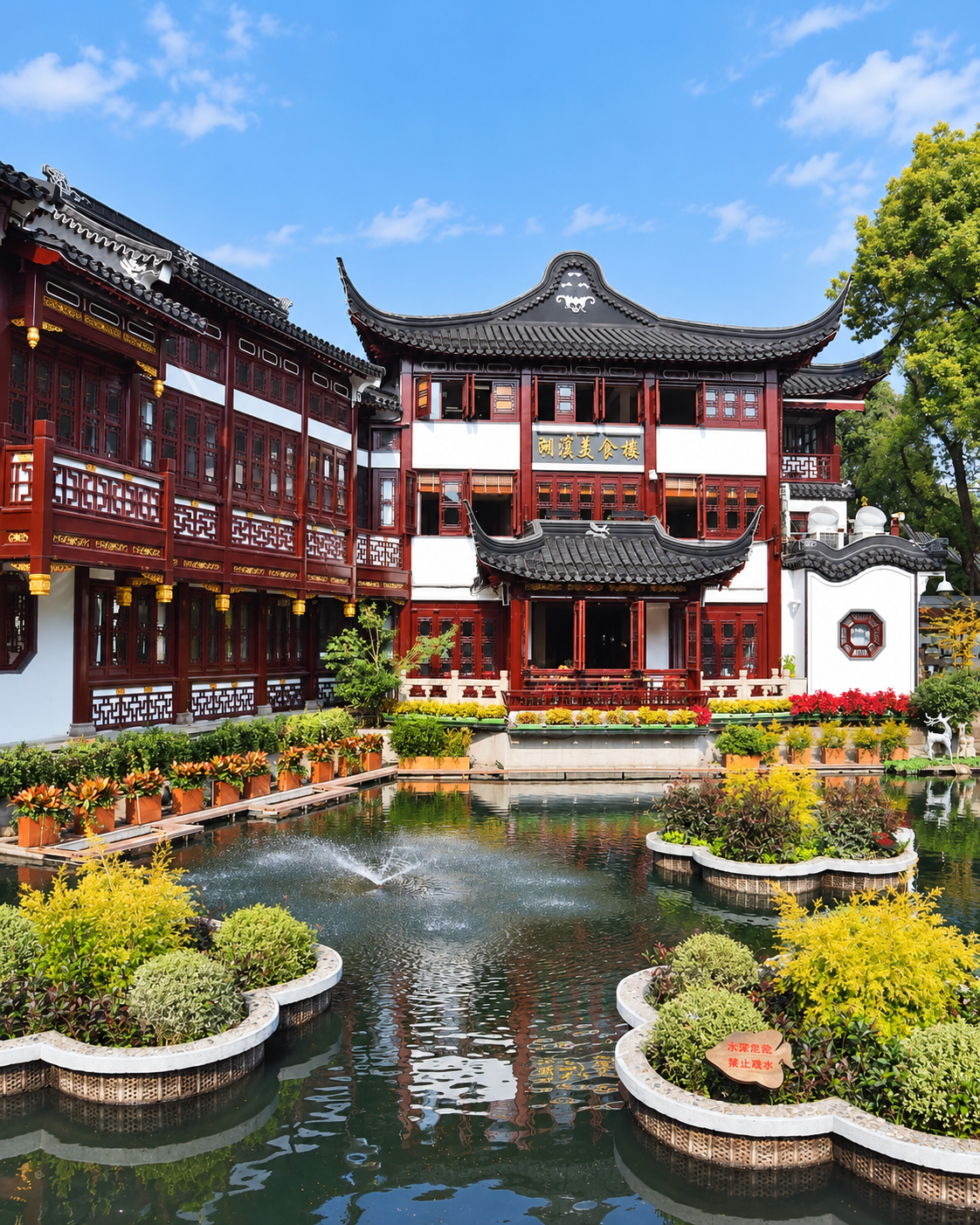
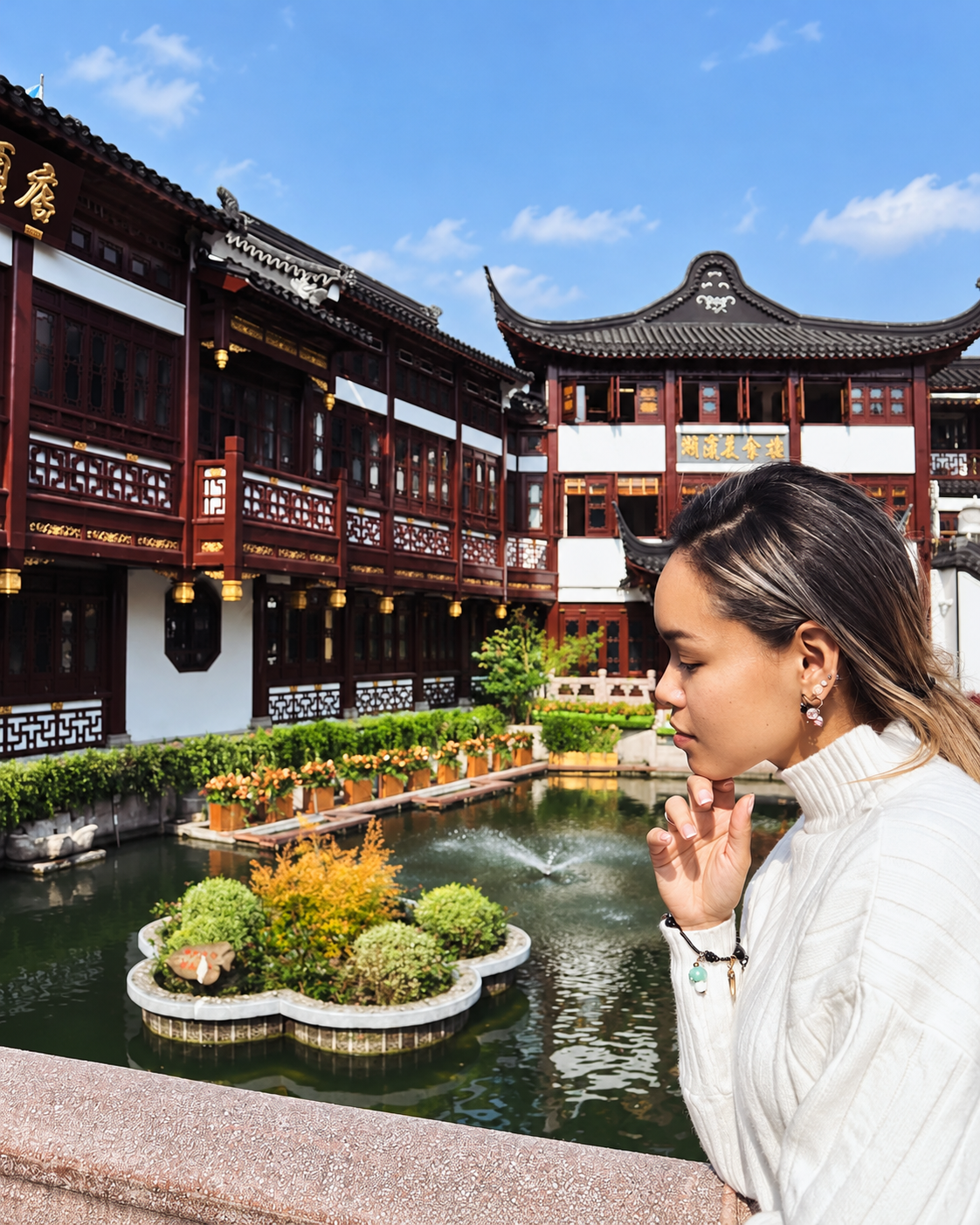
Yu Garden — its name translating roughly to “garden of happiness” — dates to the Ming Dynasty, built more than four centuries ago as a private family retreat that became, on completion, among the most prestigious garden estates in Shanghai. Its design follows classical Chinese garden philosophy rather than Western landscaping logic: rockery representing mountains, water representing movement and continuity, pavilions built specifically to create pauses for reflection, and pathways designed to encourage discovery rather than efficient transit. The garden’s six scenic areas — including the twelve-metre Huangshi stone rockery at Sansui Hall, the rosewood-furnished Yuhua Hall, and an Inner Garden first laid out in 1709 — are meant to be experienced through movement rather than observed from any single vantage point, a structural argument about how attention itself should move through a space.


Jing’an Temple: Ancient Buddhism Among Skyscrapers
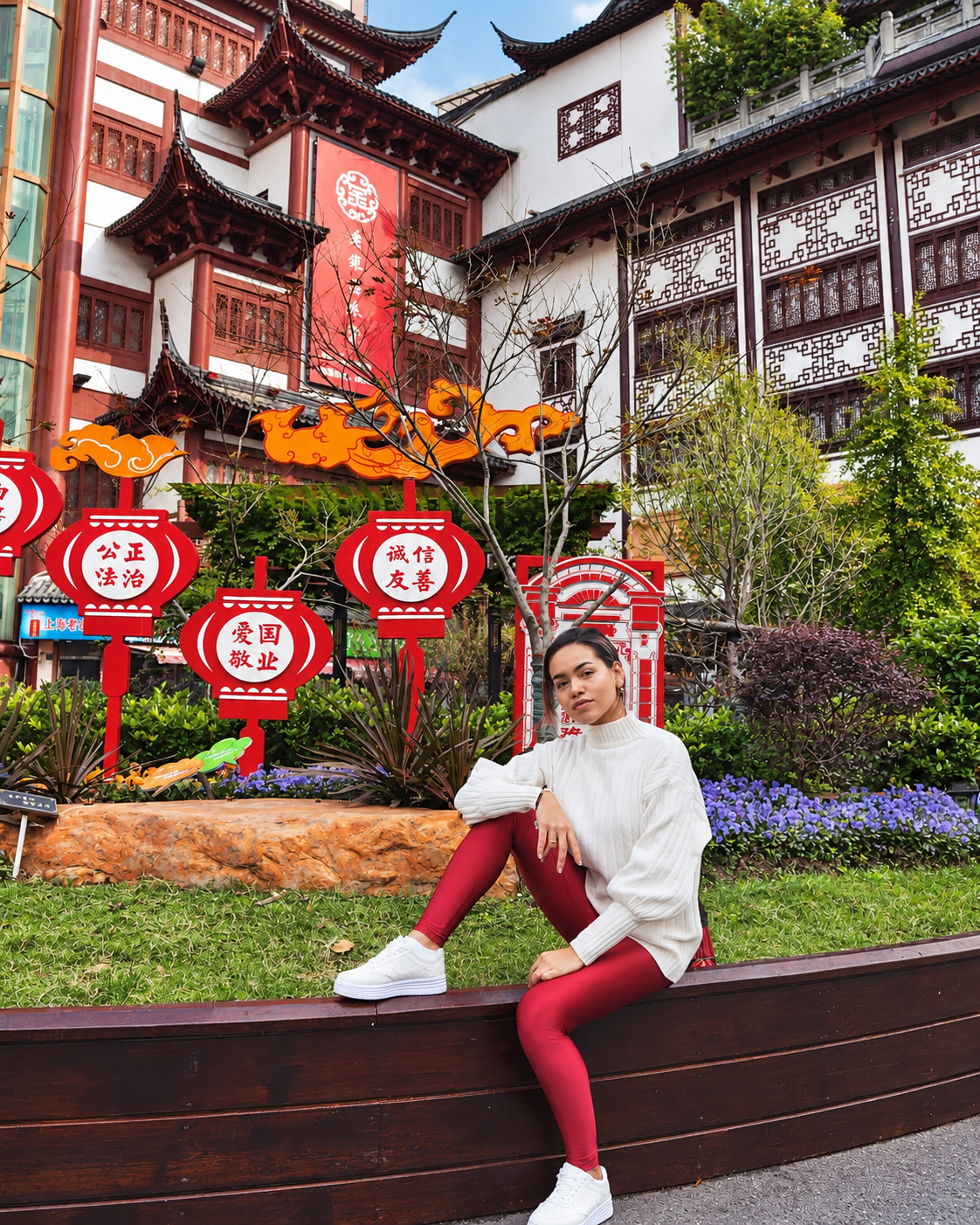
Few sites in Shanghai stage the city’s central contradiction as directly as Jing’an Temple, its imposing gilded walls rising directly against the luxury retail and commercial towers that now surround it on every side. Its history is a genuine record of Shanghai’s own turbulence: founded in the third century, relocated to its present site during the Song Dynasty, destroyed in 1851, rebuilt, converted into a plastics factory during the Cultural Revolution, and finally restored to religious use in 1983. Are Shanghai temples worth visiting? Jing’an is the clearest possible answer, precisely because its survival was never guaranteed — the temple’s continued presence in the middle of one of the city’s most commercially developed districts is itself the argument the brief set out to make: Shanghai does not erase what came before it. It builds around it, however inconvenient the geometry.



Jade Buddha Temple: The Journey of Sacred Art
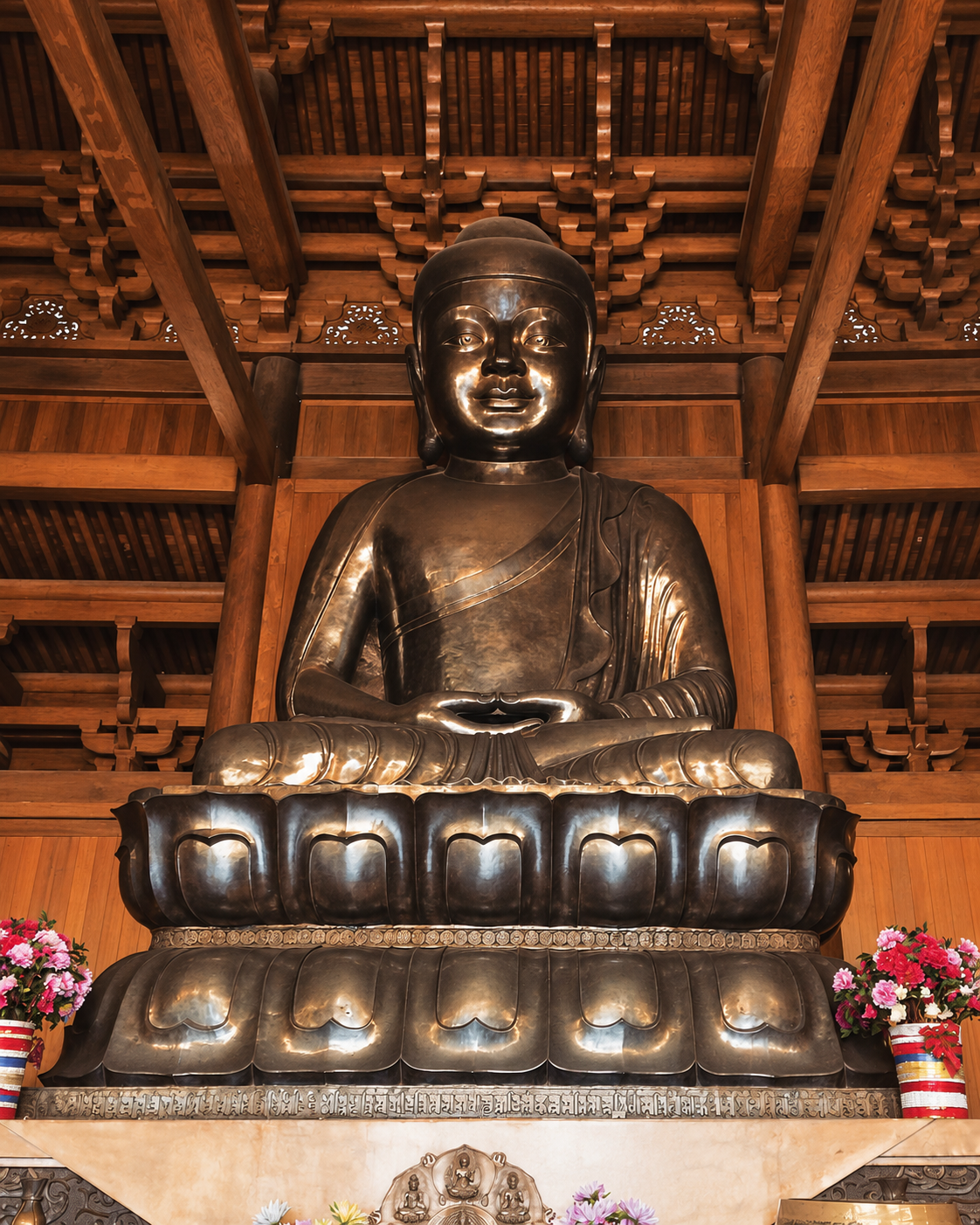
Founded in 1882 to house two jade Buddha statues carried by sea from Burma, Jade Buddha Temple is as much a monument to cultural exchange as it is to devotion — sacred art that arrived in Shanghai already carrying a journey inside it.
The temple’s centrepiece, a seated Buddha nearly two metres tall and carved from pale Burmese jade, sits in its own hall at the rear of the complex, alongside a smaller reclining jade Buddha depicting the moment of Buddha’s death. A larger reclining Buddha, carved from marble and donated from Singapore, occupies a more visible position in the complex and is frequently mistaken by visitors for the original — a small but telling detail about how easily the story behind an object can be lost even when the object itself remains perfectly visible. The temple draws from both the Pure Land and Chan traditions within Mahayana Buddhism, its Hall of Heavenly Kings, Great Treasure Hall, and Ten Thousand Buddhas Hall each maintaining active devotional use alongside the pilgrimage draw of the jade statues themselves.


How Value Compounds Over the Years
Most objects lose value as they age. Sacred objects tend to do the opposite, and the reason is repetition. Each generation that lights incense before the same image, rings the same bell or recites from the same text adds a layer of use to the object. A statue that has been venerated for a century is not the same as one made last year, even if they are physically identical, because the first carries a century of devotion and the second carries none. The object becomes a record of everyone who has ever stood in front of it.
This is why temples place so much weight on continuity. Restoration in this tradition is not treated as an act of replacing the old with the new. It is treated as an act of care, performed so that the practice can continue. Halls are rebuilt, roof tiles replaced and gilding renewed, while the objects of worship, and the rituals attached to them, carry on. The building is understood as a vessel; what matters most is that the practice it holds is not interrupted.
Shanghai offers a clear view of this idea because its temples sit inside one of the fastest-changing cities on earth. The Jade Buddha Temple takes its name from the jade Buddha statues brought to the city from Burma in the late nineteenth century, and the temple was built to house them. Longhua Temple is traditionally dated to the third century, and its pagoda, a landmark of old Shanghai, belongs to a lineage of Buddhist architecture that reaches back about a thousand years. Jing’an Temple is also traditionally dated to the third century, and its present buildings are a modern reconstruction. Different eras, different states of preservation, one shared fact: each remains an active place of worship.
That last point deserves emphasis. A temple that has been rebuilt, sometimes more than once, raises a question the Western idea of heritage struggles with: is a reconstructed temple still the same temple? In the Chinese tradition the answer turns less on the age of the timber than on the continuity of the practice and the objects of devotion. A hall can be new; the lineage, the ritual and the sacred images make it the same place.
The history of religious objects in China is also a history of interruption. Over the twentieth century, many temples across the country were damaged, repurposed or closed, and some sacred objects were lost, hidden or moved. What survived, and what was later restored, therefore carries an additional weight: it has outlasted a period in which survival was not assured. For a visitor, this changes how the objects read. A statue that has passed through such a century is not only a work of art or devotion. It is a survivor, and the care with which it is now tended is part of its meaning.
The resulting value is difficult to price and impossible to replicate. It cannot be manufactured quickly, copied convincingly or moved without loss, because it depends on place, use and time. In a city defined by speed and glass, the temples are the places that hold a different measure of worth: the slow accumulation of attention across generations.
Shanghai’s temples, including the Jade Buddha Temple, Longhua Temple and Jing’an Temple, remain active places of worship, not only heritage sites. They hold sacred images, relics and ritual objects whose value is spiritual, historical, artistic and communal, and which grow in meaning through continued use. They offer a record of the city’s religious life that predates its modern skyline.
Why Shanghai’s Temples Matter in the Future of Travel
Cities increasingly compete not only through their attractions but through their identity — through what they have chosen to carry forward rather than discard on the way to becoming something newer. Shanghai’s temples make the case that the strongest global cities are the ones that integrate their history rather than abandon it, a distinction Condé Nast Traveller has increasingly foregrounded in its own coverage of cities balancing rapid development against cultural continuity. The living-tradition status of these sites — active ritual, ongoing restoration, genuine community use — situates them within the same framework UNESCO’s Intangible Cultural Heritage programme has spent decades formalising: heritage understood as a practice still being performed, not an artefact simply being displayed. The Shanghai Municipal Tourism Administration’s own cultural heritage documentation reflects the same emphasis, treating the city’s temples as active civic infrastructure rather than a separate historical category set apart from daily life. Jade Buddha Temple’s own sculptures, meanwhile, sit within a wider tradition of Buddhist jade and stone carving that institutions such as the Smithsonian’s National Museum of Asian Art have long worked to contextualise for audiences encountering this material tradition for the first time.
This same instinct — architecture and craft continuing to function rather than simply being preserved — runs through other cities and traditions this editorial series has traced: Cairo’s Pharaonic, Coptic, Islamic, and modern layers sharing the same street, an ancient Naxian temple still standing inside working farmland, and a 1,400-year-old Indian painting tradition that survives specifically because it kept adapting rather than freezing. Shanghai’s own fashion industry offers a parallel of a different kind — the same city that protects Longhua’s Song Dynasty pagoda is also building an entirely new creative economy a few kilometres away, evidence that acceleration and continuity are not, as they might first appear, opposing forces. A comparable synthesis of heritage and reinvented ritual runs through Mykonos’s own layered identity, where a windmill economy became a global symbol without erasing what it was built from.
Shanghai’s greatest stories were never only in its skyline. They continue beneath it, in incense smoke and bell strikes and rockery arranged four centuries ago to be discovered rather than simply viewed — proof that the most advanced cities are rarely the ones that move fastest away from their own past. They are the ones that have learned, with real discipline, how to carry it forward instead.
“A city can rebuild
its skyline
every few years
and still keep
a pagoda from the Song Dynasty
standing exactly
where it always stood.
Shanghai was never choosing
between the future
and its own memory.
It simply refused
to believe
it had to pick.”

