
On fragrance molecule volatility at elevated temperature, the role of skin hydration in scent longevity, the chemistry of top-heart-base note acceleration in warm climates, the convergence of skincare and perfumery in modern formulation, and why the most intelligent fragrance wardrobe is built around biology rather than bottles.
A warm morning. Skin still holding the heat of a shower. Humidity in the air before the day has fully established itself. A fragrance applied before leaving the house — and within minutes, something has shifted. The citrus opening is brighter, sharper, gone faster. The floral heart arrives earlier than expected. The base settles closer to the skin with a warmth that was not there in winter. This is not imagination. It is chemistry. Summer does not simply change how fragrance feels. It changes how fragrance behaves — at the molecular level, on the specific surface of your specific skin, in the particular quality of the air around you.
Fragrance is not a fixed object. It is a living interaction between volatile organic compounds, skin temperature, sebum production, hydration levels, and environmental humidity — all of which change when the season changes, and none of which are visible in the bottle that sits on a bathroom shelf. The perfume that defines you in October is not the same perfume in July. It is the same formula encountering a fundamentally different set of conditions — and the encounter produces a different result. Understanding this is not a niche concern for perfume collectors. It is the foundation of any genuinely intelligent approach to fragrance.
The chemistry of summer fragrance — why heat changes everything
The relationship between temperature and fragrance behaviour is rooted in a single physical principle: volatility. Fragrance molecules are volatile organic compounds — substances that exist as liquids at room temperature but readily transition to vapour, which is the state in which they reach the olfactory receptors and become perceptible as scent. The rate at which this transition occurs is directly governed by temperature: as ambient and skin temperature rise, fragrance molecules evaporate more rapidly, which increases their immediate projection but reduces their longevity. This is why a fragrance that lasts eight hours in January may project dramatically in the first hour of a July morning and then fade within four.
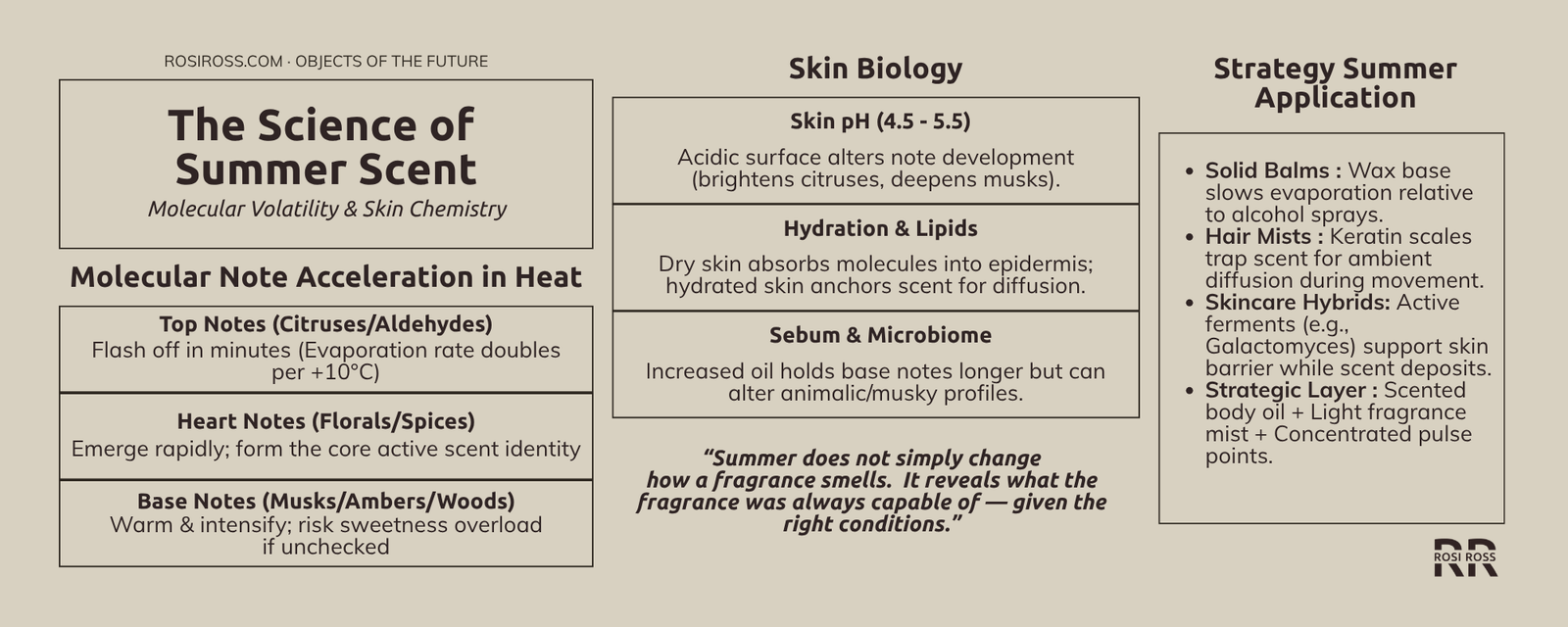
The specific implications for the fragrance’s structural experience — its top, heart, and base note progression — are significant. Top notes, which are typically composed of the lightest and most volatile molecules (citrus compounds like limonene and linalool, green aldehydes, light aquatic accords), evaporate first under any conditions. In heat, they evaporate faster — sometimes so fast that the citrus opening that defines a fragrance’s character is perceptible for minutes rather than the fifteen to thirty minutes typical in cooler temperatures. This is not a flaw in the fragrance. It is the formula responding accurately to a change in conditions.
Heart notes — typically florals, spice, and aromatic herbs — respond differently. Their moderate volatility means they become the dominant character more quickly in summer, as the rapid departure of top notes accelerates the transition. The effect is that a fragrance can feel more “already settled” on warm skin — more immediately floral or aromatic, with less of the bright top-note arrival that defines its cooler-weather opening. Base notes — the musks, ambers, woods, and resins that provide fragrance’s depth and longevity — are the least volatile and behave most consistently across seasons, though their character amplifies on warm skin: musks become warmer and more skin-close, ambers become richer, vanilla and gourmand bases can intensify to the point of sweetness overload in extreme heat. The most considered fragrance selections account for this seasonal volatility by choosing formulations whose heart and base notes perform with the same integrity in July that their top notes provide in October.
Volatility in fragrance refers to the rate at which scent molecules transition from liquid to vapour — the state in which they are detected by the olfactory system. Each fragrance molecule has a specific volatility determined by its chemical structure: lighter molecules (citruses, green notes, light aldehydes) are highly volatile and evaporate quickly; heavier molecules (musks, ambers, resins, woods) are less volatile and evaporate slowly, which is why they form the base notes that persist longest on skin. Temperature directly governs volatility: for every 10°C increase in temperature, the evaporation rate of most organic compounds approximately doubles. This means that a fragrance applied in summer heat does not simply smell “stronger” — it moves through its structural progression faster, reaching its heart and base notes more rapidly and with greater immediacy than the same formula applied in winter. The most intelligent approach to summer fragrance selection accounts for this acceleration by choosing formulations whose heart and base note characters are as compelling as their top note openings.
Skin chemistry — the invisible ingredient in every perfume
No two people wearing the same fragrance smell identical. This is not a romantic notion about individuality. It is a chemical fact about the specific properties of individual skin — its pH, its sebum production, its hydration level, its microbiome, and its surface temperature — all of which influence how fragrance molecules bind to the skin’s surface, how they interact with the compounds naturally present there, and how they evaporate into the surrounding air.
Skin pH is among the most significant individual variables. The skin’s surface is naturally slightly acidic, with a pH typically ranging between 4.5 and 5.5, but this varies significantly between individuals and across different areas of the body. Fragrance molecules interact with this acidic environment: some florals brighten on lower-pH skin, some musks deepen, some citruses develop a sharper character. The practical implication is that a fragrance tested on a blotter in a shop and a fragrance applied to warm skin after twenty minutes of sun exposure are genuinely different olfactory experiences — the same formula in two different chemical environments.
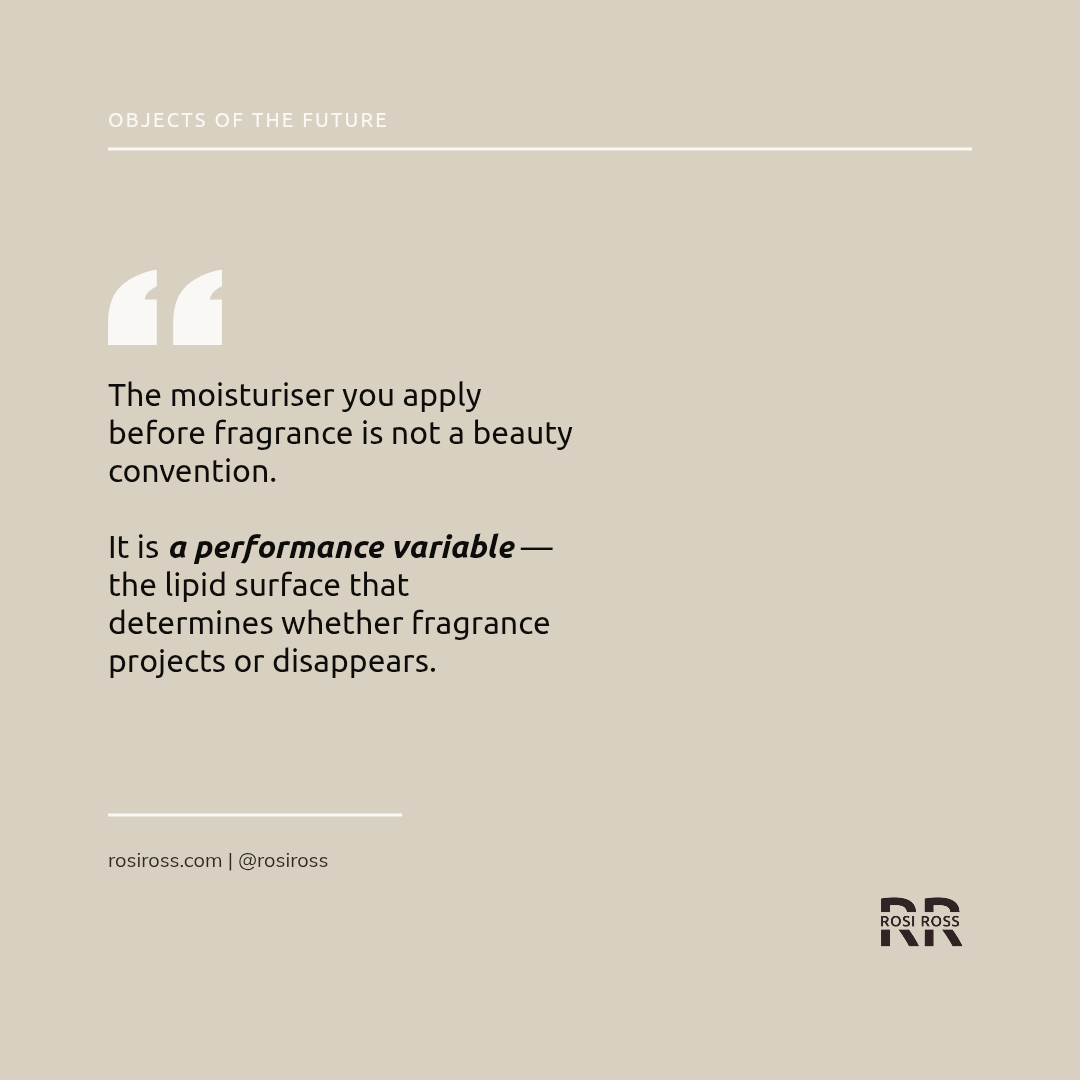
Skin hydration is the single most actionable variable in summer fragrance performance. Dry skin absorbs fragrance more rapidly, because the skin’s depleted lipid barrier allows molecules to penetrate rather than remaining at the surface where they can evaporate and project. The result is reduced projection and reduced longevity — fragrance that seems to disappear rather than develop. Well-hydrated skin, by contrast, provides a slightly oily, lipid-rich surface that holds fragrance molecules in the optimal position for gradual evaporation and sustained projection. This is why the standard professional advice to apply fragrance after moisturising is not a beauty convention. It is the correct application of fragrance chemistry to skin biology. The same principle that makes barrier-supporting skincare the most effective approach to skin health makes it the most effective foundation for fragrance performance: hydrated, lipid-supported skin is the best possible surface for fragrance to live on.
In summer specifically, the skin’s increased sebum production — the body’s natural response to heat, producing more oil to protect and regulate the skin’s surface temperature — creates a more complex fragrance environment. Higher sebum levels can extend fragrance longevity by providing a lipid base for molecule adhesion, but they can also interact with specific fragrance compounds in ways that alter the scent’s character. This is part of why summer can make certain musky or animalic notes in a fragrance more pronounced — the skin’s own chemistry becomes part of the formula.
Fragrance performance is determined by the interaction between the formula’s specific molecules and the individual skin’s chemical environment — including pH (typically 4.5–5.5, but variable between individuals), hydration level, sebum production, microbiome, body temperature, and the specific diet and lifestyle factors that influence skin chemistry. Some fragrance molecules are pH-sensitive, developing differently on more acidic or more alkaline skin. Others are temperature-dependent, projecting more intensely on warmer skin. The microbiome — the community of micro-organisms living on the skin’s surface — produces its own volatile compounds that interact with fragrance molecules, subtly altering the combined scent. The practical consequence is that the wearer becomes an active participant in the fragrance’s composition: the formula is the same in the bottle; what emerges on the skin is always a collaboration.
Summer fragrance rituals — how application changes performance
The most significant practical intelligence about summer fragrance application is also the most consistently overlooked: where and how a fragrance is applied governs its performance as fundamentally as the formula itself. The same bottle applied to the correct points on prepared skin performs categorically differently from the same bottle misted into the air and walked through — and the difference compounds in summer heat, when every variable in the fragrance’s behaviour is amplified.
Pulse points — the wrists, the neck, behind the ears, the décolletage, the inner elbows, the backs of the knees — are the optimal application sites because they are the body’s warmest points, where blood vessels run close to the skin’s surface and generate the local heat that drives fragrance evaporation and projection. In summer, when overall body temperature is elevated, the differential between pulse points and surrounding skin is reduced — which means fragrance applied across a broader area of warm skin can project more diffusely than the concentrated pulse point application optimal in cooler months. The practical adjustment for summer is to apply to fewer points but to ensure those points are well prepared: moisturised, clean, at body temperature.
Layering — the practice of building a fragrance experience across multiple product formats — becomes both more practical and more rewarding in summer, when the lighter formats that form the lower layers of a scent wardrobe (body mists, scented oils, hair fragrances) perform with greater presence in warm, humid conditions. A scented body oil applied as a base layer provides the lipid foundation that maximises the longevity of an eau de parfum applied over it. A hair fragrance — applied to the shaft rather than the roots — diffuses warmth-activated scent with every movement, creating an ambient presence that skin-applied fragrance alone does not provide. The sum of these layers is not simply a stronger version of any one product. It is a scent experience with depth, movement, and complexity that changes as the day and the temperature change around it.

The summer fragrance wardrobe — ten formulations across the full spectrum
The intelligent summer fragrance wardrobe is not a collection of seasonal novelties. It is a considered selection across the full range of fragrance formats, intensities, and skin-application philosophies — from the lightest body mist through the most deliberate evening eau de parfum. The following ten formulations represent this range, each understood through the lens of summer skin chemistry and seasonal fragrance behaviour rather than through conventional product description.
The Cosmic Kylie Jenner Intense Eau de Parfum represents the case for richer, more complex formulations in summer’s evening register. The intuition against intense fragrances in heat requires examination: while heavy florals and gourmand bases can become cloying in midday humidity, the same intense compositions can perform with extraordinary depth and projection during warm evenings when skin is heated but not perspiring, the air has cooled marginally, and the fragrance’s heavier molecules find the precise temperature conditions that allow them to project without overwhelming. An intense eau de parfum applied at dusk — to the décolletage and the wrists, after an evening shower — finds summer’s most flattering conditions.

The Caudalie Ange des Vignes Light Fragrance represents the lighter fragrance movement with the specific intelligence of a brand whose formulation philosophy is rooted in viniferine chemistry and botanical transparency. A light fragrance — the category that includes eaux fraîches, eaux de cologne, and the emerging “skin scent” tier — is not a diluted version of an eau de parfum. It is a specifically formulated composition designed to perform well at lower concentration, which requires that the molecules chosen for its heart and base are inherently stronger performers at lower doses. Applied generously to warm summer skin, a genuinely well-formulated light fragrance creates an aura of freshness that refreshes through the mechanism of evaporative cooling as well as olfactory perception. The same evidence-based approach that distinguishes effective skincare from merely pleasant skincare applies to fragrance: the concentration on the label matters less than the quality of what is in it.

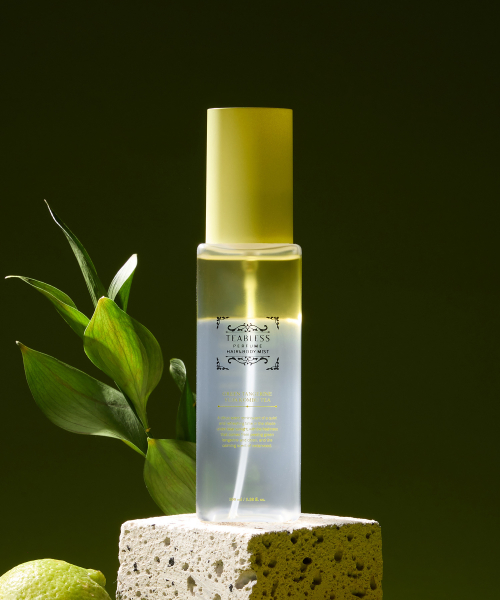
The TEABLESS Teabless Perfume Hair & Body Mist addresses the dimension of summer fragrance that conventional application overlooks: the hair. Hair holds fragrance differently from skin — its structure of overlapping keratin scales traps scent molecules in the interstitial spaces, releasing them gradually as the hair moves through air. In summer heat, this release is continuous and ambient: a fragrance applied to the hair at the root-distance recommended by most hair fragrance formats creates a scent trail with every movement. The argument for hair fragrance in summer is not about intensity. It is about diffusion: the creation of a scent presence that moves with the body through space rather than radiating from fixed points.
The SIDIA Braless Solid Perfume represents the return of a format whose origins predate the modern perfume bottle by centuries: solid fragrance, carried in a compact or tin and applied directly to the skin by fingertip. The solid format’s advantage in summer is specific and chemical: the wax or balm base in which the fragrance molecules are suspended slows their evaporation relative to an alcohol-based spray, providing a more controlled release that performs with particular elegance in the hottest conditions. Applied with precision to the wrist or the collarbone, a solid perfume creates a skin-close scent that evolves slowly through the day rather than projecting powerfully and then fading. It is the fragrance equivalent of a slow-burning candle rather than a struck match — the same eventual warmth, experienced differently in time.

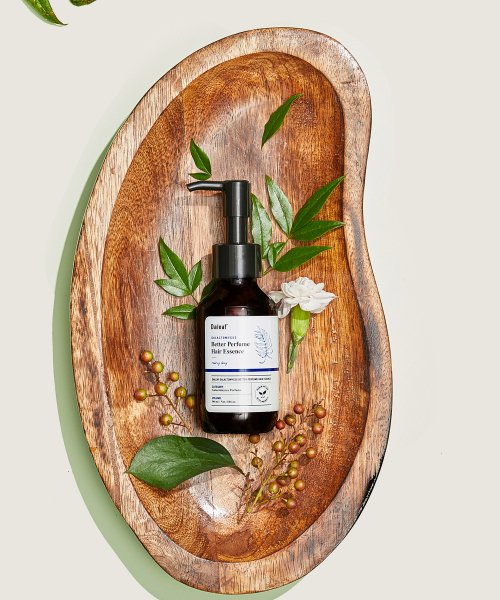
The DALEAF Galactomyces Better Perfume Essence represents the most structurally interesting category in contemporary fragrance: the convergence of skincare actives and fragrance compounds in a single formulation. Galactomyces ferment filtrate — the yeast-derived fermentation compound whose role in brightening and barrier-supporting skincare has been extensively documented — provides a biological base for a fragrance experience that is simultaneously cosmetically functional. The essence format applies like a serum, absorbs like a skincare product, and leaves a scent that is intimate and skin-close rather than projecting. In the context of summer skin chemistry, this format is particularly intelligent: the skincare actives maintain skin hydration and barrier function — the very conditions that maximise fragrance longevity — while the fragrance layer is simultaneously deposited. The most sophisticated approach to summer skin understands that every product applied should earn its place through genuine functional contribution rather than merely pleasant sensory experience.
The Fresh Hesperides Grapefruit Eau de Parfum is the definitive argument for citrus in summer — which requires qualification. The standard advice to avoid citrus fragrances in summer is based on the accurate observation that their top notes disappear quickly in heat. What this advice misses is that a well-constructed citrus eau de parfum — one in which the grapefruit, bergamot, or lemon opening is supported by a substantial heart and base — delivers its most vivid performance in precisely the conditions that most challenge it. The accelerated top-note evaporation produces a burst of freshness at the moment of application that is more intense and more immediate than in cooler conditions; the heart and base that follow are experienced with greater warmth; and the overall effect is of a fragrance that performs with particular generosity rather than particular brevity. Hesperides — the citrus category named for the Greek mythological garden of golden apples — belongs to Mediterranean summer as naturally as any ingredient in the perfumer’s palette.

The Moroccanoil Dahlia Rouge Hair & Body Fragrance Mist demonstrates how a brand rooted in hair care intelligence approaches fragrance with the same understanding of surface chemistry that informs its primary category. The mist format — alcohol-based, lighter than an eau de parfum, designed for broad application across body and hair — performs most intelligently when used as the foundational layer of a fragrance wardrobe rather than as a standalone. Applied to warm, damp skin after a shower, the alcohol carrier evaporates immediately, depositing the fragrance molecules in the lipid-depleted surface of just-washed skin at the moment it is most receptive. The dahlia and floral heart that develops over the following hours acquires the specific warmth of skin that has been gently heated by the summer morning — a character that the same formula applied to cold, dry winter skin would not produce.

The BOSS The Scent Eau De Parfum Intense makes the case for deep, woody-oriental compositions in summer’s evening register more directly than any other product in this selection. The Intense concentration designation indicates a higher fragrance oil load, which paradoxically makes this formulation more appropriate for warm conditions than a lighter concentration of the same formula would be: the greater molecular density means that the heavier base notes — which perform optimally on warm skin — have sufficient presence to project without the acceleration of a light carrier. Applied with restraint to one or two pulse points on warm evening skin, an intense eau de parfum becomes a scent of genuine sophistication that evolves through the evening as skin temperature and ambient conditions shift.

The La Senza Candy Blush Body Butter is the product in this selection that most directly addresses the skin hydration argument that underpins all of summer fragrance performance. A scented body butter — its fragrance dispersed through a rich emollient base of butters and oils — deposits its scent compounds in the same application that maximises the lipid layer supporting their longevity. The body butter applied to slightly damp post-shower skin locks in moisture, creates the lipid-rich surface that holds fragrance molecules in optimal position, and simultaneously delivers a gourmand-adjacent scent that the warm skin temperature will amplify through the day. The nostalgic register of the candy-adjacent gourmand — a category that dominated early 2000s beauty culture and has returned with genuine cultural momentum — performs in summer heat with a rounded sweetness that the same formula in dry winter air cannot produce.

The Marc Jacobs Daisy Wild Eau de Parfum Set closes the wardrobe with the category that has historically defined summer fragrance’s most enduring aesthetic: the modern floral. Daisy Wild’s nature-inspired composition — its green-floral-musk architecture — demonstrates how contemporary perfumery has evolved the traditional summer floral beyond the heavy, powdery florals of earlier decades into something cleaner, more transparent, and more specifically calibrated to the way warm skin carries its molecules. A green-floral composition applied to sun-warmed skin develops a specific character: the green top notes read as more vivid and more alive than in cooler conditions; the white floral heart deepens rather than sweetens; the clean musk base reads as skin rather than synthetic. The effect is of a fragrance that smells not of a flower but of a person who has been near flowers — which is precisely the sophistication that the best modern florals aspire to.

What is fragrance layering — and why does it work better in summer?
Fragrance layering is the practice of building a scent experience across multiple product formats — typically a scented body wash or oil as a base, a body lotion or butter as a middle layer, and an eau de parfum or mist as the top layer — to create depth, longevity, and complexity that a single product cannot achieve alone. Each layer contributes differently: a scented body oil provides a lipid base that holds fragrance molecules at the skin’s surface; a body mist deposits lighter, more volatile molecules broadly across the skin; an eau de parfum concentrates more complex, longer-lasting accords at specific pulse points. In summer, layering works particularly effectively because the elevated skin temperature drives the volatilisation of all layers simultaneously, creating a multi-dimensional scent environment that evolves differently at different distances from the skin — intimate and skin-close at one level, projecting and complex at another. The key discipline in layering is using the same or complementary fragrance families across formats to ensure the layers support rather than compete with each other.
The future of fragrance intelligence — climate-aware, skin-responsive, and deeply personal
The direction that fragrance innovation is moving toward is not simply more sophisticated formulas or more complex accords. It is a more intelligent understanding of the relationship between formula, environment, and the individual biology of the person wearing it. The fragrance consumer who understands volatility, skin pH, the role of hydration in longevity, and the structural behaviour of top-heart-base progression across different temperature conditions is not simply a more educated buyer. They are a participant in the fragrance’s composition in a way that the uninformed consumer is not — and their experience of the same bottle is genuinely richer and more precisely calibrated.
The skincare-fragrance convergence represented by products like the DALEAF Galactomyces Perfume Essence is a structural direction rather than a product category: the understanding that fragrance performance and skin health are not separate concerns but interdependent variables that optimise each other when approached with the same intelligence. Hydrated, barrier-supported skin holds fragrance longer — the same barrier intelligence that defines the most considered skincare approach directly governs fragrance performance. Fragrance-infused skincare deposits its scent compounds in precisely the conditions — good hydration, healthy lipid layer — that maximise their performance. The formulation challenge is to achieve both without compromising either — and the brands succeeding at this intersection are among the most interesting in contemporary beauty. The same intelligence that governs the most considered approach to ingredient selection in skincare applies to fragrance: understanding what is in a formula, how it behaves on skin, and what conditions optimise its performance is the foundation of any genuinely considered relationship with scent.
The personalised fragrance direction — the movement toward recommendations, formulations, and application rituals calibrated to individual skin chemistry, lifestyle, and environmental context rather than generic seasonal categories — represents the deepest evolution available to the fragrance category. It is the direction in which the most sophisticated fragrance houses are investing, and it reflects a consumer maturity that the beauty industry at its best has always worked to cultivate: the understanding that the most beautiful result is always the one most precisely matched to the specific person rather than the one that meets the broadest general standard.
Fragrance longevity on skin is determined by the interaction between fragrance molecule volatility, skin surface chemistry, hydration level, sebum production, body temperature, and ambient humidity — all of which vary between individuals and across seasons. The most common causes of reduced summer longevity are: accelerated evaporation from elevated skin temperature (fragrance molecules leaving the skin faster than in cooler conditions); dry skin absorbing molecules into the epidermis rather than holding them at the surface; and increased perspiration disrupting the lipid layer that holds fragrance molecules in place. The most effective strategies for maximising longevity in summer are: applying fragrance to moisturised or oil-treated skin to create an optimal holding layer; focusing application on pulse points where warmth drives controlled projection; layering fragrance formats (body butter, body mist, eau de parfum) to create depth and redundancy; and choosing formulations with strong heart and base note characters, since these survive the accelerated top-note evaporation of warm conditions most effectively.
“Fragrance is not chosen.
It is experienced —
in collaboration with skin temperature,
the humidity of a specific morning,
the particular chemistry of a specific body.
Summer does not simply change
how a fragrance smells.
It reveals what the fragrance
was always capable of,
given the right conditions.
The most intelligent approach to scent
is not owning more bottles.
It is understanding the one you have
deeply enough
to know what it becomes
when your skin is warm.”

