
On the Japanese concept of biōdou — the pursuit of beautiful skin through ritual rather than intervention — the geisha skincare tradition as the origin of Tatcha’s formulation philosophy, the specific ingredients of Japanese beauty intelligence, and why the most enduring approach to skin is always the one most deeply rooted in cultural knowledge rather than commercial trend
There is a Japanese concept that has no precise English equivalent: biōdou — a compound of bi (beauty) and dō (way or path) that describes beauty not as a destination but as a practice, a discipline, a way of moving through the world that produces its effects over time rather than through intervention. It is the same conceptual structure as judō (the way of gentleness), sandō (the way of tea), and bushidō (the way of the warrior): a long practice with specific forms, rituals, and materials that produces its deepest effects only through sustained, patient, repeated engagement. Tatcha is the most complete contemporary translation of this philosophy into the language of global luxury skincare — and understanding its formulation choices requires understanding the cultural intelligence from which they emerge.
As Allure’s deep dive into Japanese beauty ingredients documents, the botanical intelligence developed through Japan’s skincare tradition consistently precedes Western cosmetic science’s confirmation of the same benefits. Victoria Tsai founded Tatcha in 2009 after discovering an 1800s Japanese beauty manual — the Ukiyo Beauties Makeup Manual — while travelling in Kyoto, and observing the specific skin quality of maiko (apprentice geisha) who used traditional Japanese ingredients rather than Western cosmetics. The brand’s formulation philosophy is rooted in three foundational Japanese beauty ingredients — hadasei-3, a trinity of Japanese superfoods comprising green tea (antioxidant), rice (brightening), and algae (hydrating) — and in the broader Japanese skincare tradition of preparing, protecting, and preserving skin through consistent ritual rather than through the aggressive intervention of high-concentration actives. This is not a marketing position. It is a philosophically coherent approach to skin that has been validated over more than a thousand years of Japanese cultural practice — and that produces a specific quality of skin that the intervention-first Western skincare tradition has rarely achieved with the same consistency.
The geisha skincare tradition — ritual as the original skincare technology
The geisha and maiko skincare tradition is one of the oldest codified beauty practices in the world — a set of specific rituals, materials, and principles developed over centuries in the tea houses and performance spaces of Kyoto and refined through the specific demands of a profession in which the quality of the skin was both a professional asset and a personal identity. The heavy white makeup (oshiroi, a rice powder-based paste) that defines the geisha’s formal appearance was the most demanding possible test of the underlying skin’s condition: skin that was not adequately cared for, hydrated, and maintained would not hold the oshiroi evenly or allow it to be removed without damage. The elaborate removal rituals — using specific plant-based cleansing preparations to dissolve the pigment without stripping the skin’s own lipids — and the subsequent rehydration and nourishment rituals that followed every performance were not beauty indulgences but professional necessities, repeated daily across a career that could span decades.
The specific ingredients that emerged from this tradition — rice bran as a gentle exfoliant and brightening agent, green tea as an antioxidant and anti-inflammatory, camellia oil as a lightweight emollient rich in oleic acid, seaweed extracts as hydrating and mineral-rich preparations — were chosen not through laboratory analysis but through the accumulated empirical observation of women whose professional survival depended on the quality of their skin. The result was a material intelligence about the specific properties of Japanese botanical ingredients that preceded Western cosmetic chemistry by centuries — and that continues to provide the formulation foundation for the most thoughtful contemporary Japanese beauty brands. Vogue’s documentation of Japanese beauty philosophy identifies this geisha tradition as one of the most influential in the history of global skincare: a codified beauty practice whose depth and consistency produced outcomes that have shaped international understanding of what excellent skin looks like and how it is achieved.
What is Japanese skincare philosophy — and how does it differ from Western approaches?
Japanese skincare philosophy is characterised by three principles that distinguish it from the intervention-first approach that has dominated Western skincare: preparation before treatment (the understanding that well-prepared, well-hydrated skin receives active ingredients more effectively and tolerates them with less irritation than unprepared skin); layering over loading (applying multiple lightweight layers of hydration, nourishment, and protection rather than a single heavy product that attempts to deliver all benefits simultaneously); and prevention over correction (prioritising consistent daily practices that maintain skin integrity over time rather than periodic high-intensity interventions that address specific problems as they arise). These principles are culturally encoded in the Japanese concept of the skincare ritual — the specific sequence of steps, products, and techniques that forms the foundation of daily skincare practice — and they produce a specific quality of skin characterised by deep, lasting hydration; a fine, even texture; and the specific luminosity that Japanese beauty describes as mochi-hada (skin like mochi — smooth, soft, and plump).
The Tatcha formulation philosophy — Japanese ingredients through a modern scientific lens
Tatcha’s formulation philosophy sits at a specific and rarely occupied intersection: the rigorous application of modern cosmetic science to the specific ingredients and principles of the Japanese beauty tradition, without either diluting the cultural intelligence of the source or packaging it as authenticity theatre for a Western consumer. The brand’s hadasei-3 trinity — Japanese green tea, rice, and algae — is present across its formulations not as a marketing claim but as a coherent ingredient system whose components address complementary aspects of skin health.
Japanese green tea (Camellia sinensis), consumed in Japan for over 800 years as a health practice, provides polyphenol antioxidants — particularly epigallocatechin gallate (EGCG) — that neutralise free radicals generated by UV exposure and environmental pollution before they can initiate the oxidative and inflammatory processes that compromise barrier integrity and accelerate visible ageing. Rice (Oryza sativa) provides multiple beneficial compounds: rice bran extract contains gamma-oryzanol and ferulic acid, both documented antioxidants; rice starch provides gentle mattifying and softening texture effects; and inositol, a component of rice, supports skin elasticity. Japanese algae provides a specific combination of hydrating polysaccharides, mineral content, and amino acid profiles that support the skin’s natural moisturising factors. Together, these three ingredients form a system in which antioxidant protection, barrier support, brightening, and hydration operate simultaneously — which is precisely the combination that the most enduring Japanese skincare traditions identified empirically and that contemporary cosmetic chemistry has subsequently validated. The same evidence-based intelligence that defines the most considered approach to performance skincare governs Tatcha’s formulation choices: cultural knowledge confirmed by scientific understanding, not cultural knowledge substituted by it.
What is Hadasei-3 — and why is it the formulation foundation of the Tatcha range?
Hadasei-3 is Tatcha’s proprietary trinity of Japanese superfoods — green tea (Camellia sinensis), rice (Oryza sativa), and Japanese algae — present across every product in the range as a consistent biological foundation. The name combines hada (skin) and sei (vitality or life force) with the numeral three, reflecting the three-ingredient system’s function as the essential biological support for skin vitality. Green tea provides polyphenol antioxidants (particularly EGCG, epigallocatechin gallate) that neutralise free radical damage from UV and environmental pollution. Rice provides gamma-oryzanol and ferulic acid (antioxidants), inositol (elasticity support), and gentle brightening and texture-refining properties. Japanese algae provides hydrating polysaccharides, a mineral profile that supports natural moisturising factors, and amino acids that support the skin’s structural proteins. Together, the three ingredients address antioxidant protection, hydration, barrier support, and brightening simultaneously — providing the complete biological foundation on which every Tatcha product’s specific benefit is built.
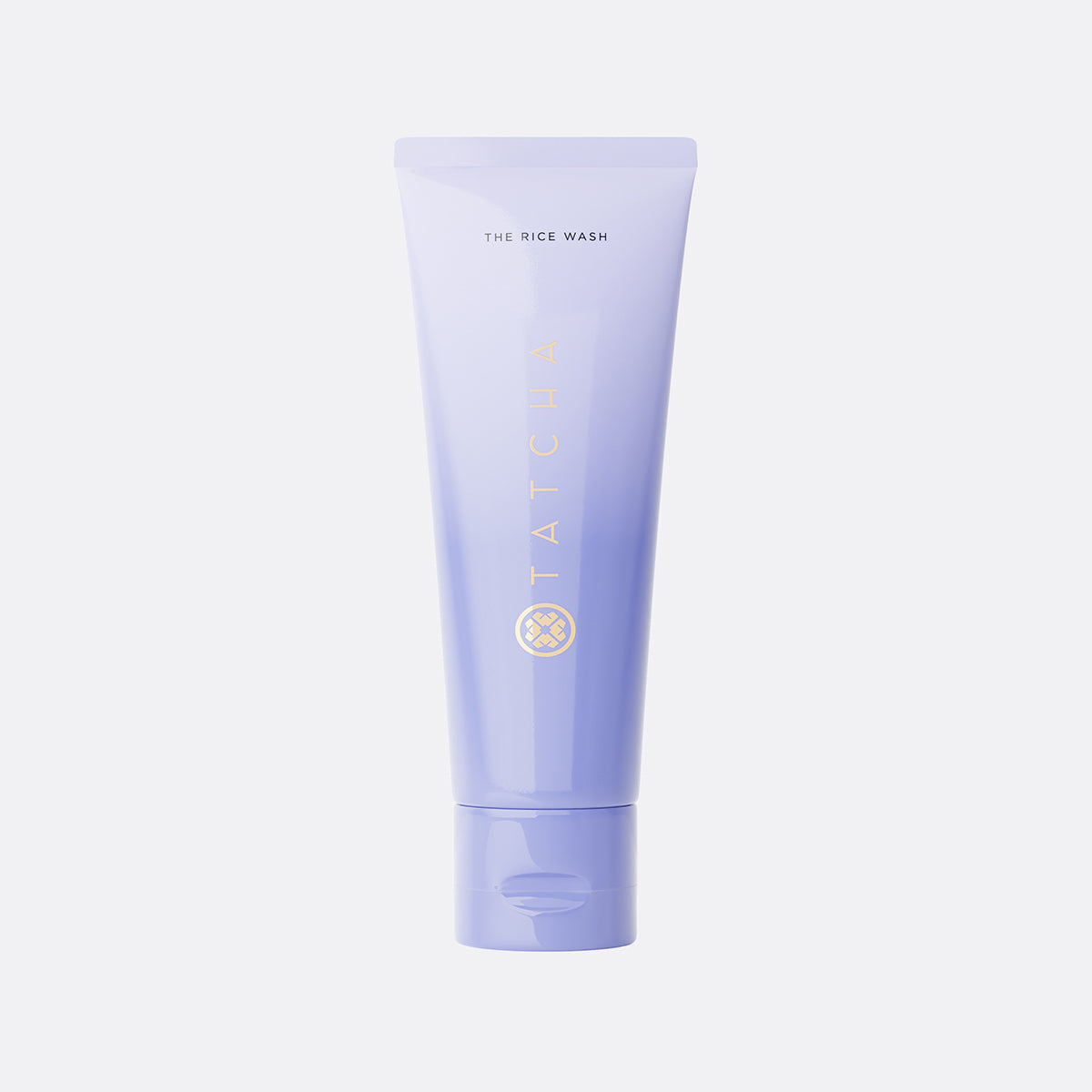
Cleansing as ritual — the rice tradition and the first act of care
In the Japanese ritual, skincare does not begin with application. It begins with removal — and with the understanding that how the skin is cleansed determines everything that follows. The geisha tradition made this explicit: the oshiroi that defined the formal face had to be dissolved at the end of every performance with preparations gentle enough to protect the skin’s own lipids, because skin stripped by its cleansing routine could not hold the next day’s application. Rice bran — the milled by-product of rice polishing — was among the materials valued for this purpose as a mild cleansing and brightening agent, a reminder that many of the most enduring Japanese beauty ingredients began as by-products of the culture’s own staple foods.
The Tatcha The Rice Wash translates this first act of care into a soft cream cleanser — a texture that belongs to the lineage of cleansing without confrontation, in which the measure of success is not the squeak of stripped skin but the condition in which the face arrives at the next step. Its name acknowledges the rice tradition, and its place at the head of the ritual follows the principle of preparation before treatment: skin that is cleansed gently reaches every subsequent step with its barrier intact and its capacity to receive hydration undiminished. The barrier-first logic that governs the most considered modern skincare reaches the same conclusion from the opposite direction: the cleanser is not a separate product category but the first decision about whether the barrier will be protected or spent.
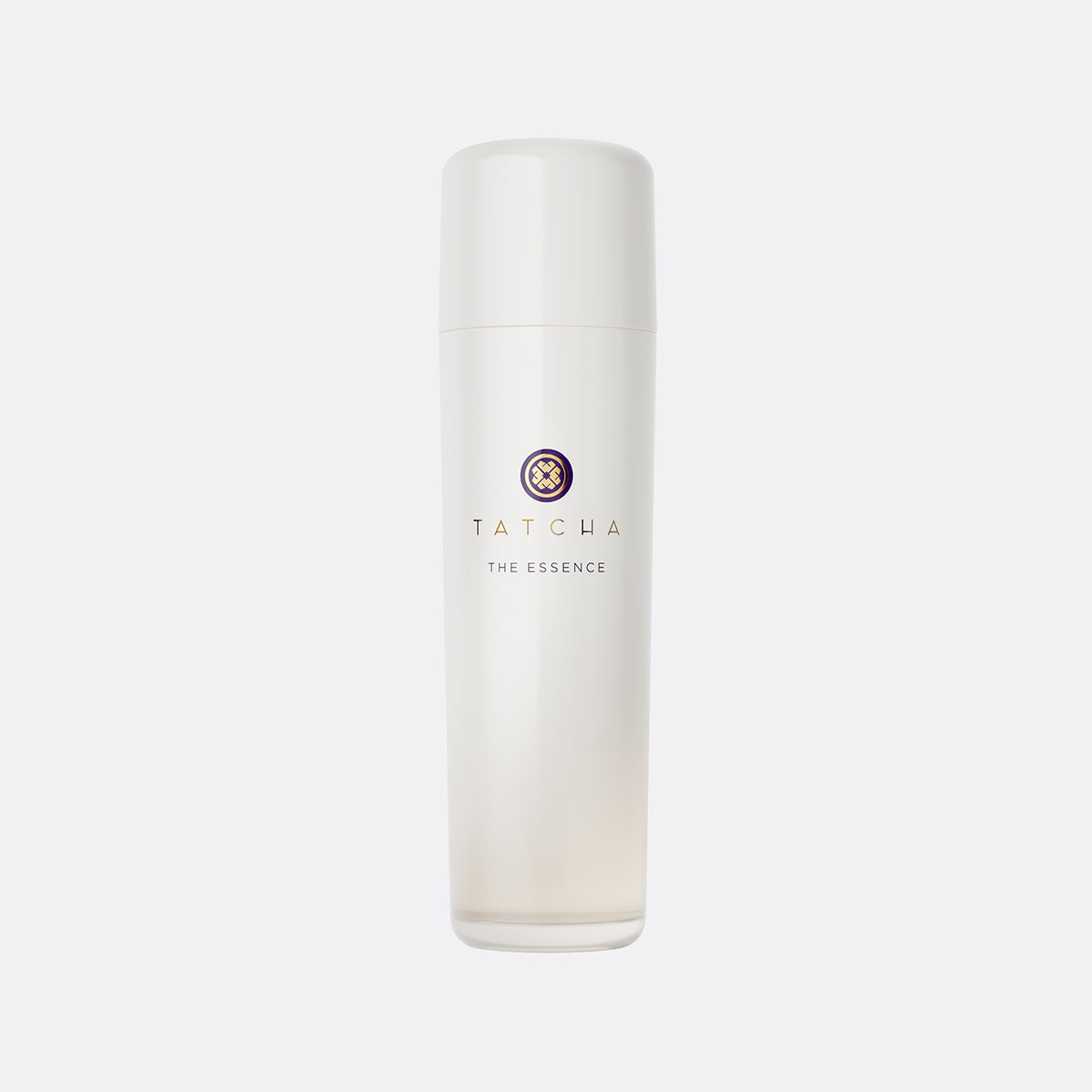
The essence — preparation before treatment
Japanese skincare places a particular weight on the step between cleansing and moisturising: the thin, fast-absorbing liquid layer — in the Japanese tradition the lotion or essence — whose purpose is not to deliver a dramatic result but to prepare the skin to receive everything that follows. The logic is the first of the three principles that distinguish the tradition: well-prepared, well-hydrated skin receives active ingredients more effectively and tolerates them with less irritation than unprepared skin. It is a principle that rewards patience, because its effects are cumulative rather than immediate — a quality that sits naturally in a culture in which beauty is a way and not a destination.
The Tatcha The Essence is positioned by the brand as a skincare-boosting treatment with a healthy-ageing, firming orientation, and its role in the ritual is exactly this preparatory one: a layer applied early, whose value lies in the condition in which it leaves the skin for the serums, creams and protection that come after. The same principle of layering lightweight steps over loading a single heavy product explains why the essence, in a well-built routine, is not an optional extra but the place where the later steps are given the best chance to work.
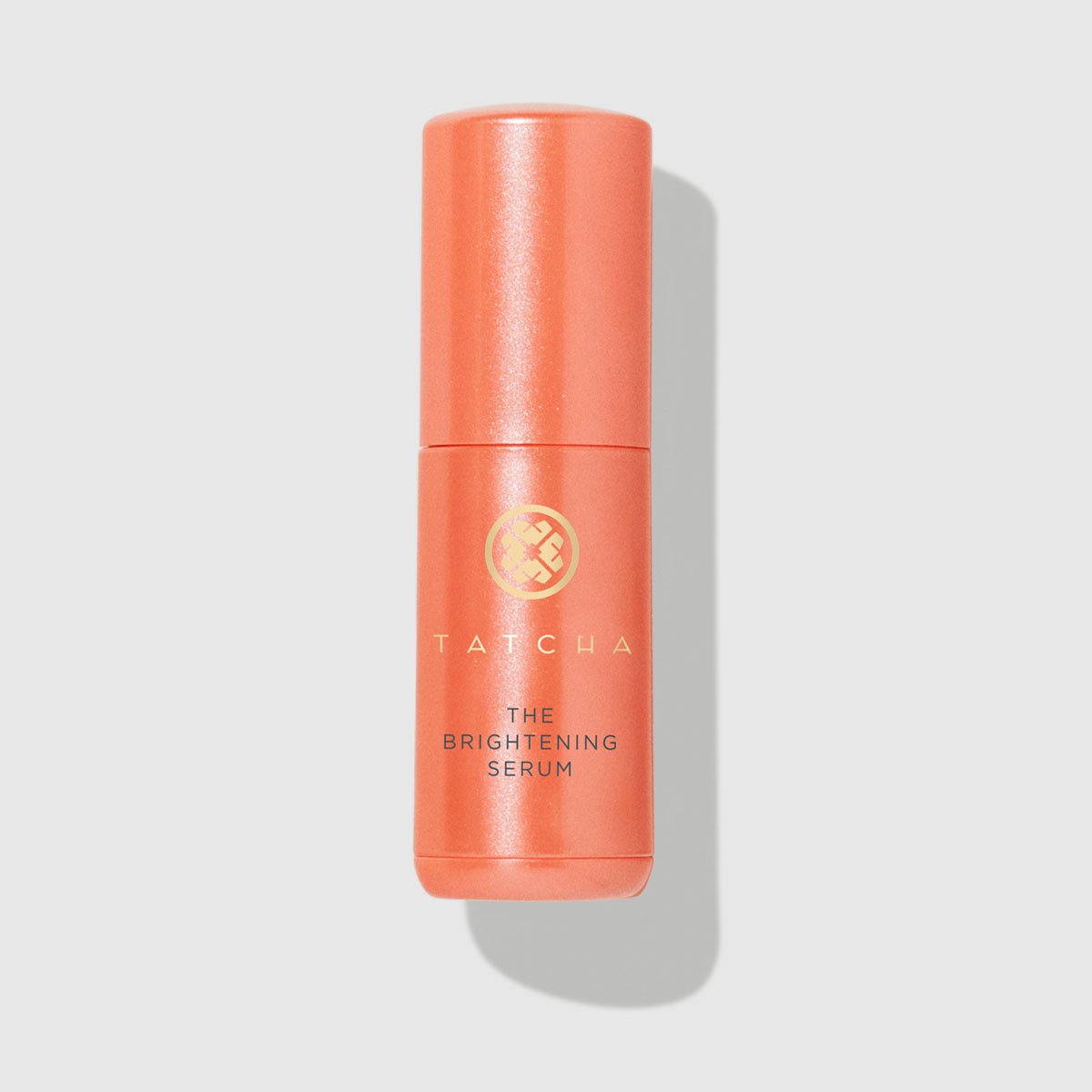
Brightening as cultural concept — the Japanese approach to luminosity
The Japanese beauty concept of hada-iro — literally “skin colour” but used culturally to describe the quality of luminosity and clarity that healthy skin produces — has a different meaning from the Western skincare concept of brightness. Where Western brightening skincare tends to mean the reduction of visible pigmentation through melanin-inhibiting actives — kojic acid, arbutin, niacinamide, vitamin C at high concentrations — the Japanese concept of luminosity is more holistic and more subtle: the quality of light that healthy, well-hydrated, well-prepared skin reflects from its surface, which is as much a function of texture refinement, moisture content, and barrier integrity as of actual pigmentation. Skin that looks dull is frequently skin that is dehydrated, not skin that is hyperpigmented — and the most immediate brightening intervention available is often adequate hydration and barrier support rather than a targeted depigmenting active.
The Tatcha The Brightening Serum approaches luminosity through this more complete understanding: hadasei-3 provides the antioxidant foundation that prevents the oxidative processes which produce surface dullness; the specific brightening ingredients address visible pigmentation through gentle, sustained activity rather than through the aggressive concentration that can irritate or sensitise. The most intelligent approach to skin luminosity understands that brightness is always a function of surface condition, hydration, and antioxidant protection operating together — and that the Japanese tradition of addressing all three simultaneously, rather than targeting pigmentation in isolation, produces the most consistent and most sustainable results.
The eye as the face’s most vulnerable surface — Japanese precision applied
The periorbital area — the skin surrounding the eyes — presents a specific set of challenges that no other facial zone shares in combination: it is thinner than skin elsewhere on the face (approximately 0.5mm, compared to approximately 2mm on the cheeks), it is subject to constant movement through blinking and facial expression, it has fewer sebaceous glands and therefore less natural lipid support, and it is among the most sensitive to both topical irritants and environmental stress. The consequence of all four of these properties operating simultaneously is that the periorbital area both ages visibly earlier than surrounding facial skin and is less tolerant of the high-concentration actives that might address that ageing most efficiently. The Japanese philosophy of gentle, consistent nourishment rather than aggressive intervention is therefore not simply a conservative skincare choice in this zone. It is the most intelligent available one.
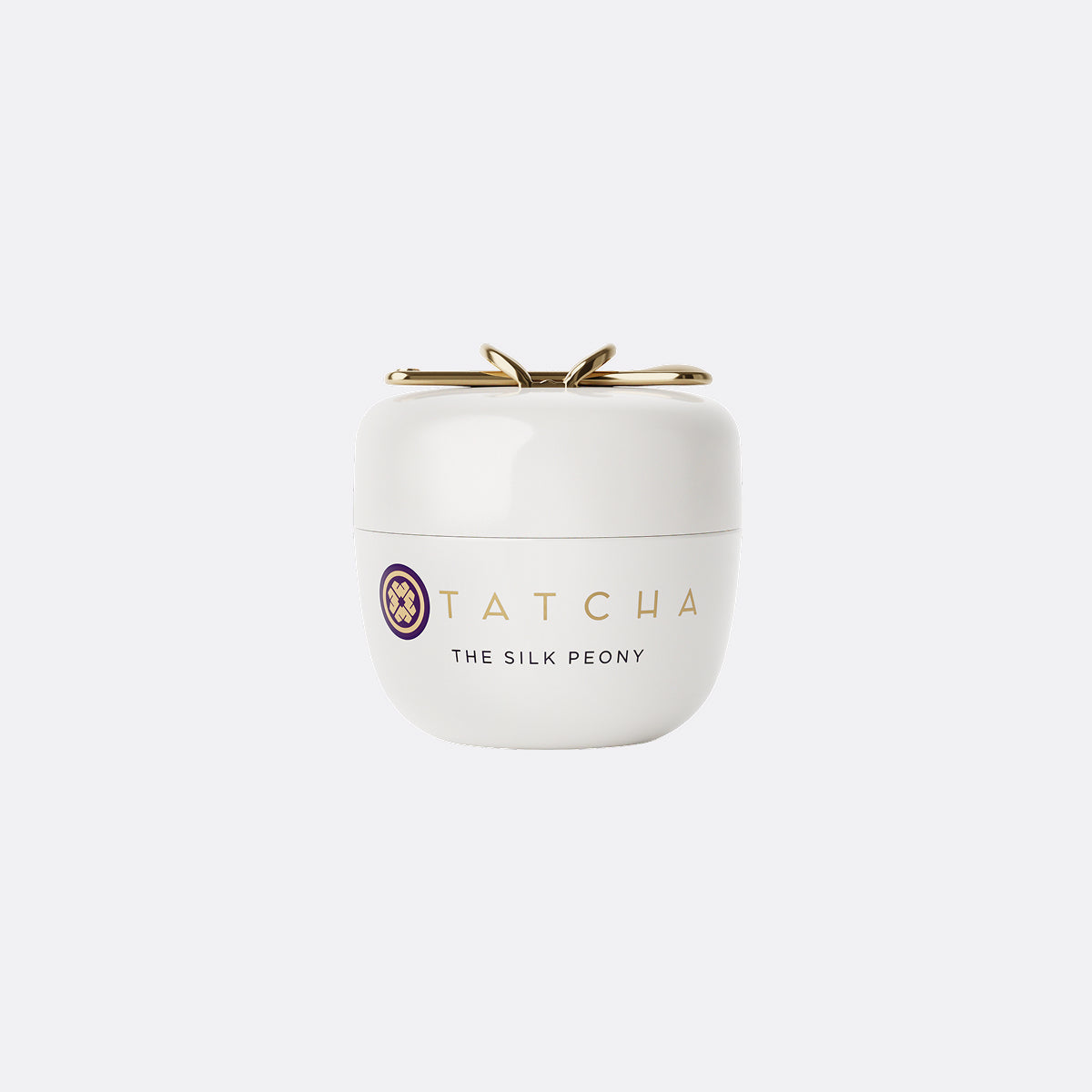
The Tatcha The Silk Peony Line Smoothing Eye Cream formulates for this specific vulnerability: silk extracts provide the slip and light-refracting quality that reduces the visual prominence of fine lines around the eyes; Japanese peony root extract provides antioxidant support appropriate for the delicate periorbital skin; and the hadasei-3 system provides the hydration and nourishment that the area’s limited sebaceous activity cannot provide itself. The texture — rich enough to provide meaningful moisture without being so heavy that it migrates into the eye during wear — reflects a formulation intelligence about the specific requirements of periorbital skin that generic moisturisers applied to the eye area cannot match.
The longevity philosophy — Japanese anti-ageing as a cultural orientation
Japan has one of the world’s highest longevity rates and one of the world’s most developed cultural relationships to the concept of ageing gracefully — a relationship expressed in the aesthetic philosophy of wabi-sabi (the beauty of imperfection and impermanence) and in the specific vocabulary of age in the face that Japanese culture has historically regarded with less anxiety than Western beauty culture. The Japanese approach to anti-ageing skincare is therefore not primarily corrective in its orientation. It is preservative and nourishing: prioritising the maintenance of the skin’s own biological functions over the correction of specific visible changes, and deploying ingredients that support the skin’s own capacity for renewal rather than overriding it with high-concentration actives that produce dramatic short-term results at the cost of long-term barrier integrity.
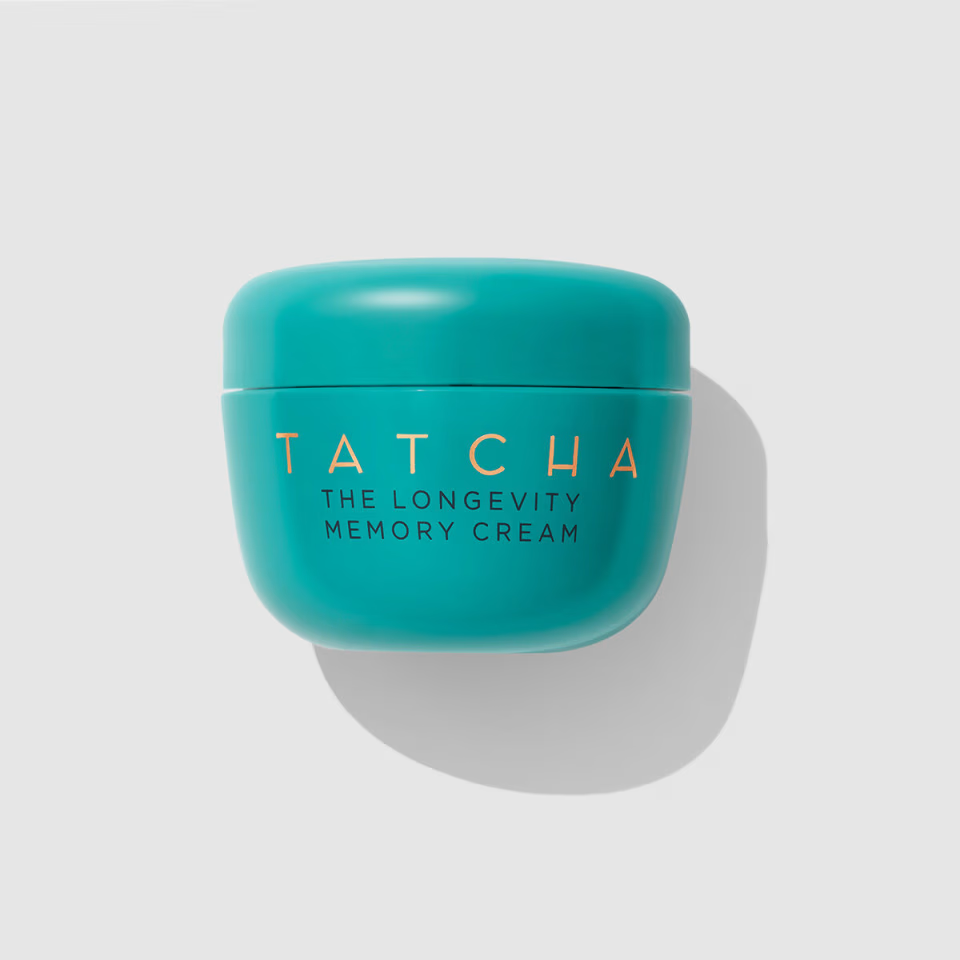
The Tatcha The Longevity Memory Cream translates this philosophy into a moisturiser that prioritises the restoration and maintenance of skin’s structural integrity over time — the deep, sustained hydration that keeps the dermal matrix supplied with the water it needs to maintain collagen and elastin organisation, the antioxidant protection that prevents the cumulative oxidative damage that accelerates structural ageing, and the barrier support that limits the transepidermal water loss that accelerates the visible signs of both dehydration and intrinsic ageing. The Tatcha Ageless Enriching Renewal Cream extends this philosophy with a richer, more occlusive texture appropriate for skin that requires more substantial barrier support — particularly mature skin with declining ceramide synthesis and reduced sebaceous activity. The most enduring approach to anti-ageing skin is not the most aggressive intervention but the most consistent and most biologically appropriate daily practice — which is, in essence, the Japanese beauty philosophy stated in the language of contemporary skincare science.

What is Wabi-Sabi — and how does it inform the Japanese approach to skin and beauty?
Wabi-sabi is a Japanese aesthetic philosophy that finds beauty in imperfection, incompleteness, and impermanence — the specific quality of an aged wooden bowl, a hand-thrown ceramic with an irregular glaze, a garden that shows the mark of seasons. Applied to skin and beauty, wabi-sabi informs an approach that does not pursue the correction of every visible sign of age but rather the cultivation of skin that is healthy, vital, and expressive of the life lived in it. In practical skincare terms, this manifests as a preference for preservation over correction, for consistent gentle ritual over periodic aggressive intervention, and for the development of skin that improves in character and depth over time rather than skin that simply appears younger. It is the philosophical foundation of the most enduring Japanese beauty practice — and it produces the specific quality of aged skin that Japanese culture has historically regarded not as a problem to be solved but as a form of natural beauty to be supported.
Preparing the canvas — the primer as philosophy
If the essence is the first act of preparation, the primer is the last: the point at which the skincare ritual hands the face over to the complexion. In the Tatcha approach it functions not as a makeup product that sits between skincare and foundation but as the bridge between them: a formulation that completes the skincare preparation of the skin’s surface while simultaneously creating the optimal conditions for complexion application.
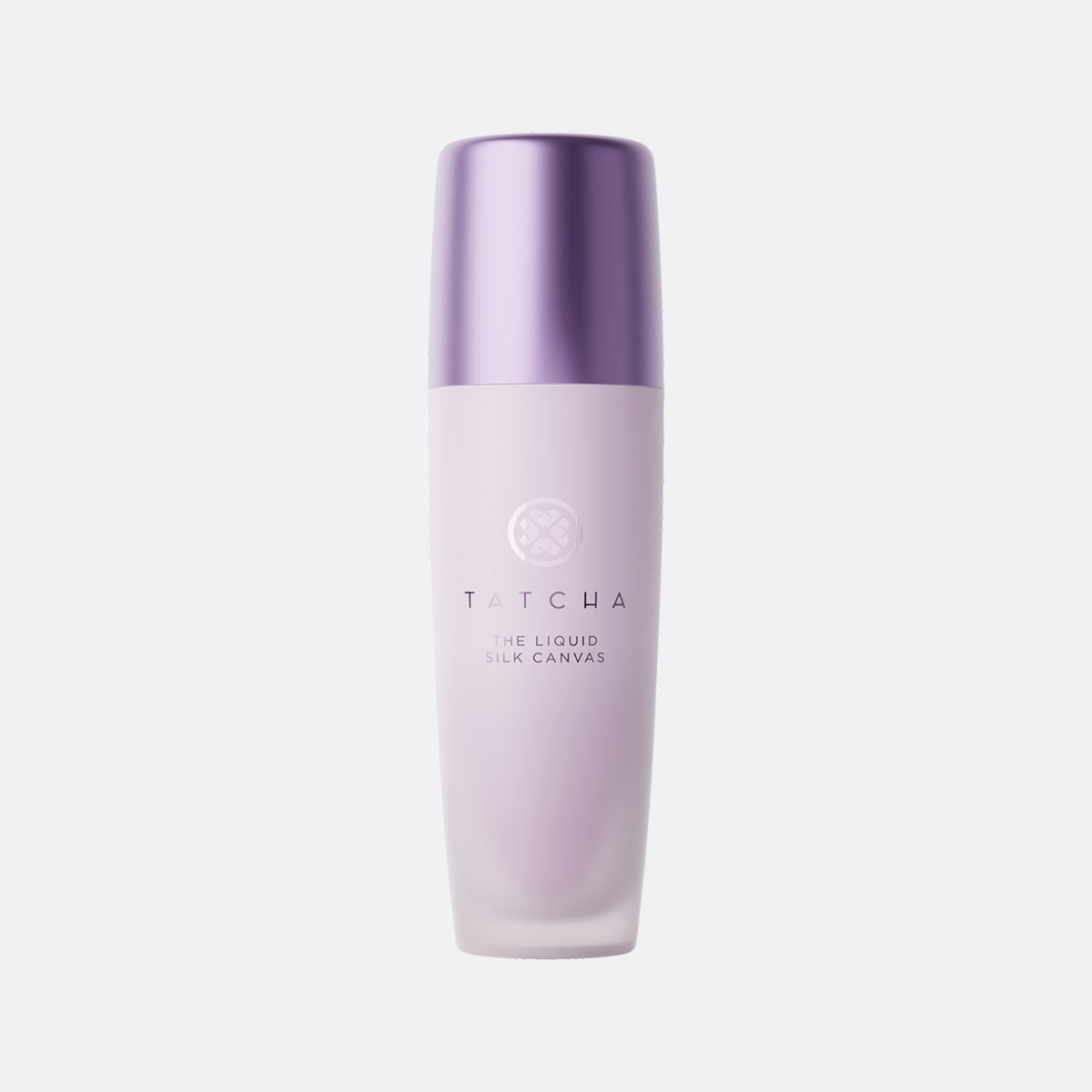
The Tatcha The Liquid Silk Canvas Protective Primer is built around the same formulation intelligence that governs the brand’s skincare: the hadasei-3 system provides active skin benefit while the primer’s specific texture — the liquid-silk quality that gives the product its name — creates a surface that is simultaneously smooth for complexion application and permeable for continued skin benefit throughout wear. The featherweight texture achieves genuine optical blurring — the reduction of visible pore size and surface texture irregularities — without the heavy silicone load that most optical blurring primers require, which means it does not compromise the skin’s ability to breathe, regulate temperature, or receive the continued benefit of the skincare layers beneath it. This is not a primer that sits on the skin. It is a primer that becomes part of it. How a complexion is built from day to night begins here, with the surface on which everything else is placed.
Finishing as skincare — the mist that completes the complexion
The Japanese beauty philosophy’s approach to the relationship between skincare and makeup rests on a simple refusal: the understanding that finishing the complexion is not a moment at which skincare stops and cosmetics begin, but a continuation of the same philosophy of preparation and preservation through different materials. The aesthetic aim is tsuyahada — dewy, lustrous skin — rather than the flat mattification that most finishing products produce: a luminosity that reads as the skin’s own and not as a coating placed over it.
The Tatcha The Luminous Dewy Skin Mist is a 2-in-1 hydrator and finishing spray, which places it exactly where the philosophy says finishing should happen: a final layer that is simultaneously skincare and finish. Where a powder fixes a complexion by absorbing, a mist does so by contributing — and the difference in the resulting light is the difference between the matte and the dewy ideals of beauty. A fine veil of moisture also carries the sensibility the word tsuyahada names: the freshness of skin that has just been attended to, which is the quality a long-wearing complexion most readily loses by the end of the day and most benefits from having restored.

The ritual that continues — touch-up as part of the practice
A ritual that ends at the bathroom door is a routine and not a way. The Japanese understanding of skincare as practice assumes continuity: the condition of the skin at midday, in an air-conditioned office or on a long journey, belongs to the same project as its condition at dawn, and the traditional sensibility — attentive, unhurried, interested in small repeated acts of care — extends naturally to the hours between the morning and evening rituals. Surface dryness accumulates gradually, through the day, in environments that rarely favour the skin.
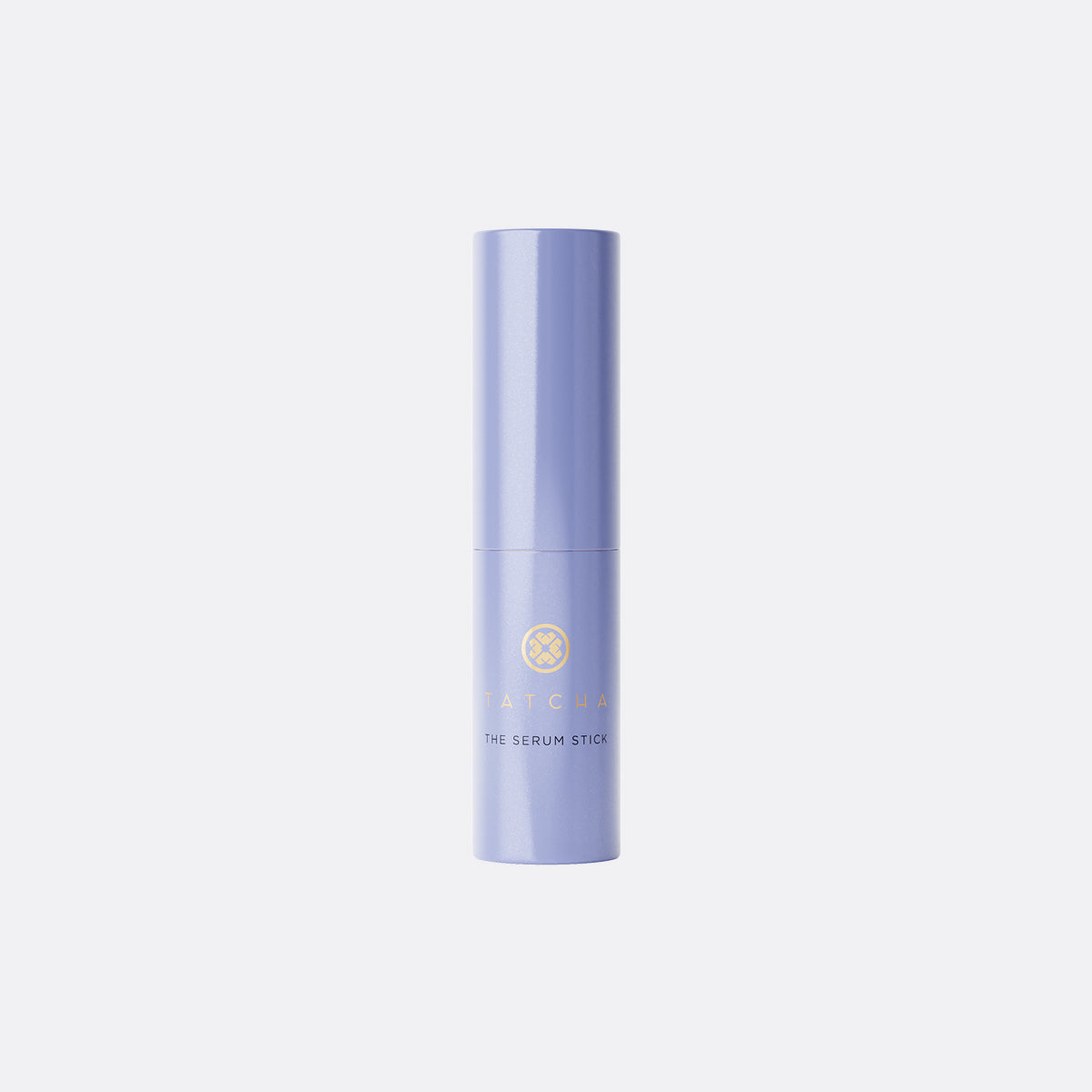
The Tatcha The Serum Stick is described by the brand as a treatment and touch-up balm — a format designed for precisely this in-between territory, in which a concentrated, portable application makes it possible to tend the skin without repeating the whole ritual. Its value lies less in any single ingredient than in what it makes possible: the continuity of care that distinguishes a practice from a product.
The lip as the final ritual — moisture as intention
The lips are the most vulnerable area of the face to moisture loss: they lack the stratum corneum’s lipid matrix that protects skin elsewhere, have no sebaceous glands to provide natural emollient support, and are subject to the constant movement and environmental exposure of speaking, eating, and breathing. In the Japanese beauty ritual, where every step is intentional and where the completion of the ritual is as important as its beginning, the lip treatment is not a casual final step but a considered preparation — the application of a formulation that provides the moisture and barrier support the lip surface cannot generate for itself.
The Tatcha The Kissu Lip Mask in Japanese Maple Red formulates for this specific vulnerability as a restorative lip mask — kissu being the Japanese rendering of the English word for a kiss, and the Japanese Maple Red edition taking its name from momiji, the maple whose autumn leaves are among the most loved seasonal colours in Japanese culture. The pairing is characteristic of the tradition: a care product that is also a seasonal gesture, a functional step that carries an aesthetic and cultural meaning. The lip is one of the most underserved areas in most skincare routines — treated as an afterthought to the complexion ritual rather than as an integral component of the face’s overall moisture and health management. The Japanese beauty ritual’s insistence on completeness — on the attention to every area of the face with the same degree of intention — addresses this deficit through exactly the kind of thoughtful final step that Tatcha’s Kissu Lip Mask represents.

What is Tatcha — and what makes its formulation philosophy distinct within the global luxury skincare market?
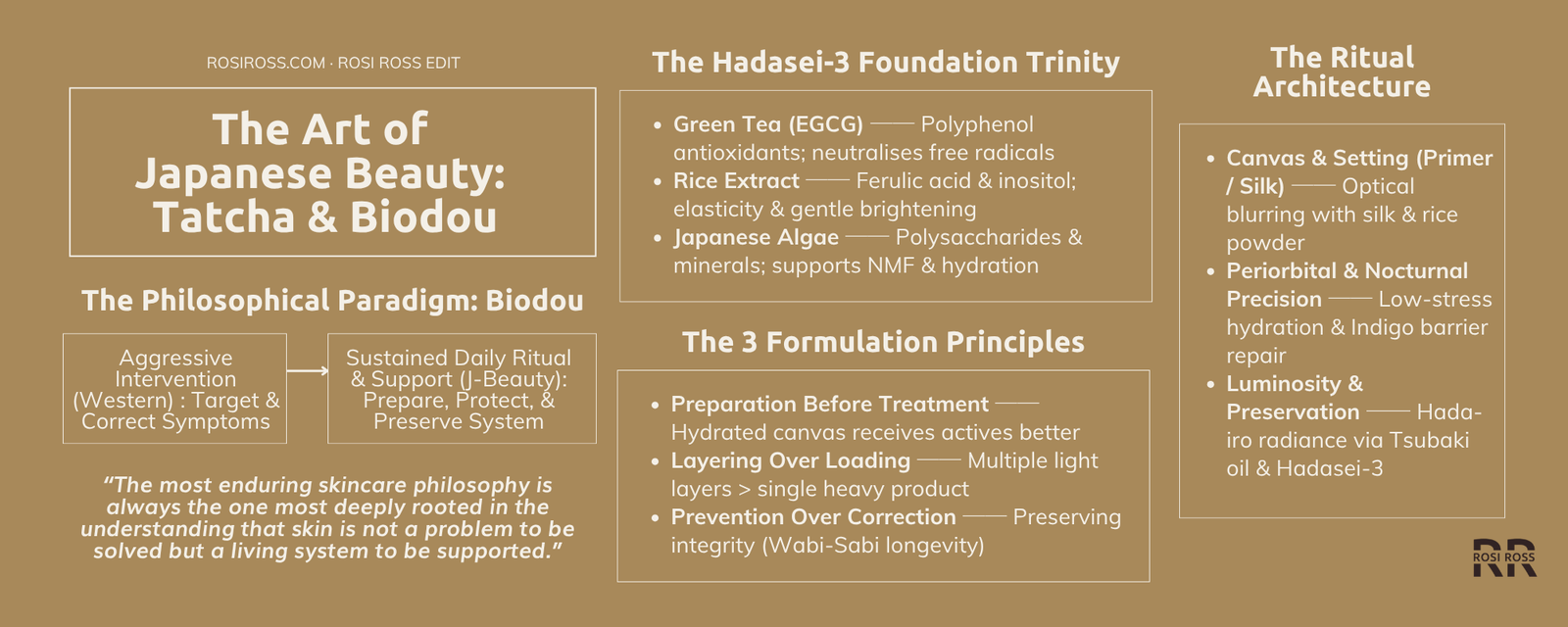
“The most enduring skincare philosophy
is always the one most deeply rooted
in the understanding
that skin is not a problem to be solved
but a living system to be supported.
The Japanese beauty tradition
understood this 1,000 years ago —
in the camellia oil
pressed from seeds on mountain slopes,
in the rice powder
that set the geisha’s skin
before the performance began,
in the green tea
that was consumed and applied
as the same act of care.
Tatcha does not invent a beauty philosophy.
It inherits one —
and carries it forward
with the precision
it deserves.”

