
Why the world’s most deliberately small luxury hotel brand chose an unfinished business district over Dubai’s established trophy addresses — and what that decision reveals about where the city’s next chapter is actually being written
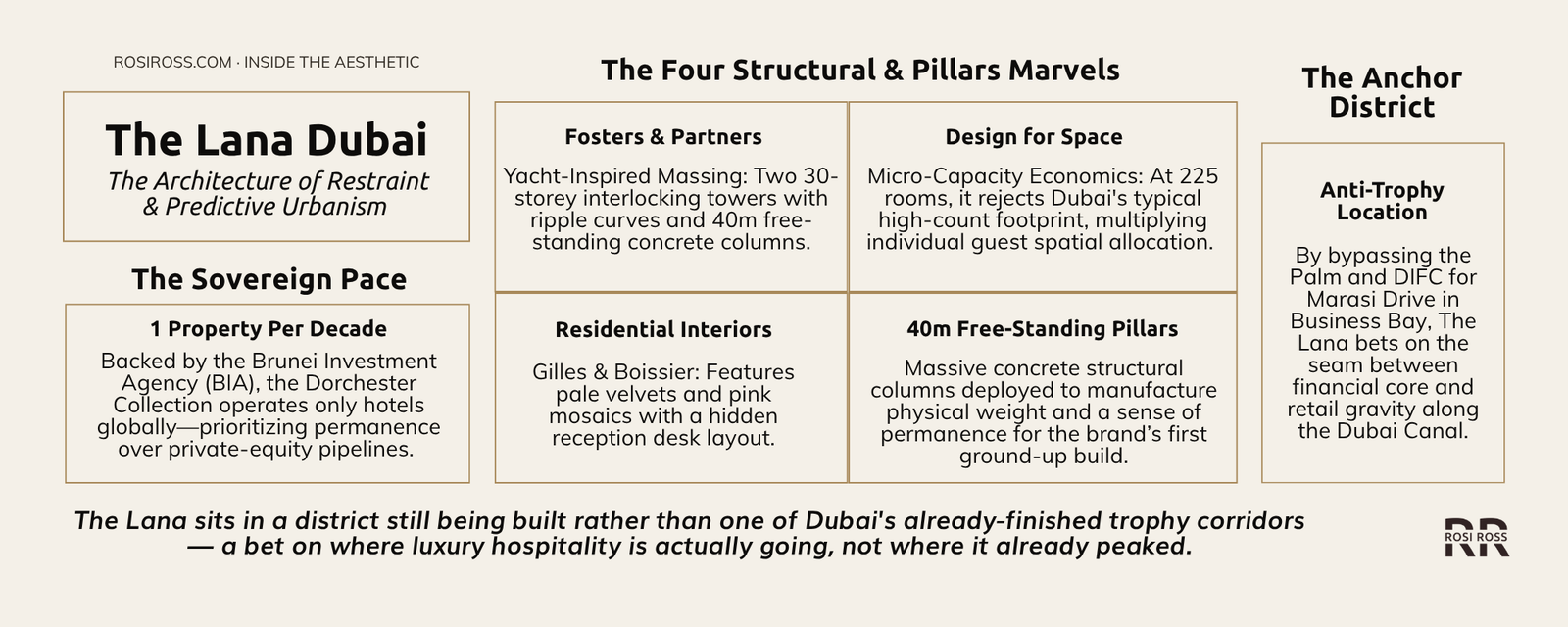
The Dorchester Collection opens a hotel roughly once a decade. When it does, the address is never incidental. The Lana — the Collection’s tenth property and its first outside London, Paris, Milan, Rome, and Los Angeles — sits not on the Palm, not in Downtown, not along the DIFC’s finished skyline, but on Marasi Drive in Business Bay: a district still mid-construction, defined less by what it has become than by what it is still becoming.


The brand that builds like a museum acquires
Begin with the number. The Dorchester Collection operates nine hotels globally, prior to The Lana’s opening: The Dorchester in London (1931), 45 Park Lane, Coworth Park, the Hôtel Plaza Athénée in Paris (1913), Le Meurice, the Hotel Principe di Savoia in Milan, the Hotel Eden in Rome, the Beverly Hills Hotel, and the Hotel Bel-Air in Los Angeles (1946). Marriott exceeds eight thousand properties. Four Seasons operates over 120. Nine is not a scale limitation. It is the entire proposition, stated numerically — and The Lana, the Collection’s Middle East debut, is the tenth.
The ownership structure explains the discipline. The Dorchester Collection has been owned since 1996 by the Brunei Investment Agency, the sovereign wealth fund of the Sultanate of Brunei. Sovereign ownership removes the quarterly pressure that pushes most luxury hotel brands to grow faster than their standards can sustain — the BIA does not need the Collection to hit a private-equity exit timeline, only to remain what it has always been. The practical consequence: the Collection opens a property when the site earns it, not when a pipeline requires it. Dorchester Collection’s own account of The Lana frames it as the opening chapter of a deliberate expansion beyond the Collection’s historic European and American footprint, rather than as an isolated event, which makes the site choice for chapter one unusually revealing.
Dubai does not lack ultra-luxury competition at this tier: One&Only One Za’abeel, the Bulgari, the Atlantis The Royal, Four Seasons at DIFC and on the Palm, the wider Jumeirah and Address portfolios. What none of them carry is the Collection’s accumulated institutional gravity — a century of operating The Dorchester in London, the Hotel Bel-Air since 1946, the Plaza Athénée since 1913. In a city where luxury hotels routinely spend heavily to explain why they matter, that restraint is itself the signal. The same logic that governs how global luxury brands choose their Dubai activations — earned authority over manufactured spectacle — is operating here at the scale of an entire hotel commission.
The site — Business Bay and the marina that wasn’t supposed to be the address
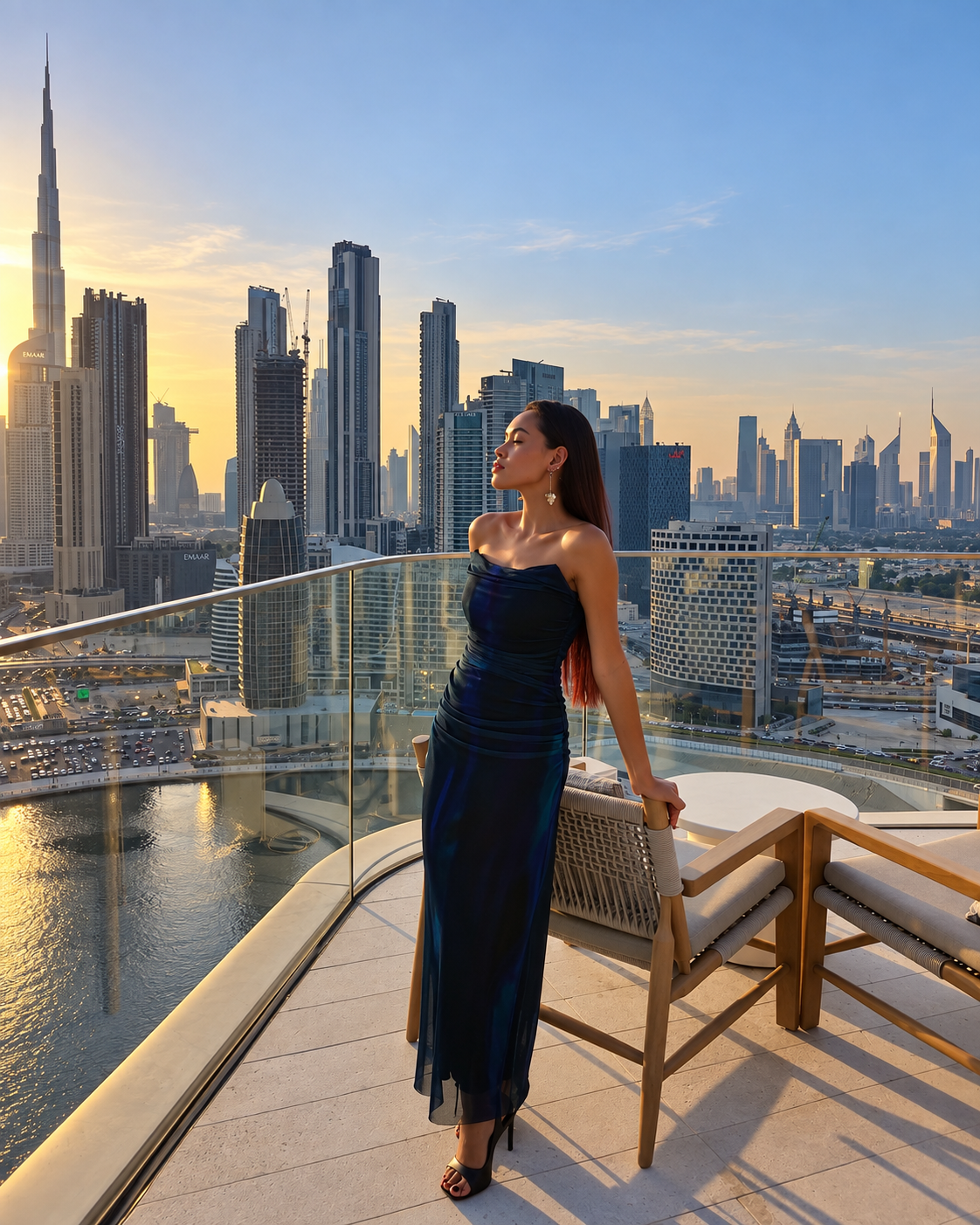
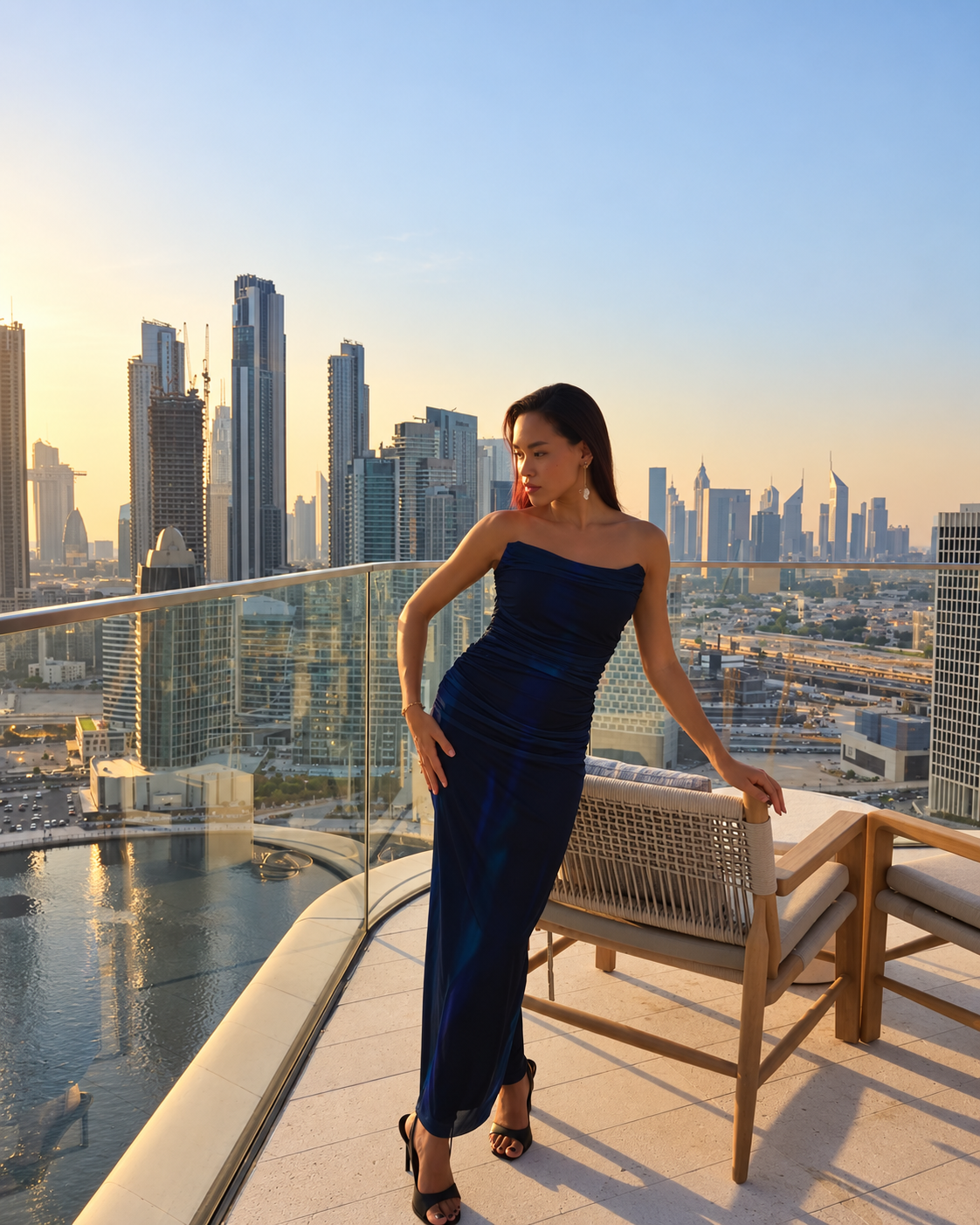
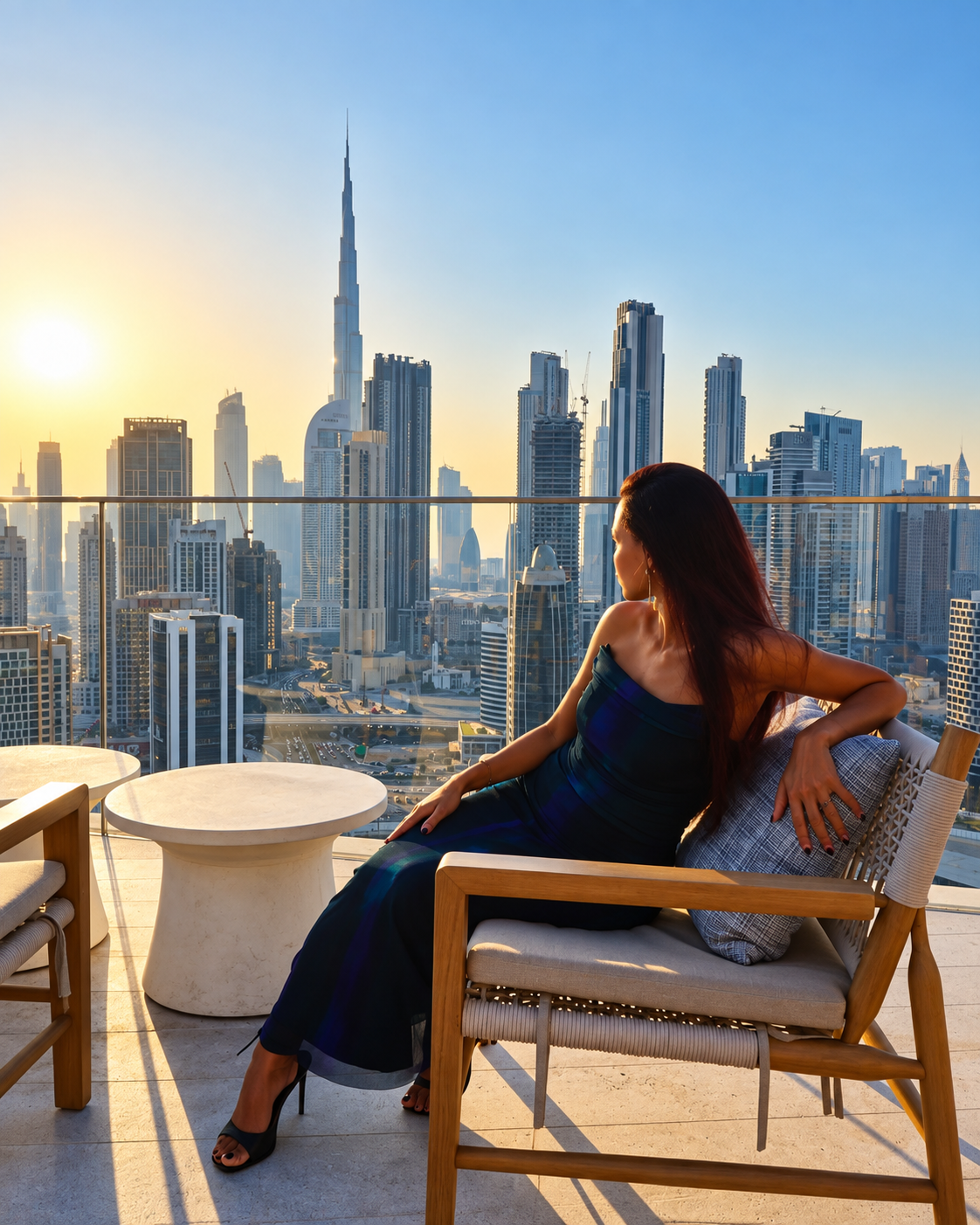
Business Bay is, as its name suggests, primarily a commercial district: high-rise offices, apartment towers, and a skyline still filling in around the Dubai Canal, which threads through it on its way from Downtown to the Gulf. It is adjacent to, but distinct from, the finished spectacle of Downtown Dubai — close enough that the Burj Khalifa dominates the view from The Lana’s upper floors, far enough that the district itself remains, in the words of independent reporting on the property, “relatively sleepy.” That description is doing real work: Dorchester’s Gulf debut is not on the most photographed street in the emirate. It is on Marasi Drive, overlooking the Marasi Bay Marina, in a corridor still being assembled.
That is either a strange choice for a brand this deliberate, or a genuinely intelligent one. The case for the latter: Business Bay is where a meaningful share of Dubai’s next decade of density is actually landing, positioned between the financial core of DIFC and the retail gravity of Downtown, on a canal that didn’t exist as a leisure amenity twenty years ago and now anchors waterfront dining, a twelve-kilometre promenade, and a wave of adjacent residential development. Dorchester did not choose the address that photographs best today. It chose the address positioned to compound as the surrounding district finishes building itself — a wager that has more in common with how the Collection has historically chosen sites than the trophy-tower logic that defines most of Dubai’s ultra-luxury openings.


The architecture — Foster + Partners’ two towers
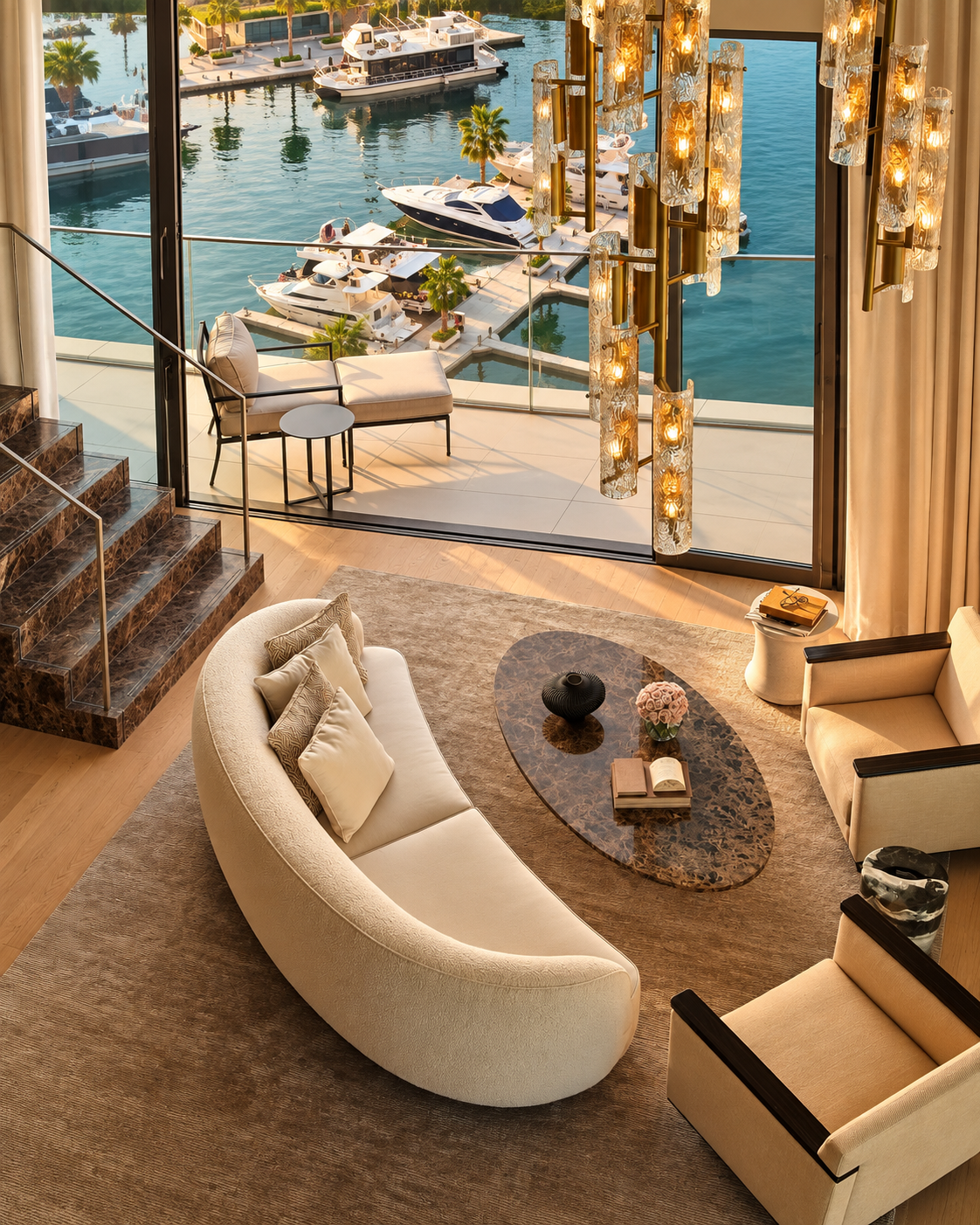
The Lana occupies a thirty-storey structure designed by Foster + Partners, developed by Omniyat: two interlocking towers — hotel and residences — connected by landscaped platforms at several levels, rising from a podium that houses The Lana Promenade, the property’s dedicated retail and dining concourse. The form is explicitly referential to its waterfront: ripple-like curves along the façade reflect the Marasi Bay basin below, an architectural gesture more commonly associated with yacht design than hotel massing, and one that gives the building a legible identity from the water rather than only from the road.
This is worth setting against the brief Dorchester Collection properties have historically been given. The Dorchester in London, the Plaza Athénée in Paris, the Hotel Bel-Air — these are, almost without exception, acquired landmarks rather than ground-up commissions, each carrying decades of accumulated institutional weight before the Collection took them on. The Lana inverts that history: it is the Collection’s first purpose-built new construction, which means every material and spatial decision had to manufacture, rather than inherit, a sense of permanence. Structural documentation of the development describes forty-metre free-standing concrete columns as a recurring design feature across the towers — an engineering signature as deliberate as the curved glass above it.
The exclusivity economics — 225 rooms in a city built to capacity
The Dorchester Collection’s properties share a characteristic no design budget can substitute for: they are small. The Dorchester in London has 250 rooms. The Hotel Bel-Air has 103. Le Meurice has 160. The Lana, at 225 rooms and suites, sits comfortably inside that portfolio logic — a categorically different proposition from the Atlantis The Royal’s 795 rooms or the scale at which most Dubai ultra-luxury properties are built. Room types range from the 603-square-foot Horizon rooms to the two-bedroom Lana Royal Suite, with its wraparound terrace and 180-degree views over Downtown and the Design District.
That restraint is not incidental to the guest experience; it is the guest experience. A hotel built to 225 rooms allocates its public space — lobby, restaurants, spa, pool — to 225 rooms’ worth of demand rather than 800. The consequence is a quality of space per guest that cannot be replicated through design investment alone; it can only be produced by the decision not to add more rooms. Independent reviews of the property consistently note the same thing from the guest side of that equation: a lobby and arrival sequence that feels considered rather than processed, even on the day the hotel opened.



The material intelligence — Gilles & Boissier’s interiors and the table
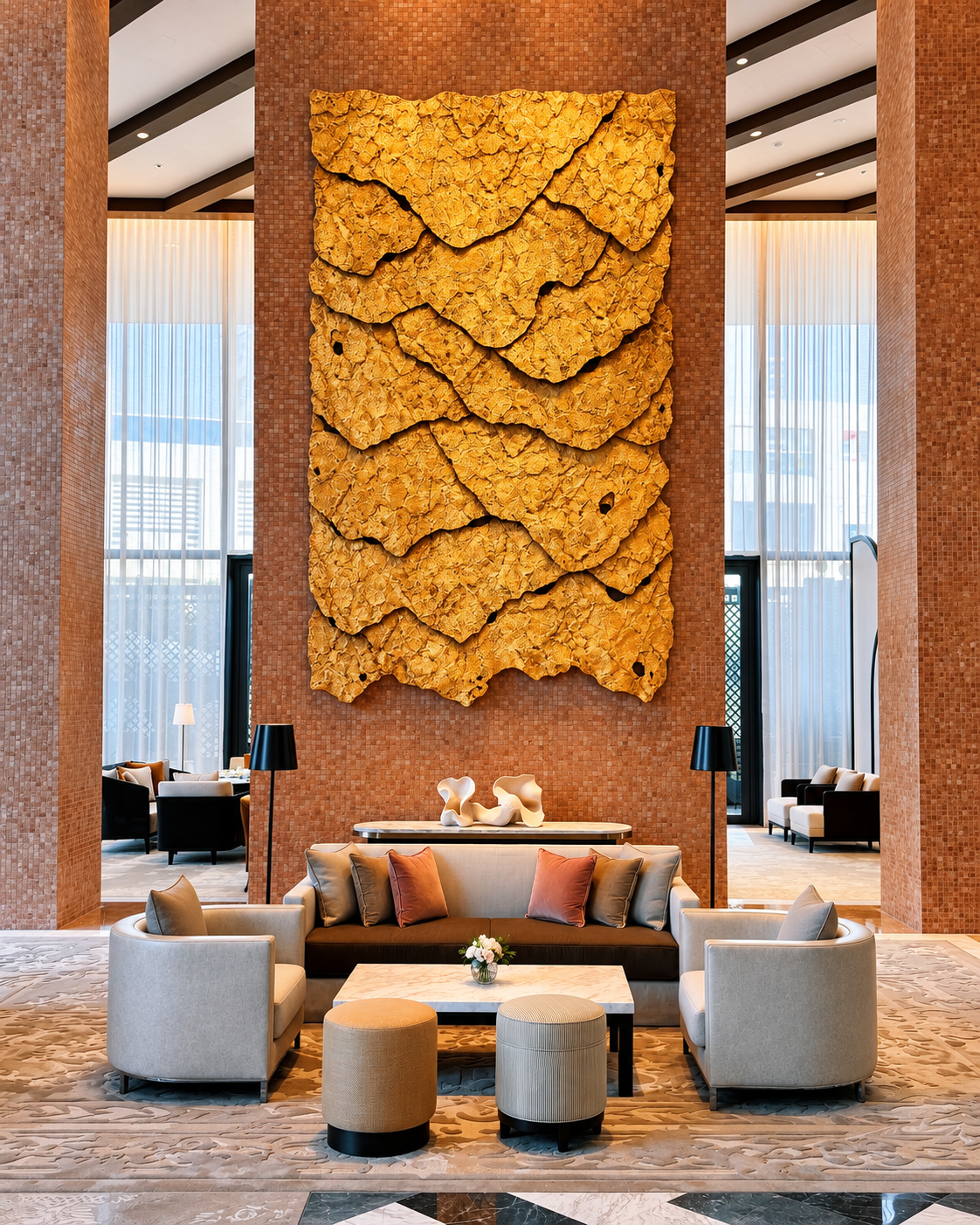
Interiors at The Lana were developed by the Parisian duo Gilles & Boissier, working across pale velvets, shimmering pink mosaic, and a material palette built to read as residence rather than hotel — the reception desk is deliberately tucked from view in the lobby, and the arrival sequence leans on scale and flowers rather than signage. Philip Hammond, the Collection’s designer florist, produces the property’s arrangements; the interior language extends the London property’s visual DNA — a Dorchester rose among the recurring elements — into a distinctly Dubai register of light and pink stone.
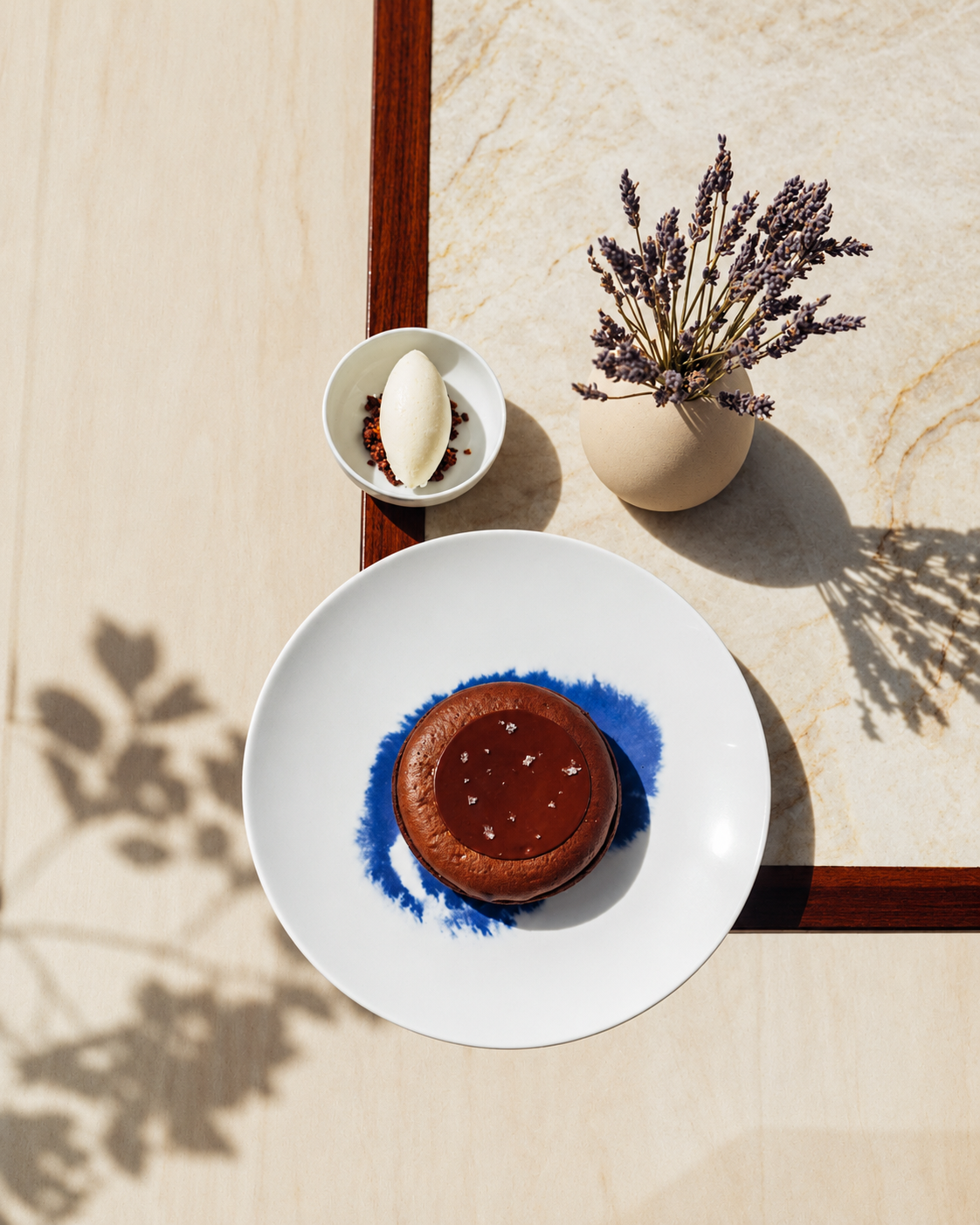
The dining programme is where the material argument becomes most legible as intelligence rather than decoration. Riviera, the signature restaurant, is helmed by Jean Imbert, who succeeded Alain Ducasse at the Hôtel Plaza Athénée in Paris — a direct thread from the Collection’s European flagship to its Gulf debut. Jara is run by Martín Berasategui, whose restaurants collectively hold twelve Michelin stars, serving Basque cuisine from an open kitchen. Angelo Musa, an award-winning French pastry chef, curates the afternoon tea programme and operates a dedicated patisserie on the ground floor. High Society, the rooftop restaurant, and the property’s Dior Spa — the first in the UAE, occupying the twenty-ninth floor — complete a dining and wellness programme built from named culinary authority rather than a generic five-star checklist. The same shift toward chef-driven, considered dining that is reshaping Dubai’s broader restaurant landscape is fully present here, condensed into a single address.


Between the Design District and the canal — what The Lana means
The Dubai Mall and the Burj Khalifa are visible across the water from several vantage points at The Lana without the hotel sitting inside either’s immediate shadow — close enough to borrow the skyline, distant enough to hold its own silhouette against it. That positioning is the article’s real argument. Dubai’s luxury development over three decades has moved from Sheikh Zayed Road to Downtown to the Palm to the Marina, each cycle building toward a finished, fully realised spectacle. Business Bay, and the Dubai Canal that defines it, represents something different: a corridor still being written, where the city’s financial core and its retail gravity meet a waterfront that only became a leisure amenity within the last decade.
Dorchester’s bet is that this incompleteness is the opportunity, not the risk — that the most durable address in Dubai’s next chapter is not the one that already peaked but the one positioned at the seam between what the city has finished and what it is still building. Dubai’s luxury landscape has no shortage of manufactured spectacle; what it has less of is a hospitality address willing to let restraint, rather than scale, be the argument. It is, in that sense, less a hotel review than a market signal — the kind of commitment that changes how other brands value a corridor once dismissed as merely a business district. The same pattern is visible across Dubai’s other consequential infrastructure decisions: value increasingly accrues not to the most spectacular finished address, but to the one positioned correctly for what the city becomes next.


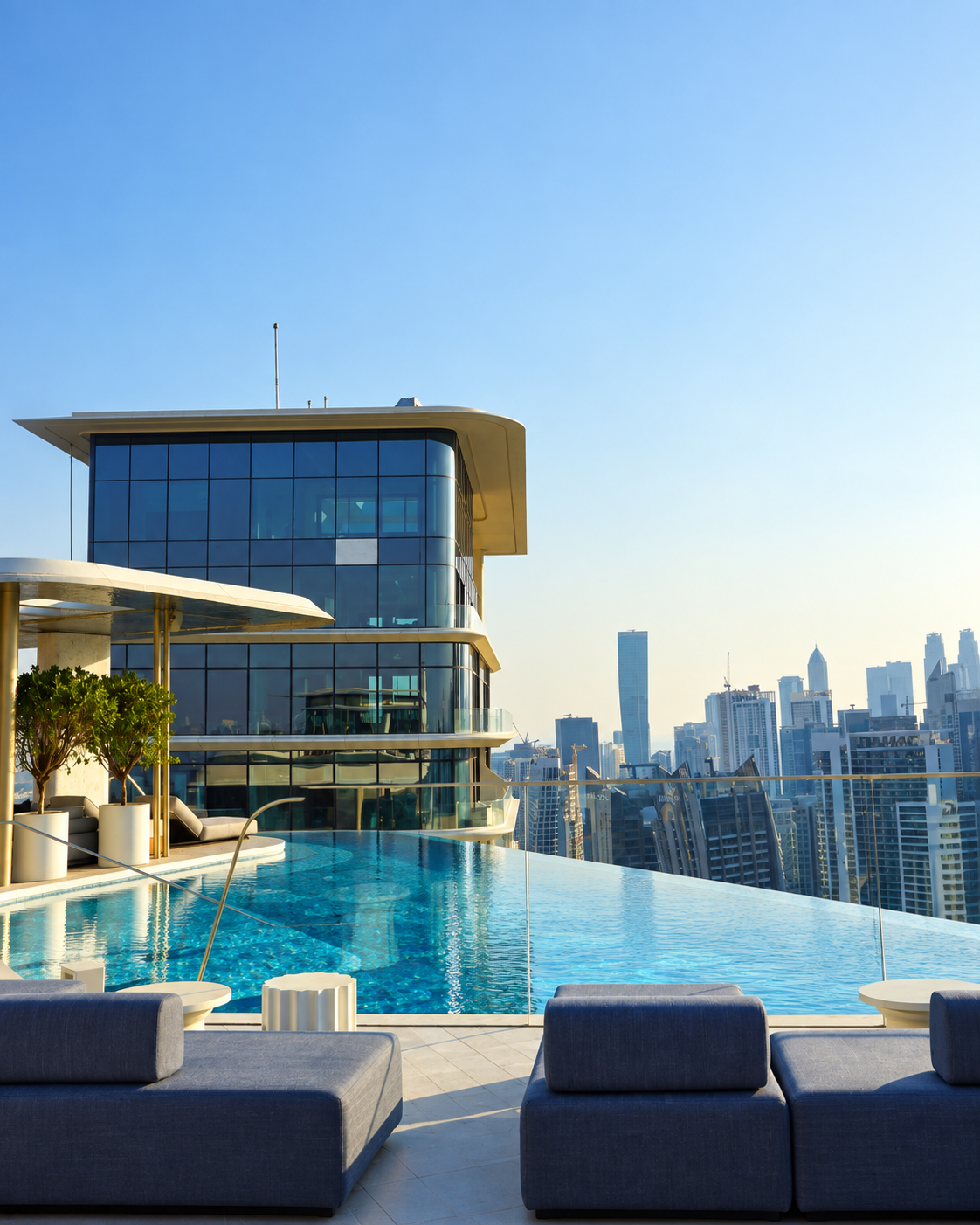
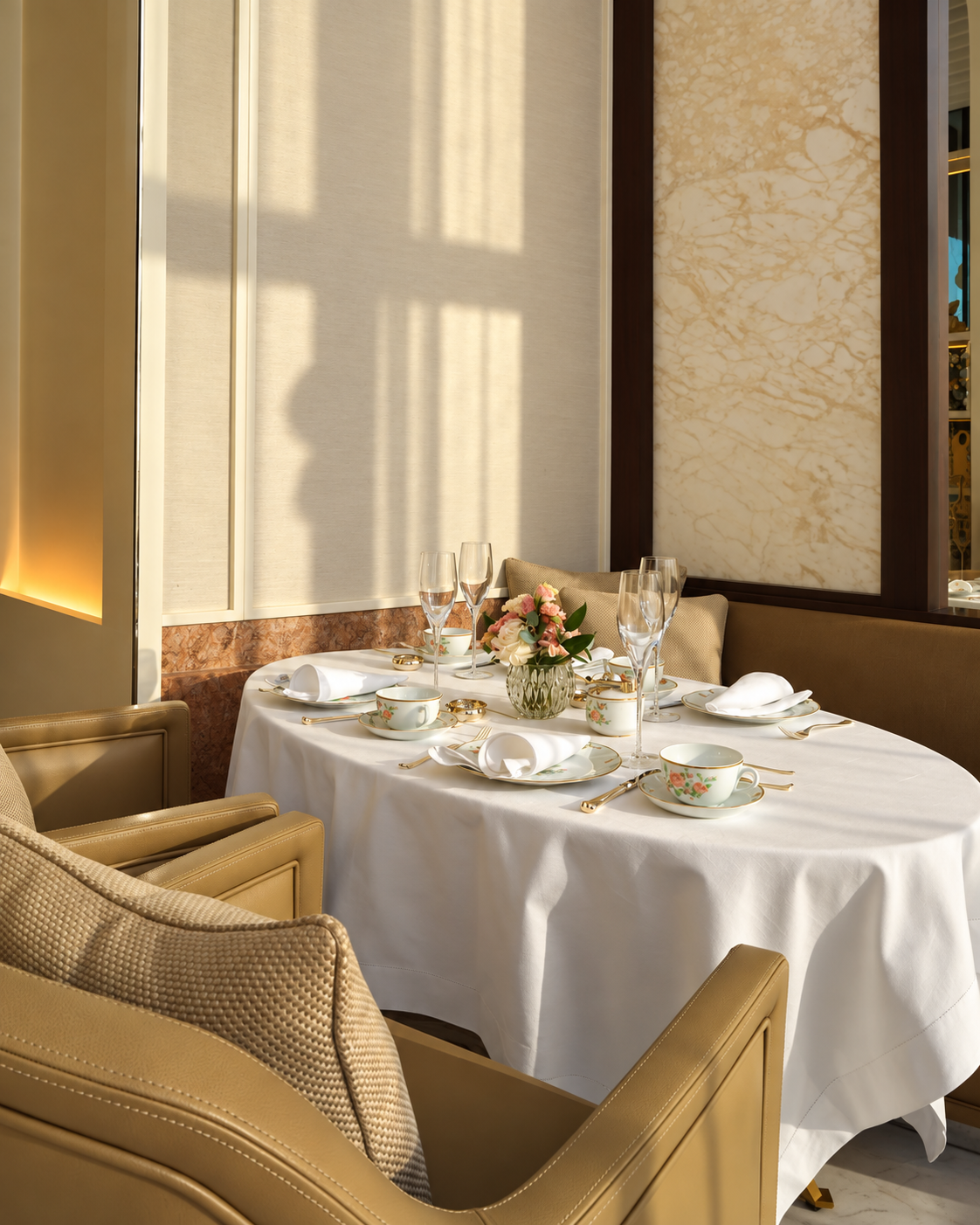
The Lana is the Dorchester Collection’s tenth property and its first hotel in the Middle East, sited on Marasi Drive in Business Bay, Dubai, overlooking the Marasi Bay Marina and the Dubai Canal. Designed by Foster + Partners with interiors by Gilles & Boissier, the property has 225 rooms and suites across two interlocking towers connected to a residential component. It sits close to Downtown Dubai and the Burj Khalifa without being inside either the Palm Jumeirah or DIFC luxury hotel clusters that dominate the city’s ultra-luxury landscape.
The entry point to The Lana sits, deliberately, below the very top of Dubai’s ultra-luxury rate card — priced to compete with the city’s established addresses rather than above them, with the Marina Duplex suites at the upper end of the property’s own range. The same discipline that separates a considered purchase from an impulsive one applies to how a brand chooses where to open its tenth hotel in a century: not the loudest address available, but the one still worth watching in ten years — the same restraint that defines the most considered decisions across every luxury category, applied here at the scale of an entire skyline.




“The Dorchester Collection opens a property once a decade.
When it does, the decision is an argument —
about where permanence is actually located,
and which addresses will still matter
once the surrounding city has moved on
to whatever it builds next.
The Lana’s argument is that Business Bay,
still unfinished, still being written,
is not a compromise on Dubai’s most obvious quarter.
It is the quarter that has not yet
finished becoming what it will be —
which is, for a brand that has never
needed to shout about its own permanence,
precisely the point.”

