
On One&Only One Za’abeel, the Guinness World Record steel structure connecting its towers, the Za’abeel district that gave the property its name, the three-Michelin-star kitchens it contains, and why the most considered address in contemporary Dubai is not a tower at all — it is a bridge
The most structurally extraordinary feature of One Za’abeel is a horizontal building, not a vertical one. The Link — 230 metres of steel suspended 100 metres above a four-lane highway, Guinness World Record holder for the longest cantilever in the world — is the argument the development makes before a guest reaches reception, before a room is seen, before a restaurant is entered. It is the argument that One Za’abeel was always making: that the most significant statement available to Dubai’s built environment is not height, but span.
The neighbourhood — what Za’abeel means and why it matters
Za’abeel — in the Emirati Arabic dialect, the word means “white sand” — is the neighbourhood that connects old Dubai to new in a way that no other district does as precisely or as historically. It sits between Sheikh Zayed Road and the older residential quarters of the city, its address shaped by two defining facts: it is where Zabeel Palace stands, the official residence of the Al Maktoum ruling family since 1965, and it is where One Za’abeel now rises, the most architecturally ambitious development in a city not known for architectural timidity.
Zabeel Palace was designed by Austrian architect Otto Bulart — the same man who designed Dubai’s Clock Tower — and completed in 1965 on what was then open desert. Sheikh Rashid bin Saeed Al Maktoum, one of the UAE’s founding fathers and the architect of Dubai’s modern transformation, lived here from the palace’s completion until his death in 1990. The palace hosted the bilateral meeting between Sheikh Mohammed bin Rashid Al Maktoum and then-Vice President Joe Biden in 2016. It hosts state ceremonies, Eid receptions, and the swearing-in of judges. It is, in every functional sense, the centre of Dubai’s governance — a working royal headquarters, not a heritage destination. The peacocks that roam its gate approach are not a tourist attraction. They simply live there.




Understanding Za’abeel as a neighbourhood is the foundation for understanding One Za’abeel as a development. The project, developed by Ithra Dubai, a subsidiary of the Investment Corporation of Dubai, was not placed in the financial district or along the Palm Jumeirah shore. It was placed at the specific urban seam between the city’s commercial present and its governing past, between Sheikh Zayed Road and the grounds of the palace that produced the decisions that made Sheikh Zayed Road possible. That positioning is the most legible statement the development makes about what it understands itself to be: not a resort in Dubai, but a resort at the point where Dubai’s two most consequential identities — its heritage and its ambition — occupy the same geography simultaneously. The same geographical intelligence that makes Dubai’s most considered commercial addresses function is operating here at the scale of architecture.
Za’abeel is a historic neighbourhood in central Dubai, situated between Sheikh Zayed Road and the older residential districts. In the Emirati Arabic dialect, za’abeel means “white sand” — the inspiration for One&Only One Za’abeel’s colour palette and design language. The neighbourhood is home to Zabeel Palace, the official residence of Dubai’s ruling Al Maktoum family since 1965, and Zabeel Park, one of the largest parks in the emirate. One Za’abeel — the dual-tower development containing One&Only One Za’abeel — sits within the Dubai World Trade Centre Authority Free Zone, positioned at the geographic boundary between old and new Dubai. The Dubai Frame, the Dubai World Trade Centre, and the Dubai Mall are all within a ten-minute radius.




The Link — the engineering argument
Construction of One Za’abeel began in January 2016. The development was designed by Nikken Sekkei, the Tokyo-based architectural firm founded in 1900 and responsible for some of the most technically complex tower structures in Asia. The two towers — One Za’abeel Tower and One Za’abeel The Residences — are connected at an elevation of 100 metres by The Link, a horizontal structure that required eight years of planning and a construction methodology of unusual complexity.
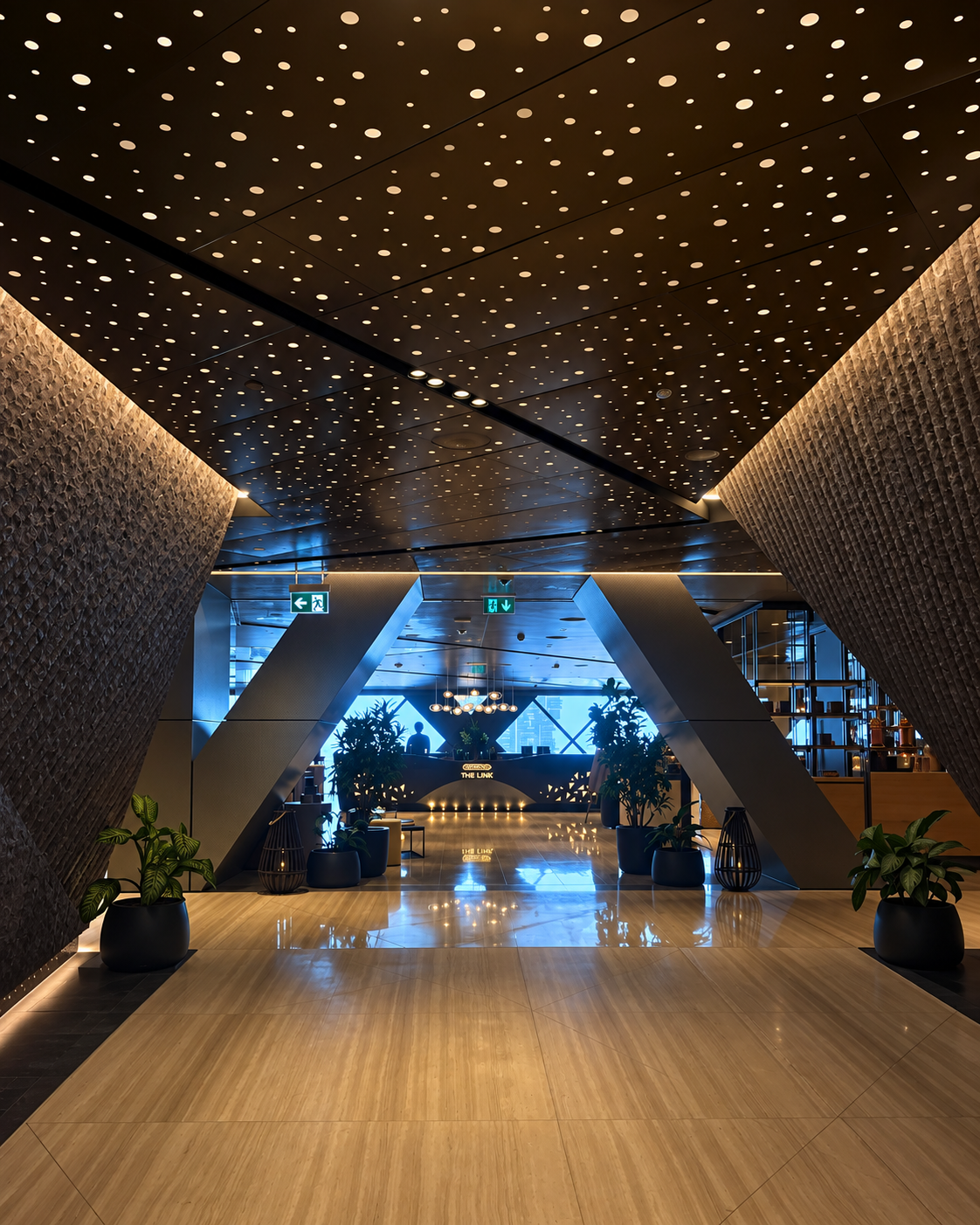
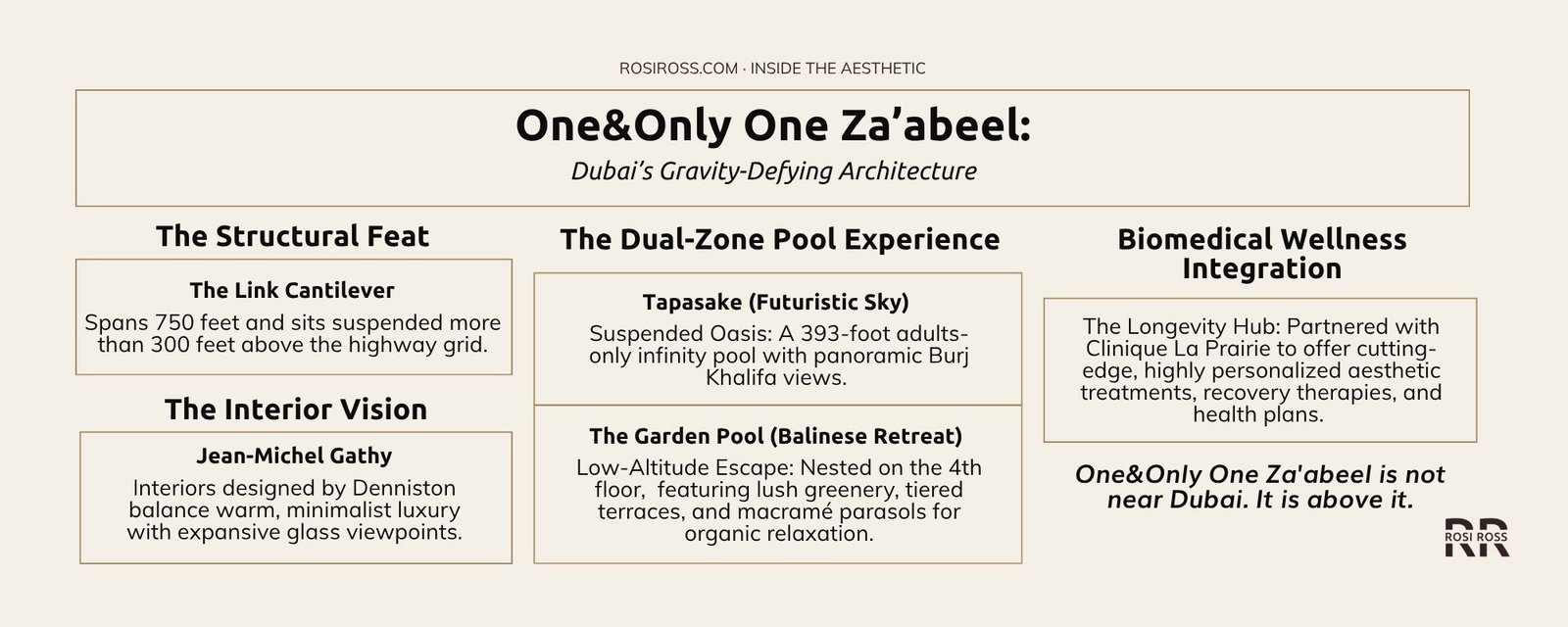
The Link weighs 8,500 tonnes. It is 230 metres in length — longer than the Eiffel Tower is tall — and was assembled using over 110 hydraulic jacks that lifted the structure into position over twelve days, without interrupting the four lanes of active highway running beneath it. A second phase of 900 tonnes of cantilevered section was added over four days. The total assembly was completed without a single closure of the road below. In March 2024, Guinness World Records formally recognised The Link as the longest cantilever building in the world.
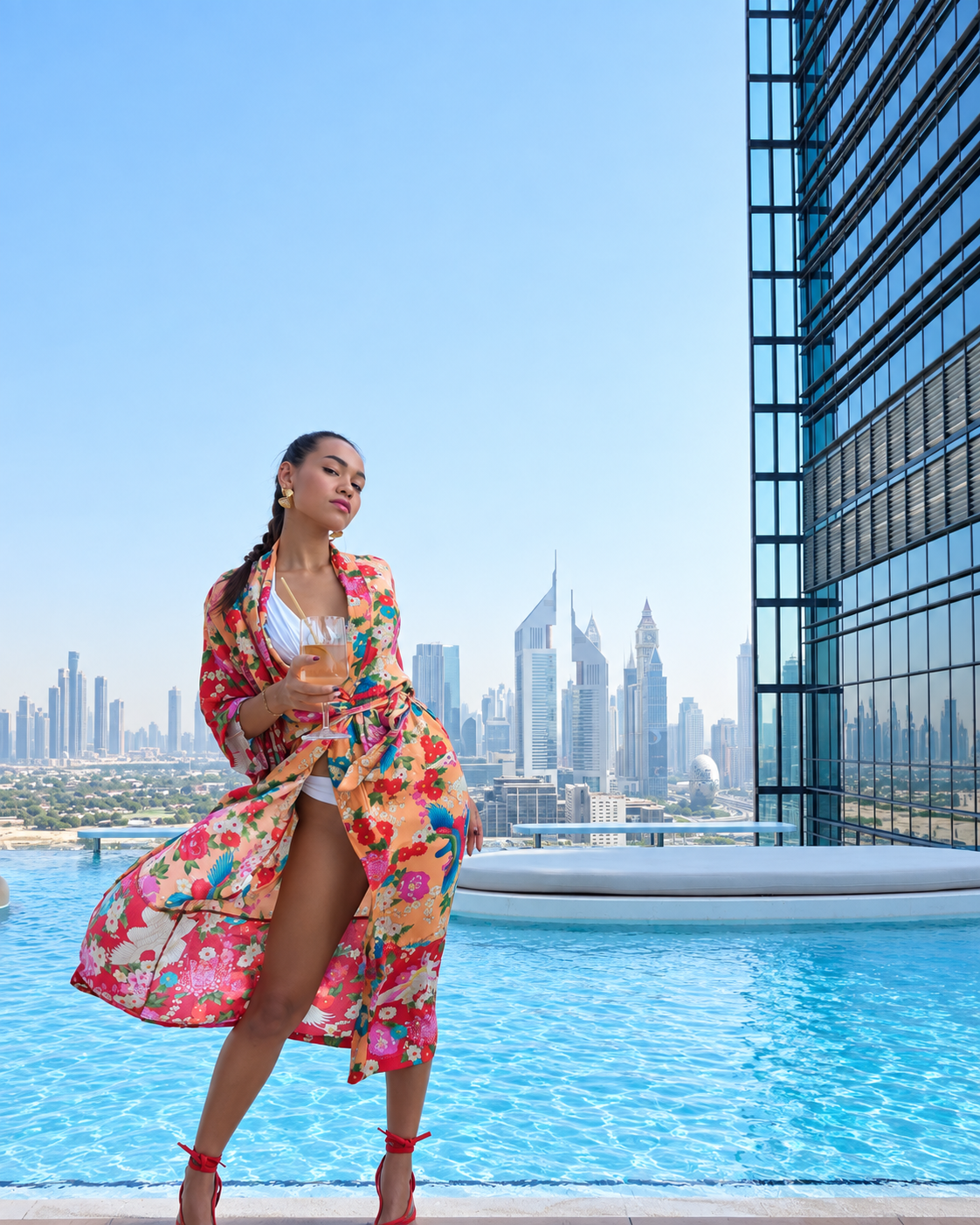
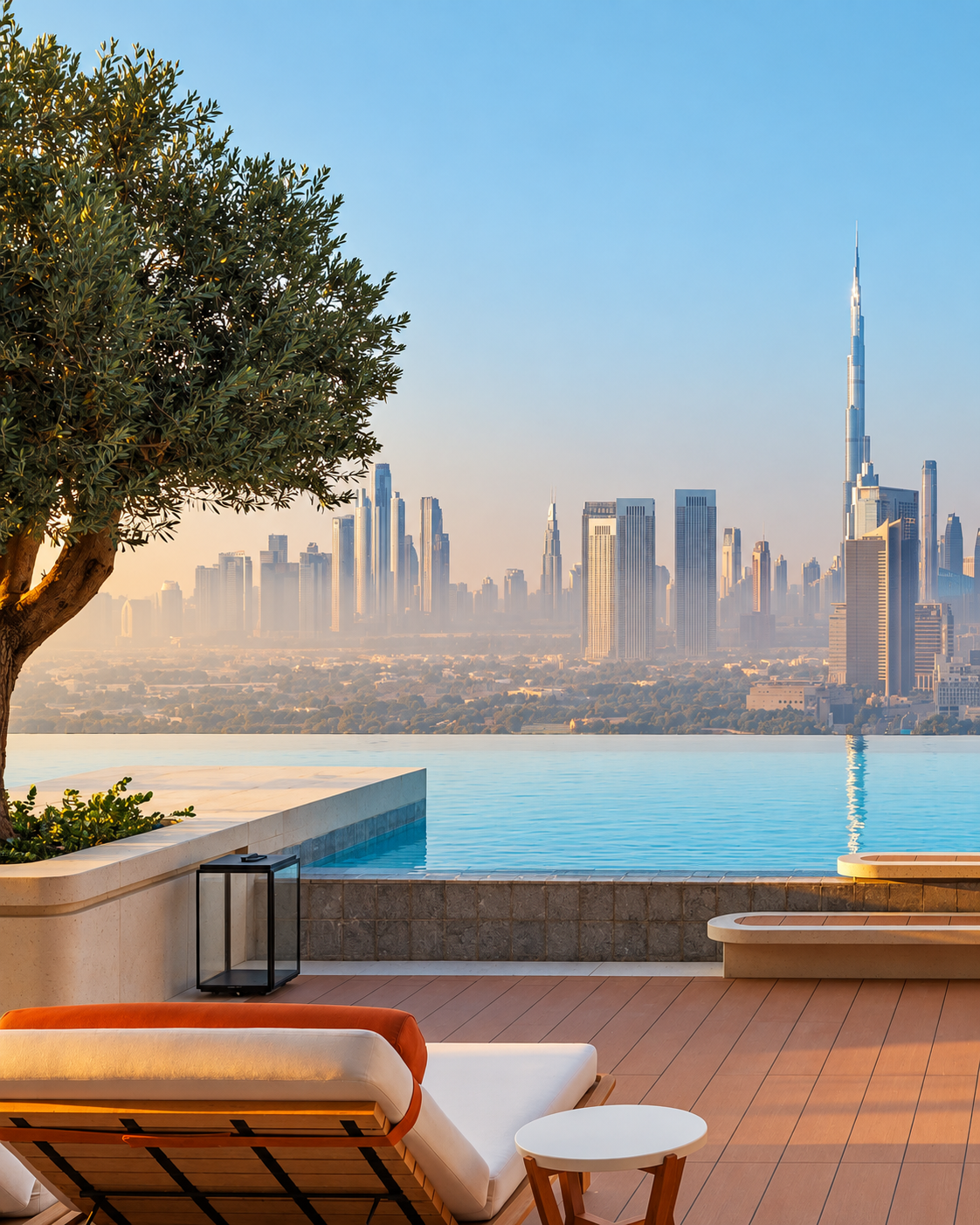
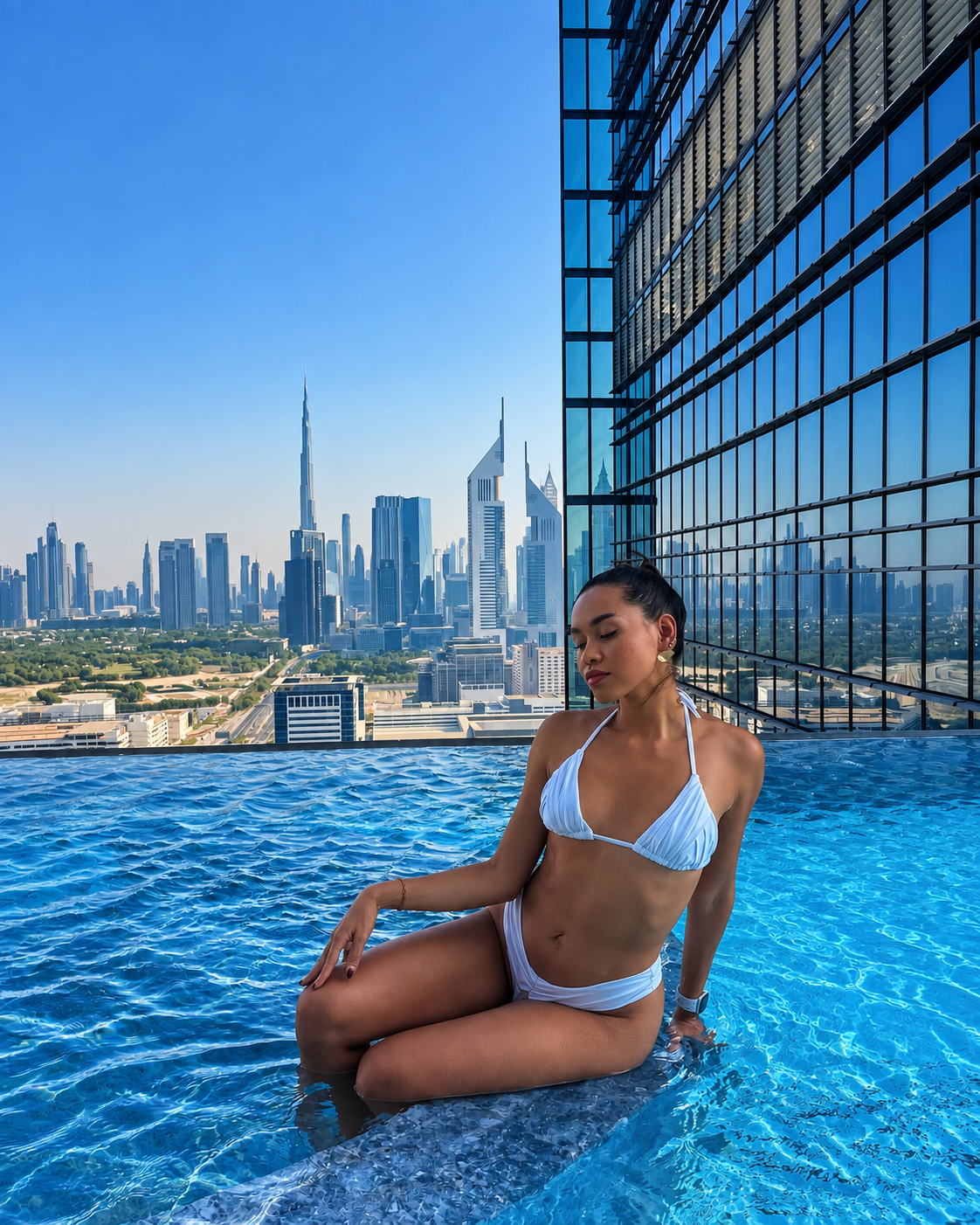
The structural argument of The Link is that it changes the definition of what a building can be in relation to the city around it. Most towers relate to the ground. The Link relates to the sky — and in doing so, it creates a horizontal address that is genuinely unlike anything in the portfolio of global luxury hospitality. The infinity pool on The Link’s rooftop is not a hotel amenity that happens to have a view. It is a body of water suspended 100 metres above a working city, in a structure that is itself an engineering artefact, looking out across the Burj Khalifa on one horizon and the palace grounds of Za’abeel on the other. Dubai’s most considered hospitality addresses understand that location is not backdrop — it is the primary content of the experience, and everything built within it is secondary to the argument the place is already making.
The development received the Award of Excellence for Best Tall Building in the Middle East and Africa 2024, and Best Tall Building 300 metres and above 2024, from the Council on Tall Buildings and Urban Habitat — the global body whose standards define what architectural achievement in high-rise construction actually means. These are not marketing awards. They are the verdict of the industry that builds these structures, on the quality of what has been built here.
The Link is the horizontal connecting structure between the two towers of One Za’abeel in Dubai. It weighs 8,500 tonnes, spans 230 metres, and is positioned 100 metres above a four-lane active highway. It was assembled using over 110 hydraulic jacks over twelve days without closing the road beneath it. In March 2024, Guinness World Records recognised it as the longest cantilever building in the world. The Link contains Tapasake Pool Club (including the UAE’s longest suspended infinity pool), Sphere (a nightlife and events venue), and a series of restaurants. It also functions as a sky-level public concourse accessible to hotel guests.
One&Only One Za’abeel — the vertical resort
One&Only One Za’abeel opened on January 1, 2024, with the brand’s Grand Opening celebrations running from February 9 to 11, 2024. It is the first urban resort in the One&Only portfolio — a brand known for its remote island and coastal properties — and the third One&Only in Dubai. The decision to apply the brand’s signature philosophy of deeply personal, place-specific luxury to a vertical urban tower rather than a beachfront site is the most interesting editorial decision in the property’s history: it tests whether the qualities that distinguish One&Only’s coastal resorts — the sense of a world complete in itself, the quality of individual attention, the relationship between guest and environment — survive translation into a skyscraper context.
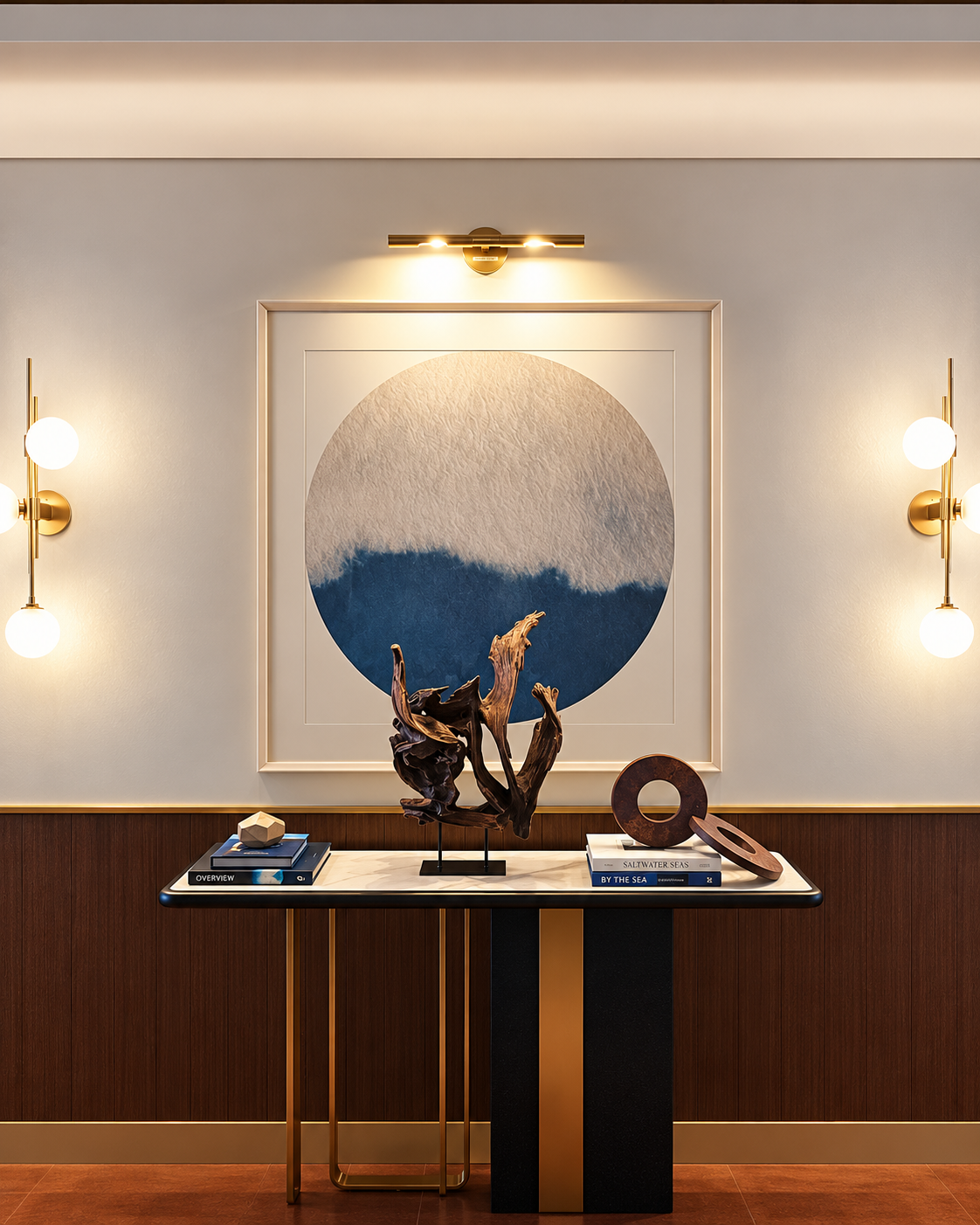
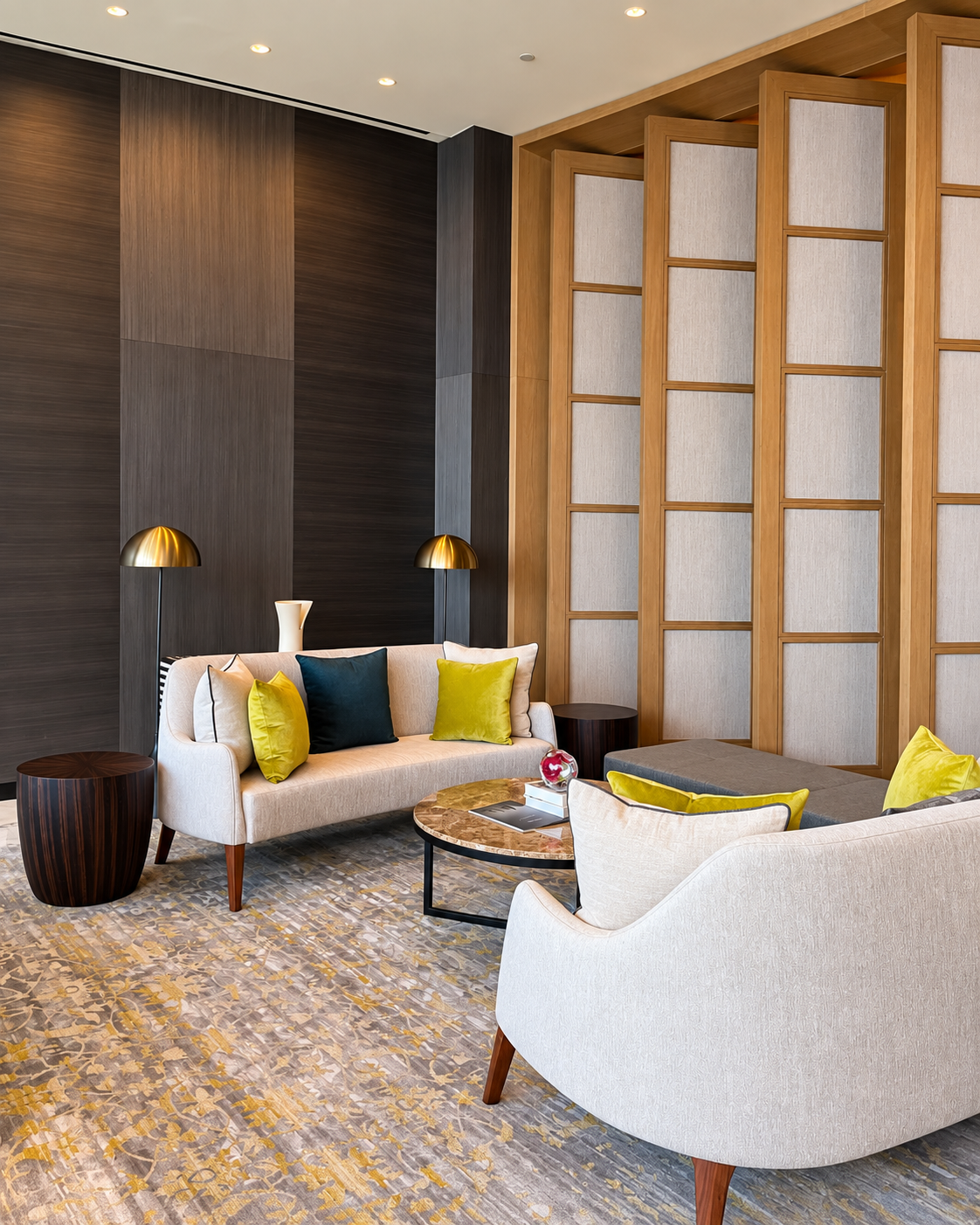
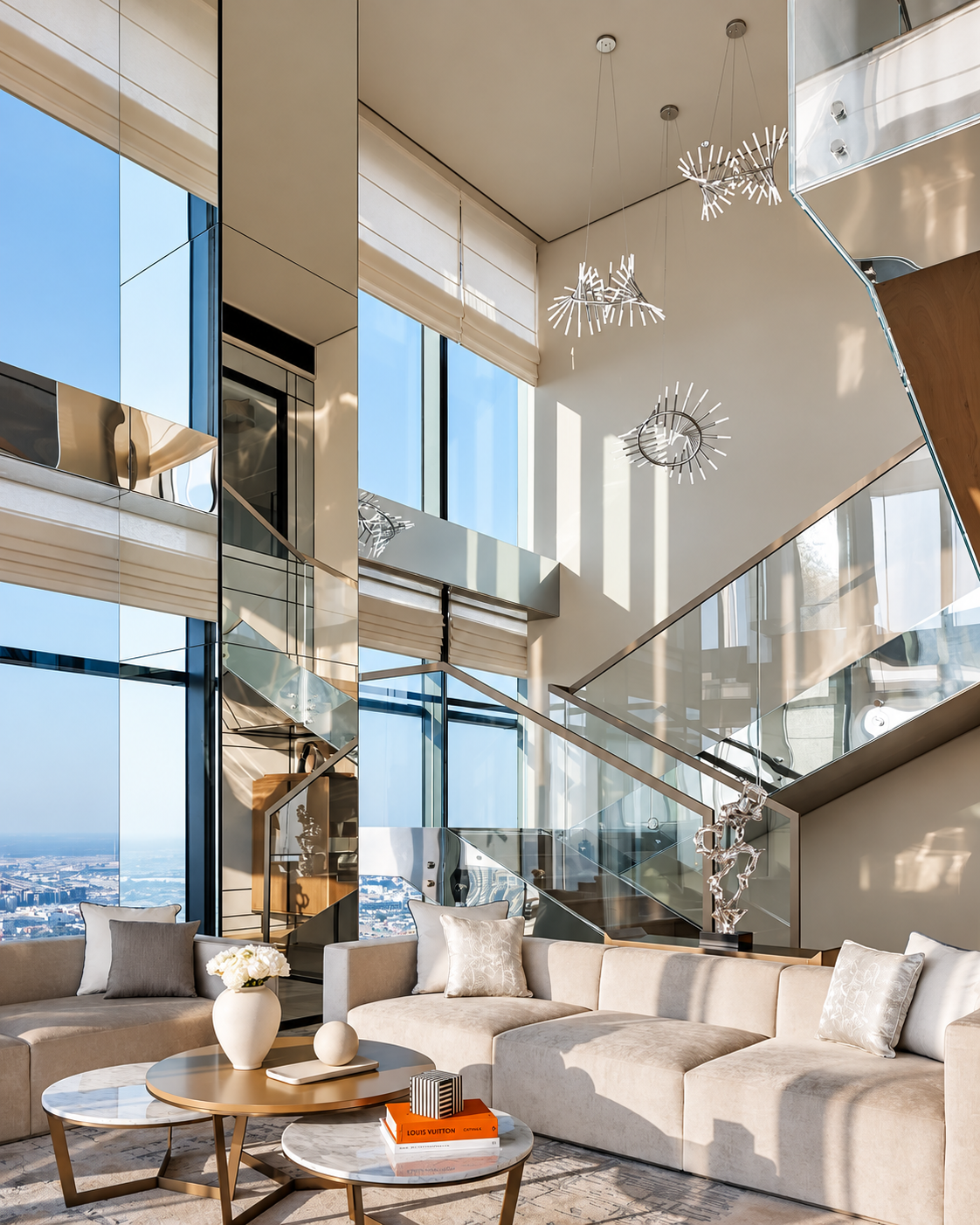
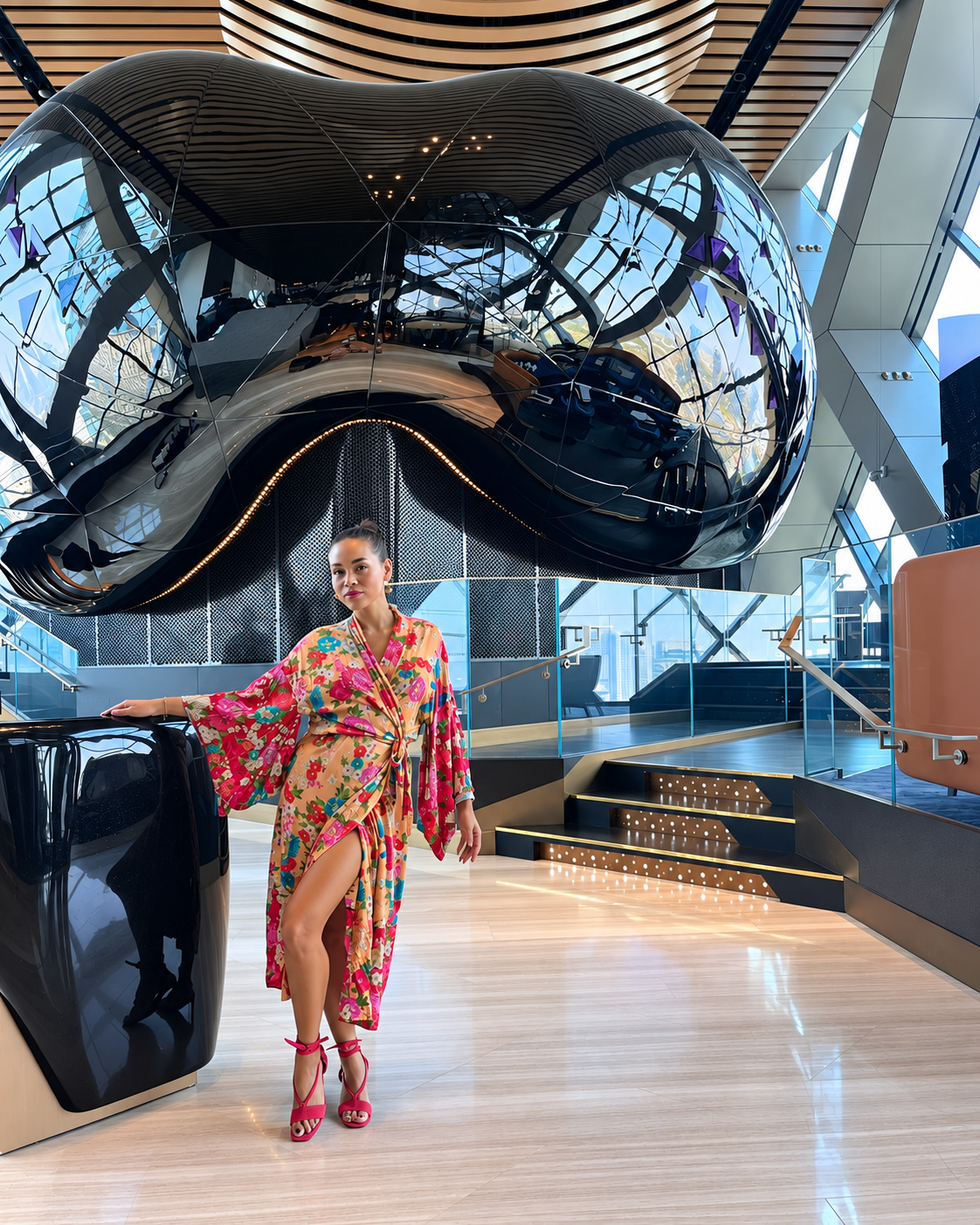
The answer, by the accumulated evidence of the property’s first year, is that they do — because the interiors were designed to be the environment rather than the container for it. Jean-Michel Gathy of Denniston, who designed One&Only Portonovi in Montenegro and One&Only Reethi Rah in the Maldives, took the neighbourhood’s name as his brief: white sand. The colour palette — cream, light grey, burnt orange, sea blue — is not aesthetic neutrality. It is an act of calibration, producing rooms that make the city visible through floor-to-ceiling windows without competing with it. The Dubai skyline is the art. The room is the frame. The 178 rooms and 51 suites are proportioned for this relationship: spacious enough that the view is not the only content, precisely edited enough that the view is always primary.
Villa One — the property’s summit address — spans 8,100 square feet. It has a private outdoor infinity pool, a cinema, an open kitchen, a dedicated host, and views that resolve, at this elevation, into something approaching the panoramic logic of a geological observation point. This is the standard against which the property’s design intelligence should be assessed: not whether the materials are expensive, but whether the relationship between the private world of the suite and the public world of the city outside has been managed with the precision the address requires. It has been.

The table — eleven restaurants and what they argue about Dubai dining
Eleven restaurants and bars constitute the food and beverage programme at One&Only One Za’abeel. The three principal kitchen arguments deserve individual attention, because each represents a different claim about what fine dining means in this context.
La Dame de Pic Dubai — Anne-Sophie Pic
Anne-Sophie Pic is the most Michelin-starred female chef in the world. La Dame de Pic Dubai is her first restaurant in the Middle East, applying the same philosophy that earned her the three-Michelin-star rating at Maison Pic in Valence, France — a property her family has held at the highest level of French gastronomy for four generations. The culinary language is French haute cuisine reoriented toward the specific produce and flavour registers of the Gulf region: not a transplant, but a translation. The distinction is the whole argument. A chef of Pic’s calibre understands that the most significant expression of a cuisine is not its reproduction in another context but its conversation with that context. La Dame de Pic Dubai is that conversation, conducted at the level of technical mastery her reputation is built on. For those building a considered understanding of Dubai’s dining intelligence, this is the reference alongside which everything else is calibrated. The same structural shift in Dubai’s dining landscape — from impressive to considered, from spectacle to intelligence — finds its most technically accomplished expression here.
Waku Ghin Dubai — Tetsuya Wakuda
Tetsuya Wakuda’s Waku Ghin is one of the most seriously regarded fine dining experiences in Southeast Asia, with the original Singapore location holding two Michelin stars and a reputation built on the most precise expression of Japanese-influenced cuisine outside Japan. The Dubai iteration brings the same multi-course progressive experience that defined Singapore’s version: a sequence of dishes that builds in intensity, in flavour complexity, and in the accumulated intelligence of a kitchen that has been developing its vocabulary for decades. The produce argument here is specific: Wakuda’s kitchens source with the same rigour as any two-star operation, and the result is a dining experience whose claim to seriousness is not the name above the door but the content on the plate.


StreetXO Dubai — Dabiz Muñoz
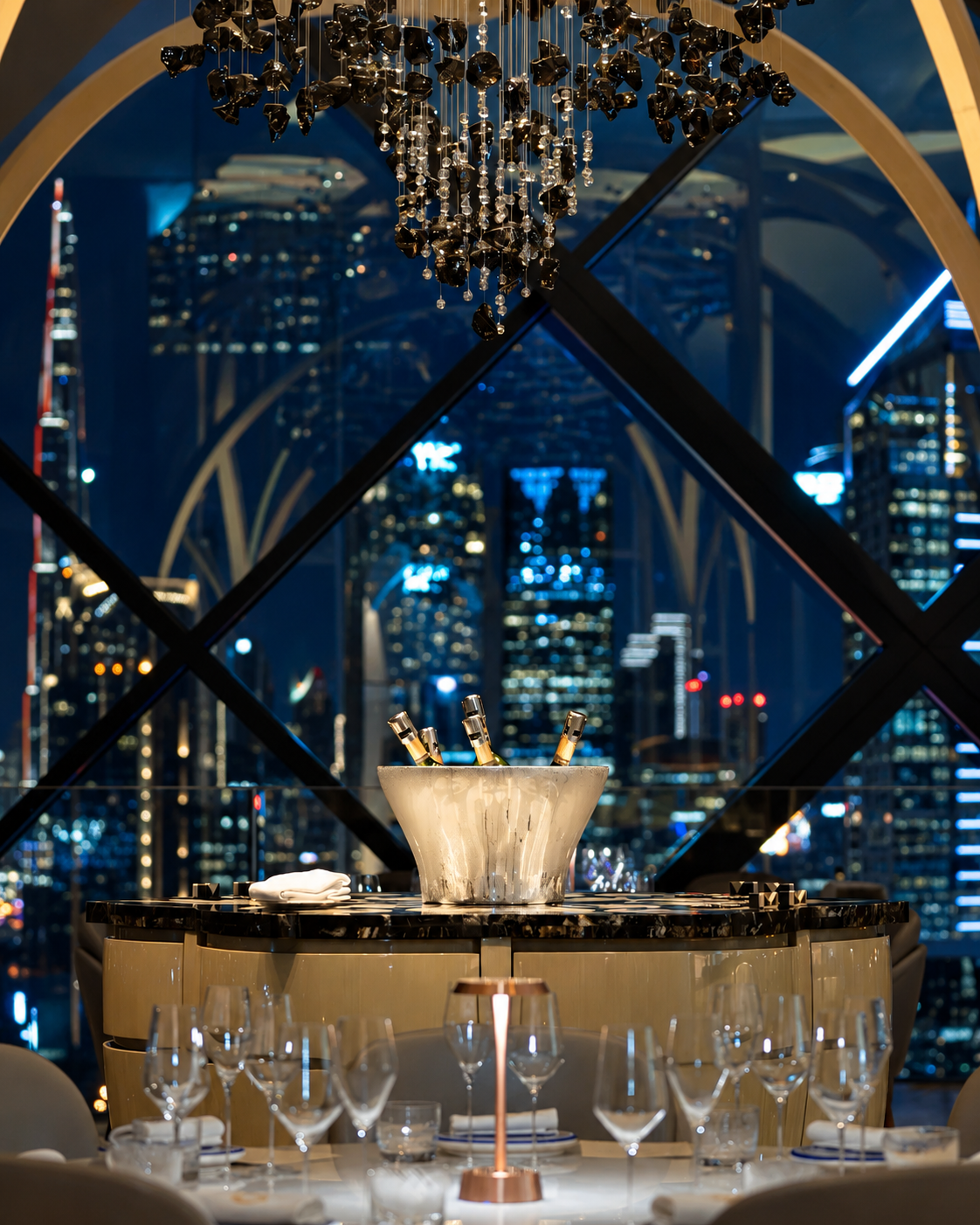
Dabiz Muñoz is the only chef to have been named Best Chef in the World by The Best Chef Awards — an accolade he has held consecutively and that reflects both the technical ambition and the conceptual originality that his DiverXO in Madrid has brought to contemporary fine dining. StreetXO is his street food concept, which in the Dubai context means elevated, technically precise, visually extraordinary small plates that deploy the flavour vocabulary of Asian street food through the technique and ingredient sourcing of a three-Michelin-star kitchen. The result is the most energetic dining environment in the property — high-tempo, sensory-rich, designed to produce the specific pleasure of recognising something familiar (the flavour logic of street food) in a context that has made it entirely unfamiliar. It is also the most photographed. That is not coincidental.
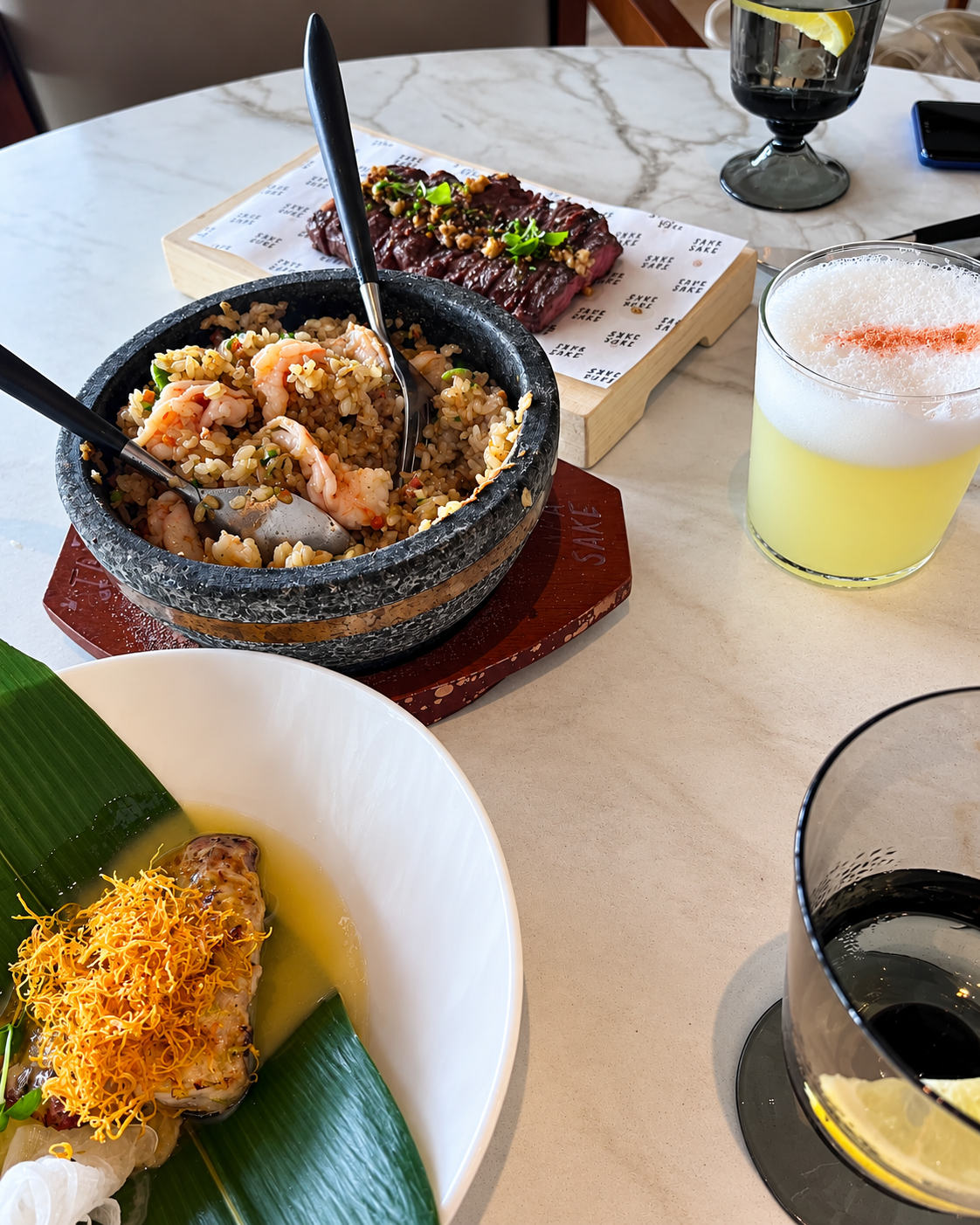
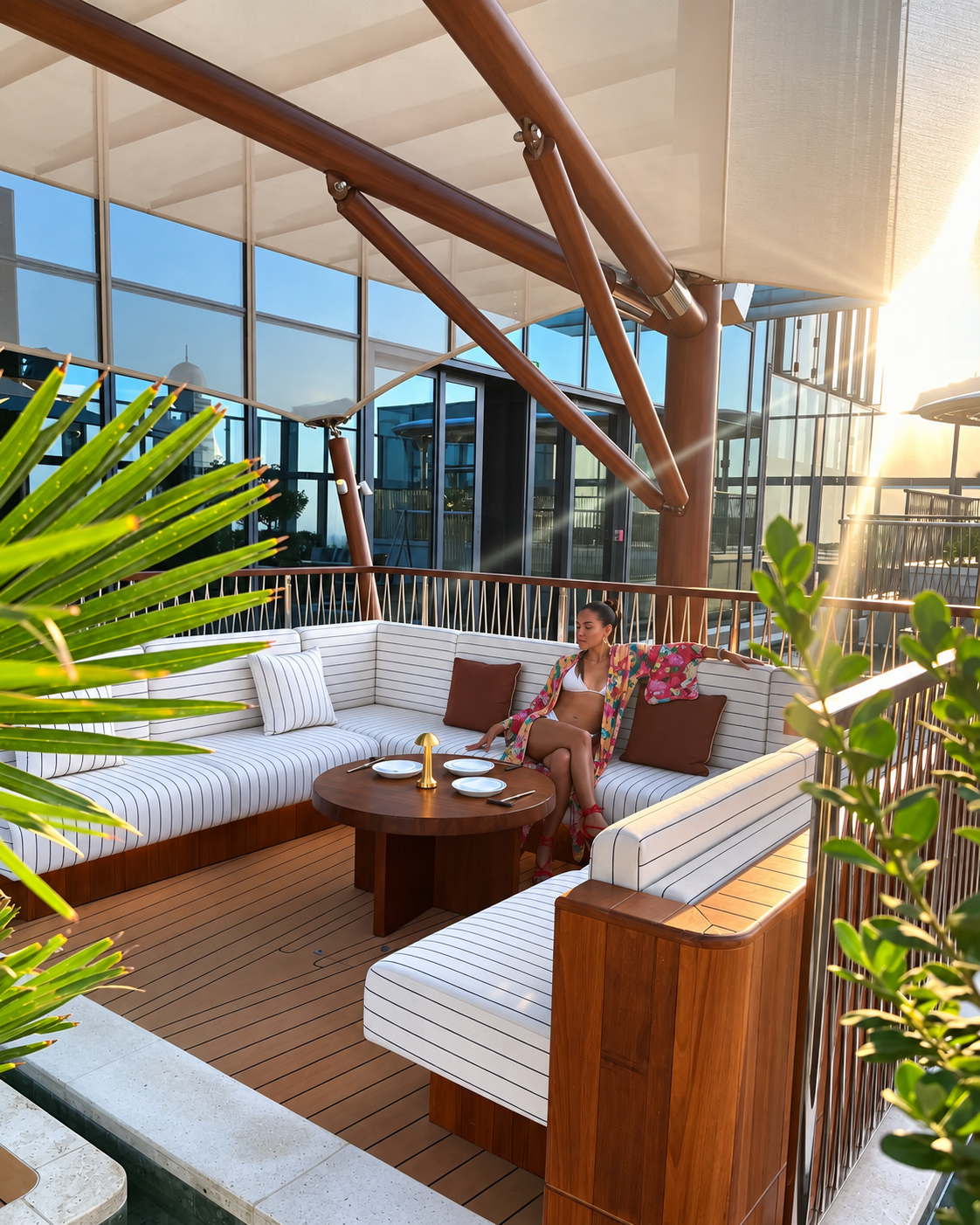
Tapasake, the pool club restaurant at The Link, completes the culinary quartet worth naming explicitly: elevated Nikkei cuisine — the Japanese-Peruvian fusion tradition that has become one of the defining flavour languages of contemporary global fine dining — served in a setting whose primary function is the view, with a menu whose primary function is to be genuinely worth eating in a view-first environment. This is a rarer achievement than it sounds. The most common failure of destination dining is the substitution of atmosphere for food. Tapasake does not make this substitution. Both are present. Both are serious.
One&Only One Za’abeel’s principal chef-driven restaurants include La Dame de Pic Dubai by Anne-Sophie Pic (the most Michelin-starred female chef in the world, La Dame de Pic is her first Middle East restaurant); Waku Ghin Dubai by Tetsuya Wakuda (the Singapore original holds two Michelin stars; the Dubai iteration applies the same multi-course progressive Japanese-influenced cuisine); and StreetXO Dubai by Dabiz Muñoz (the world’s Best Chef Award holder; StreetXO is his elevated street food concept). Tapasake, the property’s poolside Nikkei restaurant at The Link, completes the dining programme. The full property contains eleven restaurants and bars in total.
Longevity Hub by Clinique La Prairie — the wellness argument
Clinique La Prairie was founded in Montreux, Switzerland, in 1931, by Professor Paul Niehans. Its La Prairie Clinic — not the skincare brand of the same origin — became one of the most internationally regarded longevity medicine institutions in Europe, drawing clients who treated the cellular and systemic health interventions it offered as the most considered available investment in the quality of their remaining years. The methodology evolved over nine decades to encompass what the clinic describes as three interconnected pillars: longevity science, wellbeing, and aesthetics — the understanding that physical appearance and physical health are not separate systems but expressions of the same underlying cellular activity.
The Longevity Hub by Clinique La Prairie at One&Only One Za’abeel is the first such facility in the UAE. Spanning three floors of the tower, with 29 treatment rooms, it begins every guest experience with a health assessment measuring metabolism, immunity markers, and biological age indicators before constructing a personalised programme. This is not spa wellness in the conventional sense — the language of candlelit relaxation, the vocabulary of pampering. It is medical-grade preventive health intervention delivered in a hospitality context, in a city that has positioned itself as the region’s premier medical tourism destination. The distinction is significant. A guest who arrives for a three-day programme is not on holiday. They are engaged in a structured health investigation, the outcomes of which are intended to be measurable, documented, and applicable to decisions they will make about how they live when they leave. The broader shift in luxury wellness toward measurable physiological outcomes rather than experiential relaxation finds its most complete institutional expression in this facility.
The relationship between the Longevity Hub and the broader property is deliberate rather than incidental. The restaurants’ nutritional profiles are available in consultation with the Hub’s clinical team. The sleep environment in the suites has been calibrated in conversation with the wellness programme. This is integrated hospitality design — the understanding that a guest cannot separate the quality of what they eat from the quality of how they feel, and that the most considered luxury address addresses both as a single system rather than as parallel but disconnected amenities. The same evidence-based, outcome-oriented philosophy reshaping luxury beauty consumer behaviour is operating here at the level of an entire property: the most sophisticated guests are increasingly those who evaluate an experience not by what it promises but by what it produces.
The address as argument — what One Za’abeel says about Dubai
The most revealing thing about One Za’abeel is not what it contains but where it is. The development did not choose the Palm Jumeirah, whose artificial coastline provides the landscape theatre that most luxury hospitality in Dubai relies on. It did not choose the Marina, whose pedestrian-friendly retail and dining environment has made it the most internationally recognisable Dubai neighbourhood for leisure travellers. It chose Za’abeel — the neighbourhood that means “white sand,” that contains the palace where Dubai’s governance has lived since 1965, that sits at the precise geographic boundary between the city’s commercial present and its institutional memory.
That choice is a position statement. One Za’abeel is arguing that the most significant address in Dubai is not the most spectacular one. It is the most consequential one — the neighbourhood that connects what Dubai was to what it has become, that places the world’s longest cantilever building in sight of the gates where peacocks walk and flags fly and the city’s real decisions are still being made. The Dubai Frame — Ithra Dubai’s earlier development, completed in 2018, the giant rectangular portal visible from Za’abeel’s streets — frames the view between old and new Dubai with literal architectural directness. One Za’abeel occupies the gap that the Frame is pointing at.
Dubai’s most consequential infrastructure developments — the digital, the financial, the commercial — share a common characteristic with One Za’abeel: they are not decorative. They are functional arguments about what kind of city Dubai intends to be, built to last, built at a scale that requires commitment rather than enthusiasm to execute. The Nikken Sekkei design does not compete with the Burj Khalifa. It does not attempt the kind of record-breaking verticality that defined the previous generation of Dubai architecture. Instead, it spans. It reaches horizontally across a highway, above a neighbourhood, at an elevation that makes the city’s geometry visible in a way that height alone cannot produce. That is the argument The Link is making. It is also, in a larger sense, the argument Dubai has always been making — that the most interesting spatial relationships are not the ones that reach for the sky but the ones that connect what was already there.
For those approaching One Za’abeel as part of a broader Dubai itinerary, the property’s central position makes it the most logistically intelligent base in the city. The action of a well-prepared Dubai visit — charging, connectivity, the equipment that removes logistical friction from every transit — matters most when the itinerary is dense. One Za’abeel is ten minutes from the airport by metro, twelve minutes from the Dubai Mall, walking distance from the Dubai Frame and the Dubai World Trade Centre. Its position is not peripheral. It is the city’s actual geographic centre — the point from which everything else is equidistant, including the palace grounds that remind you why everything else exists.
“The most structurally extraordinary feature of One Za’abeel
is a horizontal building suspended above a working highway.
8,500 tonnes of steel.
230 metres of span.
100 metres above a city
that has never been shy about its ambitions
but has rarely expressed them quite this way —
not reaching up,
but reaching across,
connecting two towers
the way the neighbourhood beneath them
has always connected
the city’s heritage to its future:
not by choosing between them
but by insisting
that both be present
in the same view,
at the same time.”

