
On the convergence of artificial intelligence, blockchain, and sovereign capital in Dubai, the Festival’s function as a live systems integration environment, the tri-layer digital sovereignty stack, and why the future of the internet economy is no longer being debated — it is being assembled in real time
The Dubai AI & Web3 Festival is not a conference. It is a live architecture of future systems — a temporary command centre for the post-cloud economy where artificial intelligence defines computational direction, Web3 defines ownership and verification structures, and sovereign capital defines scalability and deployment speed. The future of digital infrastructure is no longer being debated. It is being assembled in real time. Dubai is not hosting innovation — it is structuring the conditions for its acceleration.
AI, blockchain, and data infrastructure are no longer separate domains. The capital that once flowed into vertically specialised technology sectors is increasingly following interoperability — the capacity of systems to function together, to share data across protocols, to enable the kinds of compound intelligence that isolated technology sectors cannot produce. The innovation that is defining the next phase of the internet economy is not happening within single disciplines. It is happening at the intersections between them — and the Dubai AI & Web3 Festival is the most significant single environment in the Gulf where those intersections are being navigated by the people with the authority and the capital to determine their direction.
Organised by the Dubai AI Campus in strategic partnership with the DIFC and the Office of the Minister of State for Artificial Intelligence, Digital Economy and Remote Work Applications, the Festival drew more than five thousand business leaders, over five hundred investors, and one hundred exhibitors representing more than one hundred countries. Over twenty unicorn companies — including Builder.ai, Cohesity, Cerebras Systems, SambaNova Systems, and Innovacer — alongside Emirates, LinkedIn, JTC Corporation, and DAMAC, represented the cutting edge of what AI and Web3 infrastructure look like when deployed at institutional scale. Over twenty government agencies and ministries participated as active architects of the regulatory frameworks through which these technologies will operate — not as passive observers, but as the builders of the policy infrastructure on which everything else depends.
The broader context of how Dubai has developed the regulatory and institutional architecture — VARA, DIFC, ADGM — that makes it the world’s most structurally aligned jurisdiction for AI and digital asset deployment is documented in Inside Dubai’s Web3 Infrastructure: Blockchain, AI, and Digital Capital. The specific dynamics of how Dubai’s high-density Web3 convergence events function as capital orchestration environments — where the corridor conversation is the primary site of consequential decision-making — is explored in Money, Culture, and Capital: Inside the Event That Shaped Dubai’s Web3 Elite. The Dubai AI & Web3 Festival operates within this same ecosystem at its highest institutional register.
Dubai as a digital sovereignty hub — why the UAE is structurally positioned as the AI and Web3 orchestration centre
Dubai’s emergence as the world’s most significant AI and Web3 convergence environment is the product of a specific set of structural conditions that have been deliberately constructed rather than accidentally accumulated. Understanding these conditions is the foundation of understanding why the Dubai AI & Web3 Festival matters — and why its outcomes carry commercial and policy implications that extend well beyond the Gulf.
The UAE’s proactive regulatory frameworks for emerging technologies constitute the most comprehensive available architecture for responsible AI and digital asset deployment at institutional scale. The DIFC’s regulatory framework provides the legal certainty that international institutional capital requires to deploy into AI-native financial products. VARA’s licensing categories cover the full spectrum of digital asset activity with the clarity that serious protocol teams and institutional investors require as a precondition for operational commitment. The UAE’s AI strategy — backed by sovereign capital and executive political will at the highest level — treats artificial intelligence not as a technology sector to be regulated but as a structural layer of national economic infrastructure to be developed and governed with the same seriousness applied to physical infrastructure.
Against this regulatory foundation, Dubai has developed a concentration of AI founders, Web3 protocol teams, sovereign capital allocators, and institutional infrastructure builders whose density makes it the most talent-rich AI and blockchain ecosystem outside of Singapore and the major US technology centres. The five thousand business leaders, five hundred investors, and one hundred exhibitors at the Dubai AI & Web3 Festival are not a representative sample of the global AI and Web3 community attending a regional event. They are the operational core of the Gulf’s digital infrastructure, assembled with the specific intention of advancing the technical, commercial, and regulatory relationships on which the next phase of the internet economy depends.
As the Financial Times has identified in its analysis of artificial intelligence, digital sovereignty, and national economic strategy, and as the World Economic Forum has confirmed in its analysis of AI as a national infrastructure priority, the jurisdictions that will define the architecture of the post-cloud economy are those that develop the regulatory clarity, sovereign capital alignment, and talent density to host the AI and Web3 infrastructure layer simultaneously — rather than treating these as separate policy domains. Dubai is the most complete available expression of a jurisdiction that has understood and acted on this convergence.
The Festival as a systems integration layer — why this is not a technology conference
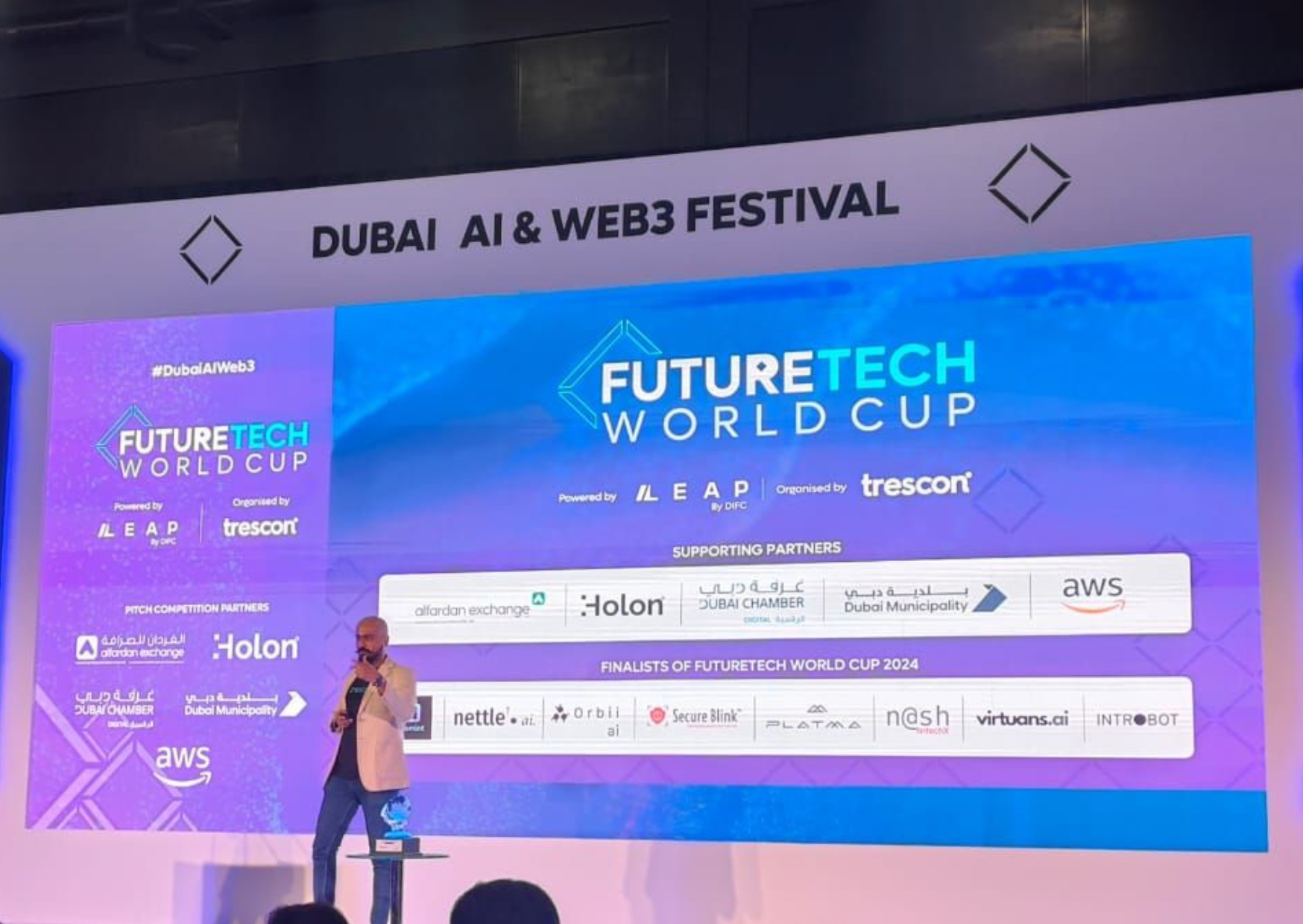
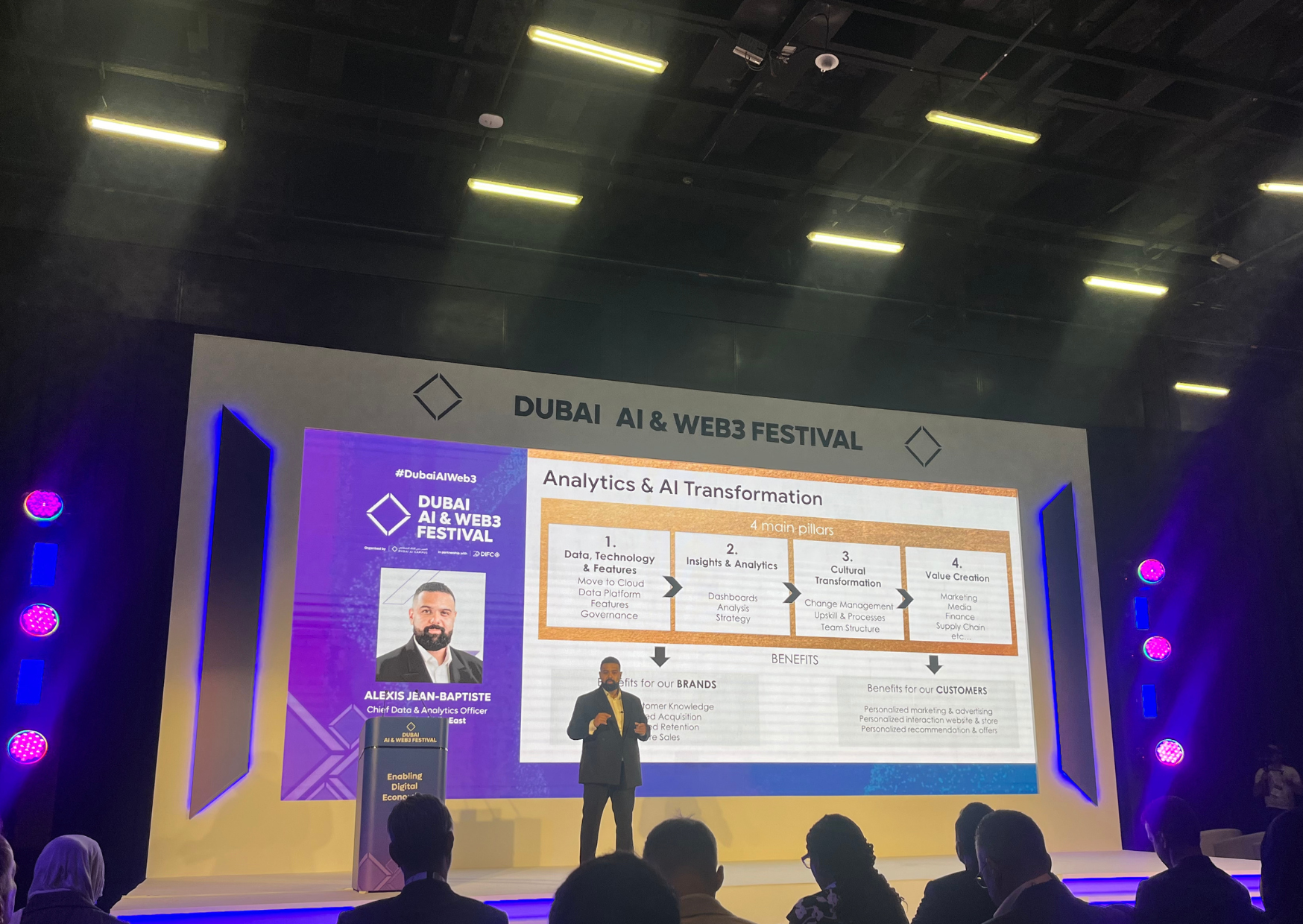
The most important reframing of what the Dubai AI & Web3 Festival represents is the shift from thinking of it as a technology conference to thinking of it as a temporary systems integration environment — a compressed space in which the technical, commercial, and regulatory layers of the next digital economy are negotiated simultaneously by the people with the authority to determine their direction.
The traditional technology conference model operated through fragmentation: panels on AI in one track, panels on blockchain in another, discussions of regulatory frameworks in a third, with the integration of these domains left as an exercise for attendees to perform independently after the event. The Dubai AI & Web3 Festival’s architecture is built on a different logic entirely — the recognition that the most consequential developments in the current phase of the internet economy are happening at the intersections of these domains, and that the value of the Festival is produced precisely by assembling the people who are working at those intersections in a single environment where their interactions can produce outcomes that siloed engagement cannot.
The thematic architecture of the Festival reflects this integration logic. Connecting Technologies — the bridging of AI, blockchain, and extended reality systems into a unified digital infrastructure — is not a panel topic. It is an operational agenda that the Festival’s format is designed to advance through the direct engagement of the technical teams, capital allocators, and policy architects whose combined work constitutes the progress of that agenda. Scalability and Storage — the challenge of managing decentralised data at the speed and volume that integrated AI and Web3 systems require — is addressed not through theoretical discussion but through live demonstrations from companies including Cerebras Systems, whose AI computational capacity work represents the frontier of what scalability looks like when approached as a systems engineering challenge rather than a product category.
The participation of over twenty government agencies and ministries as active programme contributors — not sponsors or observers — is the Festival’s most structurally significant characteristic. Regulators embedded within innovation discourse, policy frameworks developed alongside builders in real time, sandbox environments enabling live experimentation: these are the conditions that produce regulatory clarity at the speed that the AI and Web3 ecosystem requires. As Bloomberg’s analysis of Dubai’s AI and Web3 regulatory infrastructure confirms, the UAE’s most significant competitive advantage in the global digital economy race is not merely the quality of its regulatory frameworks but the speed at which those frameworks are developed in genuine dialogue with the builders and capital allocators they are designed to serve.
The tri-layer digital sovereignty stack — AI, Web3, and sovereign capital as integrated infrastructure
The most analytically significant contribution of the Dubai AI & Web3 Festival to the global digital economy conversation is its implicit articulation of a new infrastructure model — the tri-layer digital sovereignty stack — in which artificial intelligence, Web3, and sovereign capital function not as separate technology and finance domains but as interdependent layers of a unified digital infrastructure architecture.
The intelligence layer — artificial intelligence — functions as the decision infrastructure of the digital economy: the capacity to process, interpret, and act on data at speeds and scales that human cognition cannot match, embedded into the operational logic of financial systems, governance frameworks, and commercial platforms simultaneously. At the Festival, AI’s role as a structural layer rather than a product category was most visibly expressed through the participation of companies like Cerebras Systems, whose next-frontier AI computational systems enable models to process petabytes of data in timeframes previously impossible, and whose CEO Andrew Feldman’s presentation on AI’s computational frontier defined the technical ceiling of what the intelligence layer is currently capable of — and the pace at which that ceiling is rising.
The trust and ownership layer — Web3 — functions as the verification backbone of AI-driven economies: the infrastructure through which the outputs of AI systems can be trusted, through which the ownership of digital assets can be established without central authority, and through which the governance of autonomous systems can be structured through smart contract frameworks that operate faster and more consistently than institutional processes. Blockchain as trust infrastructure, tokenisation of real-world assets, decentralised identity and verification systems, smart contracts as automated governance tools: these are not separate Web3 applications. They are components of the verification architecture that makes the intelligence layer commercially deployable at institutional scale.
The scaling and deployment layer — sovereign capital — functions as the mechanism through which the intelligence and trust layers are transformed from technically sophisticated systems into operational infrastructure at the scale that national digital economies require. The UAE’s sovereign wealth infrastructure, its government-backed AI investment programmes, and its regulatory commitment to deploying public sector resources into AI and blockchain infrastructure are the scaling mechanism that no private capital structure alone can replicate. Together, these three layers constitute the digital sovereignty stack that the Dubai AI & Web3 Festival is the most significant available environment for negotiating and advancing.
Women in Web3 — building female-led digital economy infrastructure at the Festival
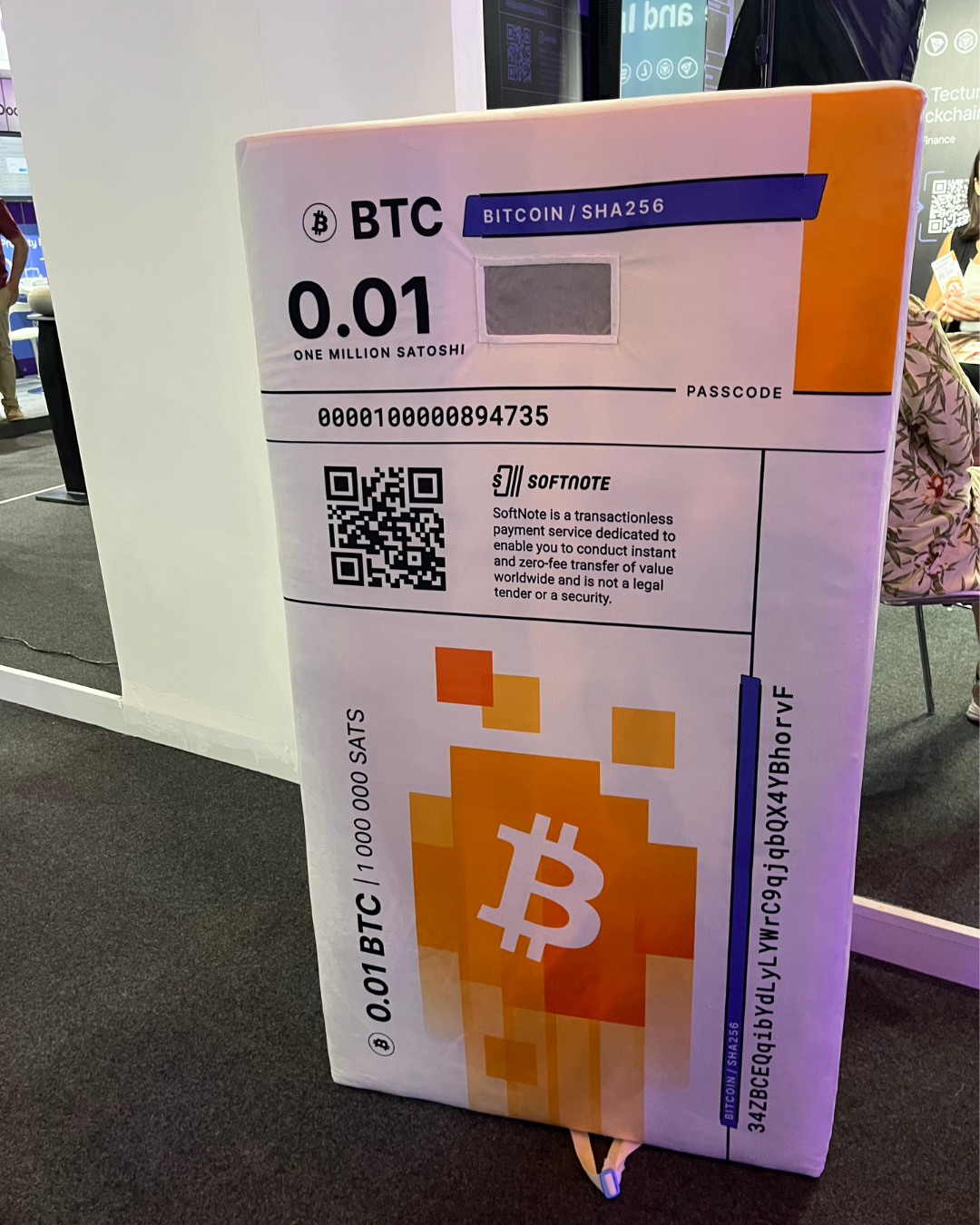
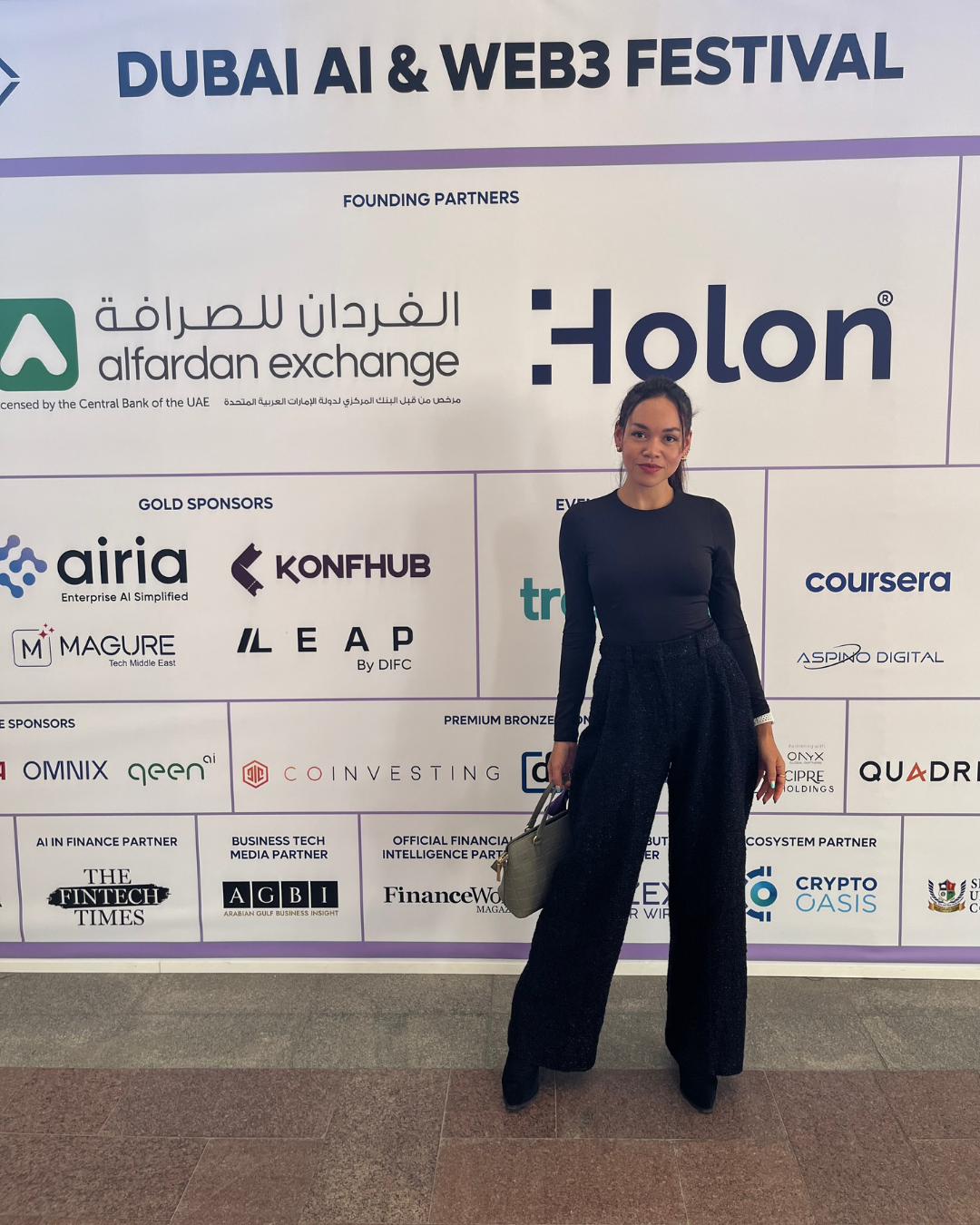
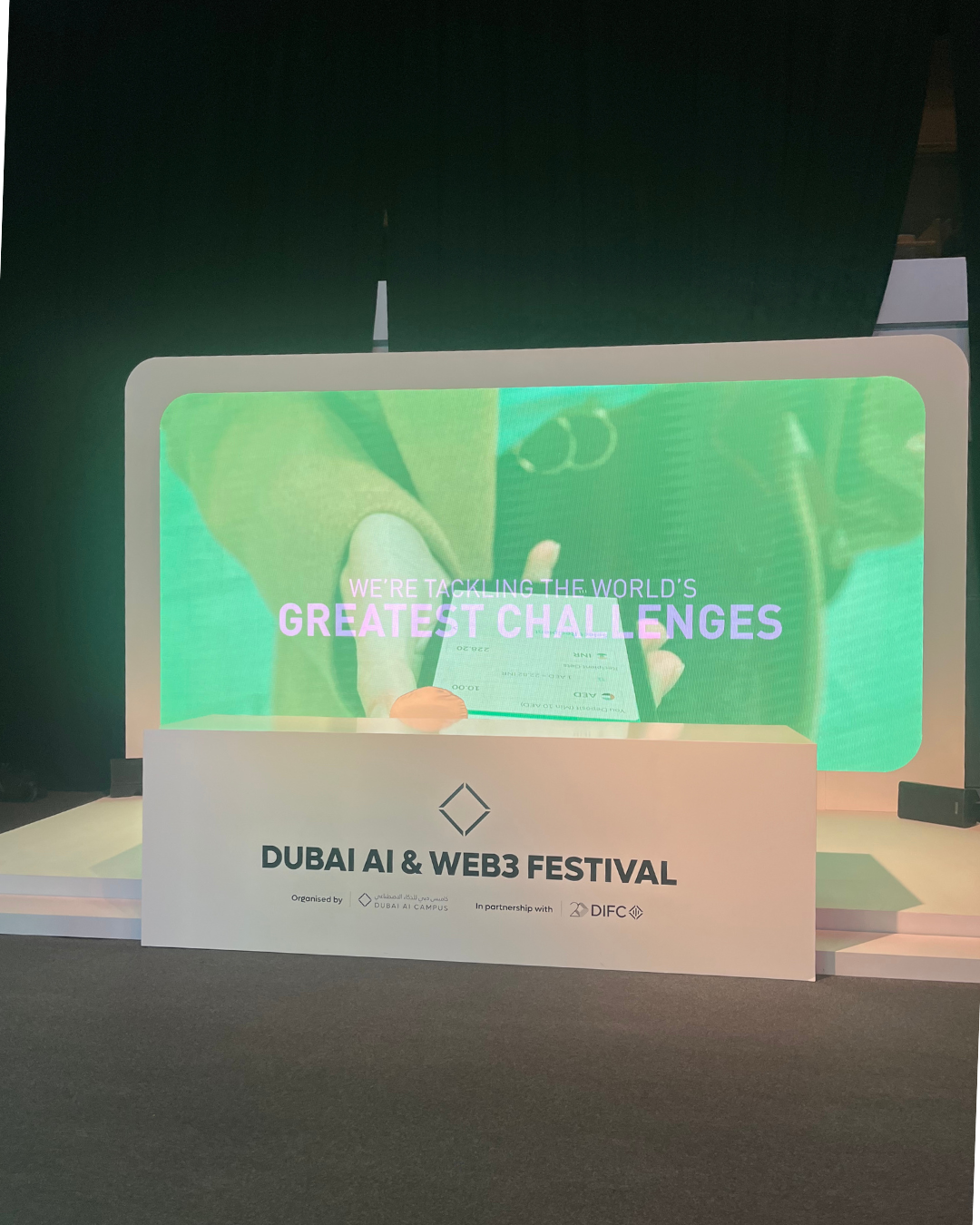
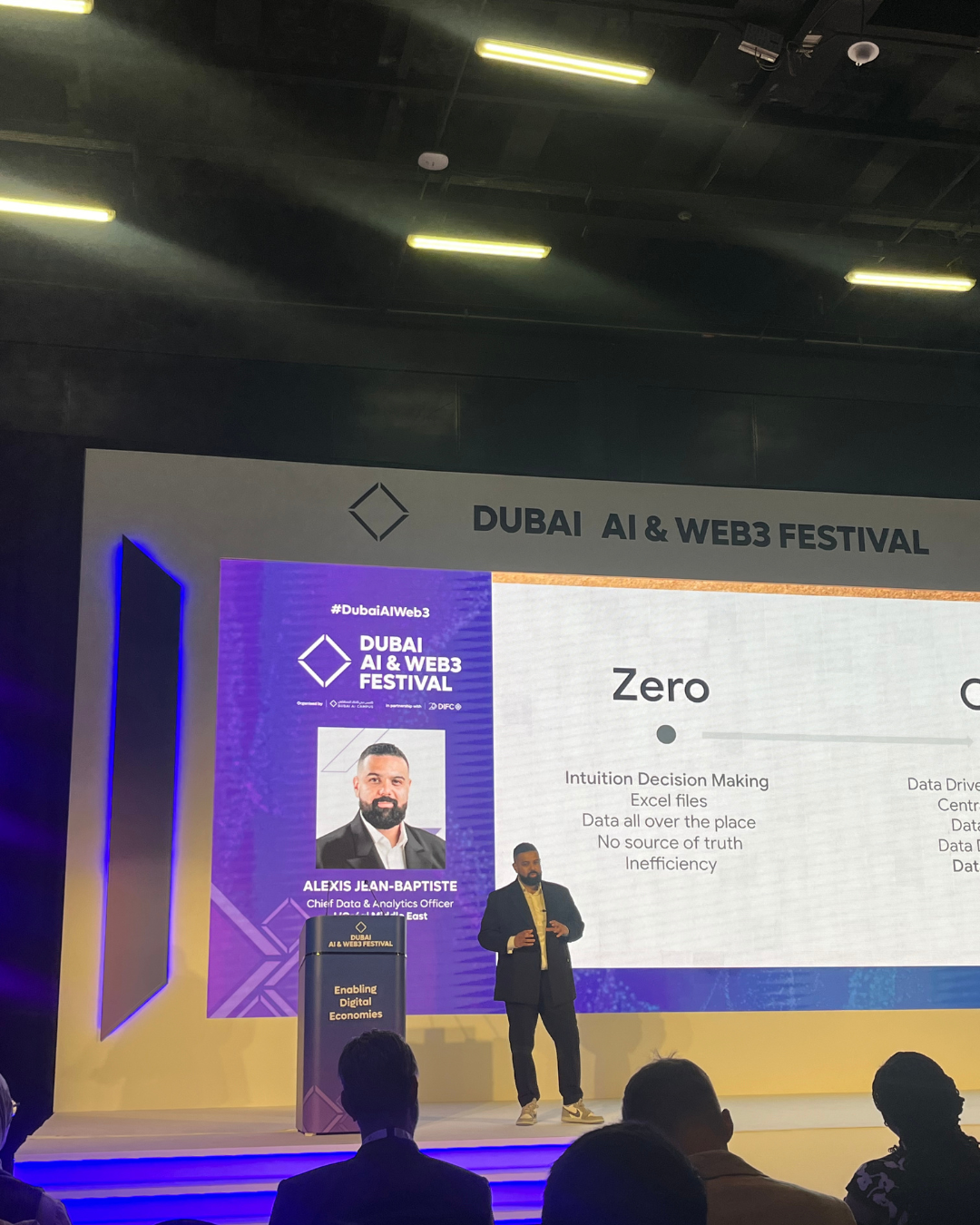
One of the most significant dimensions of the Dubai AI & Web3 Festival — and one whose importance extends beyond the immediate event into the structural future of the digital economy — is the growing presence and influence of female founders, developers, and leaders within the AI and Web3 ecosystem that the Festival assembles. The male-dominated narrative of blockchain and artificial intelligence is being actively rewritten, and Dubai is one of the most significant sites of that rewriting.
The Festival provided a platform for projects including Ni Hao Babe — a decentralised reward system designed to connect women across global communities through Web3 infrastructure, enabling token-based rewards for positive community contribution, knowledge sharing, and professional mentorship — whose presence at the Festival represented the intersection of two of the most consequential developments in the current Web3 ecosystem: the maturation of token reward systems as genuine community infrastructure, and the growing recognition that the most durable Web3 communities are those built around genuine shared values rather than speculative financial incentives.
The decentralised reward system model that Ni Hao Babe embodies — in which community members earn tokens for positive contributions that can be redeemed for access to events, educational resources, and mentorship — is a direct expression of Web3’s most structurally significant capability: the removal of the central authority as the arbiter of value distribution, replaced by a transparent, programmable system in which the community’s own standards and contributions determine reward allocation. This is not merely a product design choice. It is a political and economic statement about what Web3 infrastructure is for — and whose communities it should serve.
The momentum building for female entrepreneurs, developers, and leaders in Dubai’s AI and Web3 ecosystem is visible across the city’s most significant digital economy gatherings. The specific knowledge that women bring to the design of community infrastructure, identity systems, and social coordination mechanisms — dimensions of digital economy architecture that have been systematically underinvested in the male-dominated previous phase of Web3 development — represents one of the most significant available sources of innovation in the current phase. The Dubai AI & Web3 Festival, by providing a platform for these voices at the same institutional level as the unicorn founders and sovereign capital allocators, is making a structural statement about what the next phase of the digital economy requires.
The parallel between the cultural and identity dimensions of the digital economy and the broader understanding of how identity infrastructure shapes market development connects the Festival’s female leadership dimension to the wider cultural intelligence — and to the specific creative intersections explored in Fashion Meets Web3 at DGIsland and Sacred Heart, where the convergence of digital identity, fashion, and blockchain infrastructure produces one of the most commercially significant frontier territories in the current phase of Web3 development about how Dubai’s most significant ecosystems develop. Soigné Middle East: The Modest Fashion Magazine the Region Has Always Deserved explores the same structural dynamic in a different register: the emergence of editorial and cultural infrastructure built from within a community, rather than addressed at it from the outside, as the most consequential form of platform building available to any underrepresented demographic.
Capital flow in real-time innovation environments — the Festival as compressed investment pipeline
The Dubai AI & Web3 Festival’s most commercially significant function — the function that distinguishes it most sharply from the conventional technology conference model — is its operation as a compressed innovation-to-investment pipeline in which the decision cycles that would otherwise require months of sequential institutional engagement are shortened to days of direct interaction in a high-density professional environment.
Venture capital firms at the Festival are not attending to learn about AI and Web3 — they are attending to source the specific investment opportunities that the density of the assembled founder community makes available within the event window. The live product demonstrations, the direct founder access, the compressed due diligence that a physically shared environment enables, and the immediate portfolio company introduction infrastructure that the Festival’s network provides together constitute an investment sourcing environment whose efficiency no remote engagement process can replicate.
Sovereign wealth funds evaluating Web3 infrastructure plays are conducting due diligence through direct protocol team engagement rather than through the secondary analysis of reports and pitch materials. Accelerators are compressing their intake cycles around the talent density the Festival assembles. And the immediate pilot deployments that emerge from Festival interactions — the direct consequences of the specific combinations of technical capability, capital appetite, and regulatory clarity that only this environment makes possible simultaneously — are among the most commercially significant outputs of the event.
As McKinsey’s State of AI analysis documents, the companies achieving the fastest routes from AI innovation to commercial deployment are those with the most strategic approach to the high-density convergence environments that concentrate their most important stakeholders — technical collaborators, capital allocators, regulatory interlocutors, and enterprise customers — in a single environment simultaneously. The Dubai AI & Web3 Festival is the Gulf’s most significant such environment. Its function is not to discuss the future of the digital economy. It is to produce it.
The structural comparison with how Singapore’s digital economy ecosystem functions — and the specific ways in which different regulatory philosophies produce different innovation trajectories in comparable jurisdictions — is explored in Singapore Web3 Intelligence: Why the Most Structurally Coherent Blockchain Market Rewards Proximity Over Observation. Together, the Dubai and Singapore AI and Web3 ecosystems constitute the two most sophisticated available laboratories for understanding how sovereign digital infrastructure strategy shapes the trajectory of the global internet economy.
The future of AI and Web3 festivals — from events to infrastructure deployment nodes
The Dubai AI & Web3 Festival represents not merely a successful technology event but a prototype of the structural direction in which the entire category of AI and blockchain convergence events is moving — toward permanent digital-physical hybrid ecosystems in which the compressed capital orchestration and regulatory alignment that currently occur only during the event window extend into year-round operational infrastructure.
AI-driven matchmaking between technologies, capital, and regulatory frameworks — connecting founders with investors through algorithms that process technical capability profiles, investment theses, regulatory requirements, and deployment timelines to produce optimal interaction sequences — is already transforming the efficiency of the most sophisticated technology convergence events. The Festival’s development trajectory reflects this broader evolution: the movement from a calendar event that produces outcomes across a concentrated period toward a continuous relationship infrastructure that the annual Festival activates and reinforces rather than creates from scratch.
The most consequential long-term implication of the Dubai AI & Web3 Festival’s model is its contribution to the emergence of what might be called the post-globalized digital order — a structure in which nations compete not merely on economic fundamentals but on the attractiveness of their digital infrastructure for AI and Web3 system deployment, in which data sovereignty has become a geopolitical asset class, and in which the decentralized systems of Web3 are aligning with state-level digital strategies in ways that produce entirely new forms of national competitive advantage. Dubai is the most complete available expression of a jurisdiction that has understood this structural shift and is building the institutional infrastructure to capitalise on it.
The Dubai AI & Web3 Festival reflects a fundamental shift in how technological futures are being constructed. No longer confined to isolated innovation ecosystems, AI and blockchain are being assembled within integrated environments where capital, regulation, and infrastructure co-evolve in real time. Dubai is not simply hosting conversations about the future of the internet economy. It is actively shaping the operational frameworks through which that economy will function. The Festival is therefore not an event. It is a live blueprint of the next digital operating system — where intelligence, trust, and sovereignty converge into a single evolving architecture.
“The Dubai AI & Web3 Festival reflects a fundamental shift
in how technological futures are being constructed.
No longer confined to isolated innovation ecosystems,
AI and blockchain are now being assembled
within integrated environments
where capital, regulation, and infrastructure co-evolve in real time.
In this emerging paradigm, Dubai is not simply hosting conversations
about the future of the internet economy.
It is actively shaping the operational frameworks
through which that economy will function.
The Festival is therefore not an event.
It is a live blueprint of the next digital operating system —
where intelligence, trust, and sovereignty
converge into a single evolving architecture.”