
On Cairo’s dining scene as a geography of layered atmospheres rather than a list of addresses — the Nile as a culinary spine, the Pyramids as a dining backdrop, and eight restaurants that collectively map the emotional and spatial range of what it means to eat well in one of the world’s most historically saturated cities
Cairo’s dining scene is not defined by individual restaurants, but by the way they collectively shape a geography of experience. From the river’s edge at Gingko and Birdcage, to the monumental silence surrounding Khufu’s and Alfredo, and into the contemporary cosmopolitan rhythm of Crimson and Zeeyara, each space contributes to a larger narrative — one where cuisine becomes inseparable from place. In Cairo, to dine is not simply to eat. It is to move through layers of history, architecture, and emotion, all unfolding along the same eternal axis: the Nile.
Cairo’s culinary identity is a fascinatingly complex inheritance. At its foundation lies a cooking tradition rooted in the specific agricultural and spice geography of the Nile Valley — the earthy warmth of coriander, cumin, and turmeric that forms the flavour base of Egyptian cuisine; the aromatic sweetness of cinnamon and cloves in its confections; the tangy brightness of sumac and za’atar in its salads and flatbreads. The baladi bread — whole wheat, nutty, chewy, the cornerstone of the Egyptian table — is the medium through which these flavours most intimately reach the diner, scooped and torn and used with the specific directness of a food culture whose relationship to bread is not decorative but essential.
Onto this foundation, Cairo’s luxury dining scene has layered the full range of international culinary intelligence — Italian, Thai, French, Pan-Asian, contemporary Middle Eastern — with the specific confidence of a city that has been absorbing and integrating foreign cultural influences for five thousand years. The result is not confusion but sophistication: a dining landscape whose venues are not competing with each other’s cuisine so much as competing with each other’s atmosphere, each other’s specific quality of spatial storytelling, each other’s capacity to position the diner within a version of Cairo that illuminates a different dimension of the city’s inexhaustible complexity.
The Cairo dining experience exists in natural dialogue with the broader Egyptian journey documented across this site’s full Egypt editorial — the intellectual and historical depth of Beyond the Postcard: Saqqara, Memphis, and Giza with a Historian, the human warmth of Cairo Beyond the Monuments: Museums, Bazaars, and the Road to Ain Sokhna, and the coastal stillness of Ain Sokhna and the New Quiet Escape. The dining guide that follows is the culinary chapter of that larger Egyptian narrative.
Gingko at Fairmont Nile City — contemporary riverfront sophistication
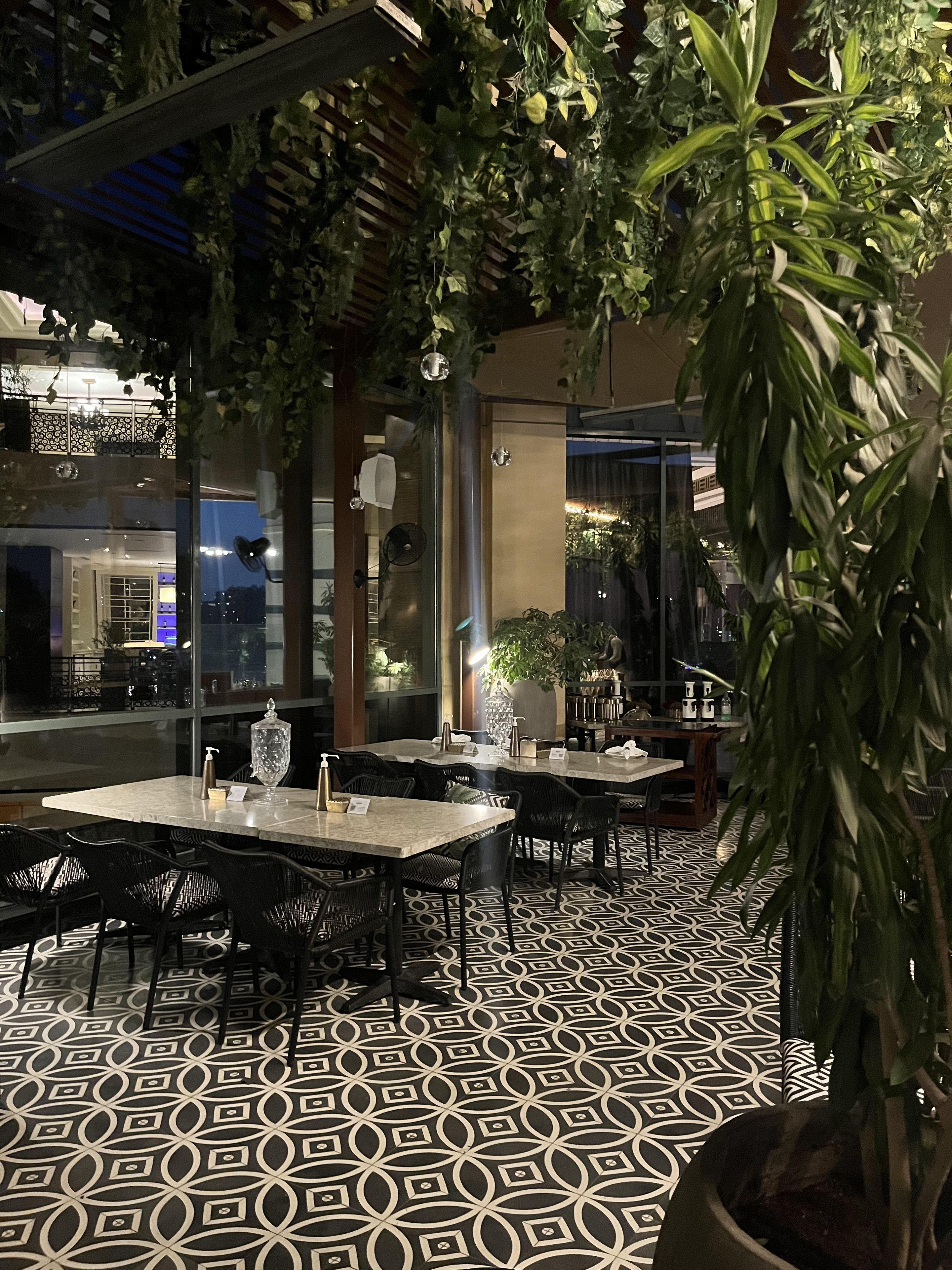
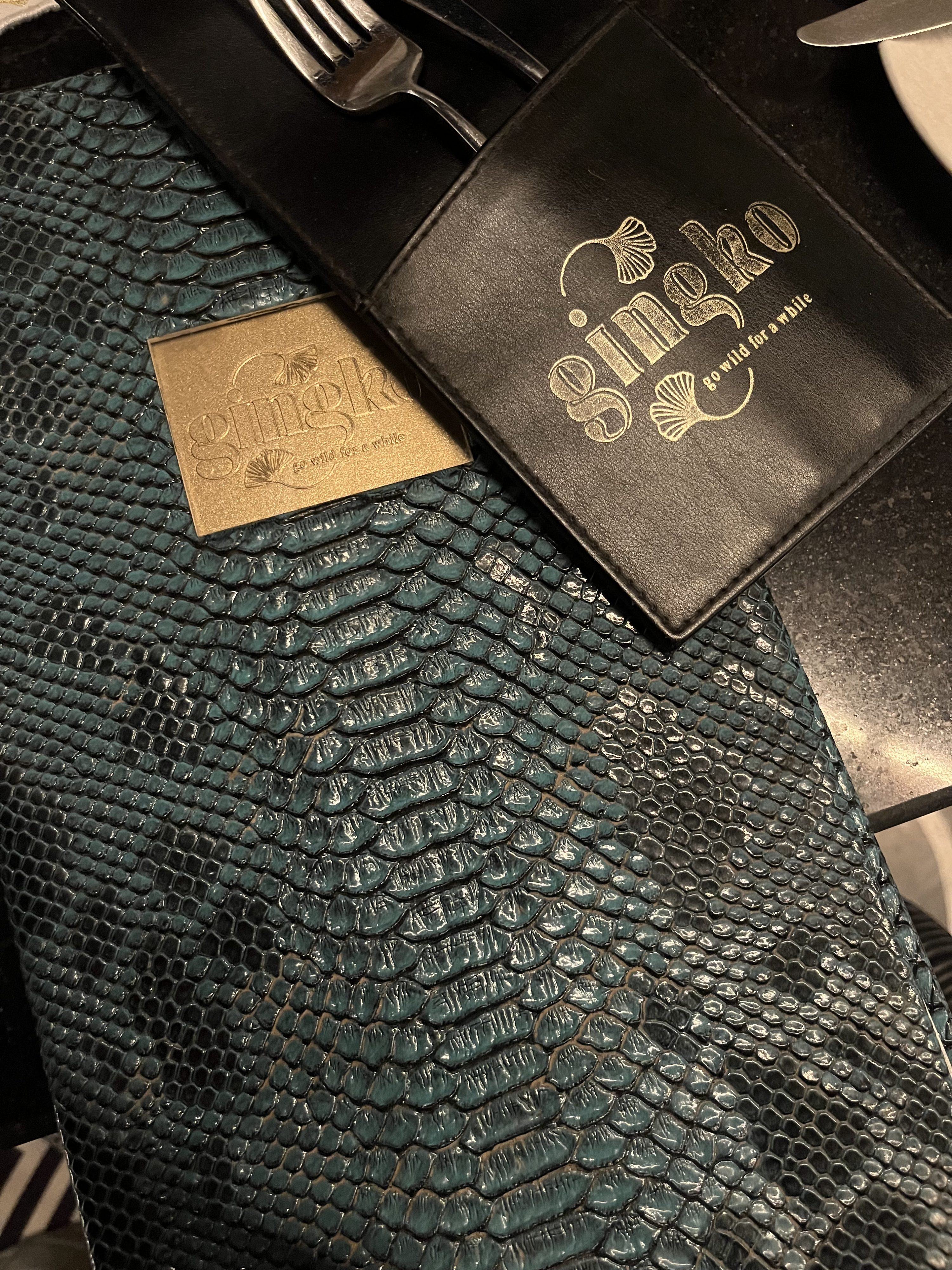
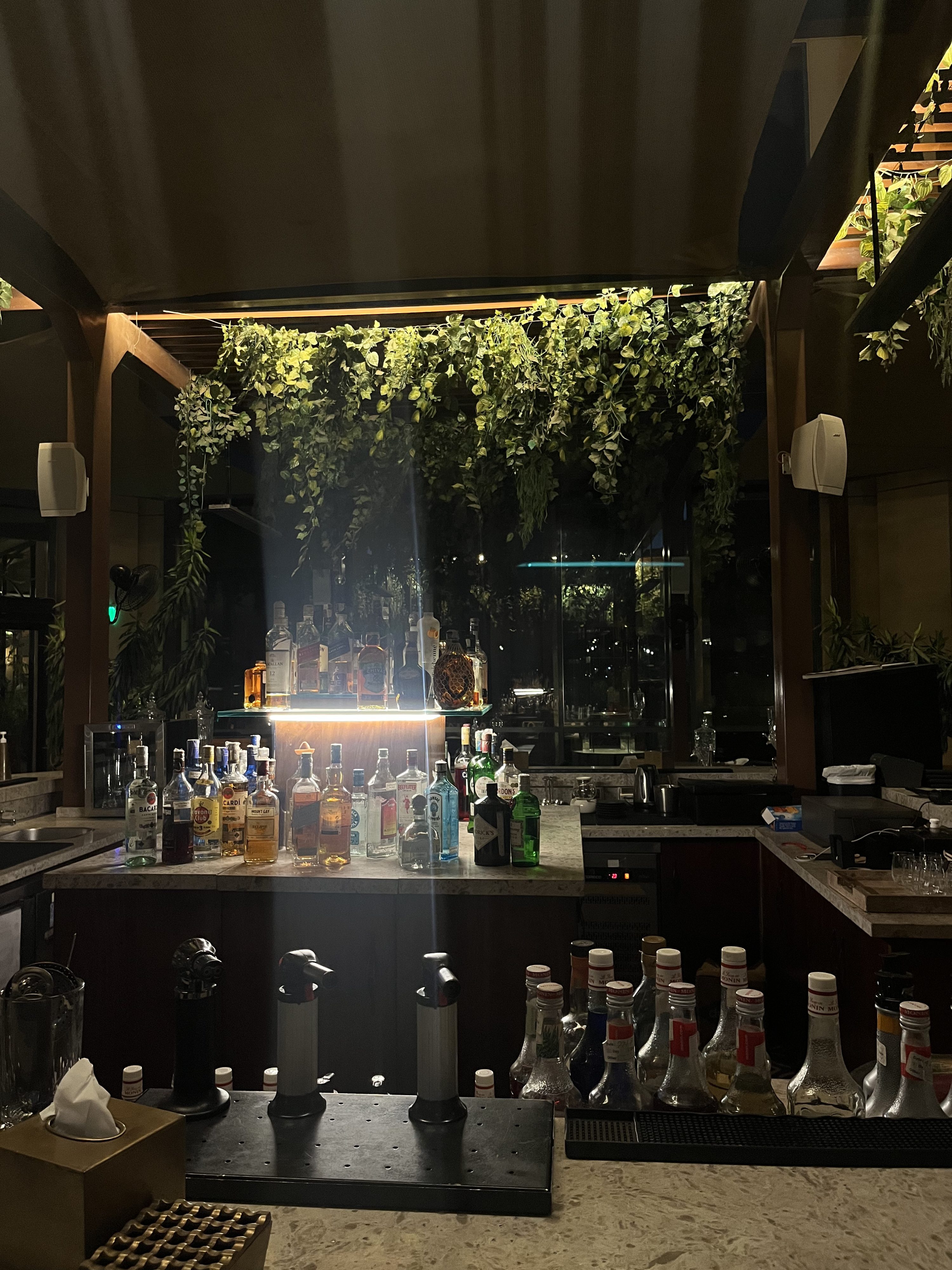
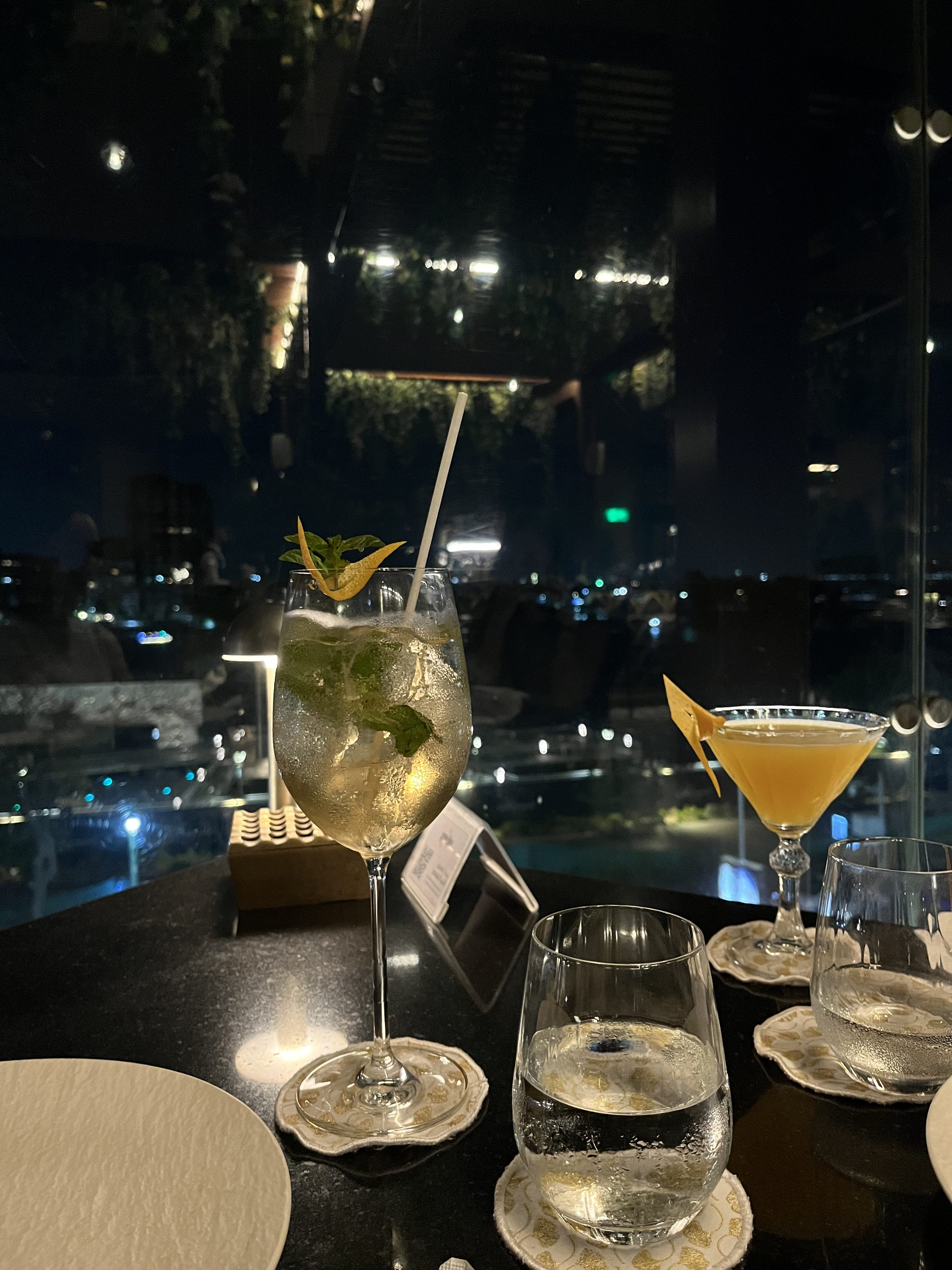
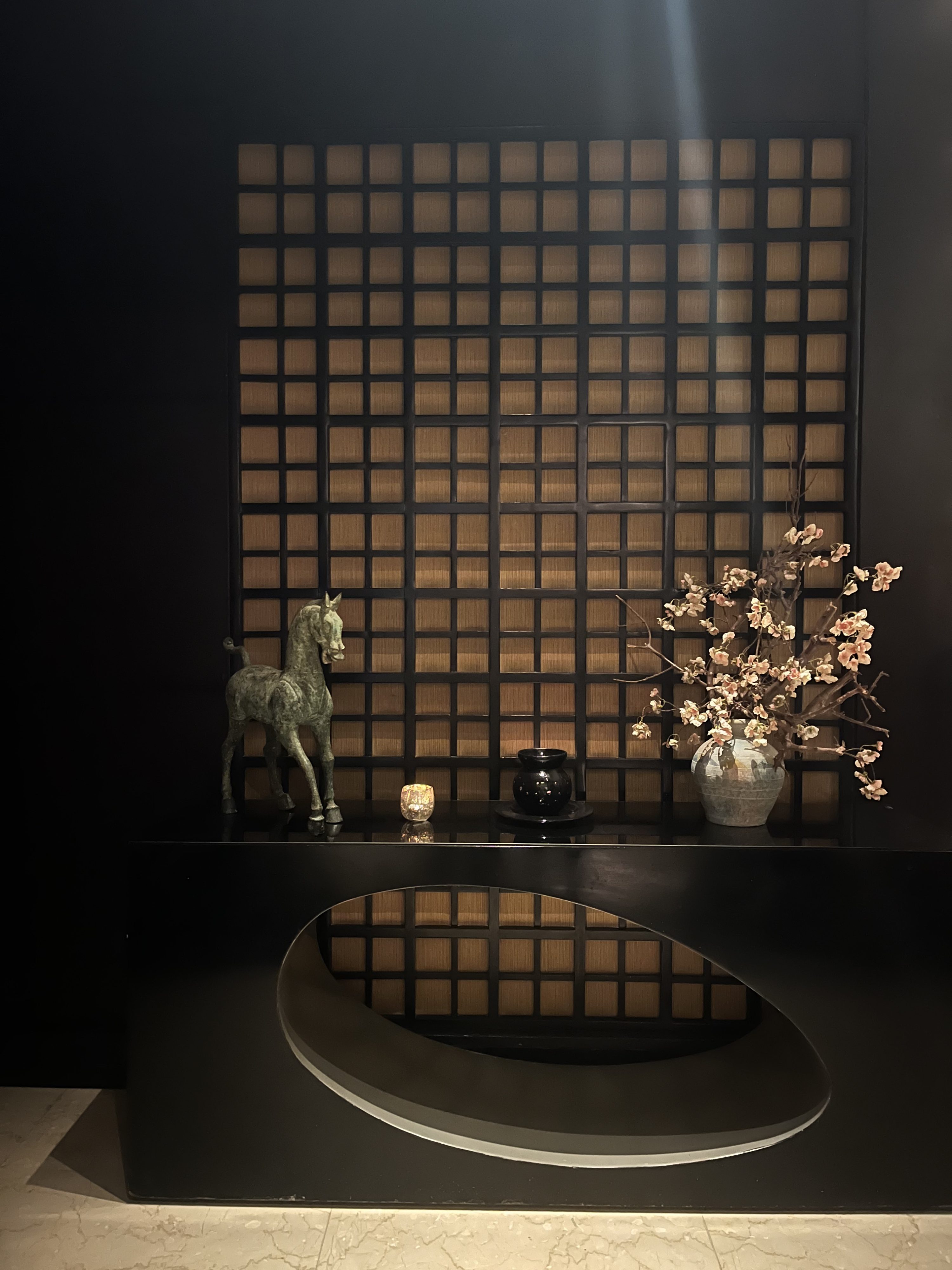
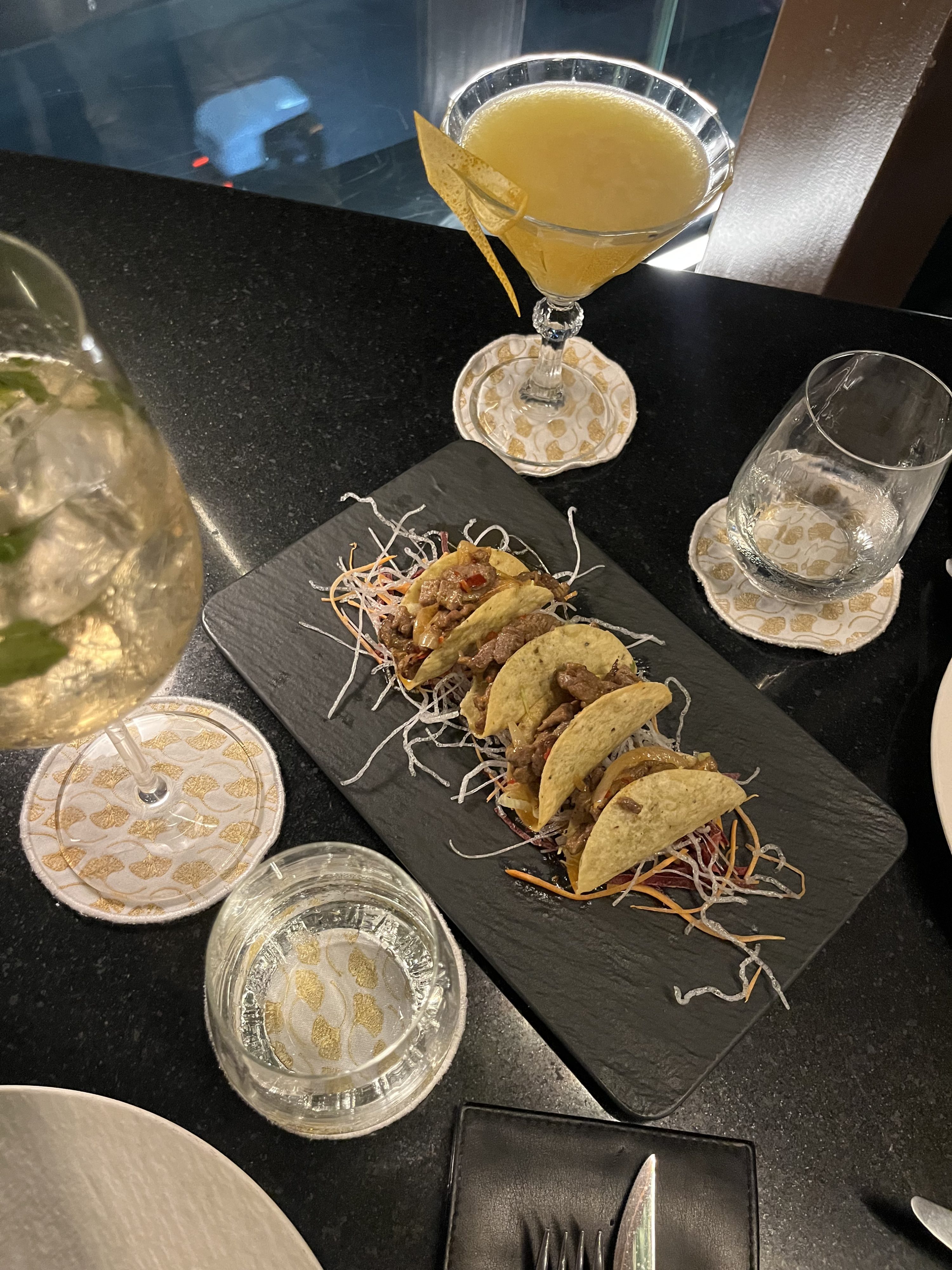
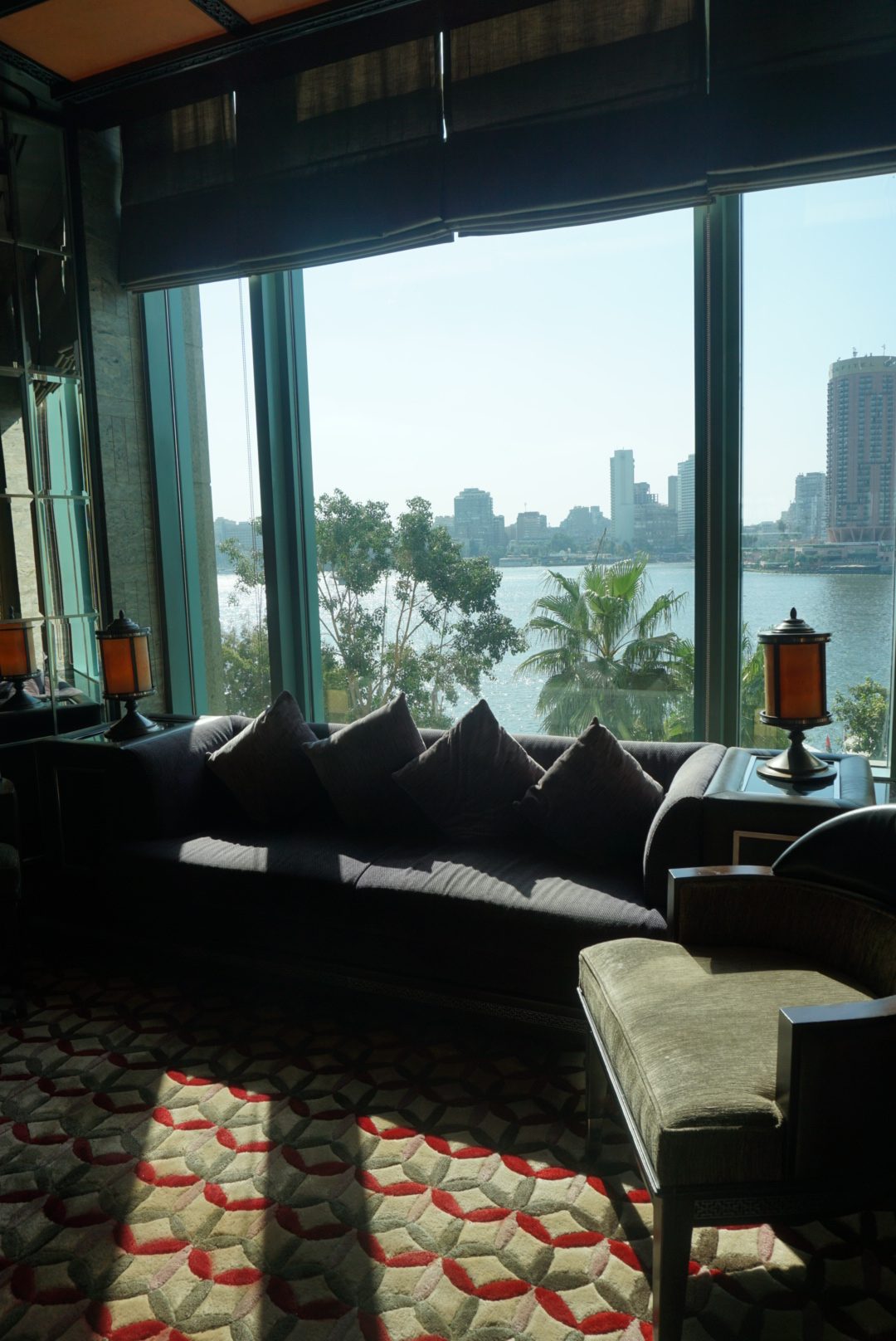
Gingko Restaurant at the Fairmont Nile City is the fullest available expression of what Nile-side fine dining looks like when the design intelligence of a global luxury hotel group is applied to the specific visual quality of Cairo’s most iconic waterway. The view of the Nile from Gingko’s floor-to-ceiling windows is not merely scenic — it is the primary design element of the entire dining experience, the visual context within which every element of the menu, the service, and the spatial design is understood.
The menu at Gingko operates within an eclectic contemporary framework that draws from the best of Middle Eastern and international cuisine — the signature mezze platter whose traditional dips and small bites carry subtle gourmet refinements, the grilled meats and fresh seafood whose preparation reflects the specific quality standards of the Fairmont kitchen, the dessert menu whose contemporary reimaginings of Egyptian and international classics demonstrate the kind of pastry intelligence that only serious commitment to the craft produces. The beef tacos and crème brûlée are standout expressions of this kitchen’s capacity to execute within both its regional and international registers with equal confidence. The tables with direct Nile views are the non-negotiable choice — arriving early to secure them is the primary tactical intelligence of the Gingko visit. The rooftop bar, when open, extends the Nile-view dining experience into a more social register — its periodic closure is the only note of caution in what is otherwise one of Cairo’s most consistently rewarding dining experiences.
Address: Fairmont Nile City, Nile City Towers, Corniche El Nil, Ramlet Beaulac, Cairo
Birdcage at InterContinental Cairo Semiramis — the ritual of Oriental fine dining
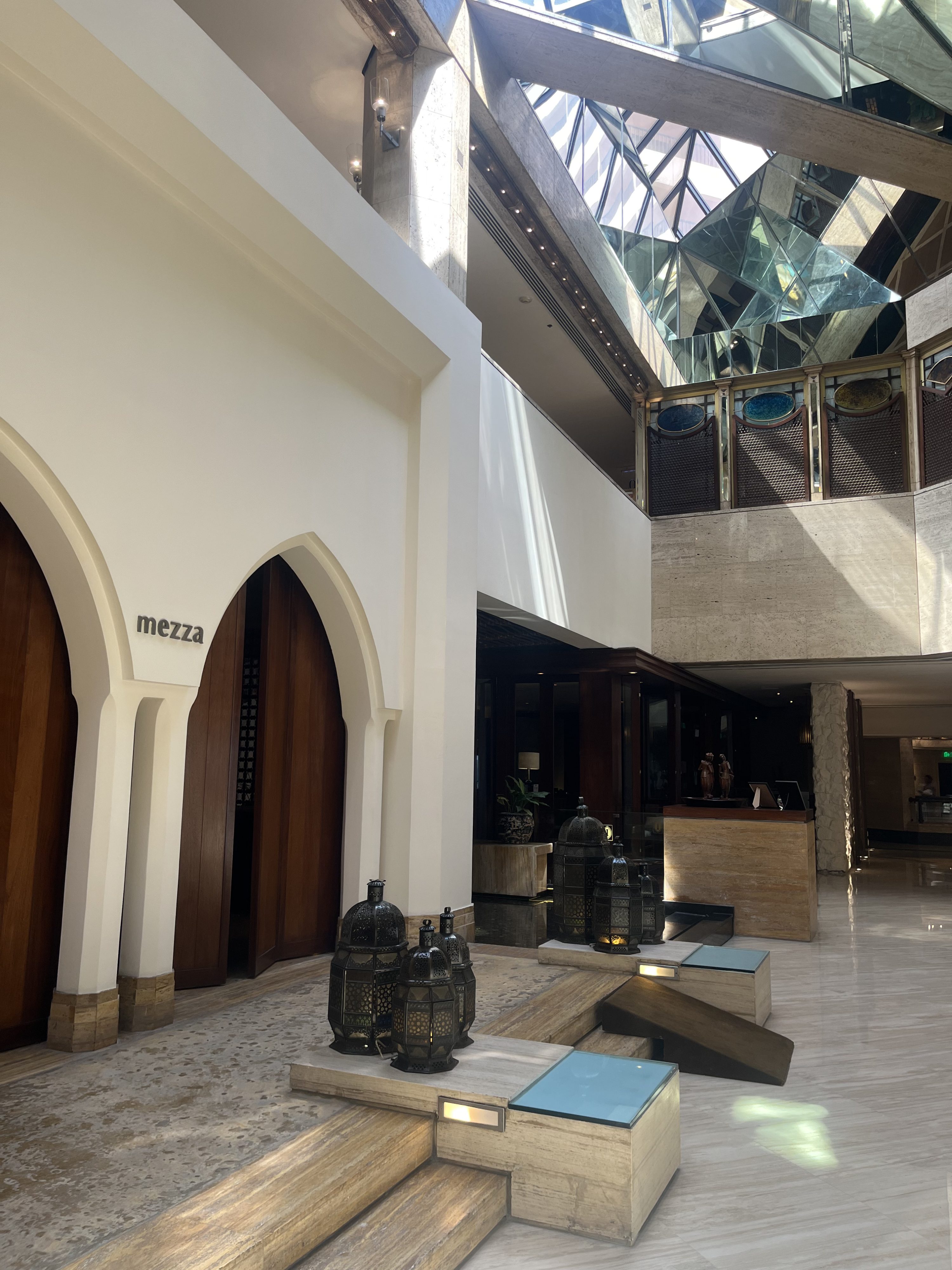
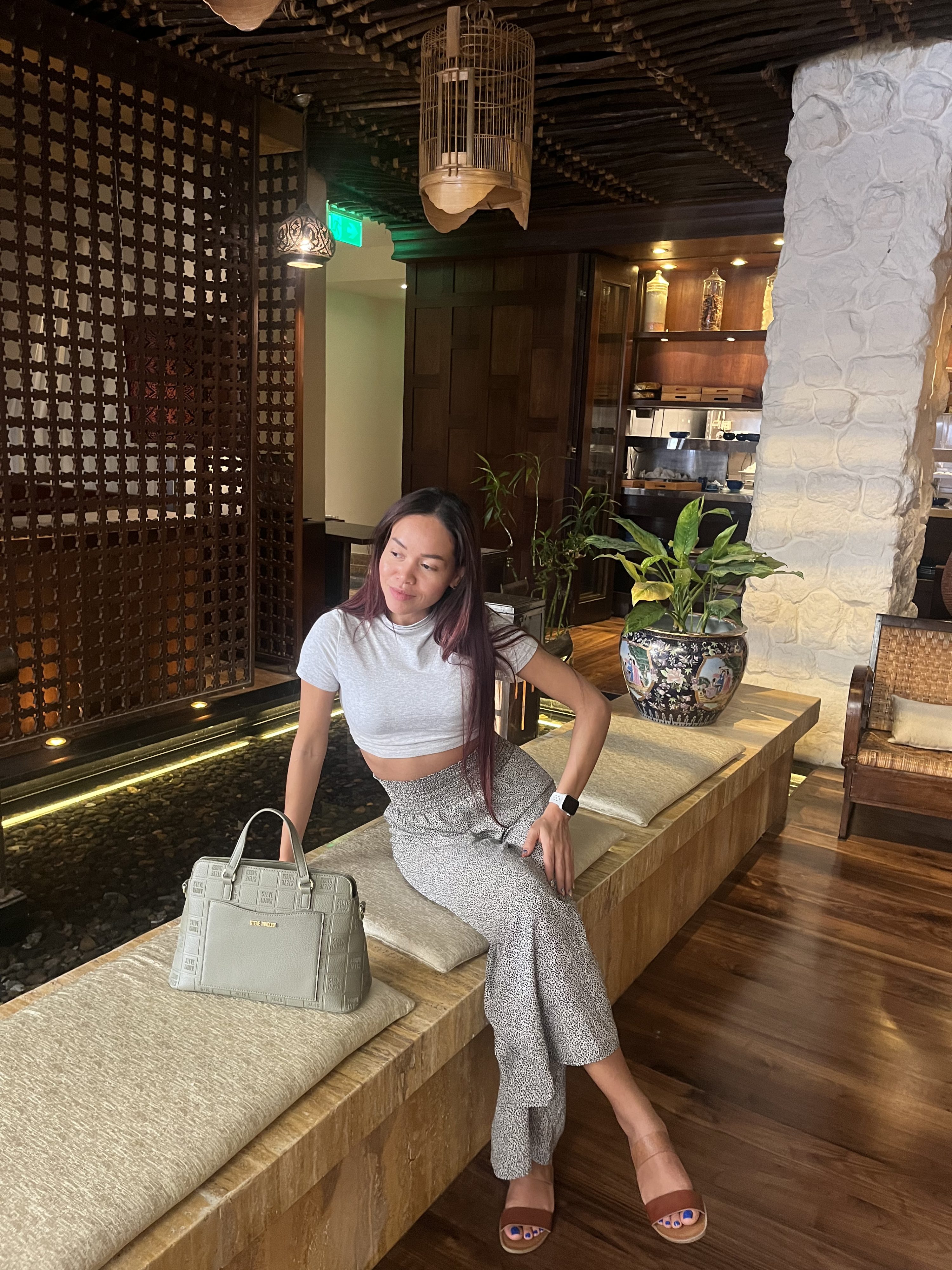
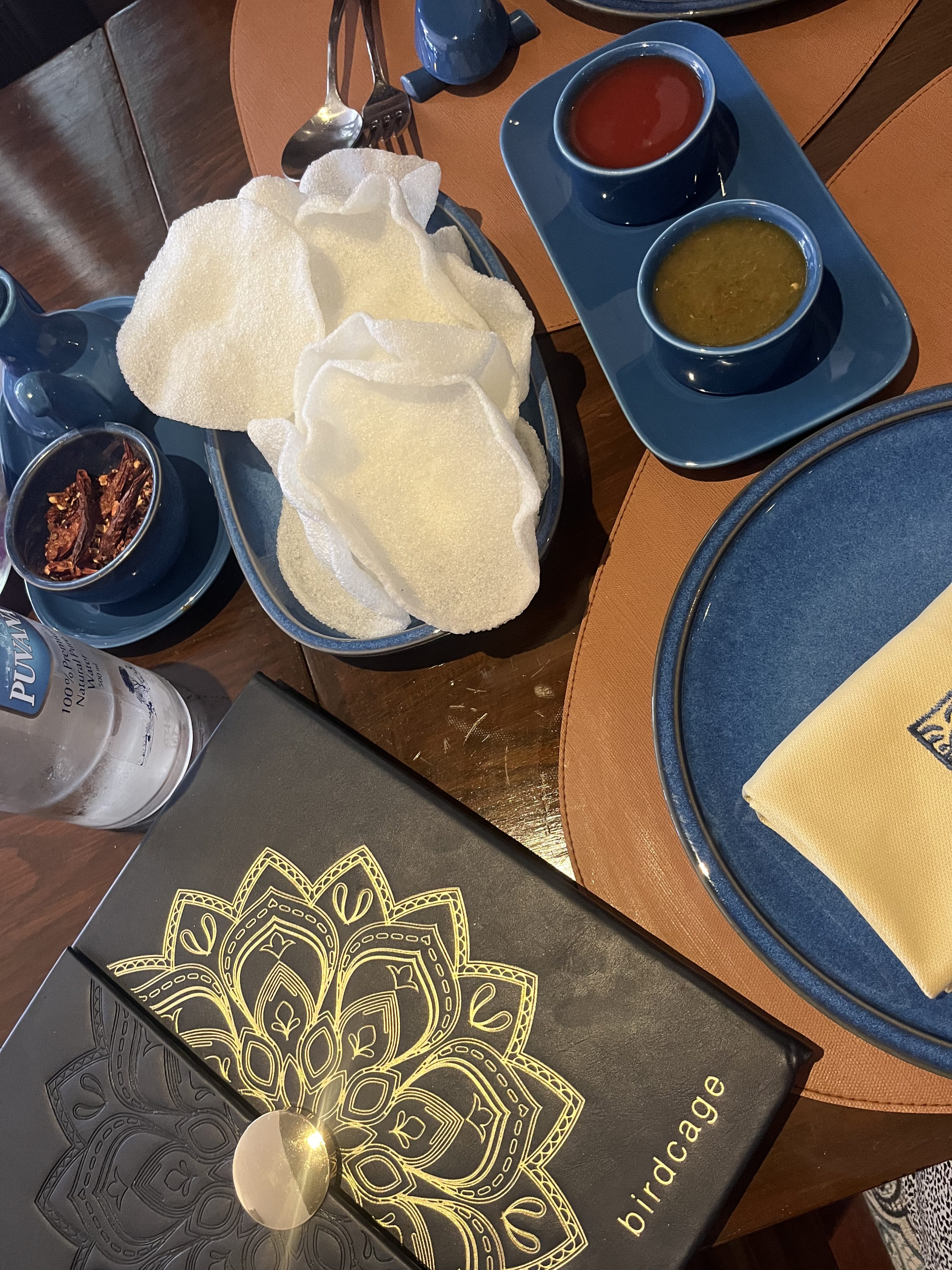
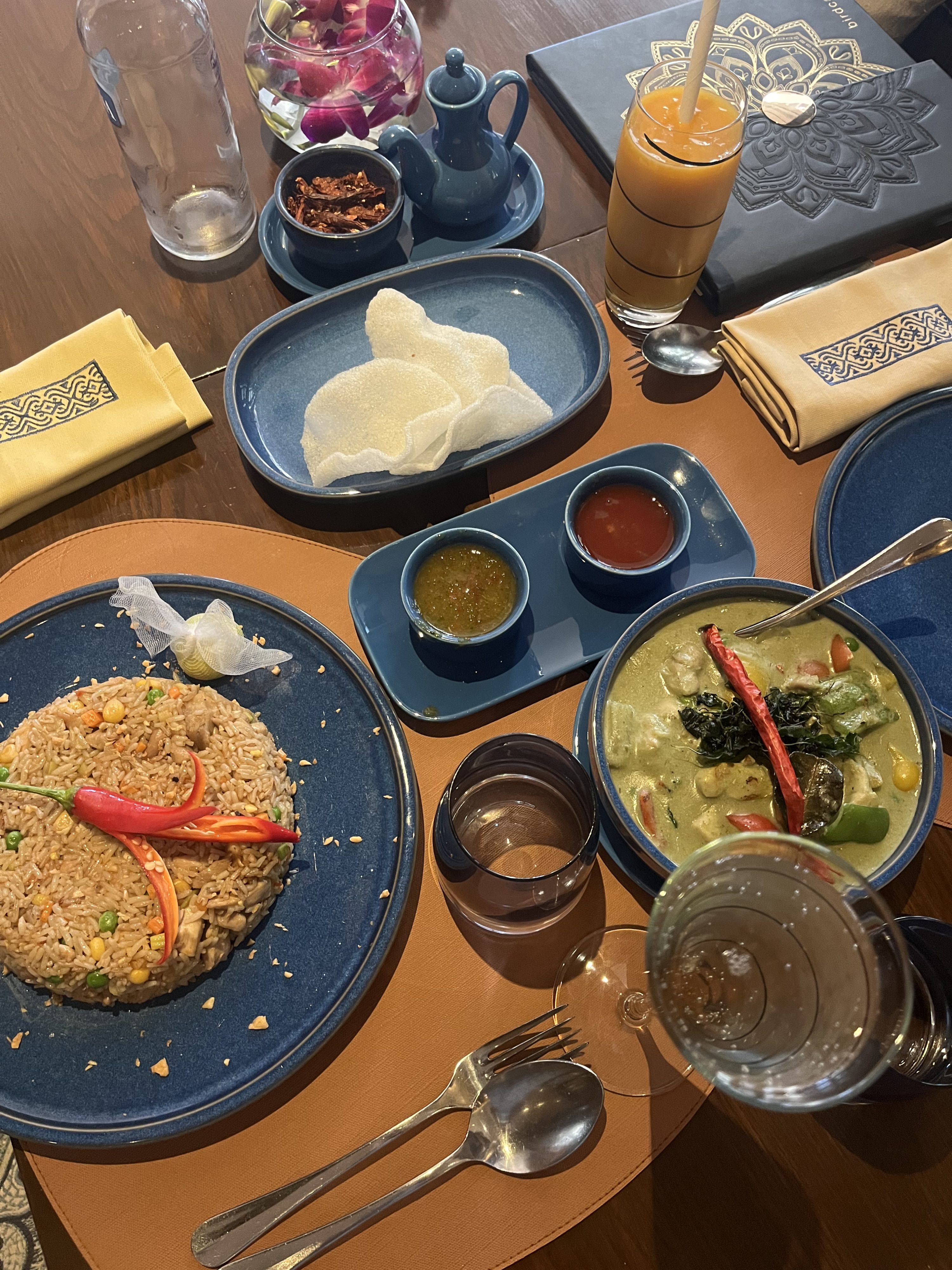
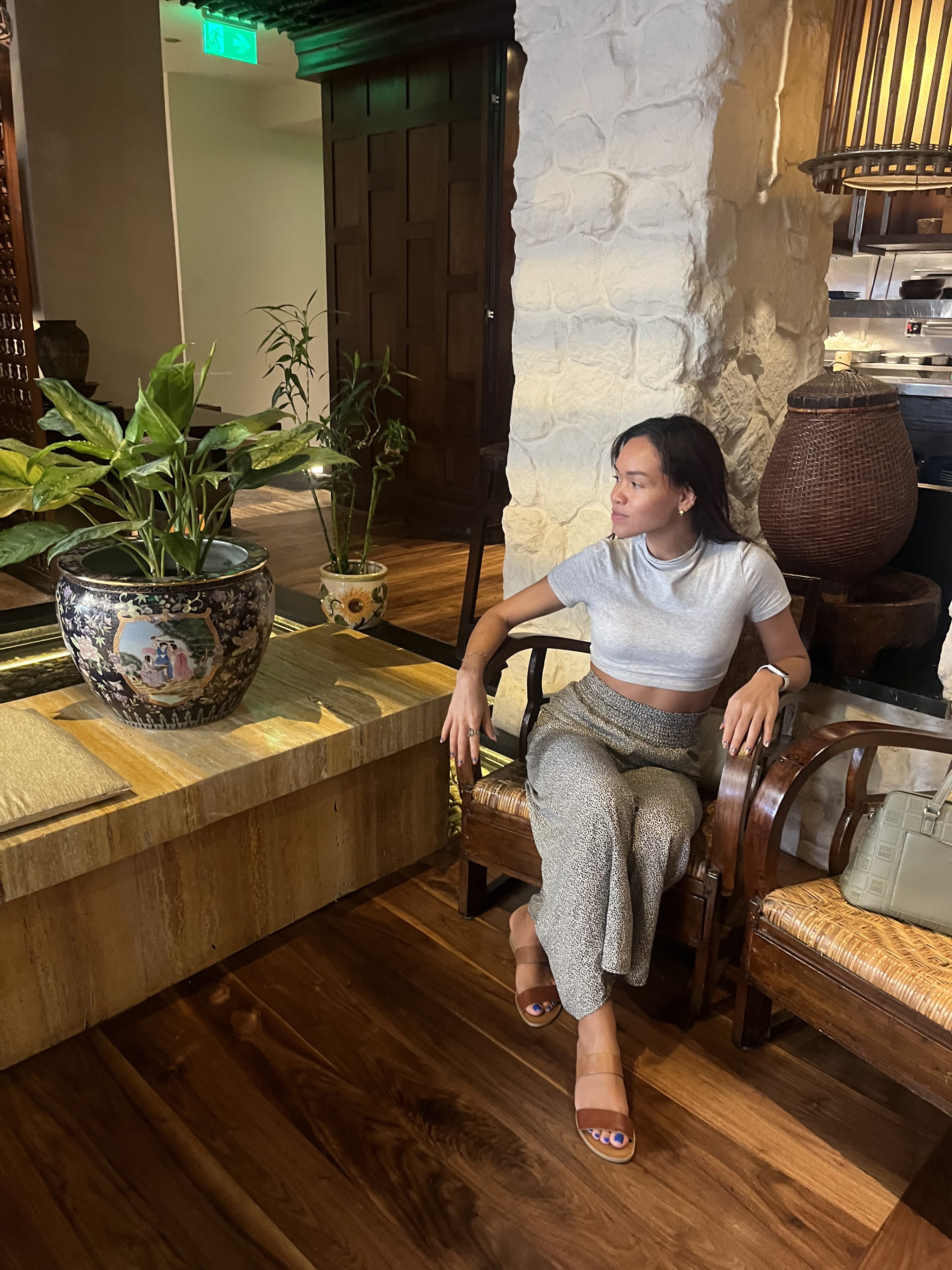
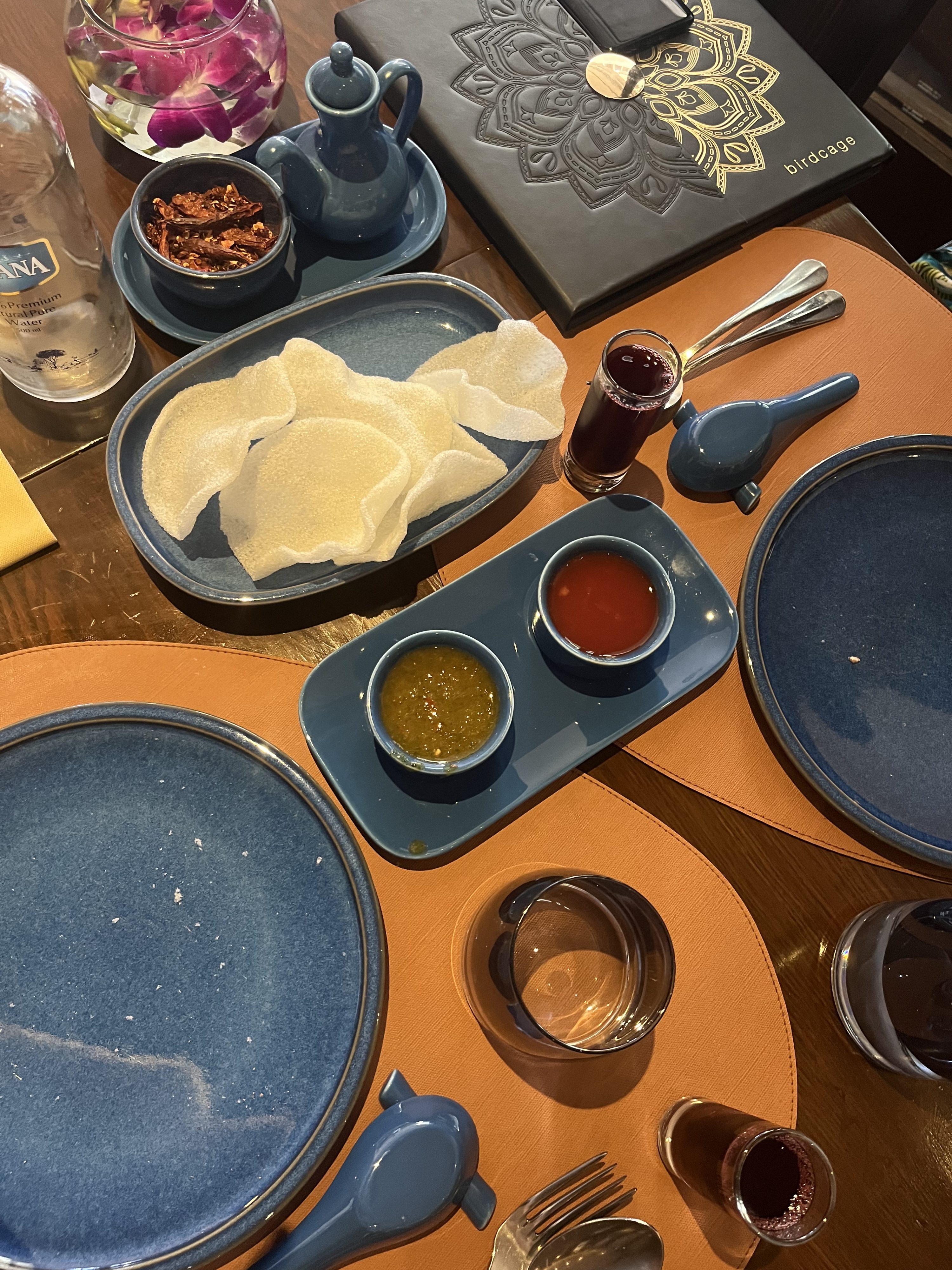
The Birdcage Restaurant at the InterContinental Cairo Semiramis occupies the specific register of Cairo dining that the word “elegance” most precisely describes — the register in which the sophistication of the physical environment, the quality of the service etiquette, and the refinement of the culinary execution combine to produce an experience whose primary quality is not excitement but grace. Everything about the Birdcage exudes a form of luxury whose confidence is rooted in restraint rather than display.
The restaurant’s exquisite water feature and the specific quality of its décor create the sensory environment that the Thai culinary tradition the menu celebrates requires: a setting whose atmospheric calm allows the complex, precisely balanced flavours of authentic Thai cooking to be fully appreciated rather than competing with the environment for attention. The open kitchen — whose sumptuous sounds and pleasant aromas from Thai specialities constitute an integral dimension of the dining atmosphere — provides the connection between the diner and the craft of preparation that the most considered restaurant designs always incorporate. The crispy rice with peanut sauce, the garlic pepper shrimp, and the cashew chicken are standout dishes whose careful balance of spices and fresh ingredients elevates the Thai culinary tradition to the specific level of excellence that the InterContinental context demands. The Egyptian wine selection — one of Cairo’s most pleasantly surprising culinary discoveries for the international visitor unfamiliar with the country’s viticulture — is another dimension of the Birdcage experience worth exploring with the specific guidance of staff whose knowledge of local wine history adds a layer of narrative to the wine service that international options cannot provide.
Address: InterContinental Cairo Semiramis, Corniche El Nil, Qasr El Nil, Cairo
Alfredo at Marriott Mena House — Italian fine dining in the shadow of the Pyramids
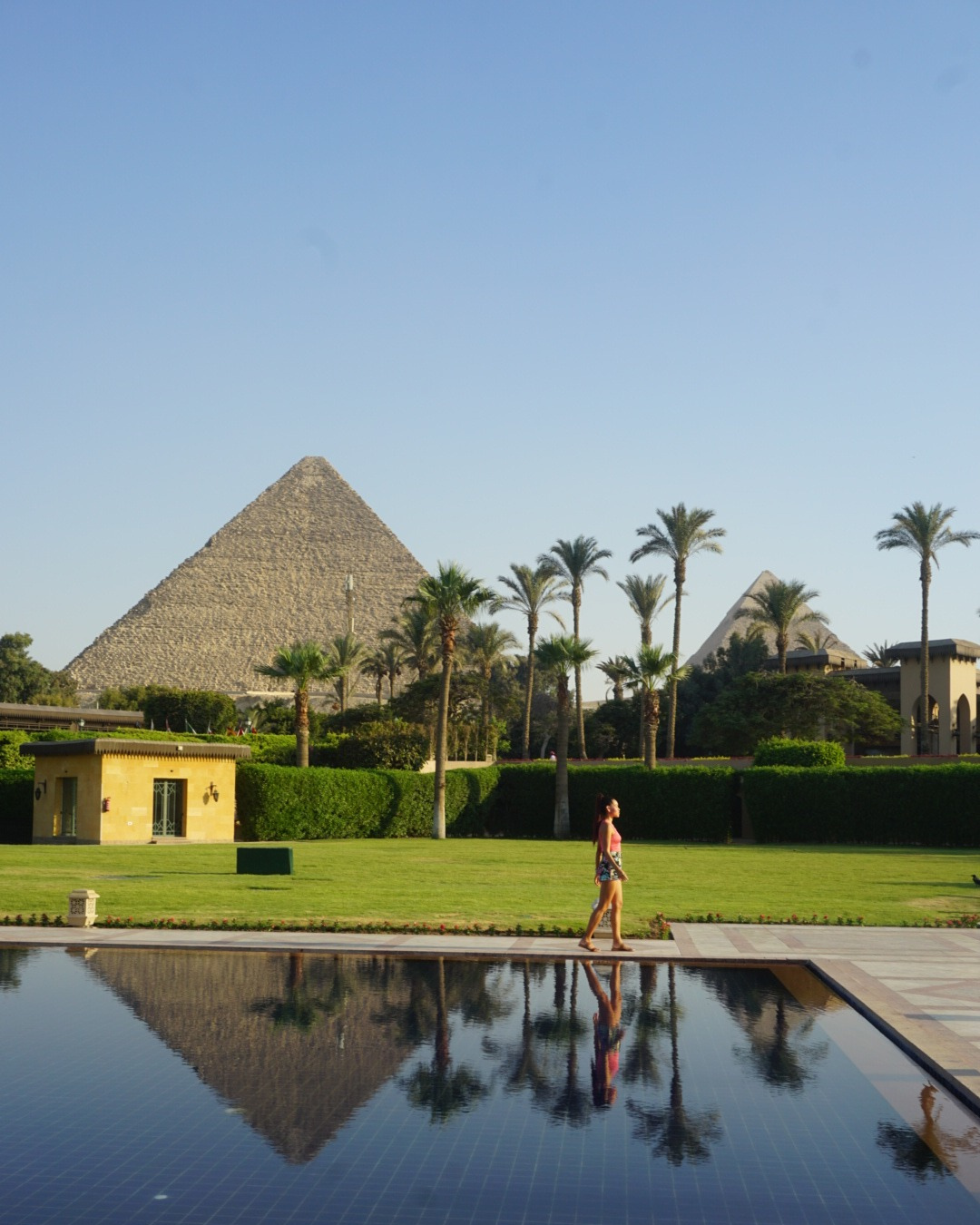
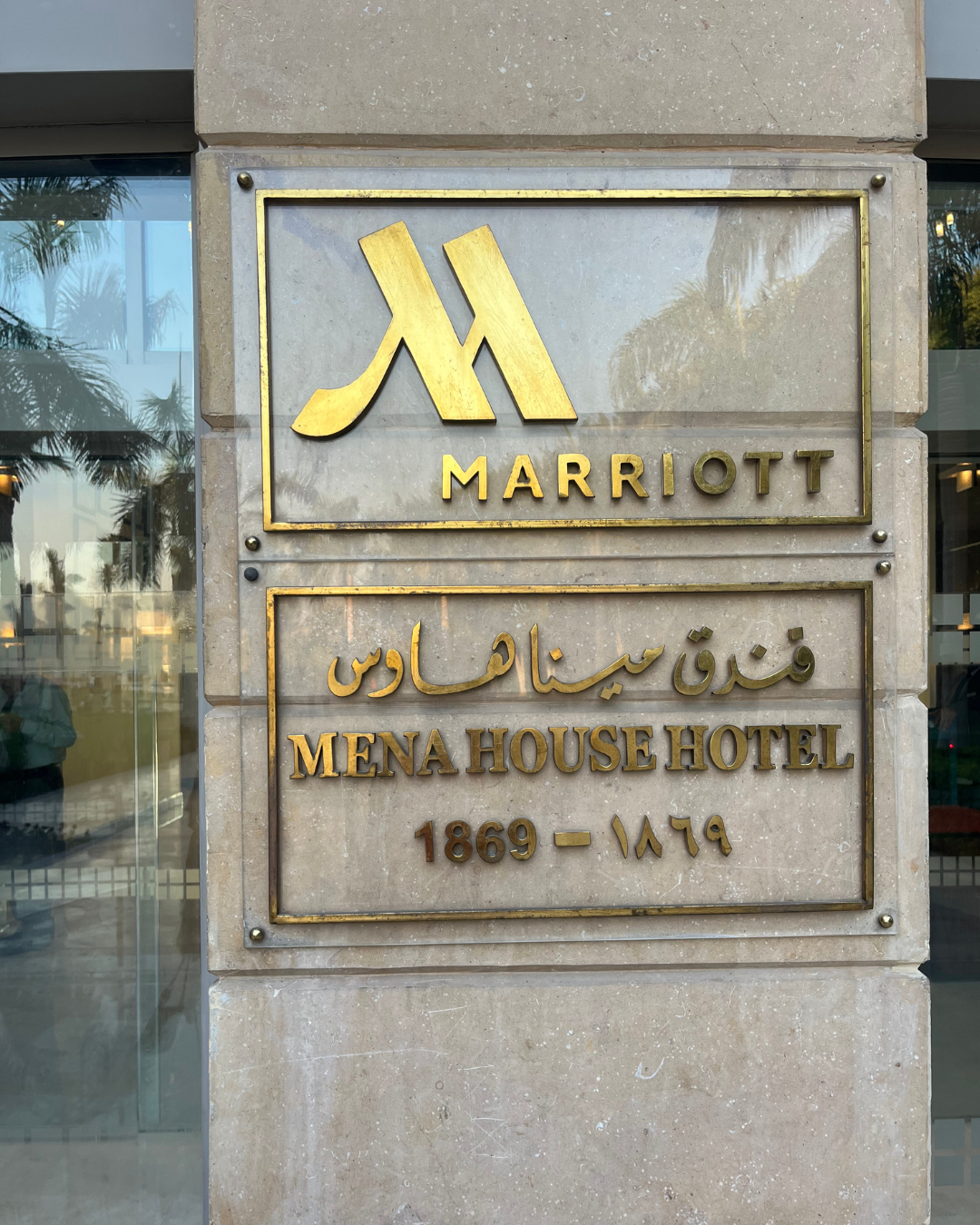
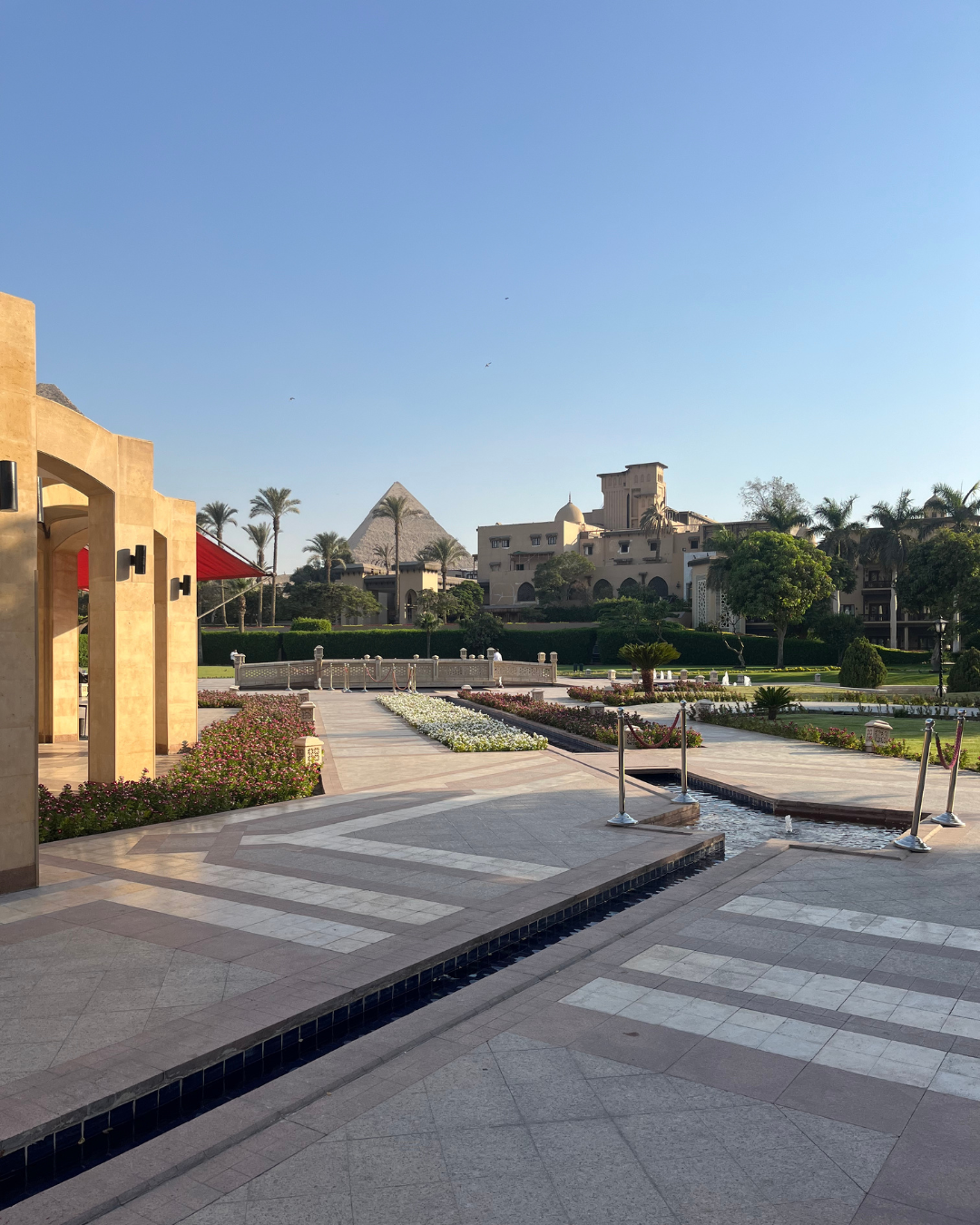
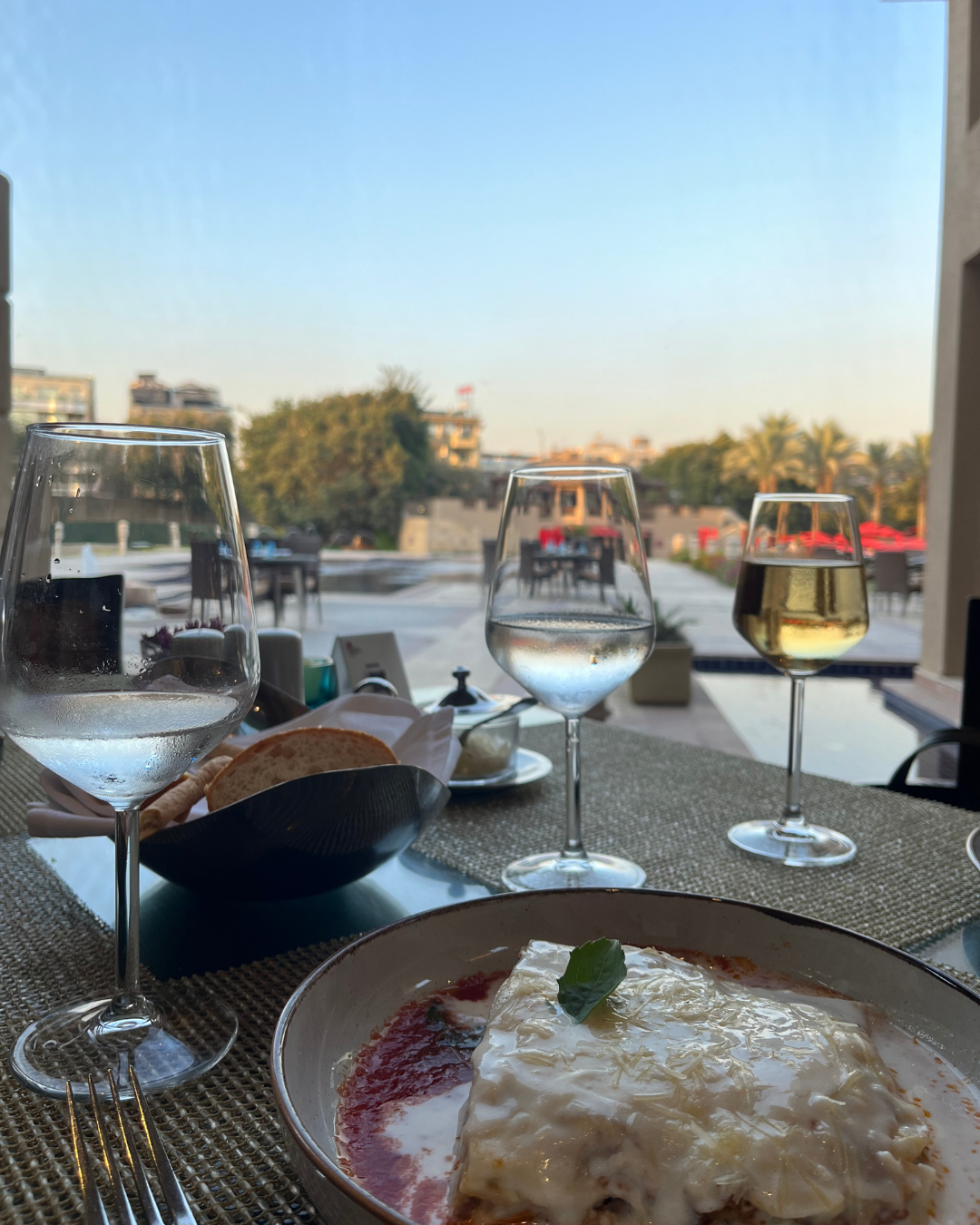
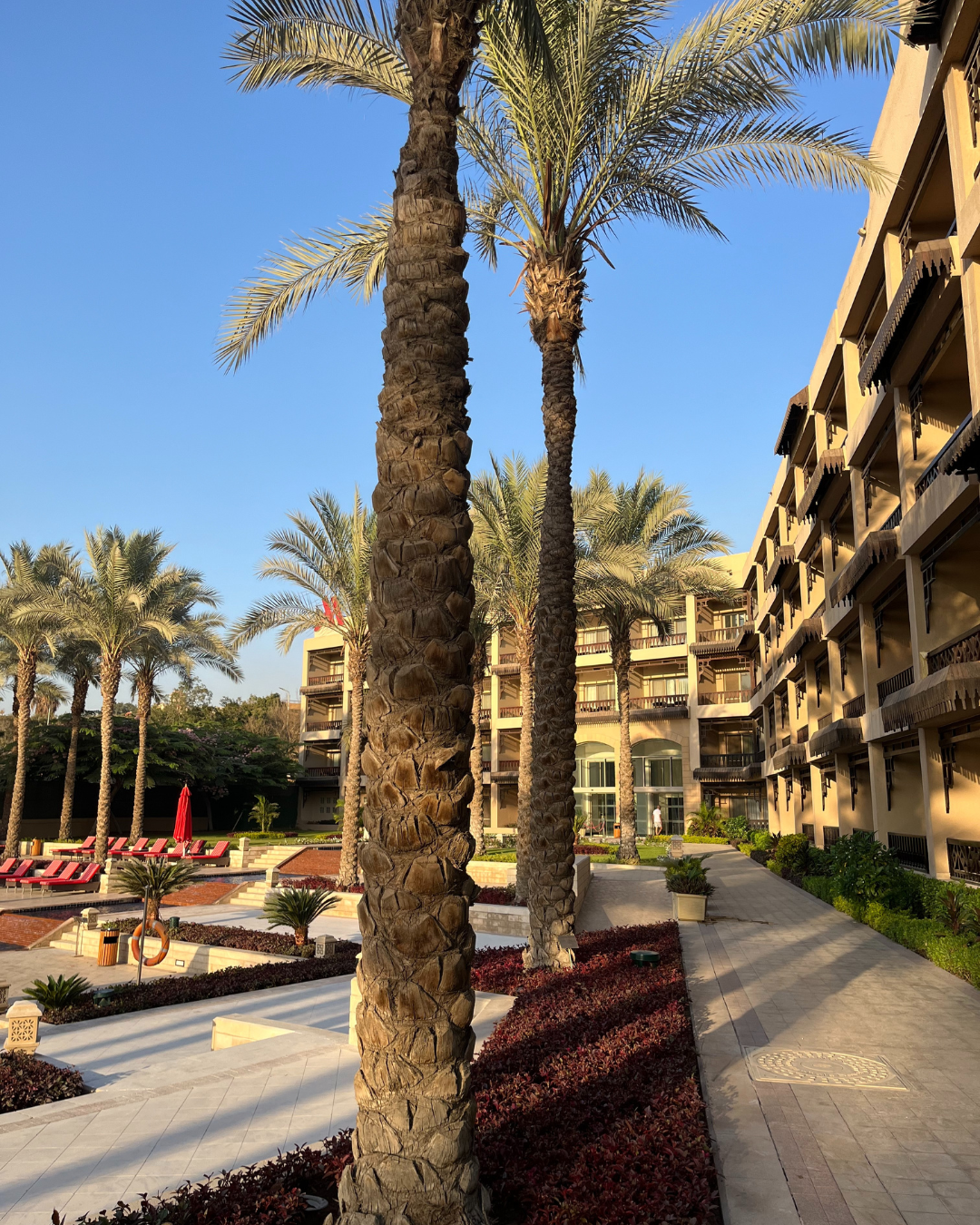
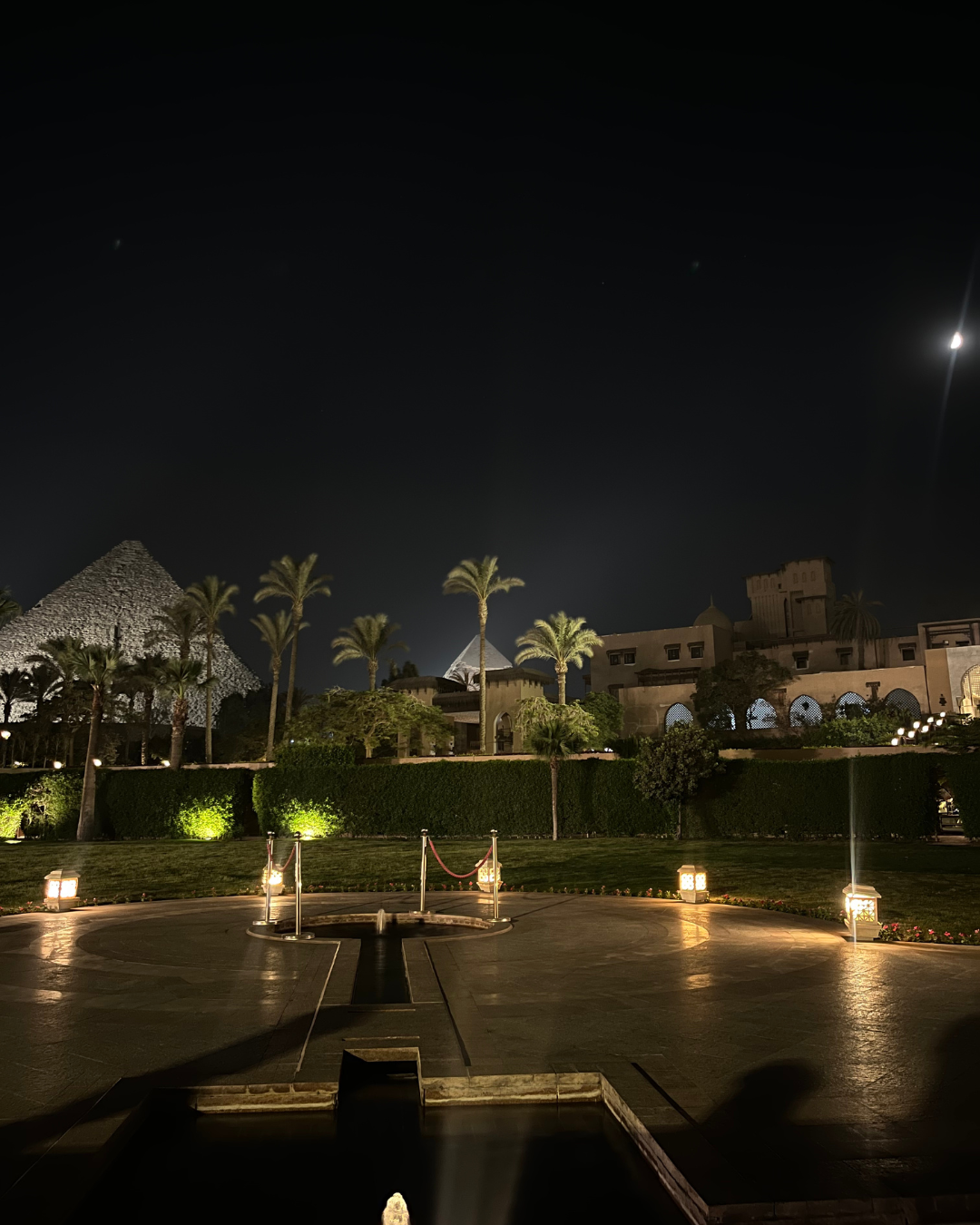
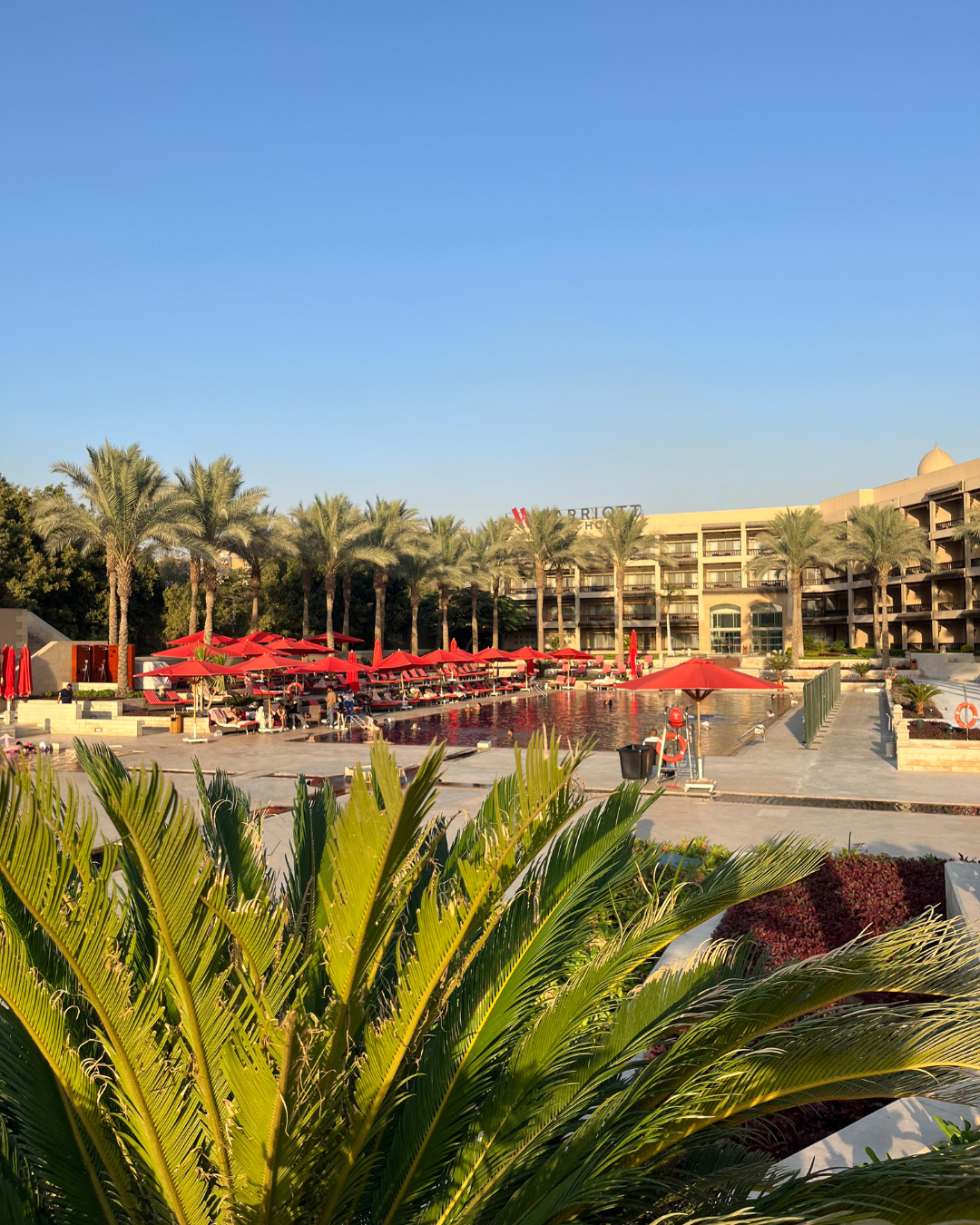
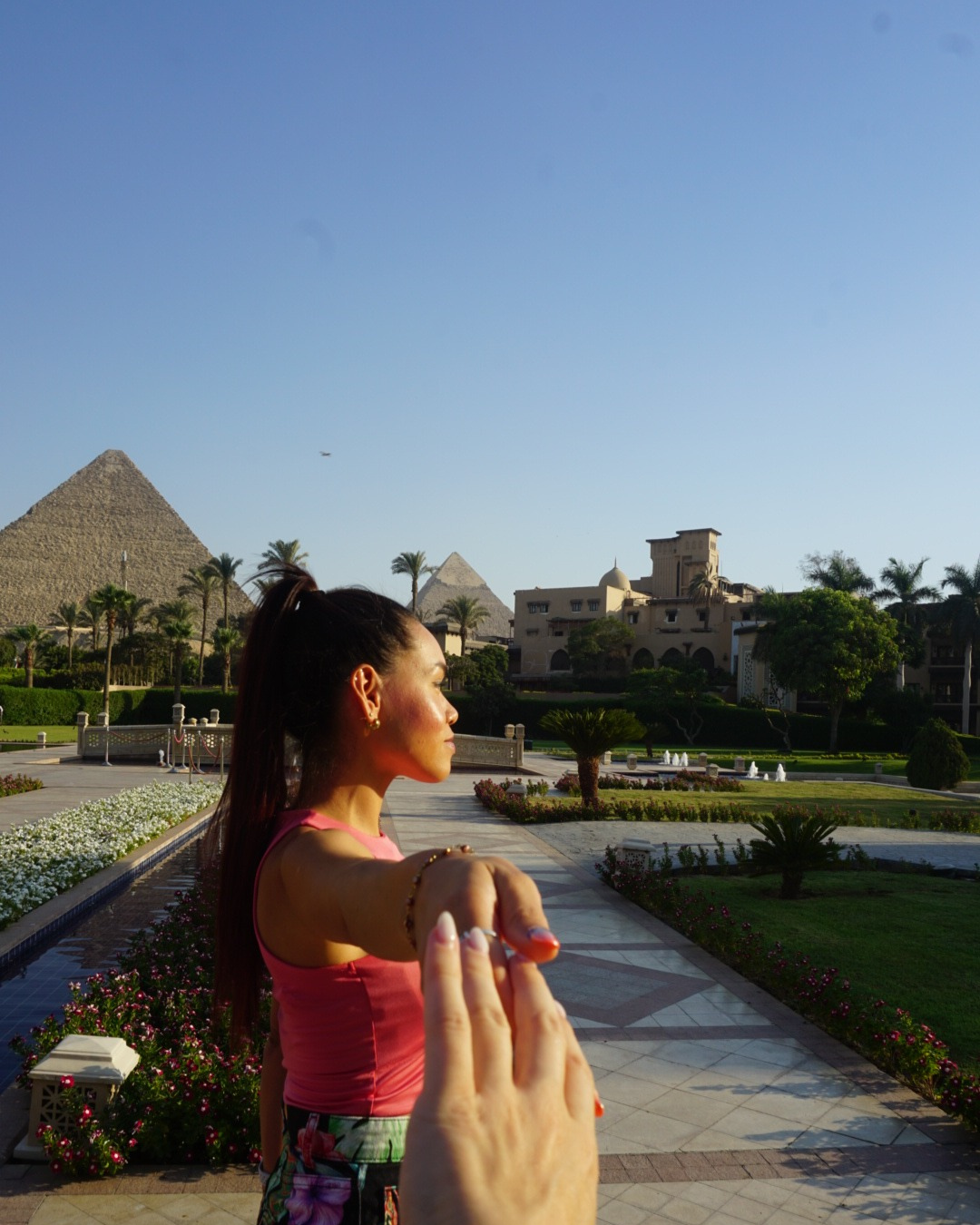
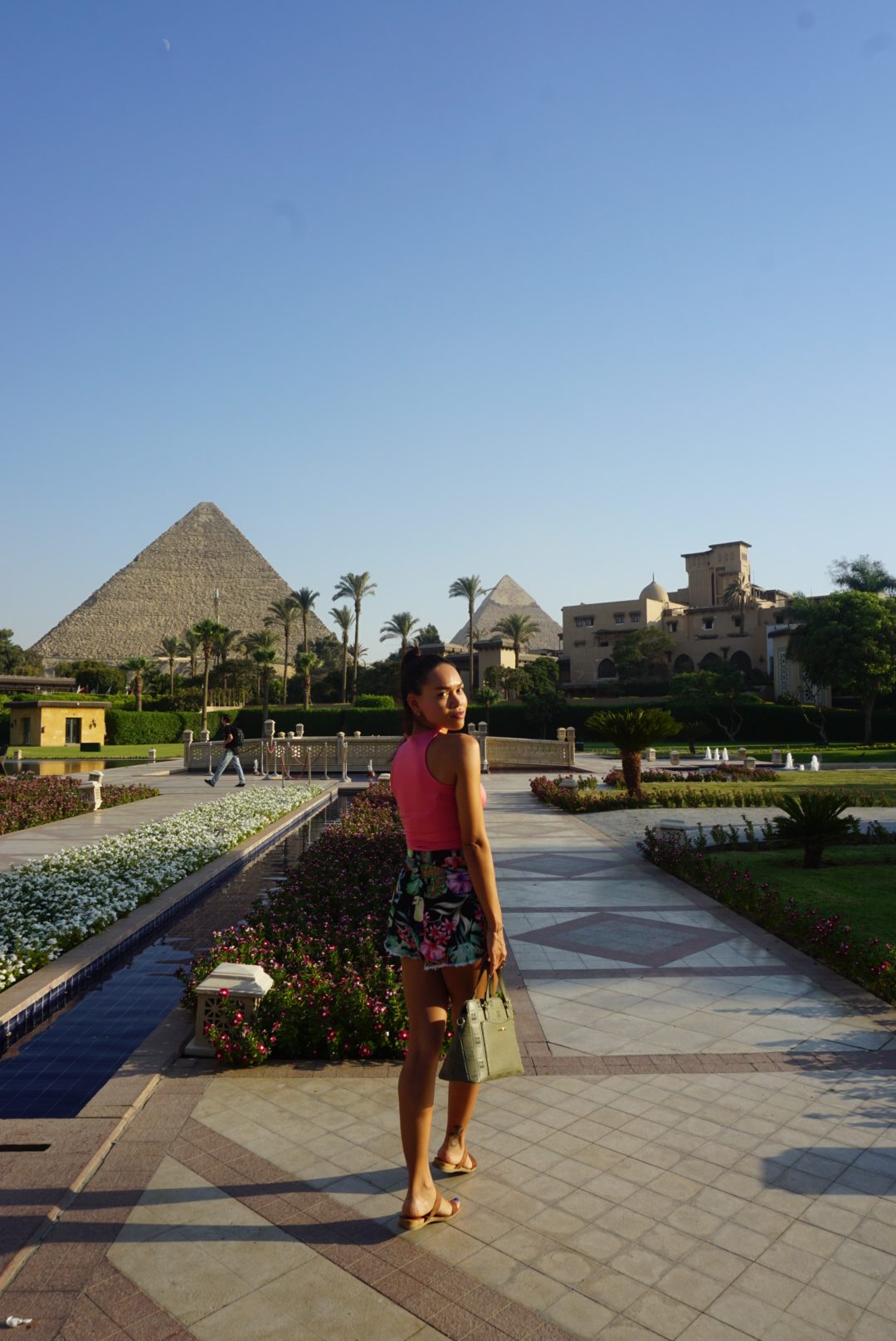
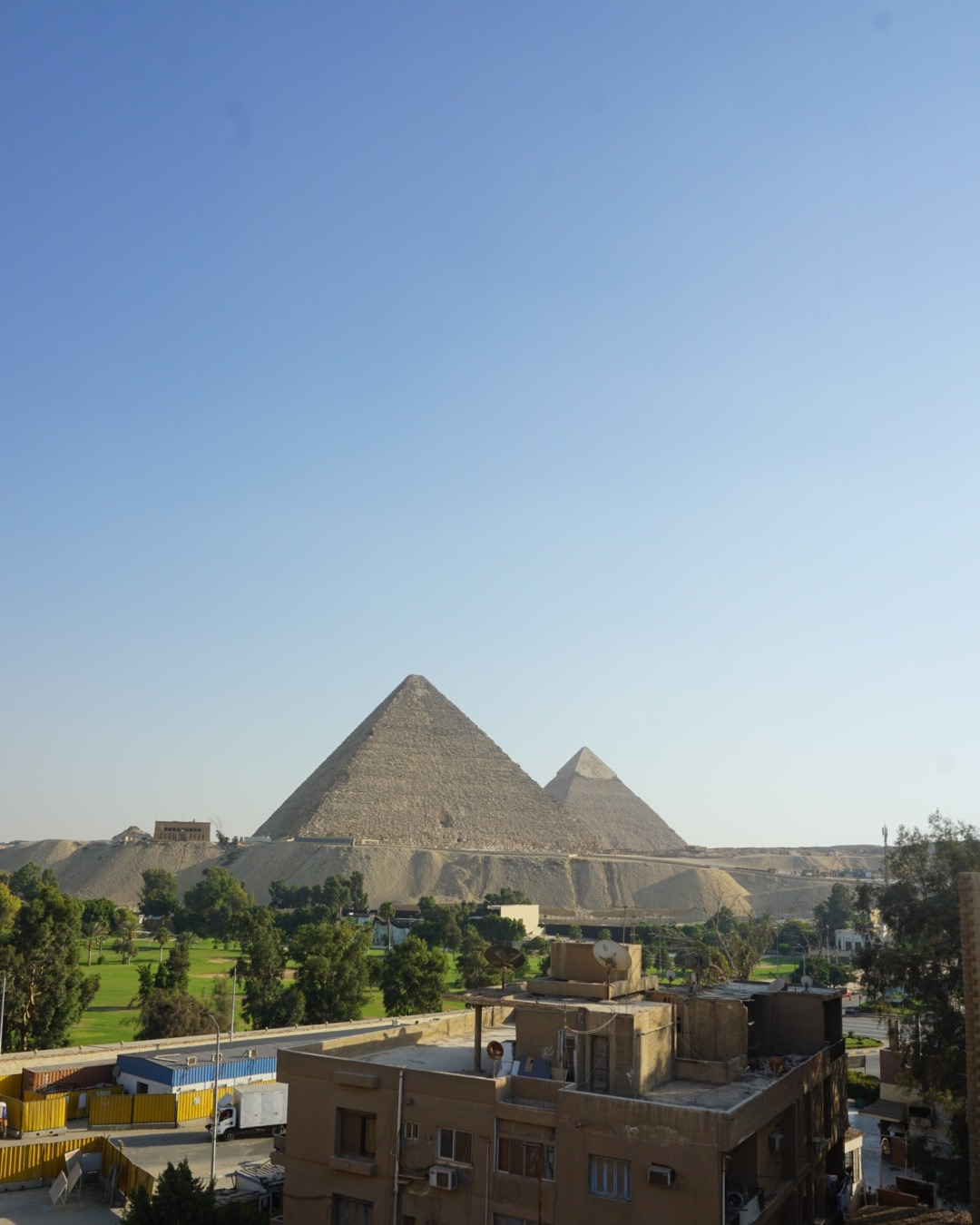
Alfredo at the Marriott Mena House is the dining experience whose conceptual premise is the most extraordinary in Cairo’s entire culinary landscape: authentic Italian fine dining on the terrace of a historic hotel whose windows frame a direct view of the Great Pyramid of Giza. The juxtaposition is so complete — the specific domesticity of handmade pasta and perfectly cooked risotto against the scale and antiquity of the most famous monuments on earth — that it transcends novelty and becomes something genuinely philosophically interesting.
The Mena House itself is among the most historically significant hotels in Africa — a property whose guest register across its decades of operation constitutes a partial roster of the twentieth century’s most consequential figures, and whose preservation of its original architectural fabric adds a depth of historical atmosphere that the most considered luxury hotel design cannot manufacture from scratch. The 1845 restaurant at the hotel provides the coffee and preliminary experience through which to absorb this atmosphere before the Alfredo lunch or dinner; the sequential experience of the two spaces within the same property illuminates the full range of what the Mena House offers. The Fettuccine and Pasticcio are the specific recommendations from Alfredo’s menu — both are genuine expressions of what Italian pasta cooking achieves at its most considered — while the sunset table with Pyramid views constitutes one of the most remarkable dining positions available anywhere in the world. The food is excellent for the price and the location; the location, however, is incomparable at any price.
Address: Marriott Mena House, 6 Pyramids Road, Giza, Cairo
Khufu’s at the Giza Plateau — gastronomy in the shadow of eternity
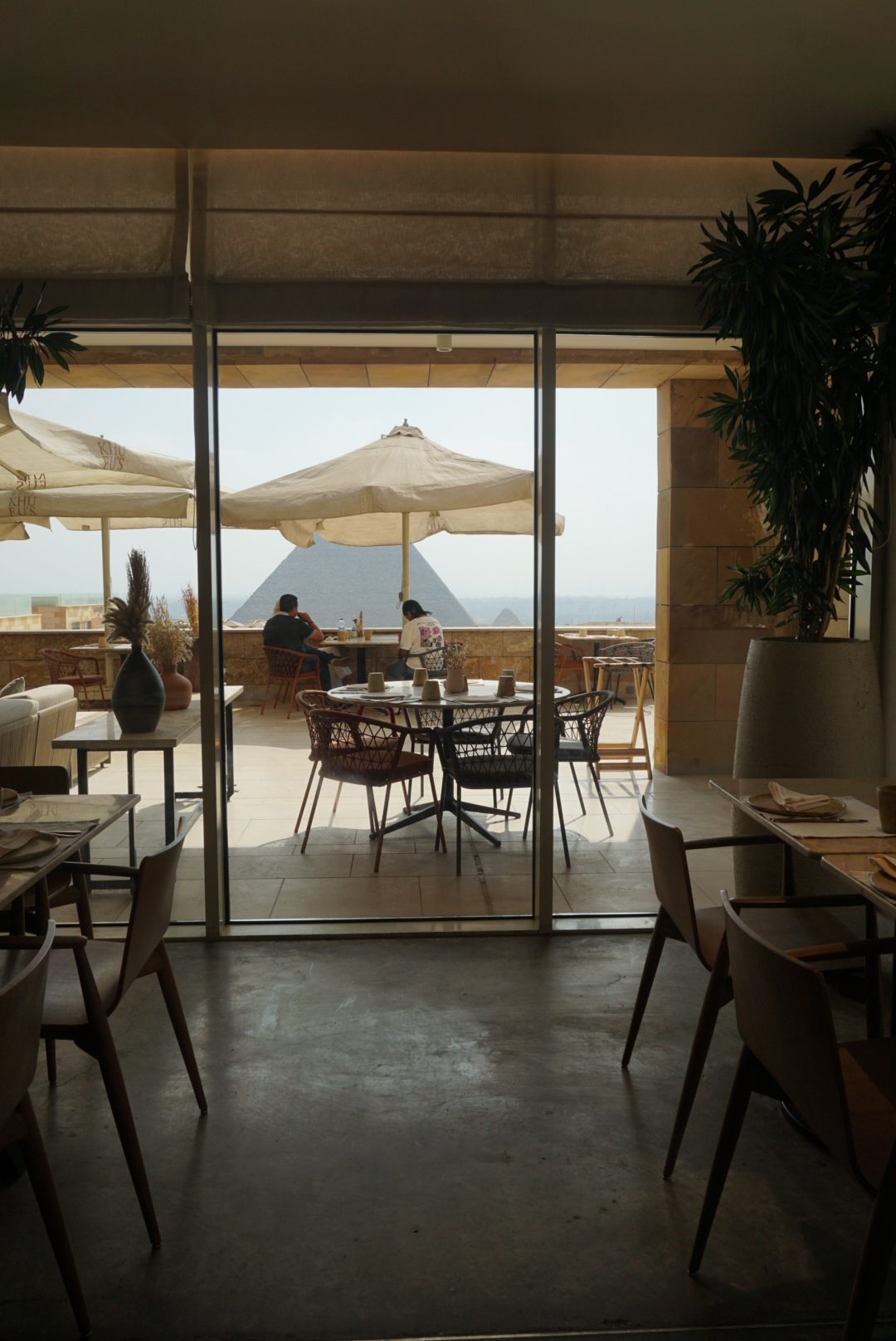
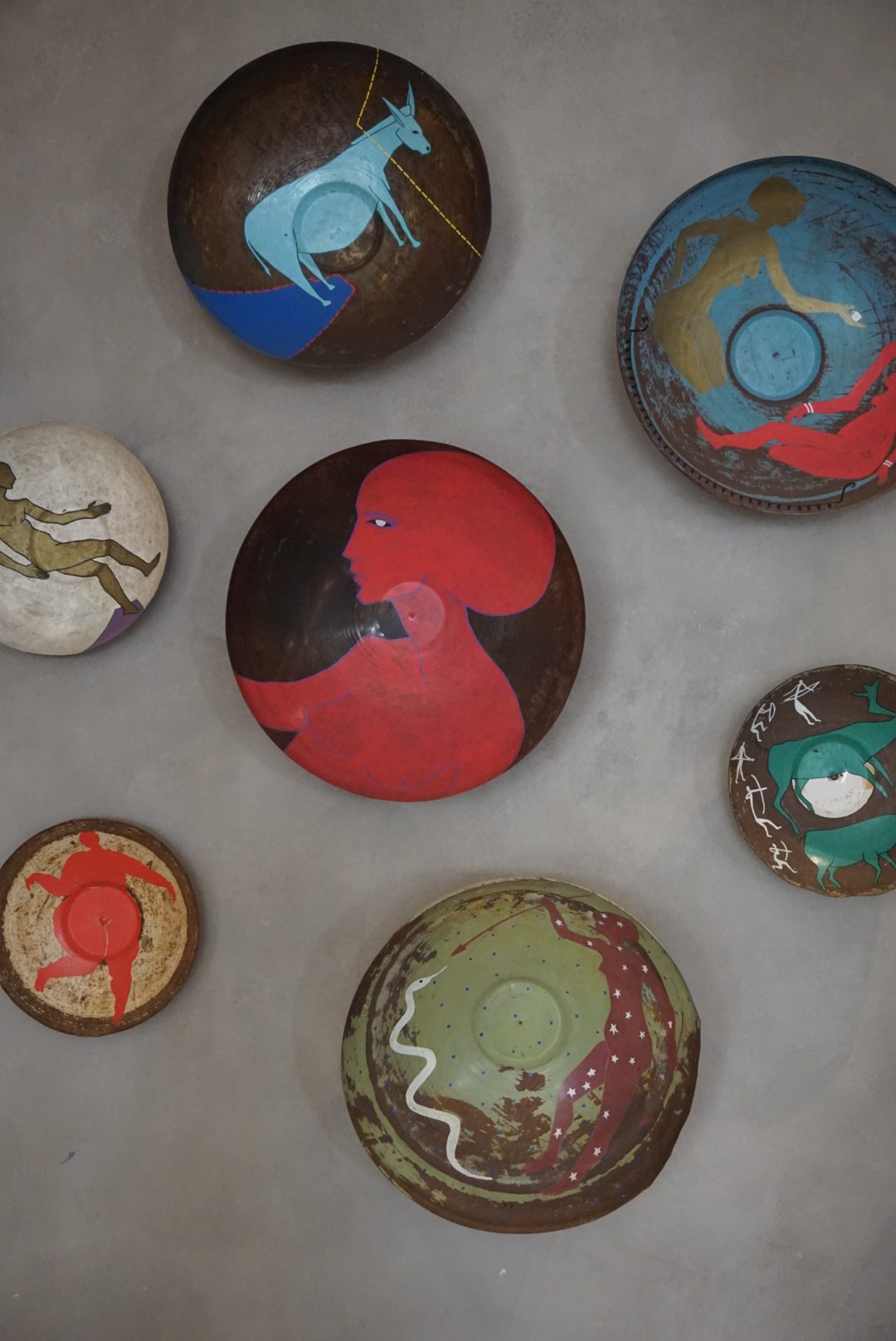
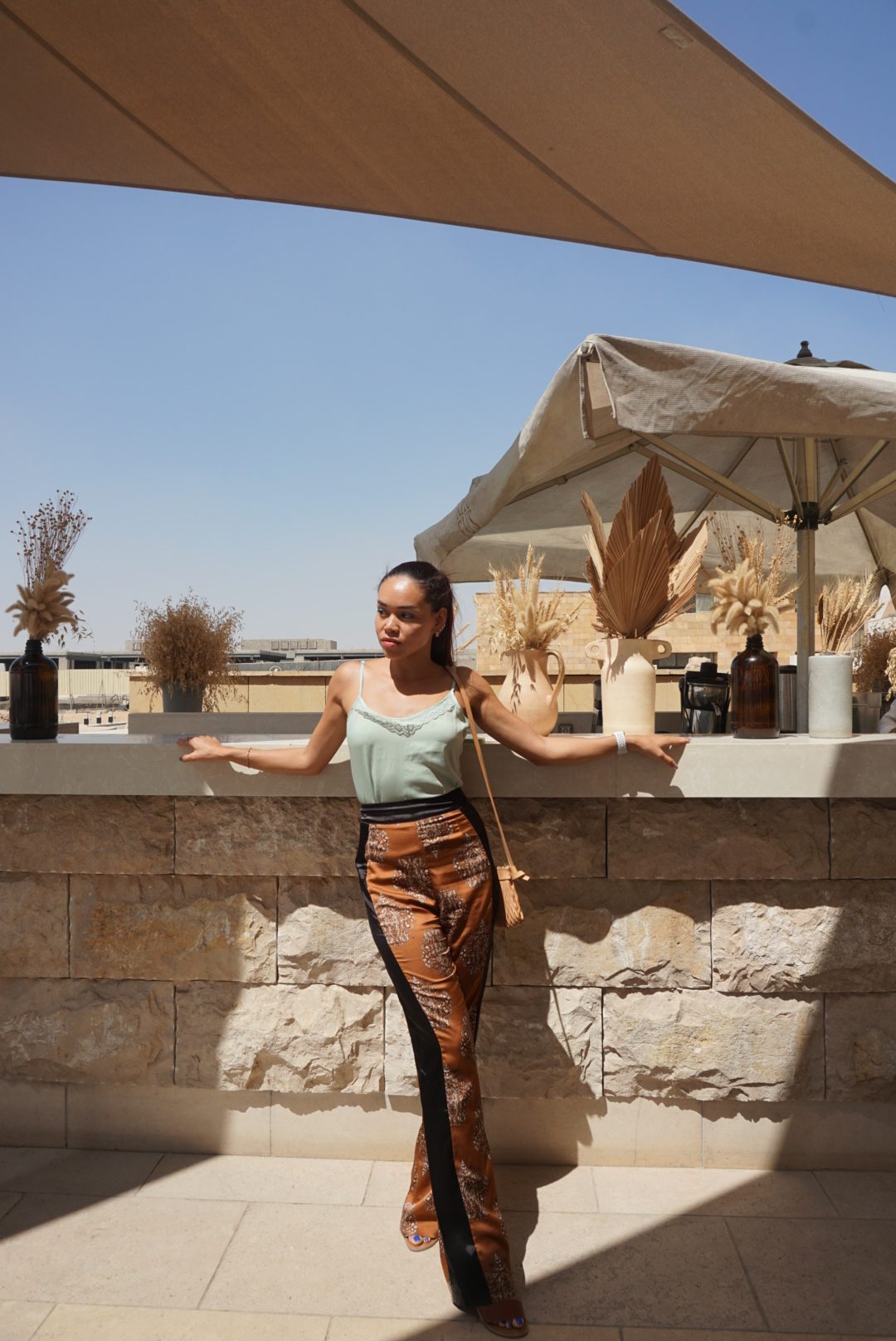
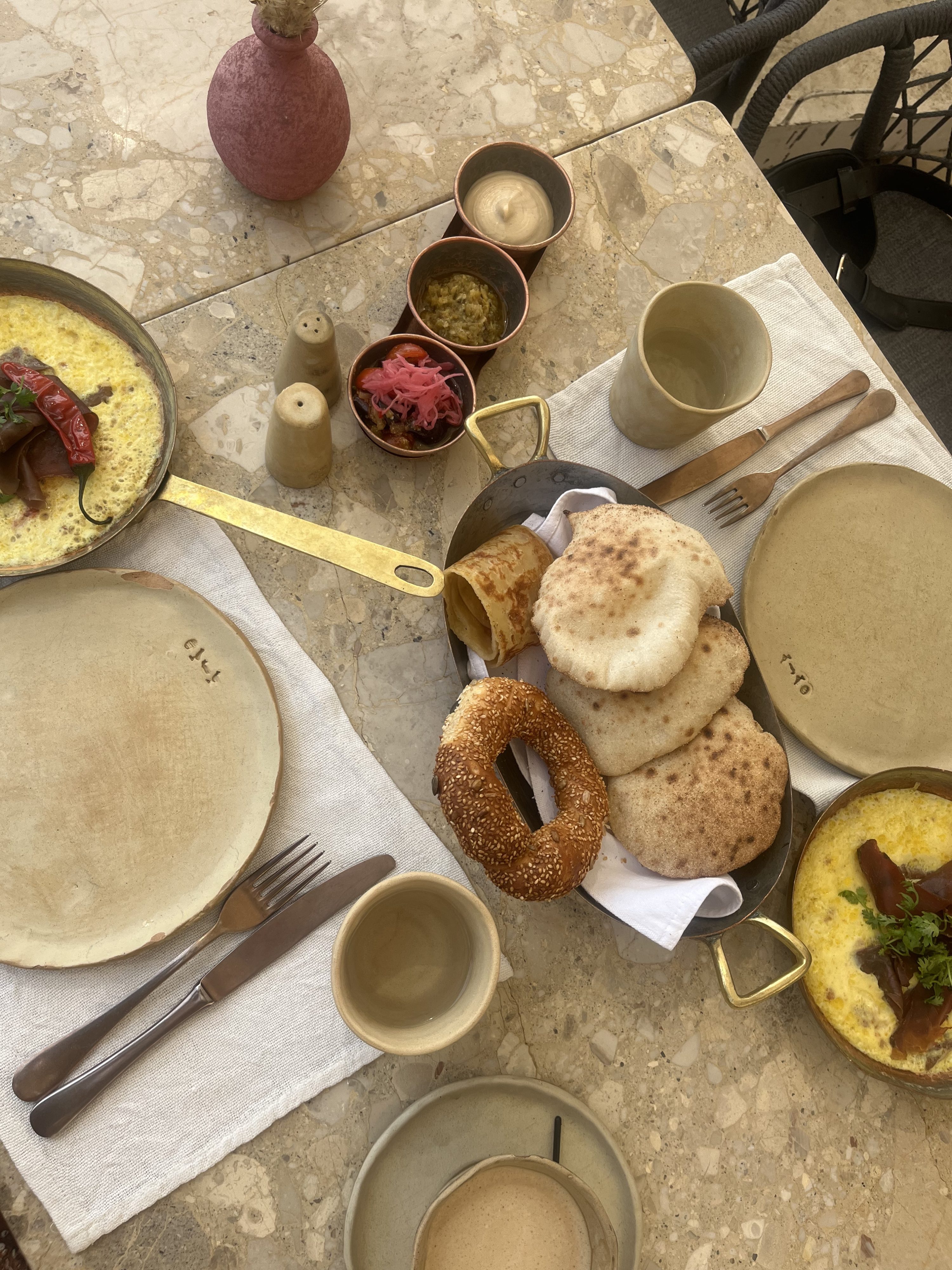
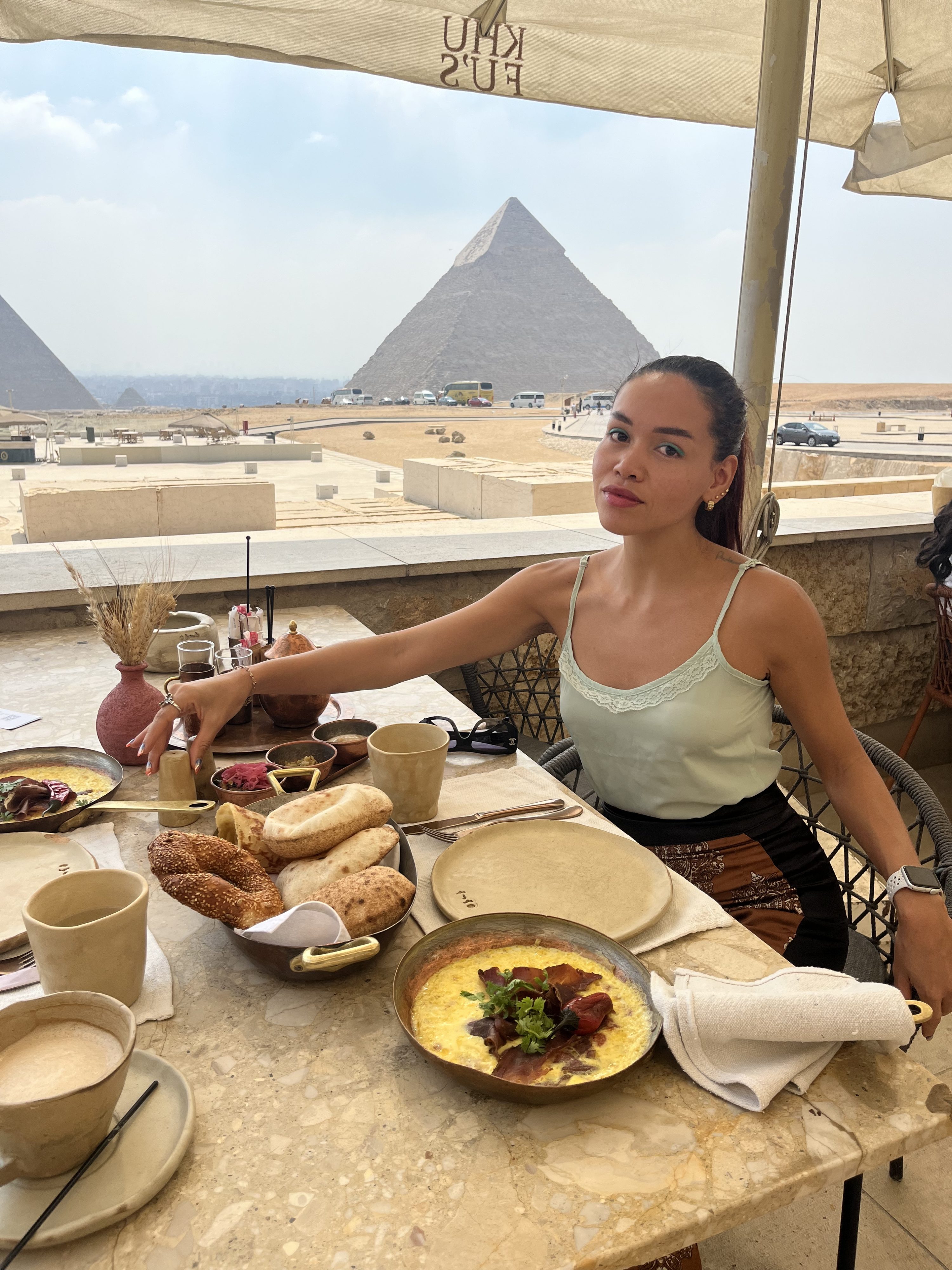
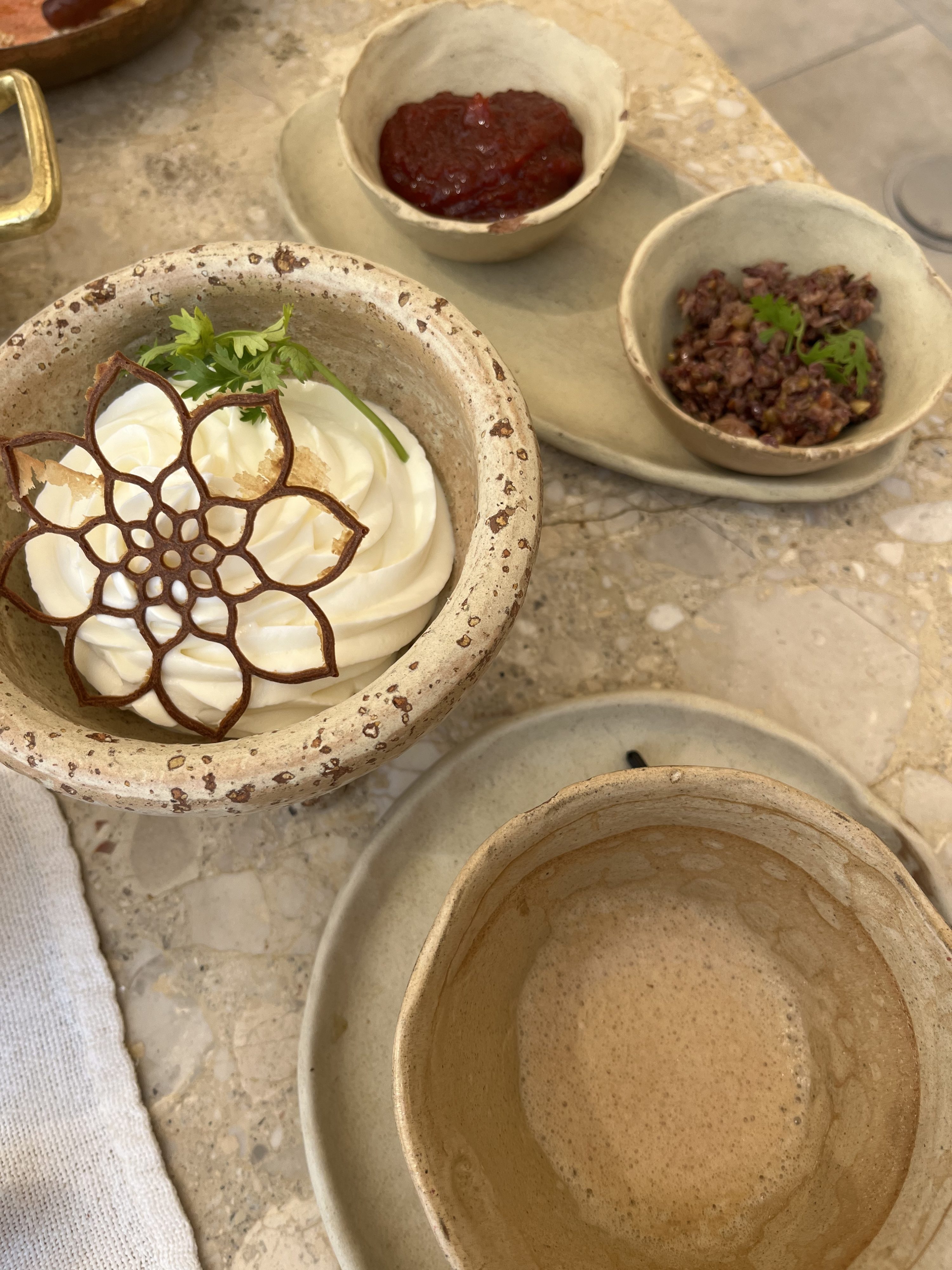
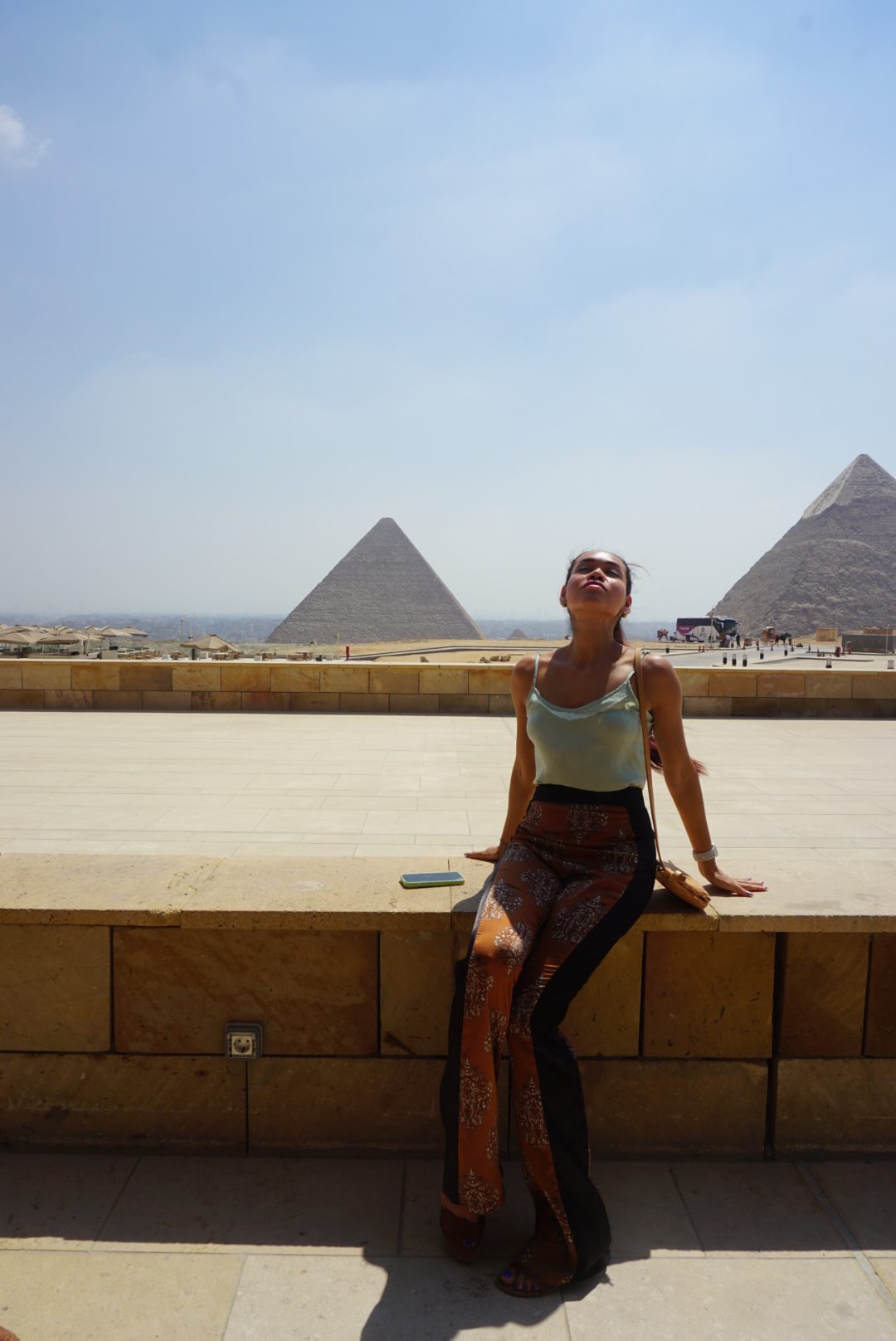
Khufu’s Restaurant is the dining experience that the concept of location-integrated gastronomy most completely realises: a full-service restaurant positioned directly on the Giza Plateau, with views of the Sphinx and the Great Pyramid that constitute the most conceptually integrated dining backdrop available anywhere in contemporary culinary travel. The experience of eating Egyptian food while looking directly at the monuments that ancient Egyptian civilisation produced at its most ambitious is not merely spectacular — it is genuinely philosophical, the kind of encounter that the most considered travel writers mean when they describe a meal as an experience of place rather than an experience of cuisine.
The menu at Khufu’s specialises in traditional Egyptian cuisine served with modern precision — the mixed grill platter whose assortment of grilled meats demonstrates the specific quality of Egyptian meat cooking at its most direct and most satisfying; the seafood tagine whose Mediterranean-Egyptian flavour combination reflects the specific geography of a culture shaped simultaneously by the Nile and the sea; the breakfast service whose full Egyptian spread, mint tea, cappuccino, and dry yogurt provides the most considered and most atmospheric morning dining available anywhere in the Giza area. A practical note that the restaurant’s most regular visitors emphasise: access to Khufu’s requires a ticket from the Pyramid site issued on the same date as the visit — the practical intelligence of planning the Khufu’s visit as part of the Pyramid experience rather than as a separate booking. Booking the restaurant-only ticket — whose pricing is more accessible than the full pyramid-access ticket while providing the same dining experience — is the specific tactical choice that the experienced Giza visitor makes. The customer service is exemplary. The views are unmatched. The breakfast is essential.
Address: Pyramids of Giza, Giza Plateau, Giza, Cairo
Ladurée at the Pyramids — Parisian confection against pharaonic scale
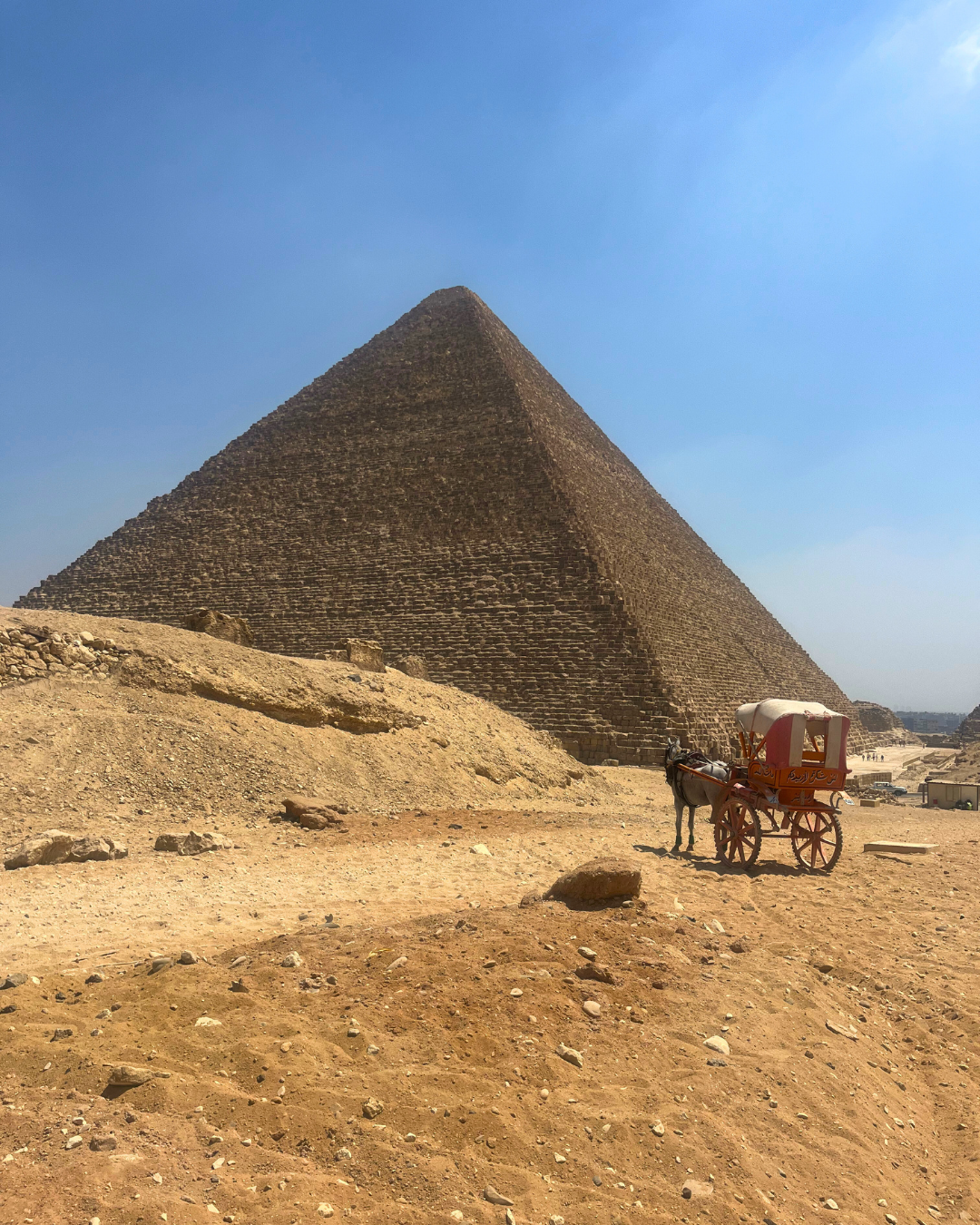

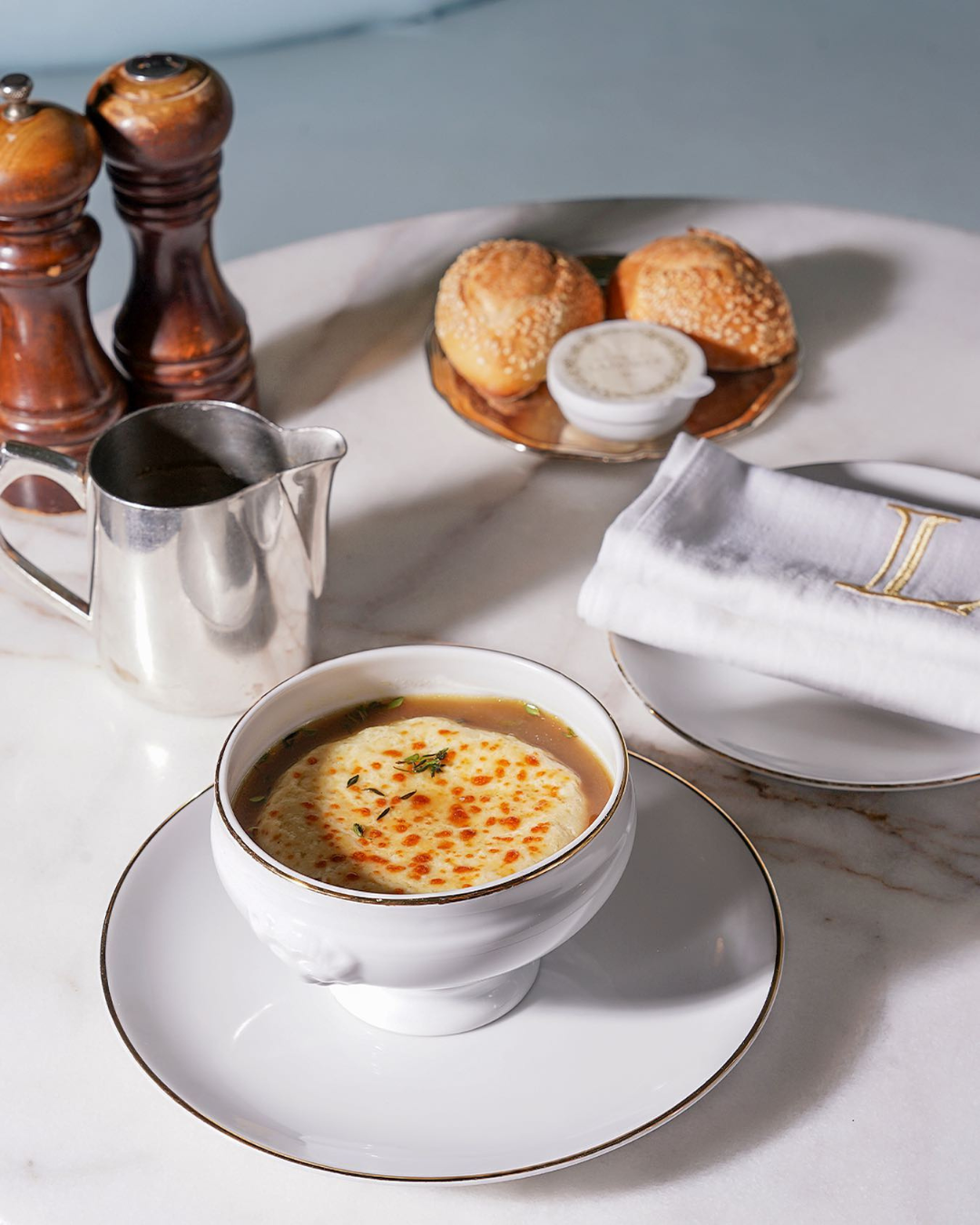
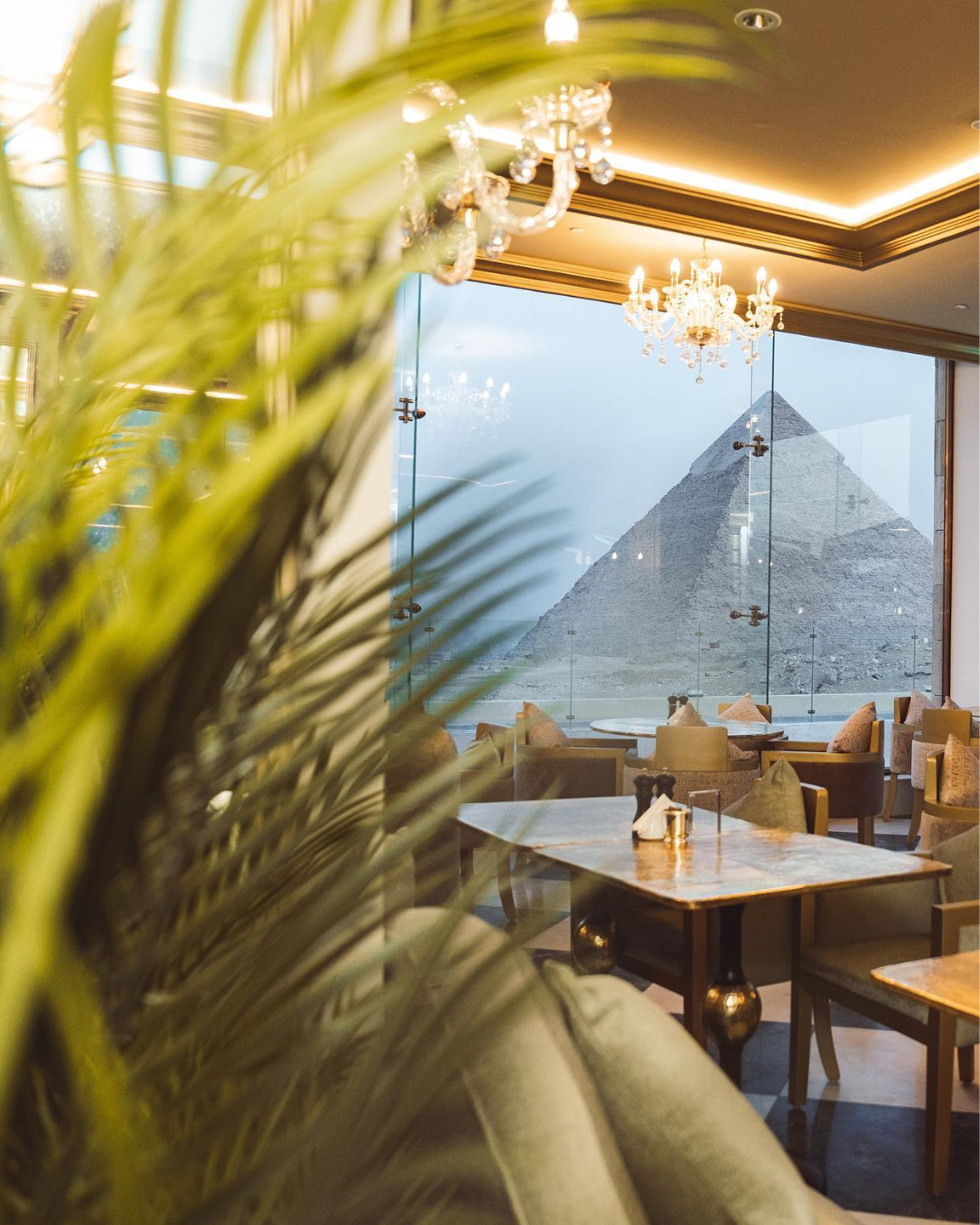
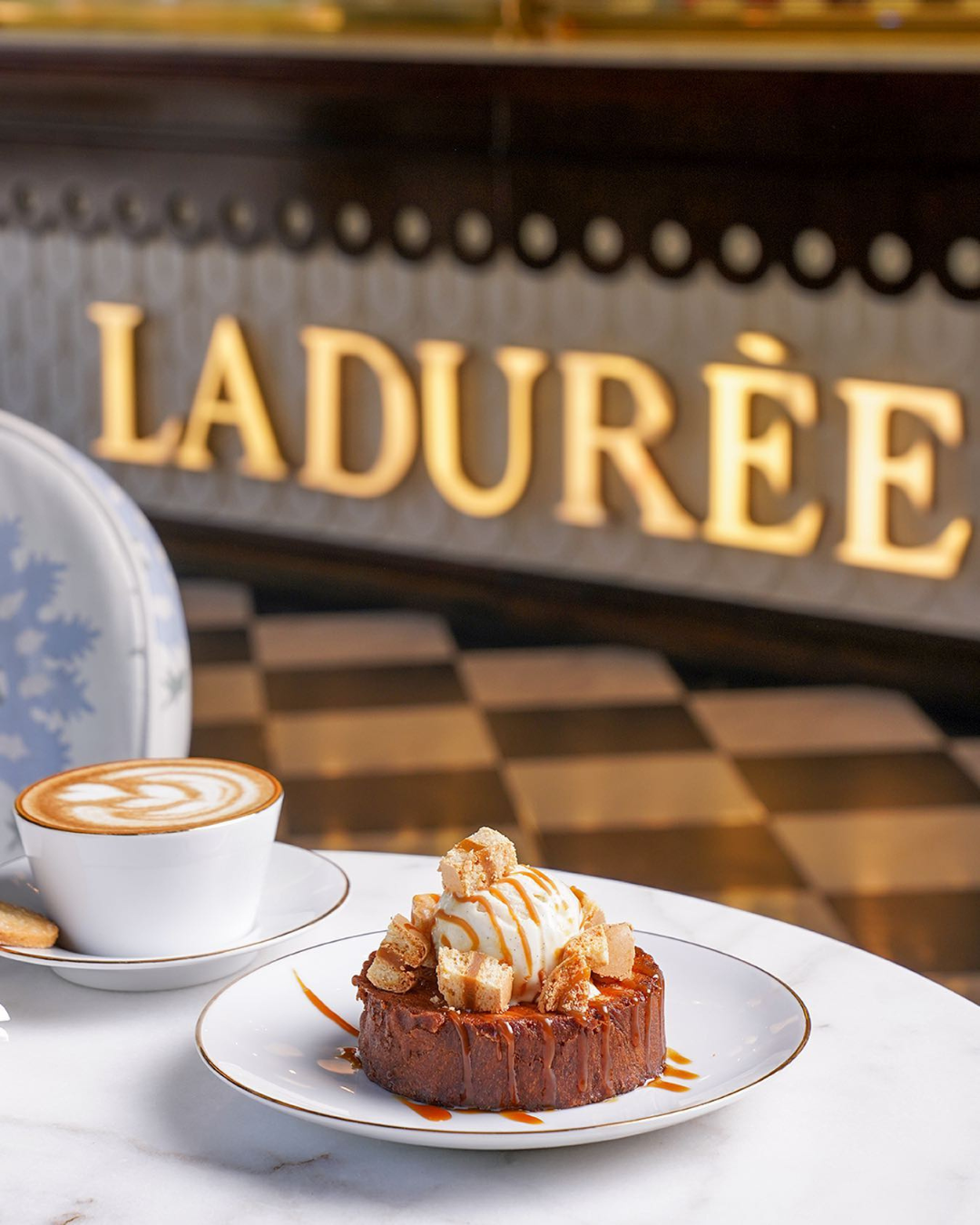
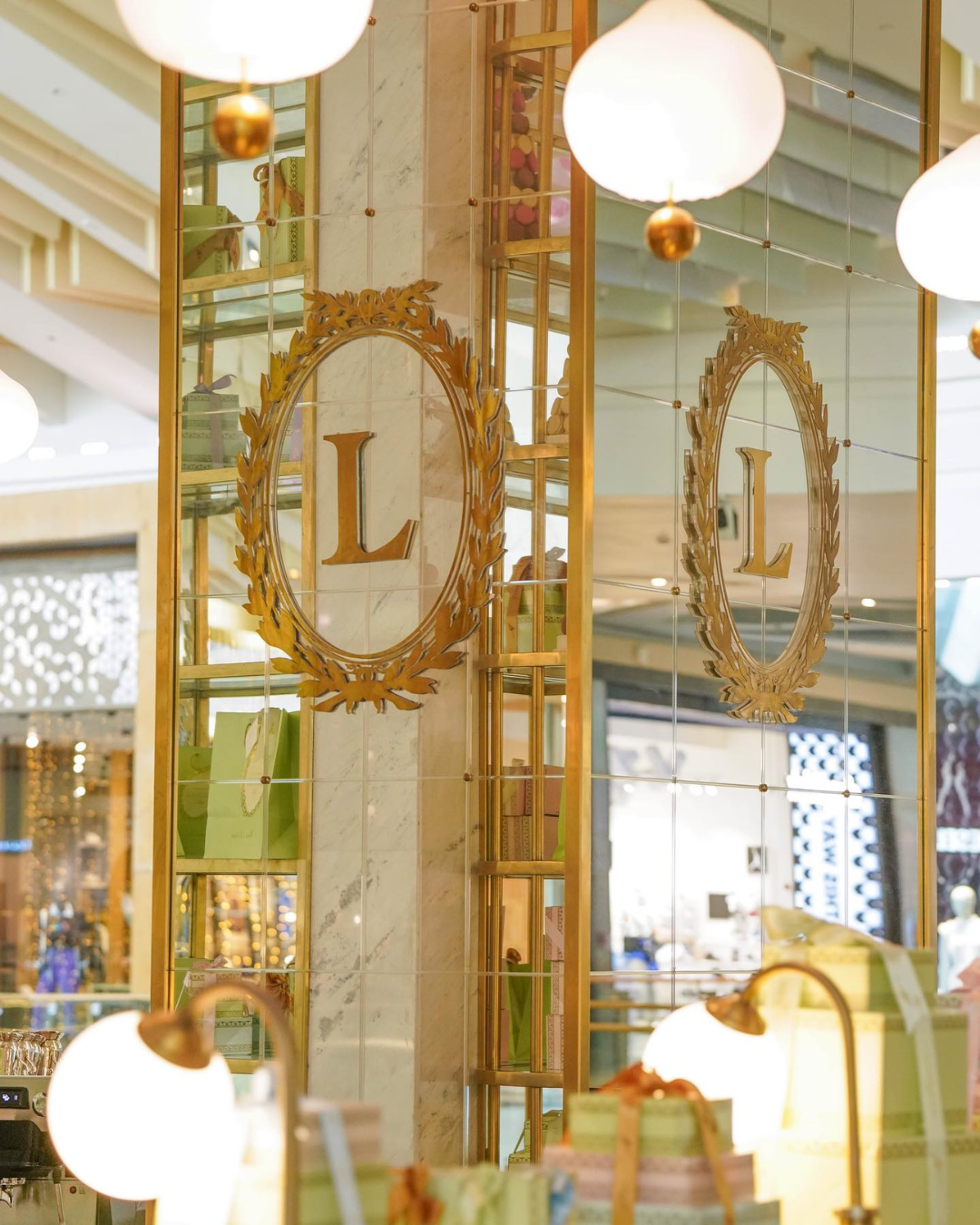
Ladurée’s presence at the Giza Plateau is the most audacious culinary juxtaposition in Cairo’s dining landscape — and the most visually successful. The specific aesthetic identity of the Parisian pâtisserie tradition, with its pastel-toned interiors, its glass-cased displays of macarons in every flavour, its suggestion of a particular kind of refined French leisure, placed within direct visual proximity to the Great Pyramid and the Grand Egyptian Museum, produces a sensory experience that manages to be simultaneously absurd and perfectly logical.
Ladurée at the Pyramids is not promoted with the visibility its quality deserves — it is genuinely a hidden gem, most easily discovered by those already seated at Khufu’s who happen to look in the right direction. Its view, from which both the Pyramid complex and the Grand Egyptian Museum are visible simultaneously, is arguably superior to Khufu’s itself — the additional sight line to the museum adding a specifically contemporary dimension to the ancient-meets-modern visual narrative. The menu is deliberately restrained: croissants, light bites, the full Ladurée macaron selection, and the specific quality of French hot chocolate that the brand has made globally iconic. This restraint is appropriate — Ladurée at the Pyramids is not attempting to be a full dining destination. It is a pause in an extraordinary day, a moment of Parisian sweetness suspended between the ancient world and the present one, available for those who know to look for it.
Address: Pyramids of Giza, Giza Plateau, Giza, Cairo
Any at Four Seasons Nile Plaza — contemporary cosmopolitan dining on the river
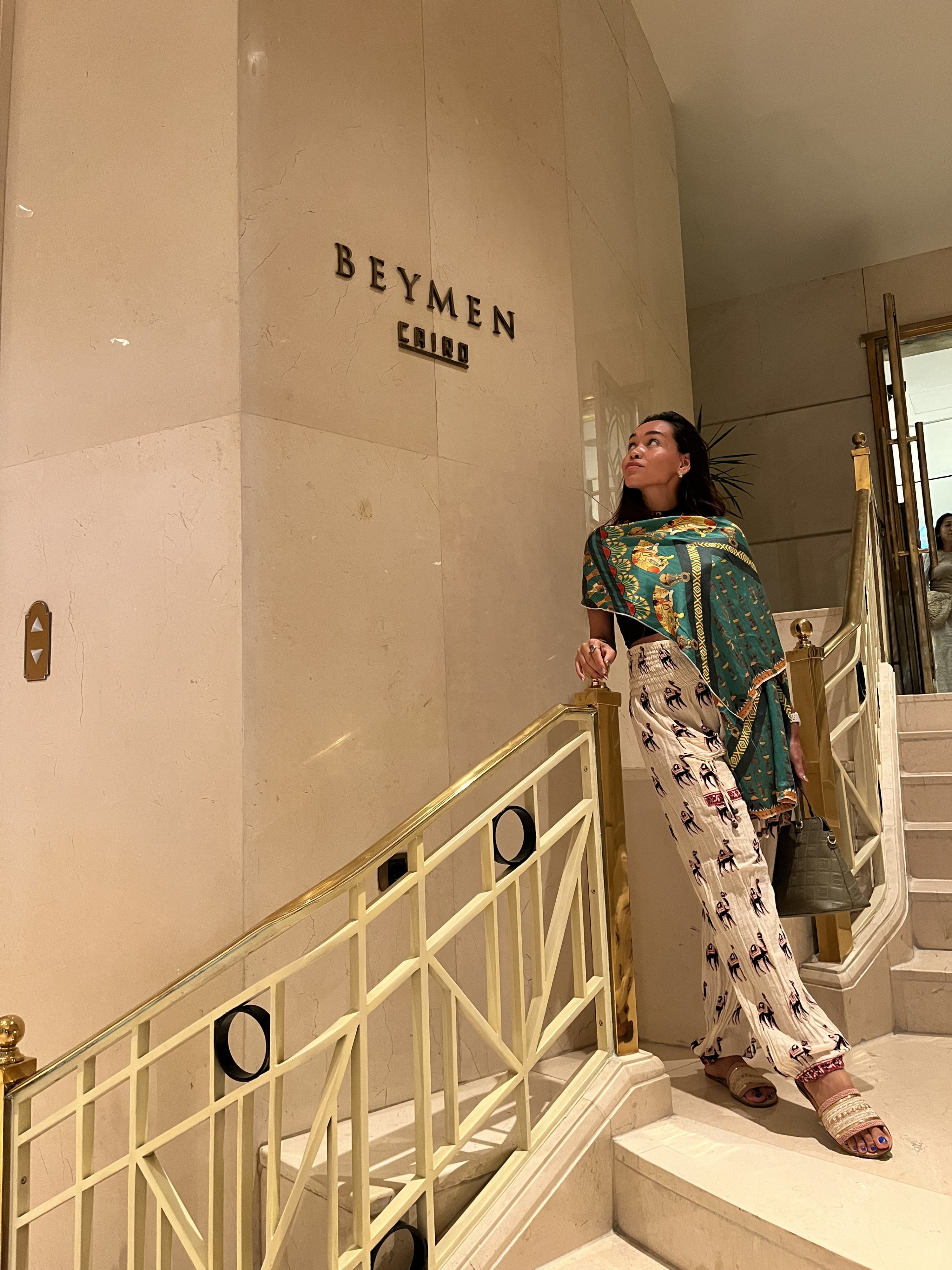
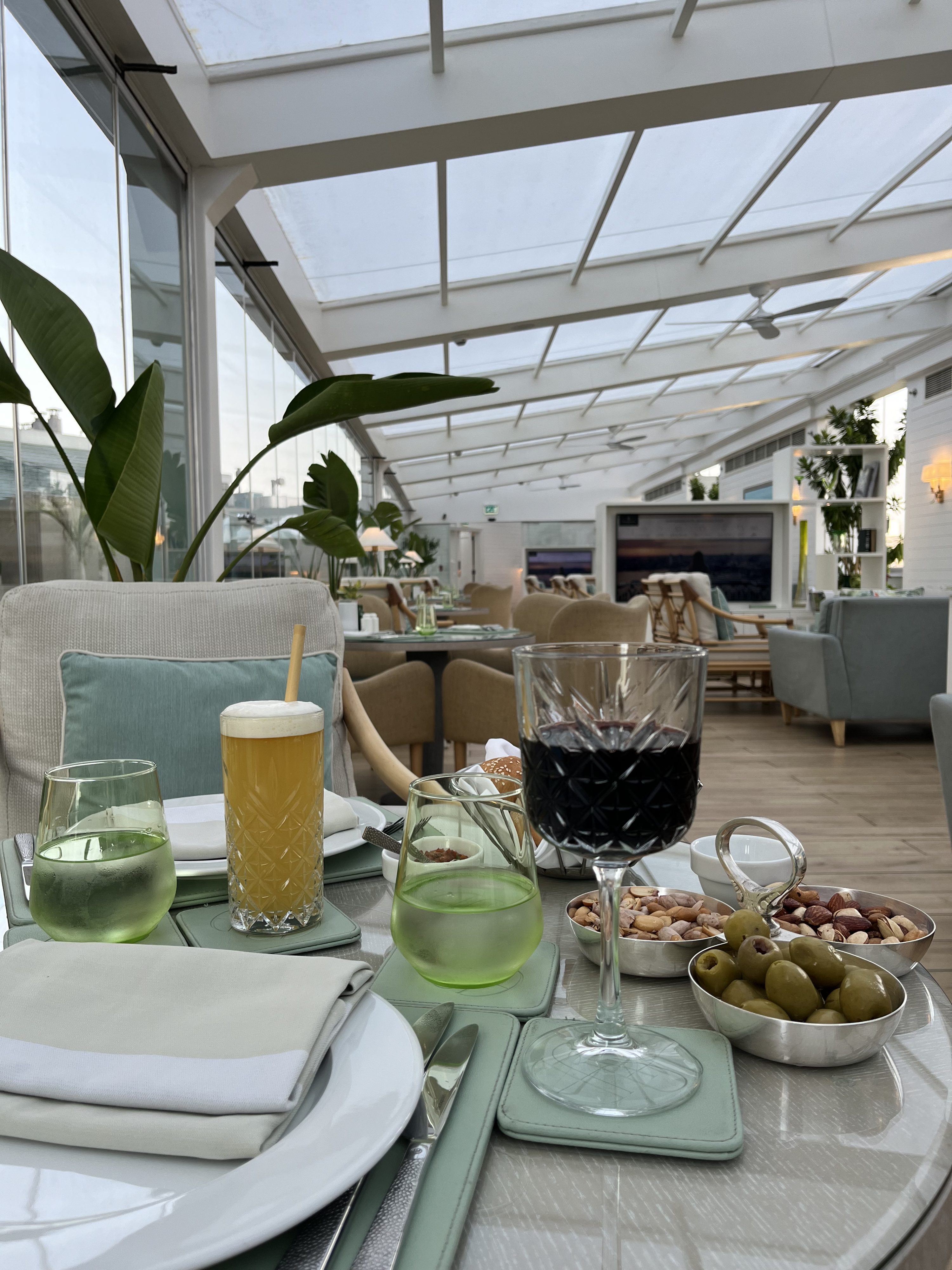
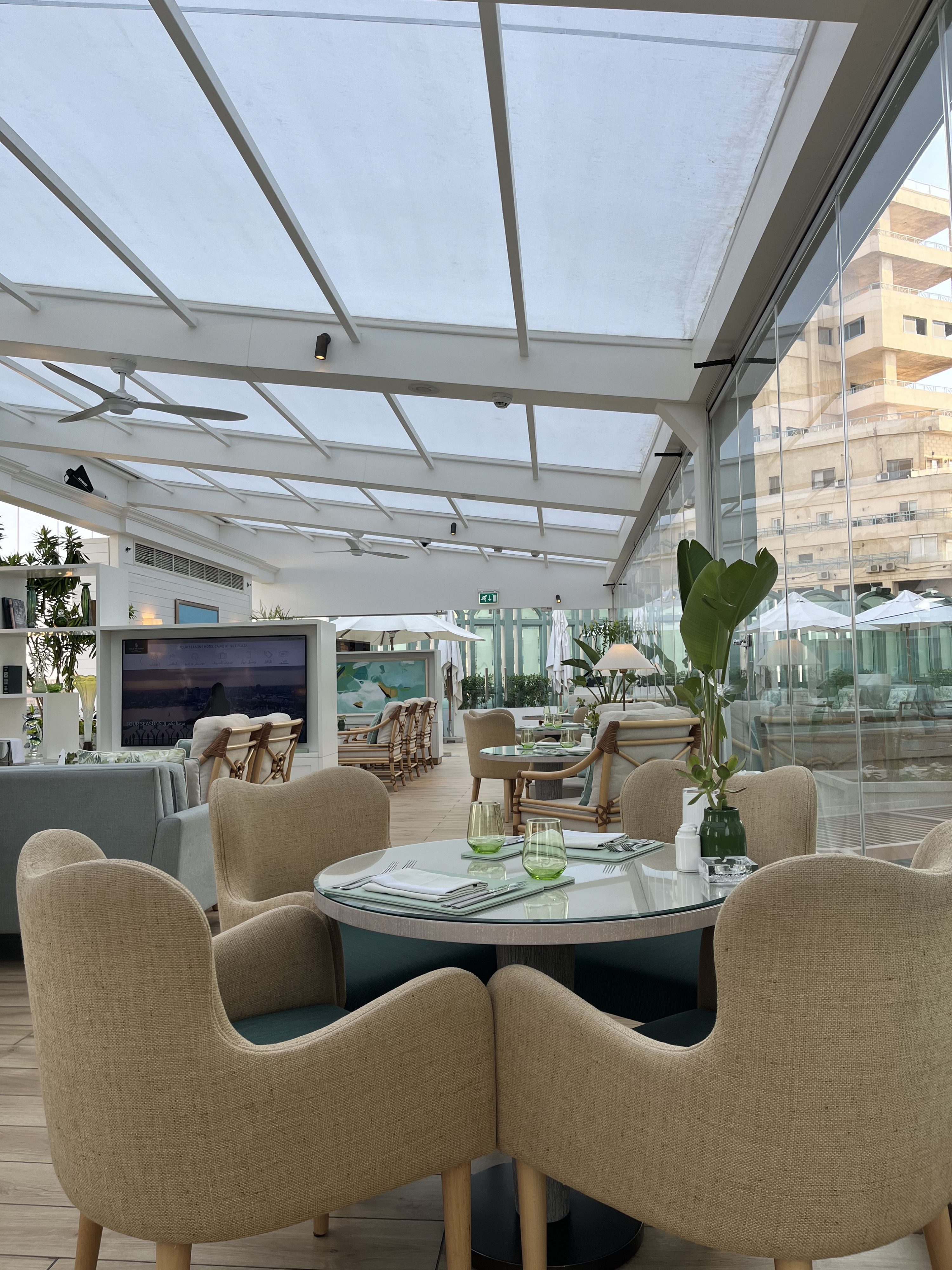
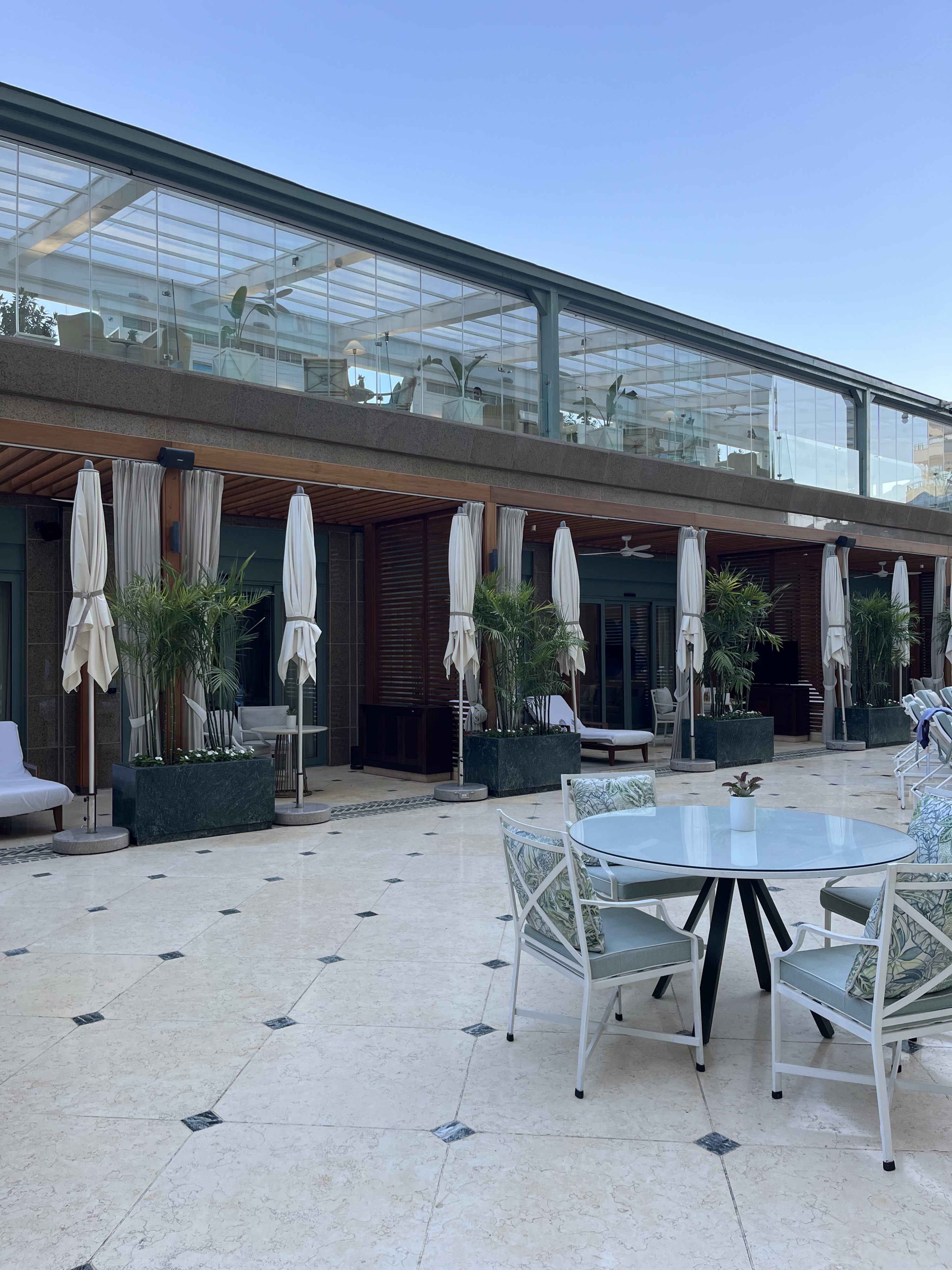
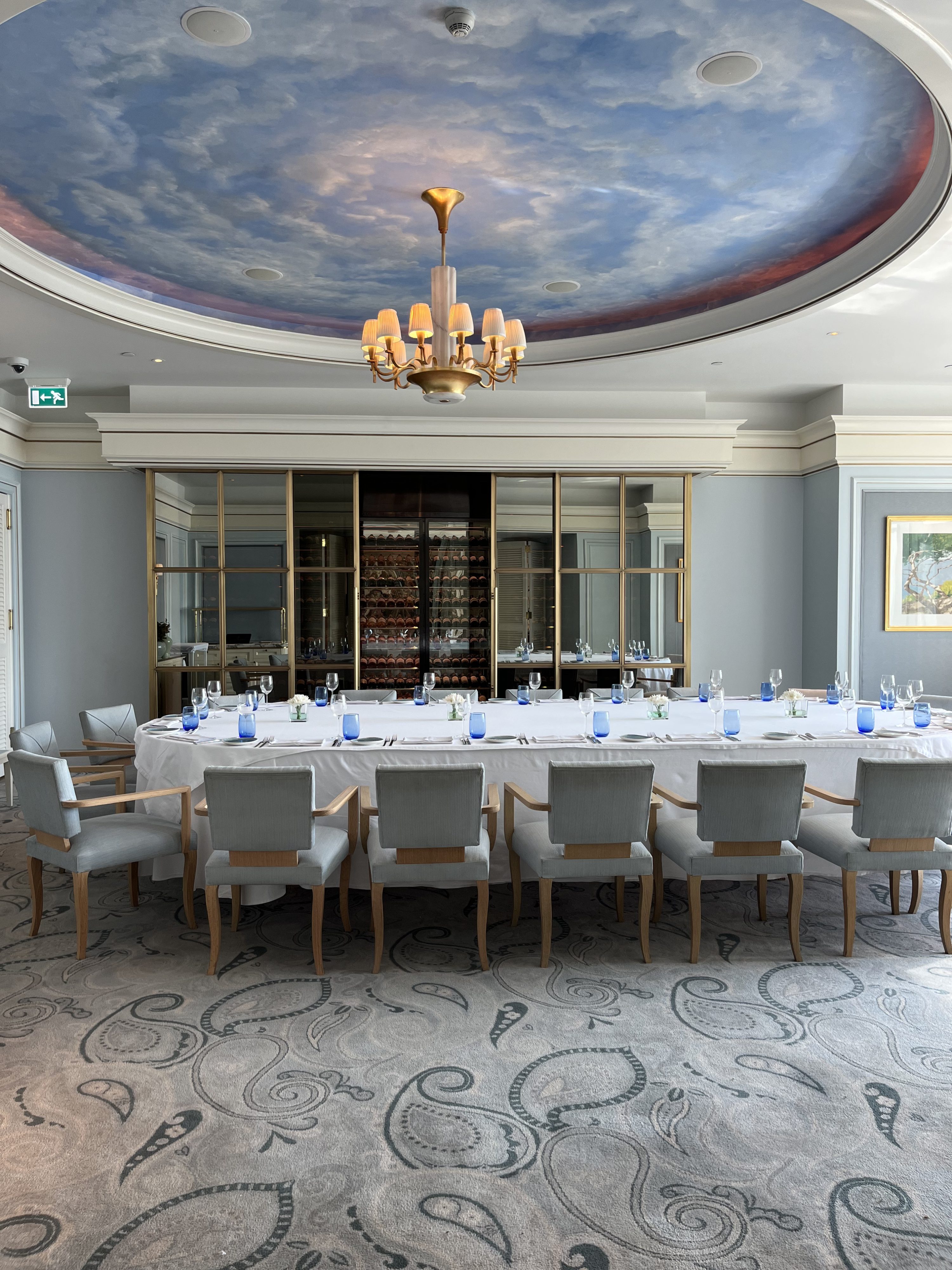
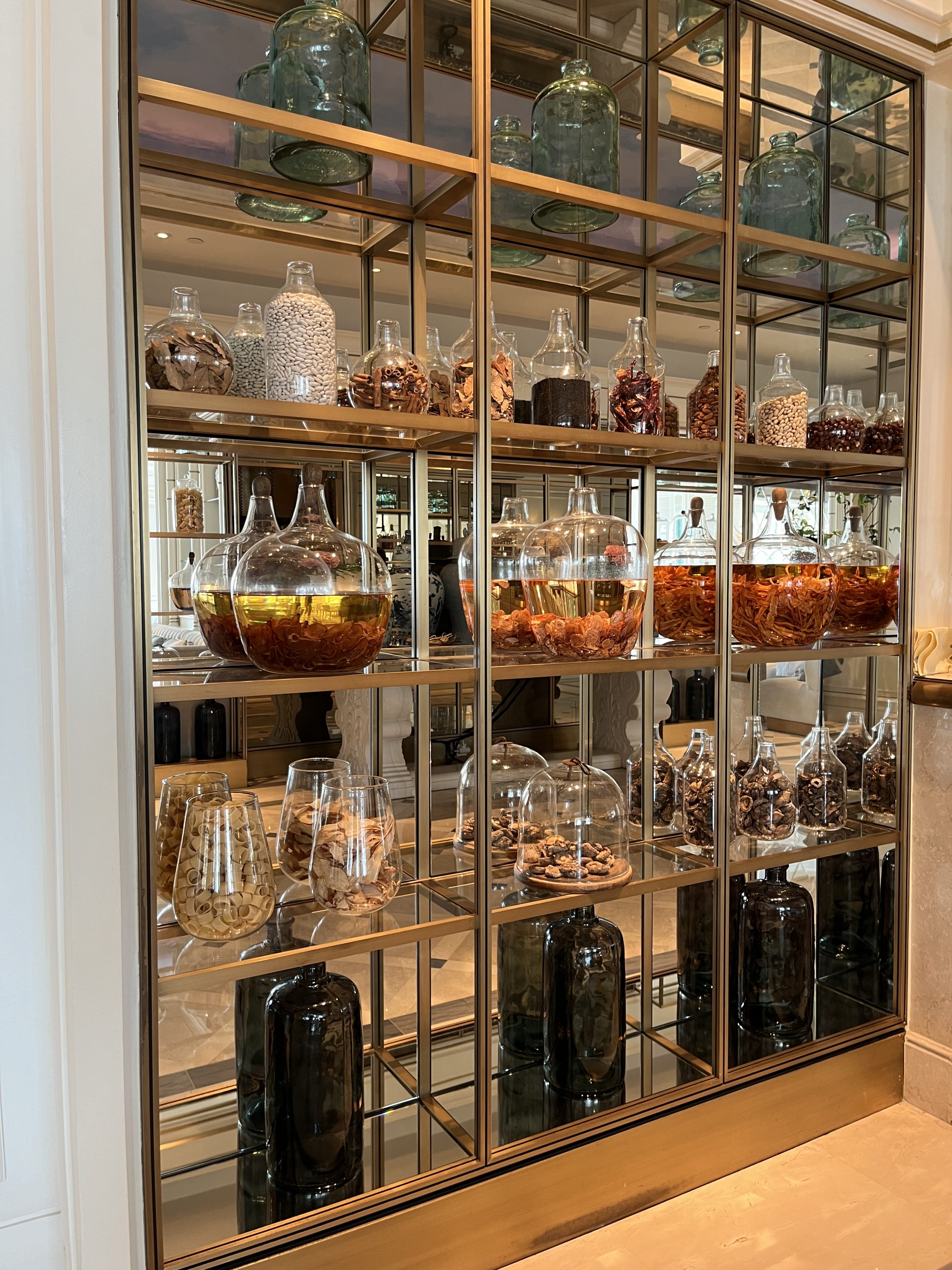
The Four Seasons Hotel Cairo at Nile Plaza operates as a self-contained culinary ecosystem whose individual restaurants — each with its own distinct design intelligence and culinary identity — reward the visitor who treats the property as a destination rather than a transit point. The approach of conducting a self-guided tour of the hotel’s dining venues is not merely indulgent but genuinely revealing: the specific quality of design intelligence that the Four Seasons applies to its Cairo property, with its consistent commitment to Nile-facing orientation and its integration of contemporary luxury with regional cultural references, is most fully appreciated across multiple venues rather than within any single one.
The Beymen Restaurant’s Nile-facing floor-to-ceiling windows, floor-to-ceiling elegance, and sophisticated menu catering to Cairo’s most discerning dining demographic establish the property’s culinary register immediately. The Upper Deck Lounge’s fusion of Asian and Latin flavours — dumplings, teriyaki chicken, crudos, bocaditos, and poke bowls in a contemporary living-room setting whose expansive terrace makes it the most social and most relaxed of the property’s dining environments — provides the complementary casual-luxury register that a full day at the Four Seasons requires. The coffee service across all venues is expertly prepared and presented, the shisha available on the terrace for those who prefer their post-dining relaxation in the regional mode. The uniformly stunning interiors across every Four Seasons Cairo dining venue constitute an education in how global luxury hotel design addresses the specific aesthetic intelligence of the Cairo context: every design decision simultaneously international and unmistakably rooted in its specific geographic and cultural location.
Address: Four Seasons Hotel Cairo at Nile Plaza, 1089 Corniche El Nil, Garden City, Cairo
Crimson Bar and Grill at Riverside Hotel — Zamalek riverfront energy
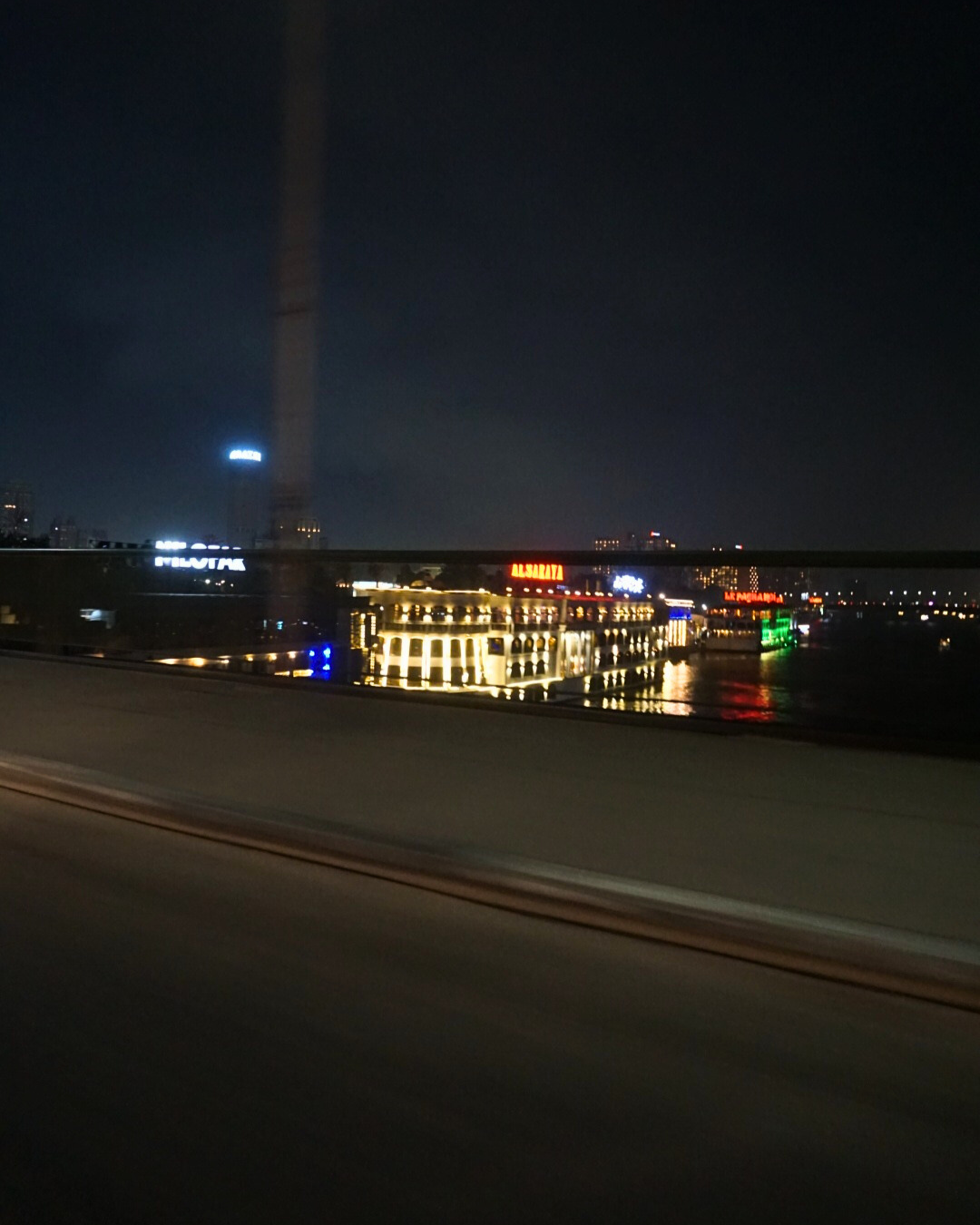
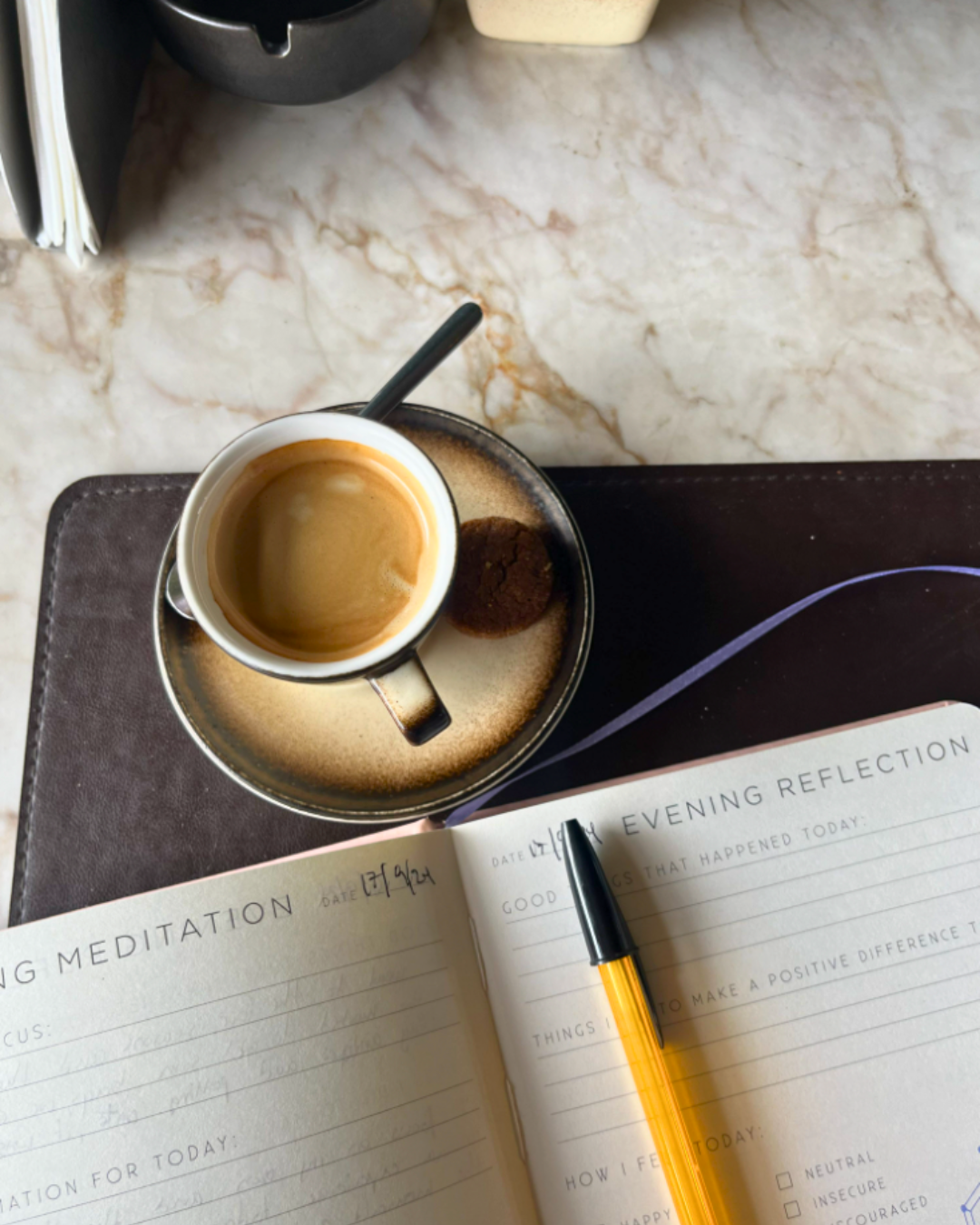
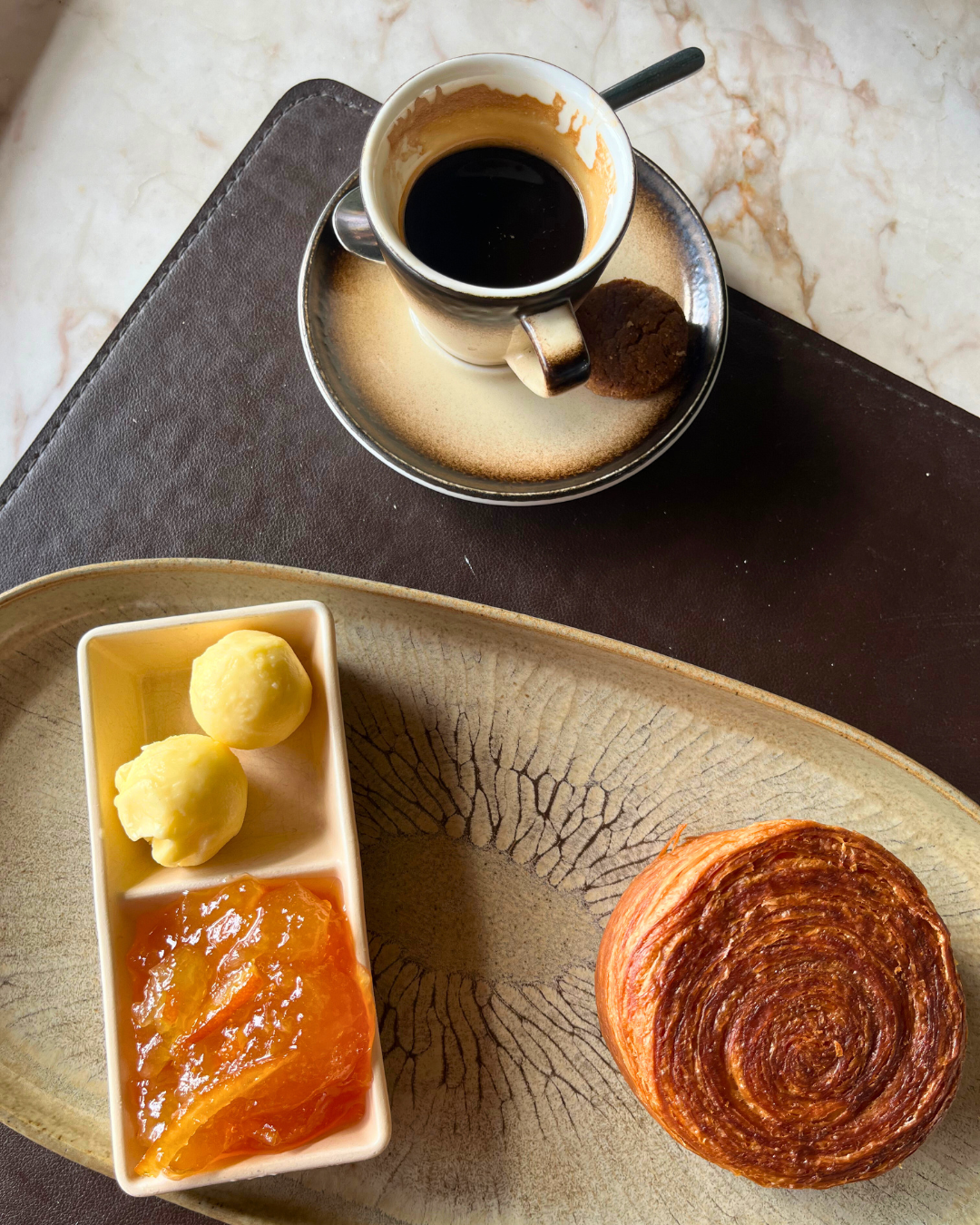
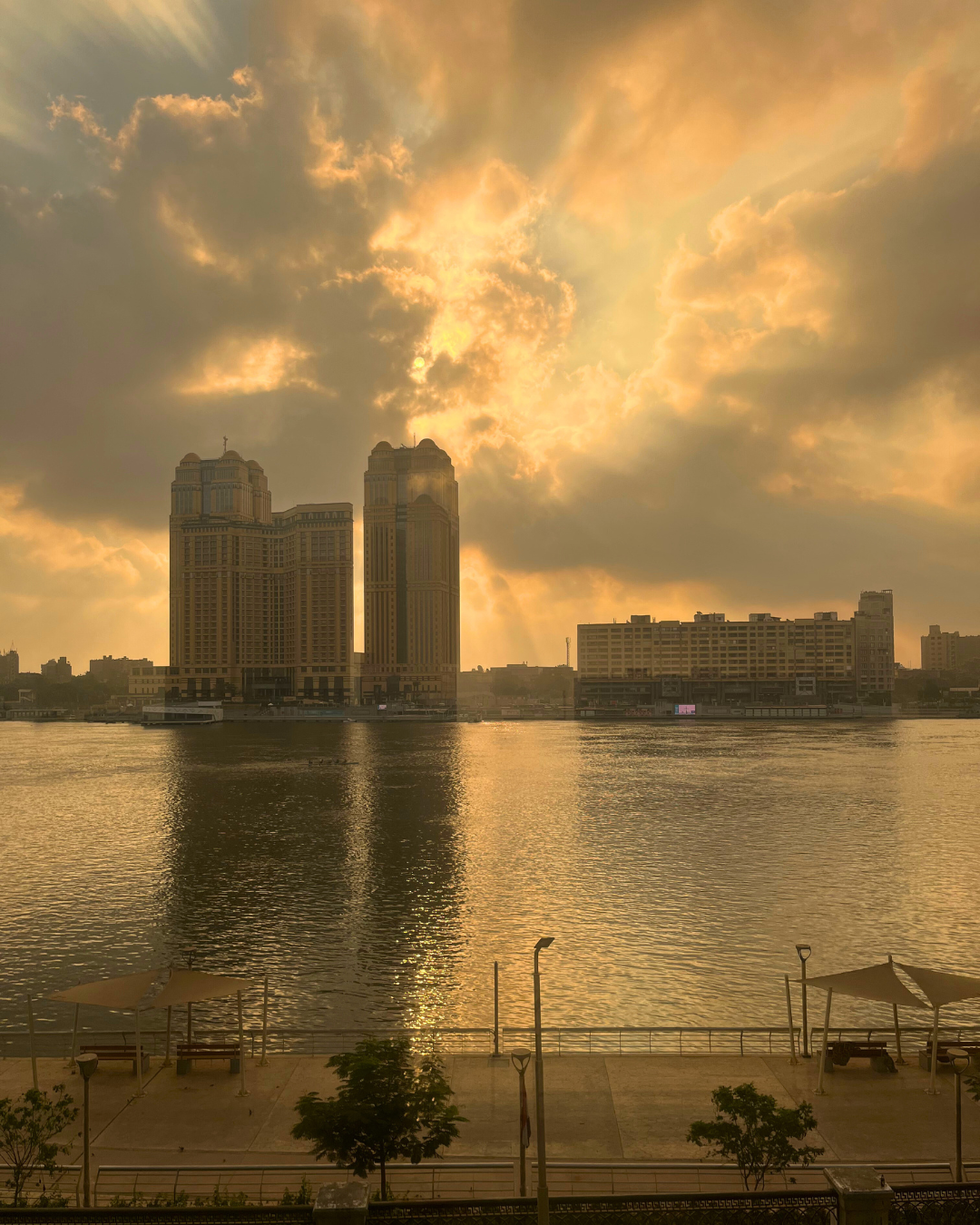
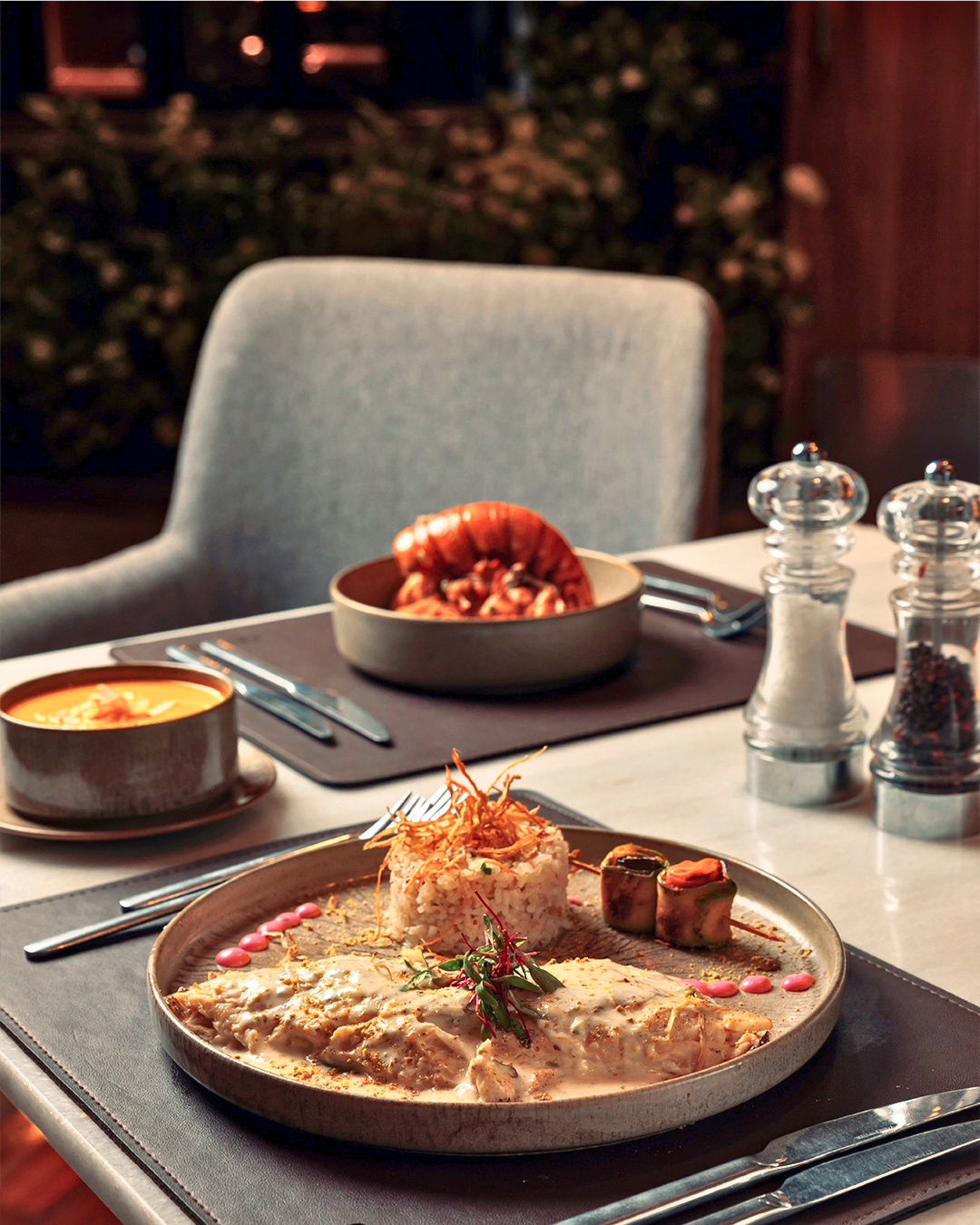
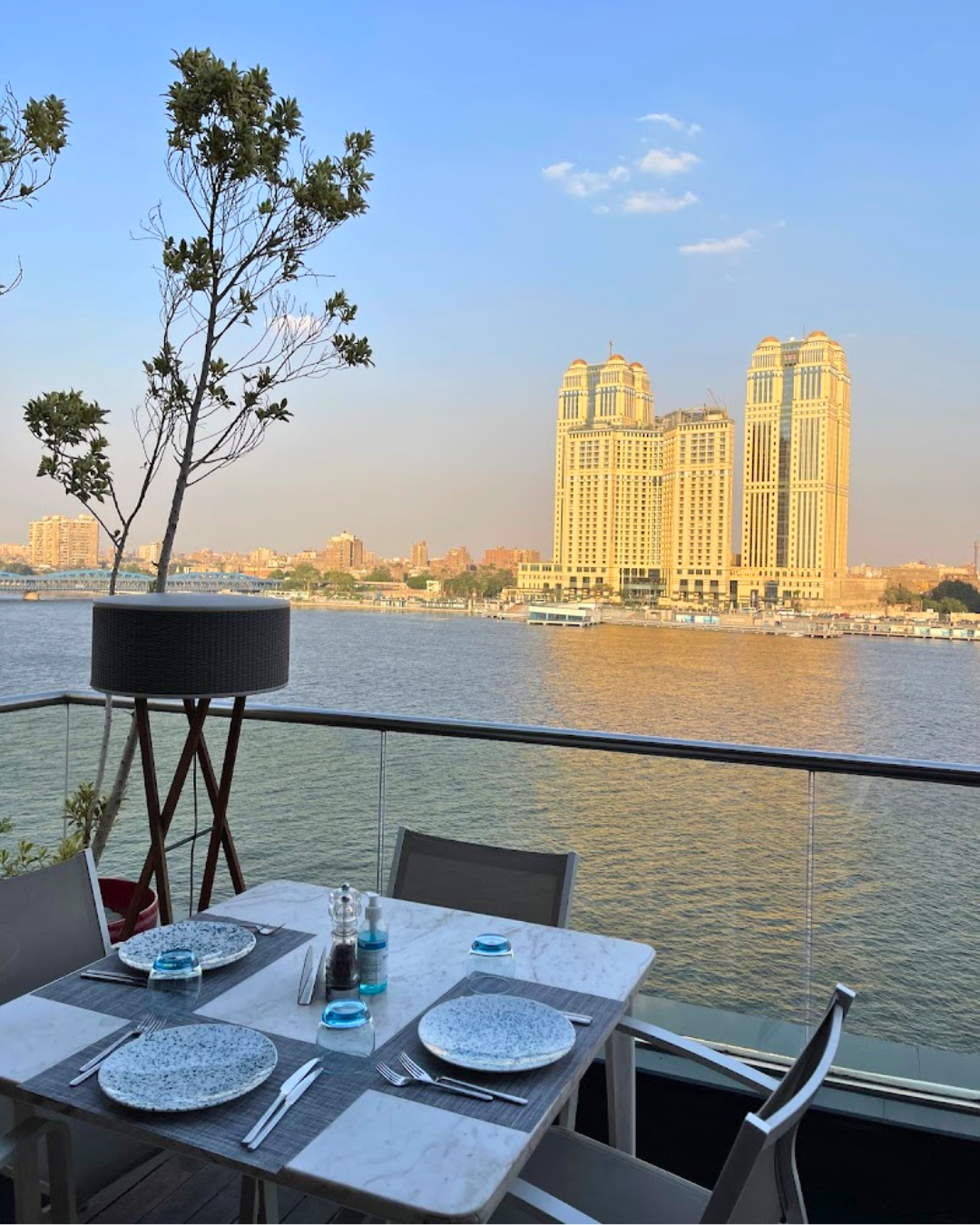
Crimson Bar and Grill at the Riverside Hotel in Zamalek represents the social and contemporary dimension of Cairo’s dining landscape — the specific register in which the city’s most cosmopolitan neighbourhood, its most progressive demographic, and its most inventive culinary sensibility converge into a dining experience whose primary quality is not historical weight but present-tense vitality.
The Zamalek context is essential to understanding Crimson’s specific character. The island district — connected to Cairo’s mainland by bridges but maintaining a distinct urban identity shaped by its international residential community, its European-influenced architecture, and its concentration of embassies, galleries, and independent restaurants — provides the social and aesthetic environment within which Crimson’s modern-sleek design language and its focus on fresh seasonal ingredients and innovative flavours make complete sense. The large terrace with Nile views is the dining experience’s primary spatial quality — the specific pleasure of eating well while watching the river move through one of the city’s most architecturally distinctive neighbourhoods. The ribeye steak, the grilled octopus, and the Truffle Rice with Burrata are the standout dishes, each demonstrating the kitchen’s capacity to execute international fine dining techniques with the confidence of a team that understands its ingredients and its audience equally well. The cocktail menu’s balance between classic and signature drinks made with top-shelf spirits reflects the same intelligence. The price-to-quality ratio is exceptional by any standard, and particularly so by the standard of comparable riverfront dining in global cities of Cairo’s scale and cultural significance.
Address: Riverside Hotel, 16 A Saray El Gezira Street, Zamalek, Cairo
Zeeyara in Zamalek — contemporary Egyptian culinary identity
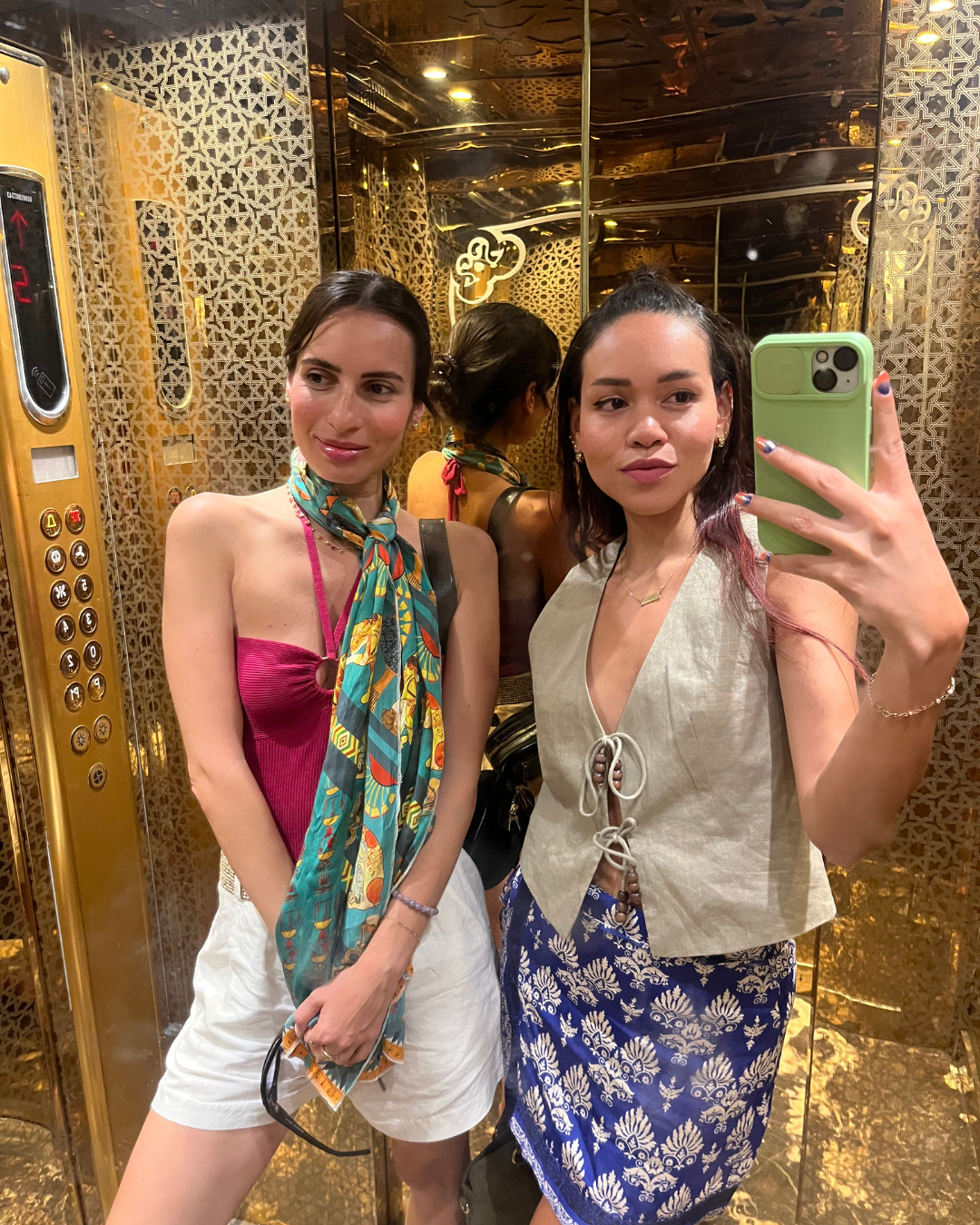
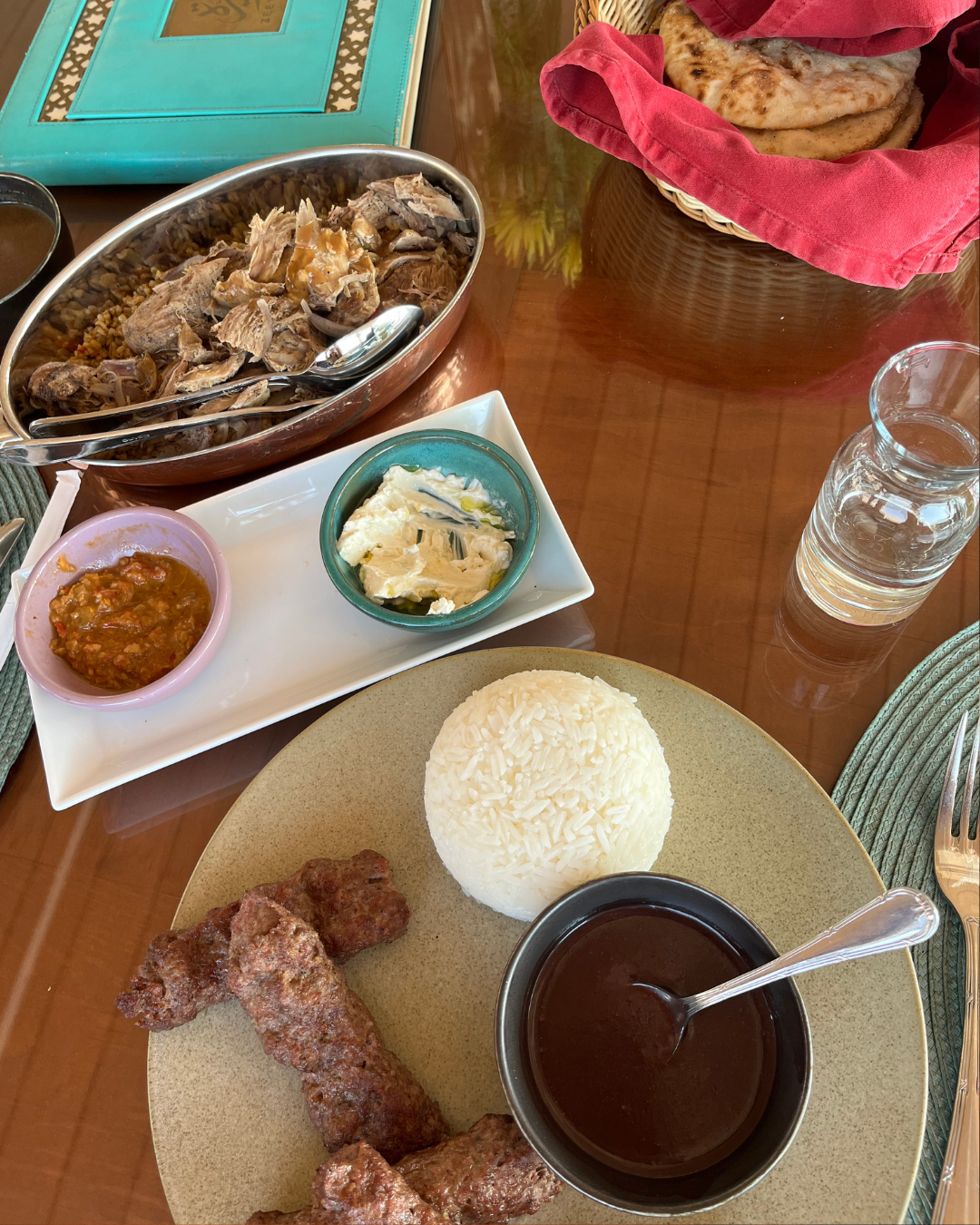
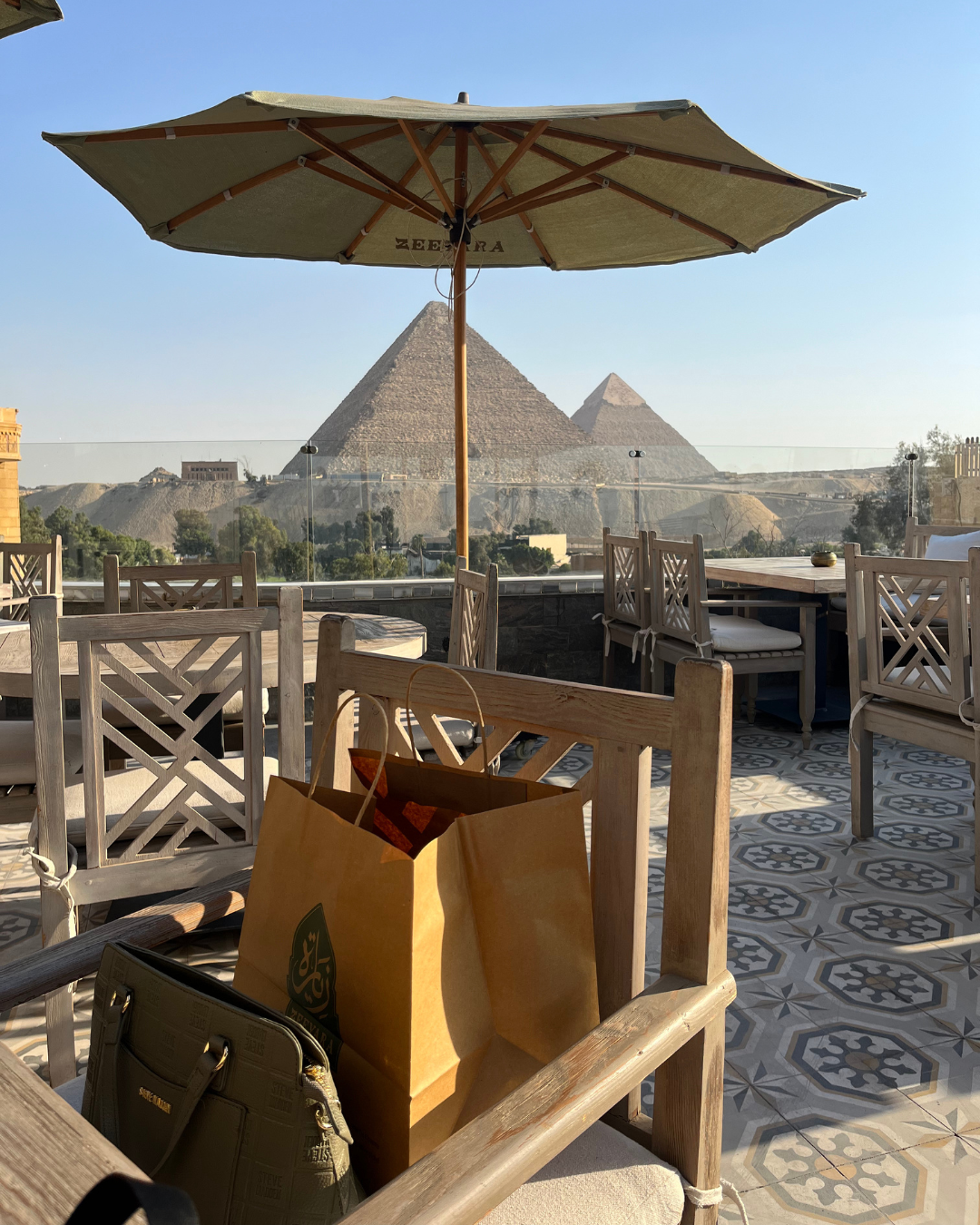
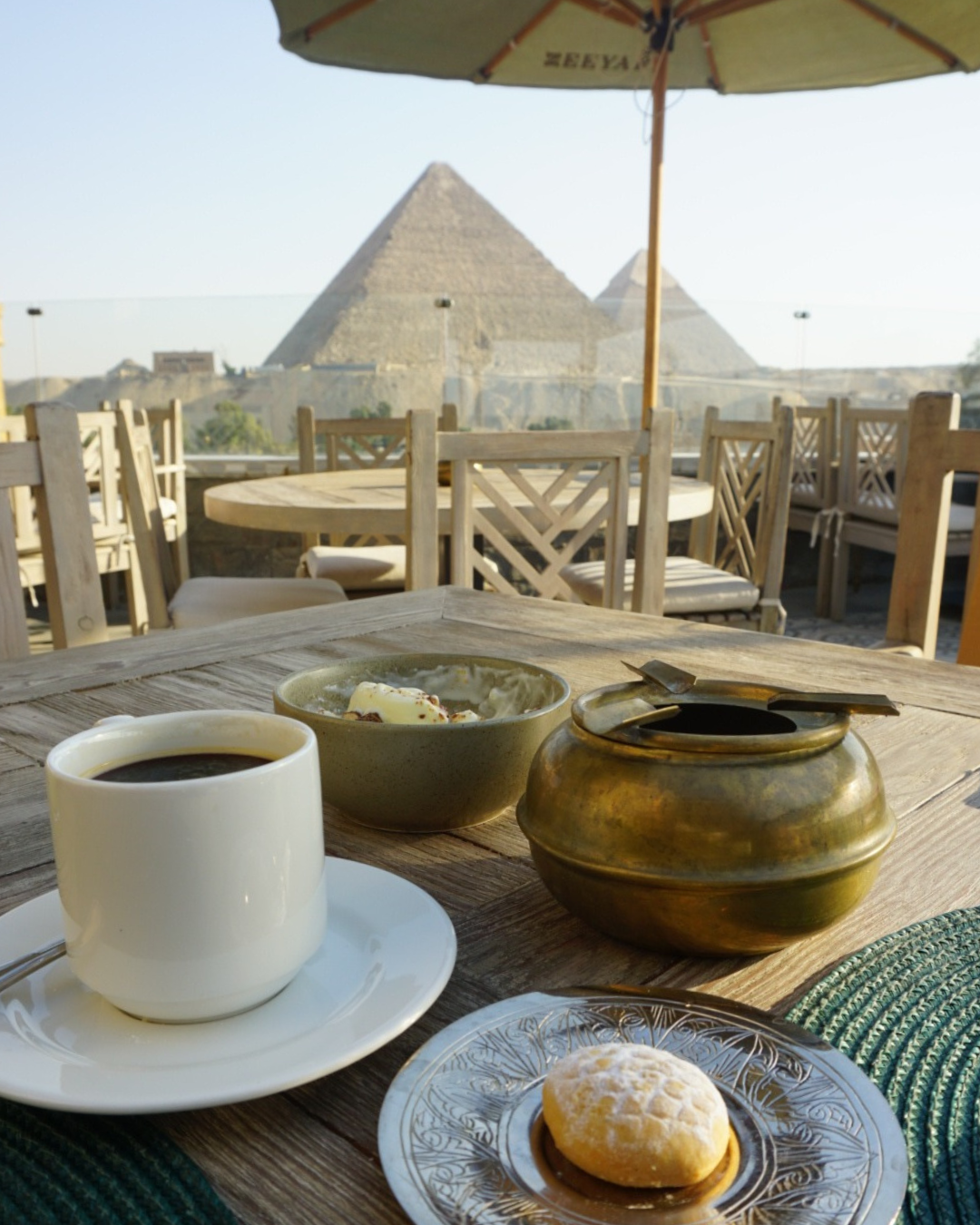
Zeeyara — whose name translates as “caravan” in Arabic, encoding within the restaurant’s identity the principle of gathering the best culinary traditions from across the region — is the dining experience that most completely expresses what contemporary Egyptian cuisine becomes when it is treated with the same seriousness of culinary intention that the most significant international restaurants bring to their own traditions.
The menu at Zeeyara is a celebration of Middle Eastern flavours executed with a precision of technique and a sophistication of presentation that demonstrates the specific ambition of a kitchen that understands its culinary heritage as a source of genuine creative possibility rather than a commercial formula. The smoky baba ghanoush and the creamy labneh that begin the meal establish the flavour register immediately: this is Middle Eastern cooking whose depth is the product of genuine craft rather than of the standardisation that has made many regional cuisines globally accessible while simultaneously flattening their most interesting characteristics. The lamb tagine — slow-cooked with a blend of spices and dried fruits that reflects the specific patience of the traditional cooking method — is the menu’s most complete expression of this culinary intelligence. The Duck and Kofta with Cherry Sauce and the Baladi Duck demonstrate the kitchen’s equal facility with modern plating and flavour combination within a specifically Egyptian culinary vocabulary. The dessert programme — balancing traditional Egyptian sweets like basbousa alongside the contemporary invention of the chocolate and tahini mousse and the extraordinary Rozo (ice cream, rice pudding, and mastic in a combination whose elegance far exceeds the expectations its description generates) — is among the most accomplished dessert sequences available in Cairo’s contemporary dining scene.
The Zeeyara experience connects directly to the broader argument about Egyptian cultural depth that the most considered Cairo visit produces. The civilisation whose monuments draw millions of visitors annually was also a culinary civilisation of extraordinary sophistication — a culture whose relationship to food, spice, and shared eating was as carefully considered as its architecture and its theology. The same cultural depth that makes authentic Egyptian papyrus one of the most significant material culture objects available to the contemporary collector — explored in The Connoisseur’s Guide to Authentic Papyrus in Cairo — animates the most serious Egyptian culinary tradition: both are expressions of a civilisation that understood the objects of daily life as worthy of the same intelligence and care as its most monumental achievements. Zeeyara is the contemporary expression of that inheritance: the Egyptian table restored to the level of seriousness it deserves. As Condé Nast Traveller’s guide to Cairo’s best dining experiences documents, the restaurants achieving the most enduring critical recognition in Cairo’s contemporary scene are those that understand Egyptian culinary heritage as a living creative resource rather than a historical reference.
Address: Zeeyara, 7 Abou El Feda, Zamalek, Cairo
The practical intelligence of dining in Cairo
The most considered Cairo dining experience requires a small number of specific practical orientations that the experienced visitor acquires quickly but that the first-time visitor benefits from knowing in advance. None of them diminish the experience; all of them protect it from the minor frictions that inattention to local context can introduce.
Coffee: Cairo’s dominant coffee culture is Turkish — the thick, cardamom-inflected coffee prepared in a long-handled cezve and served in small cups whose quantity of grounds requires careful sipping. It is excellent on its own terms and essential to the full Cairo sensory experience. Espresso lovers will find their preferred preparation at the luxury hotel venues documented in this editorial and at the growing number of specialty coffee addresses in Zamalek and Garden City — but the search requires some intentionality that the more casual café visit does not. Water: bottled water is the consistent recommendation of every experienced Cairo diner. Tap water is not recommended for international visitors, and the reflex of requesting it is worth consciously interrupting from the first meal. Dining times: Cairo’s luxury restaurant culture operates on a late schedule by northern European and American standards — the most vibrant dinner service begins between nine and ten in the evening, and the most socially alive period of the Cairo dining experience is the late-night table rather than the early seating.
The principle that a city’s dining geography reflects and reinforces its broader cultural identity — explored in the Gulf context in The New Geography of Experiential Luxury Dining in Dubai — finds its most historically layered expression in Cairo, where every restaurant’s relationship to its location carries the weight of a civilisational history that Dubai’s dining scene, for all its ambition, cannot replicate. The Nile corridor that connects Gingko to Birdcage to Any to Crimson, the Giza Plateau that connects Alfredo to Khufu’s to Ladurée, and the Zamalek island that connects Crimson to Zeeyara — these three geographic axes constitute the culinary map of Cairo’s most rewarding dining. Navigated with the specific intelligence that each venue rewards — the early Nile table at Gingko, the same-day Pyramid ticket at Khufu’s, the self-guided hotel tour at the Four Seasons — they produce together the most complete available portrait of what Cairo’s dining scene is and where it is going. As the World Economic Forum has identified in its analysis of culinary tourism and gastronomic heritage destinations, the cities achieving the most significant growth in food-driven travel are those whose dining scenes reflect a genuine integration of local culinary identity, international technique, and spatial storytelling that no other cultural experience can replicate. Cairo is this city on the Nile. As UNESCO’s designation of Historic Cairo as a World Heritage site underscores, and as Business of Fashion’s analysis of luxury dining geography and experiential hospitality documents, the most enduring dining destinations are those where geography and gastronomy are inseparable — where the question of where to eat is also the question of how to experience a city. In Cairo, these questions have always been the same question.
“Cairo’s dining scene is not defined by individual restaurants,
but by the way they collectively shape a geography of experience.
From the river’s edge at Gingko and Birdcage,
to the monumental silence surrounding Khufu’s and Alfredo,
and into the contemporary cosmopolitan rhythm
of Crimson and Zeeyara,
each space contributes to a larger narrative —
one where cuisine becomes inseparable from place.
In Cairo, to dine is not simply to eat.
It is to move through layers of history, architecture, and emotion,
all unfolding along the same eternal axis: the Nile.”