

On Ain Sokhna as Egypt’s most emotionally intelligent coastal retreat, the Tanoak Hotel’s understated hospitality philosophy, the meditative visual presence of the Suez Canal, and why the new luxury is not isolation from the world but proximity to stillness within it
Ain Sokhna reveals a side of Egypt often overlooked in global travel narratives. Here, luxury is not constructed through spectacle or interruption, but through spaciousness, silence, and the subtle emotional recalibration that occurs when the body finally slows down. At Tanoak, overlooking the rhythm of the Suez Canal, the experience becomes almost philosophical: the world continues moving relentlessly across one of history’s most important trade arteries, while the traveller remains still long enough to notice the light changing over the water. In an era defined by acceleration, that kind of stillness may be the rarest luxury of all.
Most travellers associate Egypt with movement — the kinetic intensity of Cairo, the sensory density of the Khan El Khalili bazaar, the profound weight of monuments that have been accumulating human attention for four and a half millennia. Ain Sokhna offers the opposite experience with the specific elegance of a destination that understands its own value precisely because it is not competing with any of that. Approximately 120 kilometres east of Cairo along the Red Sea corridor, the coastal retreat unfolds slowly through sea light, desert air, and a quality of silence that the city provides no equivalent for. The landscape here is not dramatic in the conventional sense — there are no monuments, no ancient stones, no visual spectacle demanding immediate recognition. The luxury is spatial and temporal: the open horizon, the uninterrupted time, the specific quality of a place that asks nothing of the visitor except the willingness to be present within it.
The geographic tension that defines Ain Sokhna’s character is rare and specific. Desert and sea exist in immediate proximity — the particular quality of light produced by their interaction, the mineral palette of the landscape, the way the water’s surface changes colour across the arc of a day. Leisure and infrastructure coexist in a relationship that produces, unexpectedly, one of the most visually meditative experiences available anywhere in Egypt: the cargo ships crossing the Suez Canal visible from the coastline, enormous and slow, moving across the horizon in a procession of global commerce that makes the stillness of the traveller watching them feel not like withdrawal from the world but like a different and more considered form of engagement with it.
The Ain Sokhna experience exists in natural sequence with the broader Egyptian journey — the cultural and historical depth explored in Beyond the Postcard: Why Visiting Saqqara, Memphis, and Giza with a Historian Changes Everything and the human warmth documented in Cairo Beyond the Monuments: Museums, Bazaars, and the Road to Ain Sokhna. The coastal retreat is the third chapter of the Egyptian experience: the stillness that follows the intensity, the open horizon that follows the layered complexity of the city, the specific quality of rest that only becomes possible after genuine cultural immersion.
The drive from Cairo — the journey as psychological transition
The experience of Ain Sokhna begins not at the hotel but on the road — in the specific quality of the two-and-a-half-hour eastward drive from Cairo that constitutes, for the traveller who pays attention to it, one of the most complete available illustrations of Egypt’s geographic and psychological range. The departure from Cairo’s density is gradual and then sudden: the city’s layered urban fabric giving way to the specific openness of the desert approach, the noise and movement of one of the world’s great capitals dissolving into the expansive silence of a landscape whose primary quality is its apparent endlessness.
This transition is not merely scenic. It is sensory and psychological — a recalibration of the nervous system that the most considered travellers have always understood as one of the primary purposes of the journey itself. The cognitive overload produced by an intense urban cultural experience requires the specific antidote of spatial openness and temporal slowness that Ain Sokhna provides with the particular generosity of a destination that was not designed for tourism but has become, almost incidentally, one of the most effective available environments for genuine rest.
The desert light changes across the drive in ways that no urban environment replicates — the specific quality of Egyptian desert illumination, the way it moves across the landscape rather than diffusing through it, the colours it produces at different hours of the day from the warm mineral tones of early morning through the bleached intensity of midday to the extraordinary palette of a Red Sea coast sunset. The traveller who made the journey with Ahmed and his son — the Cairo driver whose hospitality transformed transportation into cultural immersion, documented in the companion essay to this one — arrived at Ain Sokhna already in a different state from the one they left Cairo in. The journey had done its work before the destination began its own.
Tanoak Hotel — understated hospitality and the language of coastal calm

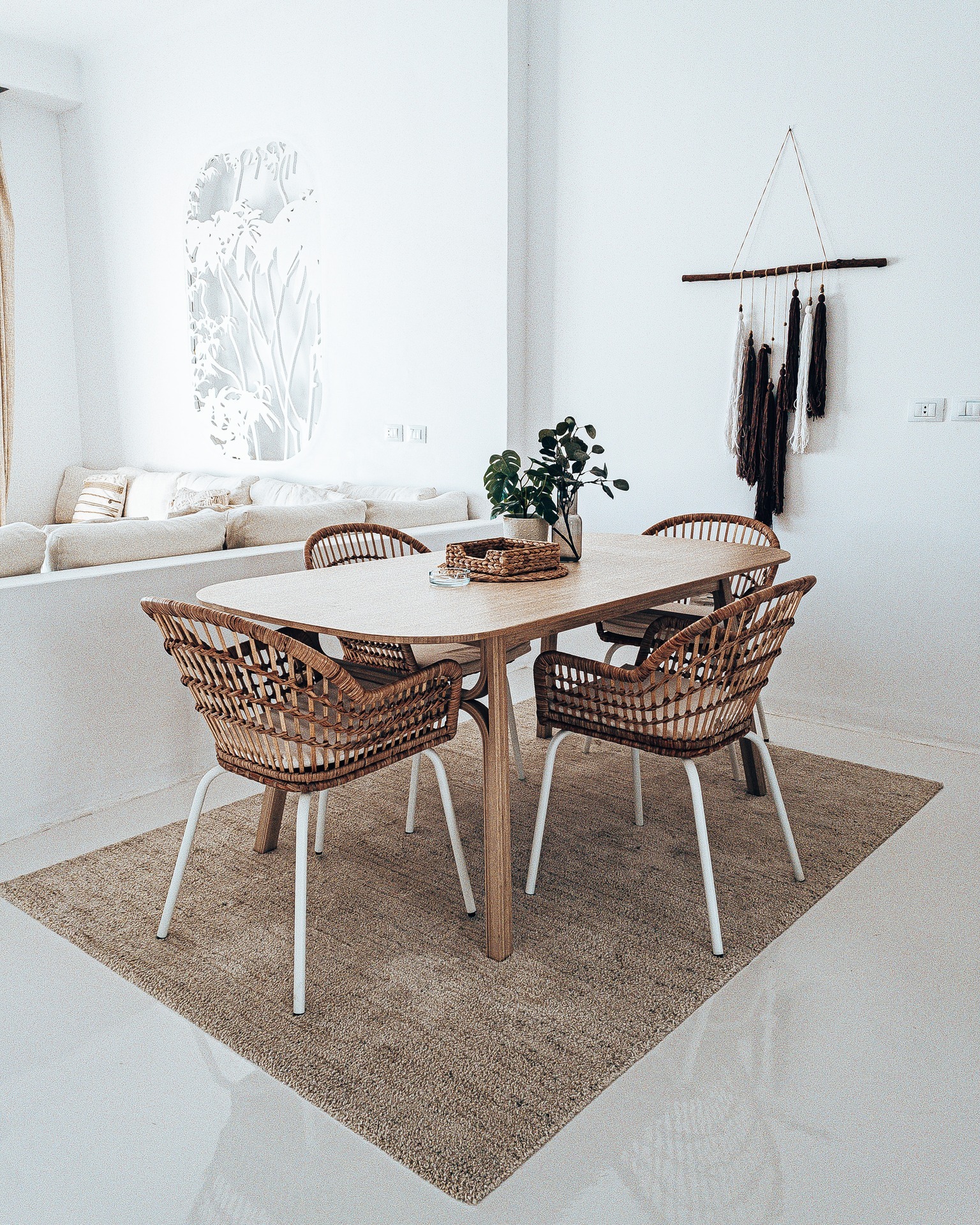

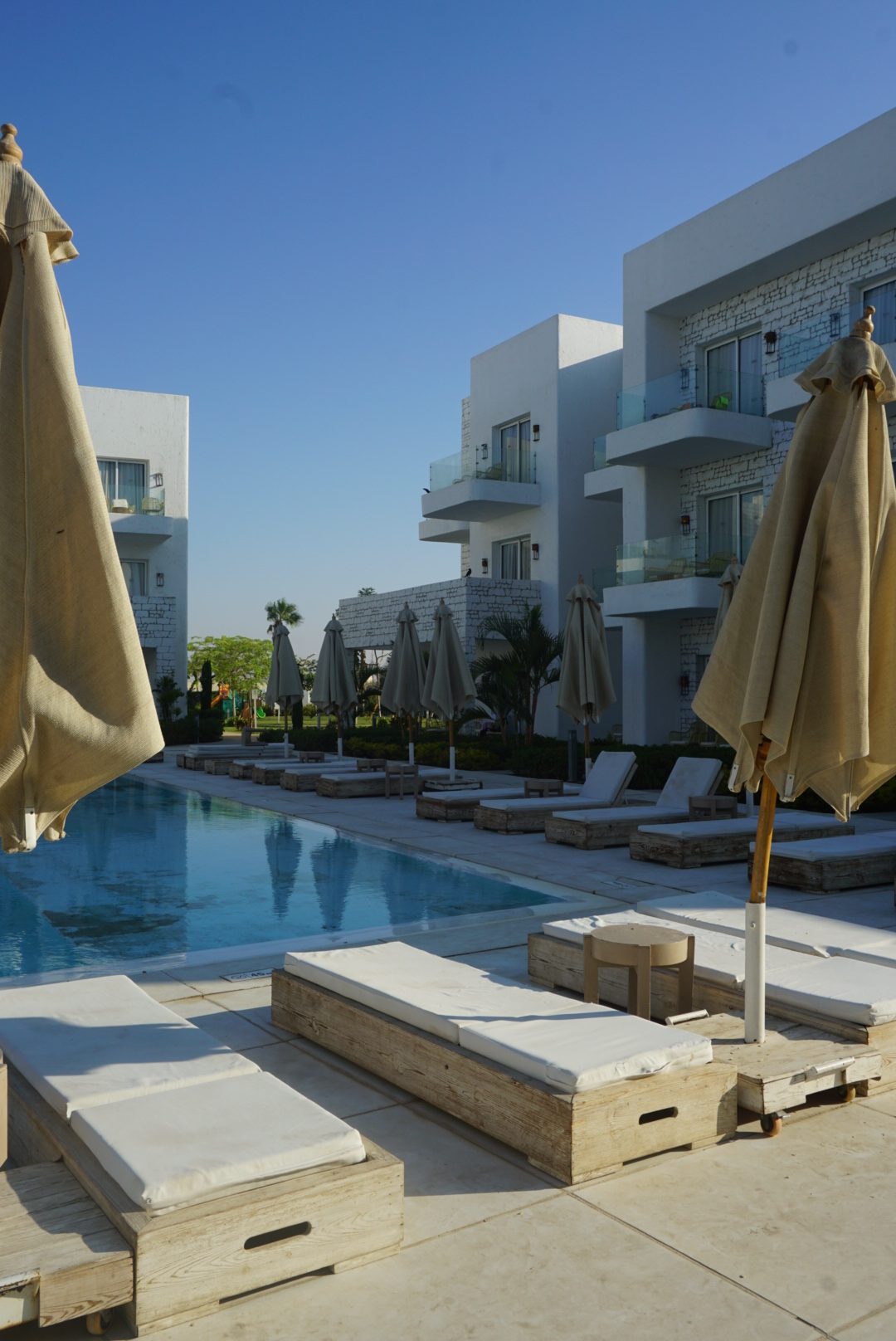
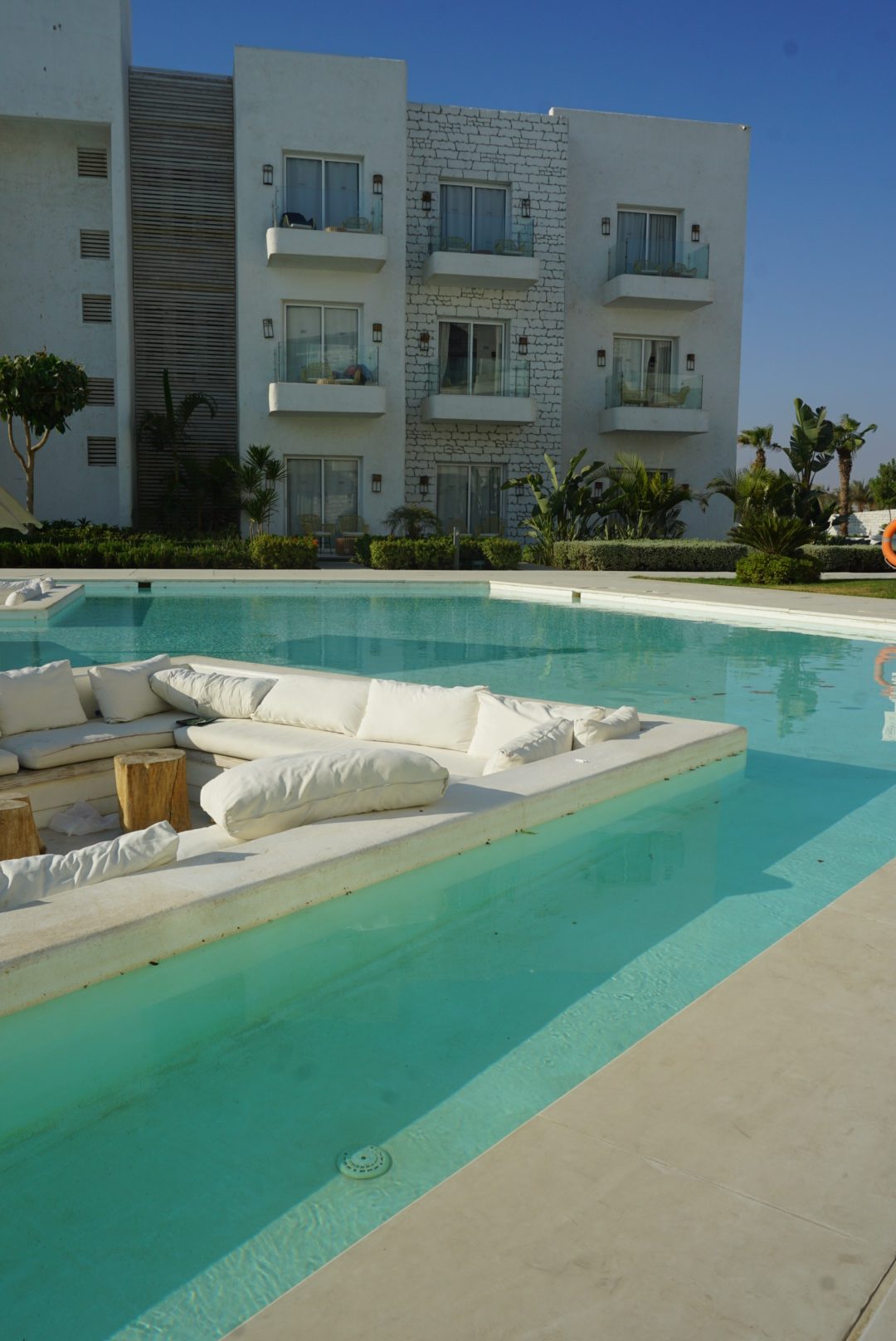
The Tanoak Hotel embodies the specific hospitality philosophy that the Ain Sokhna coast makes possible and that the most considered luxury travellers are increasingly seeking: minimalist comfort over theatrical opulence, a relaxed architectural flow between interior and coastline, hospitality centred on ease rather than performance. The hotel does not ask to be admired. It asks to be inhabited — and the distinction is the most significant one available in luxury hospitality.
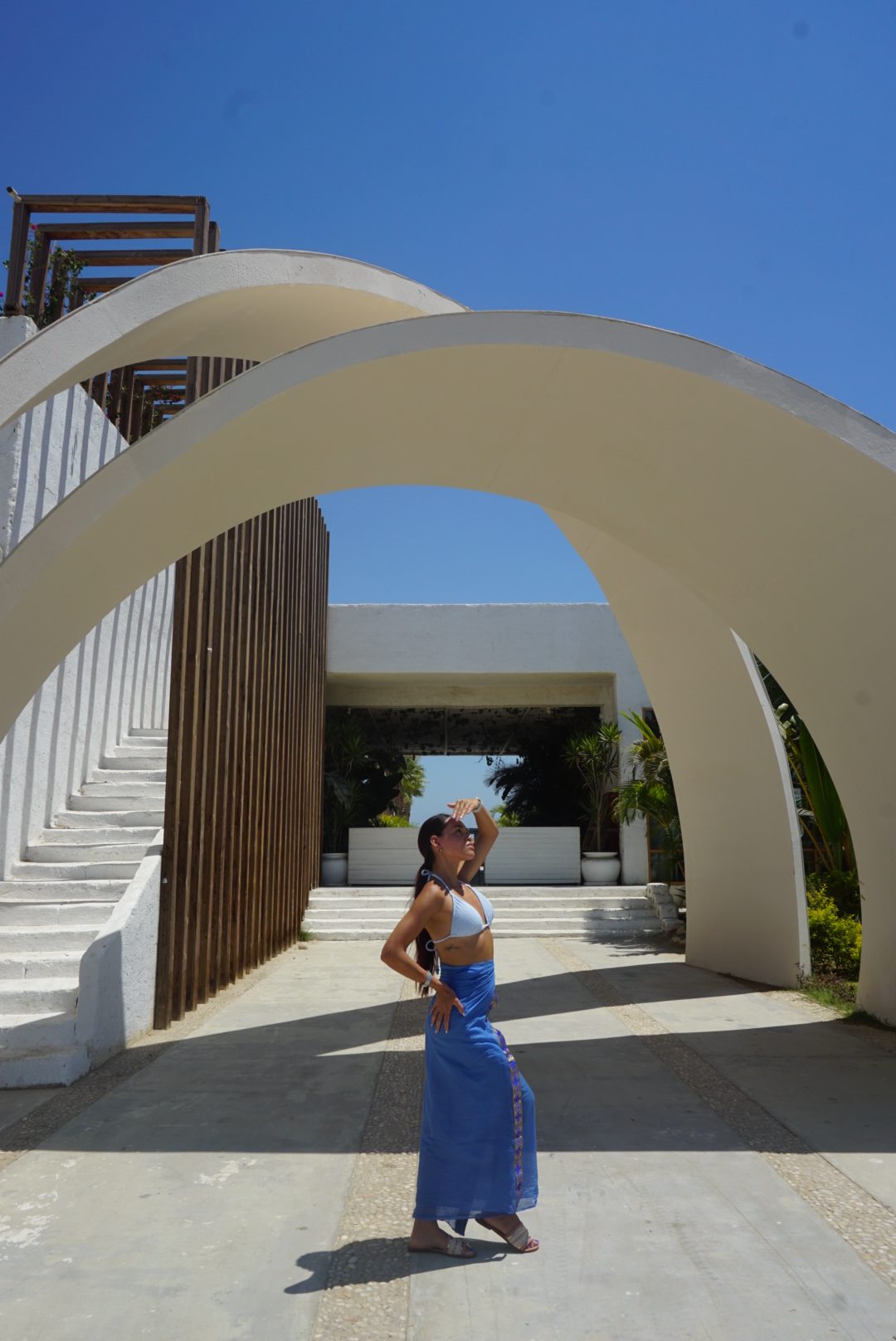
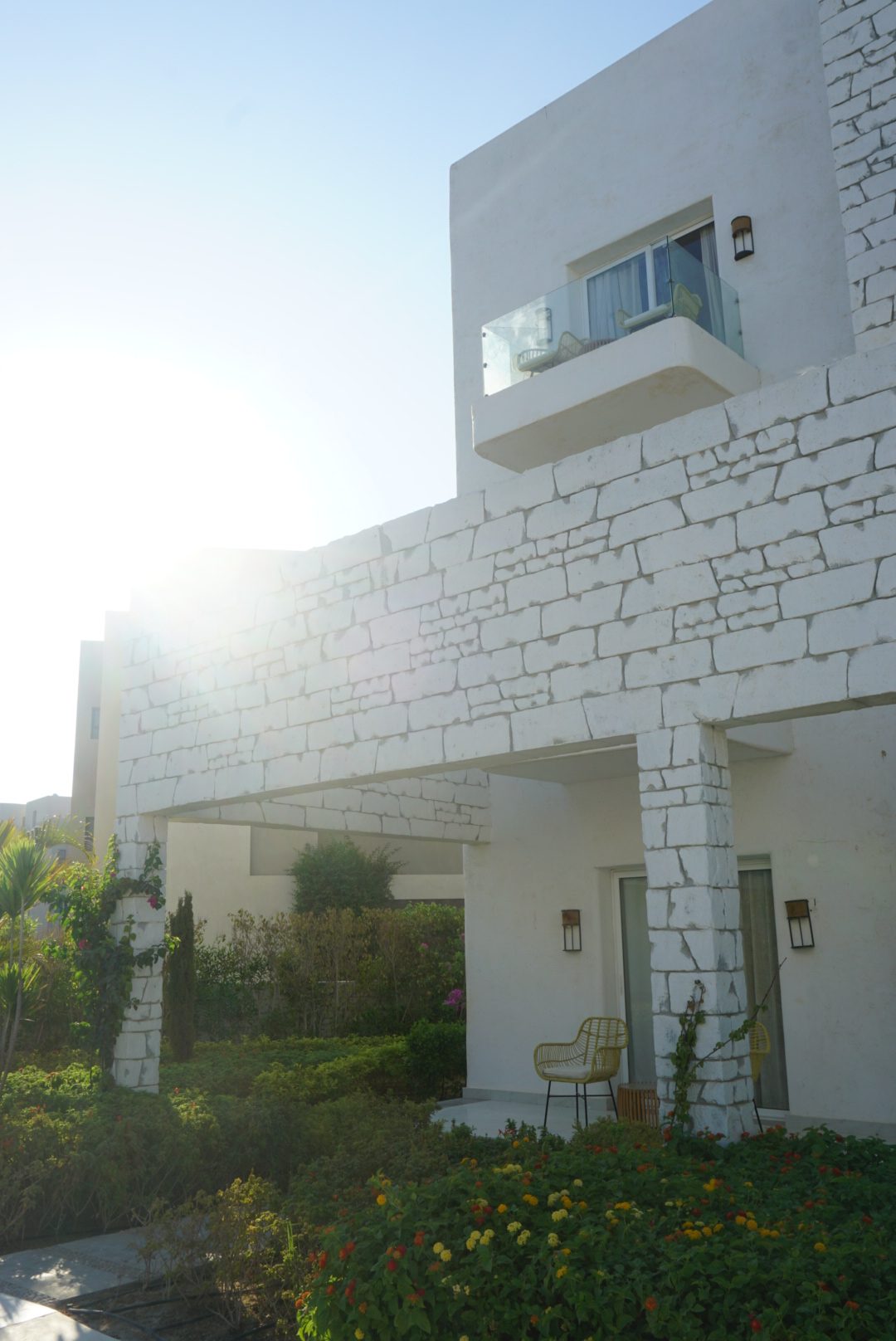
The architectural language of Tanoak is calibrated to the specific qualities of its environment rather than imported from a generic international luxury vocabulary — the same foundational hospitality intelligence explored in A Day at Nikki Beach Dubai: The New Rituals of Coastal Leisure, where the most significant coastal luxury experiences are consistently those that understand the specific sensory and emotional qualities of their environment rather than those that impose a pre-designed experience upon it. Clean lines and sophisticated décor create a harmonious environment that is both stylish and genuinely inviting — the specific quality of a space designed to recede behind the experience it contains rather than to compete with it. The rooms and suites, designed with panoramic views of either the Red Sea or the landscaped grounds, provide the visual context within which the primary luxury of the experience — time, space, and the gradual decompression that follows genuine rest — can occur.
The accommodation range at Tanoak covers the full spectrum of the coastal retreat requirement: from Superior Rooms whose design efficiency maximises the quality of the Red Sea view within a compact footprint, through the various suite configurations that expand the private space while maintaining the same relationship to the coastal environment, to the Royal Villa whose scale allows the coastal retreat experience to extend into something approaching a private residence. Each option is designed around the same foundational understanding: that the luxury here is environmental rather than ornamental, and that the most significant design decision in any room is the one that maximises its occupant’s access to the specific qualities that Ain Sokhna provides.
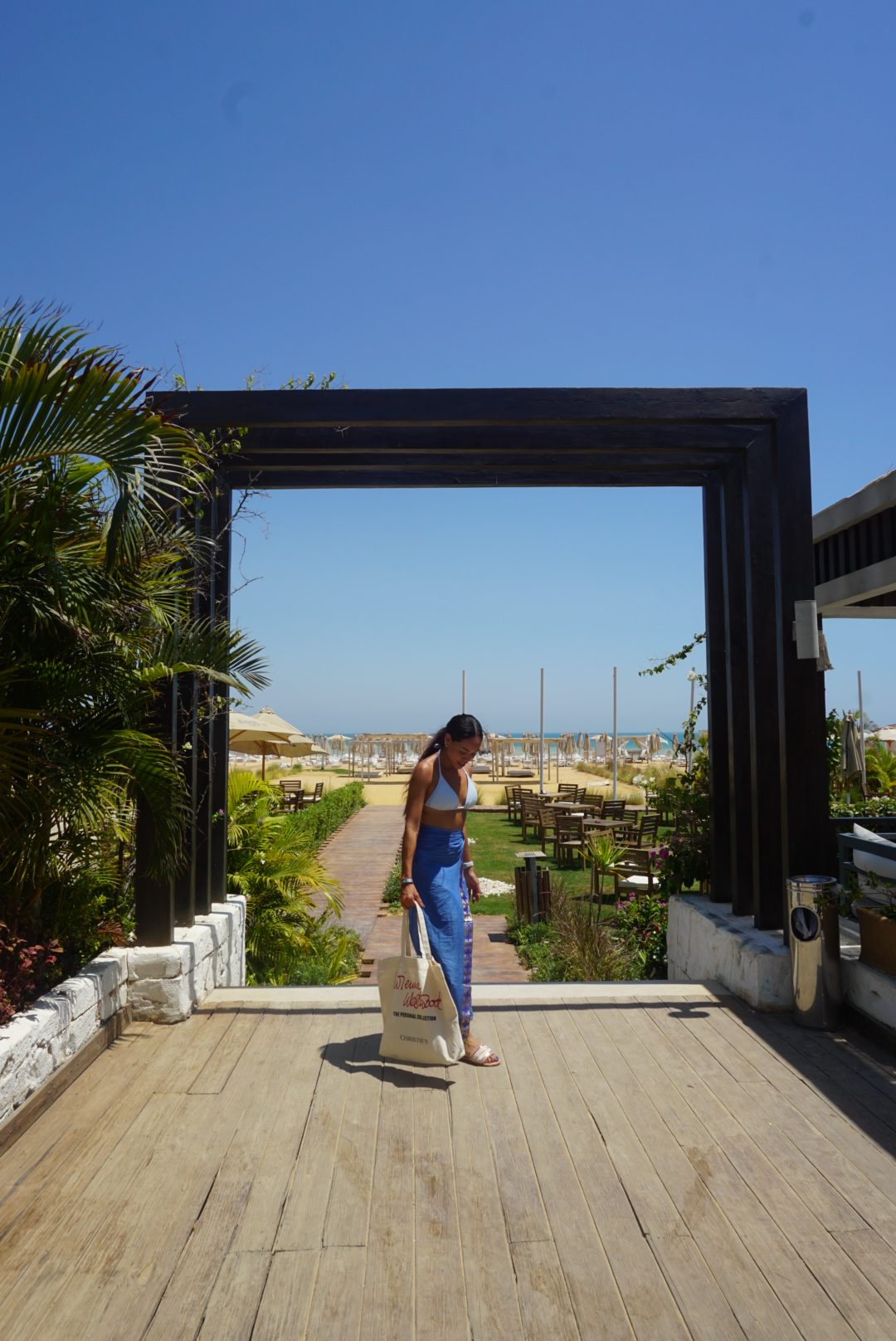
The private beach — exclusive access to the Red Sea’s crystalline waters and the specific quality of a beach whose absence of crowds produces a quality of presence that the more popular Egyptian coastal destinations cannot offer — is the hotel’s most significant amenity. Not because of what it provides in the conventional sense of beach club infrastructure, but because of what it removes: the social performance that most luxury beach environments require of their guests, the specific pressure of being seen to be having the right kind of time. The Tanoak beach is a space for genuine rest rather than its performance, and this distinction is the most precise expression of what Ain Sokhna’s emerging luxury identity represents. As Condé Nast Traveller’s guide to Egypt’s Red Sea coastal hotels identifies, the properties achieving the most enduring reputation among considered travellers are consistently those whose hospitality philosophy prioritises genuine ease over curated spectacle.
Dining, wellness, and the rhythm of an unhurried day
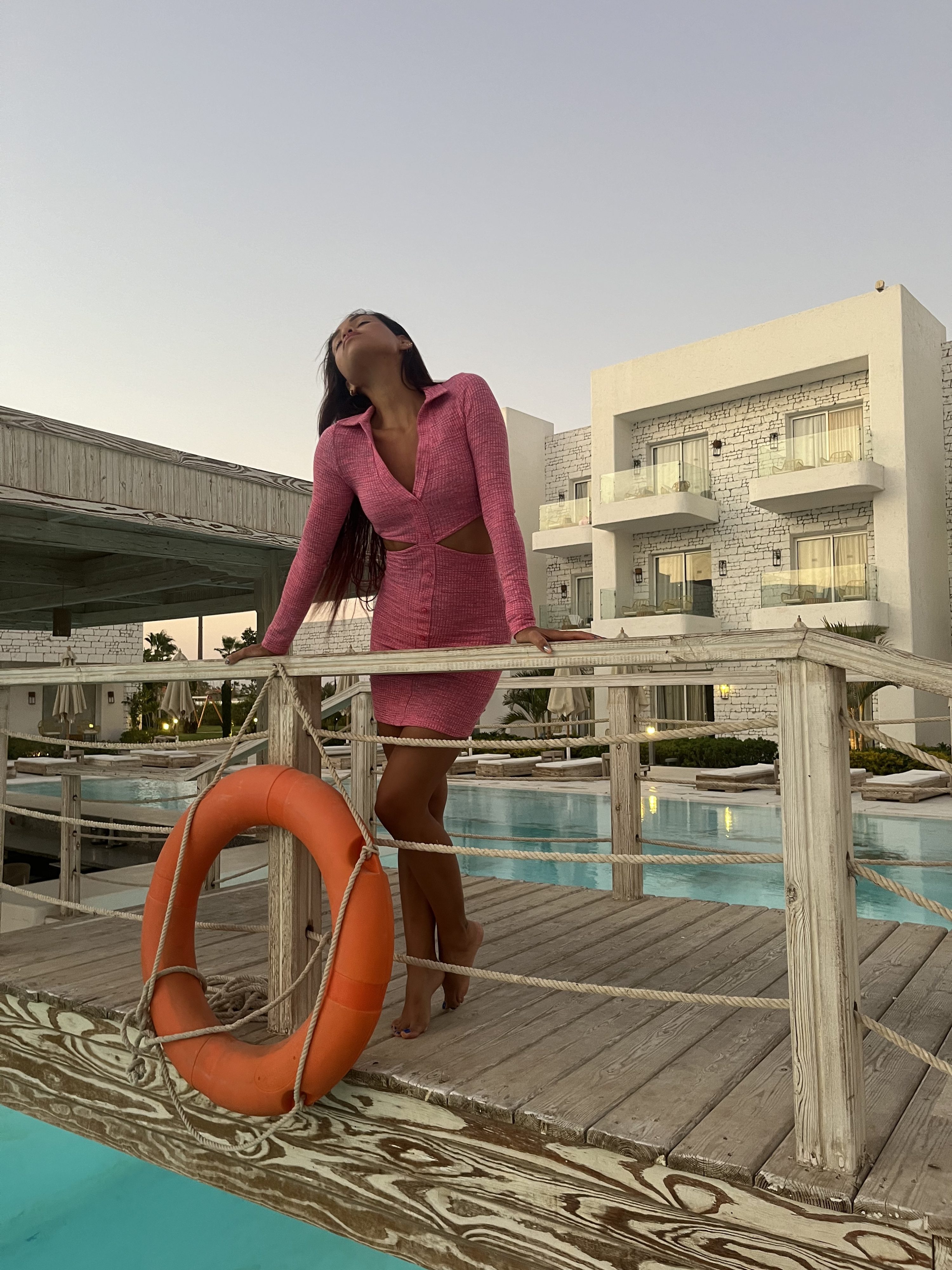
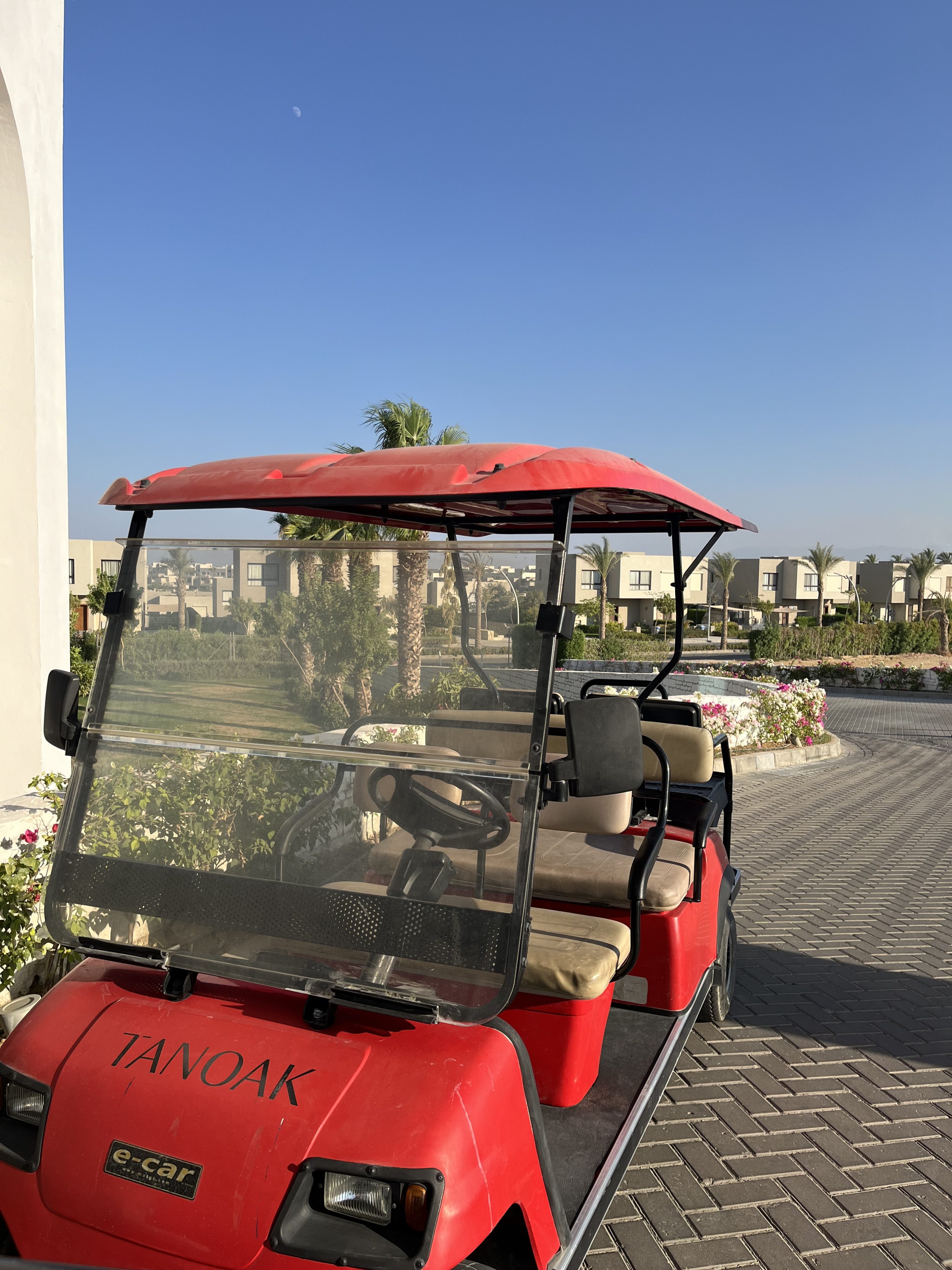
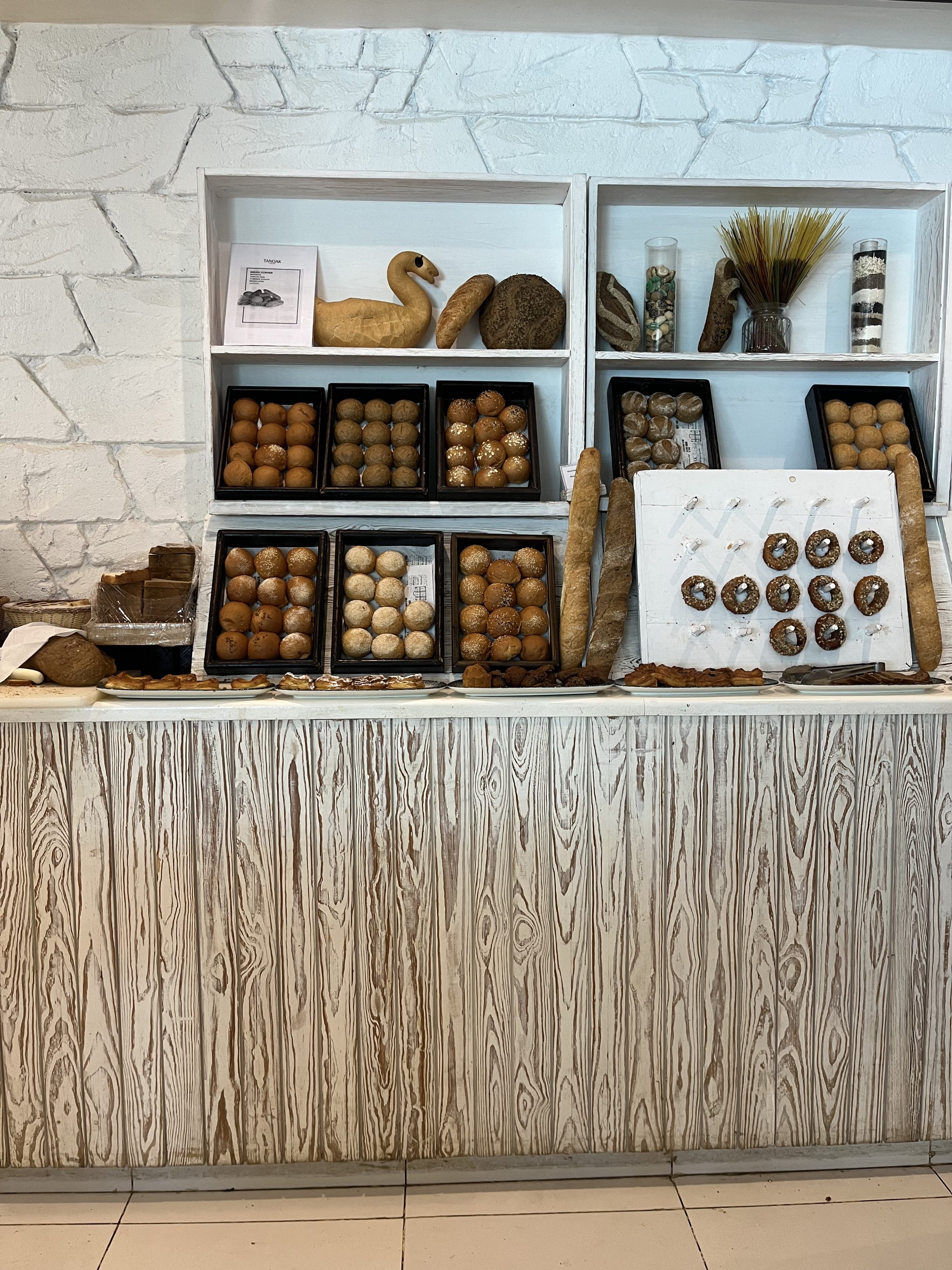
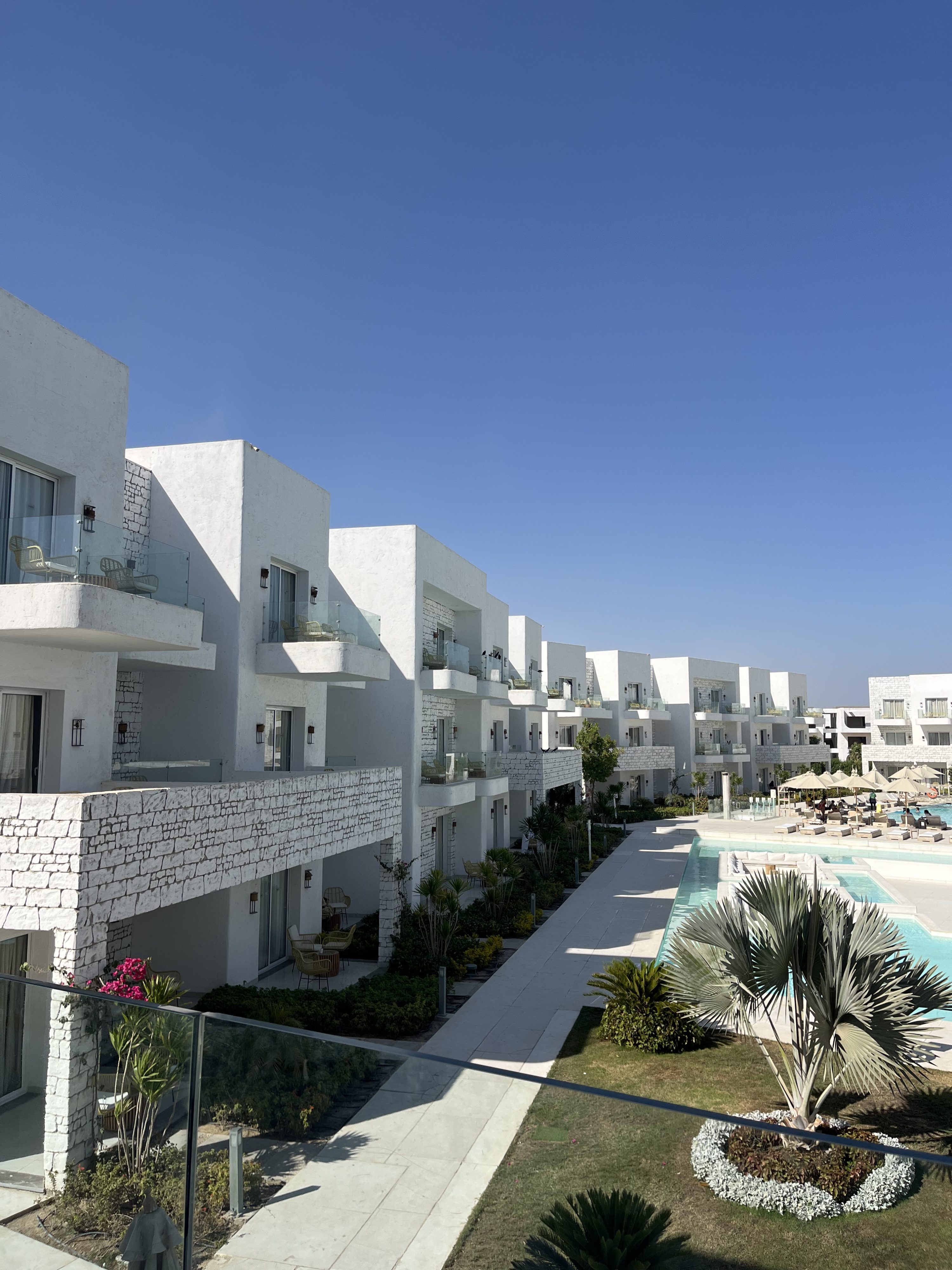

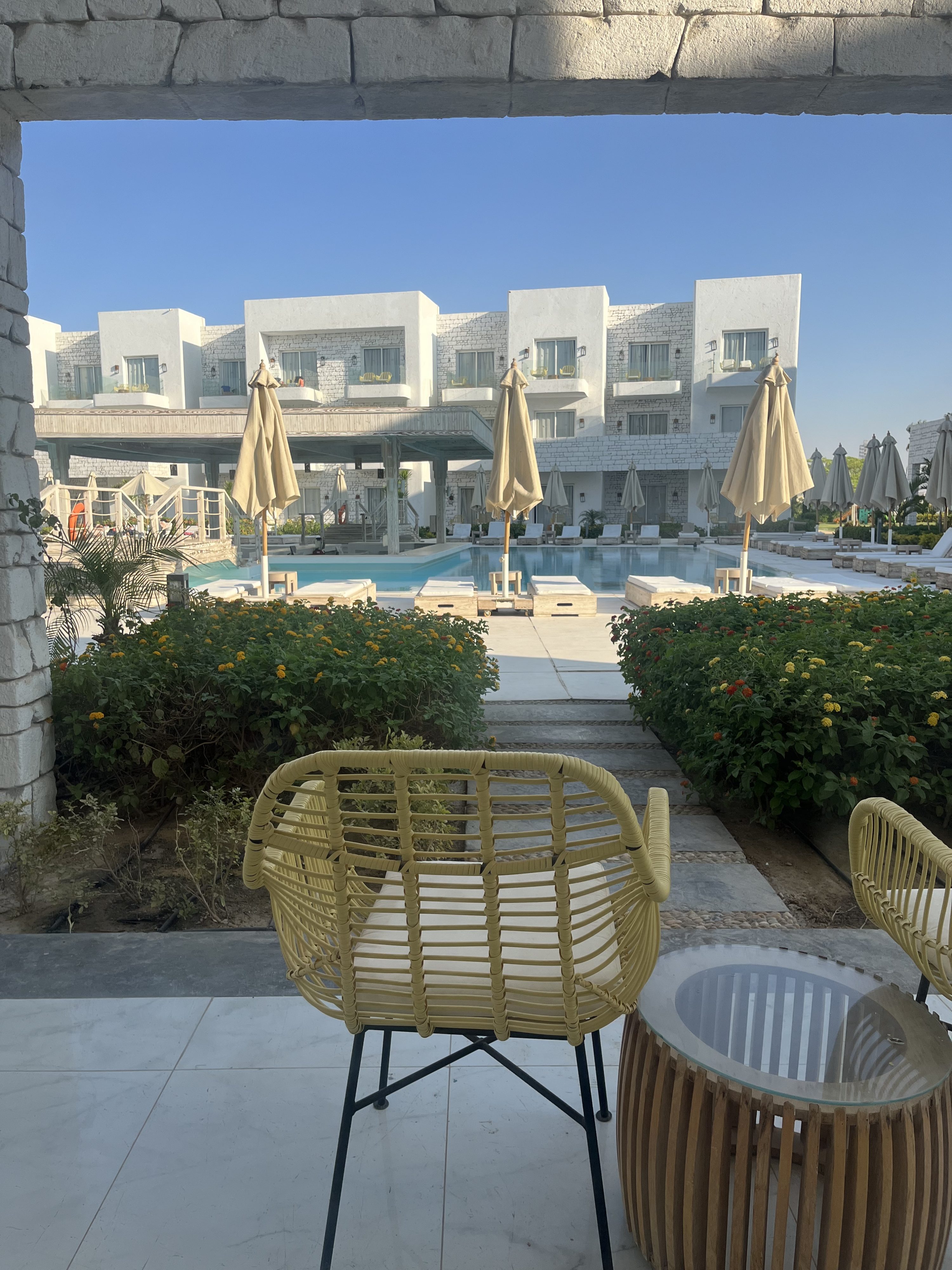
The temporal architecture of a day at Tanoak is the experience itself — the specific quality of an unstructured sequence in which the absence of agenda is not a gap to be filled but a luxury to be inhabited. The hotel’s dining and wellness offerings are designed to serve this temporal architecture rather than to compete with it: the food as nourishment and pleasure within a day of genuine rest, the spa treatments as deepening rather than interrupting the quality of decompression that the environment produces.
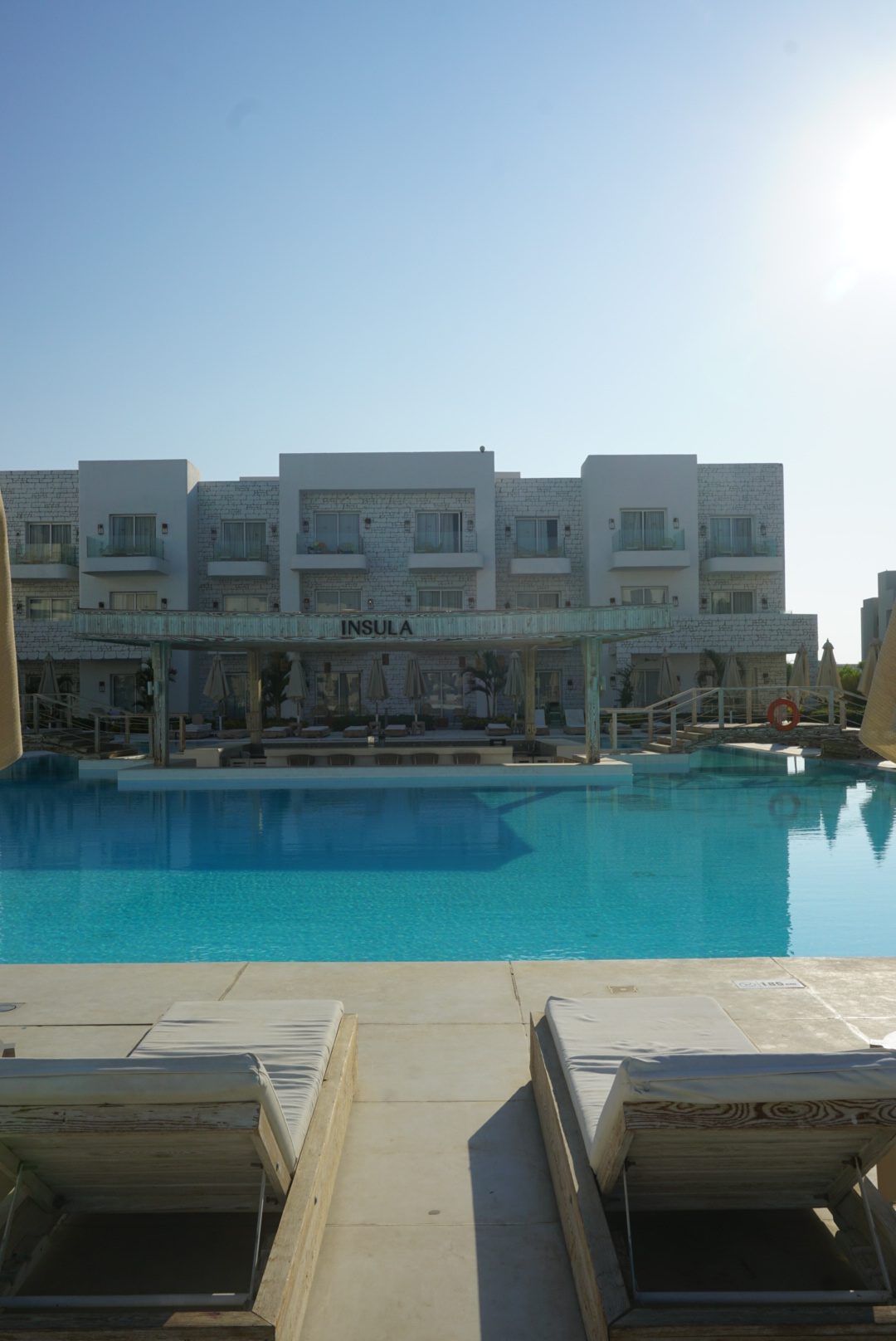
The Boscage Restaurant’s international menu, prepared with the quality of ingredient sourcing that the coastal location makes possible, provides the culinary dimension of the retreat experience without the self-conscious performance that destination dining in more prominent locations often requires. The Insula Restaurant’s lighter, more casual register serves the specific rhythm of beach days and poolside afternoons — the food that replenishes without demanding full attention, that allows the conversation or the view or the silence to remain the primary experience. The hotel’s bars provide the specific pleasure of well-crafted drinks in a setting whose design makes the act of sitting still with a glass feel like a form of luxury rather than a pause between activities.
The spa and wellness facilities extend the hotel’s fundamental hospitality philosophy into the specifically physical dimension of the retreat: the massage treatments whose quality of attention reflects the same understanding of genuine care — rather than performed service — that characterises the hotel’s broader approach to hospitality; the yoga classes whose setting on the Red Sea coast provides the specific sensory environment that the practice most rewards; the gym whose equipment quality acknowledges that the guest who maintains their fitness practice during a retreat is not compromising the retreat but deepening it. The entertainment programme — daily animation shows, live music, paddle tennis, basketball, the dedicated children’s area — provides the social dimension for guests whose ideal of rest includes a certain level of structured activity alongside the fundamental openness of an unhurried coastal day.
The practical intelligence of booking directly through Tanoak’s website — early check-in, late check-out, VIP amenities, dining discounts — reflects the specific approach to value that the most considered hospitality brands understand: that the guest’s experience of arriving and departing is as much a part of the hospitality as the days between, and that the frictions of check-in time pressure and checkout urgency are among the most easily resolved of the small dissatisfactions that can compromise an otherwise excellent stay. Resolving them in advance through direct booking is the specific form of practical thoughtfulness that the best coastal retreat experiences consistently provide.
Desert light, coastal water, and the aesthetics of environmental calm
The specific aesthetic of Ain Sokhna is not designed — it is given. The soft mineral palette of the Egyptian desert, the specific quality of Red Sea light at different hours of the day, the way the water’s surface shifts from deep blue through turquoise to the extraordinary spectrum of a Suez corridor sunset: these are the environmental conditions within which the Tanoak experience takes place, and they constitute, collectively, the most significant design element of the destination. No architectural decision, however intelligent, can produce what the landscape provides naturally.
The quality of light at Ain Sokhna deserves specific attention because it is the element of the experience that photographs most inadequately and that the visitor remembers most precisely. The Egyptian desert light is not the diffused, ambient illumination of northern coastal destinations. It is directional and mineral — the light of an environment whose primary colours are ochre, sand, and the specific grey-blue of the Red Sea at rest. At sunrise, this light produces a warmth across the coastline that is closer to the quality of light in a painting than in a photograph. At sunset, as the Suez Canal traffic continues its procession across the horizon and the cargo ships pass through the specifically Mediterranean-Egyptian quality of late afternoon illumination, the visual experience is one that the most considered travellers describe, consistently, as one of the most genuinely beautiful they have encountered in Egypt — more intimate than the Pyramids, more sustainable than the intensity of Cairo, more genuinely restorative than any amount of museum-visiting or bazaar-navigating could produce on its own.
The restraint of Tanoak’s design language — clean lines, sophisticated décor, the specific quality of spaces that understand their function as frames for the environmental experience rather than spectacles in their own right — is the design philosophy most appropriate to this landscape. The hotel that competes visually with its environment loses both the competition and the guest’s trust. The hotel that recedes intelligently behind the Red Sea view, the desert horizon, and the slowly moving procession of canal traffic gains something more valuable: the specific quality of presence that the most intelligent luxury design always produces, the sense that everything is exactly as it should be and that nothing requires adjustment.
The Suez Canal — the world moving through stillness
The most unexpected and most philosophically compelling element of the Ain Sokhna experience is the visual presence of the Suez Canal — the man-made waterway completed in 1869 that remains one of the world’s most consequential pieces of infrastructure, through which an estimated twelve percent of global trade passes annually. From the Ain Sokhna coastline, the canal’s traffic is visible as a slow procession of enormous vessels crossing the horizon — container ships, tankers, bulk carriers — moving with the specific deliberateness of objects whose scale removes them from the temporal register of ordinary movement.
The juxtaposition this produces is one of the most quietly powerful sensory experiences available in contemporary travel: the world’s commerce moving at full operational speed across one of history’s most important trade corridors, visible from the specific stillness of a coastal retreat where the primary activity is the cultivation of genuine rest. The traveller who sits with this juxtaposition — who allows the cognitive dissonance of maximum global movement and maximum personal stillness to exist simultaneously in their field of attention — is having an experience that no amount of monument-visiting or museum-going can substitute for: the direct, physical encounter with the specific tension between the pace at which the world operates and the pace at which the human organism is designed to inhabit it.
The Suez Canal’s historical significance adds a further dimension to this encounter. The canal’s construction, completed under Ferdinand de Lesseps, was one of the nineteenth century’s most ambitious engineering projects — a physical alteration of continental geography that compressed global shipping routes by thousands of kilometres and fundamentally reorganised the economics of international trade. The communities that developed around it — including Ain Sokhna, whose proximity to the canal corridor contributed to its development as a resort destination — carry the specific cultural character of places whose identity has been shaped by the intersection of global mobility and local rootedness. As UNESCO’s documentation of the Suez Canal’s heritage significance confirms, the canal remains one of the most consequential human interventions in the natural landscape — a fact that the traveller watching ships cross the Ain Sokhna horizon experiences not as history but as present tense.
The understanding that the most significant travel experiences are those that produce genuine philosophical encounter rather than accumulated visual impressions connects the Ain Sokhna experience to the broader philosophy of considered travel documented across this site’s Egypt editorial. The Suez Canal visible from the Tanoak beach is not a tourist attraction. It is a meditation prompt — the world’s busiest trade artery as an involuntary contemplation of the relationship between movement and stillness, between the velocity of global commerce and the specific quality of human presence that only genuine rest makes possible. As the World Economic Forum has identified in its analysis of quiet luxury and the growing global appetite for slowness in travel, the destinations achieving the most significant cultural relevance among the most considered contemporary travellers are those whose value proposition is rooted in what they remove rather than what they provide — the noise, the urgency, the performance requirement — leaving behind the specific quality of experience that only genuine environmental calm makes available. Ain Sokhna is this destination in its Egyptian form.
The specific quality of a well-constructed dining environment as an extension of the retreat experience rather than a departure from it connects the Tanoak experience to the dining philosophy explored in Authentics Izakaya at Attiko Dubai — the understanding that the most significant restaurant experiences are those whose design intelligence serves the quality of the human experience within them rather than demanding attention as a spectacle in itself. The broader Egypt journey that finds its stillness at Ain Sokhna — beginning in the intellectual depth of Cairo’s museums and the human warmth of its streets, moving through the cosmological arguments of Saqqara and Giza, navigating the authentic material culture of the papyrus tradition — is documented across this site’s Egypt editorial in its full complexity. The Connoisseur’s Guide to Authentic Papyrus in Cairo provides the material culture dimension of this journey. The coastal retreat at Ain Sokhna provides its necessary counterpoint: the open horizon after the layered depth, the stillness after the sustained attention, the specific quality of rest that only becomes fully available after genuine intellectual and emotional engagement with one of the world’s most extraordinary civilisational landscapes. As Business of Fashion’s analysis of quiet luxury travel and the rise of coastal slow tourism documents, the travel category experiencing the most significant growth among the most commercially valuable luxury consumer segment is precisely this one: the emotionally restorative coastal retreat that measures its success not by what it offers to do but by what it creates the conditions to feel.
“Ain Sokhna reveals a side of Egypt
often overlooked in global travel narratives.
Here, luxury is not constructed through spectacle or interruption,
but through spaciousness, silence,
and the subtle emotional recalibration
that occurs when the body finally slows down.
At Tanoak, overlooking the rhythm of the Suez Canal,
the experience becomes almost philosophical:
the world continues moving relentlessly
across one of history’s most important trade arteries,
while the traveller remains still long enough
to notice the light changing over the water.
In an era defined by acceleration,
that kind of stillness may be the rarest luxury of all.”