

On spatial dramaturgy, sensory architecture, social choreography, and why Dubai’s most culturally significant dining destinations — Bastion, Nuska Beach, ATTIKO Dubai, SUSHISAMBA Dubai, Eugene Eugene, and Gatopardo — function not as restaurants but as immersive cultural operating systems for identity and belonging
In Dubai’s next luxury cycle, restaurants are not places you visit — they are environments that curate who you become within them. Luxury hospitality in Dubai is no longer defined by cuisine alone. It is defined by emotional sequencing, spatial dramaturgy, and social signal engineering. The most significant dining destinations in the city are not being evaluated by what they serve but by the world they construct around the act of being present within them.
Dubai has always understood something about hospitality that most cities learn too late: that a restaurant is not a building with food in it. It is a proposition about how a particular quality of time should feel. The most considered dining destinations in the city have been constructed around this understanding from the beginning — not as venues that happen to have views, or atmospheres that happen to accompany meals, but as complete sensory environments in which the architecture, the sound programming, the lighting calibration, and the spatial choreography work in service of a single unified emotional intention.
The shift this represents is not merely aesthetic. It is structural. When a dining destination is designed as an immersive experiential system rather than a place to eat, it changes the relationship between the guest and the space entirely. The guest is no longer a consumer of a product. They are a participant in an environment — and the quality of their participation, the memories they form, the social bonds they strengthen, the specific quality of presence they experience across the hours of an evening, becomes the primary product on offer. The food is the anchor. The experience is the destination.
Dubai’s dining culture has developed a complexity and cultural depth that its reputation for spectacle does not always fully convey. The experiential luxury dining movement explored in this editorial connects directly to the broader understanding of how the city’s most considered spaces function — explored in detail in At Nette Al Barari, Where Dubai Slows Down and Why Lah Lah Is Dubai’s Most Considered Girls’ Night Out — where the principle is the same at different registers of energy and scale: the space that serves the people within it rather than asking them to serve the space’s performance is the space they return to.
The rise of experiential urbanism — how Dubai designed hospitality as cultural infrastructure
The most significant development in contemporary luxury hospitality is not the rise of the celebrity chef or the imported global concept. It is the recognition that the dining room is a cultural institution — that restaurants now perform the social and psychological functions that galleries, clubs, and civic spaces once provided, and that designing them well requires the same intelligence that any significant public space demands.
Dubai arrived at this understanding earlier and more completely than most cities, for reasons that are structural rather than accidental. A city built in a compressed timeframe, without the accumulated weight of existing cultural institutions, was free to invent its social architecture from scratch. The hospitality industry filled the space that would, in older cities, have been occupied by centuries of accumulated cultural infrastructure. Restaurants became the primary sites of social belonging, status negotiation, creative expression, and communal memory. They were never merely places to eat. They were always places to be — and the best operators understood this from the beginning.
What has changed is the sophistication with which this understanding is now being applied. The experiential luxury dining destinations that define Dubai’s most culturally significant hospitality offer something that the previous generation of high-end restaurants — defined primarily by their imported concepts, their international chef names, and their spectacular locations — could not reliably produce: the specific quality of an evening that felt designed for you, that responded to your presence within it, that left you with the particular satisfaction of having been somewhere rather than simply having eaten somewhere good.
As Business of Fashion’s analysis of experiential luxury and the future of hospitality identifies, the most significant shift in high-end consumer behaviour across categories is the consistent preference for experiences that produce genuine emotional states over products that merely signal status. The luxury dining destination that understands this produces something that no amount of Michelin stars or imported marble can substitute: the feeling that a specific quality of time was made available, and that you were present for it.
The new grammar of hospitality spaces — sensory architecture as emotional calibration
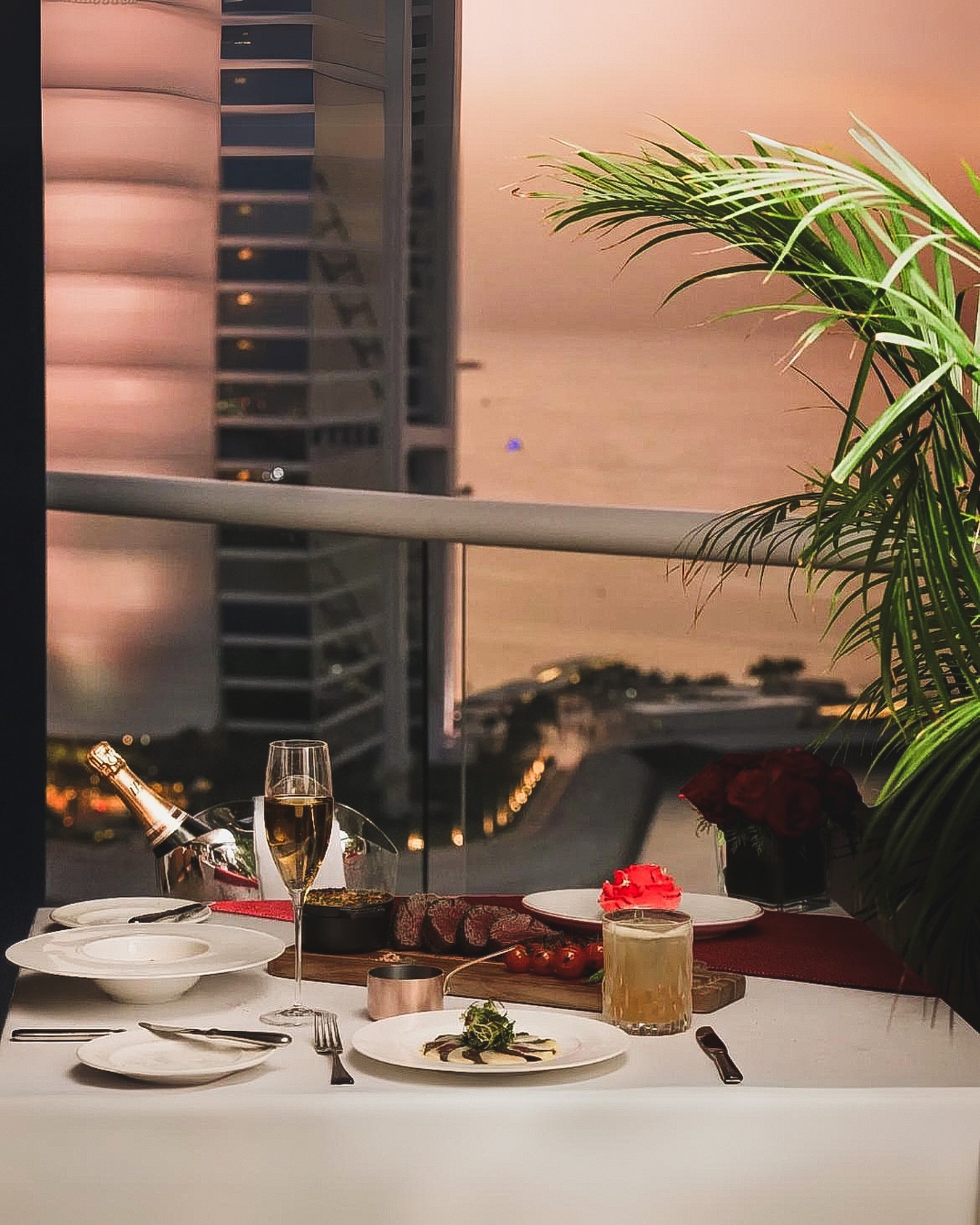
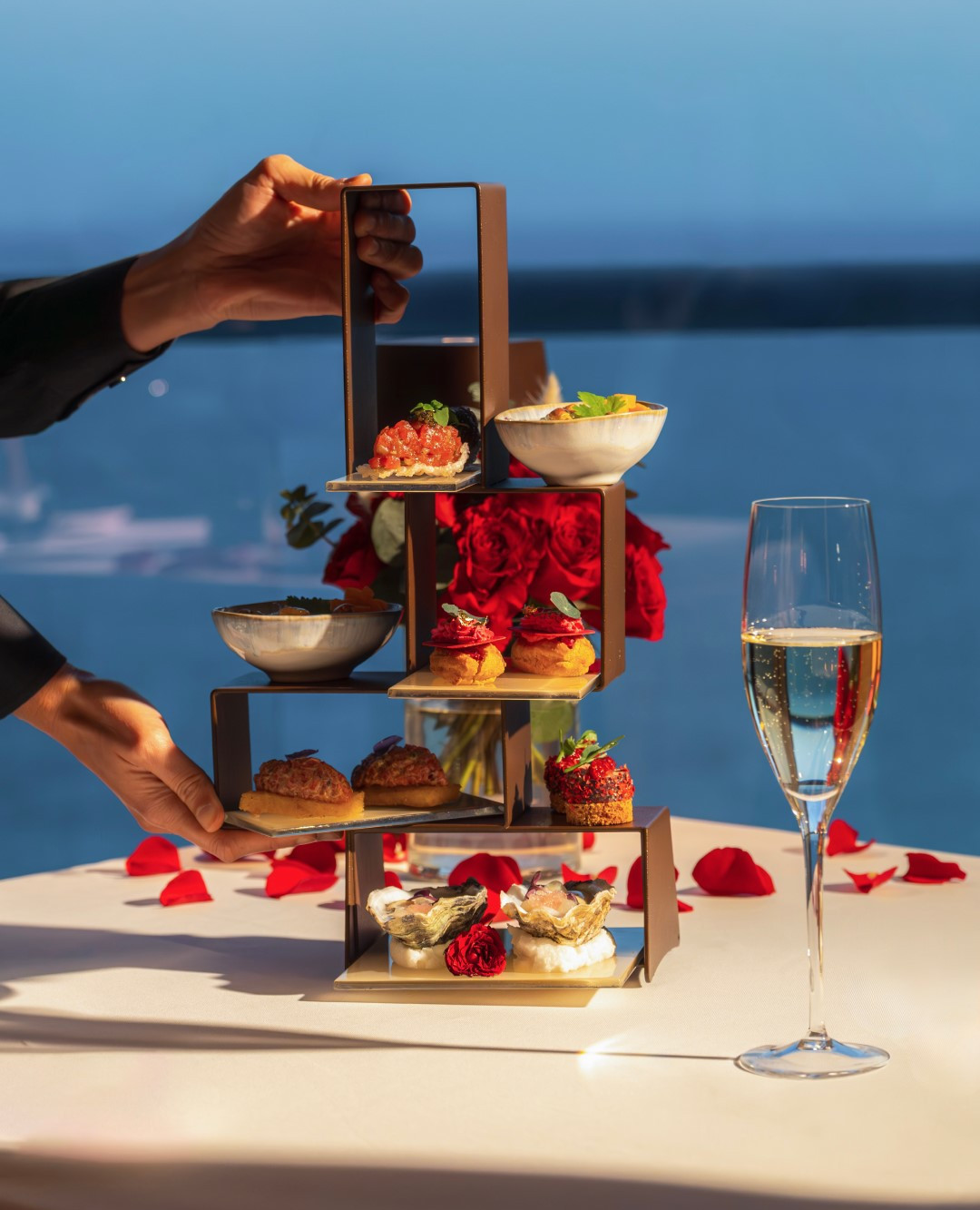
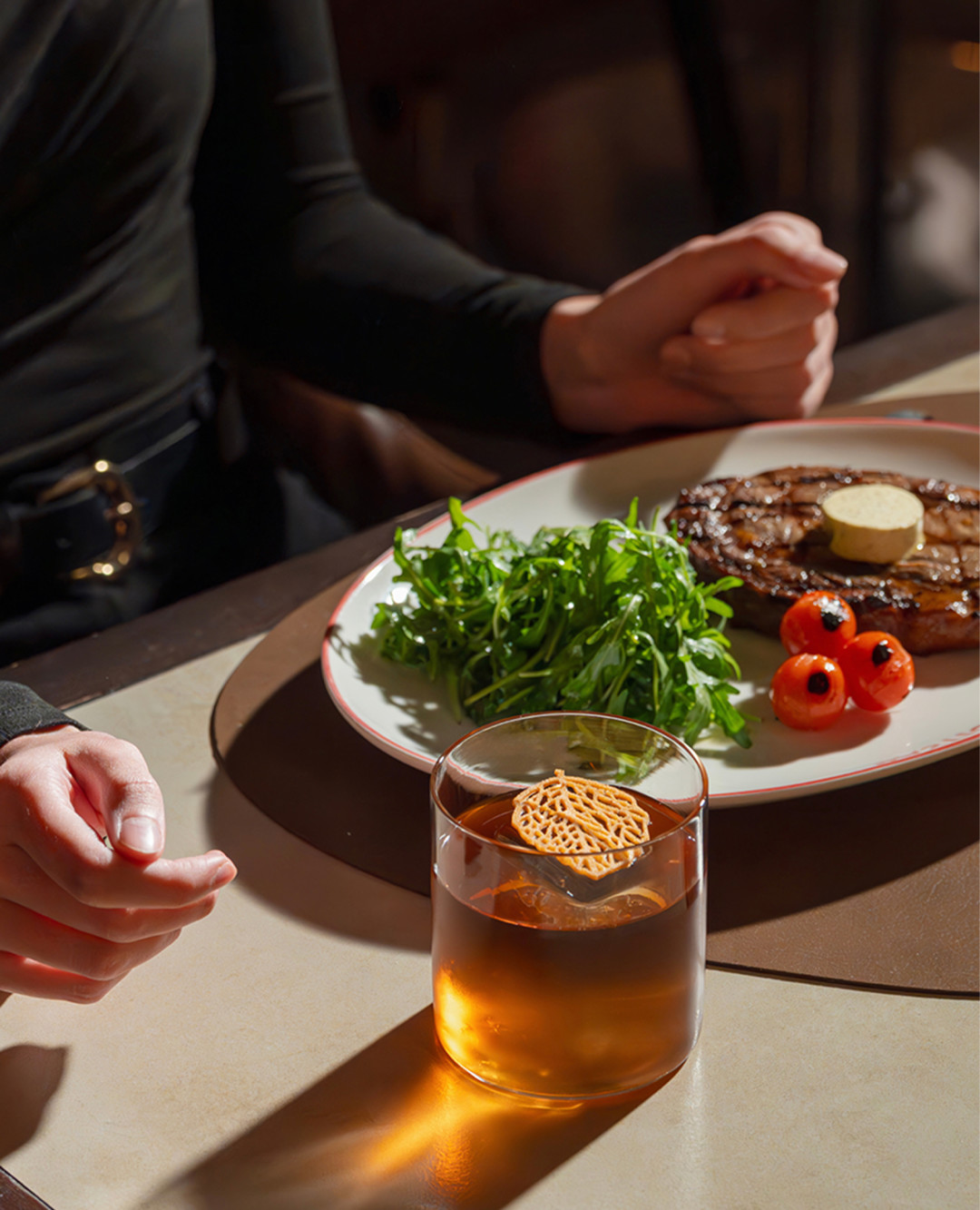
The most considered luxury dining spaces are built not through a single design decision but through the accumulation of thousands of smaller ones — each of which nudges the emotional register of the experience in the same direction. Lighting as emotional calibration. Music programming as behavioural design. Spatial flow as social choreography. Cuisine as narrative anchor rather than focal point. Together, these constitute the grammar of a new kind of hospitality space.
Bastion at Jumeirah Beach Hotel is the most complete expression of structured intimacy available in Dubai’s luxury dining landscape. Nested within one of the city’s most architecturally significant hotels, with the Arabian Gulf as a constant visual presence, the restaurant operates through a design intelligence that produces its effects below the level of conscious awareness. The lighting is calibrated to the specific quality that makes faces look extraordinary and conversations feel consequential. The spatial organisation creates a sense of privacy without enclosure. The live jazz programming provides a sonic layer that animates the atmosphere without competing with it.
The Bastion dining experience — a three-course set menu paired with free-flowing cocktails and mocktails, priced at AED 995 per couple — is not designed around the food alone. It is designed around the arc of an evening: the specific emotional journey from arrival through starter through main to dessert, with each element of the environment shifting slightly to track and amplify that arc. Fresh French Oysters give way to Wagyu Tenderloin give way to Rosemary Panna Cotta — each course a different register of the same sustained argument for genuine pleasure, delivered within a space that makes the argument entirely on the environment’s terms.
This is what distinguishes a dining destination from a restaurant: the capacity to make the environment itself carry the emotional weight of the evening, so that the food — however excellent — is experienced as part of something larger rather than as the thing itself. Bastion achieves this. It is the reason it is returned to rather than merely visited.
Coastal luxury and the return of slow sociality — Nuska Beach and the waterfront dining register
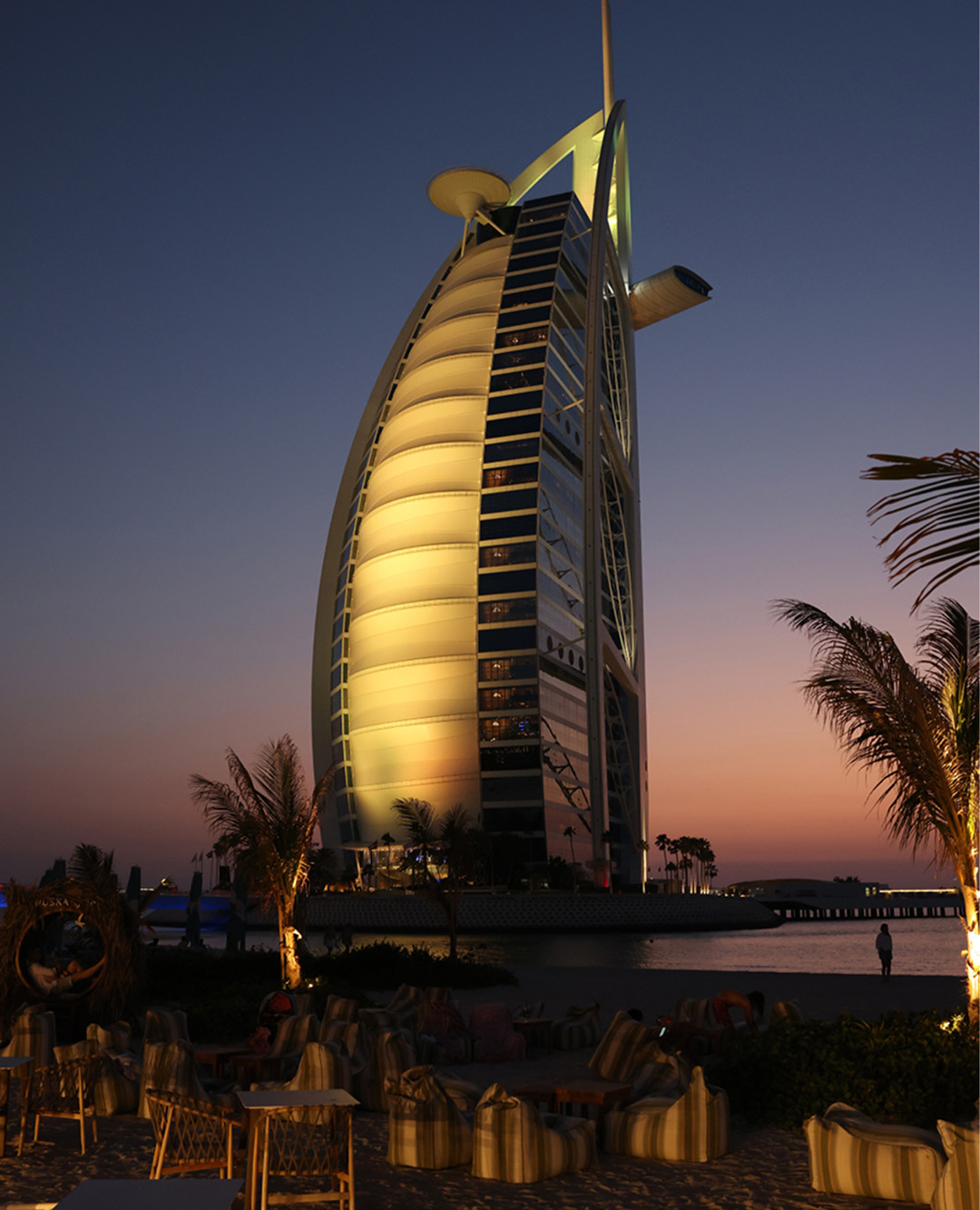
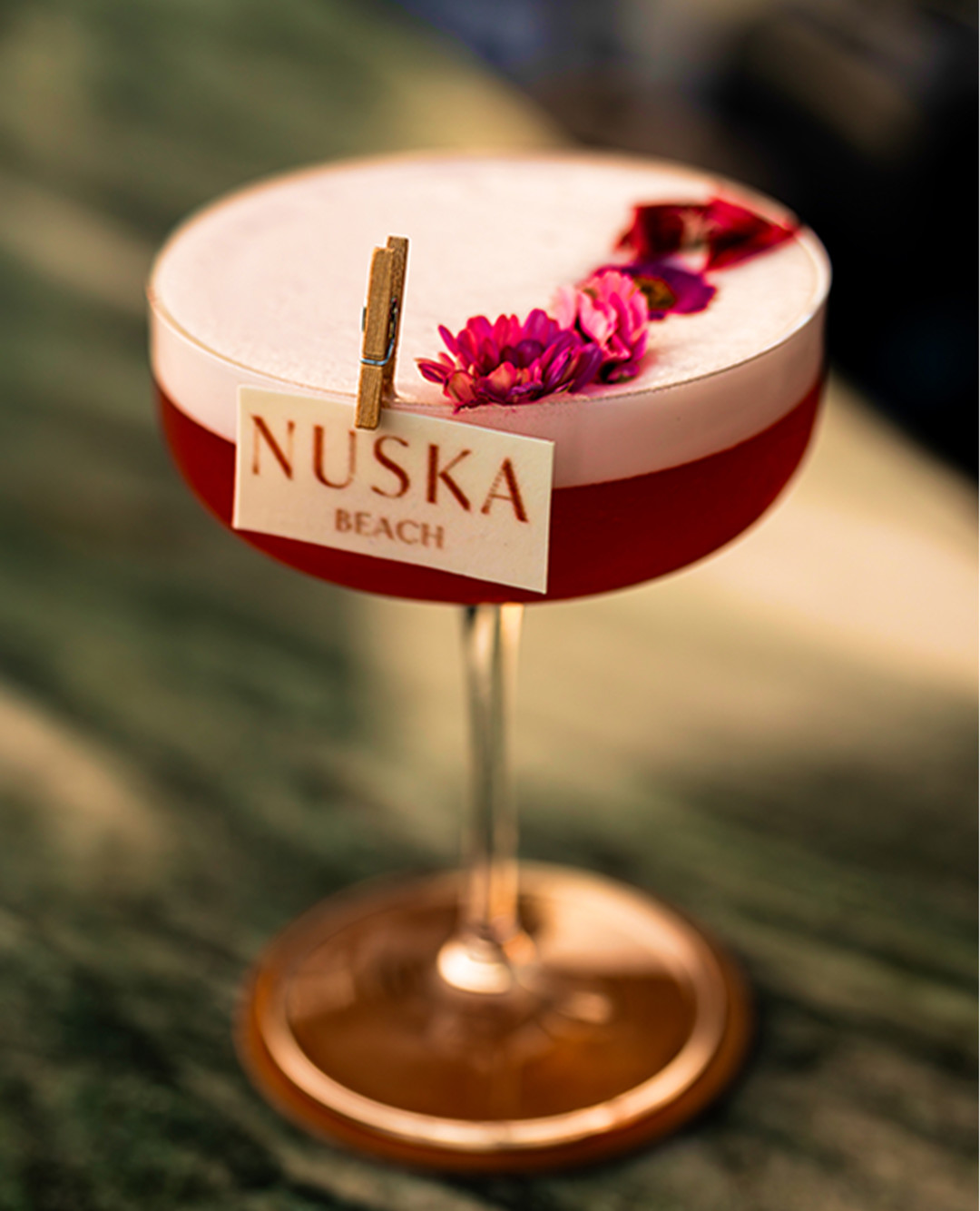
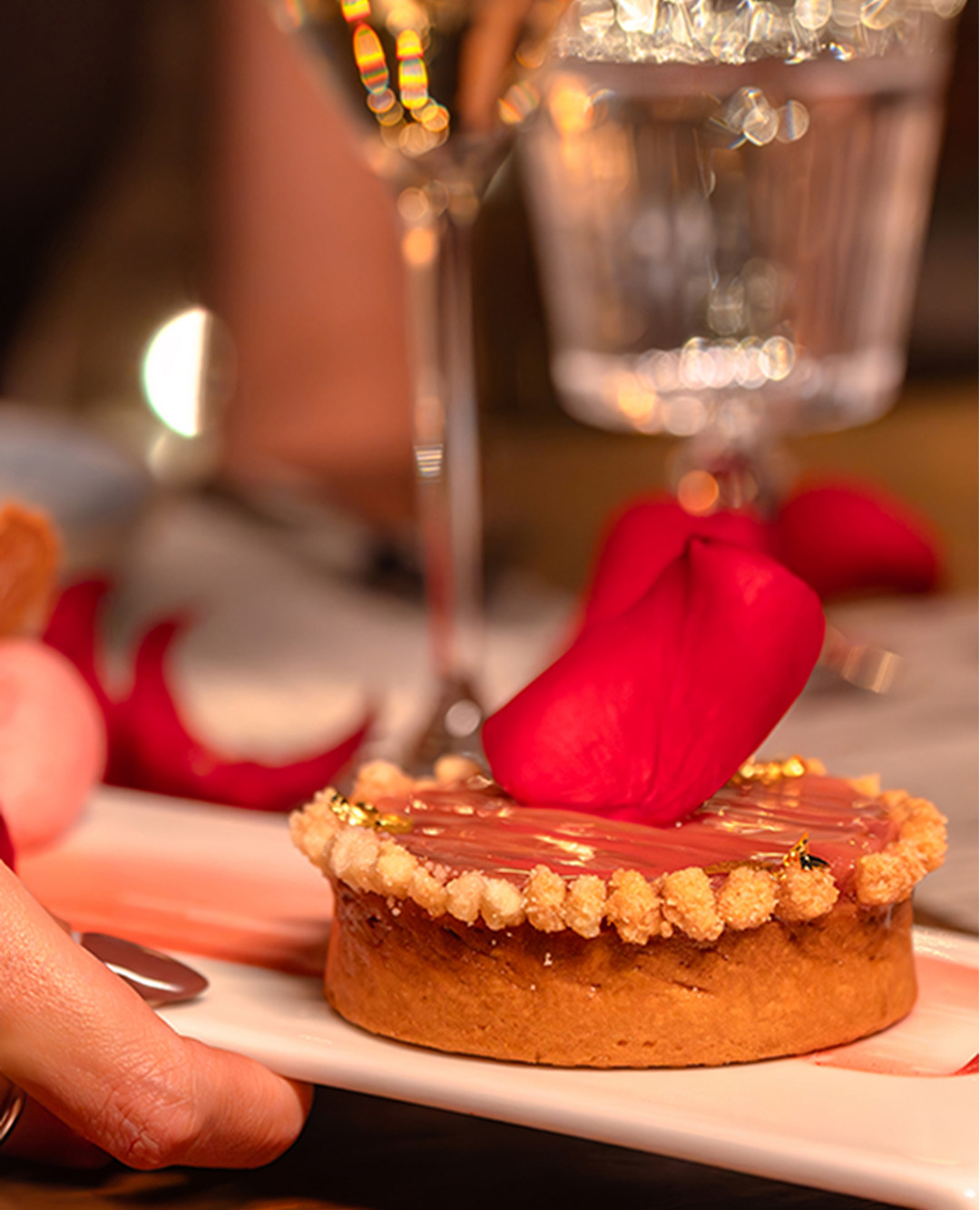
There is a specific quality to time at the water’s edge that no urban interior can fully replicate. The horizon creates a different relationship to scale. The air changes. The sense of urgency that city environments maintain, through density and proximity and ambient signal, begins to fall away. What remains is the particular quality of a conversation that has been given enough space to become something real. Nuska Beach is designed around this understanding.
Also within the Jumeirah Beach Hotel, Nuska Beach occupies a different register from Bastion entirely — not structured intimacy but vibrant waterfront ease, the specific pleasure of a Mediterranean and Levantine sharing menu that turns eating into a collaborative act rather than an individual one. The four-course sharing-style experience — Blue Prawns Crudo, Charcoal Wagyu Striploin, Rhubarb Tartlets prepared with ingredients chosen for their individual quality — is built on the principle that the table is a social space before it is a gastronomic one, and that the food is most satisfying when it functions as the medium through which other things happen.
The sound architecture of a Nuska Beach evening — a duo singer, a saxophonist, and a DJ whose programming tracks the arc of the night — is as deliberately constructed as the menu. The music does not perform for the table. It serves it, providing the sonic register that allows conversation to deepen without requiring silence. Private cabanas, available from AED 3,000 per couple, provide the most intimate version of this experience: the waterfront views, the sharing menu, the sound, all within a space that removes the social exposure of the open dining room and replaces it with the specific quality of seclusion that makes the most significant conversations possible.
The resurgence of waterfront and coastal experiential luxury dining as a counterpoint to high-density urban nightlife is one of the most consistent findings in the anthropology of contemporary leisure. As Condé Nast Traveller’s coverage of Dubai’s coastal dining landscape reflects, the most enduring waterfront venues are those that understand the specific quality of time that water proximity produces — and build their hospitality intelligence around serving that quality rather than competing with it through spectacle.
Hybrid identity spaces — ATTIKO Dubai and the merger of dining, nightlife, and visual culture

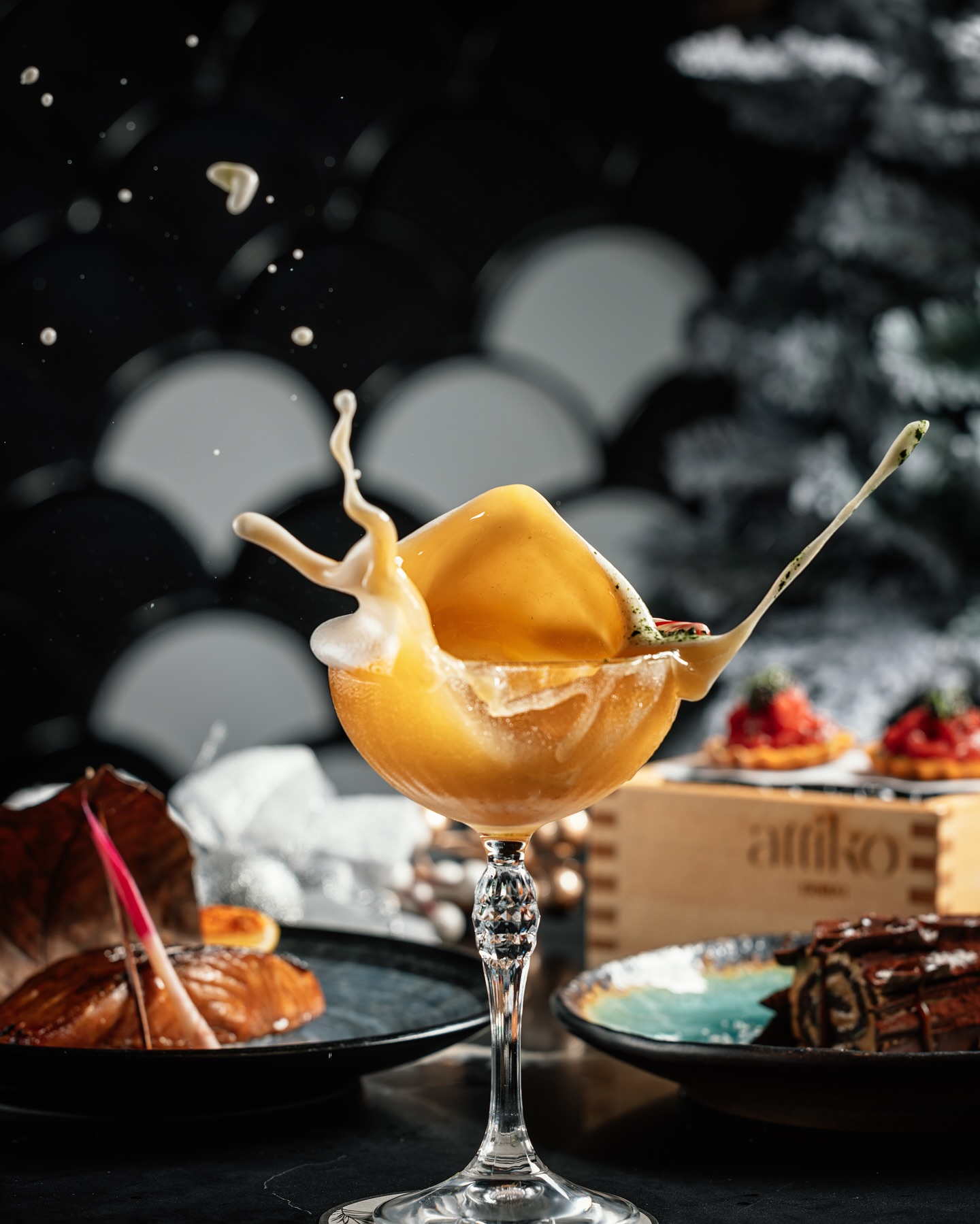

The most culturally significant luxury hospitality destinations of the current era are not defined by a single function. They are hybrid environments — spaces that operate simultaneously as dining rooms, as nightlife venues, as social stages, and as visual culture platforms — whose value lies precisely in the complexity of what they offer and the fluency with which they move between registers across the arc of an evening.
ATTIKO Dubai, overlooking Dubai Harbour, Palm Jumeirah, and Bluewater Island from an elevation that changes the spatial relationship to the city below, is the most complete expression of this hybrid hospitality model in Dubai. It is not a restaurant that happens to have a DJ, or a nightlife venue that happens to serve food. It is a designed experiential system in which dining, sound, visual environment, and social atmosphere are engineered together to produce a unified emotional experience.
The Heartbreakers girls’ night experience — complimentary house wines and cocktails, live DJ, violinist performance, and the signature Heartbreaker dessert — operates through the logic of the best social events: enough structure to produce a coherent experience, enough openness to allow genuine spontaneity within it. The pan-Asian menu available à la carte extends the evening for those who want the food to become a central part of the experience rather than its backdrop.
The Valentine’s sharing dinner — Oyster and Caviar, Wagyu and Truffle Tartare, crispy Hokkaido Scallop, at AED 425 per person — is designed for the specific quality of a couple’s evening that wants elevation without isolation, the sense of being part of something larger while remaining within the private world of two people who chose each other for the night. The view of the harbour does structural work here: it provides the sense of scale and occasion that the food and service cannot manufacture alone.
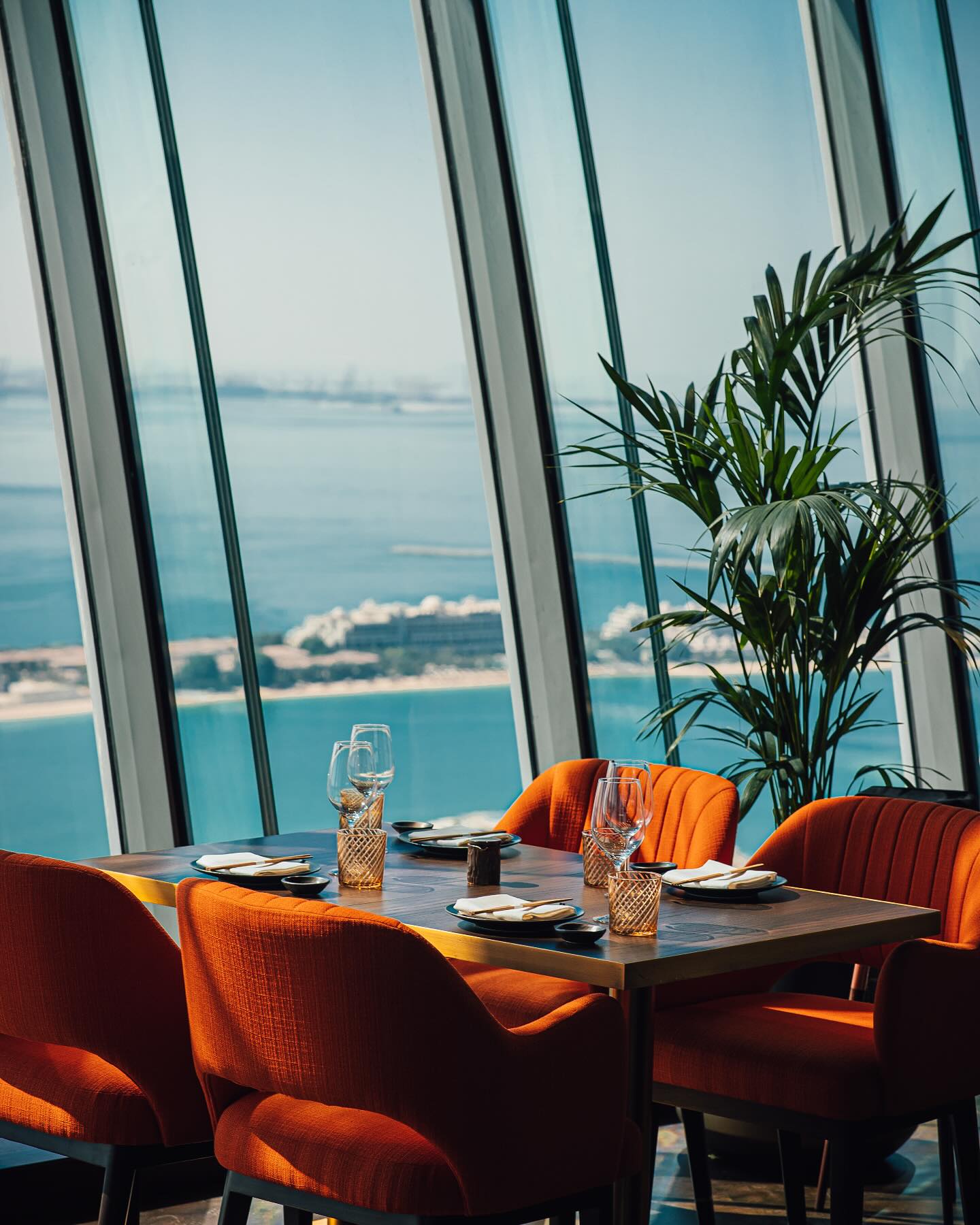
Frame venues like ATTIKO Dubai and SUSHISAMBA Dubai as examples of hybrid identity spaces where dining, nightlife, and visual culture merge seamlessly. SUSHISAMBA Dubai, perched on the 51st floor of The St. Regis Dubai, offers 360-degree panoramic views of the Palm Jumeirah, Ain Dubai, and the city’s glittering skyline — an elevation that functions as editorial framing, transforming every table into a front-row seat at the most spectacular show the city produces every evening. The menu — Japanese, Brazilian, and Peruvian influences in the fusion style that has made SUSHISAMBA one of the most consistently referenced luxury dining brands globally — is the cultural content that the visual environment makes legible. The Curocao cocktail, the red velvet cake with guava: each a precisely calibrated sensory note within a broader composition. Reservations: +971 4 278 4888.
Narrative dining and character-led spaces — Eugene Eugene and the architecture of intimacy
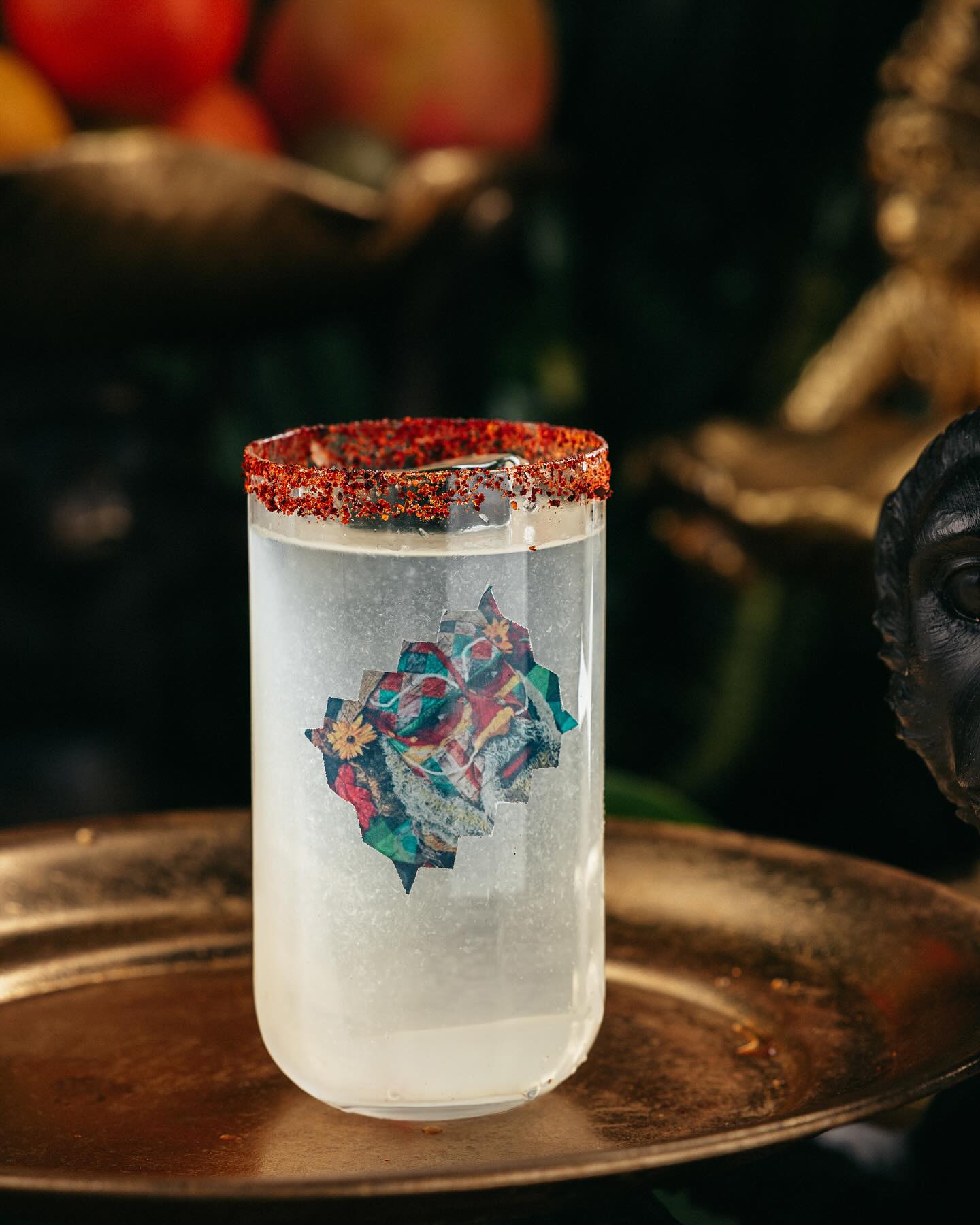
Not every luxury dining destination operates through spectacle, elevation, or the engineered intensity of a hybrid nightlife environment. Some of the most significant experiential luxury dining spaces in Dubai operate through precisely the opposite logic: through restraint, through the specific quality of intimacy that a smaller, more considered space produces, through the architectural intelligence of a room that was designed to hold human connection rather than to display it.
Eugene Eugene, near Dubai’s Marina, belongs to this category with the particular authority of a space that has no interest in being found by accident. It requires the specific intention of someone who already knows, or has been told by someone who does. The discovery itself becomes part of the experience — the knowledge that you are somewhere not everyone has been, in a space that was designed for the quality of an evening rather than the scale of an impression.
The contemporary European menu at Eugene Eugene — innovative dishes crafted from locally sourced ingredients, presented with the precision of a kitchen that has developed a genuine point of view rather than a comprehensive programme — is the culinary expression of the same intelligence that governs the space itself: that the most sophisticated hospitality is the kind that knows exactly what it is and provides it without equivocation. The attentive service, the thoughtfully designed interior, the specific quality of an evening in which the environment feels calibrated to the people within it rather than indifferent to them: these are the qualities that produce the loyalty of a regular rather than the enthusiasm of a first-time visitor.
The principle that the most considered dining destinations in Dubai are those that reward return visits as generously as first ones connects Eugene Eugene to the broader understanding of what enduring hospitality intelligence looks like across the city. A Day at Nikki Beach Dubai and the New Rituals of Leisure explores what this principle looks like at the other end of the energy spectrum — the space that produces loyalty through consistency and genuine understanding of what its guests need from a day rather than through spectacle alone.
Global fusion as cultural capital — Gatopardo and the transnational dining identity
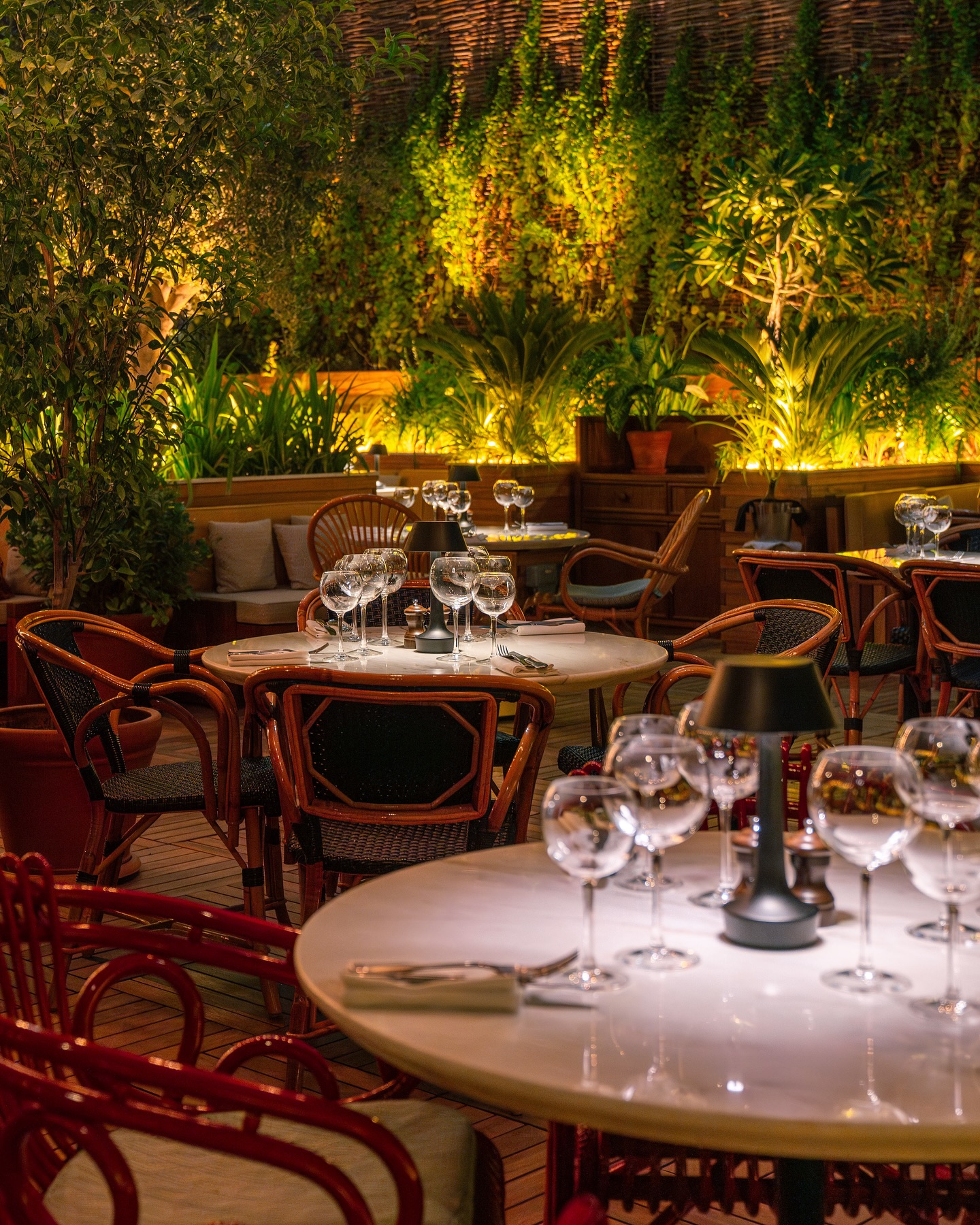
The shift from fusion cuisine to fusion identity ecosystem is one of the most significant developments in contemporary luxury hospitality. Fusion cuisine, as it operated in the previous era, was a culinary strategy — the combination of ingredients and techniques from different traditions in the service of novel flavour. The fusion identity ecosystem is something more complex: a dining environment in which the cultural plurality of the menu is inseparable from the cultural plurality of the room, and both are inseparable from the identity of the city that contains them.
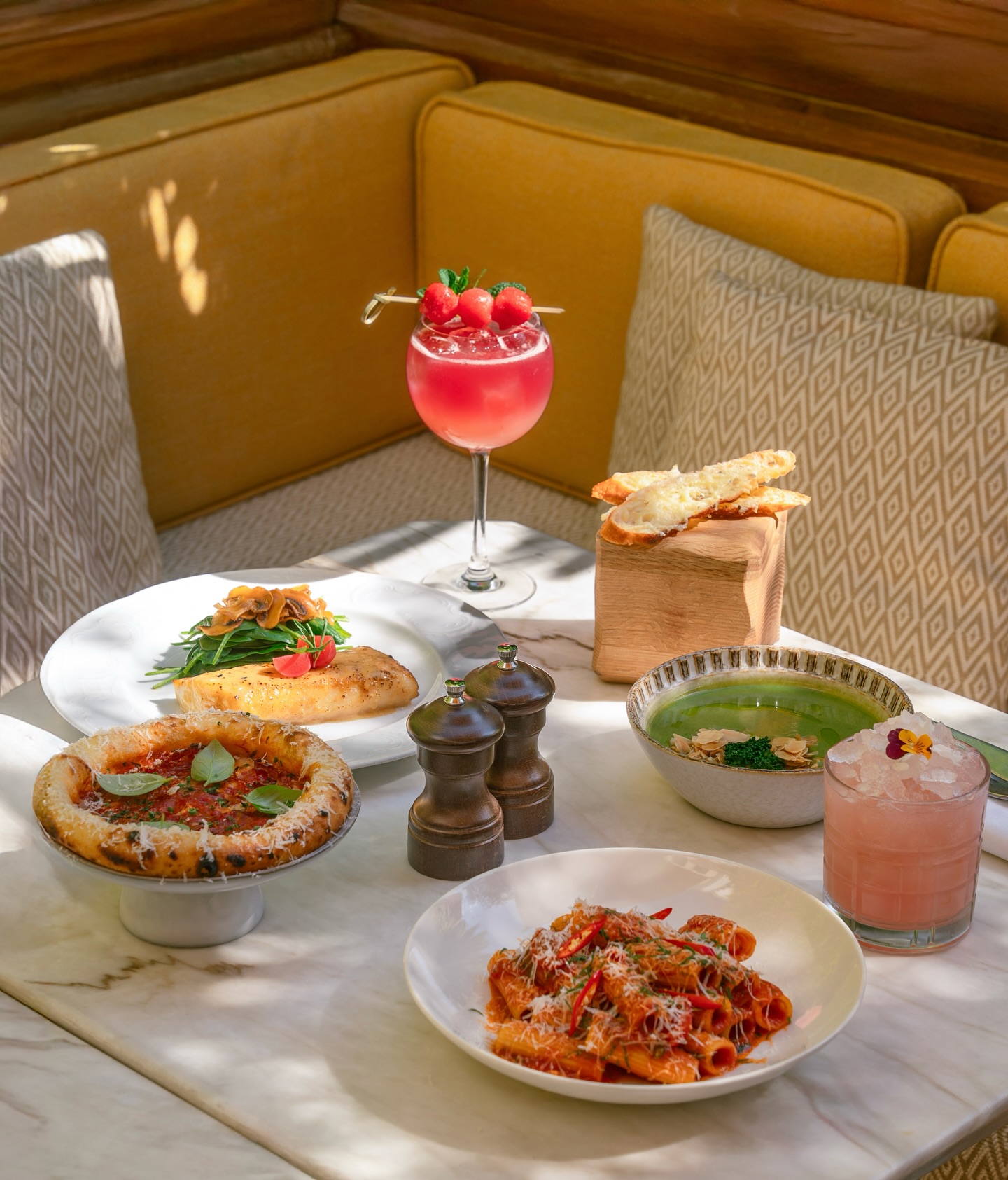
Gatopardo is the most complete expression of this transnational dining identity in Dubai’s current luxury dining landscape. The authentic Italian culinary foundation — fresh seafood, handmade pastas, bold flavours and artisanal techniques prepared with the highest quality ingredients — is not presented as an imported concept deployed in a foreign city. It is presented as one of the many culinary languages that Dubai has made its own, alongside the pan-Asian registers of other venues, the Mediterranean and Levantine traditions of others, the Japanese-Brazilian-Peruvian fusion of SUSHISAMBA. Together, these constitute not a confusion of cuisines but a coherent cultural statement: that Dubai’s hospitality landscape is the most genuinely cosmopolitan dining ecosystem in the world precisely because it has given equal seriousness to every tradition it has chosen to hold.
The warm lighting and stylish interior design of Gatopardo communicate a specific emotional register: relaxed without being casual, elegant without being formal, the specific warmth of an Italian eatery’s hospitality sensibility translated into a Dubai context without losing any of its essential character. This is the design intelligence that the most culturally confident dining destinations share: the ability to be entirely themselves while being entirely at home in the city that contains them.
The psychology of social luxury — why the most considered dining spaces produce belonging rather than mere pleasure
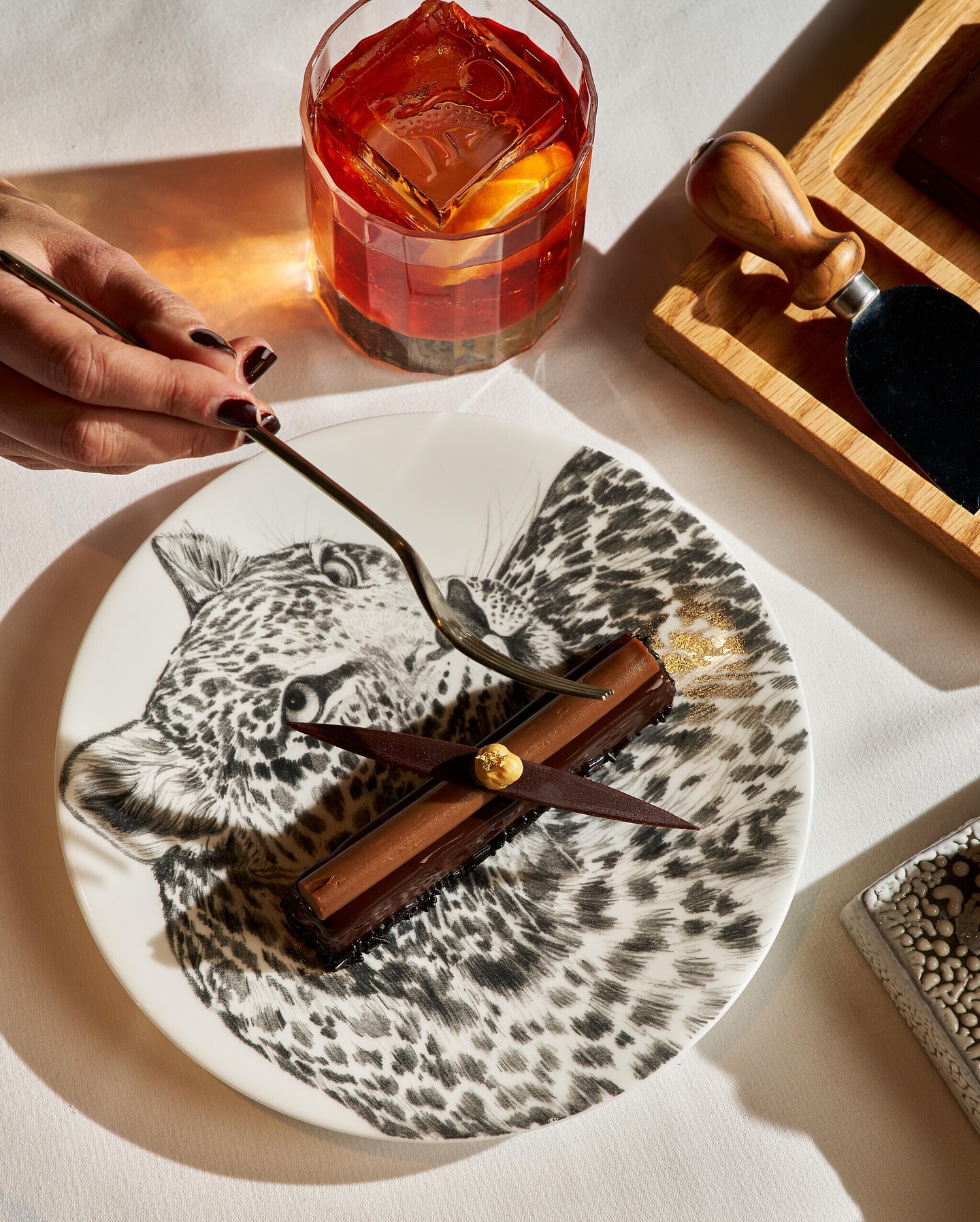
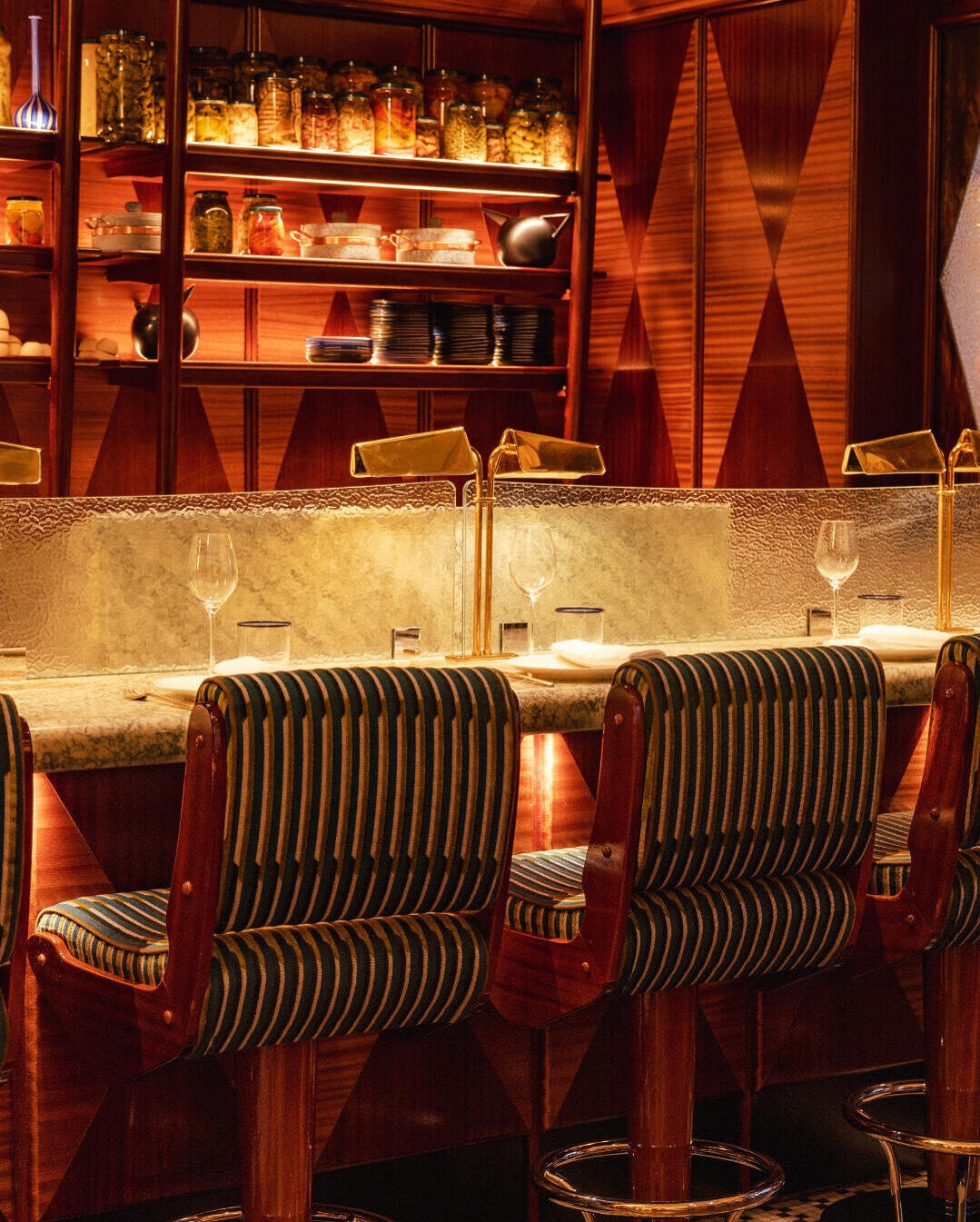
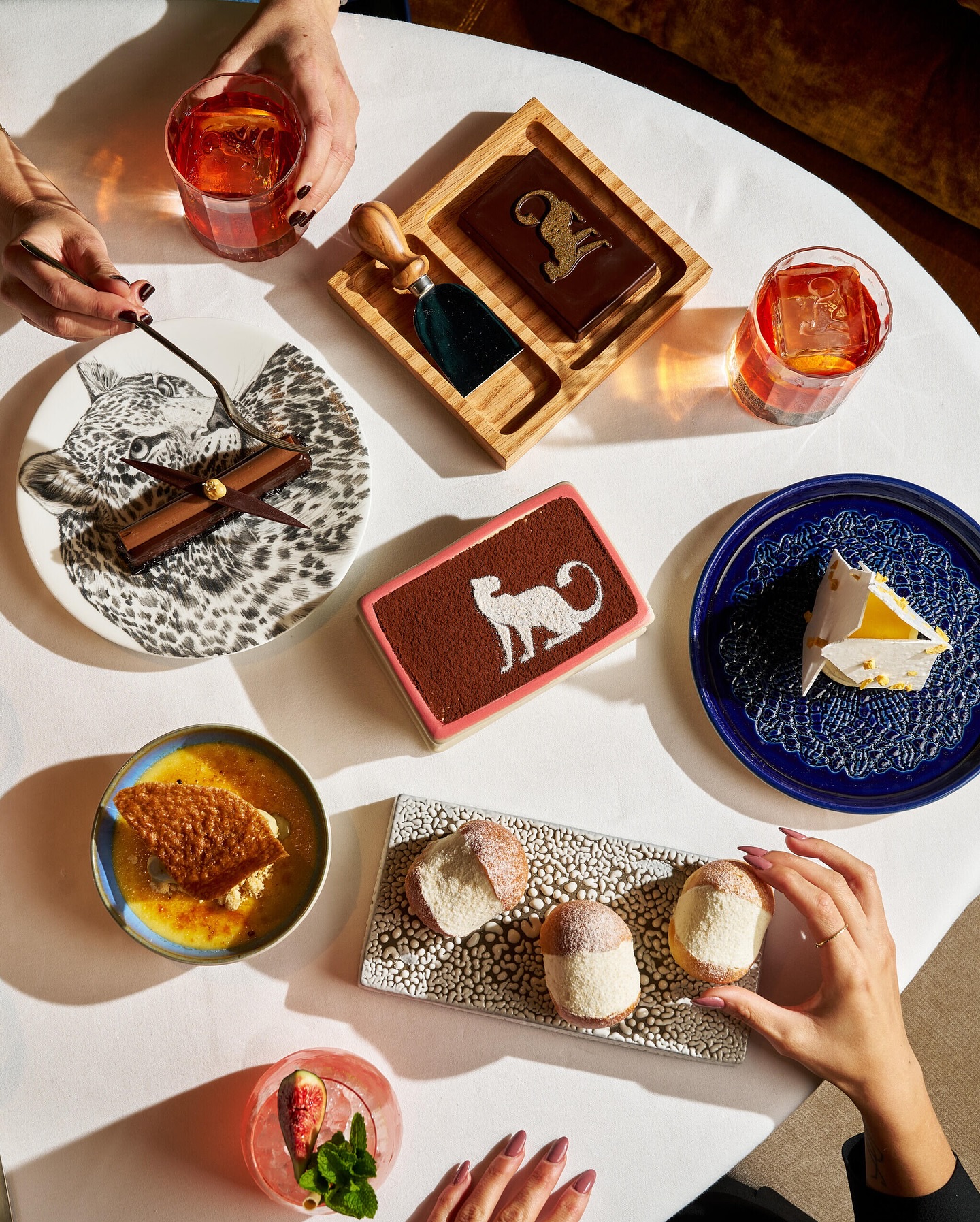
The deepest function of experiential luxury dining is not gastronomic. It is psychological. The most considered dining destinations provide something that the most technically accomplished food alone cannot: the specific quality of social belonging that comes from being in a space that understands you, that was designed for people like you, that makes you feel that your presence within it is appropriate rather than accidental.
High-income urban consumers have shifted consistently and measurably toward preference for curated micro-communities over mass venues — for spaces in which the social composition of the room is as considered as the menu, in which the experience of being present alongside the right other people is as much a part of the product as the food and the design. This is not snobbery. It is the anthropology of belonging: the human preference for environments in which social identity is confirmed rather than challenged, in which the codes of the room are legible rather than opaque, in which the act of being present carries the specific pleasure of recognition.
The social and psychological dimensions of communal dining — the specific qualities of connection and belonging that a well-designed shared table produces — have been documented at the institutional level as well as the experiential one. As the World Economic Forum has identified in its analysis of social connection and wellbeing, the quality of shared experiences is among the most consistent predictors of life satisfaction. The experiential luxury dining destination that produces genuine connection — the conversation that went somewhere real, the evening that extended past its intended end because nobody wanted to leave — is not producing a minor social pleasure. It is producing one of the most significant investments in quality of life available to a modern urban existence.
This is the deepest argument for the venues explored in this editorial. Bastion and Nuska Beach and ATTIKO Dubai and SUSHISAMBA and Eugene Eugene and Gatopardo are not competing for a share of Dubai’s luxury dining market. They are each proposing a different answer to the same fundamental question: what should a significant evening feel like? And the answers they provide — through their specific combinations of design intelligence, culinary precision, sonic architecture, and social choreography — constitute the most considered set of responses to that question available in any single city.
The understanding that the objects and environments we choose to inhabit daily shape our experience of being ourselves connects experiential luxury dining to every other dimension of considered personal aesthetic explored across this site. In fashion, it produces the investment wardrobe explored in The New Language of Quiet Luxury. In beauty, it produces the intentional routine explored in The Return of Barrier Beauty. In dining, it produces the venues explored here — spaces chosen not for what they serve but for what they make possible in the people present within them.
Dubai as the prototype of hospitality futures — a city that produces rather than follows global dining culture
Dubai is not following the global experiential luxury dining trend. It is producing it. The conditions that make this possible — the compressed timeframe of the city’s development, the freedom from the weight of existing cultural institutions, the density of internationally mobile high-income residents whose aesthetic reference points span every significant hospitality culture in the world — have produced a laboratory for hospitality innovation that no other city quite replicates.
The venues explored in this editorial are not anomalies within that laboratory. They are its most visible expressions — the points at which the experiential luxury dining intelligence that Dubai has been developing across decades becomes most fully legible. What they share, beneath the significant differences of their individual registers, is the commitment to designing environments in which the quality of a specific kind of evening is the primary product on offer. Not the food alone. Not the view alone. Not the brand association or the social media coordinates. The quality of the hours — the specific texture of time spent in conditions chosen for what they would feel like, in environments designed to make those conditions possible.
The future of luxury hospitality is the orchestration of environments where identity, memory, and social belonging are subtly engineered. In Dubai’s evolving cultural landscape, venues like Bastion, Nuska Beach, ATTIKO Dubai, SUSHISAMBA Dubai, Eugene Eugene, and Gatopardo are not simply participating in a hospitality trend. They are defining the architecture of how contemporary society gathers, performs, and remembers. As McKinsey’s analysis of experiential luxury consumption across categories consistently confirms, the most enduring luxury investments are those that produce genuine emotional states rather than merely signal status — and the dining environments that understand this are the ones returned to, season after season, regardless of what else the city has produced in the interval.
Modern experiential luxury dining is no longer about where you eat. It is about the world that is constructed around the act of being seen, being present, and being part of a curated moment — in a city that has understood, since its beginning, that the most significant form of architecture is not the building but the experience it makes possible within.
“In Dubai’s next luxury cycle,
restaurants are not places you visit —
they are environments that curate who you become within them.
The future of hospitality is not about cuisine,
nor even service —
it is about the orchestration of environments
where identity, memory, and social belonging
are subtly engineered.
Modern luxury dining is no longer about where you eat.
It is about the world constructed
around the act of being present.”