
On the redistribution of global fashion authority, Dubai Fashion Week as a market-legitimisation engine for emerging regional luxury, and why REBORN, Born In Exile, Benang Jarum, APRIL & ALEX, and Buttonscarves represent a structural shift from Western validation toward identity-led regional design systems
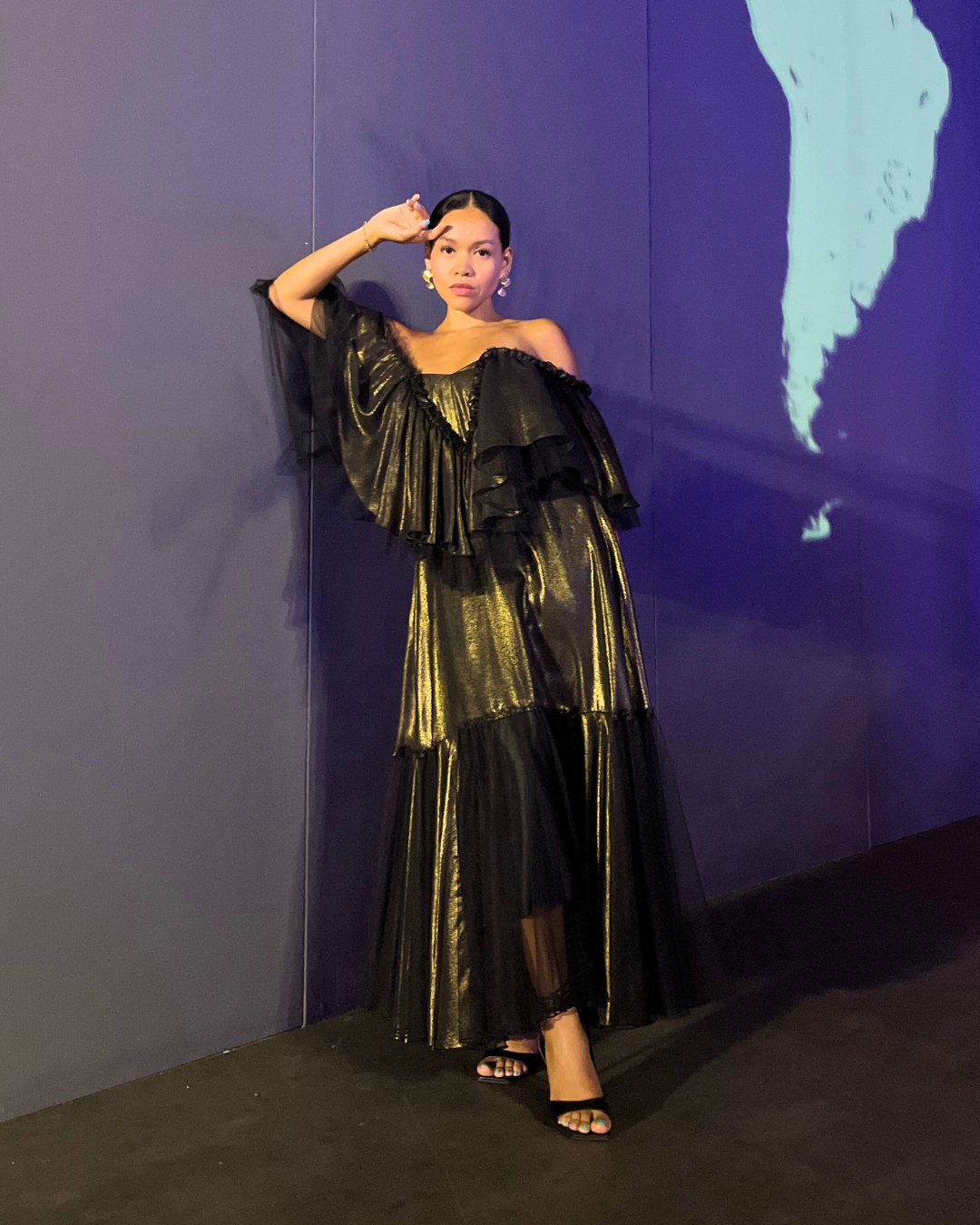
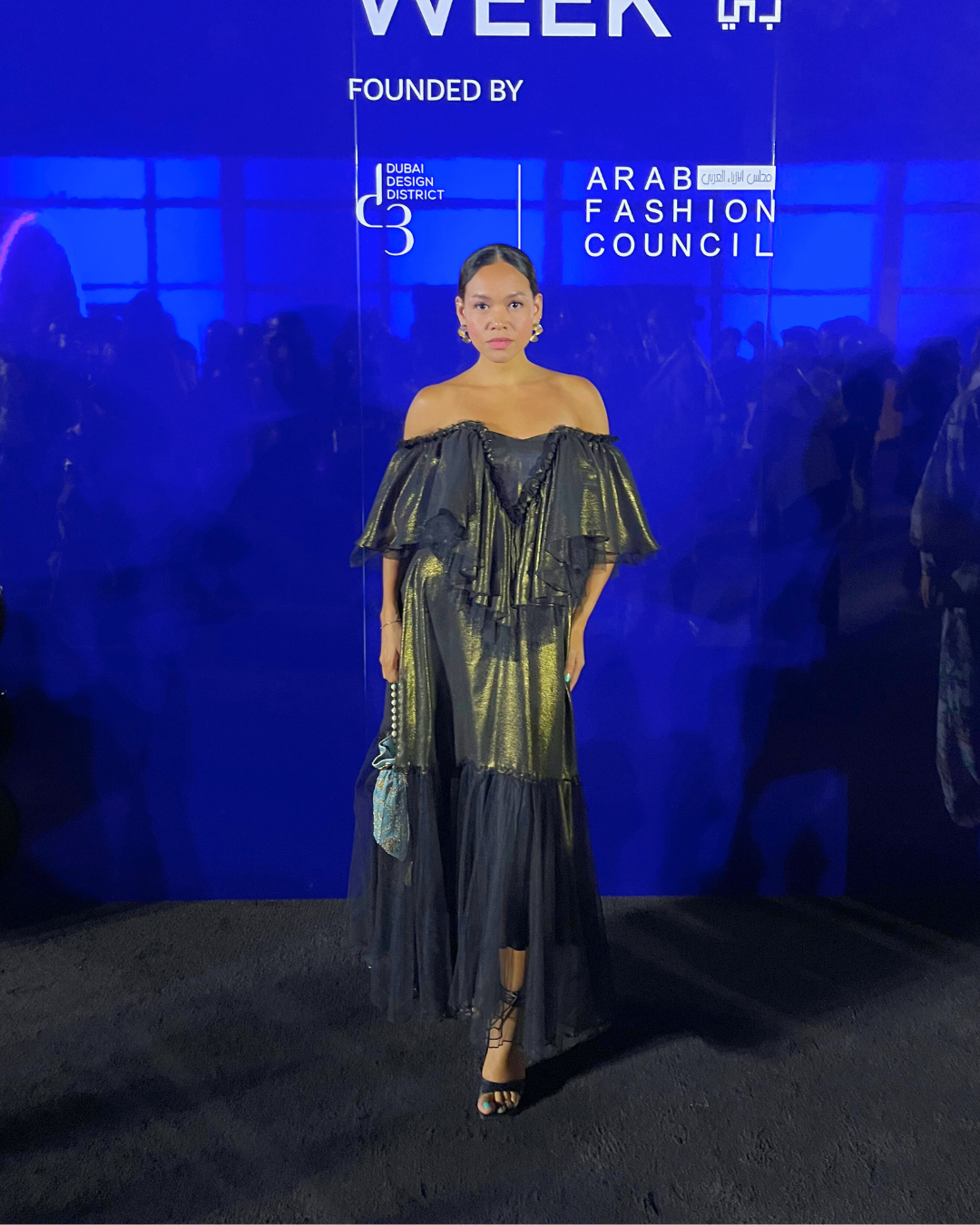
Dubai Fashion Week is no longer simply a showcase — it is an infrastructure for the emergence of new luxury economies. The presence of REBORN, Born In Exile, Benang Jarum, APRIL & ALEX, and Buttonscarves signals a broader structural shift in global fashion: authority is being redistributed toward regions that understand identity, community, and digital-native consumption as foundational design principles. In this evolving landscape, fashion is no longer defined by geography or heritage alone, but by its ability to operate as a scalable cultural system. Dubai Fashion Week is not reflecting this transformation. It is actively accelerating it.
Luxury fashion authority has been, for most of the modern era, a European inheritance. Paris and Milan concentrated the institutional prestige, the editorial legitimacy, and the commercial infrastructure through which the global fashion industry understood itself — and through which emerging designers from every other geography measured their own ambition. This model produced extraordinary fashion and produced systematic exclusion in equal measure. The designers whose aesthetic languages did not fit the inherited frameworks of European luxury were not merely underserved by the existing editorial infrastructure. They were structurally invisible within it, regardless of the quality of their work or the sophistication of their communities.
Dubai Fashion Week has become the most significant institutional response to this structural exclusion available anywhere on the global fashion calendar. Not because it offers an alternative to the European fashion establishment — it does not position itself in opposition — but because it operates on a different and more expansive understanding of what fashion authority is and where it comes from. The brands on its runway are not supplicants seeking European validation. They are the creators of aesthetic languages whose authority is rooted in the communities that generated them, and whose commercial potential in the global luxury market is increasingly legible to the buyers, investors, and editorial decision-makers who constitute the most commercially significant audience that Dubai Fashion Week assembles.
The structural analysis of how Dubai Fashion Week functions as a commercial acceleration platform — the B2B infrastructure, the retail partner relationships, the compressed market entry timelines — is developed in full in Dubai Fashion Week: Why Global Brands Now Treat DFW as a Market Activation Engine. The present editorial examines the creative and cultural dimension of the same platform: the specific aesthetic languages that the emerging regional luxury brands showcased here are developing, and what those languages reveal about the direction in which global fashion authority is moving.
REBORN — identity reconstruction through contemporary luxury and sustainable design systems
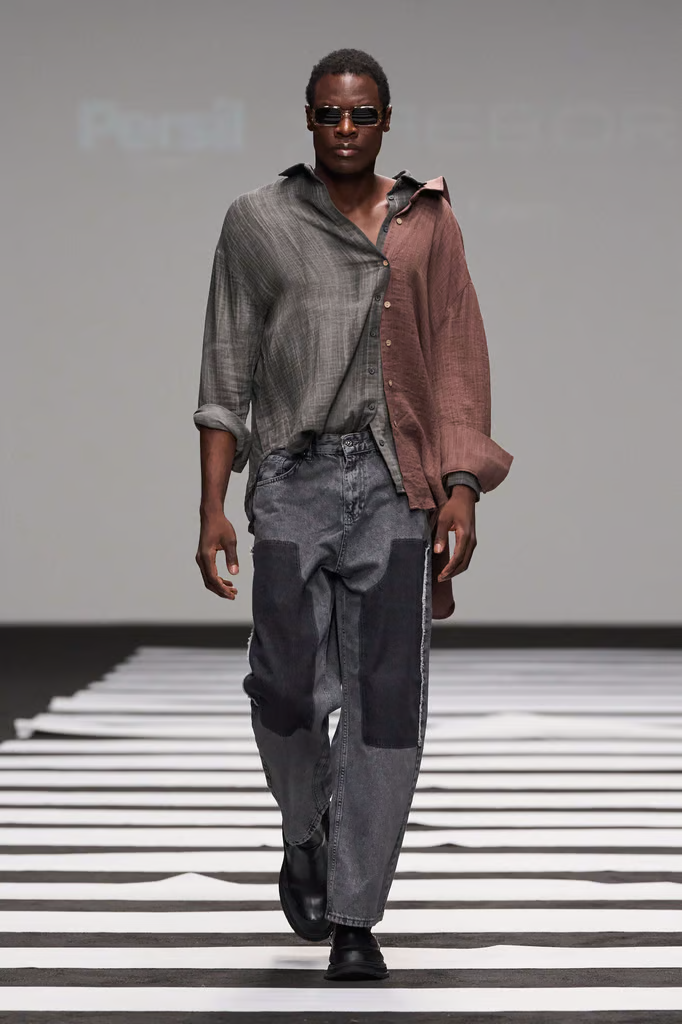
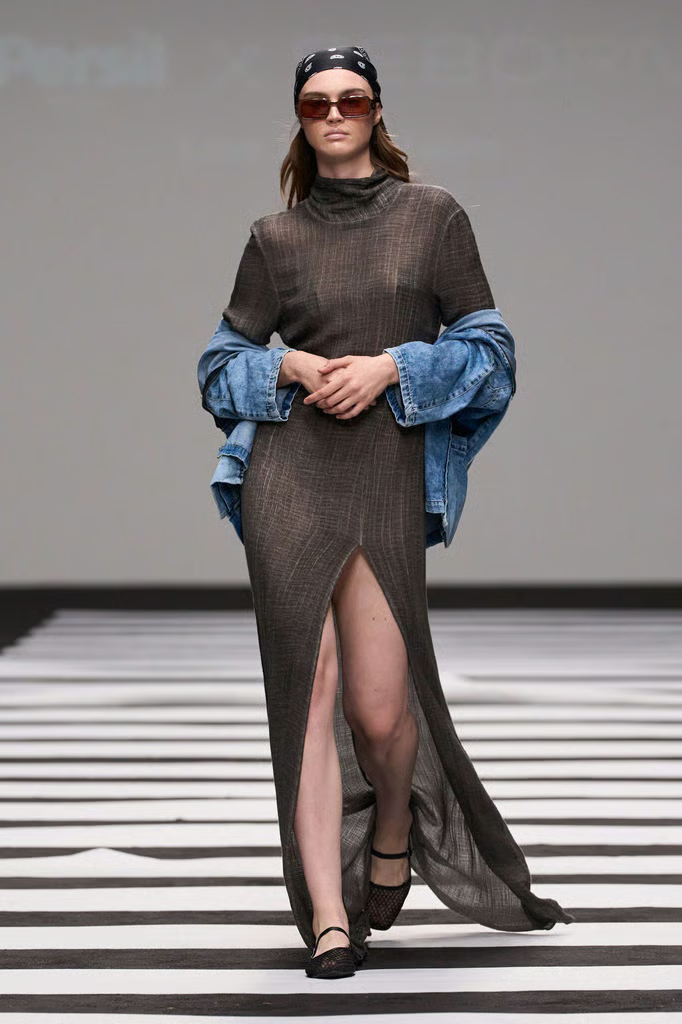
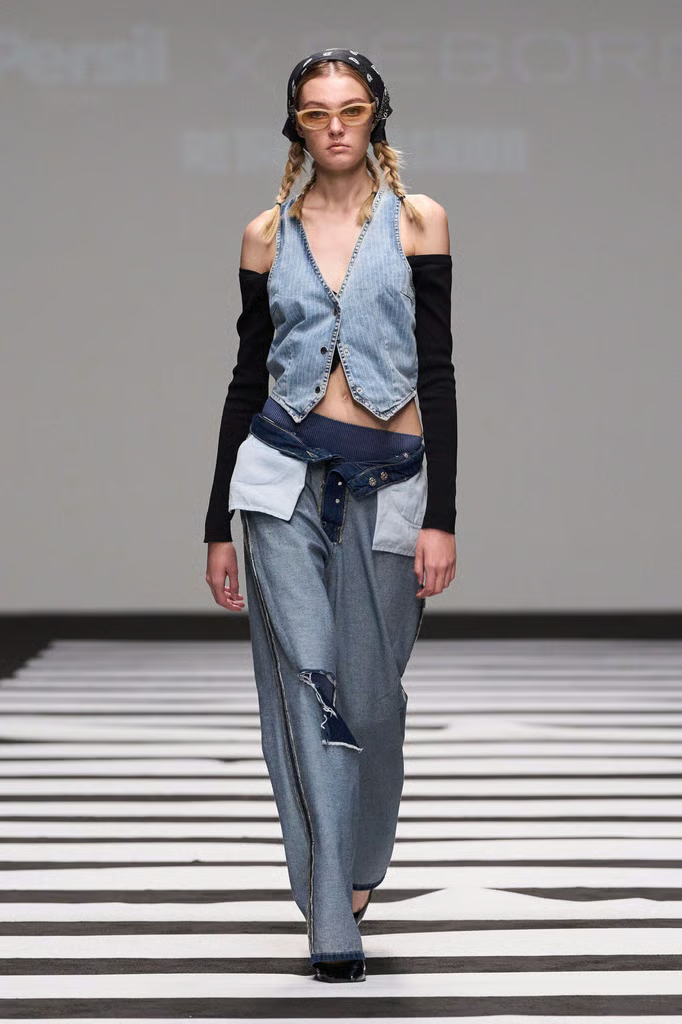
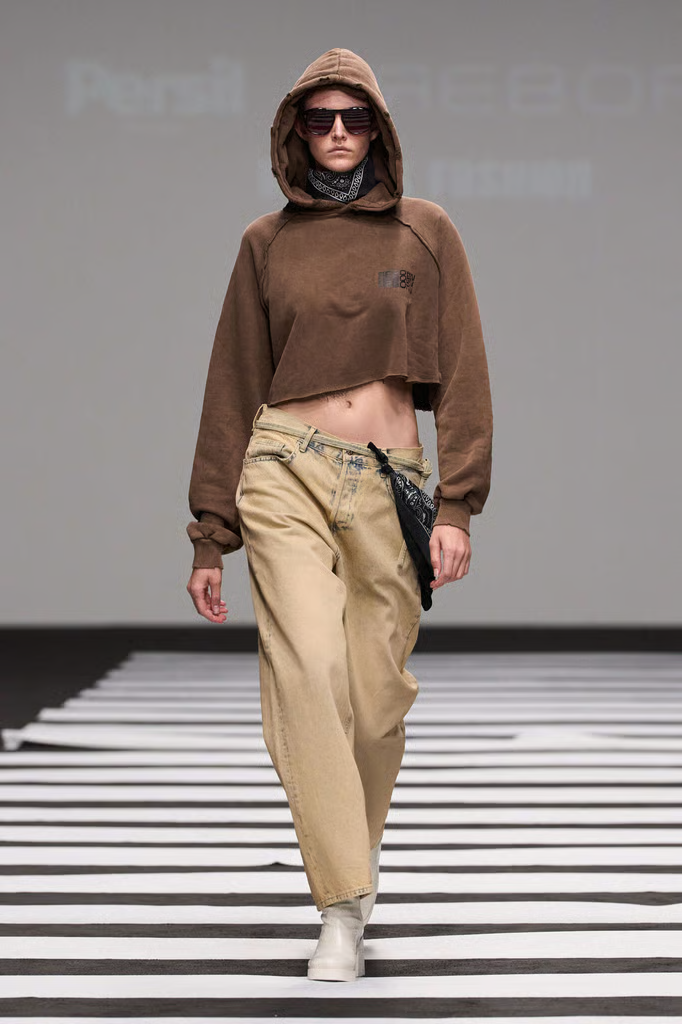
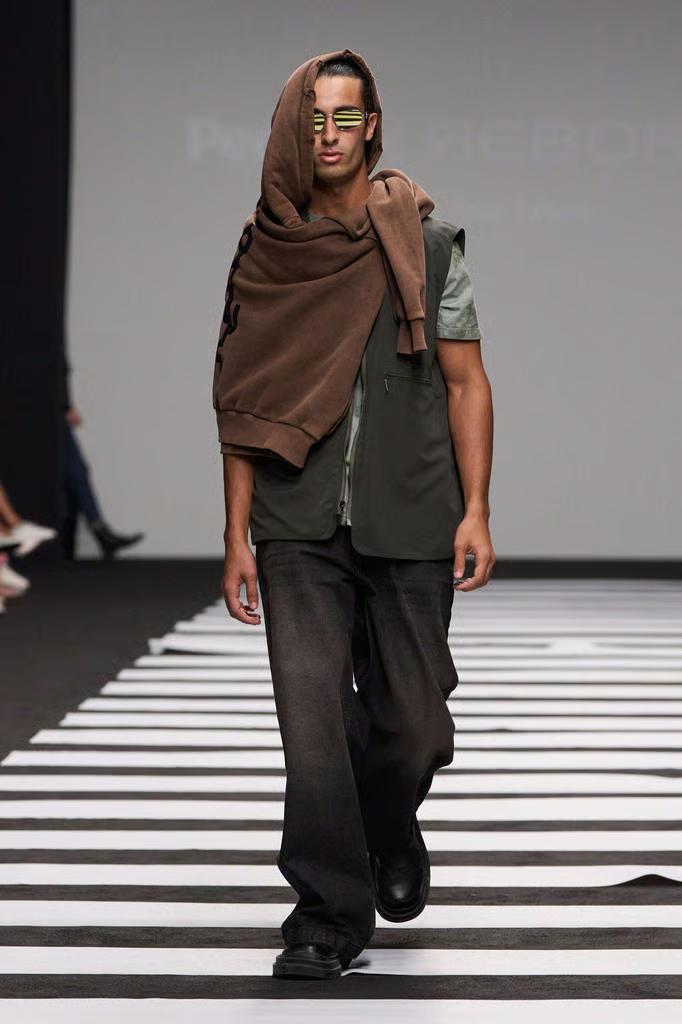
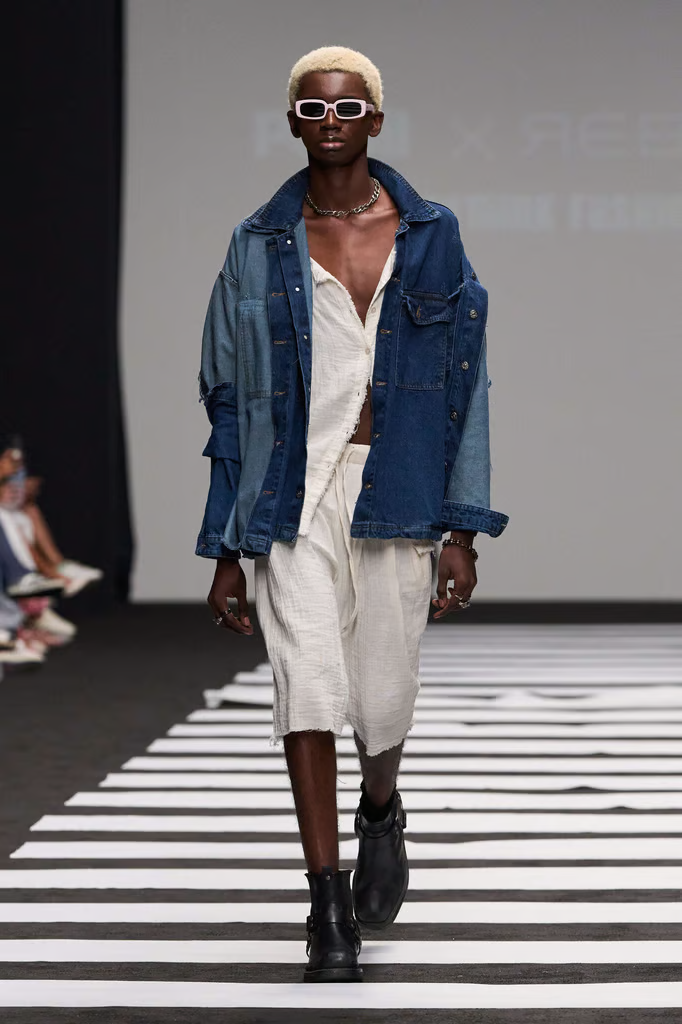


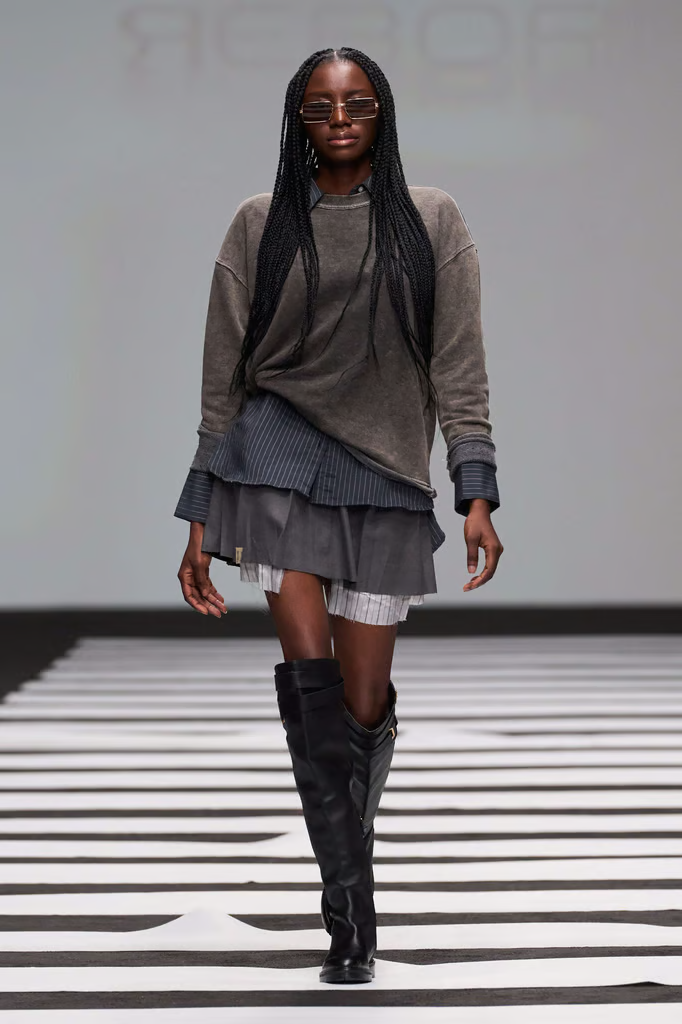

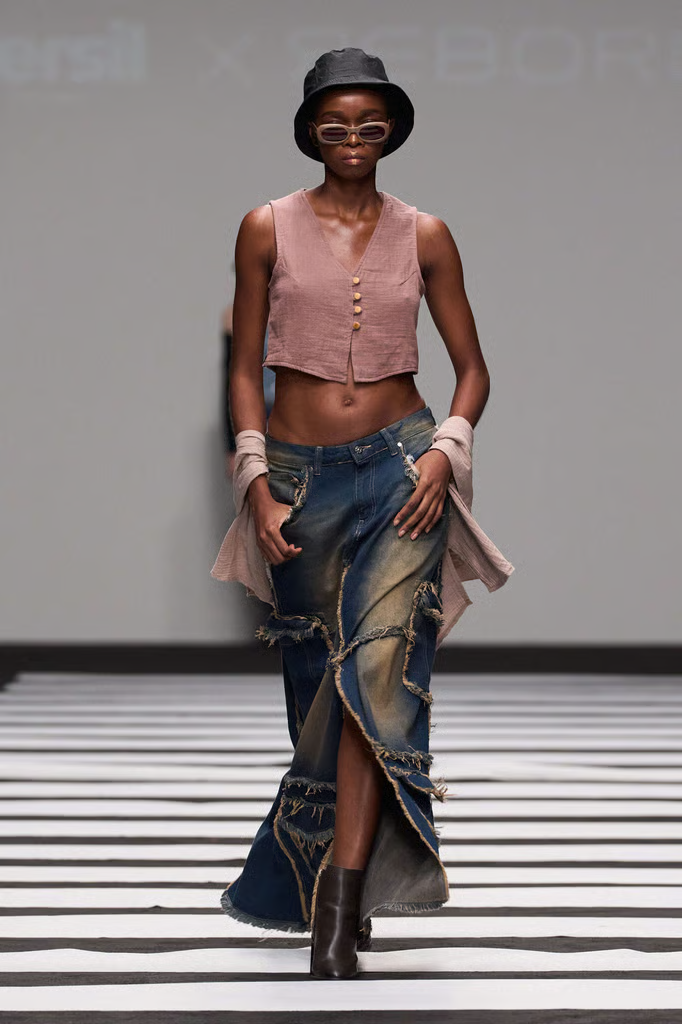
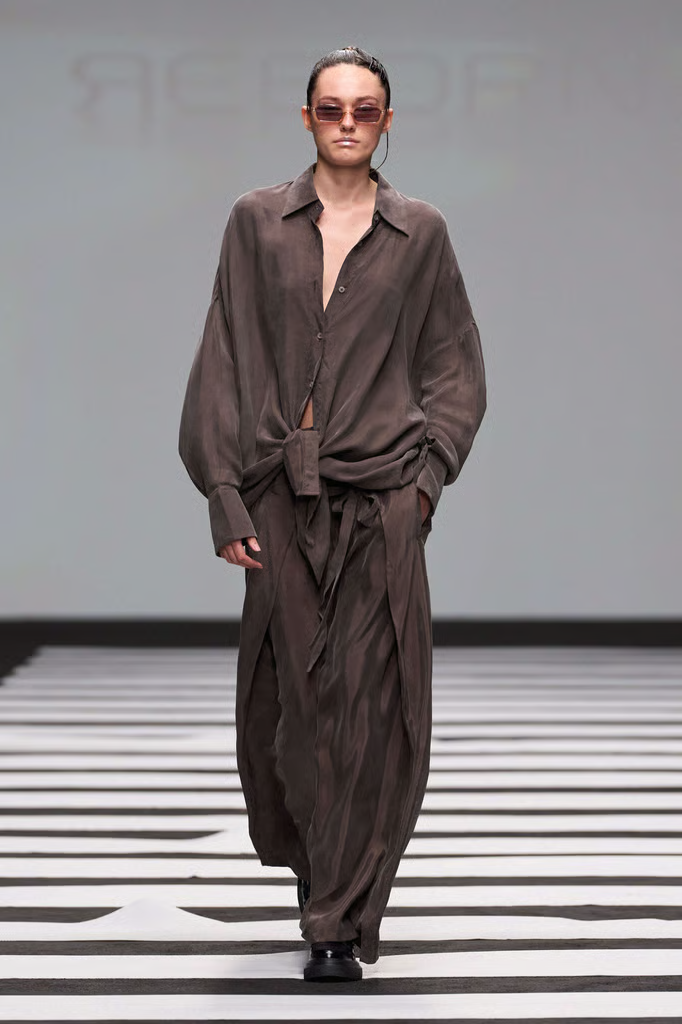
REBORN’s collection is an ode to modernity designed for those living life in the fast lane — but the brand’s significance at Dubai Fashion Week extends beyond its individual seasonal presentation into what it represents as a design system: the emergence of identity-first luxury branding in which the garment is understood primarily as a vehicle for personal narrative rather than as a demonstration of technical virtuosity or heritage authority.
The collection’s aesthetic language is built around a neutral palette — whites, beiges, browns, and blacks — whose sophistication lies not in complexity but in the precision of the relationships between its elements. Asymmetrical draping and sharp contemporary silhouettes produce the specific visual quality of garments that have been designed from the inside out: starting from the body in motion rather than from an abstract aesthetic ideal, and arriving at forms whose elegance is inseparable from their functionality. Crinkled cotton and silk add tactile dimension to the otherwise sleek visual register — a reminder that the most considered luxury is always experienced in contact with the body rather than merely observed from a distance.
REBORN’s commitment to inclusivity — body-positive designs that cater to a wide range of body types and sizes — is not a marketing position layered onto an existing design approach. It is the structural consequence of a design philosophy that begins with the full range of human bodies rather than with a single idealised silhouette. This is the specific design intelligence that distinguishes identity-first luxury from heritage luxury: the understanding that the most powerful fashion is the fashion that makes the widest range of people feel that they were designed for, rather than that they must conform to.
The sustainability dimension of REBORN’s design philosophy — the deliberate rejection of throwaway culture, the commitment to garments built to last in both durability and timeless design — positions the brand within the most commercially significant long-term shift in the global luxury market. The consumer who invests in a REBORN piece is investing in the understanding that fashion can be both stylish and sustainable: that these values are not in tension but are, in the most considered luxury, the same value expressed at different levels of the design process. The same investment logic that governs the sustainable fashion wardrobe governs considered jewellery acquisition — explored in The Language of Modern Necklaces: Metals, Stones, and the New Codes of Personal Luxury — where the most enduring choices are those made for natural quality and personal resonance rather than seasonal visibility.
Born In Exile — diaspora identity, cultural memory, and fashion as emotional artifact
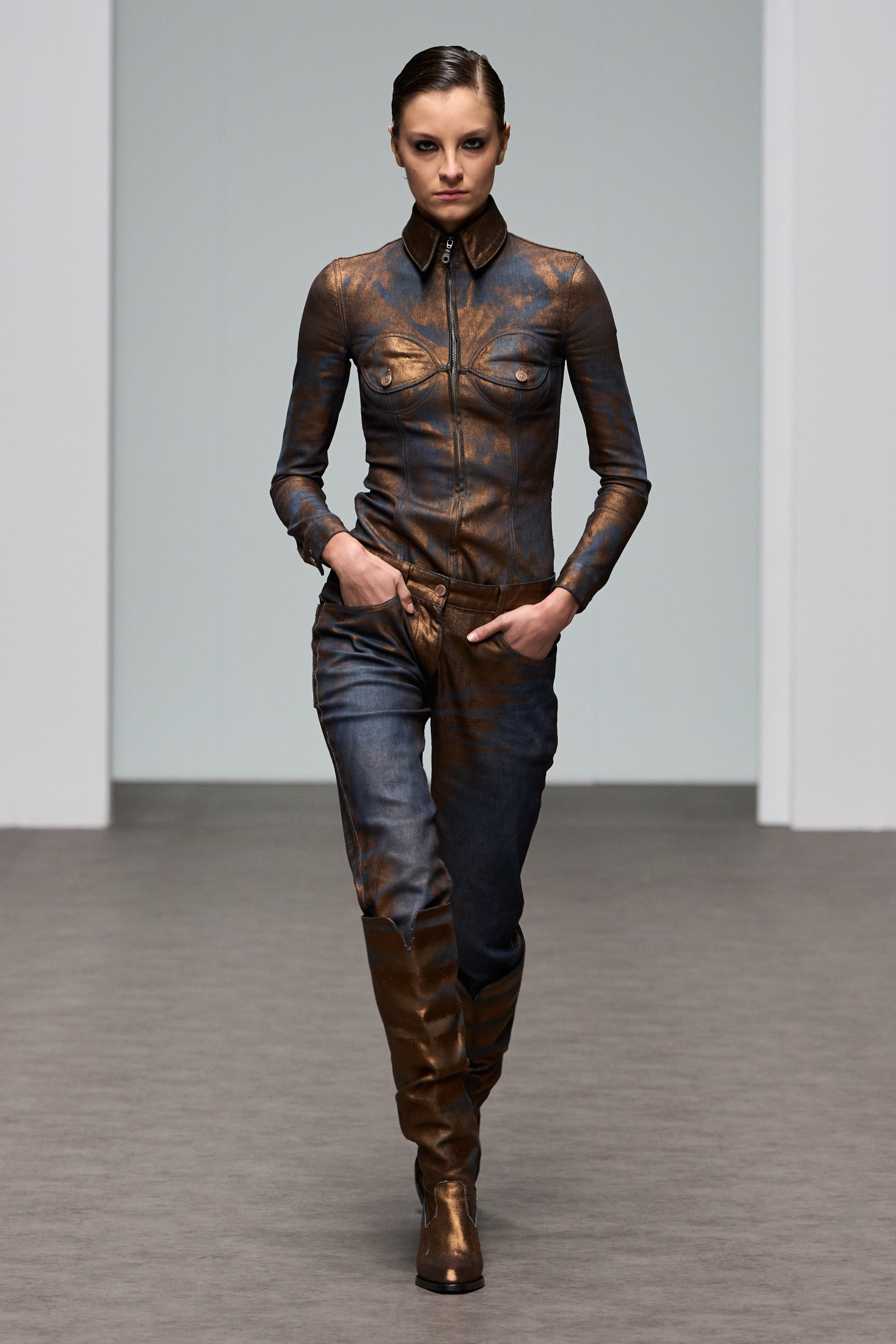
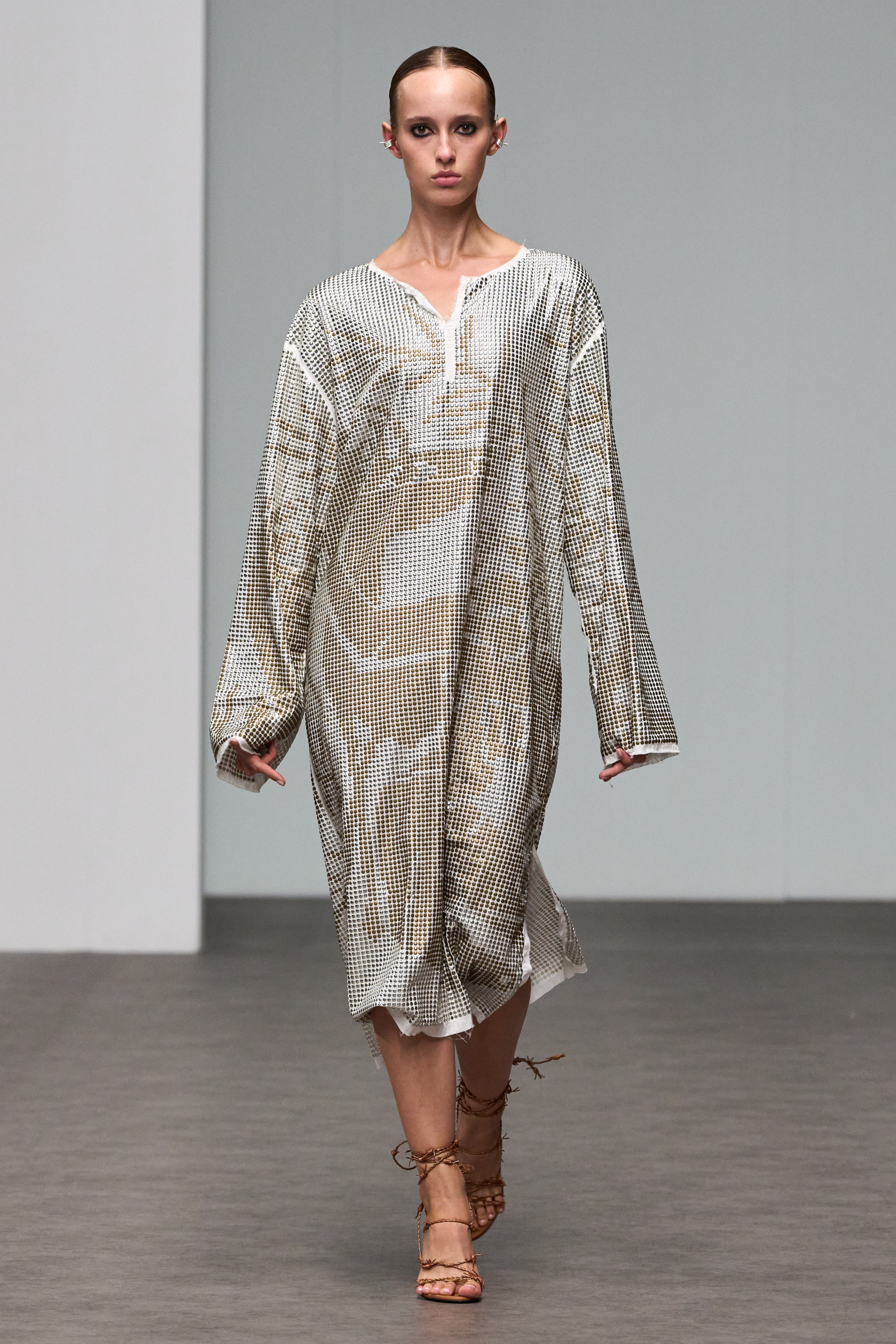
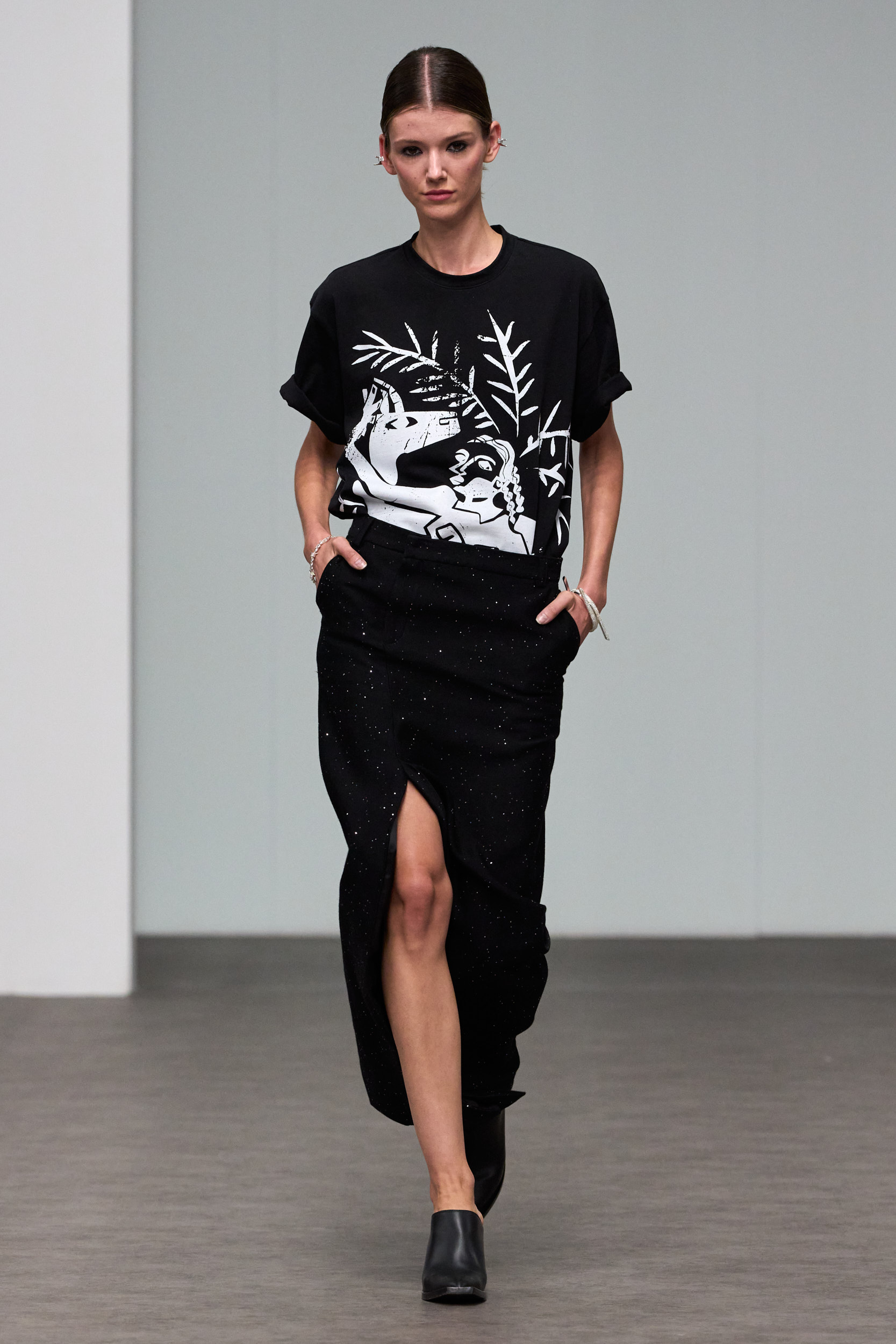
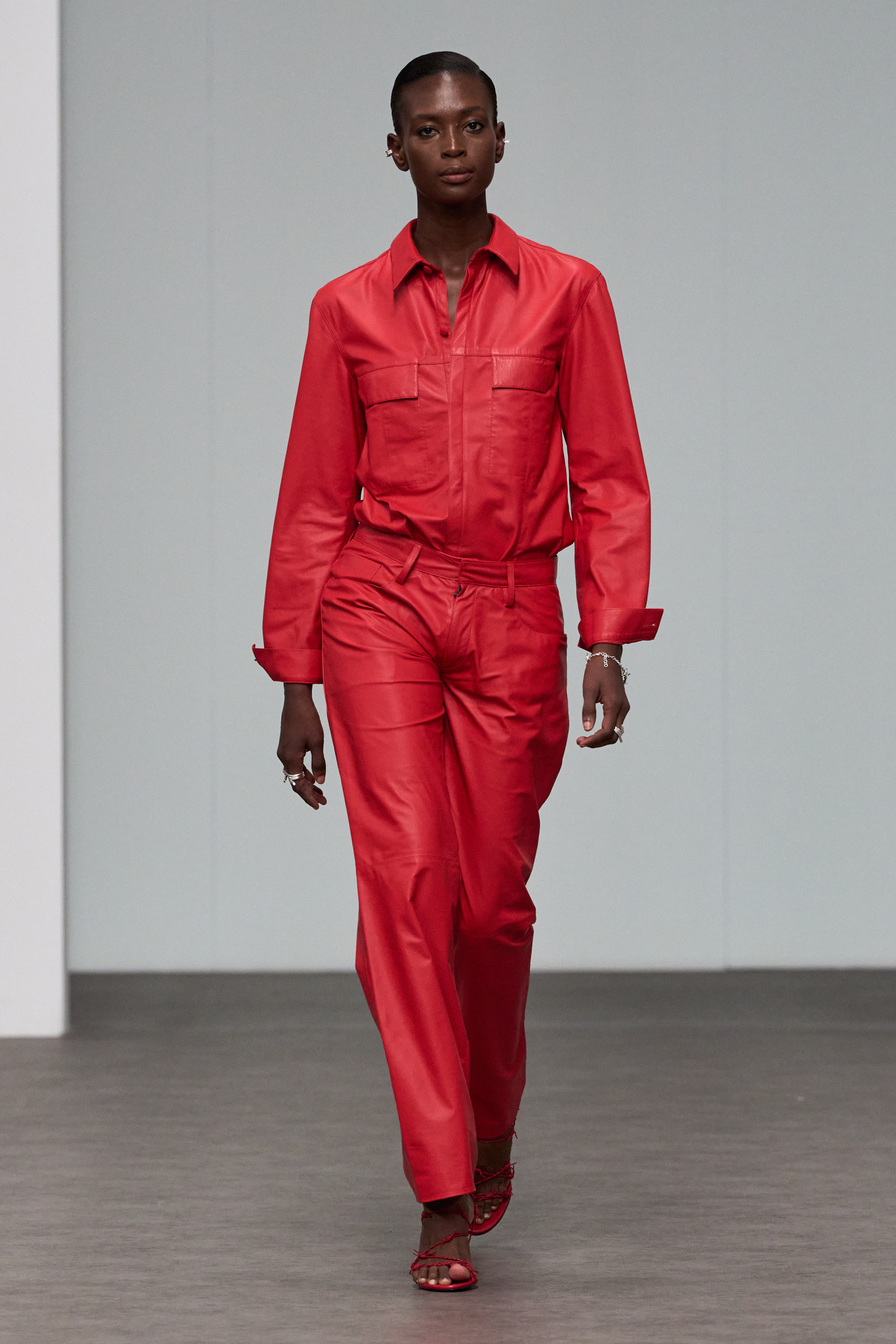
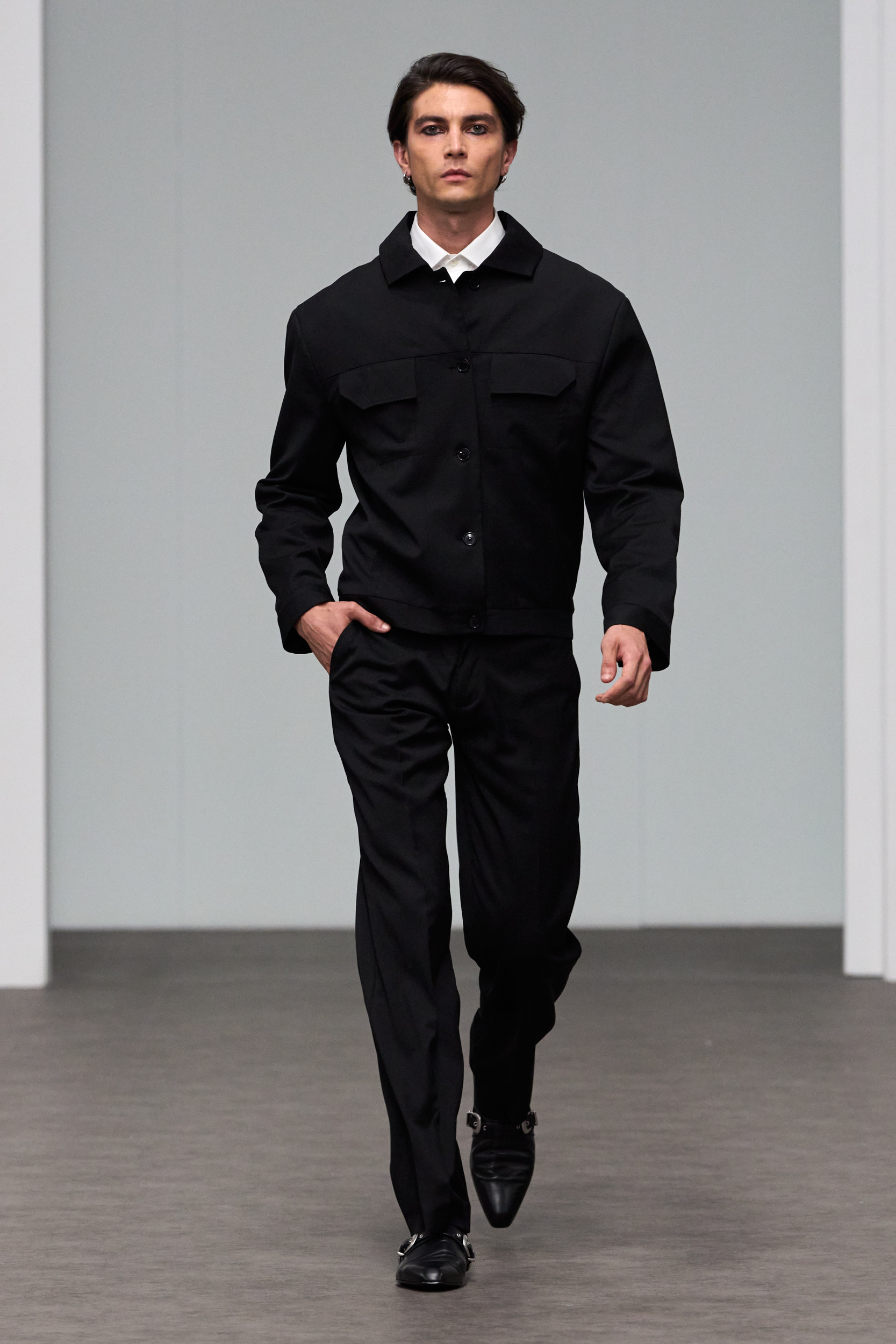
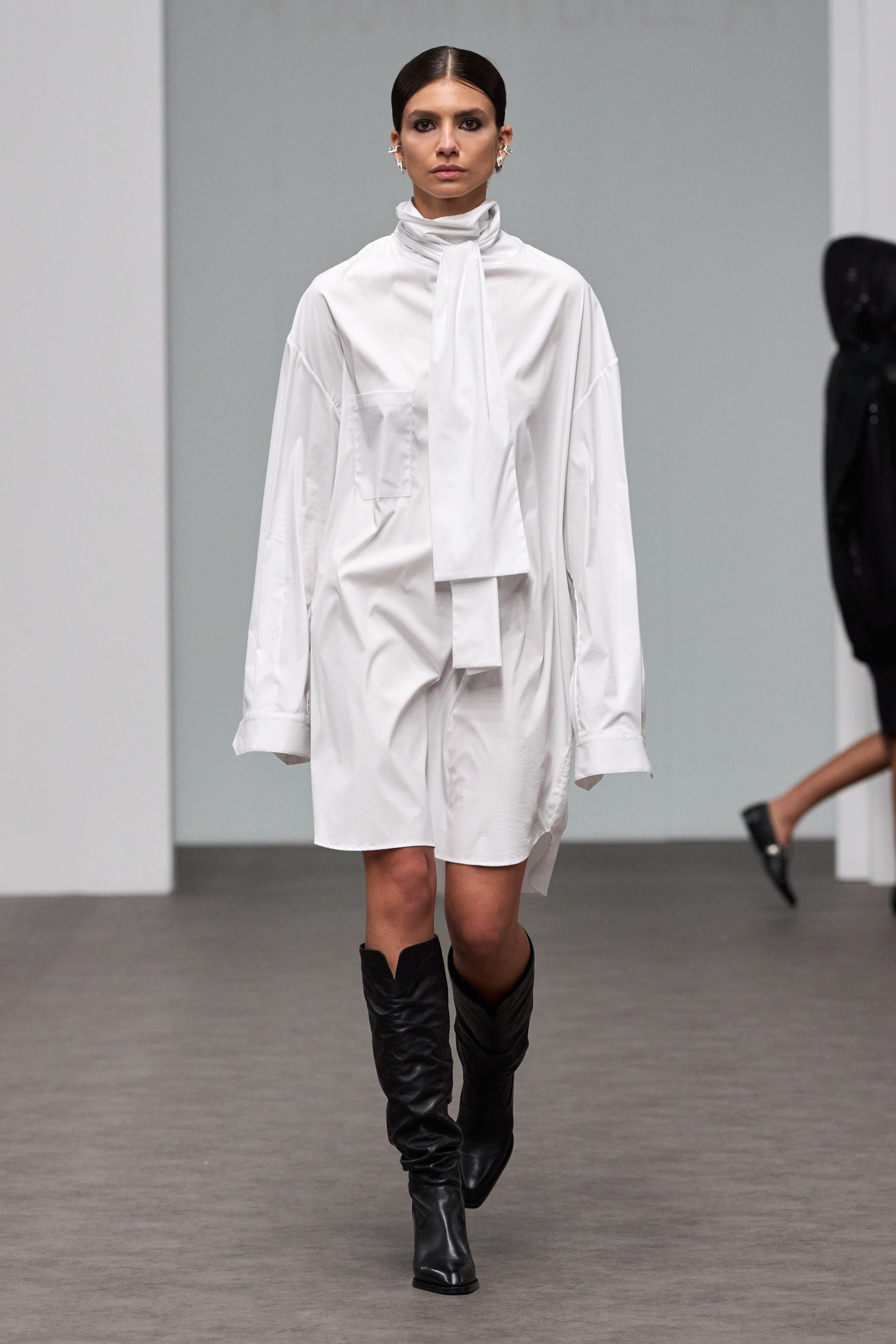
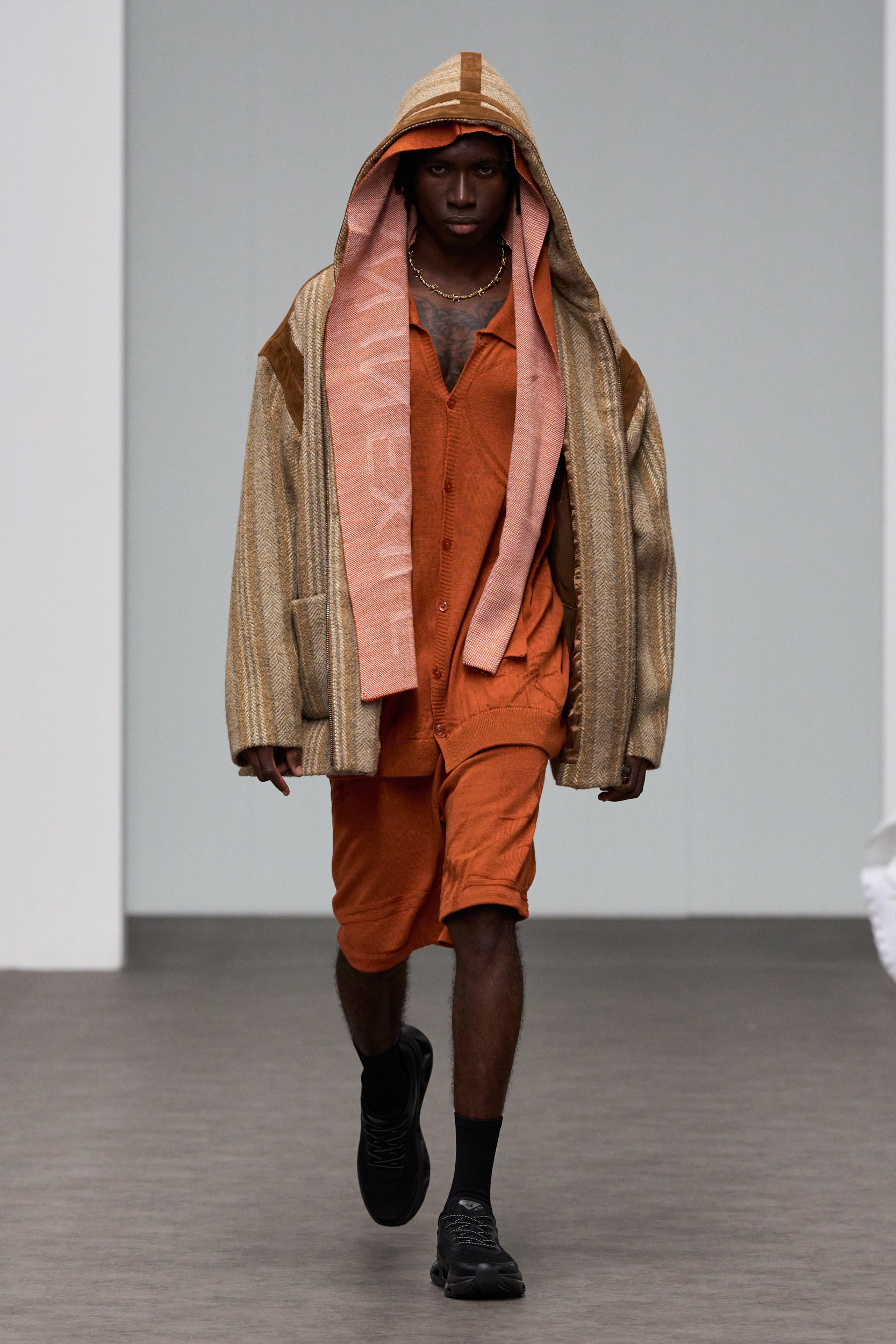
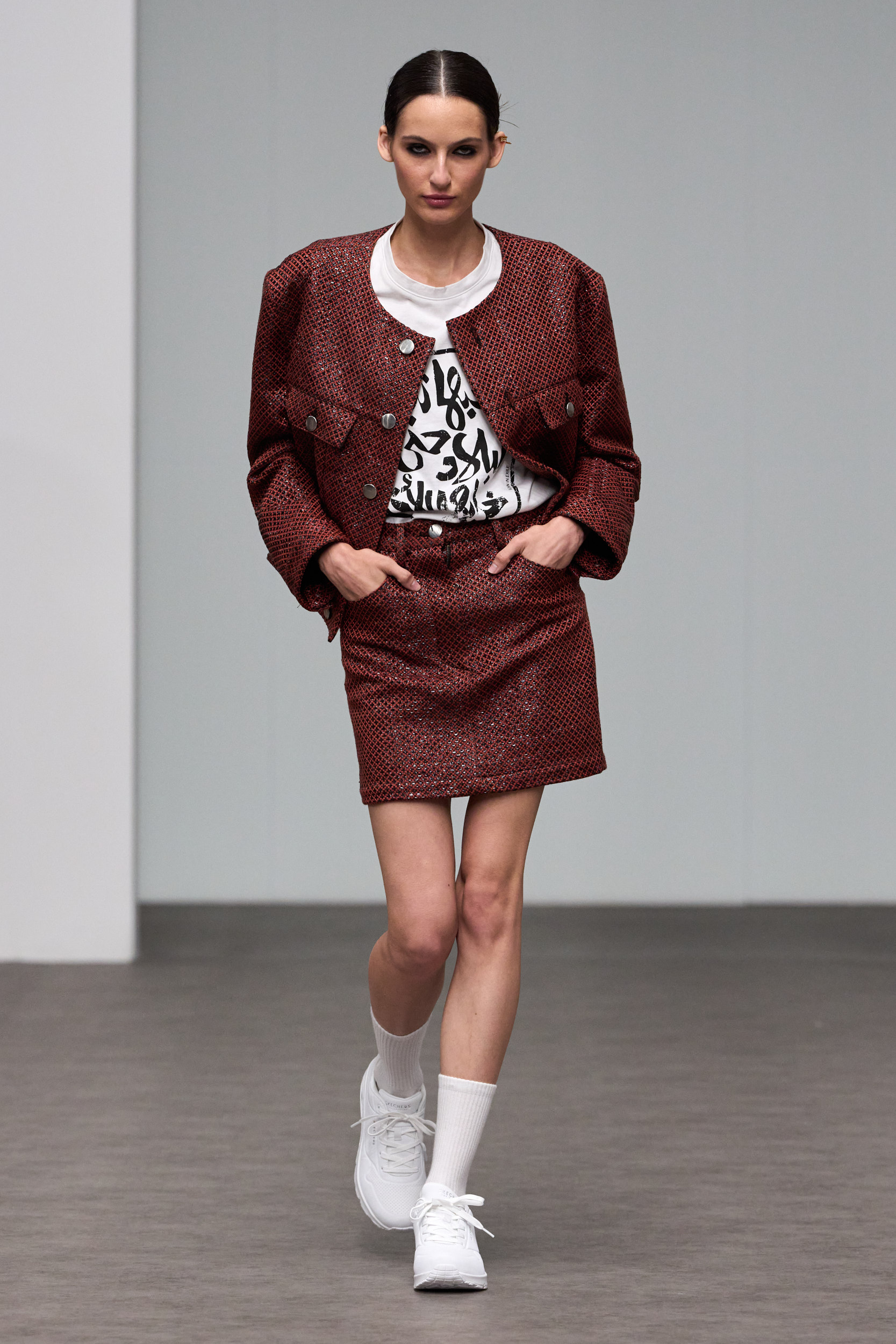
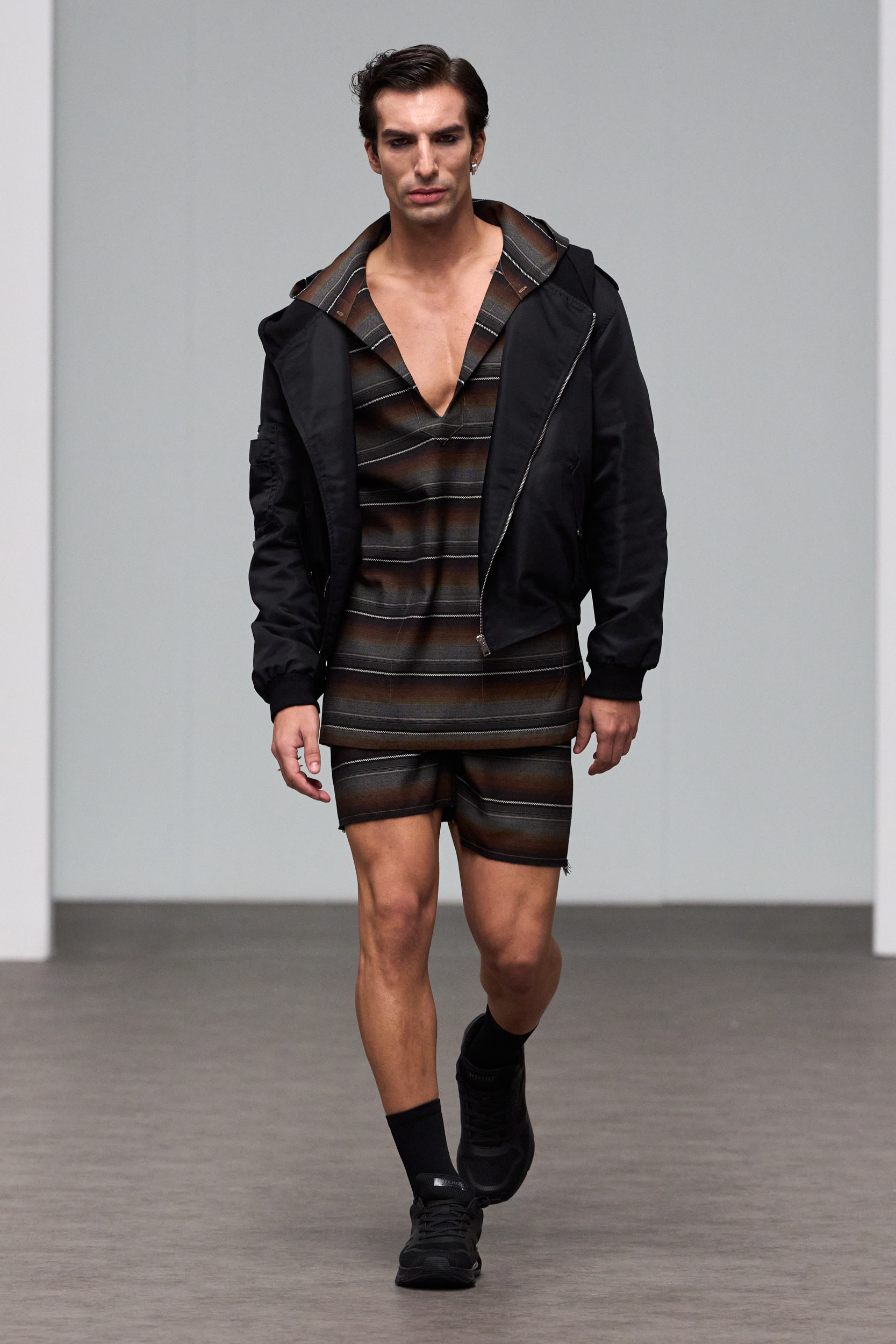
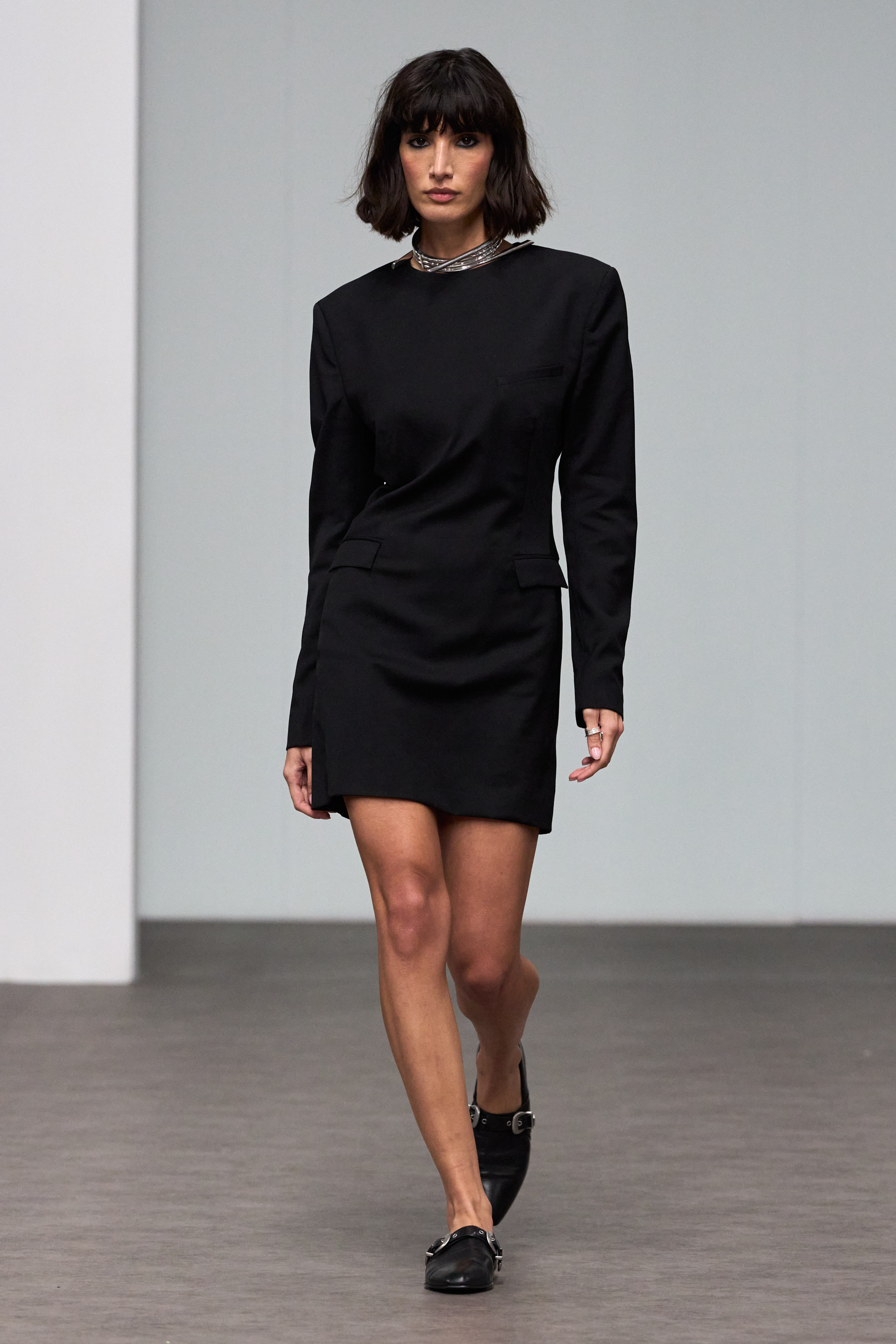
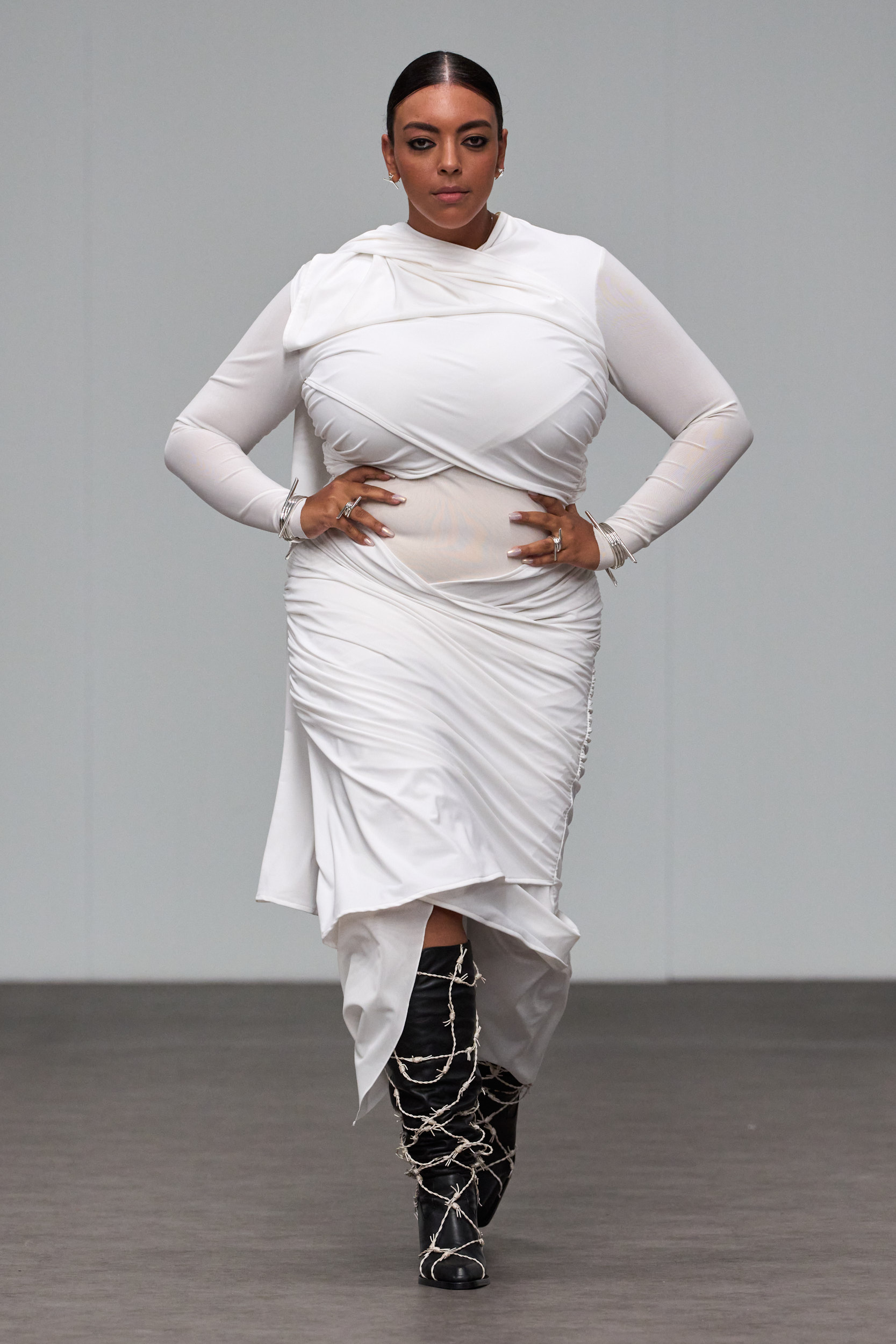
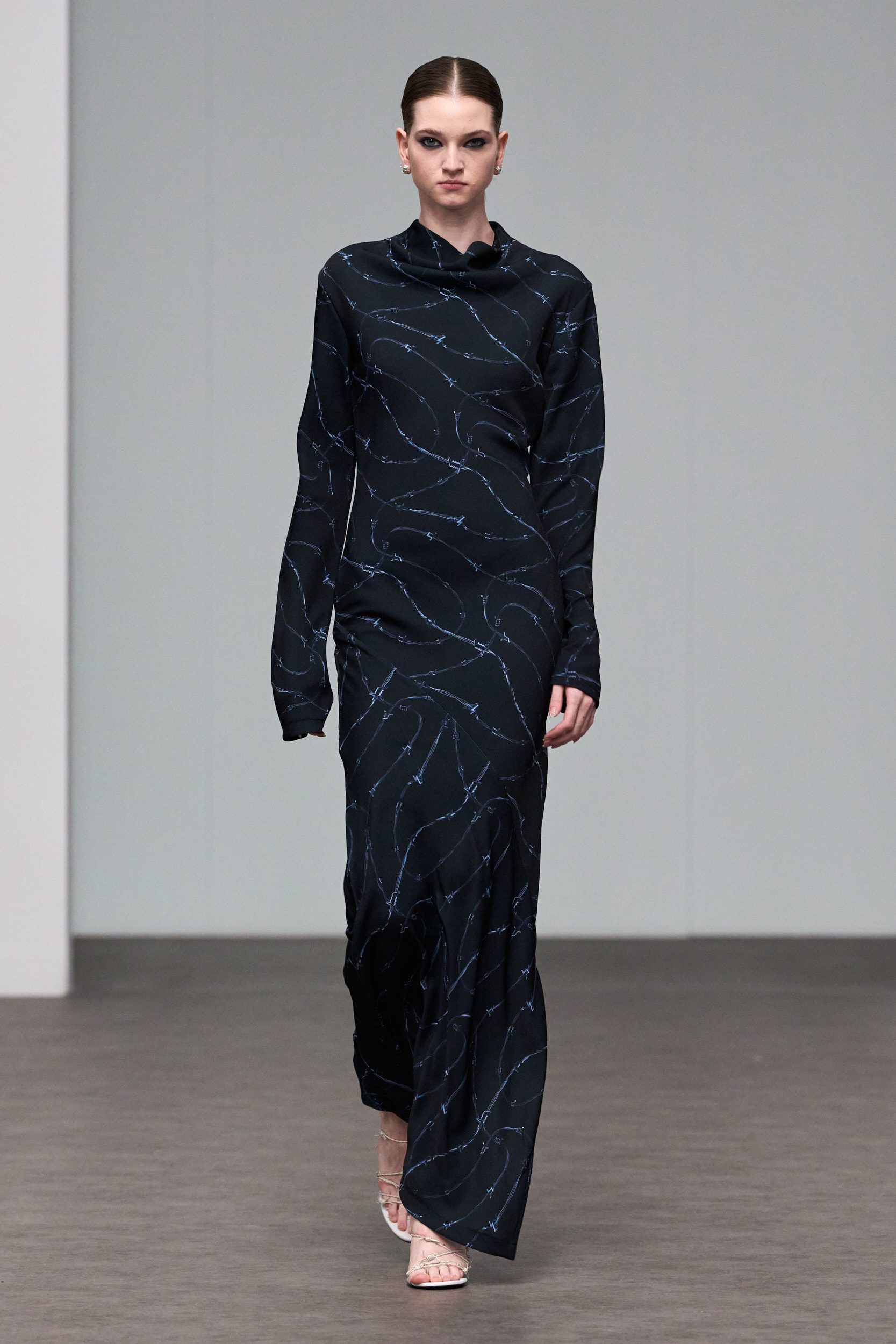
Ibrahim Shebani’s Born In Exile is one of the most conceptually precise brands to have emerged from Dubai Fashion Week’s commitment to regional design diversity — and one of the most globally significant, because the category of experience it addresses is not regionally specific but universally resonant: the specific condition of existing between cultures, of carrying a heritage that the dominant culture does not recognise, and of finding in fashion the medium through which that heritage can be both preserved and transformed.
The Spring/Summer Forest collection took the audience on a journey through Libya’s rich cultural history, combining traditional elements with modern aesthetics in a collection whose depth was visible in its specific symbolic choices. The Ghazala fountain woven into the fabric. Denim representing the aging of statues — the passage of time and the resilience of cultural monuments that survive the forces that would erase them. A palette of vibrant reds, soft whites, and bold oranges that adds energy and vitality to the cultural narrative without overwhelming it. Tracksuits and knitwear alongside leather patchwork and capes: the full register of contemporary dress brought into relationship with the materials and symbols of a specific cultural memory.
What Born In Exile represents in the broader landscape of global fashion is the emergence of post-geographic luxury storytelling — a category in which the most powerful design languages are those that carry genuine cultural depth rather than aesthetic references to cultural depth. Shebani’s garments are not merely culturally inspired. They are culturally constituted: objects in which the specific history and resilience of Libyan cultural identity are embedded as structural elements of the design rather than decorative additions to it. This is the distinction that separates the most significant emerging regional luxury from the cultural appropriation that masquerades as global fashion.
The global appetite for fashion that carries this quality of genuine cultural depth is one of the most significant commercial developments in the contemporary luxury market. As Business of Fashion’s analysis of regional luxury and identity-led fashion design documents, the most sophisticated contemporary luxury consumers are consistently moving toward brands whose aesthetic languages are rooted in specific cultural intelligence rather than in the generic heritage authority of the established European houses.
Benang Jarum — regional craft as global design currency and the modesty-luxury evolution
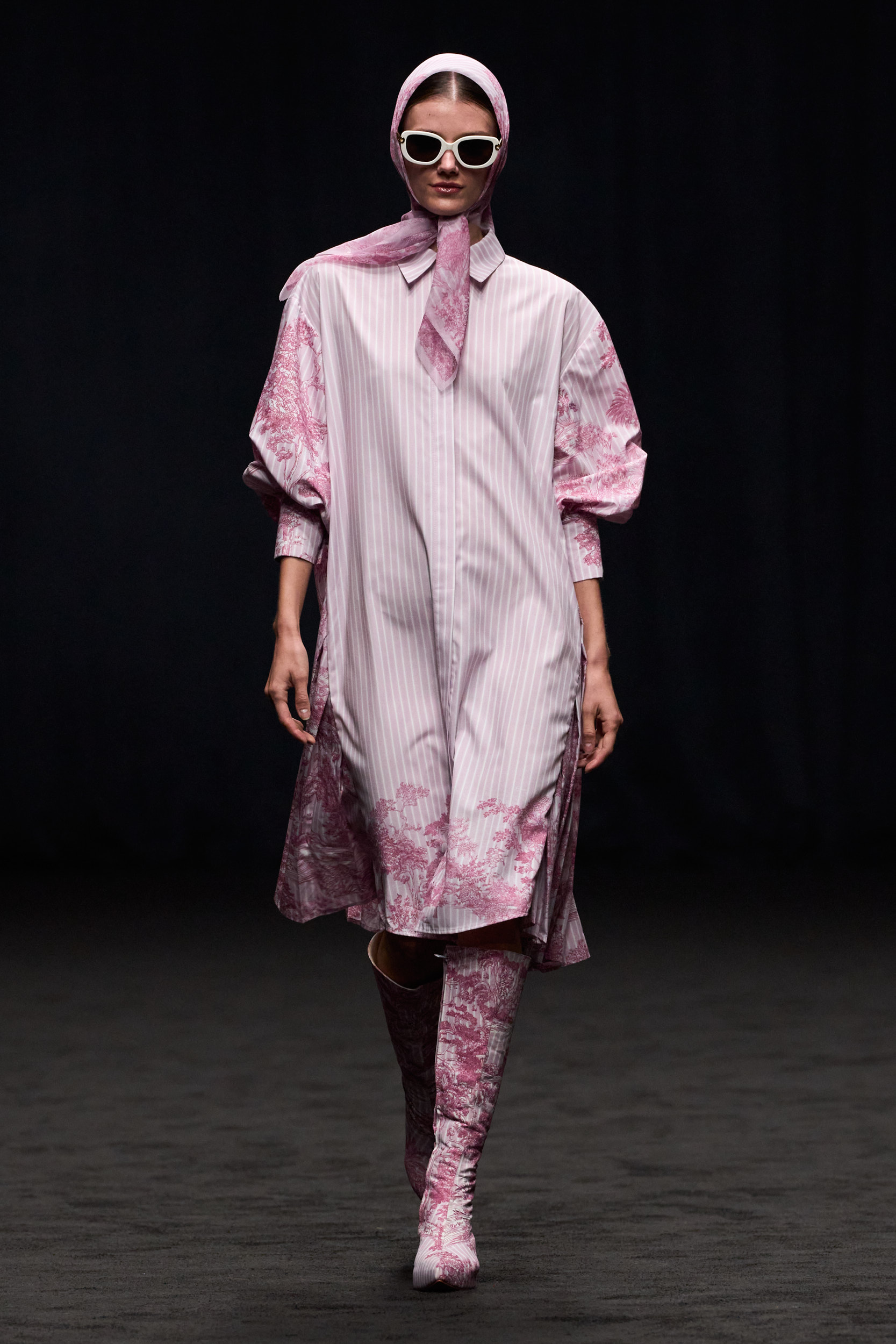
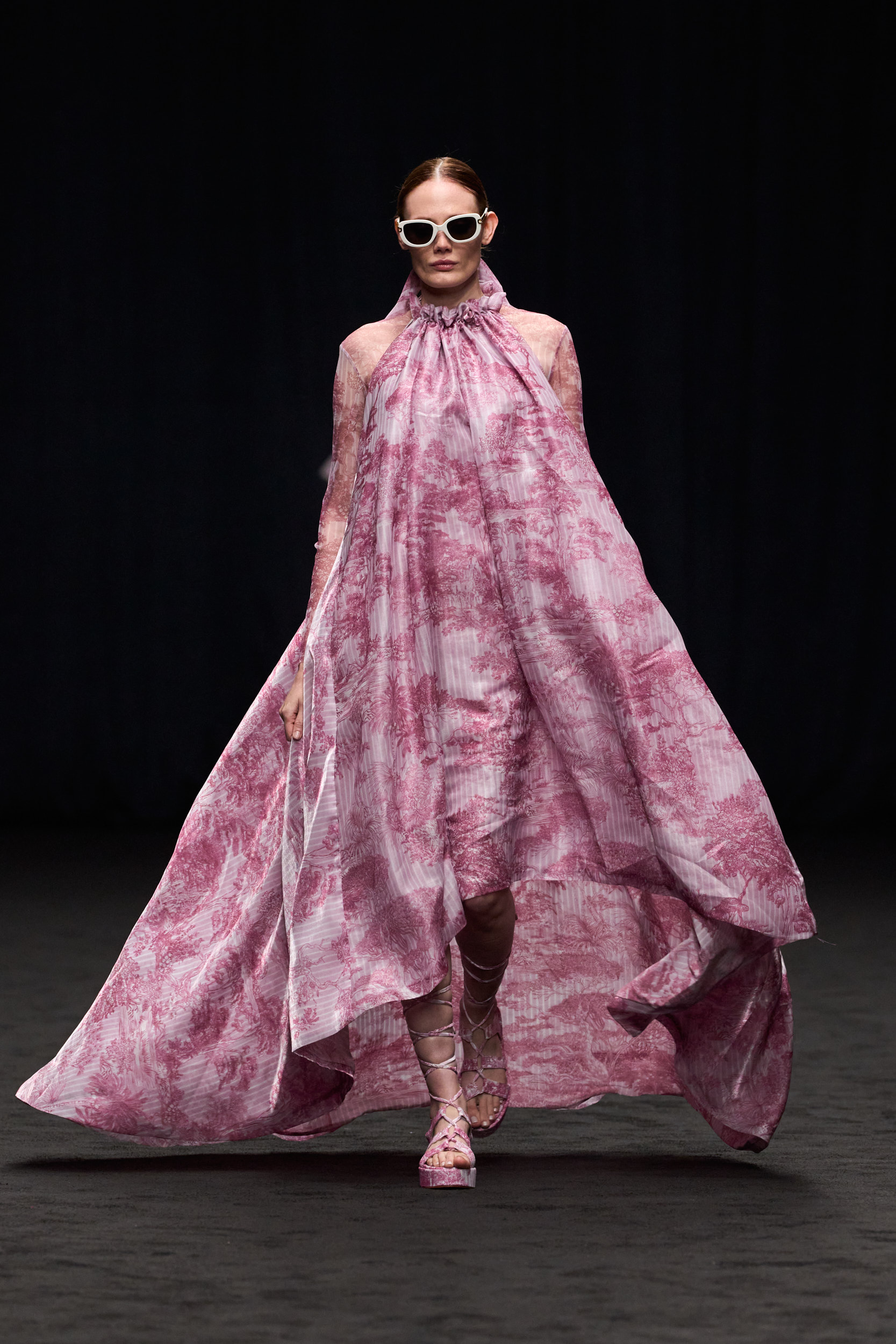
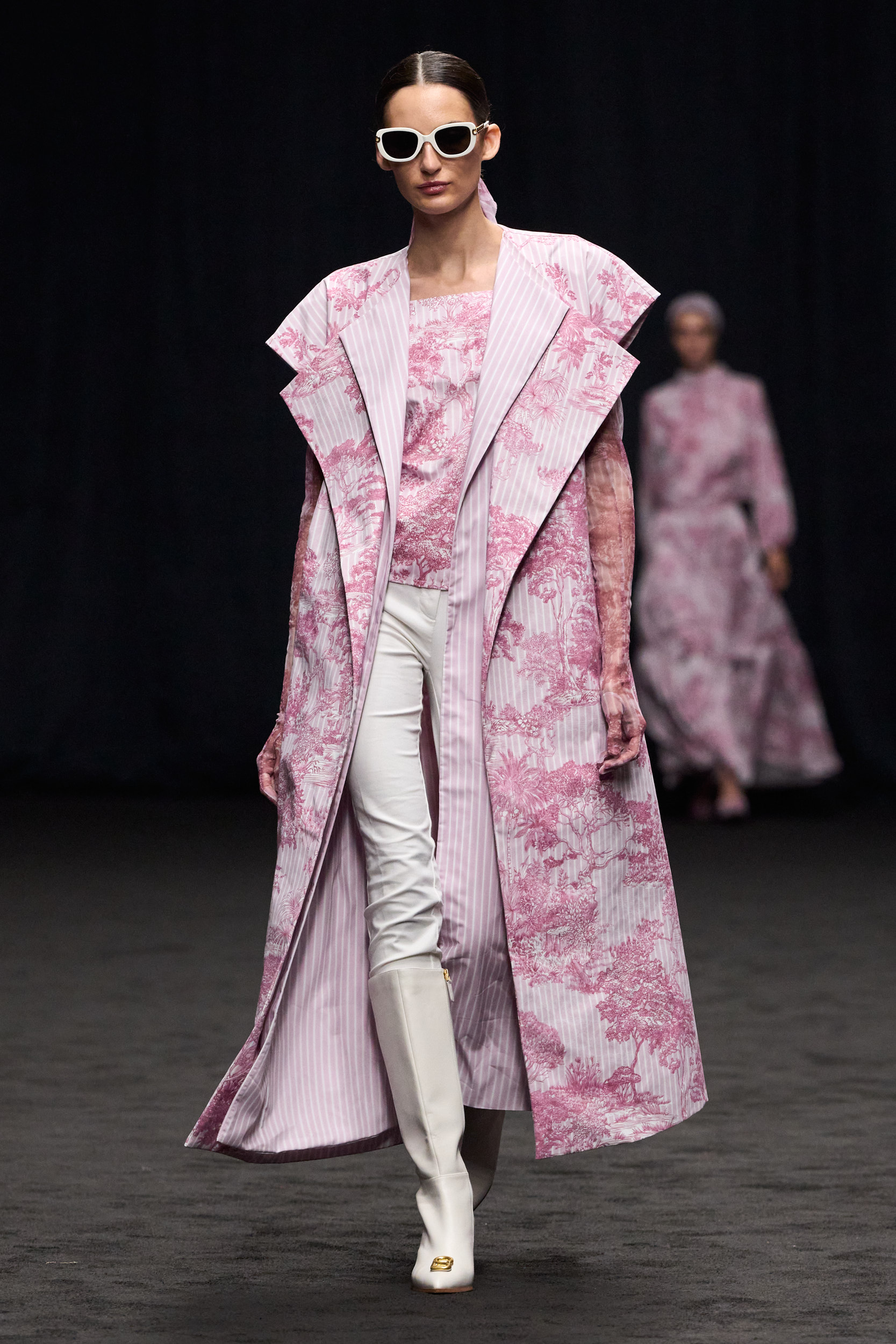
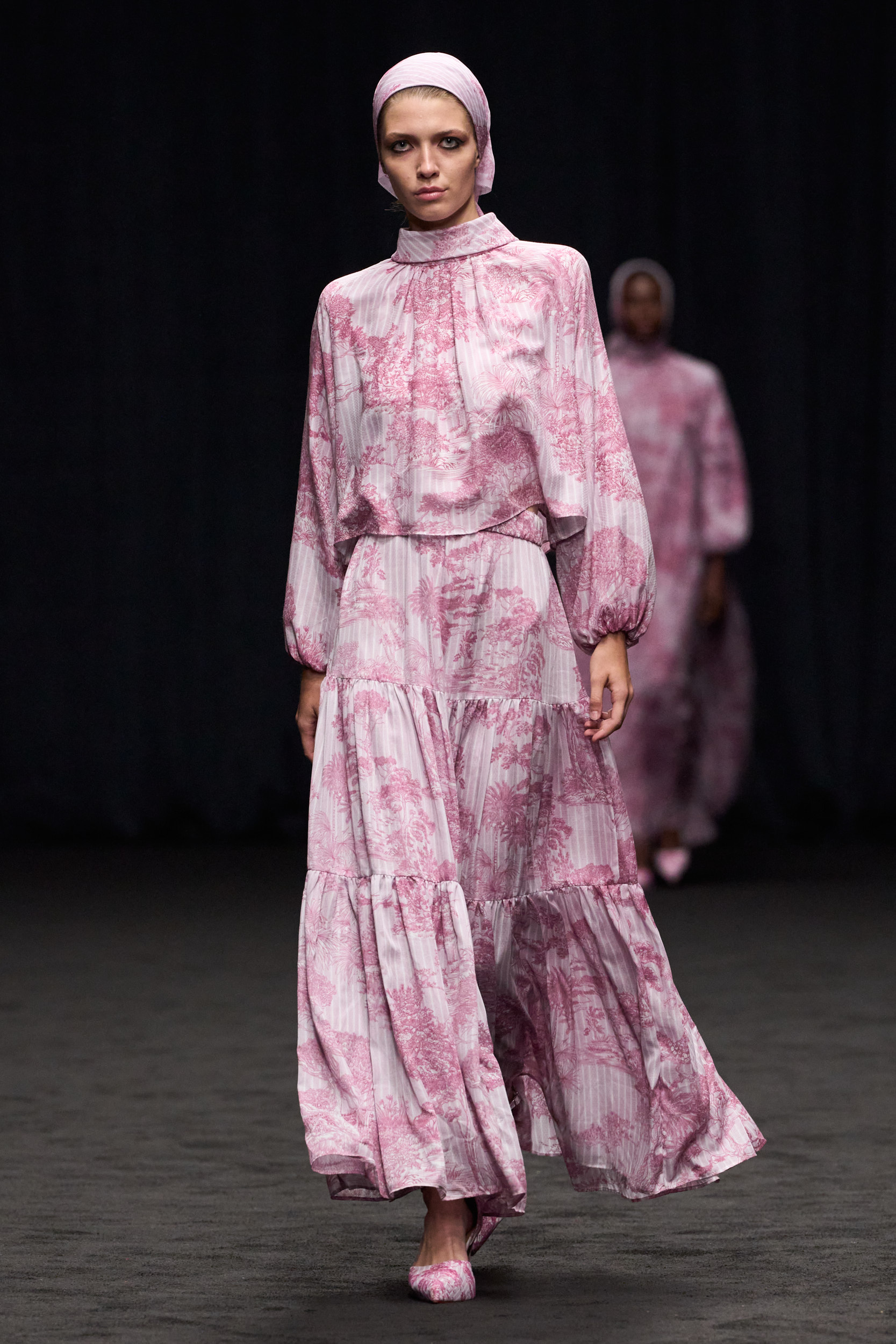
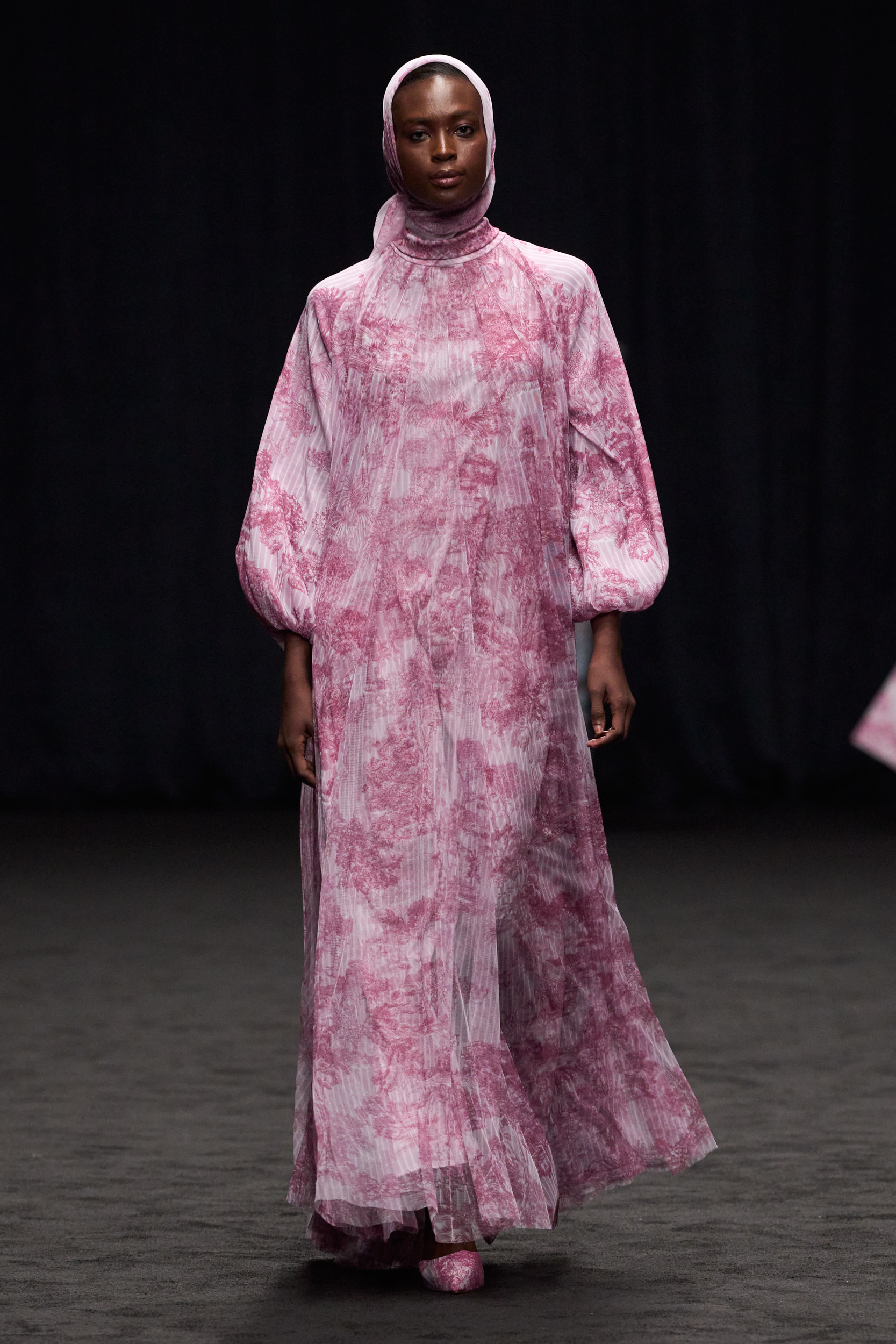
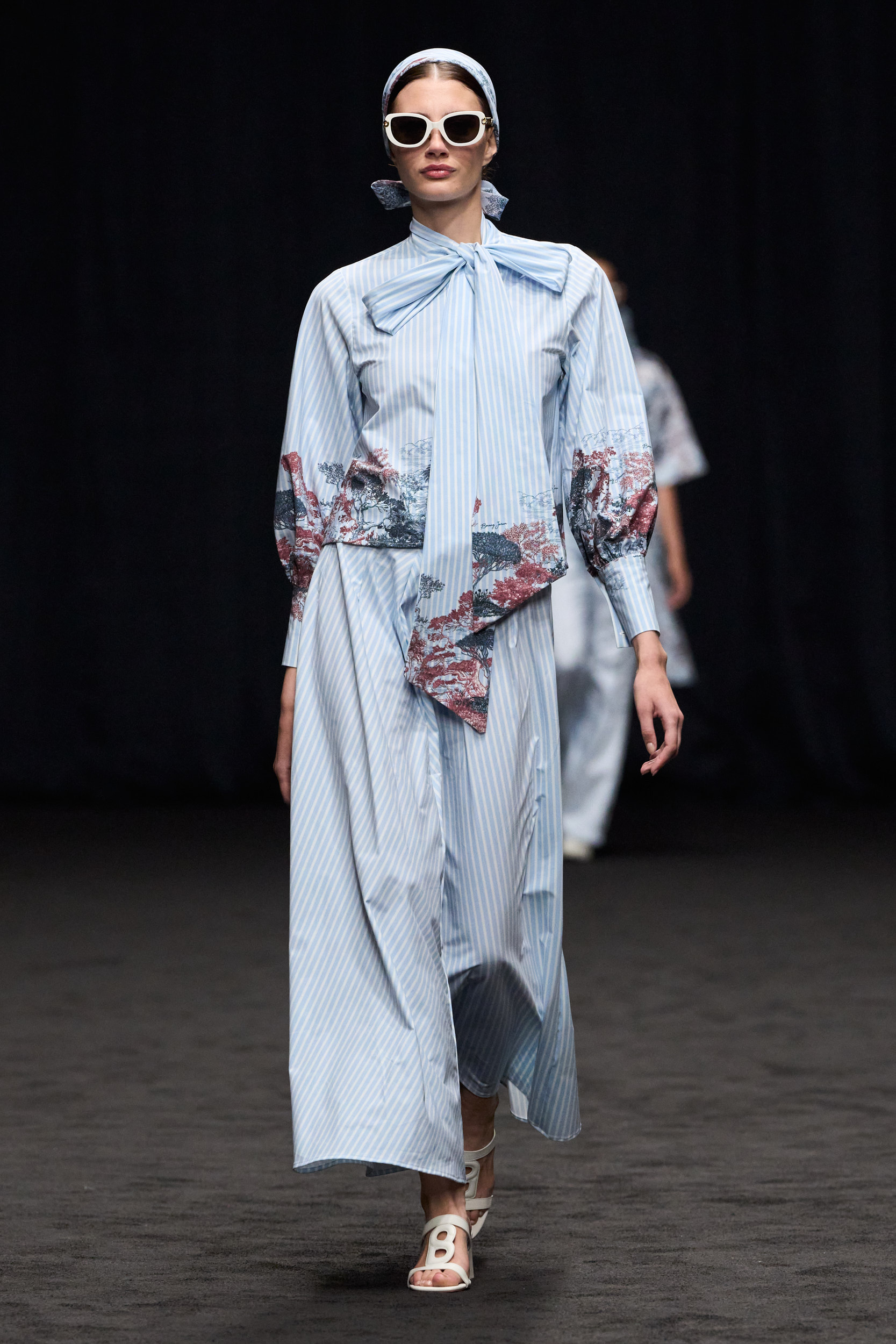
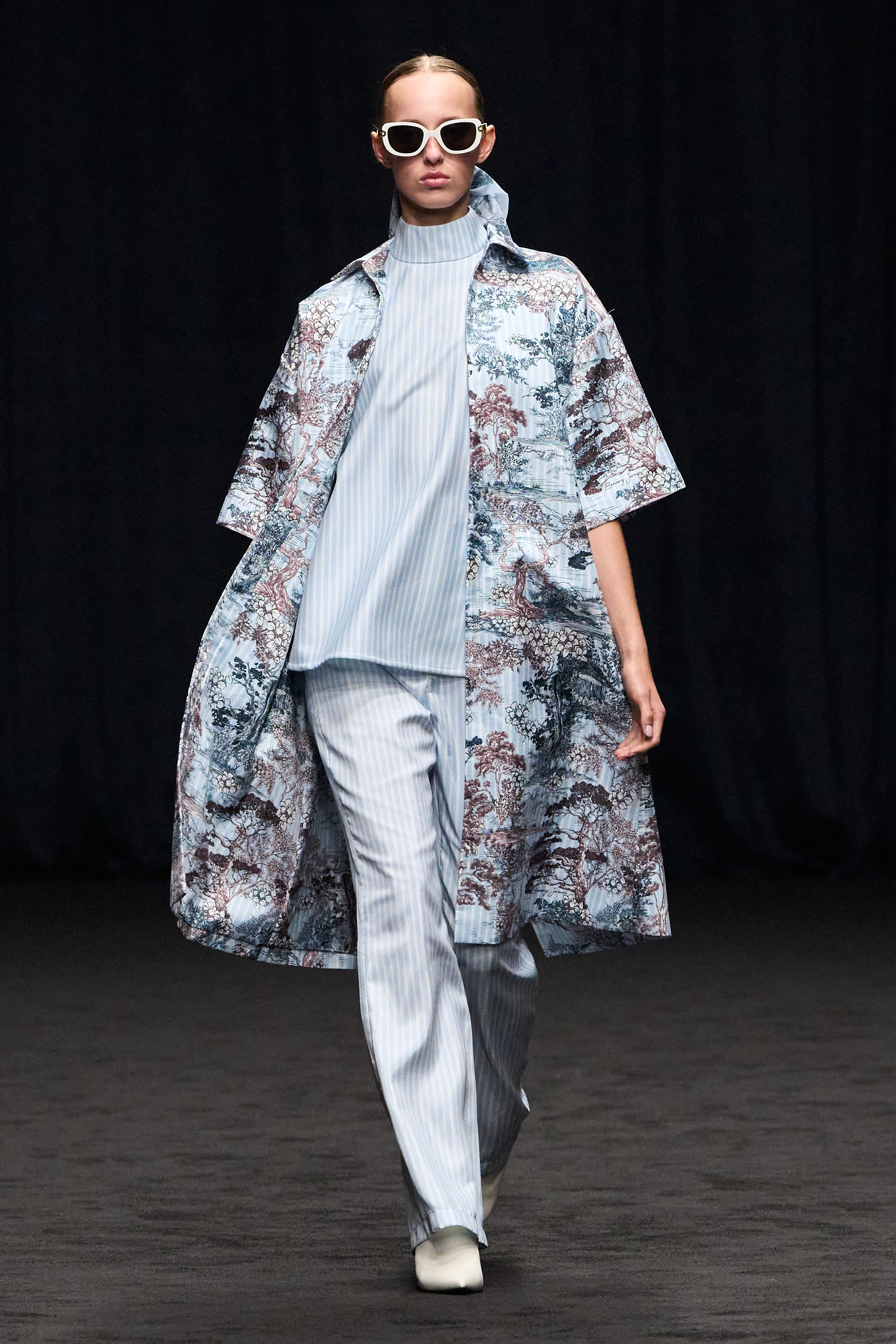
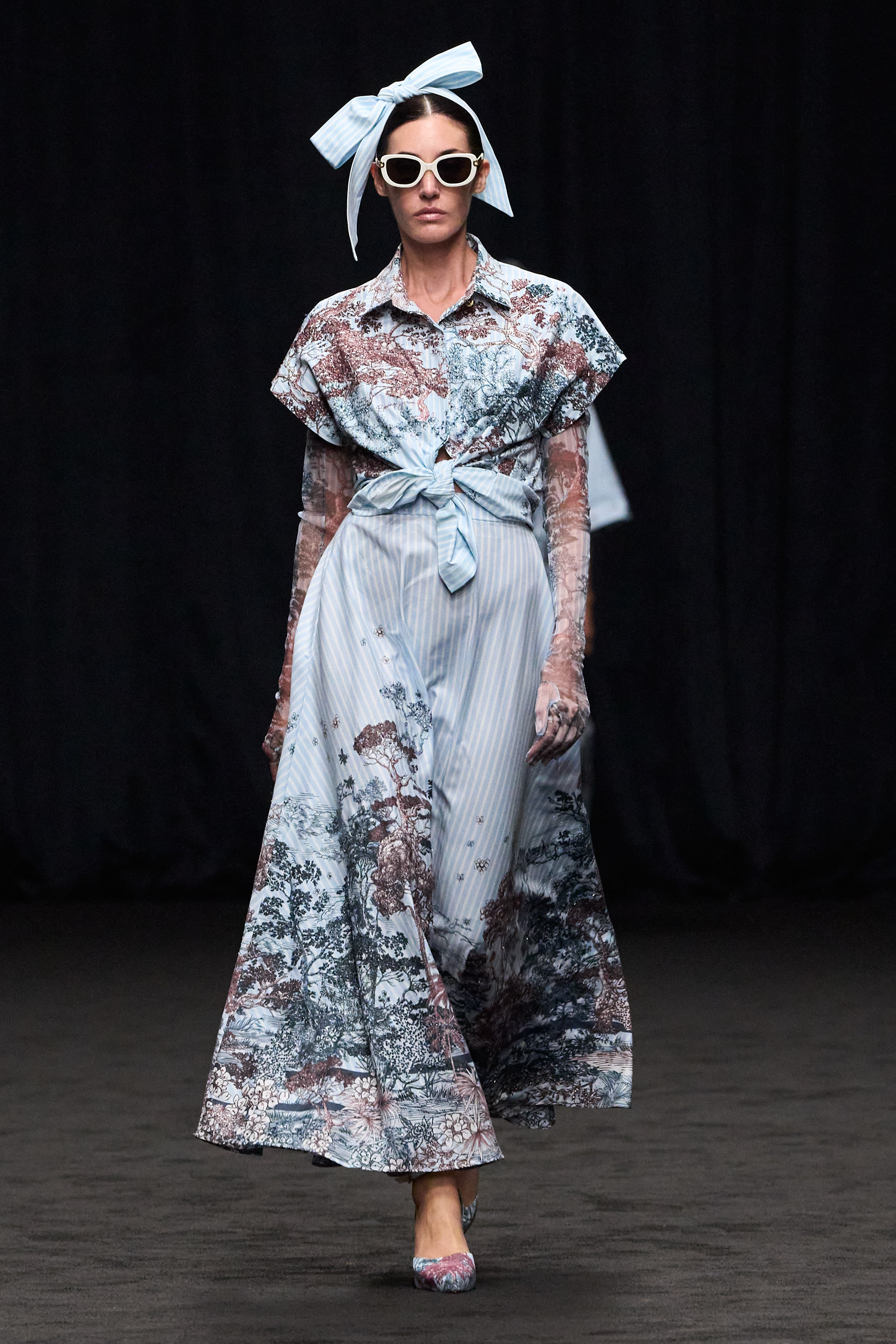
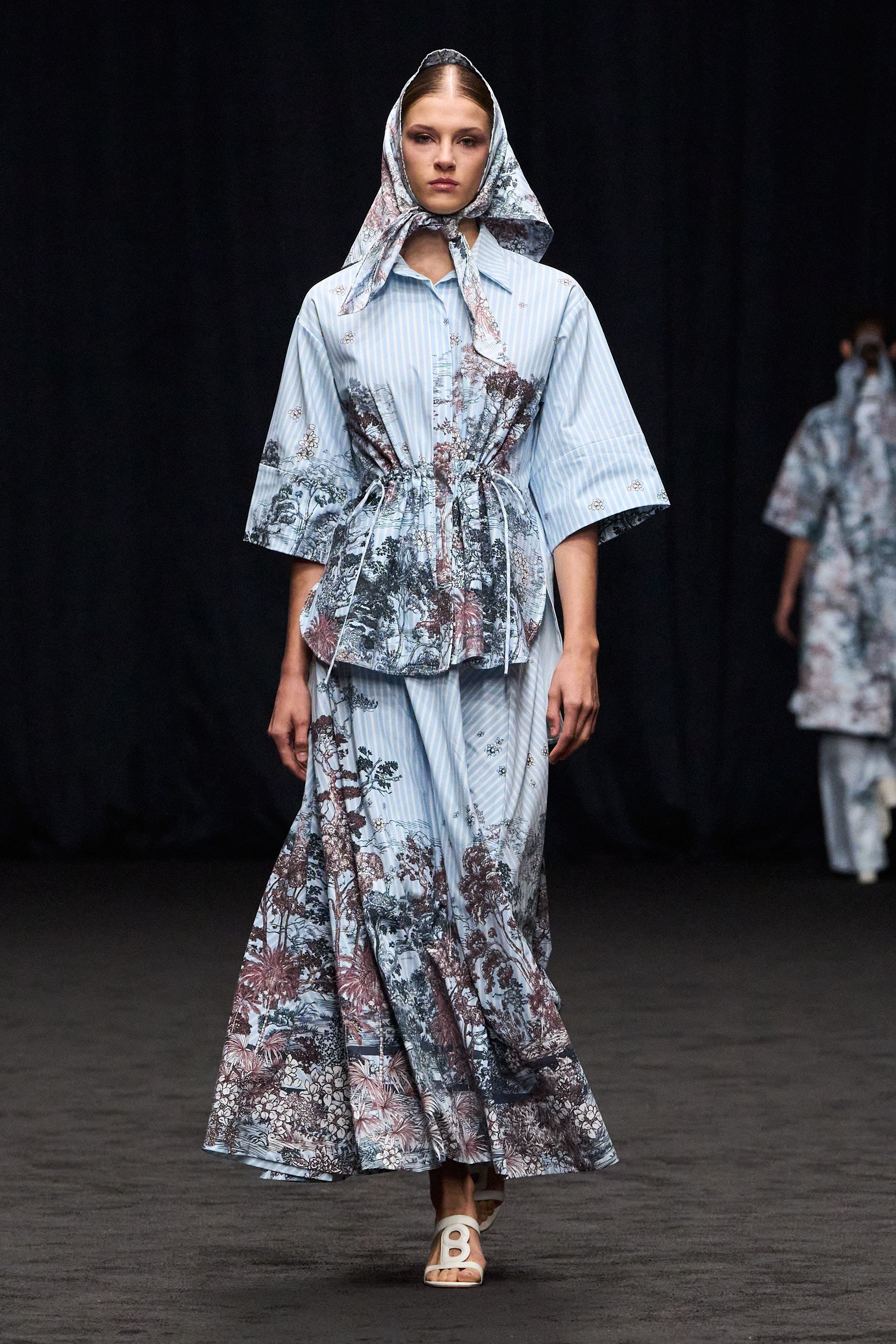
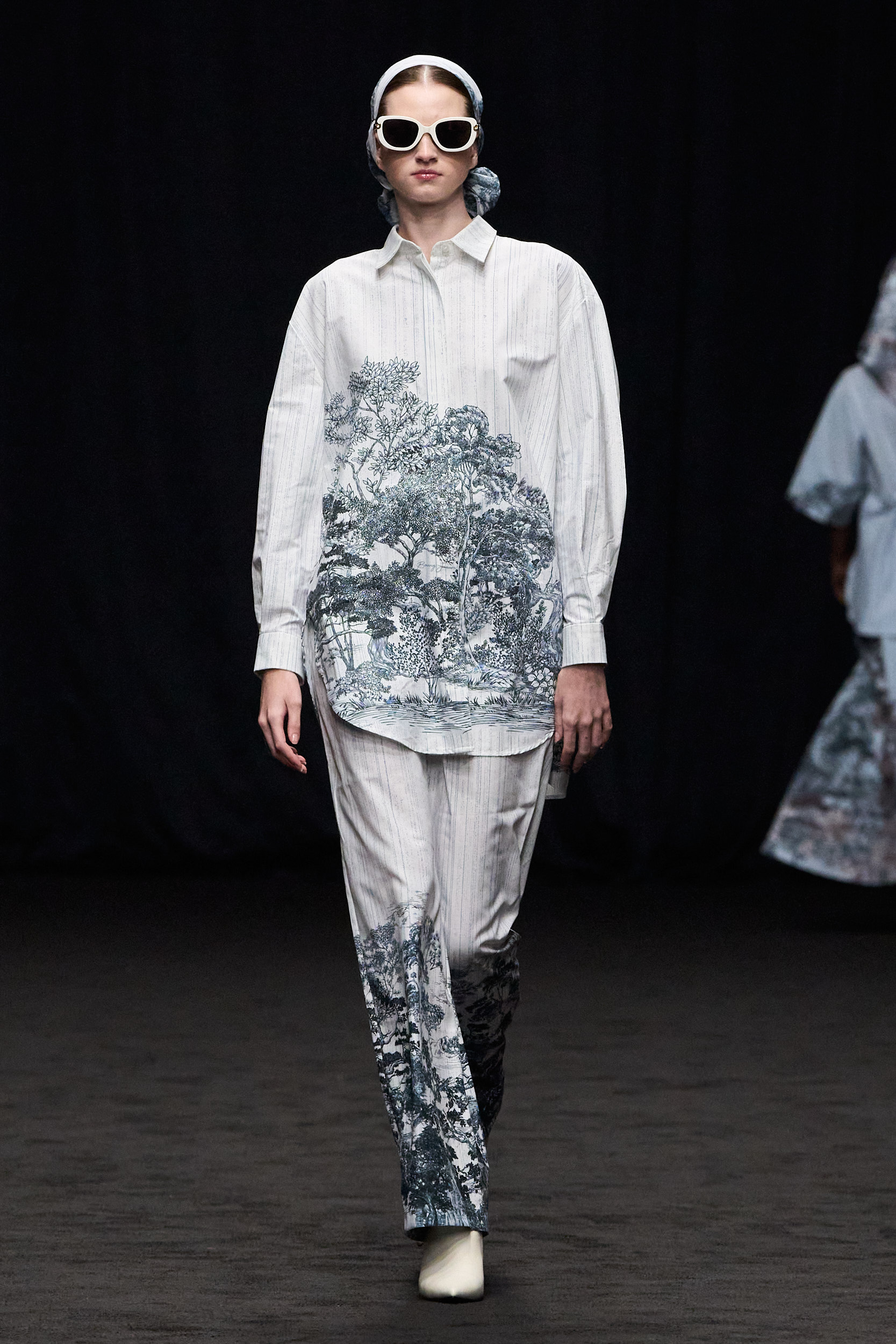
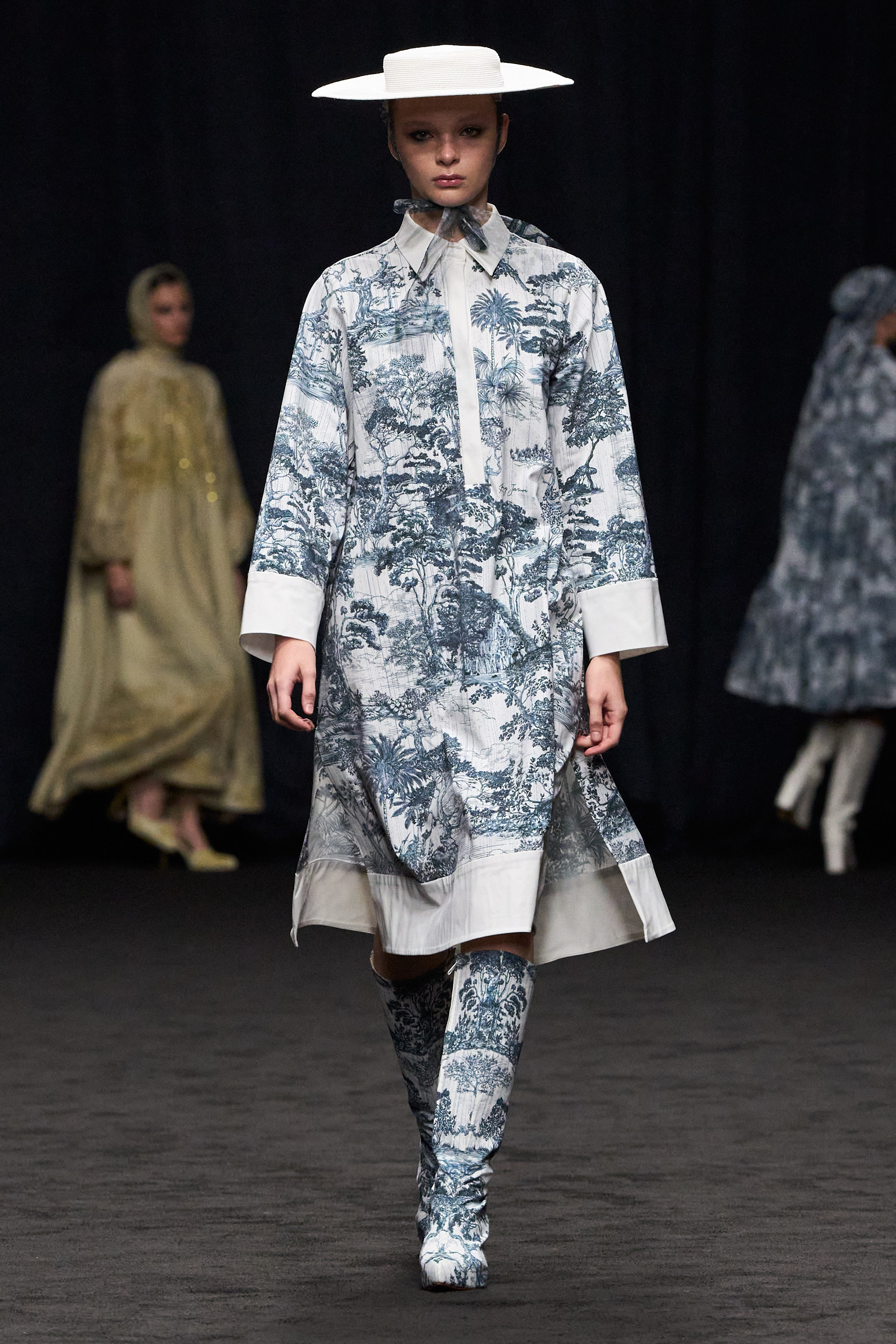
Indonesian label Benang Jarum’s return to Dubai Fashion Week with its Forest Toile collection represents one of the clearest available examples of the structural shift occurring across the global fashion industry: the repositioning of regional craft traditions from a local or niche category into a global design language capable of commanding the highest levels of luxury market attention and commercial investment.
The Forest Toile collection masterfully blended classic toile de Jouy motifs with modern stripes — a juxtaposition that carries genuine intellectual content rather than merely formal interest. The choice to engage with toile de Jouy, one of the most distinctively European of all textile traditions, and to bring it into dialogue with the modern stripe and the specifically Indonesian craft intelligence of Benang Jarum’s embroidery and fabric layering, is a statement about the nature of contemporary luxury design: that the most interesting fashion is produced at the intersections of cultural traditions, not within any single tradition’s inherited language.
The muted palette — carmine rose, powder blue, and French vanilla — serves as the precise sensory environment within which the intricate embroidery carries its full weight. Co-founder Allyssa Hawadi’s attendance at the global showcase underscored the personal investment in craft excellence that distinguishes Benang Jarum from brands that reference Southeast Asian textile heritage without possessing genuine technical mastery within it. The collection’s balance between modesty and the sensuality of feminine design — demonstrating that these values are not in opposition but are, in the most sophisticated design, complementary expressions of the same aesthetic intelligence — connects Benang Jarum directly to the broader cultural movement that Soigné Middle East exists to serve.
The editorial platform that modest luxury deserves — and the specific ways in which Benang Jarum’s design philosophy connects to the broader regional modest fashion ecosystem — is explored in Soigné Middle East: The Modest Fashion Magazine the Region Has Always Deserved: the argument that the creative depth of modest luxury fashion has been systematically undervalued by the mainstream fashion media, and that the brands producing the most sophisticated work in this category are the ones whose design intelligence is rooted in genuine cultural understanding rather than market calculation.
APRIL & ALEX — minimalism, structured elegance, and the quiet luxury of functional design
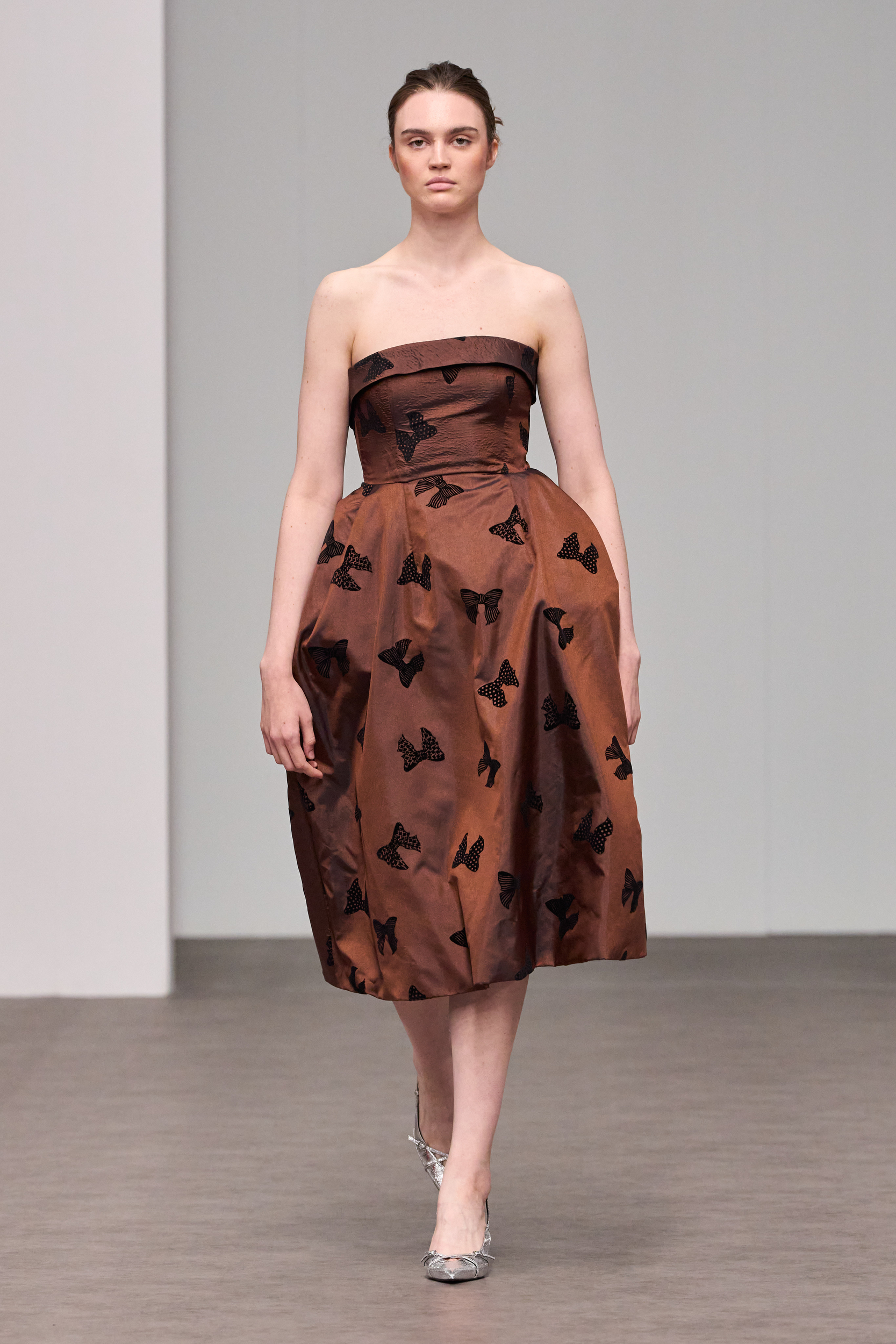
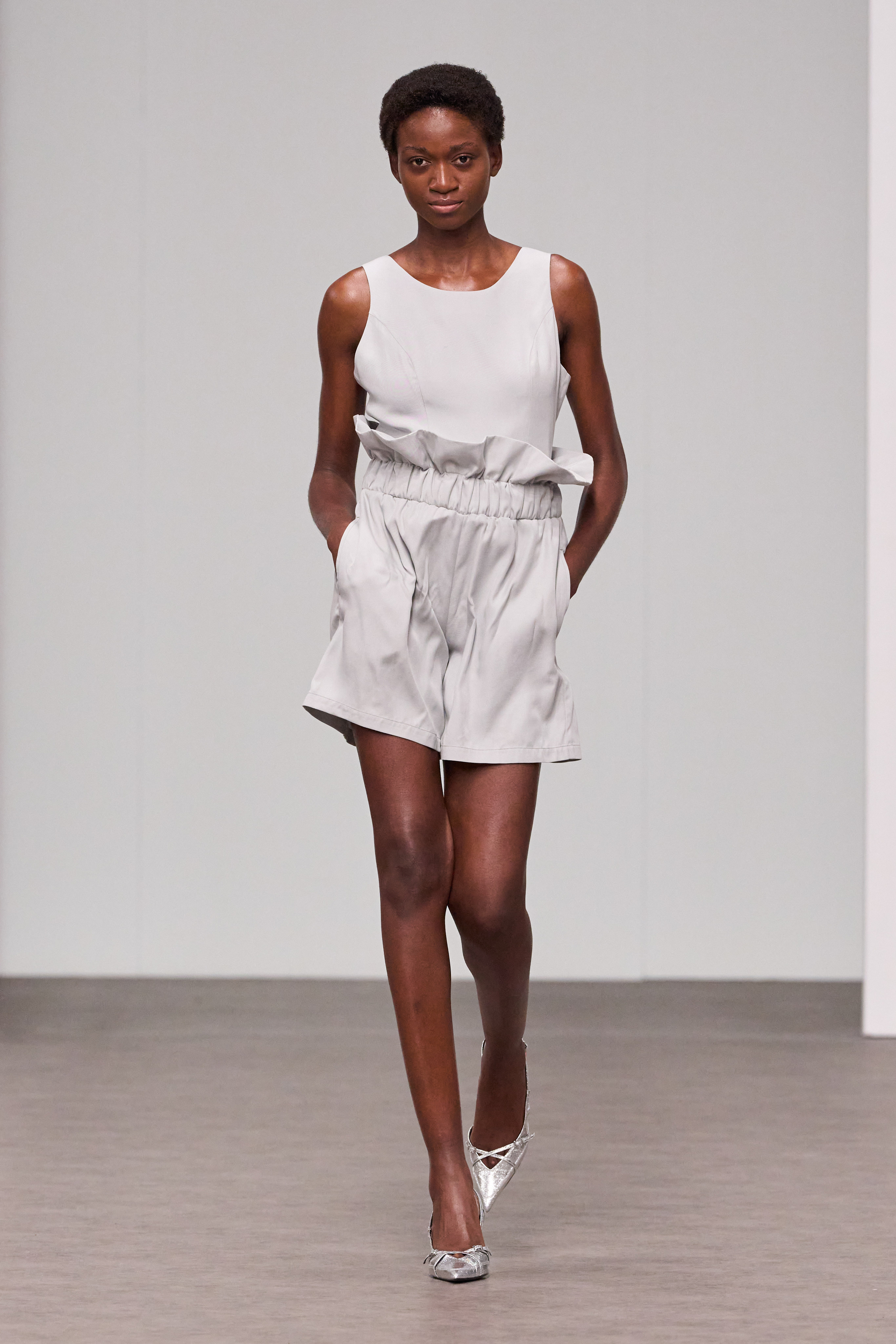
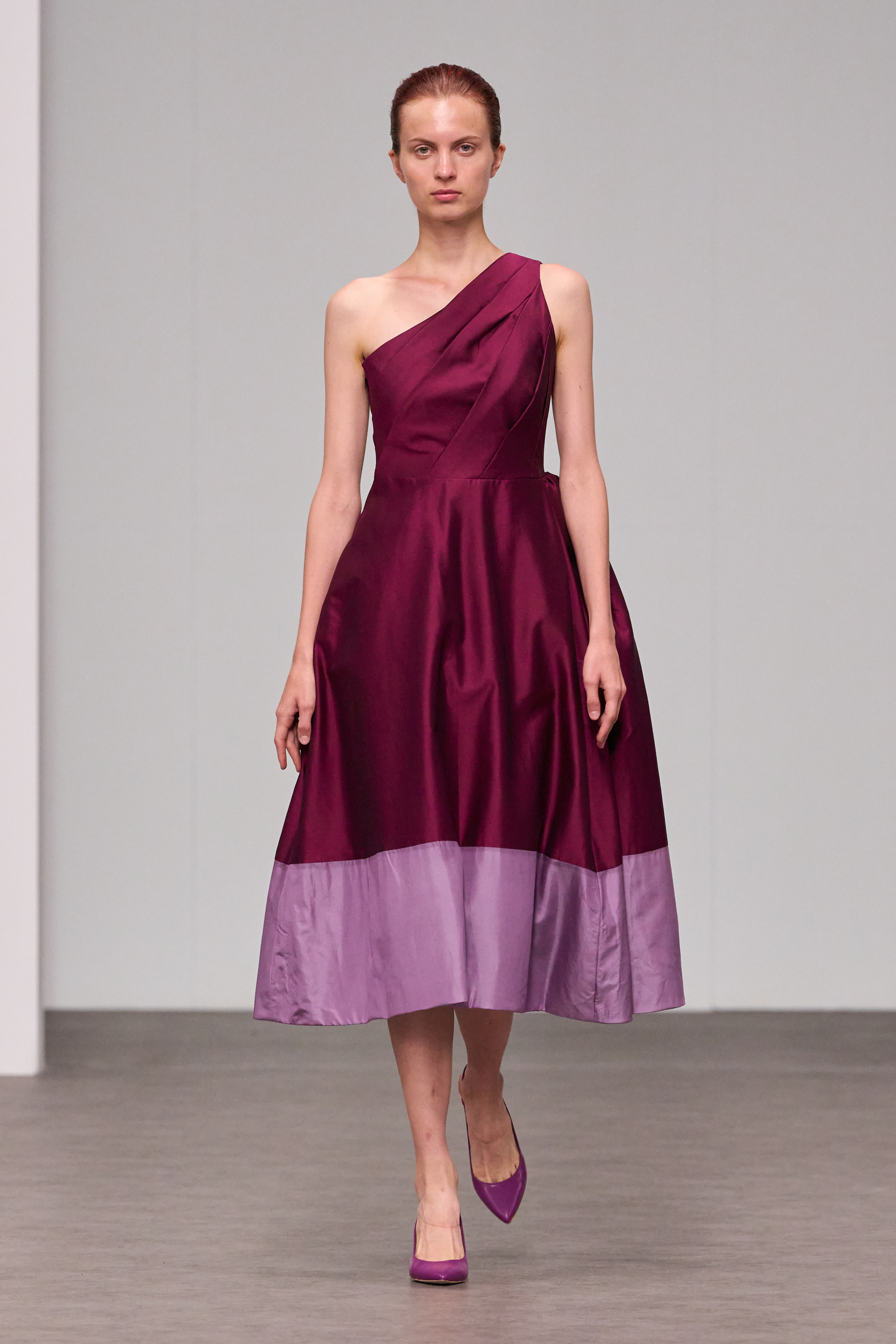
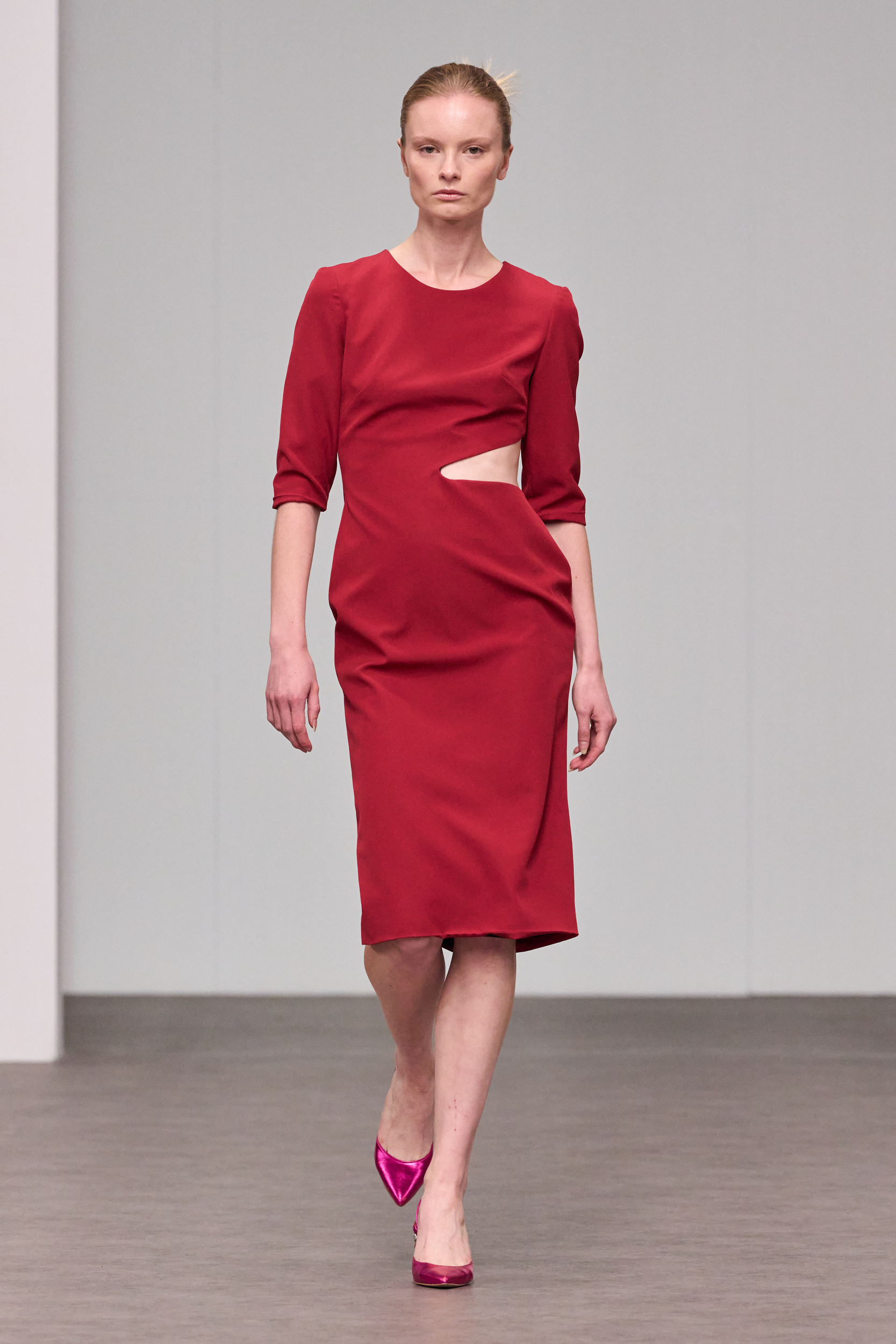
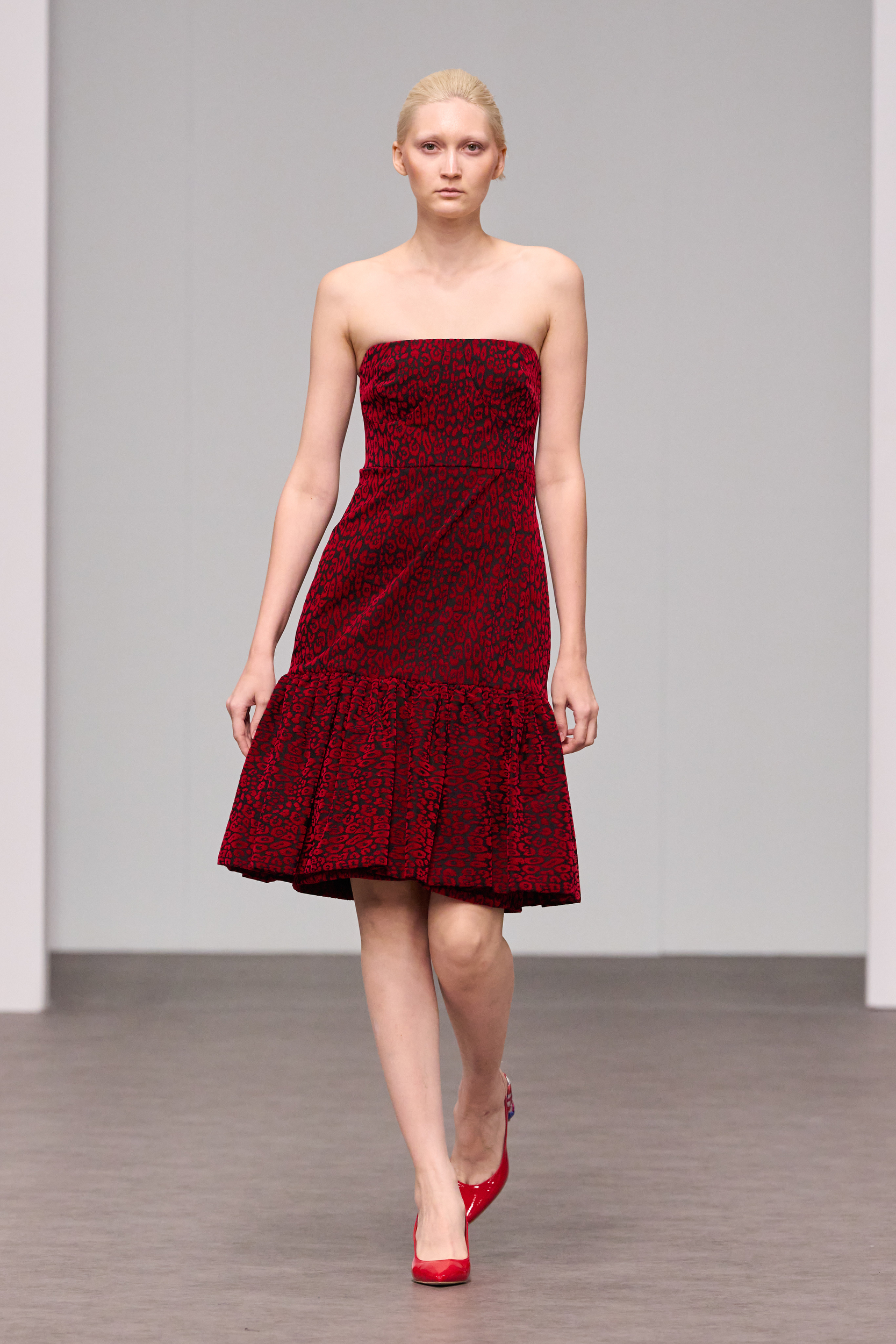
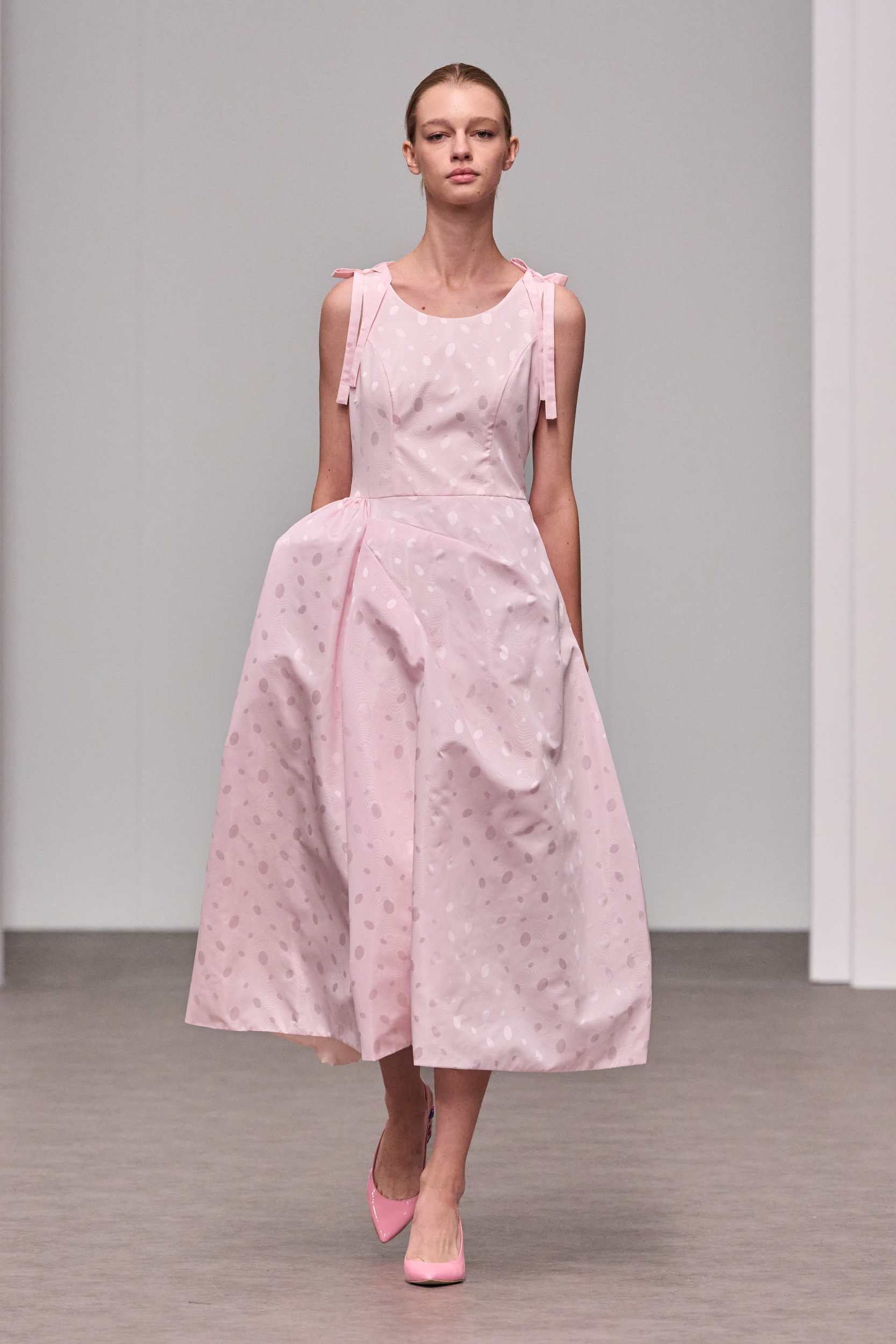
London-based APRIL & ALEX, founded by Nigerian designer Didi Akinyelure, has built a reputation for bold, unapologetic designs that celebrate empowered women through the specific language of structured silhouettes and avant-garde styling. The brand’s most significant contribution to the emerging regional luxury conversation is its articulation of what might be called the practical elegance model: the understanding that the most enduring luxury fashion is the kind designed for the full complexity of modern women’s lives — professional, social, global — rather than for a single context or a single moment of maximum visual impact.
The brand’s strongest collections demonstrate the specific design intelligence that this practical elegance model requires: the capacity to produce garments that read as both architecturally considered and genuinely wearable, that carry the weight of design intention without imposing that intention on the body or the occasion. Structured silhouettes that support rather than restrict. Versatility designed in rather than compromised into. The specific quality of an APRIL & ALEX piece at its best is the quality of something that was made for a woman who has thought carefully about what she needs from the things she wears — and whose standard for luxury is exactly that level of considered design intelligence.
The broader argument that the most enduring fashion choices are those made with genuine self-knowledge — that the quiet luxury sensibility represents not restraint but the confidence to choose precisely — is developed in full in The New Language of Quiet Luxury: Inside the Timeless Wardrobe of Apparis. APRIL & ALEX, at its most considered, is producing exactly this kind of design for exactly this kind of consumer: the woman whose relationship to fashion is defined by how well things work rather than by how visibly impressive they are.
Buttonscarves — modest fashion revolution, lifestyle ecosystem, and the Lucent Dusk collection
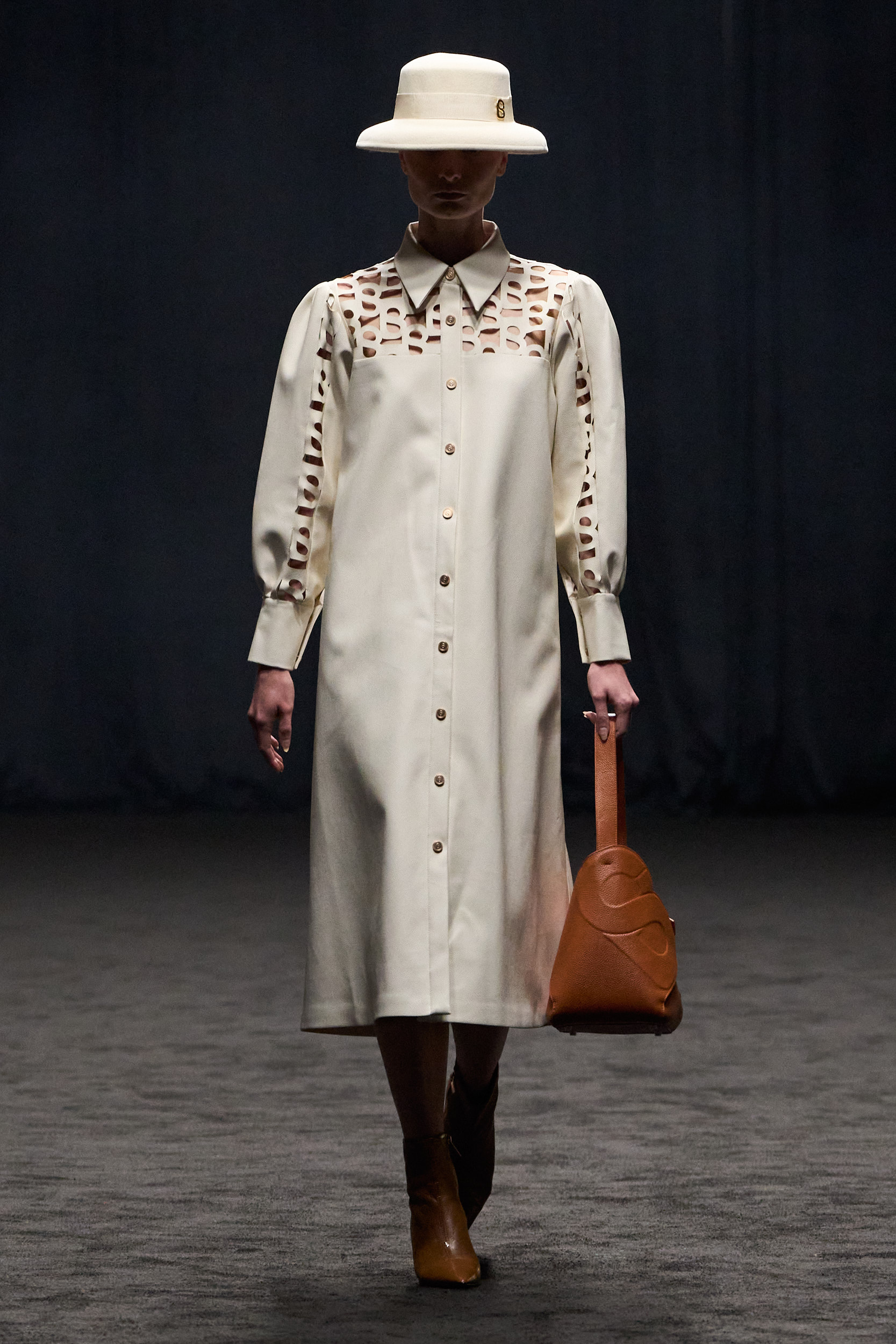
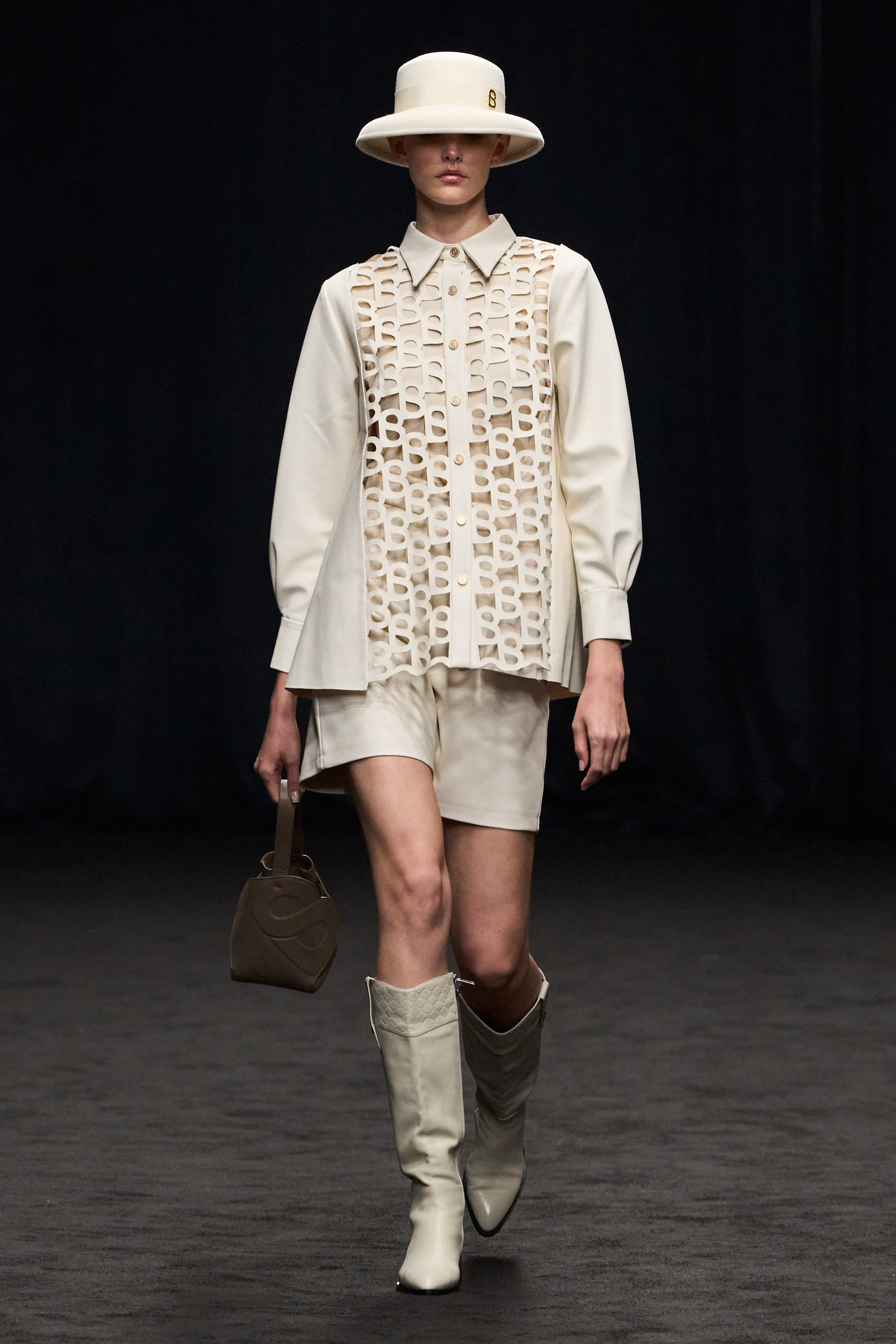
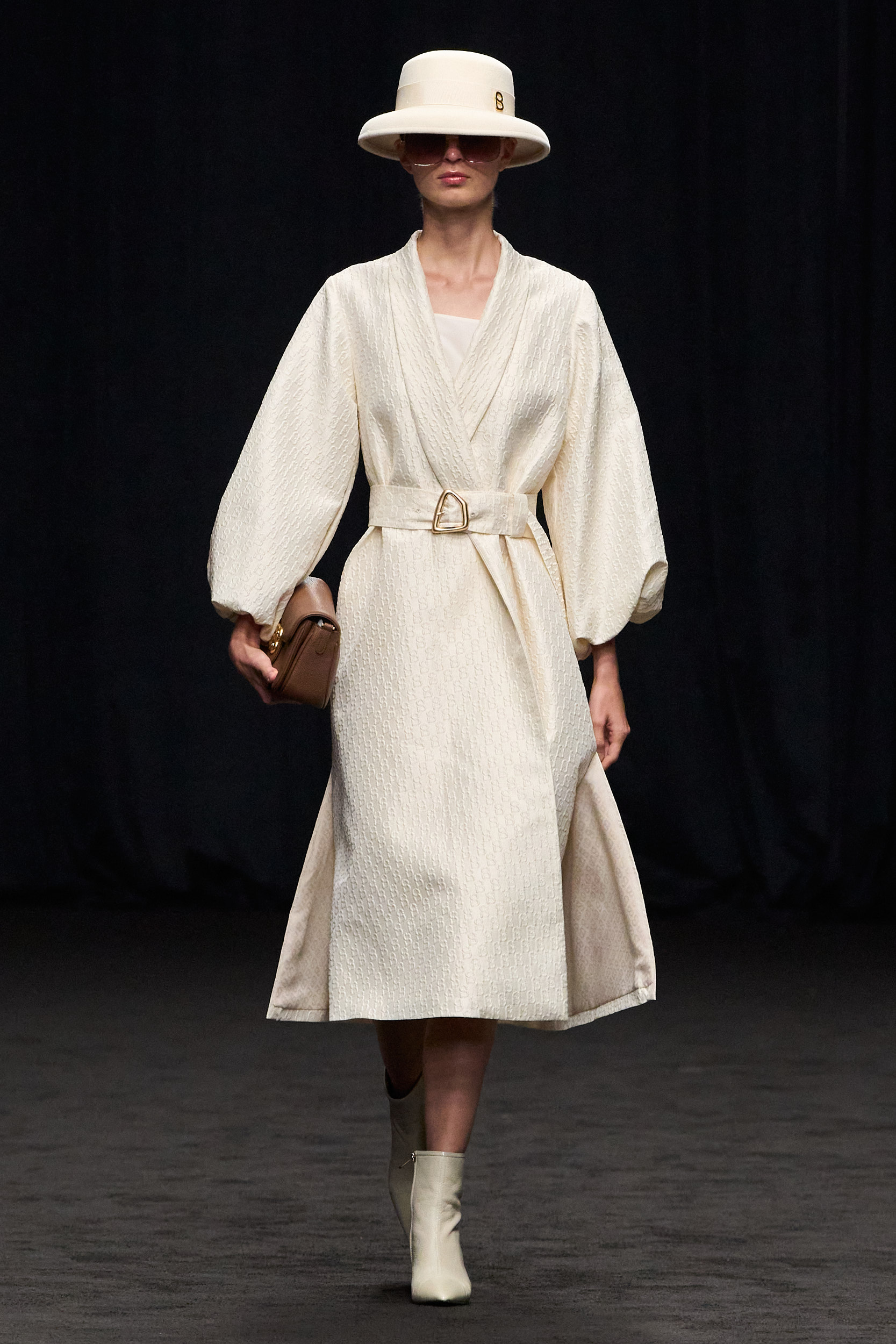
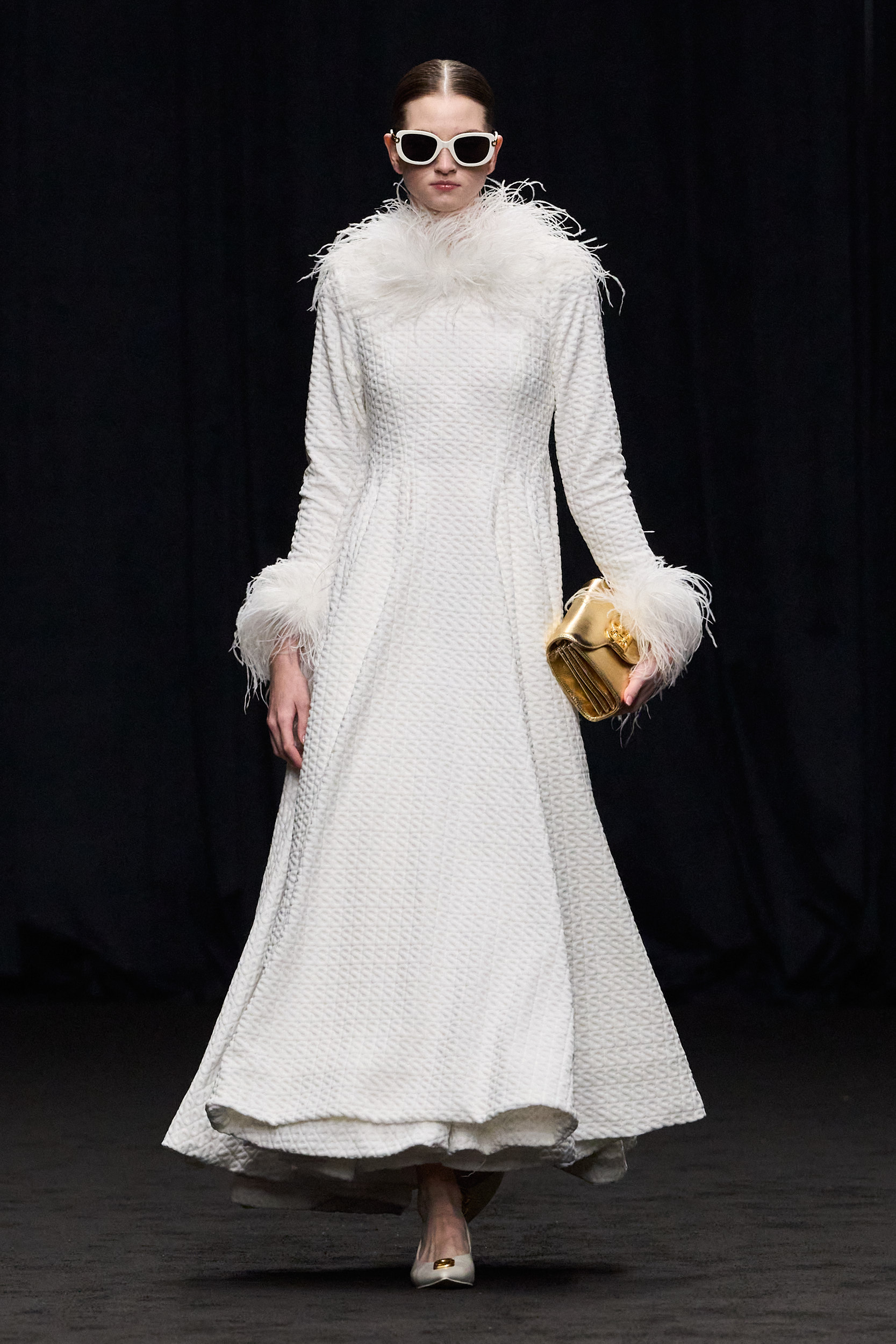
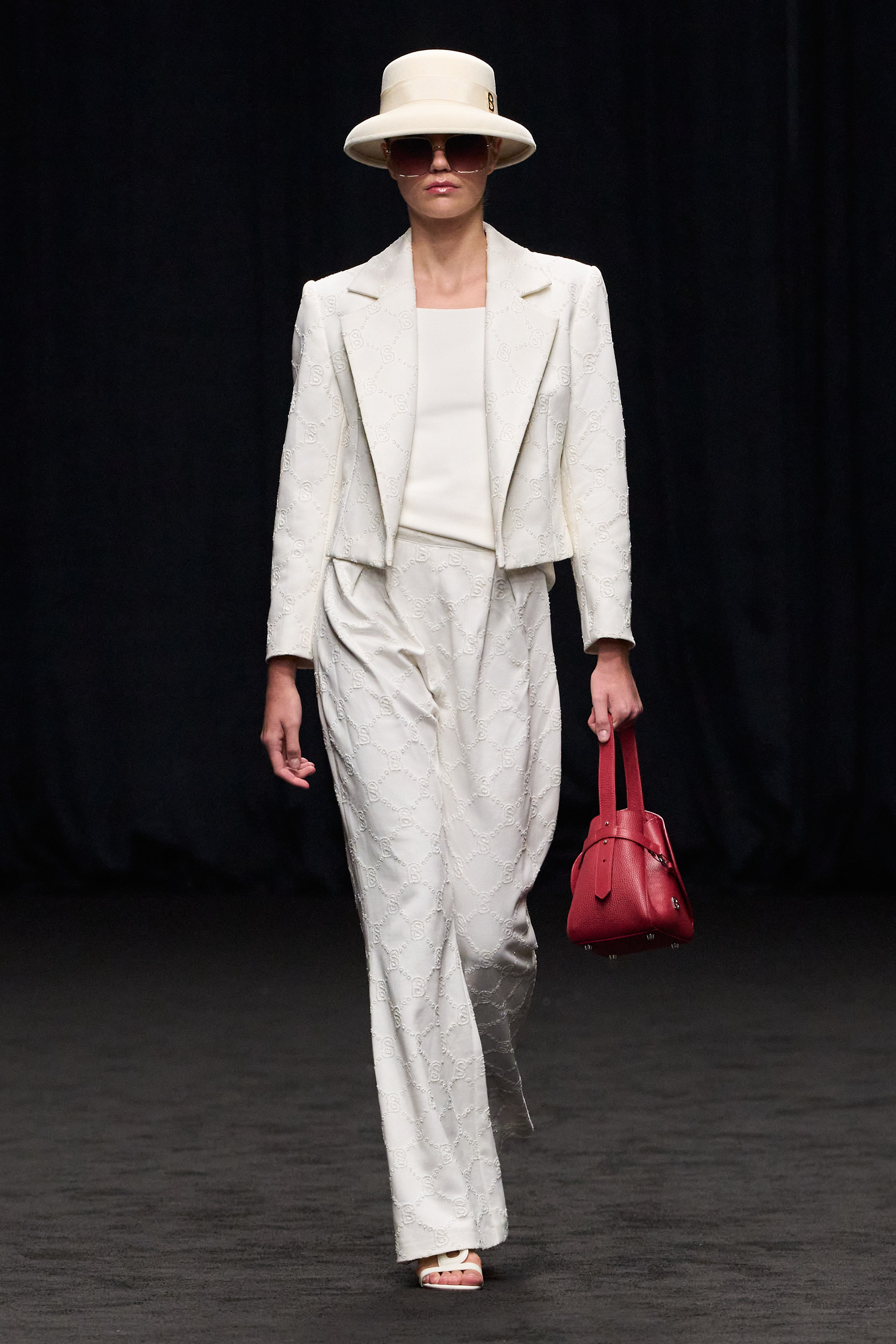
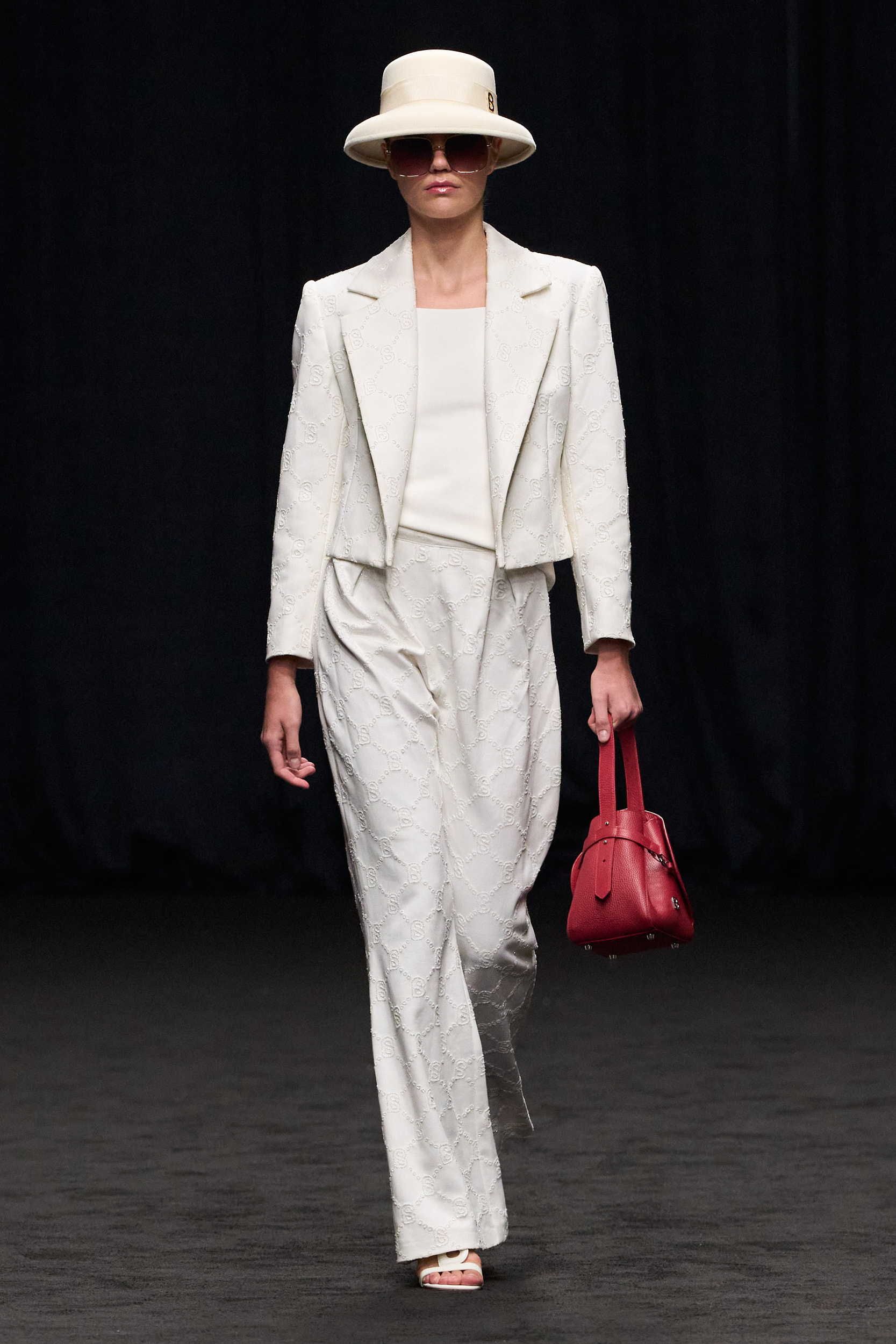
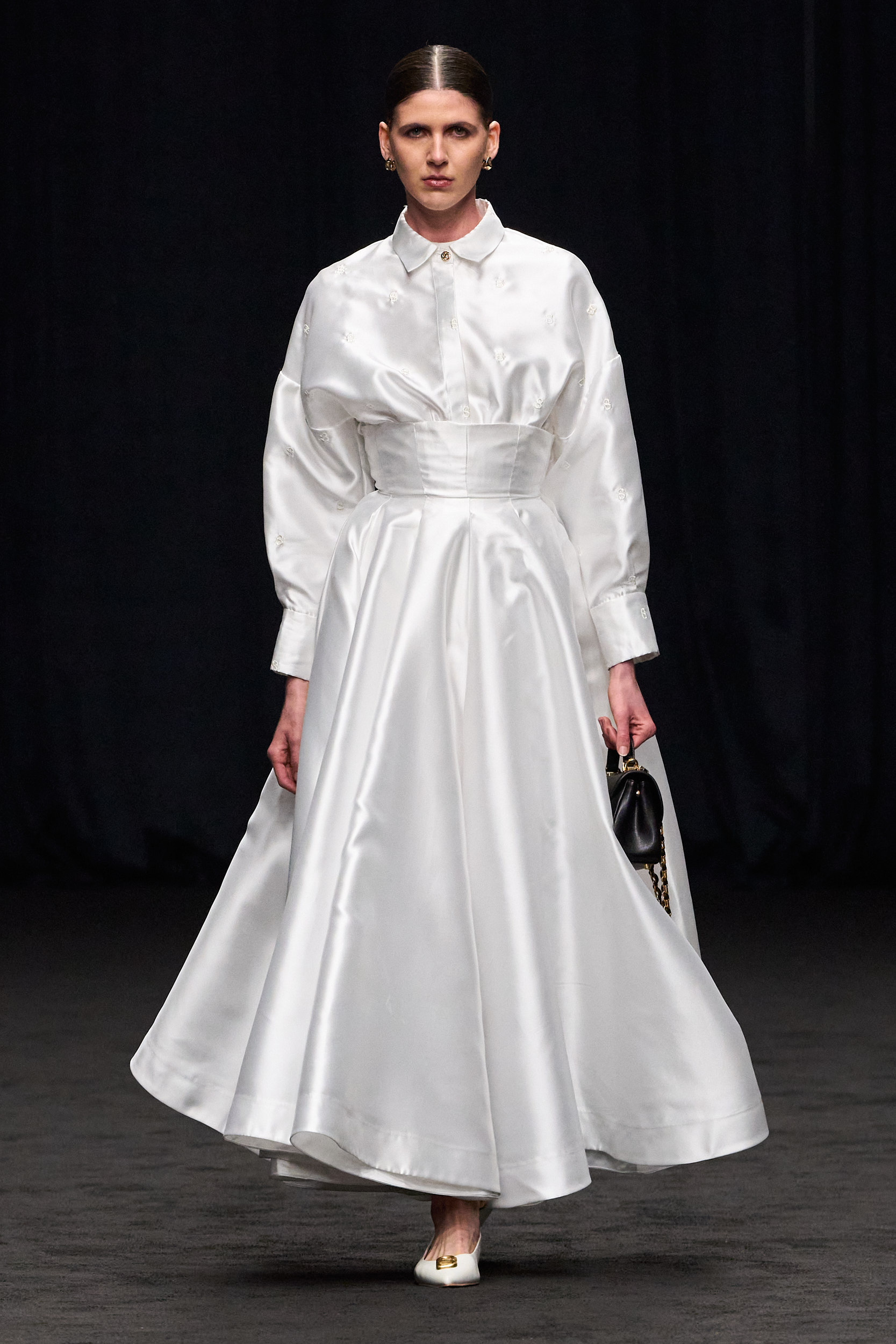
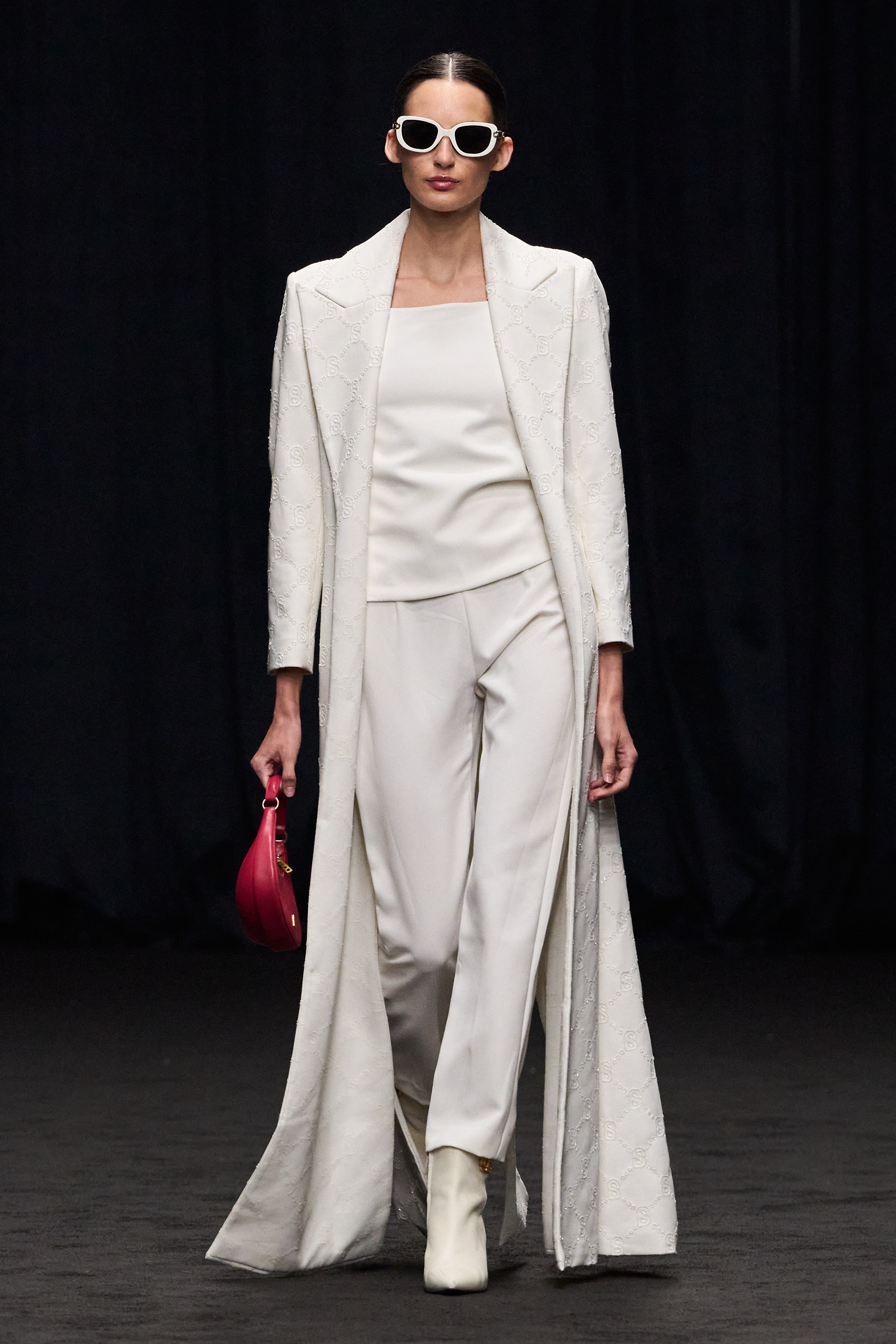
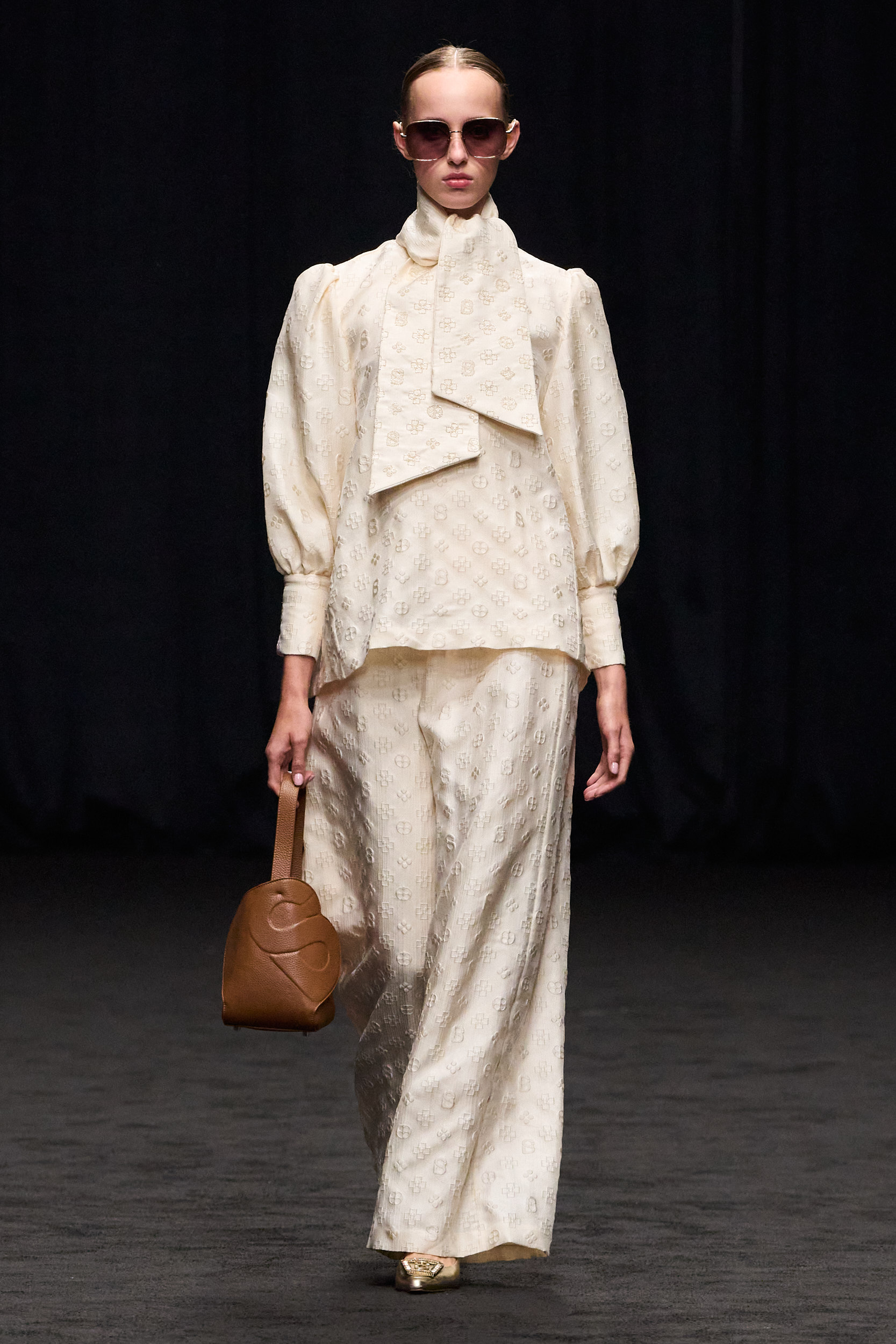
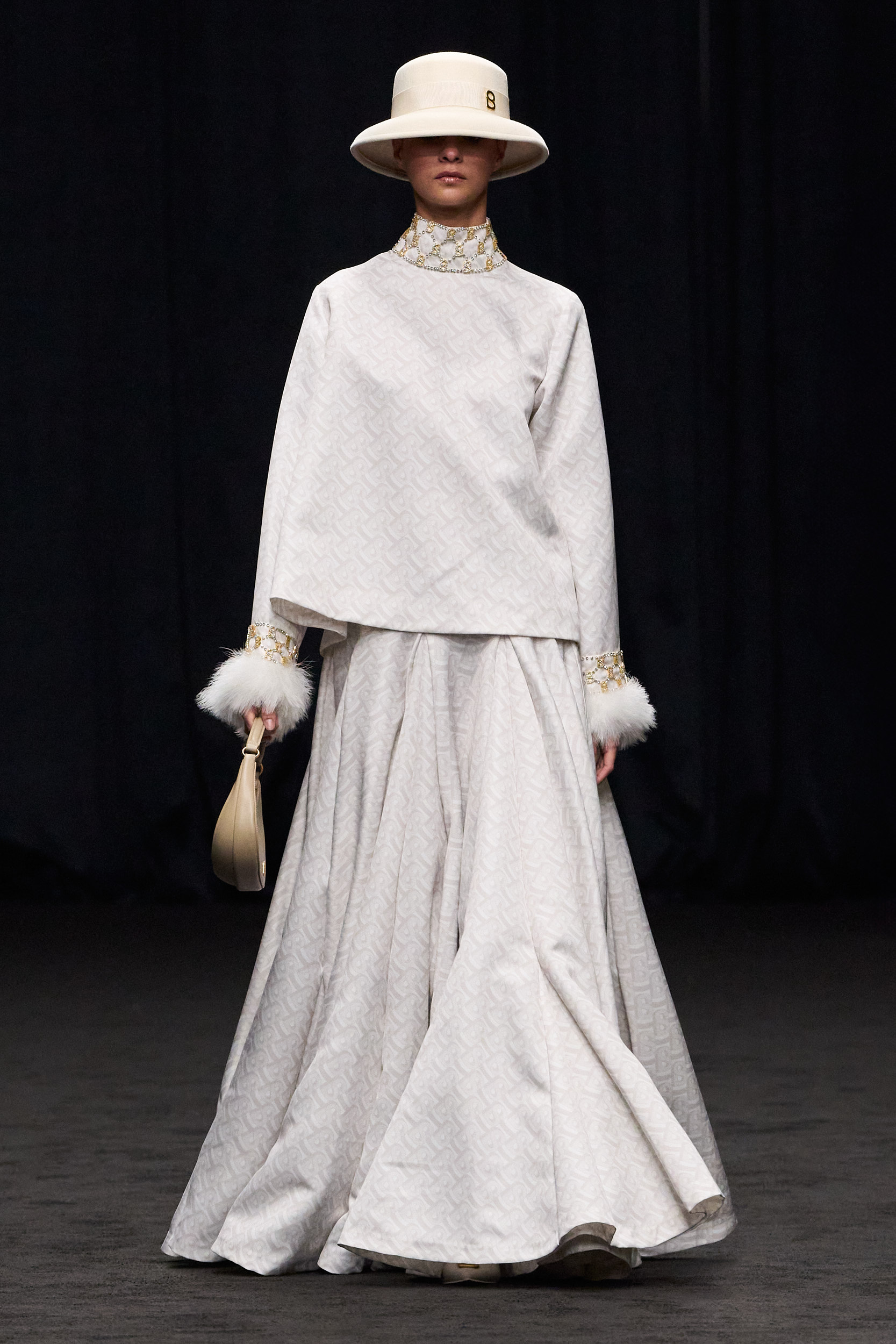
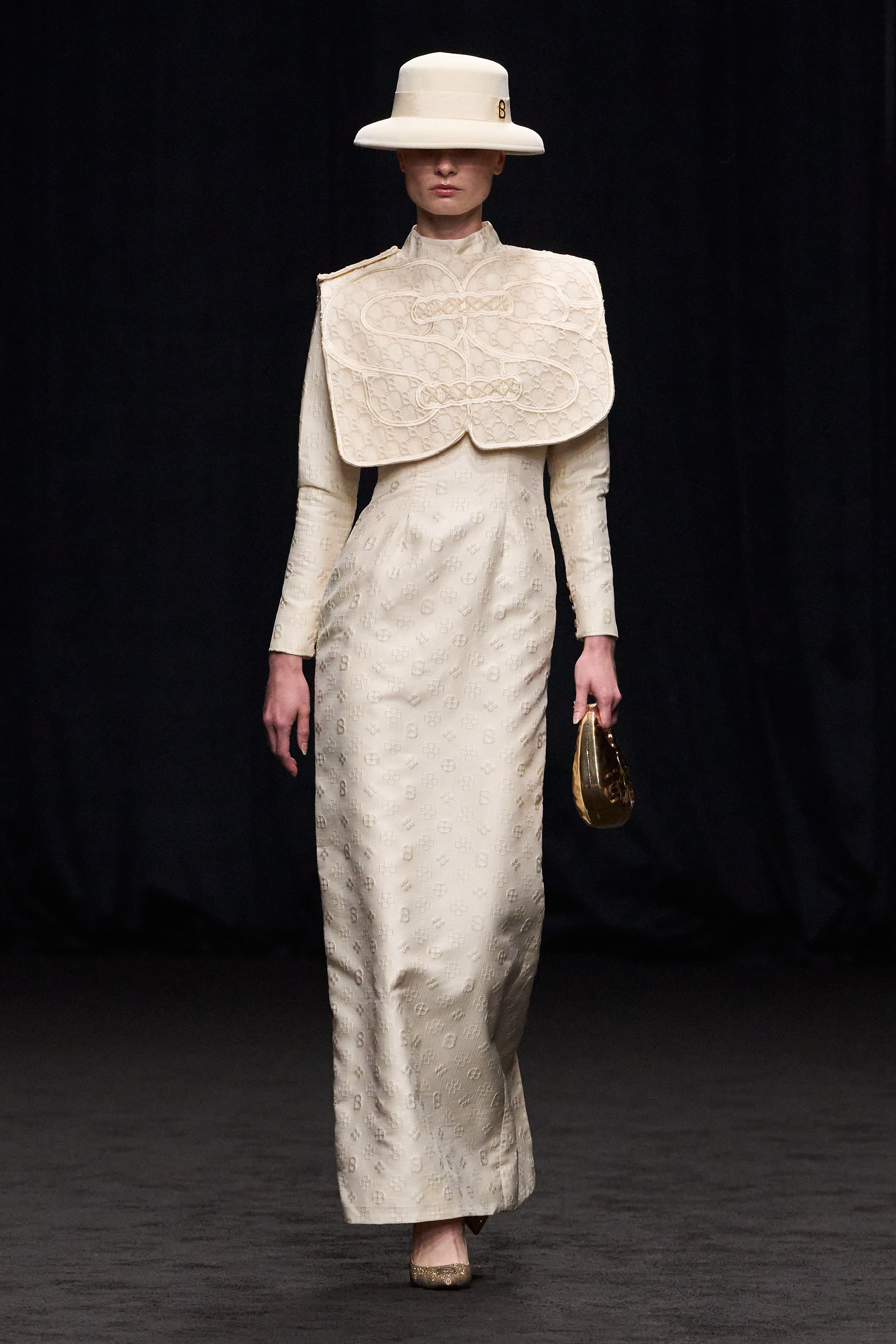
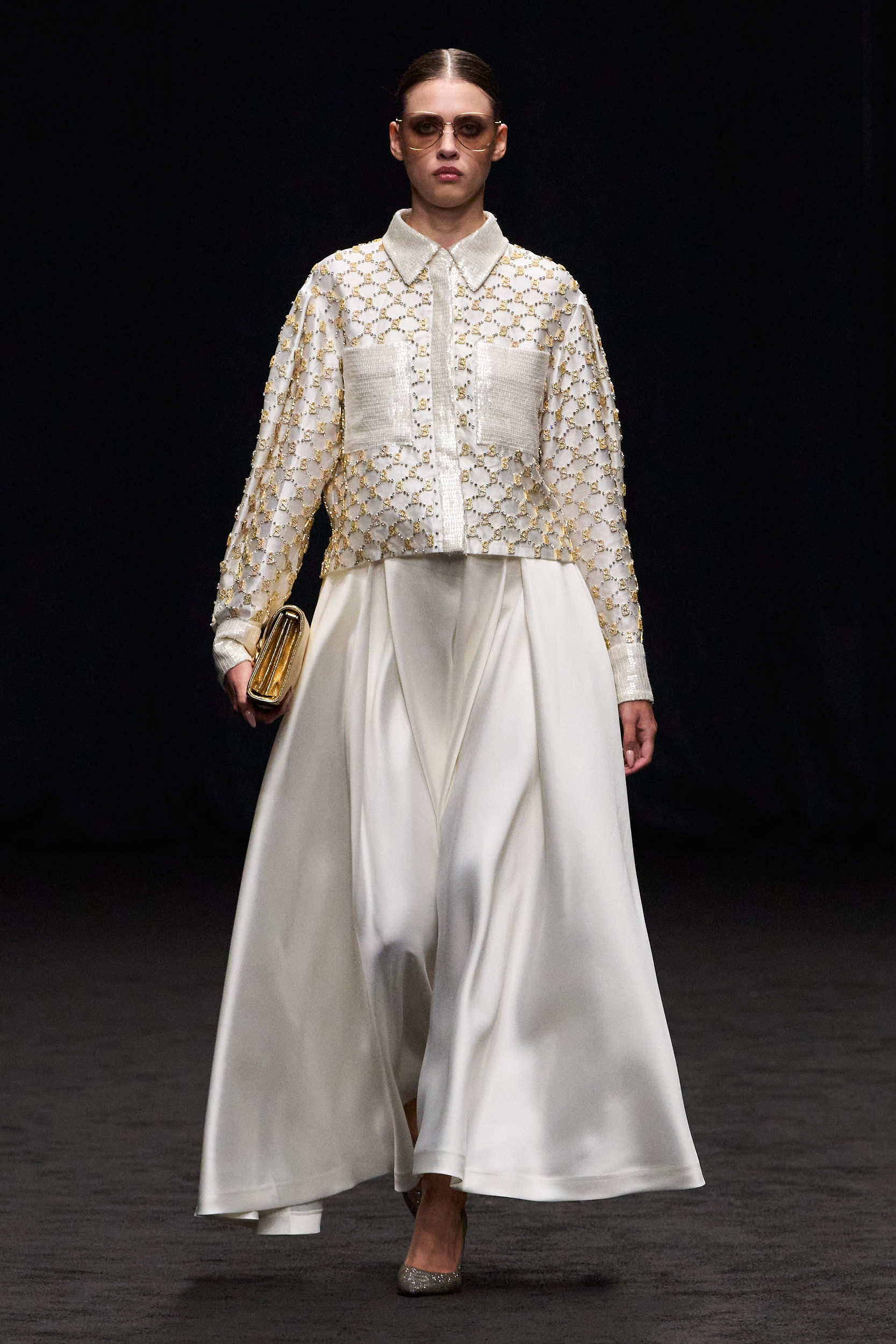
Jakarta-born Buttonscarves’ Lucent Dusk collection at Dubai Fashion Week is the most complete available expression at any regional fashion week of what happens when a modest fashion brand develops the design intelligence, the community infrastructure, and the global cultural connections to transcend the category label entirely and operate as a fully realised luxury lifestyle ecosystem. Attended by the Ambassador of Indonesia to the UAE and featuring a collaboration with Somali-American model and designer Halima Aden, the show was a global statement about the commercial depth and creative ambition of contemporary modest luxury.
The Lucent Dusk collection deployed luxurious fabrics — satin and jacquard — alongside oversized renditions of the brand’s iconic Nina, Mindy, and Beverly bags in a rich, moody palette of deep tones that communicated sophistication without ostentation. The flowing, elegant silhouettes carried the specific quality of garments whose luxury is produced not through complexity but through the precision of proportion, the quality of the material, and the confidence of the design decision. These are not pieces that require explanation or context. They announce themselves through the specific quality of presence that the most considered luxury always produces — the sense that everything is exactly as it should be, without effort, without strain.
Halima Aden’s collaboration with Buttonscarves is commercially and culturally significant beyond its individual contribution to the collection. Aden has been among the most visible forces in the global repositioning of modest fashion from a niche market category into a mainstream luxury conversation — her presence in this space represents not merely personal advocacy but a structural shift in how the global fashion industry understands its own audience. Her collaboration with Buttonscarves brings the minimalist elegance and clean lines that recall the best of European luxury — the Dior reference is apt — into a design language that is simultaneously rooted in the specific cultural identity of the community the brand serves. This is the most sophisticated form of luxury translation: not the adoption of European design codes but their incorporation into an aesthetic language that is fully and genuinely its own.
Buttonscarves’ transformation from an accessory brand into a lifestyle ecosystem — community-driven identity model, digital-first engagement, brand storytelling architecture that extends well beyond the product into the values and relationships that define the brand’s cultural meaning — represents the commercial model that the most forward-thinking emerging luxury brands across all categories are developing. As Harper’s Bazaar’s analysis of modest fashion’s global cultural movement and Vogue’s analysis of modest fashion’s evolution into a global luxury brand category together document, the brands achieving the most durable commercial positions in this market are those that understand community as a design resource — those whose relationships with their consumers are as carefully considered as their garments.
The new regional luxury axis — Southeast Asian design, Middle Eastern retail power, and the redistribution of fashion authority
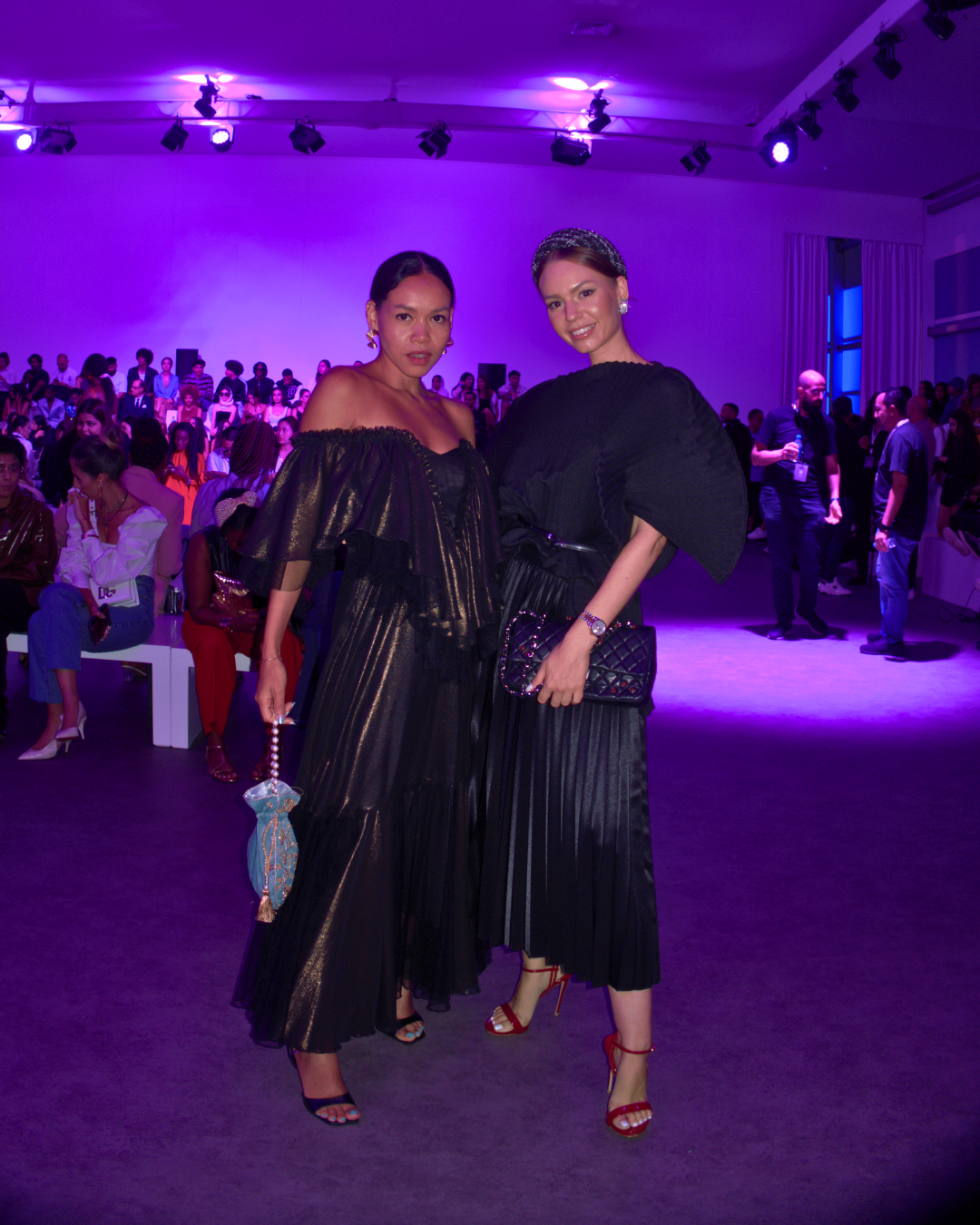
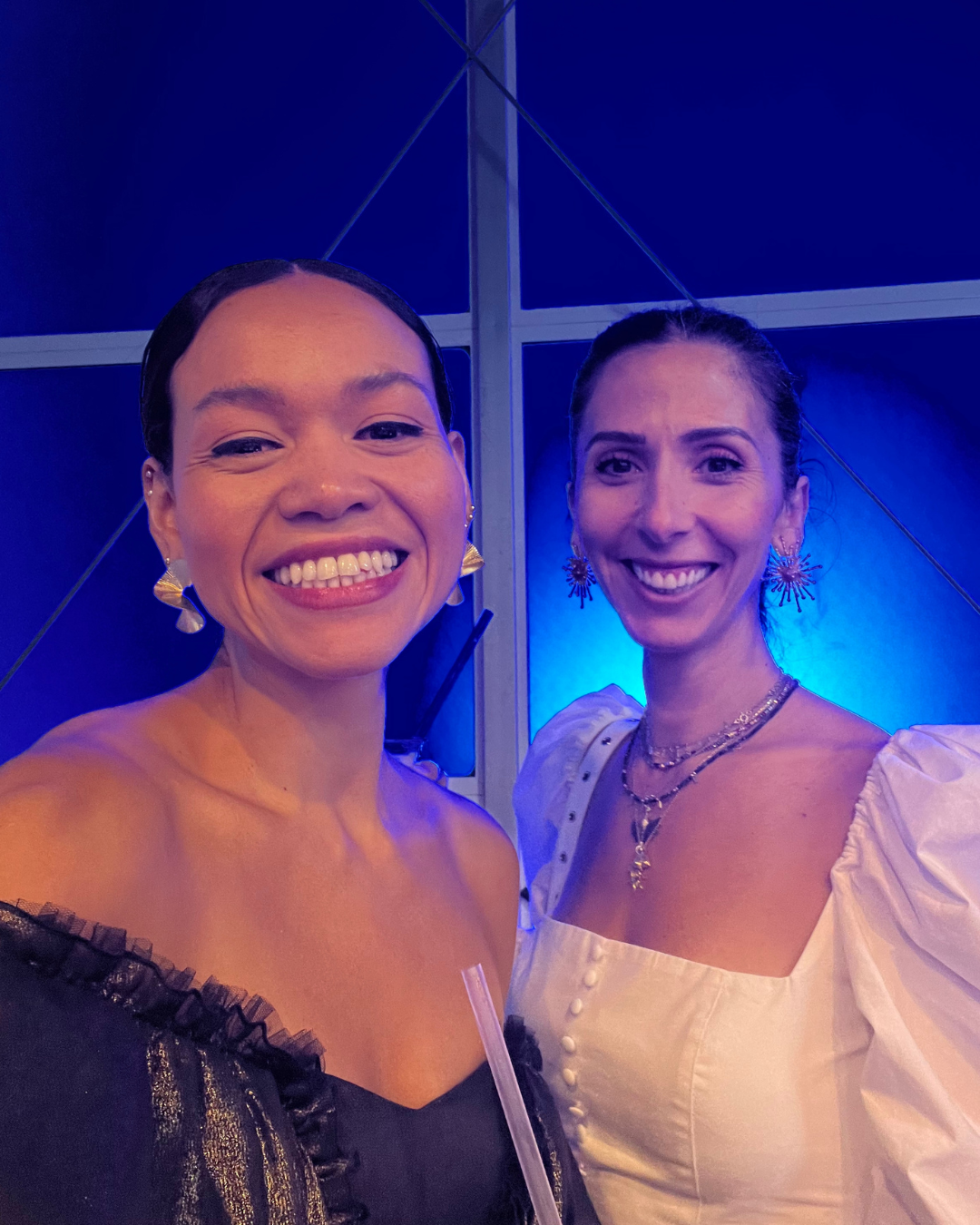
The five brands examined in this editorial are not individual design stories. They are evidence of a structural shift in how global fashion authority is distributed — a shift whose direction has been clear for some time but whose pace is accelerating through the specific commercial and institutional infrastructure that Dubai Fashion Week provides for its most significant emerging regional voices.
The new regional luxury axis that these brands collectively represent connects Southeast Asian design intelligence — Benang Jarum’s craft heritage, Buttonscarves’ community-rooted modest luxury — with Middle Eastern retail power, Gulf consumer sophistication, and the global appetite for identity-driven fashion that the most commercially engaged contemporary luxury consumers are expressing with increasing clarity and commercial consequence. This is not a niche market development. It is a mainstream luxury market reconfiguration whose velocity is being most clearly measured at Dubai Fashion Week.
Dubai’s function in this reconfiguration is not merely geographical — not the city in the middle but the institutional orchestration engine explored across this site’s coverage of how Dubai’s most significant lifestyle, hospitality, and creative platforms function as commercial acceleration infrastructure. The New Geography of Experiential Luxury Dining in Dubai documents the same institutional logic in the hospitality context: Dubai’s function as a cultural amplification engine that imports global formats, increases their aesthetic intensity, and positions them within luxury ecosystems that produce commercial outcomes no other city can replicate at the same speed. Dubai’s function in fashion authority redistribution — not simply the city in the middle, equidistant between the design communities of Southeast Asia and the retail markets of the Gulf. It is institutional: the specific combination of buyer access, retail partner infrastructure, media amplification, and regulatory support for creative industries that makes Dubai Fashion Week the most commercially productive single platform available to emerging regional luxury brands seeking to translate genuine creative authority into global commercial scalability.
The future that REBORN, Born In Exile, Benang Jarum, APRIL & ALEX, and Buttonscarves represent — and that Dubai Fashion Week is actively accelerating — is a fashion industry in which the most significant creative intelligence is distributed across a wider geographic and cultural range than any previous era has accommodated. The consumer who chooses a Buttonscarves piece for its community rootedness, a Benang Jarum garment for its craft depth, a REBORN piece for its investment-grade sustainability, or a Born In Exile garment for its cultural narrative is not making a compromise. They are making a more sophisticated choice than the one the legacy fashion system was designed to offer them — a choice that reflects genuine self-knowledge about what they value in fashion and why. This is the specific quality of demand that the most significant emerging regional luxury brands are producing: not the aspiration toward a standard set elsewhere, but the confidence of a consumer who knows that what they are choosing is the most considered available option for who they are., and in which the institutional infrastructure to support and amplify that intelligence exists outside the traditional European fashion capital axis. As McKinsey’s State of Fashion analysis consistently identifies, the most significant growth in global luxury is coming from exactly the markets, communities, and aesthetic languages that the established fashion system was built to serve last. Dubai Fashion Week is the most important available institution for ensuring that those communities and languages do not wait.
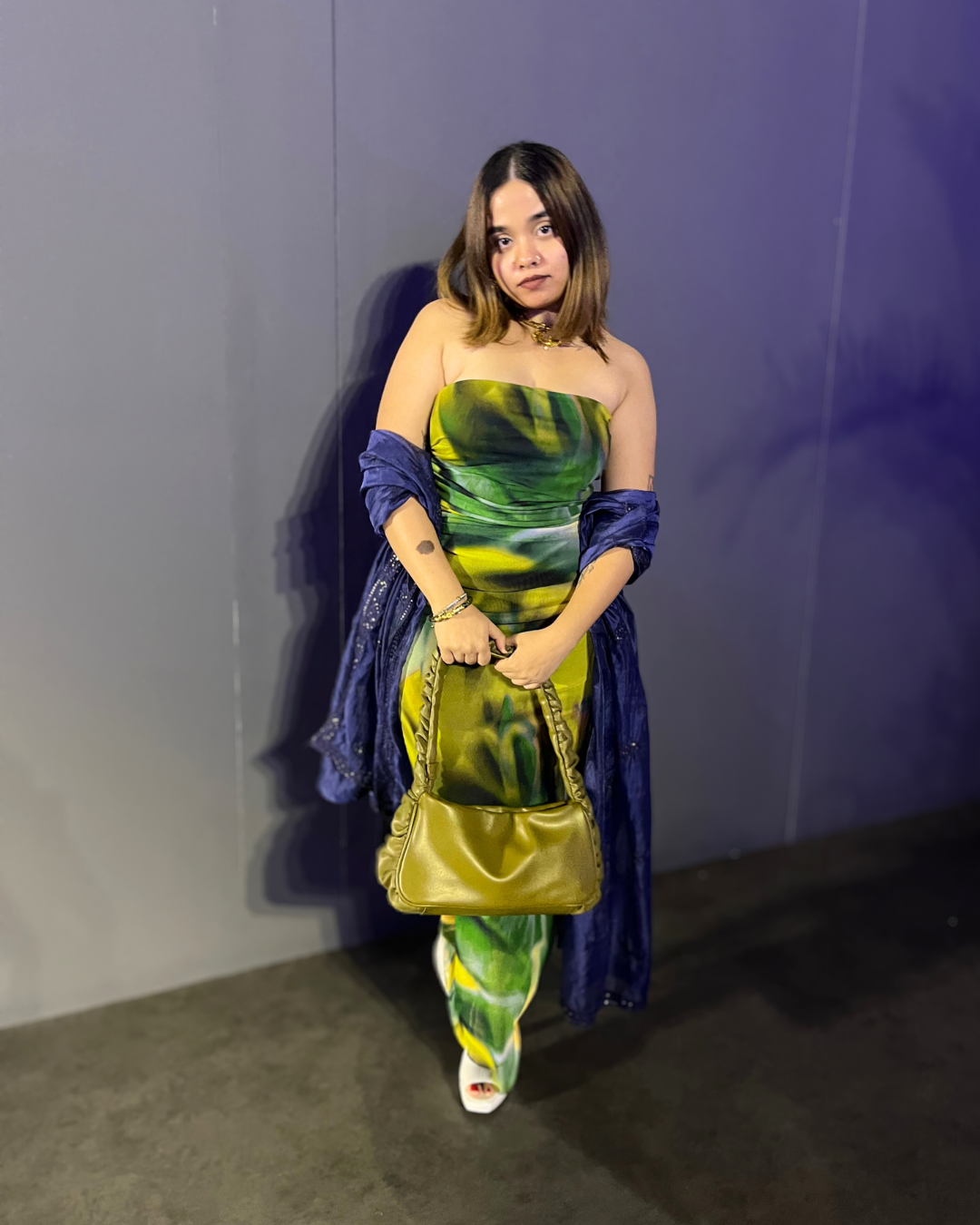
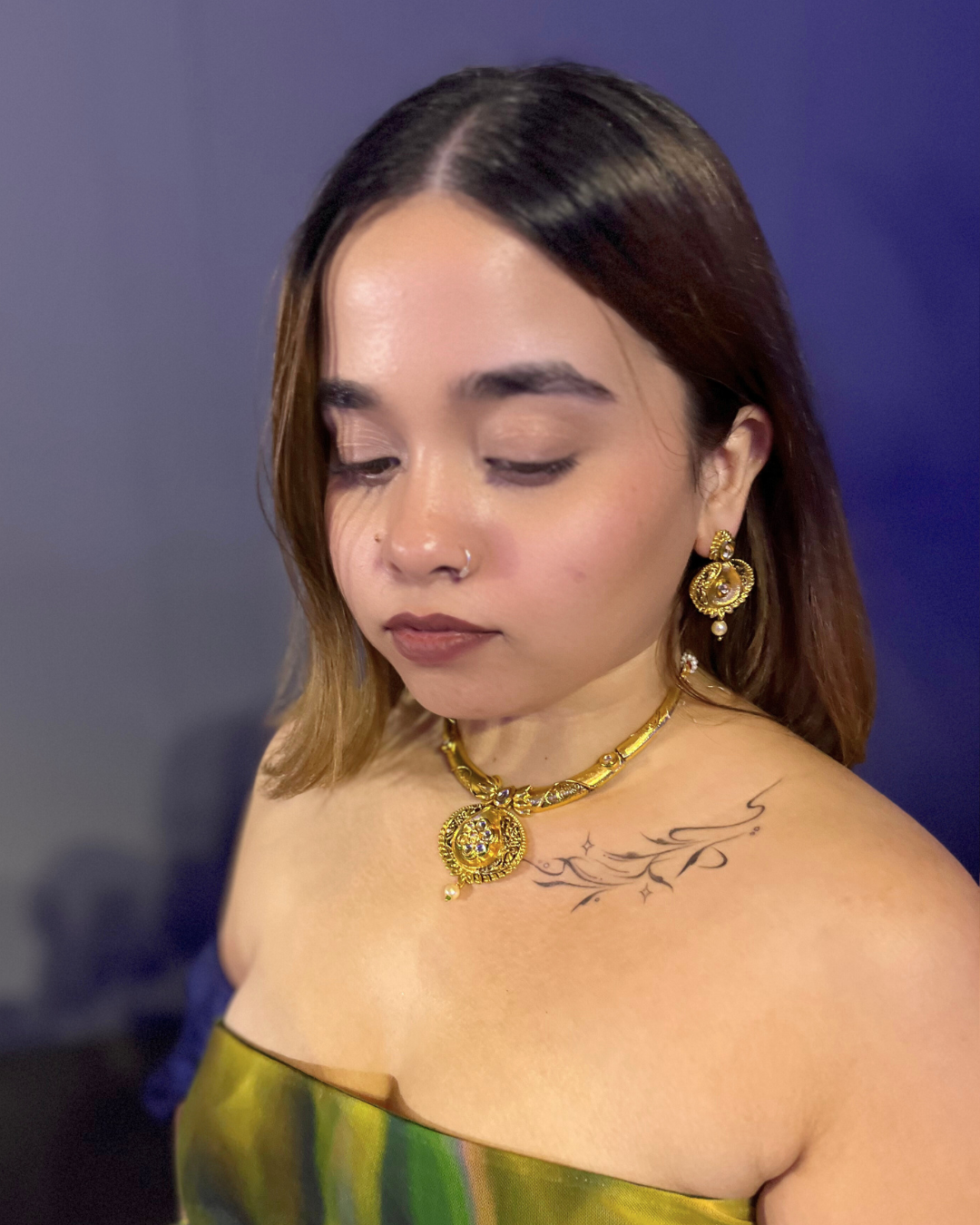
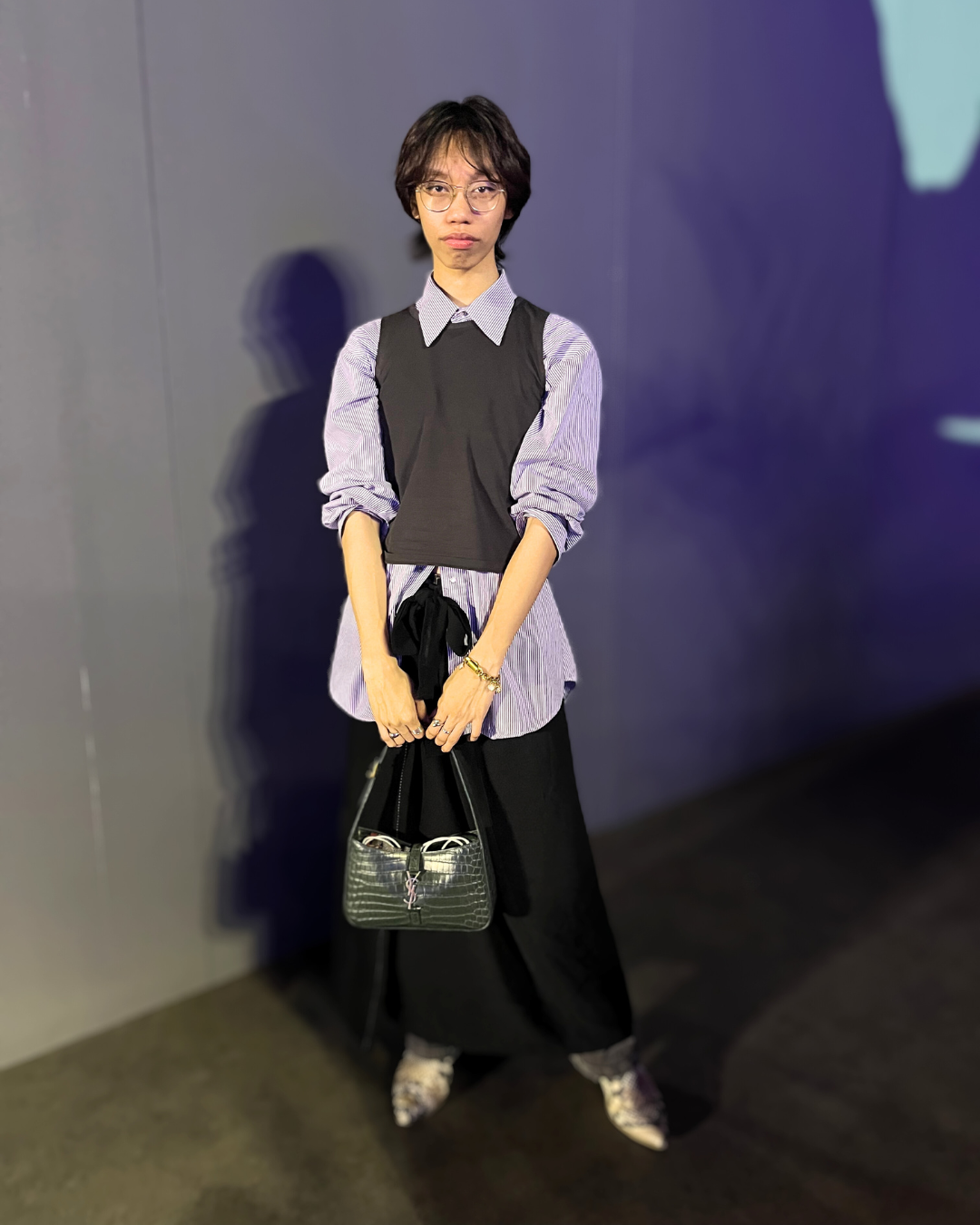
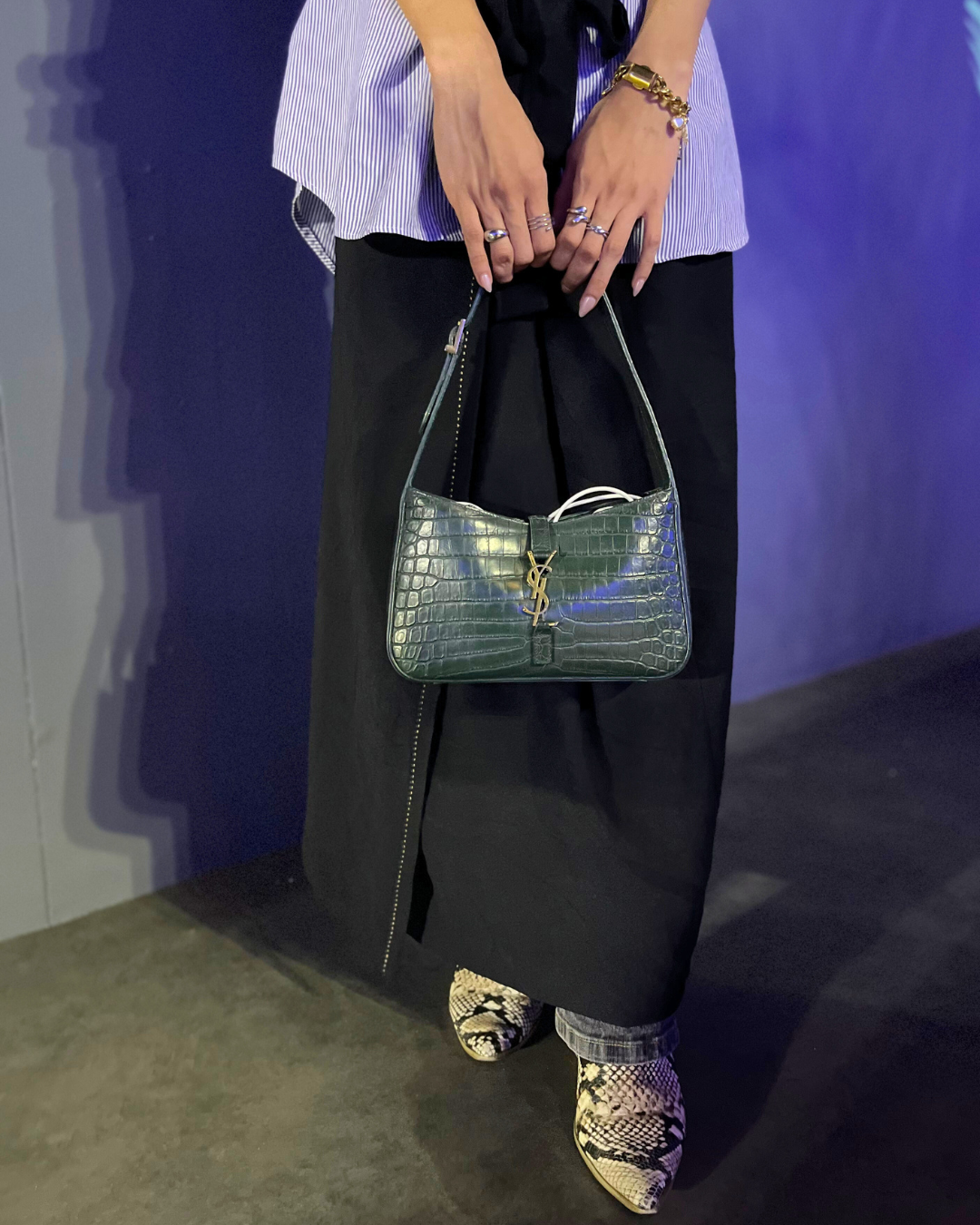
“Dubai Fashion Week is no longer simply a showcase —
it is an infrastructure for the emergence of new luxury economies.
The presence of REBORN, Born In Exile, Benang Jarum,
APRIL & ALEX, and Buttonscarves signals a broader structural shift:
authority is being redistributed toward regions
that understand identity, community,
and digital-native consumption
as foundational design principles.
Fashion is no longer defined by geography or heritage alone,
but by its ability to operate as a scalable cultural system.
Dubai Fashion Week is not reflecting this transformation.
It is actively accelerating it.”