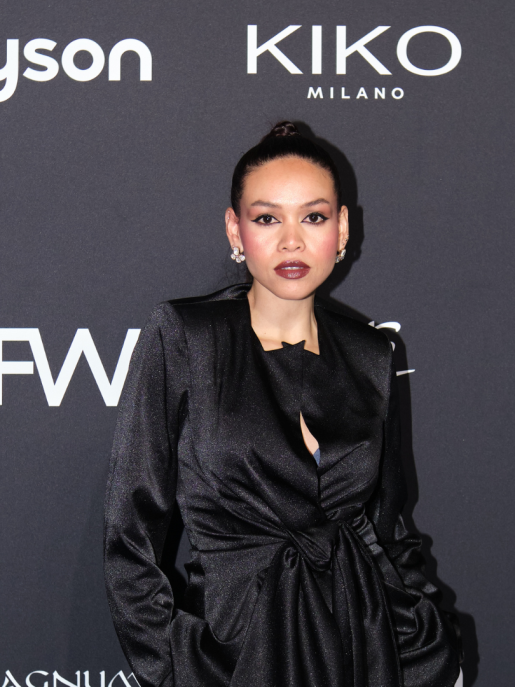

On WhatsApp as fashion commerce infrastructure, Instagram as the cultural operating system of desire, the Threads Talks panel at Dubai Fashion Week, RIVA and CHOICE collections, BellaDonna Studio styling, and why digital fashion in the Middle East is no longer an aesthetic trend — it is a system of interconnected platforms shaping identity, commerce, and community
Threads Talks illustrates a fundamental shift in how fashion ecosystems operate in the digital age. The industry is no longer structured around isolated platforms or singular touchpoints. It is evolving into a continuous system where messaging, social media, styling, and physical experience function as interconnected layers of a single consumer journey. WhatsApp becomes the private channel of intent. Instagram becomes the public architecture of desire. Physical experiences like RIVA, CHOICE, and BellaDonna Studio become the grounding points of validation. Fashion in the Middle East is no longer just being communicated — it is being systemically engineered across platforms that define how people see, desire, and ultimately participate in culture.
The traditional marketing funnel has collapsed. The linear model — awareness, consideration, intent, purchase — assumed that consumers moved sequentially through distinct stages of engagement, each managed by a separate channel and a separate team, with conversion as the distant terminal event at the end of a carefully managed journey. This model was already under structural pressure from the democratisation of information and the acceleration of social media. In the Middle East luxury fashion market, it has been replaced entirely by something more complex, more fluid, and more commercially powerful: the continuous loop, in which discovery, validation, and purchase happen simultaneously and repeatedly across multiple digital environments that are themselves simultaneously public and private, aspirational and transactional, editorial and commercial.
Threads Talks — the panel discussion that formed one of the most intellectually significant moments of Dubai Fashion Week — brought together the industry intelligence to decode this shift in real time. With Stanislas Brunais, Marketing Director at Ounass, as the primary voice, the discussion moved beyond the mechanics of individual platform strategy into the structural question of how fashion brands in the Middle East can engineer the full ecosystem — the specific combination of WhatsApp intimacy, Instagram aspiration, and physical experience validation — that the contemporary luxury consumer requires as the condition of genuine brand relationship.
The broader context of how Dubai functions as a testing ground for the most advanced consumer behaviour integrations in luxury fashion — and how the Dubai Fashion Week platform positions emerging regional brands at the intersection of digital commerce infrastructure and global retail access — is developed in Dubai Fashion Week: Why Global Brands Now Treat DFW as a Market Activation Engine. The present editorial examines the specific digital ecosystem intelligence that Threads Talks provided — and how the day’s runway moments and lifestyle experiences embodied the principles being discussed. The cultural and commercial dimensions of the full Dubai Fashion Week ecosystem — including the emerging regional luxury brands whose presence at DFW signals the redistribution of global fashion authority — are explored in Dubai Fashion Week and the New Architecture of Regional Luxury.
WhatsApp as fashion commerce infrastructure — the direct channel of consumer intent
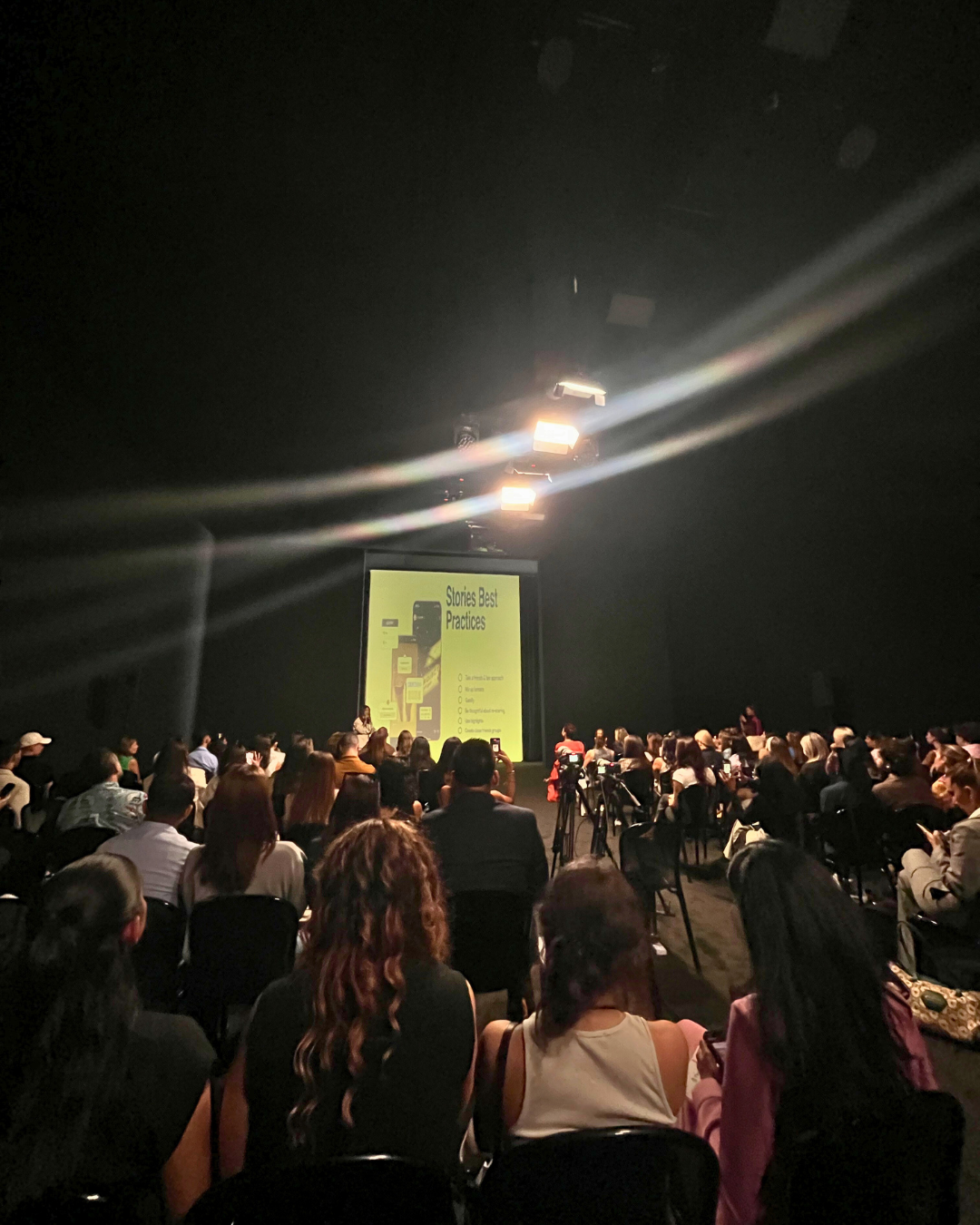
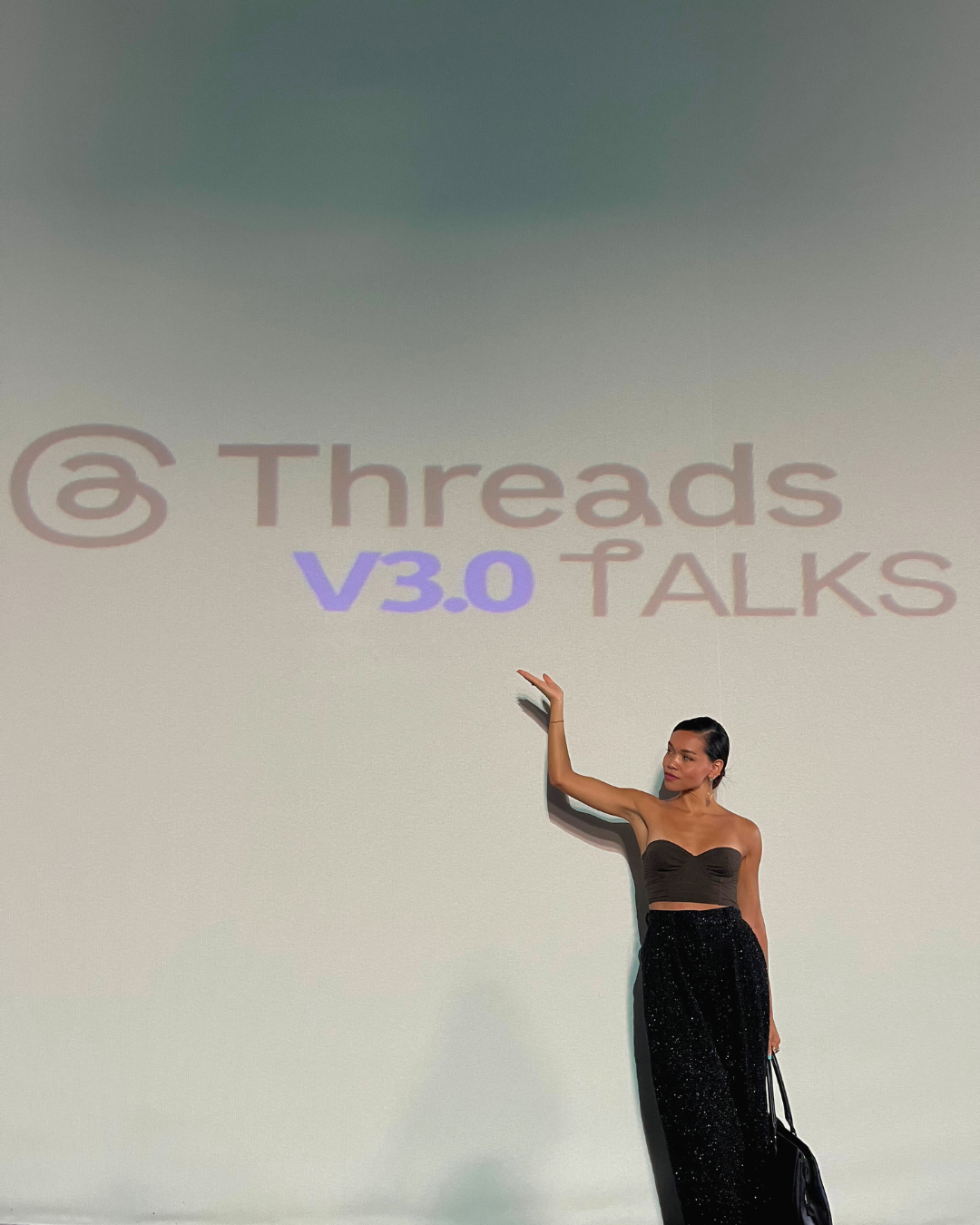
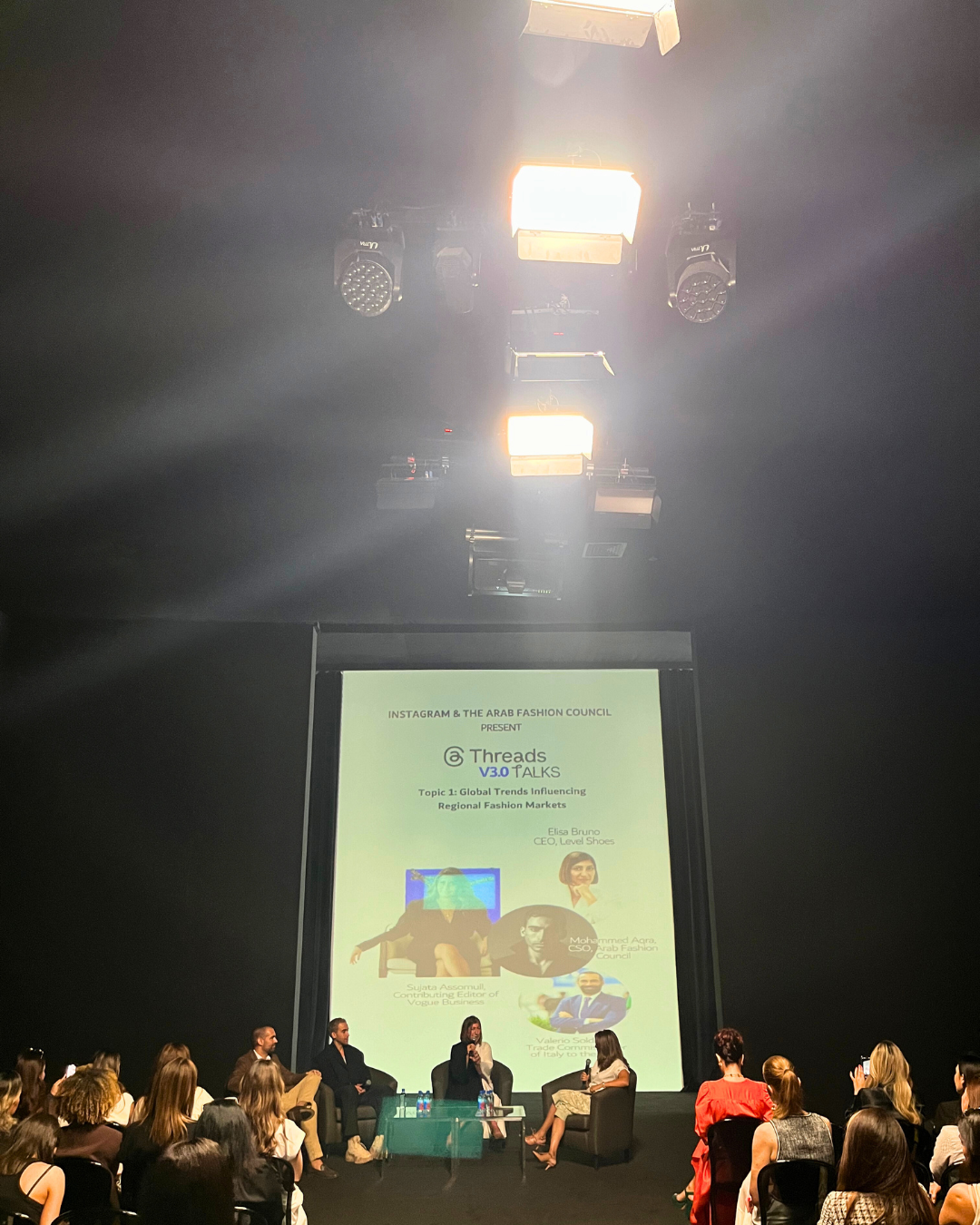
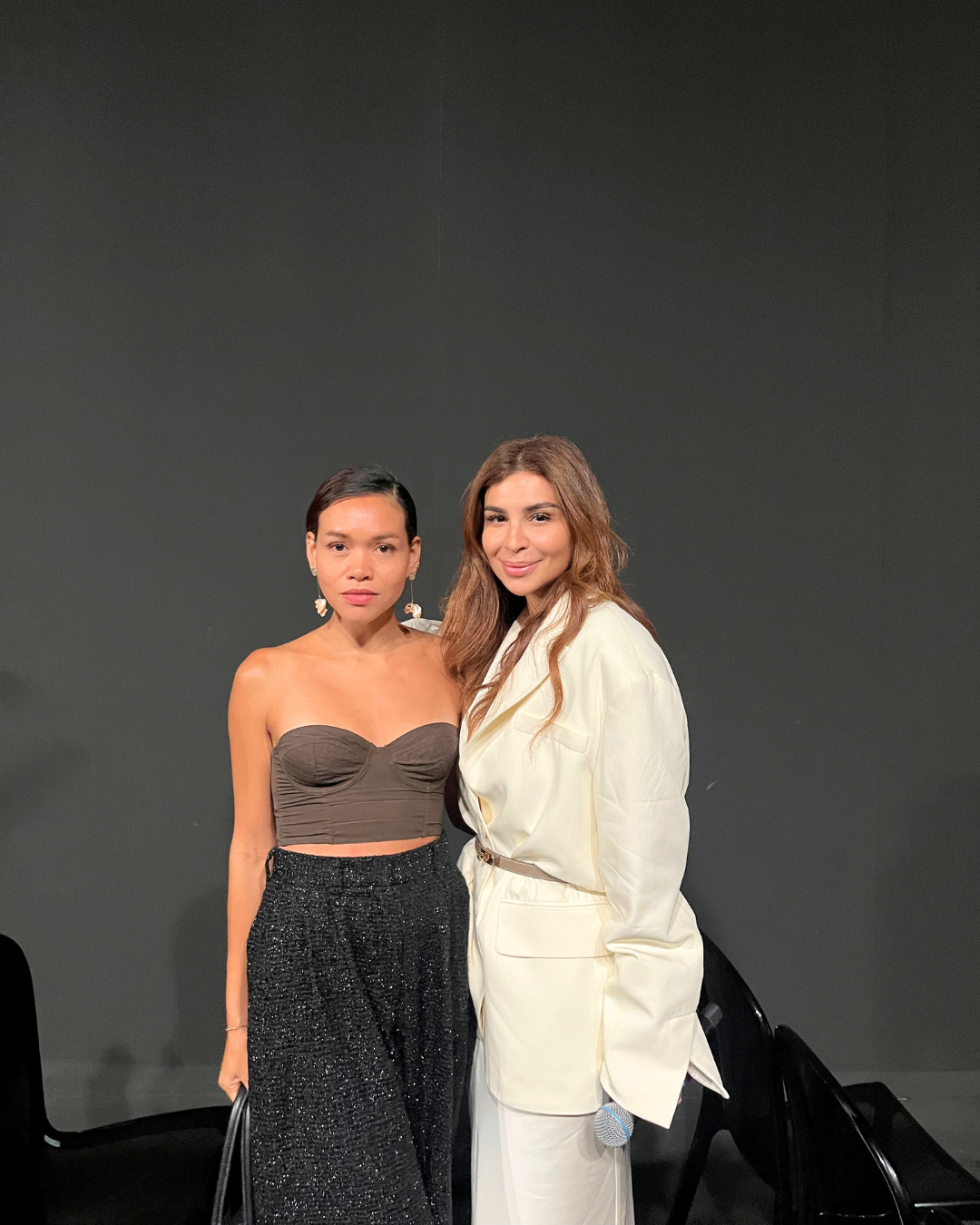
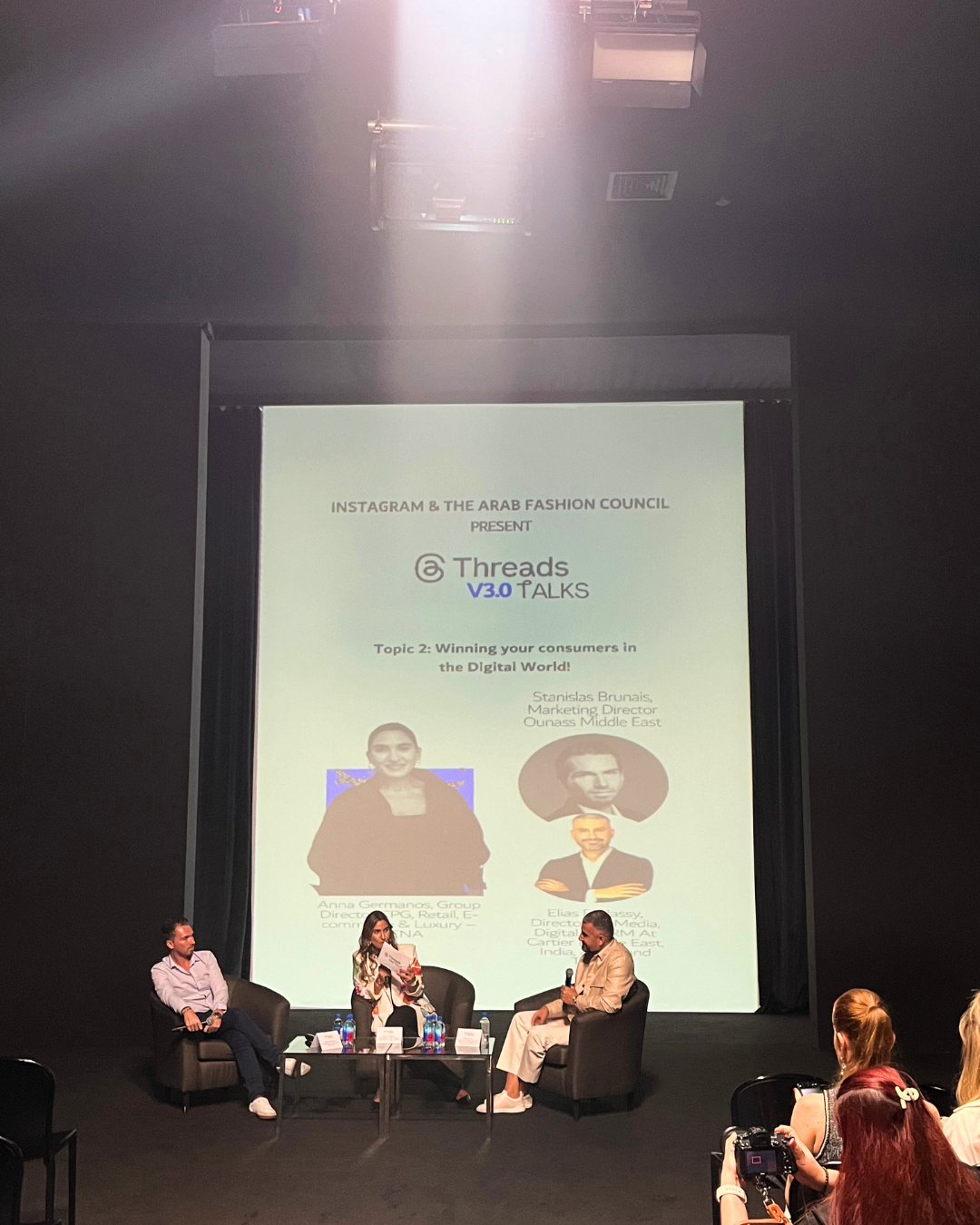
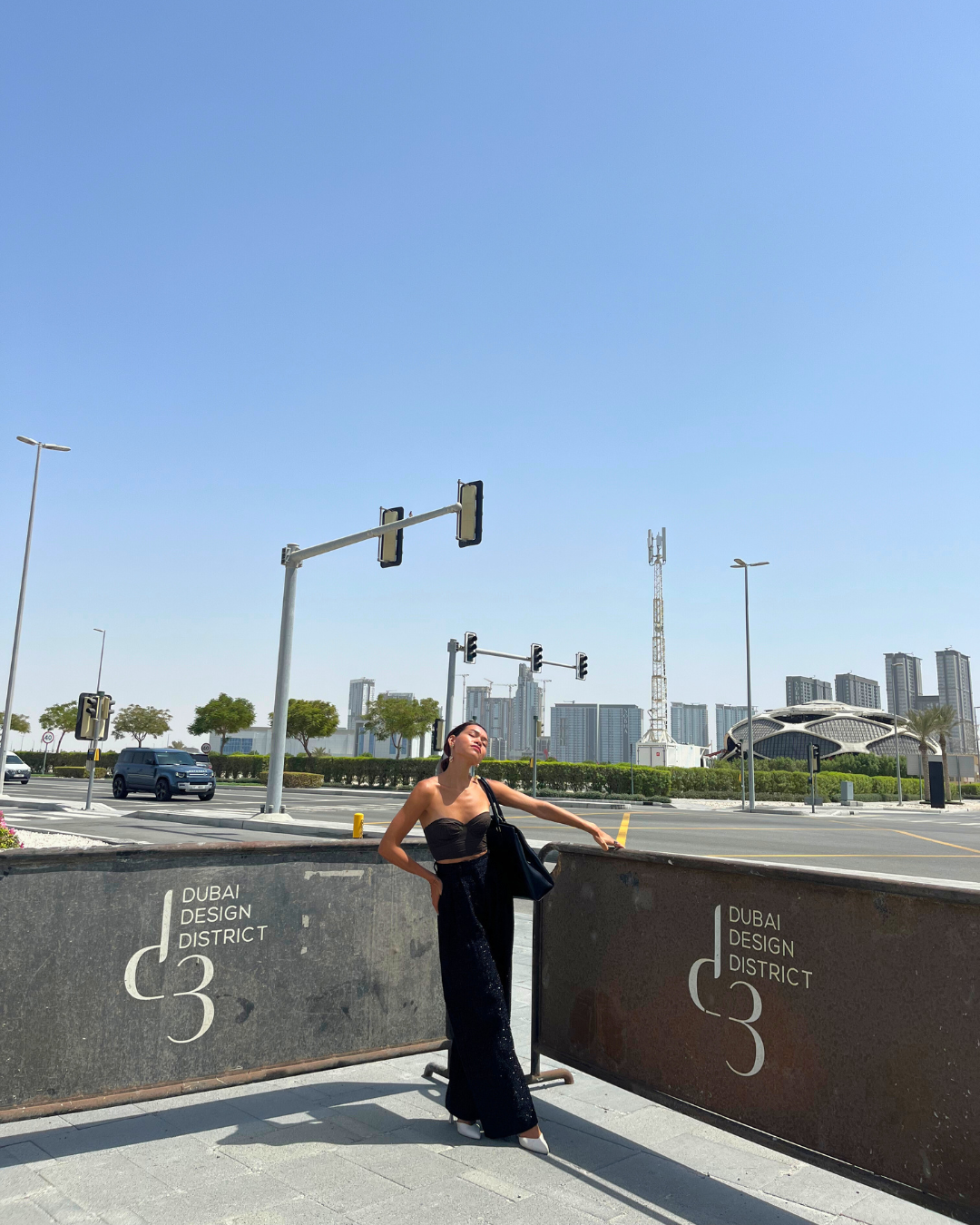
WhatsApp has become an indispensable infrastructure layer for fashion brands operating in the Middle East luxury market — not a communication tool in the conventional sense but a high-conversion intimacy layer in the digital fashion stack. Unlike traditional retail channels that feel distant or transactional, WhatsApp allows brands to foster direct, one-on-one conversations that mirror the personal nature of the most trusted purchasing relationships. This platform enables brands to send personalised messages, updates, and exclusive content directly to their consumers’ devices, creating a dialogue that is more intimate than any email campaign and more commercially direct than any social media post.
Brunais articulated the structural argument precisely: in a market where the app is both widely adopted and deeply embedded in daily communication culture, WhatsApp functions as a convenient, cost-efficient means of relationship maintenance that no other platform replicates. More than just a messaging tool, it has become a primary sales driver — particularly for luxury and bespoke fashion brands whose commercial model depends on the specific quality of trust-based purchasing relationships that WhatsApp’s conversational format uniquely supports.
The specific use cases that WhatsApp enables for luxury fashion brands are qualitatively different from those available through any other channel. Personalised shopping advice delivered in real time. Product recommendations tailored to the individual client’s purchase history and aesthetic preferences. VIP consultation arrangements that remove the friction of formal appointment systems. Gifting season activation — Ramadan, Eid, the school year transitions — that reaches consumers at exactly the moment of maximum purchasing intent with messaging calibrated to the cultural significance of the moment. The immediacy of WhatsApp ensures that customers feel valued and informed at precisely the moments that matter most commercially.
The WhatsApp commerce layer is the most underanalysed structural advantage available to Middle East luxury fashion brands. Its significance in the Gulf market — where over eighty percent of smartphone users are active on the platform daily — is disproportionate to the attention it receives in global fashion industry analysis. The brands that have developed sophisticated WhatsApp commerce strategies are consistently outperforming those that have not in the specific metric that matters most for luxury: repeat purchase rate and lifetime customer value. The intimacy of the channel produces the loyalty that no volume-oriented social media strategy can replicate.
Instagram as the cultural operating system of desire — aspiration, community, and the architecture of fashion identity
Where WhatsApp excels in direct, high-intent commercial communication, Instagram functions as something structurally different and equally essential: the cultural operating system of desire in the Middle East fashion ecosystem. With over eighty percent of people in the region actively using the platform, Instagram has evolved from a social network into the primary architecture through which fashion aspiration, community formation, and cultural taste are constructed, distributed, and validated.
Instagram’s structural role in the digital fashion ecosystem is as an aspiration engine — the environment in which the fashion consumer’s sense of what they want, who they are, and how they wish to present themselves is continuously shaped and refined through the visual and narrative content they encounter. The platform’s unique combination of aspirational imagery, engaging stories, and direct shopping capabilities has transformed it from a place where people share photographs into a distributed mood board for global fashion identity formation, operating simultaneously as editorial platform, community space, and commercial channel.
For luxury fashion brands, Instagram is the environment in which the brand’s aesthetic language is most completely expressed, most widely distributed, and most directly connected to the community formation processes that produce genuine brand loyalty. The behind-the-scenes runway access that Instagram Stories provides creates the insider experience that luxury consumers increasingly require as the price of genuine brand engagement. The user-generated content loop — in which customers photograph themselves in brand pieces, share them on their own feeds, and are reposted by the brand to their wider audience — is the most efficient available mechanism for authentic social proof at scale. The influencer collaboration that feels genuinely aligned with the brand’s aesthetic values rather than commercially manufactured produces the specific quality of community endorsement that the Middle East’s most commercially significant fashion consumers respond to.
As McKinsey’s analysis of social commerce and digital consumer behaviour in fashion and Business of Fashion’s analysis of Instagram social commerce strategy in the Middle East together document, the brands achieving the highest conversion rates from Instagram engagement are consistently those whose platform presence is understood as editorial curation rather than advertising distribution — those whose Instagram feeds carry the same aesthetic intelligence as their most considered physical presentations.
The seamless digital ecosystem — WhatsApp plus Instagram plus physical experience as a closed conversion loop
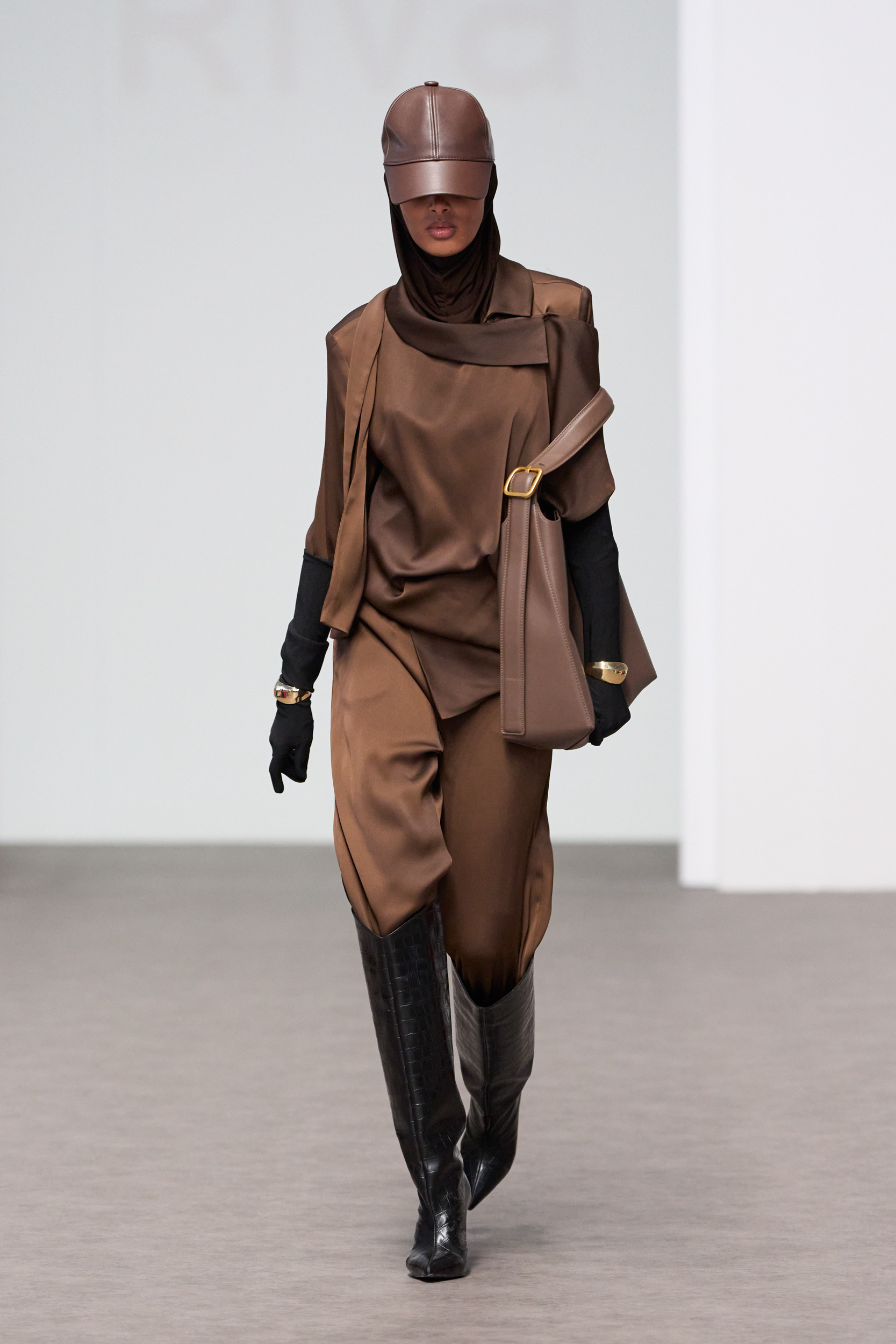
The most commercially significant insight from Threads Talks was not the analysis of WhatsApp or Instagram as individual platforms but the articulation of how these channels function together — and how the combination of both with carefully considered physical experiences produces the closed-loop digital fashion ecosystem that the Middle East luxury consumer increasingly requires as the condition of genuine brand relationship.
The ecosystem logic is precise: Instagram serves as the discovery and aspiration layer, the environment in which the consumer first encounters the brand’s aesthetic language, forms the initial emotional connection with its products, and begins the identity formation process through which those products become meaningful. Once that connection is established, WhatsApp takes over as the personalisation and conversion layer — the channel through which the brand transforms Instagram-generated aspiration into purchase intent through tailored communication that addresses the specific individual rather than the demographic segment. Physical experiences — runway shows, brand activations, styled encounters — provide the embodied validation layer that completes the loop, transforming digital brand relationships into the kind of physical and sensory experiences that produce genuine loyalty rather than transactional engagement.
Personalization was the recurring theme of the Threads Talks discussion precisely because it is the mechanism that makes this ecosystem function. The consumer who has expressed interest in a category through Instagram engagement, been welcomed into a direct WhatsApp relationship with the brand, and subsequently experienced the brand’s physical presence through an event or consultation has moved through all three layers of the ecosystem within a single continuous relationship. The brand has not acquired a customer. It has developed a community member — someone whose brand relationship is defined by accumulation and reciprocity rather than by the single transactional moment that traditional retail models were designed to optimise for.
The broader understanding of how Dubai’s most sophisticated lifestyle and fashion brands engineer these closed-loop consumer relationships connects the Threads Talks digital ecosystem analysis to the physical experience dimensions explored in The New Geography of Experiential Luxury Dining in Dubai — where the most enduring consumer loyalty is produced not through the quality of any single experience but through the consistent quality of the environment the brand creates around the consumer’s entire relationship with it.
RIVA — luxurious contemporary elegance and the GCC brand at full expression
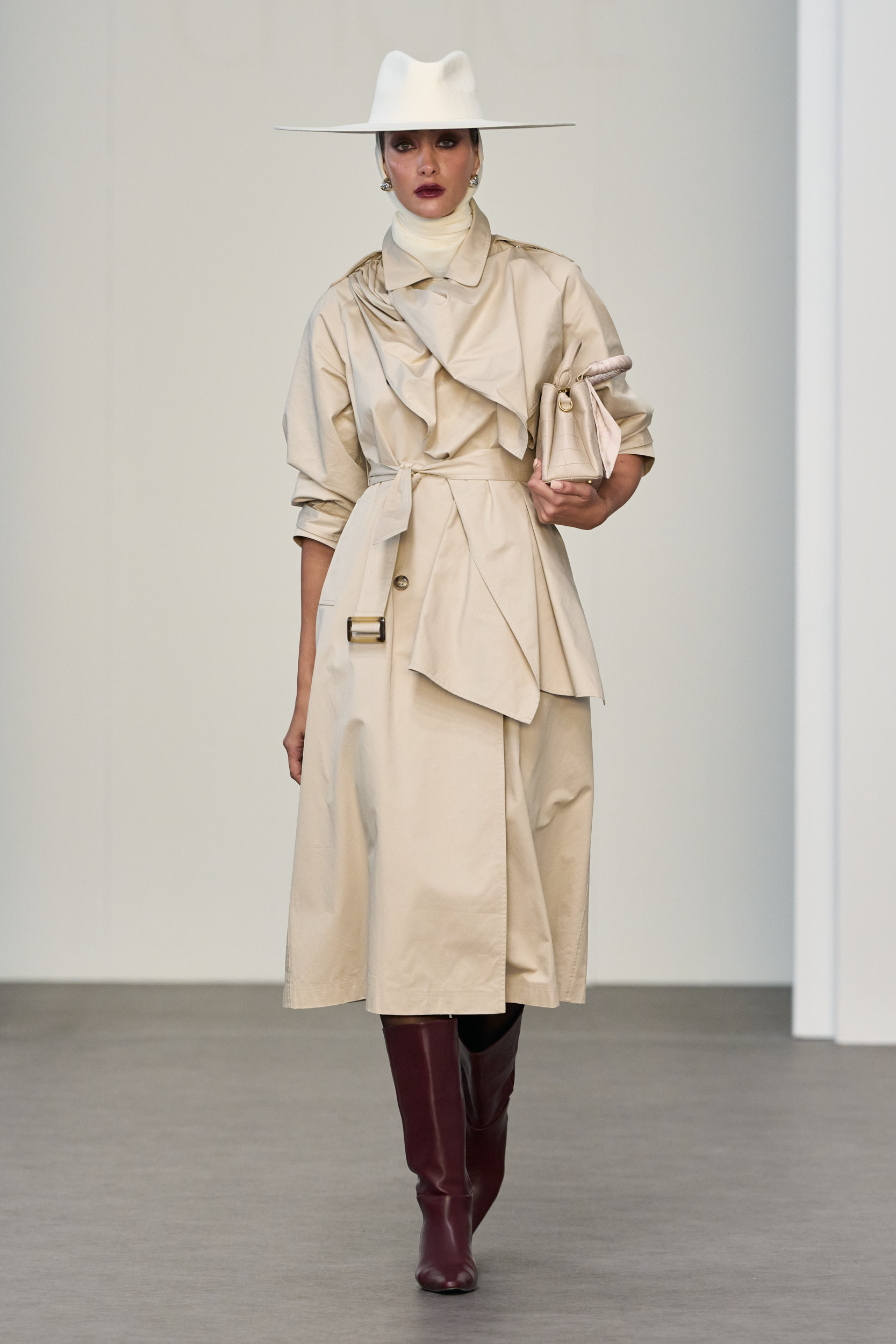
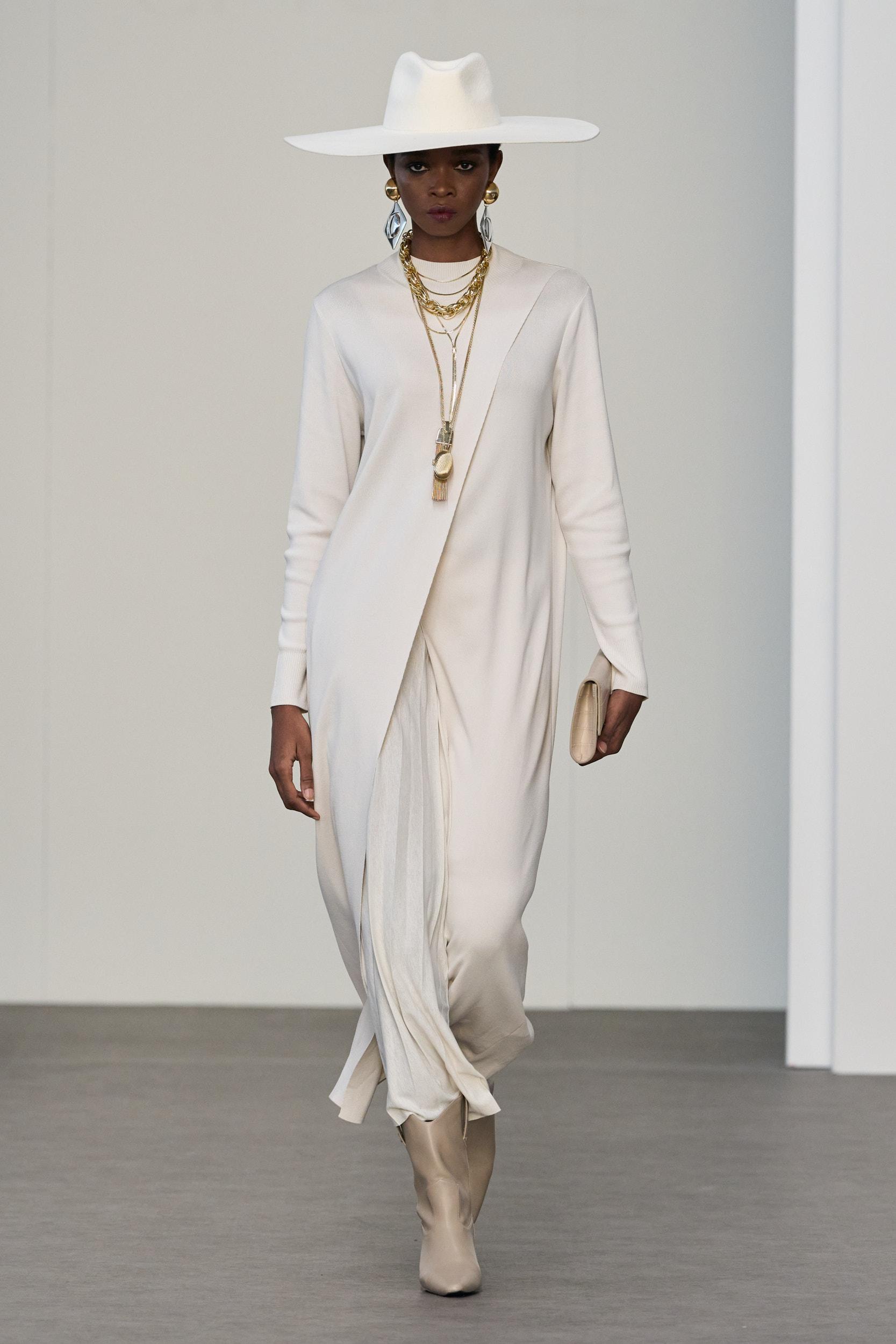
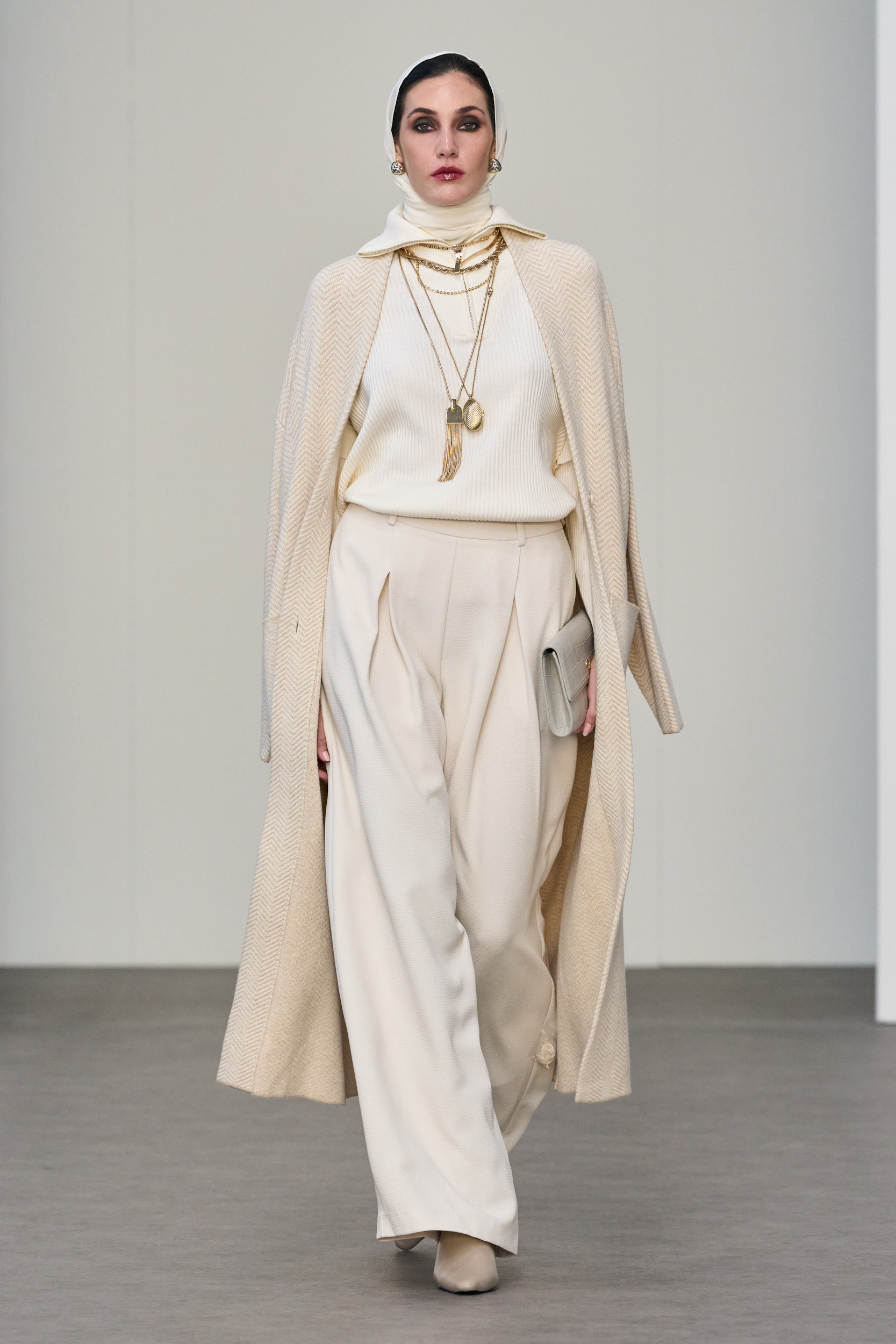
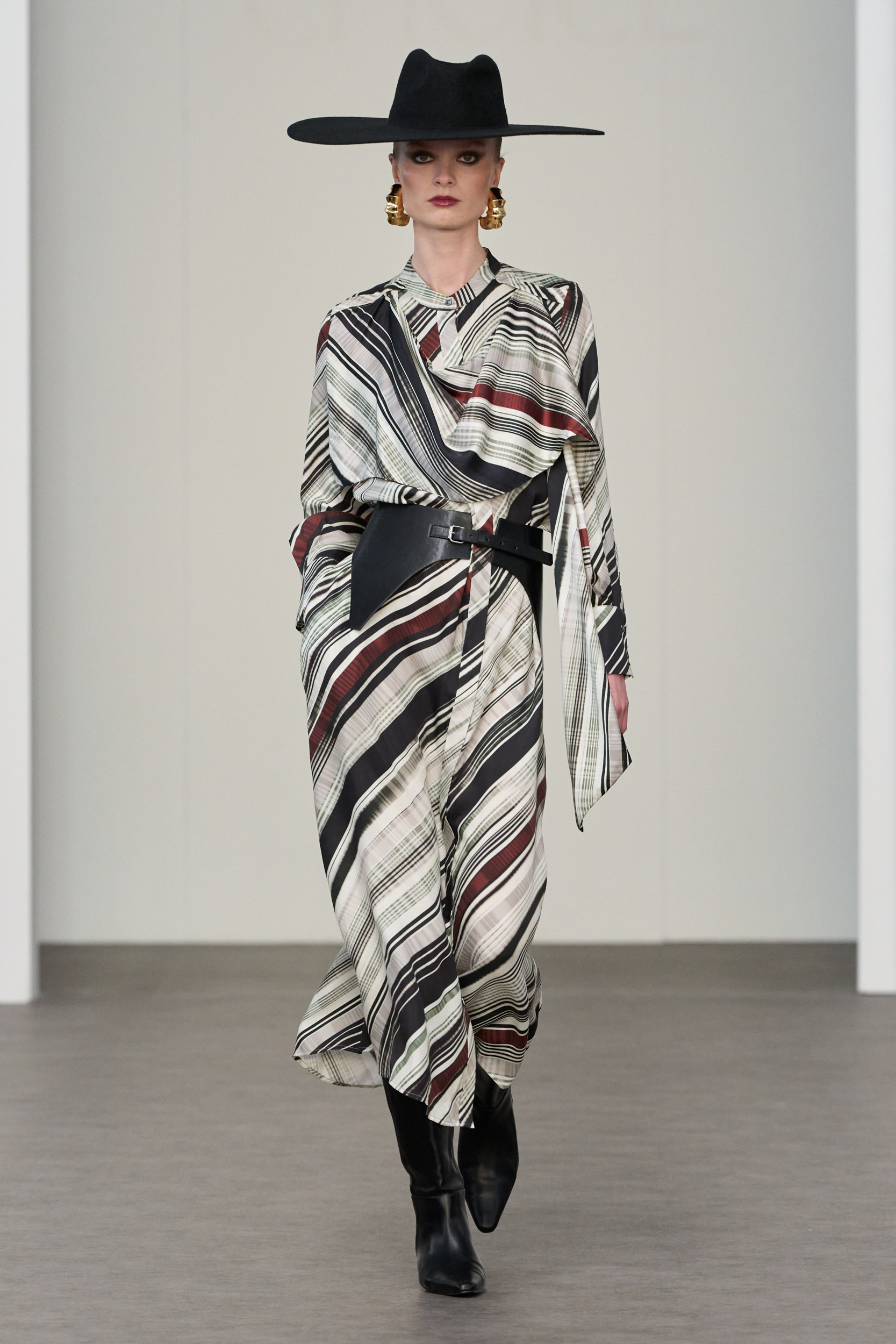
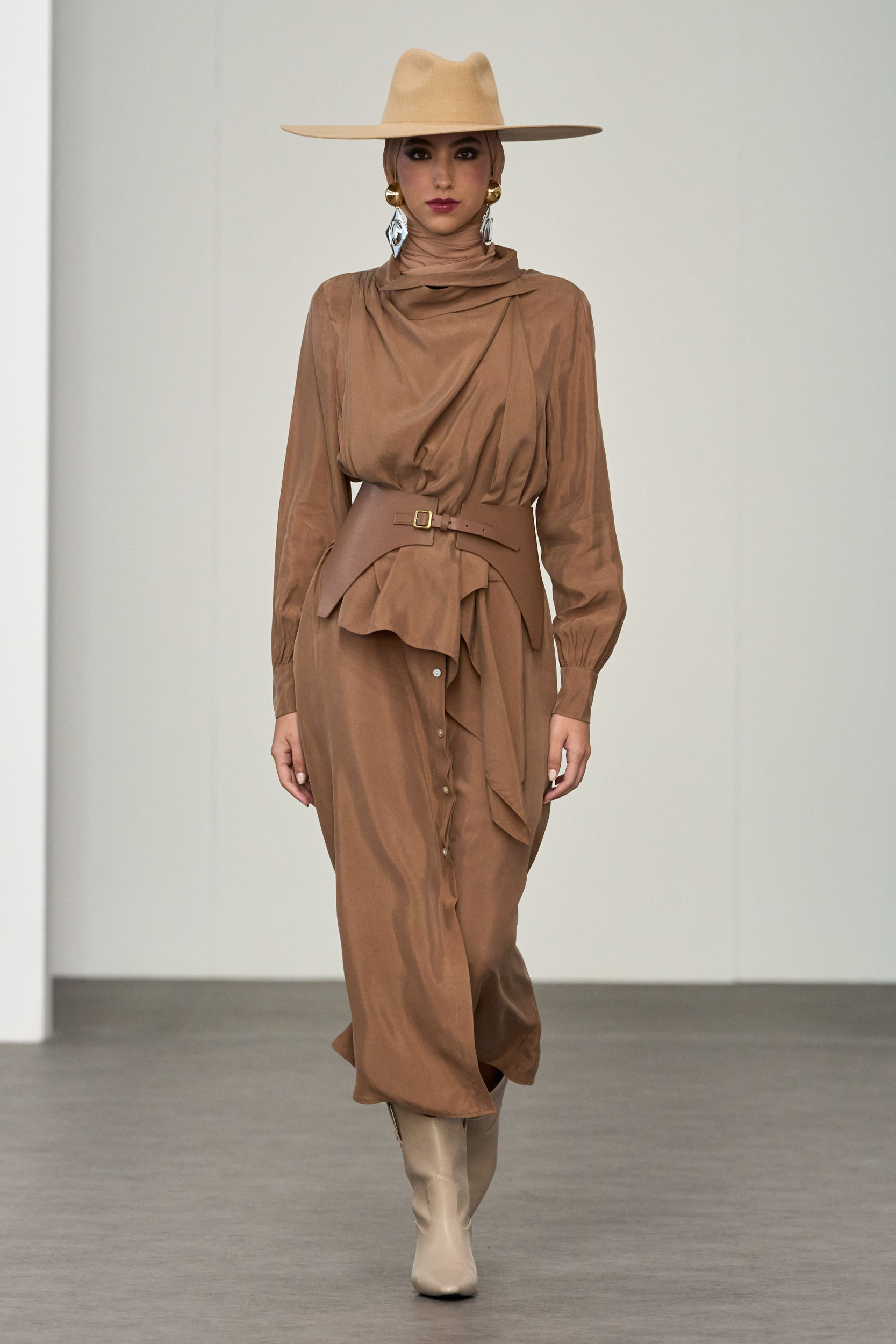
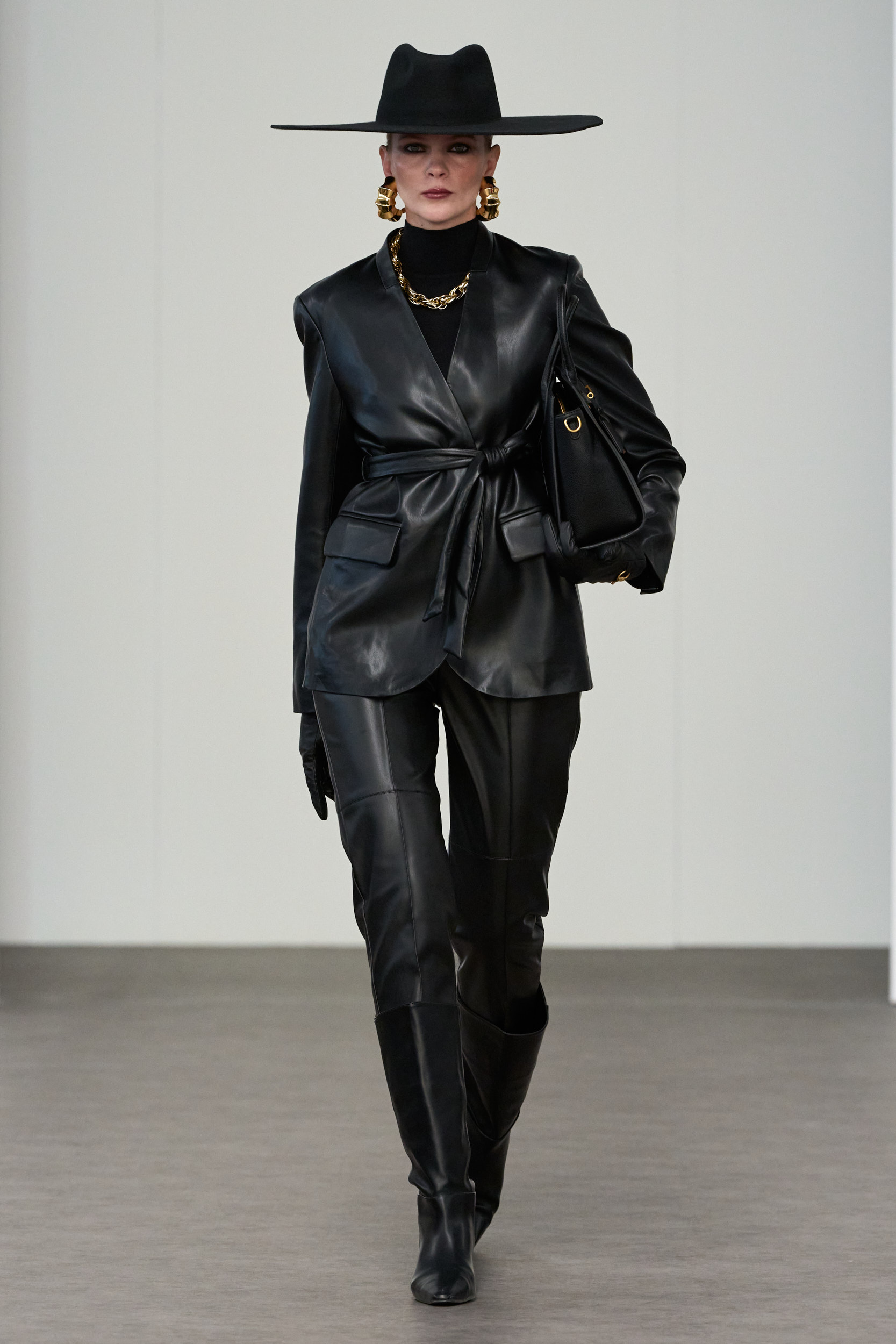
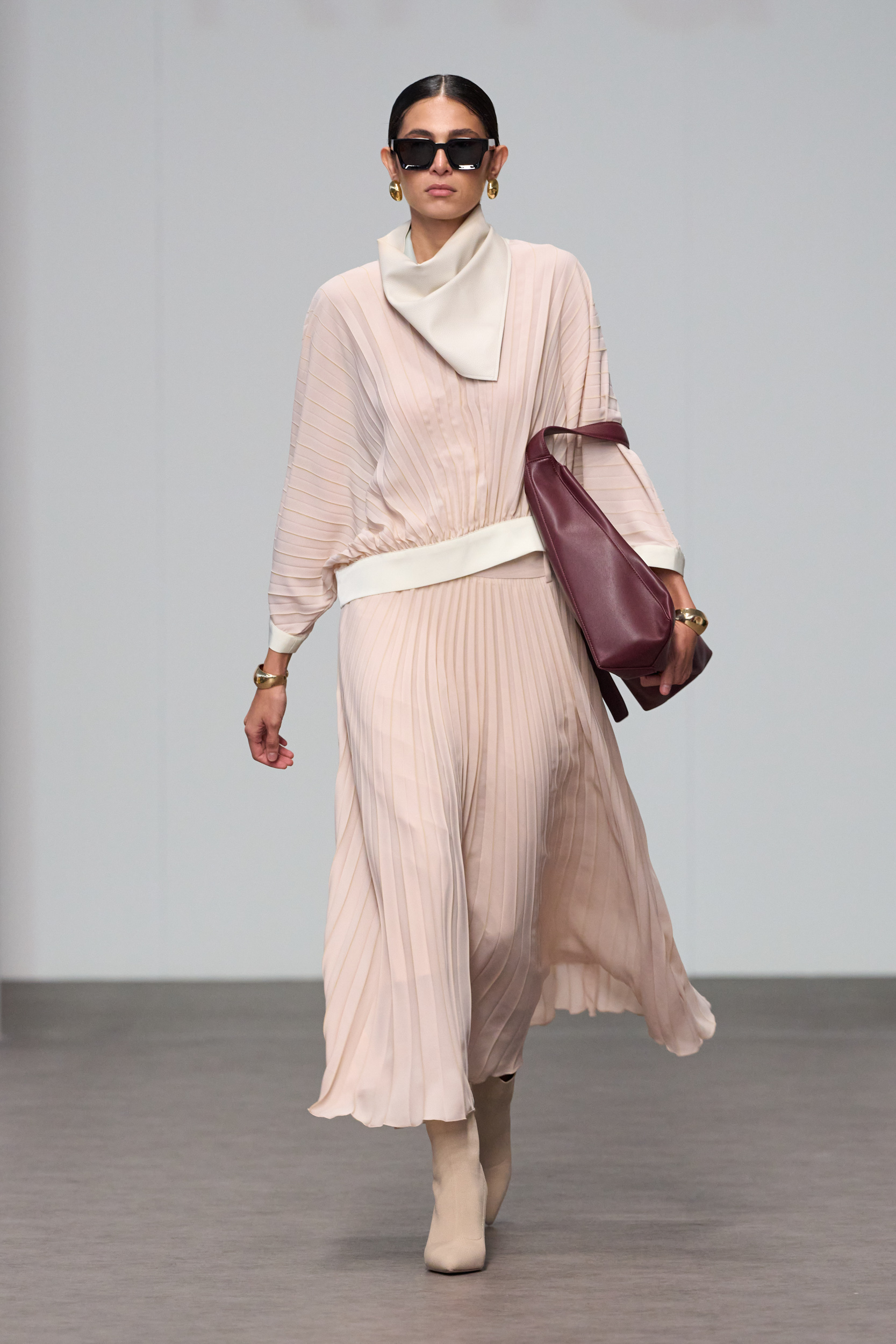
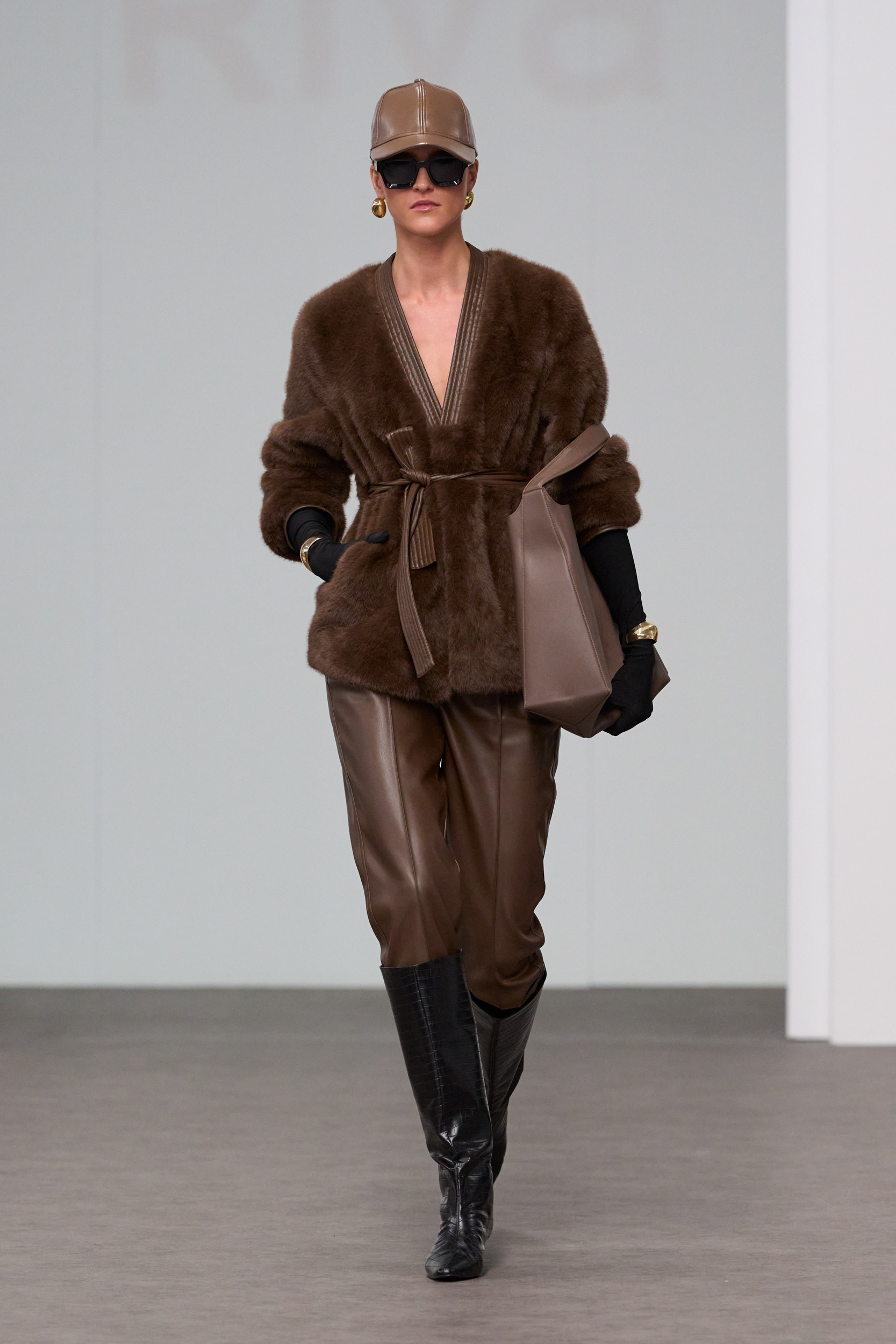
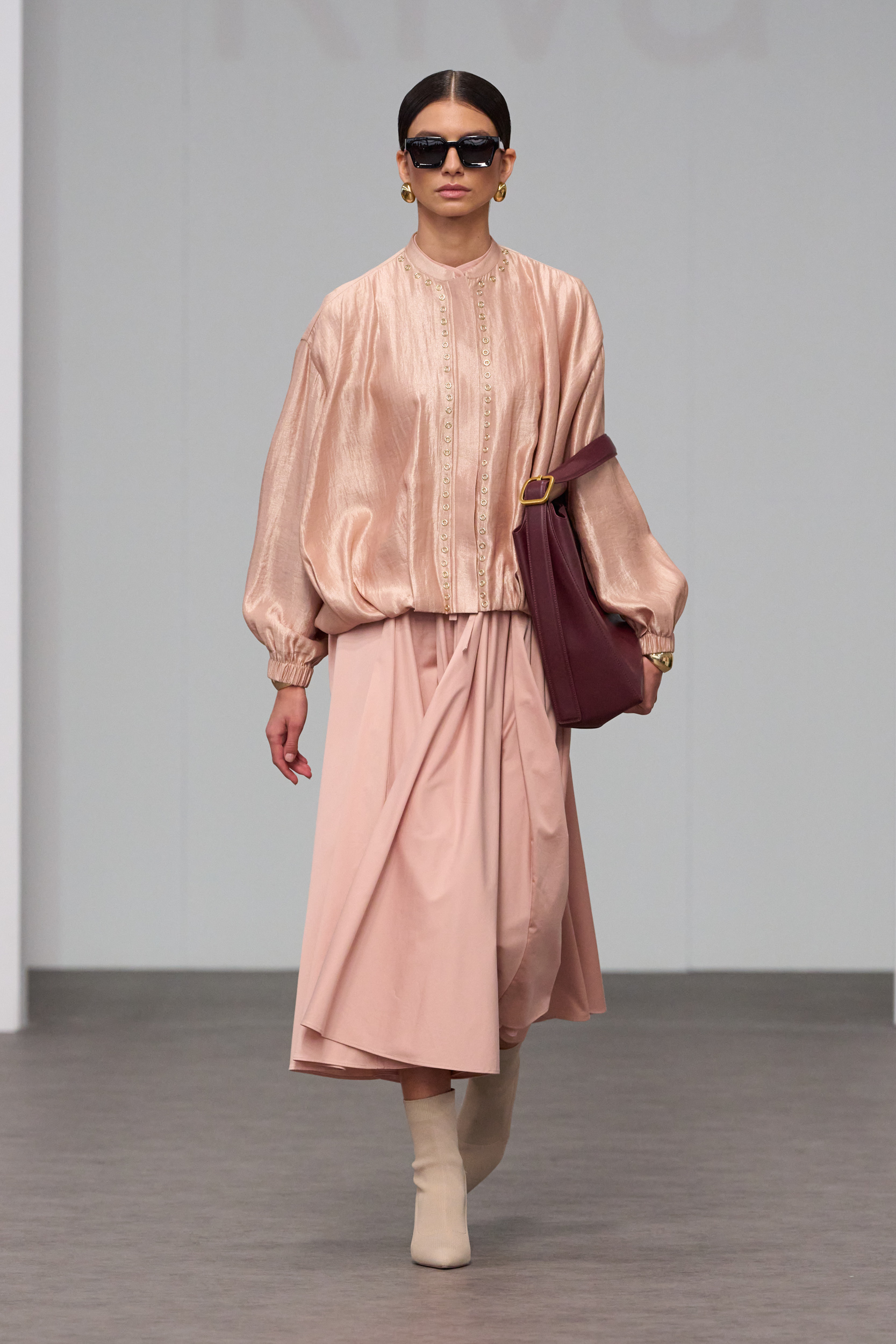
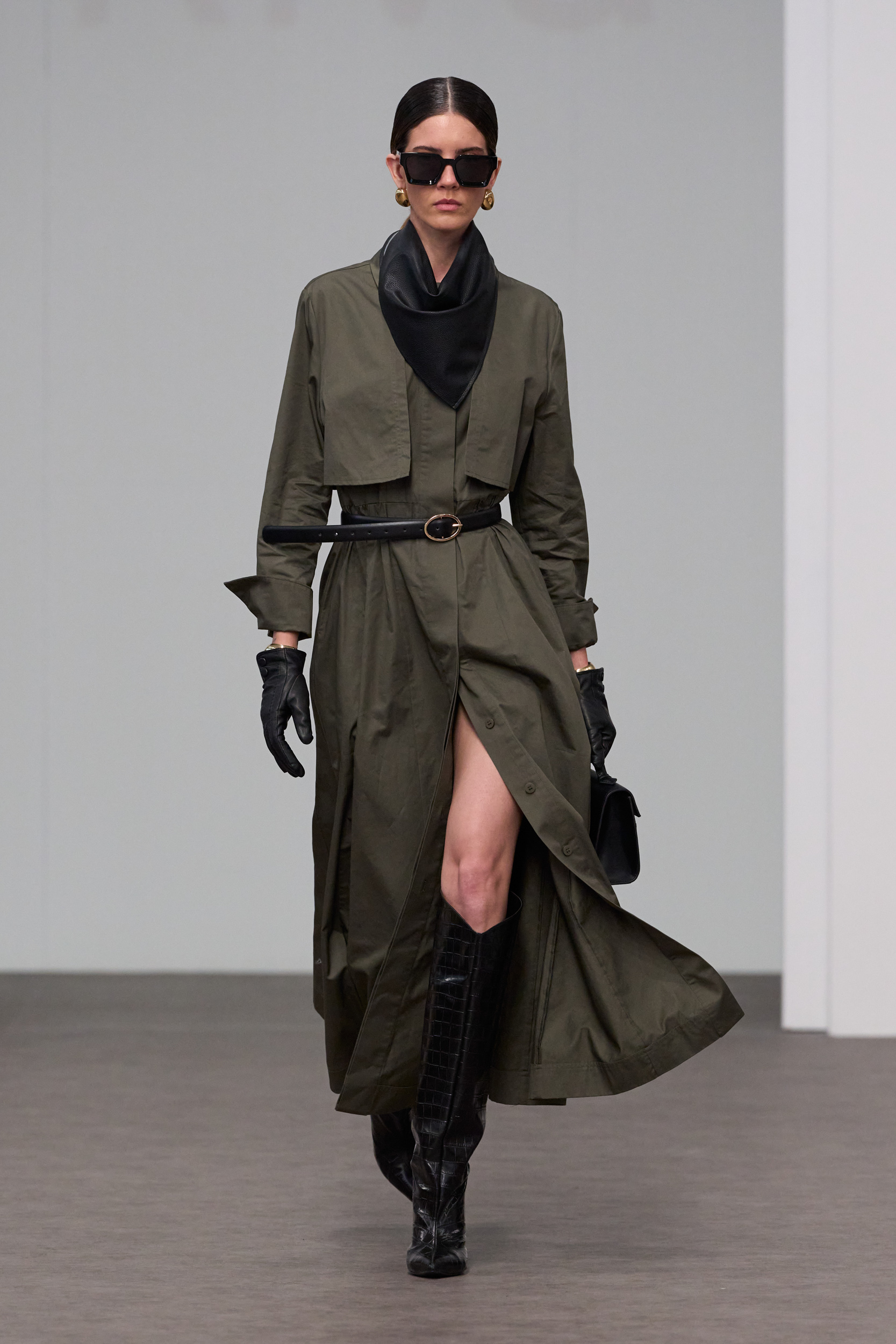
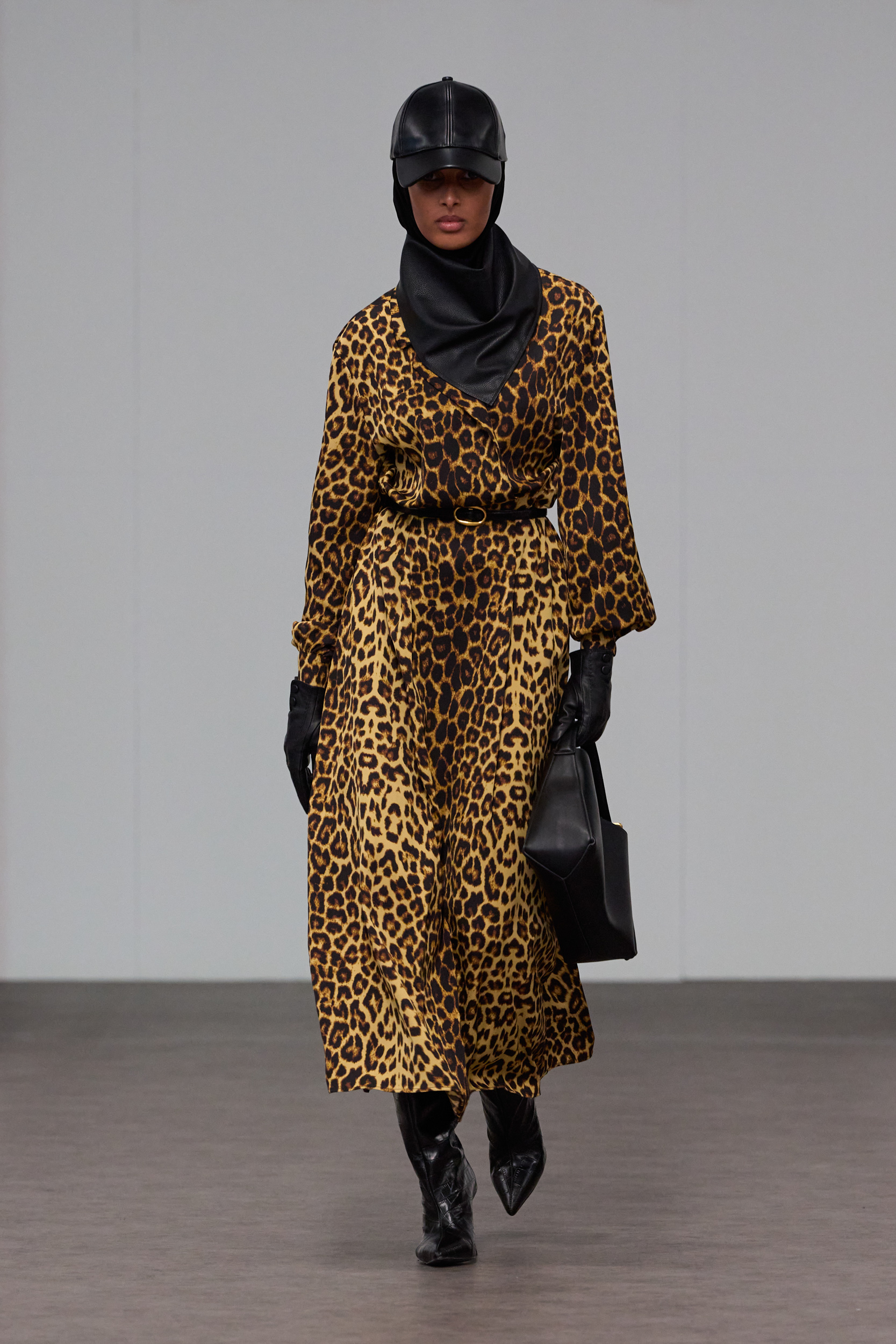
RIVA’s collection at Dubai Fashion Week was a masterclass in the specific design intelligence that distinguishes the most considered GCC luxury brands from the generic ready-to-wear alternatives that compete for the same consumer: the capacity to produce garments whose luxury is visible in their construction, wearable in their proportion, and genuinely versatile across the full range of modern life.
The collection’s material range — leather, suede, organza, and denim — is itself a statement about the breadth of occasions and identities the brand serves simultaneously. Soft pleats and intricate embroidery sit alongside structured blazers and tailored trousers within a sophisticated colour palette that spans warm earth tones to deep, cool blues: a visual range that mirrors the emotional range of a wardrobe designed for a woman whose life does not simplify into a single aesthetic register.
The transition pieces — luxe coats with oversized collars, textured sweaters, heavy-knit scarves — are designed for the specific climatic and social register of Gulf luxury: the need to move between Dubai’s air-conditioned interiors and its outdoor warmth, between formal professional contexts and relaxed social ones, without sacrificing the quality of presentation that the Middle East luxury consumer considers non-negotiable regardless of context. RIVA’s collection does this not through compromise but through the design intelligence of garments that carry their sophistication lightly enough to function in any context without losing it.
The goodie bags gifted to attendees — branded pouch, Riva Home Eau de Toilette, aromatizer — extended the brand’s sensory intelligence beyond the visual into the olfactory and tactile registers that luxury brands serious about full-spectrum identity formation have always understood as essential. The scent designed to reflect the essence of the collection is not a marketing add-on. It is a statement that RIVA understands luxury as an integrated sensory proposition rather than a visual one.
CHOICE — inclusivity, cultural reverence, and the modern Middle Eastern woman
CHOICE’s collection represented a different dimension of the regional luxury intelligence that Dubai Fashion Week provides access to at its most commercially significant: the specific design language of a brand that has made inclusivity and cultural reverence not marketing positions but structural design principles — the foundational commitments from which every garment decision follows.
The collection’s 1970s-inspired tailored silhouettes — sleek, monochromatic, impeccably crafted from silk and metallic tweed — communicate a specific relationship to fashion history that the most culturally intelligent contemporary brands maintain: the understanding that the most enduring design intelligence is not timely but timeless, that the gestures toward historical aesthetic authority are most powerful when they are genuinely incorporated into the design logic rather than superficially referenced. The off-whites and deep blacks that anchor the palette allow the craftsmanship — every seam, fold, and cut — to communicate without interference from colour complexity.
The inclusive casting — models of various body types confidently showcasing the tailored pieces — is the most straightforward available statement of CHOICE’s foundational design commitment: great design knows no boundaries when it comes to size, and the luxury consumer most deserving of the brand’s attention is not a single idealised body type but the full range of women whose lives the clothes are designed to serve. The subtle cultural motifs woven into the collection — the traditional Middle Eastern influences that produce a fusion of East and West in the structure of the ponchos, scarves, and belts — communicate a cultural intelligence that is rooted rather than performed. This is the specific quality that distinguishes the most significant regional luxury from brands that merely reference cultural heritage.
BellaDonna Studio and One Life — styling as identity engineering, Dubai Design District as lifestyle validation node
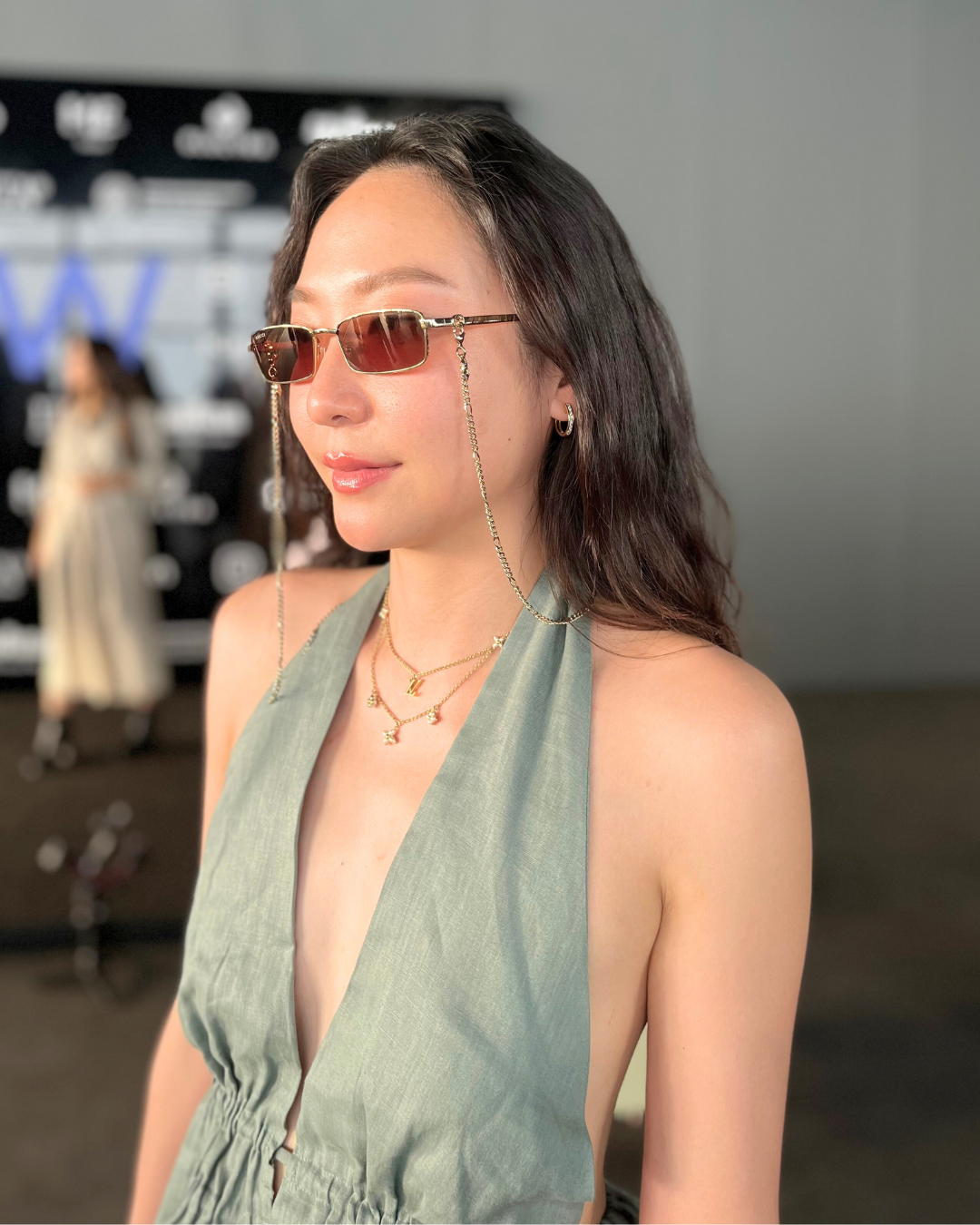
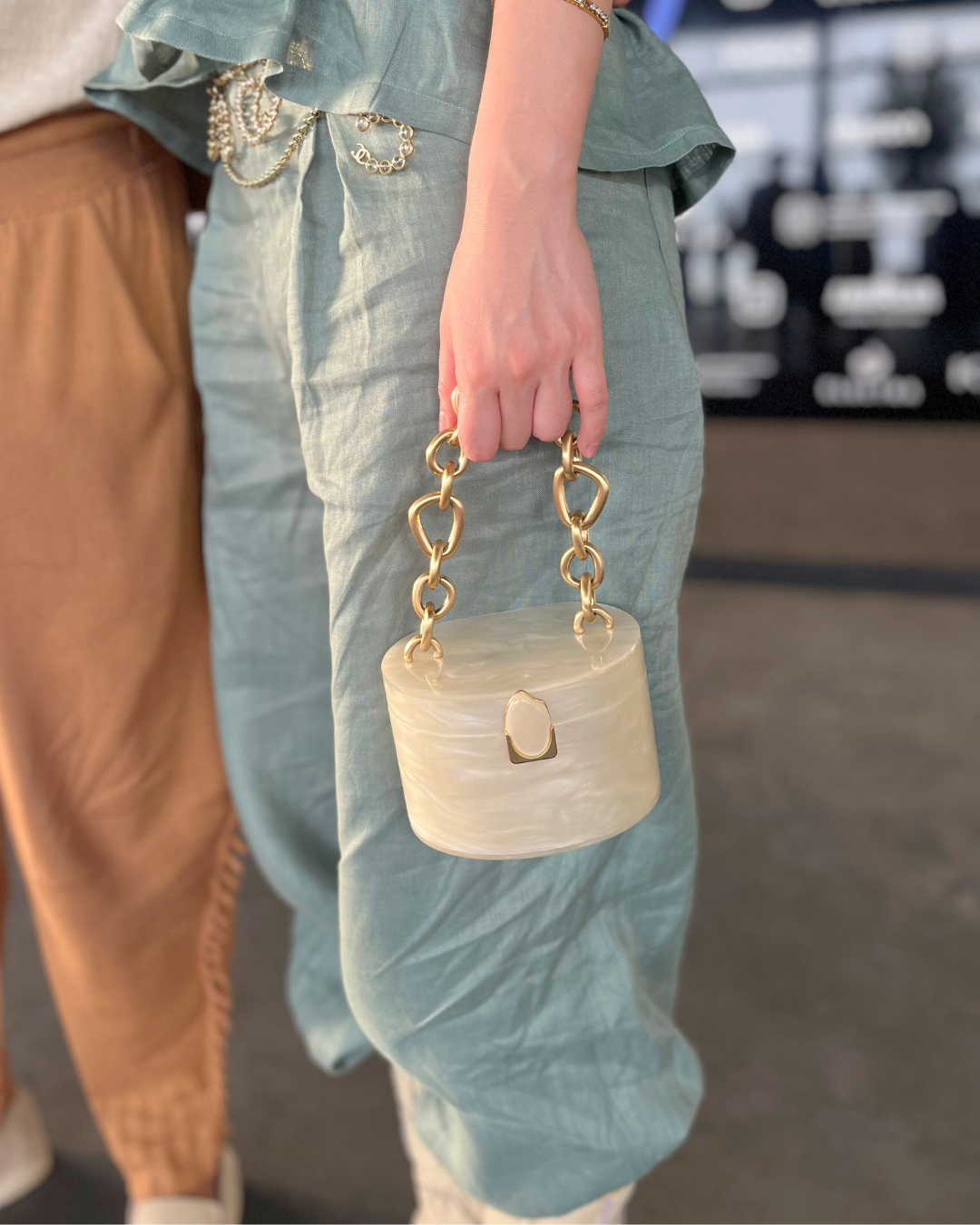
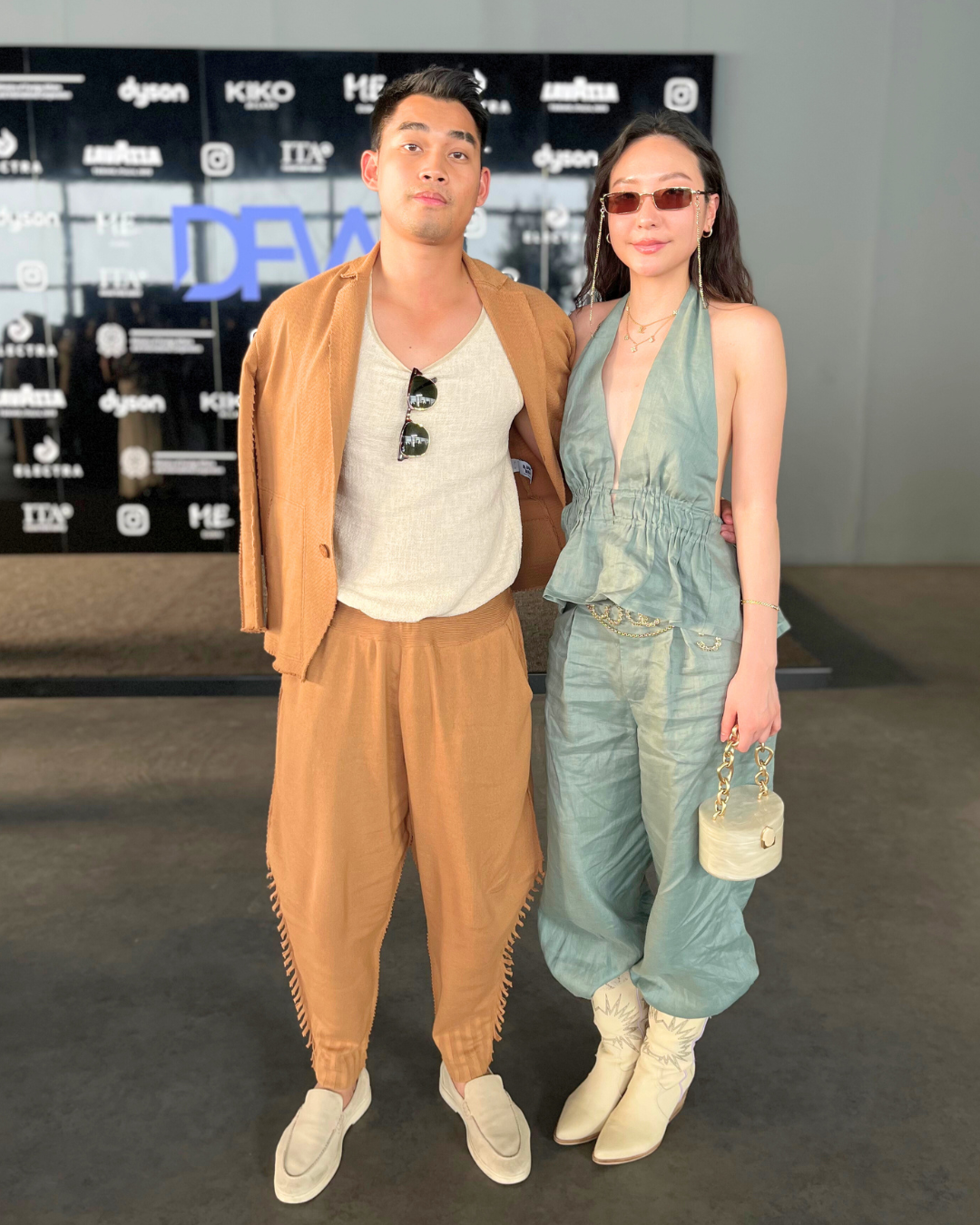
The afternoon interlude at Dubai Design District — the visit to BellaDonna Atelier and One Life that punctuated the formal Dubai Fashion Week programme — illuminated one of the most structurally significant dimensions of the digital fashion ecosystem that Threads Talks was theorising: the role of physical lifestyle experience as the embodied validation layer that completes the loop between digital aspiration and genuine identity formation.
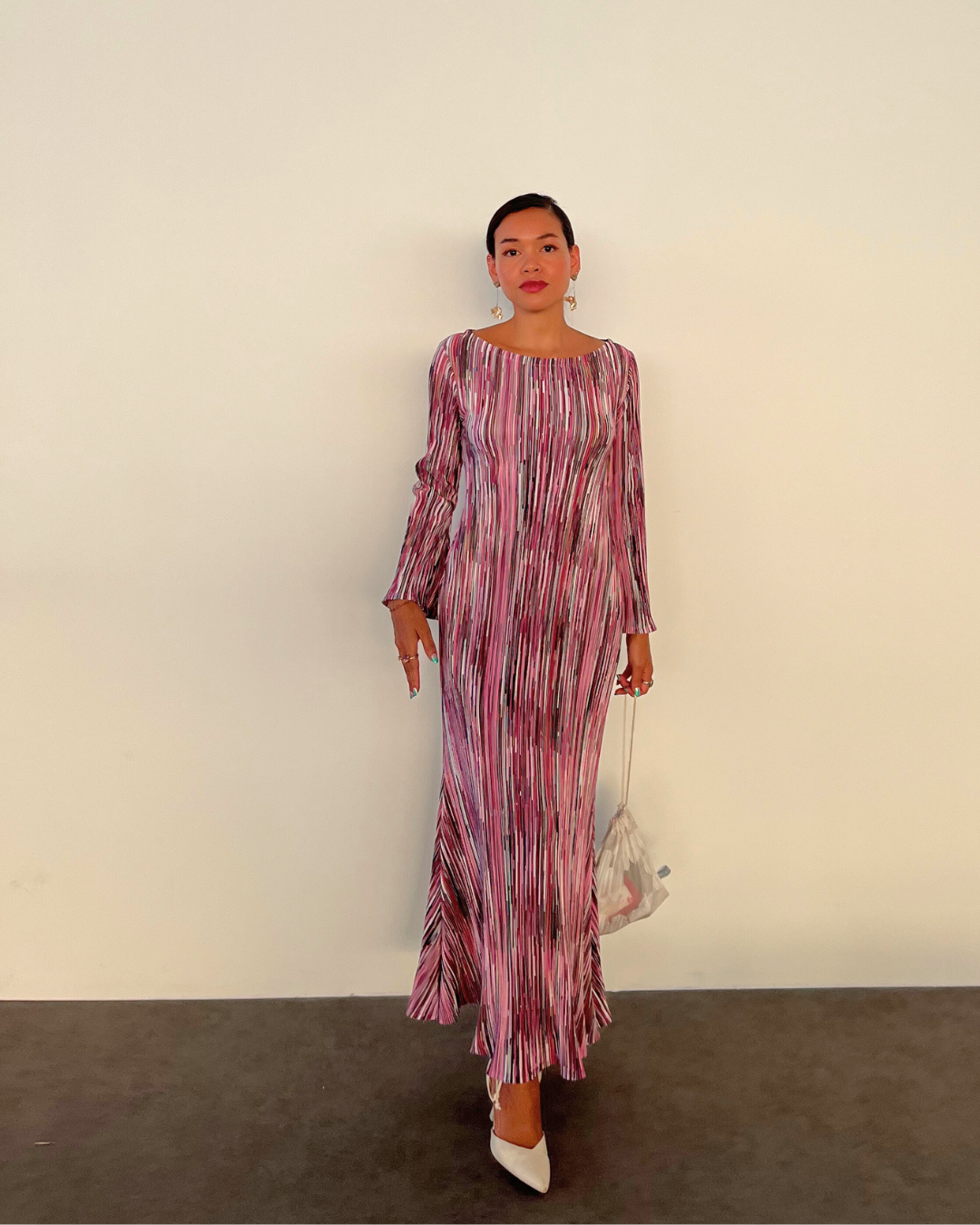
BellaDonna Atelier, the studio of designer Jara, is the physical expression of the styling intelligence that the digital fashion ecosystem requires as its grounding point. The minimalist yet warm ambiance — a haven for couture lovers and fashion insiders — is the environment in which the consumer’s relationship with fashion moves from the abstract and aspirational to the specific and embodied: the moment when the garment is held, tried, and understood as an object that will occupy a specific place in a specific life rather than a beautiful image in an Instagram feed. The selection of outfits for Day Five — each piece reflecting Jara’s exquisite craftsmanship and attention to detail — was an act of identity engineering in the most precise sense: the translation of a specific aesthetic sensibility into specific garments for specific occasions, executed by someone who understands both the fashion system and the individual.
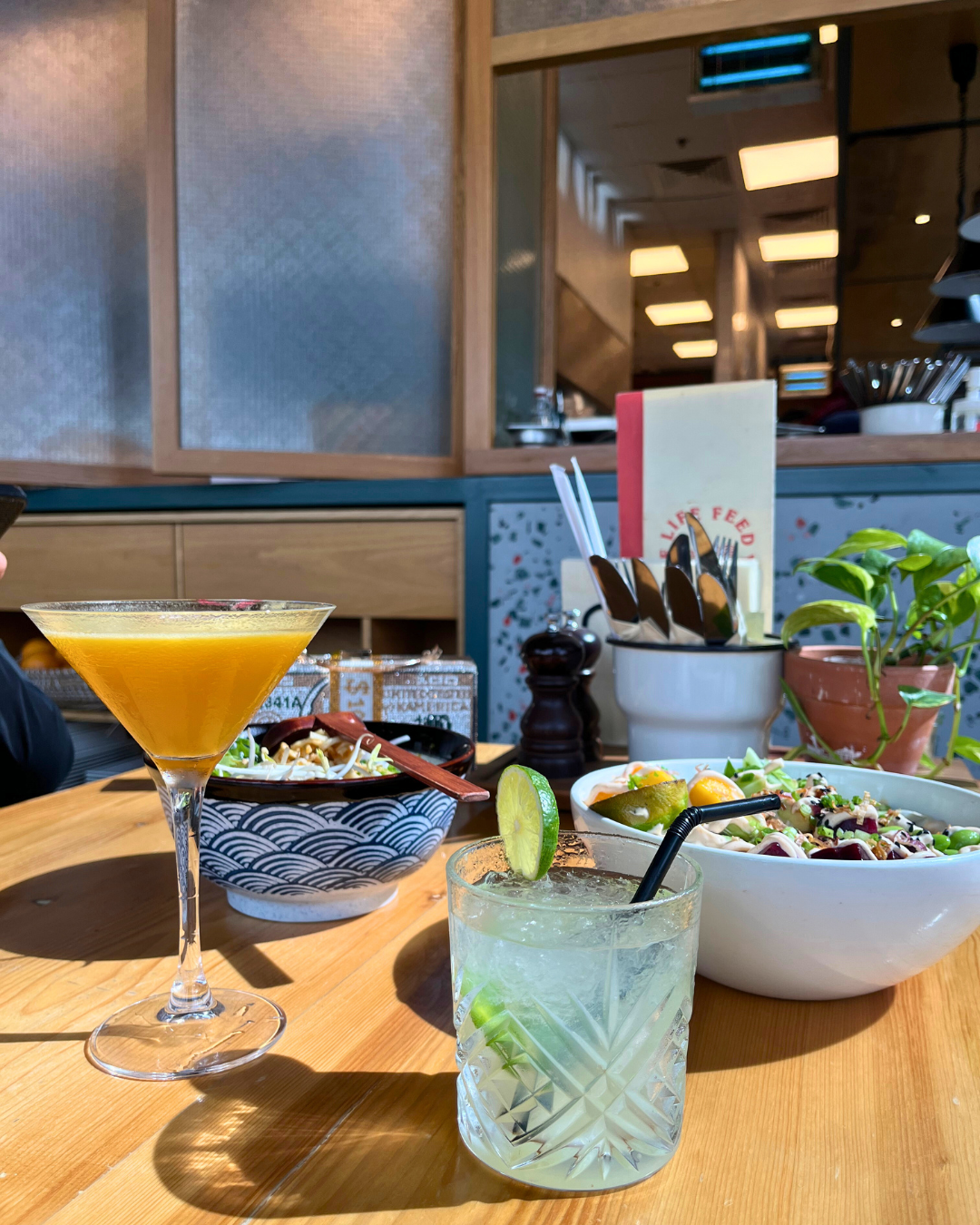
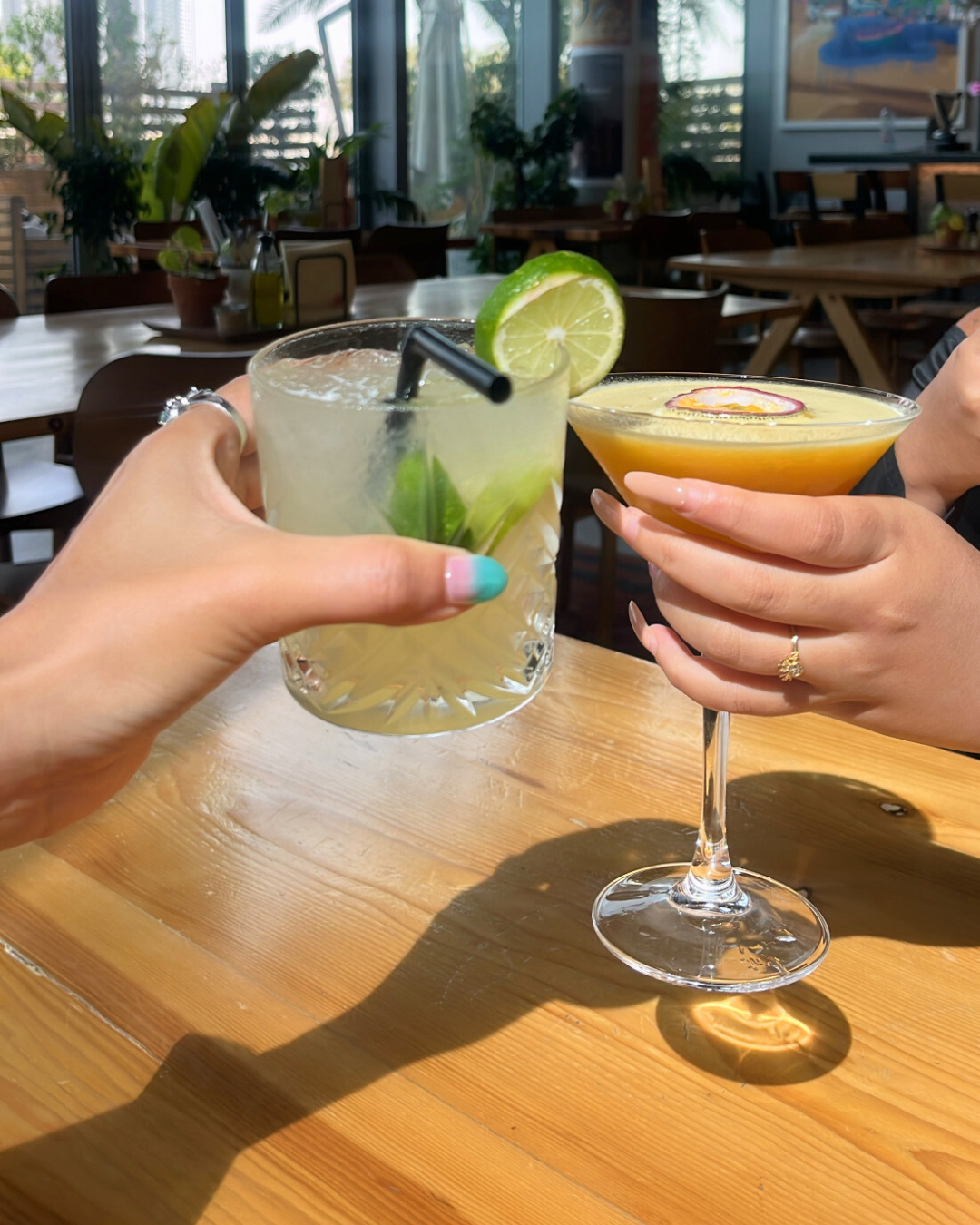
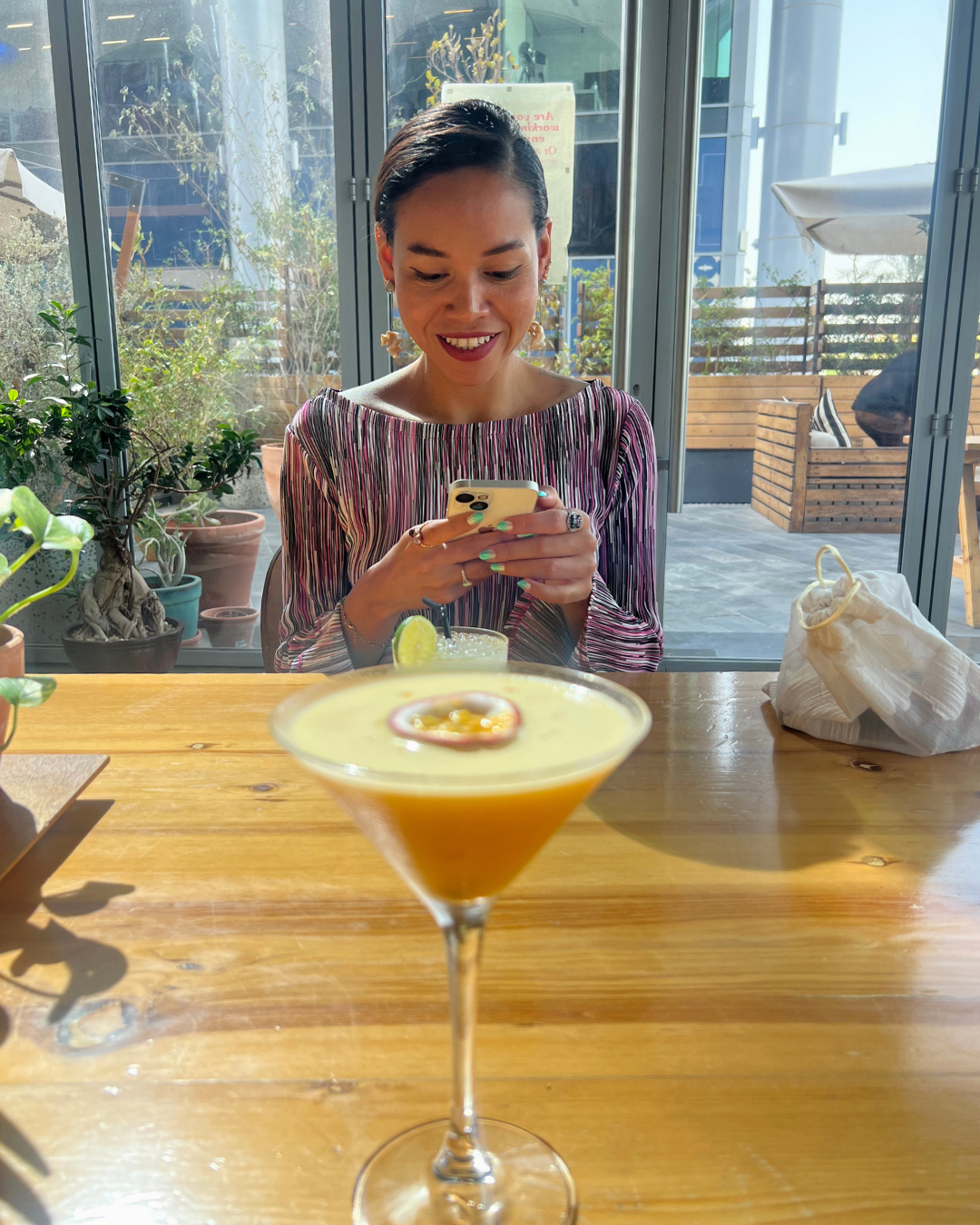
One Life’s Dubai Design District location provided the complementary experience: the healthy, design-forward restaurant whose open-air setting and vibrant vegan menu offer exactly the kind of lifestyle validation that completes the physical experience layer of the digital fashion ecosystem. The consumer who has discovered a brand on Instagram, engaged with it on WhatsApp, attended its Dubai Fashion Week show, visited BellaDonna Atelier for a styling session, and had lunch at One Life has experienced the full closed loop of the ecosystem that Threads Talks was theorising — from digital aspiration through personalised engagement through embodied validation through lifestyle grounding. This is the consumer relationship that produces genuine loyalty. This is the architecture of the modern Middle Eastern fashion ecosystem at its most complete.
As the World Economic Forum’s analysis of social commerce and digital consumer behaviour and Vogue’s analysis of digital fashion ecosystems and social commerce luxury in the Middle East document, the brands achieving the most durable consumer relationships in the Gulf luxury market are consistently those that understand the physical experience layer not as separate from the digital strategy but as its grounding point — the specific place where digital brand relationships become embodied, and embodied relationships become the foundation for the sustained loyalty that digital engagement alone cannot produce.
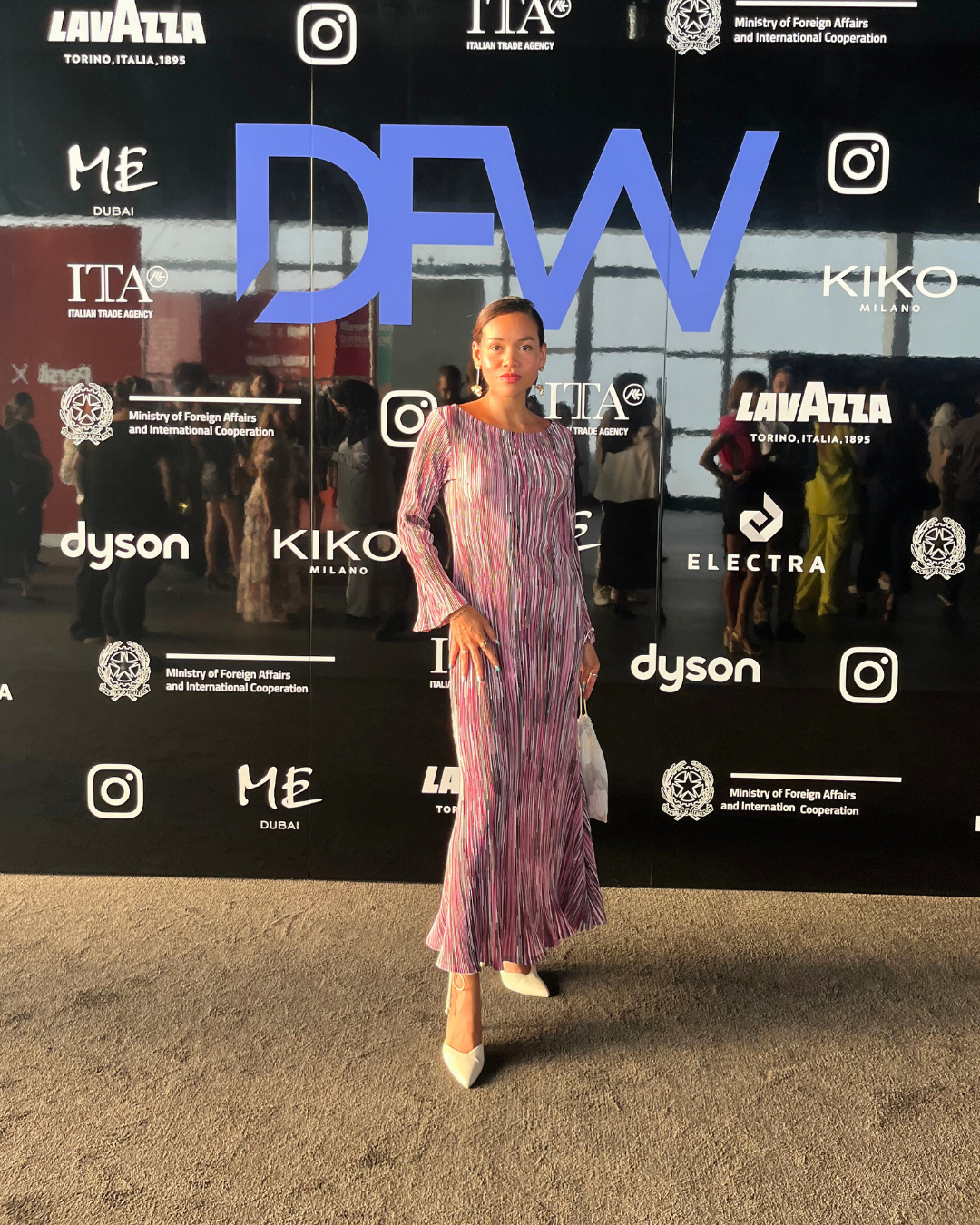
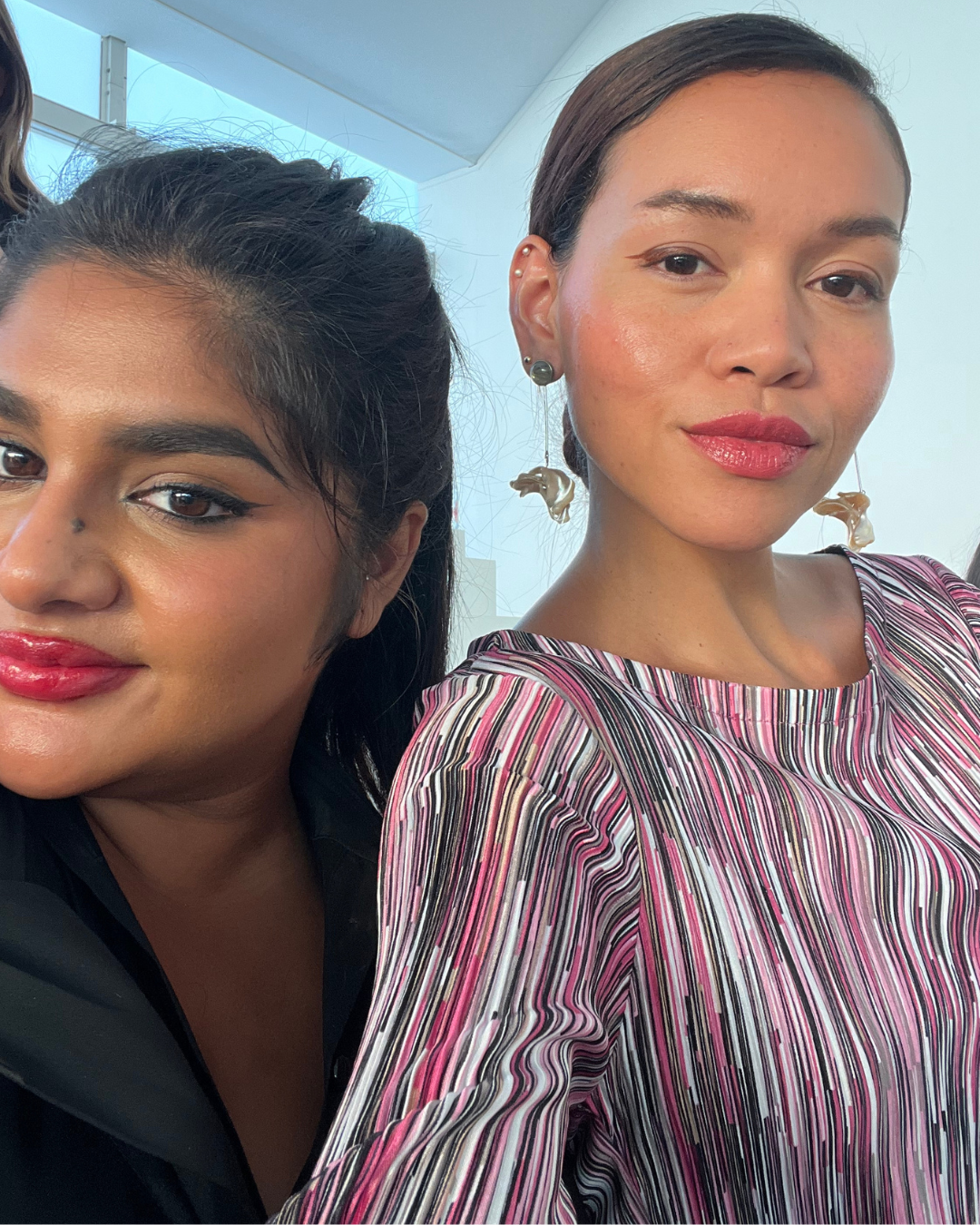
The understanding that the most significant luxury consumer experiences are those that compound across multiple touchpoints — digital discovery, personalised engagement, physical validation, lifestyle embodiment — connects the Threads Talks ecosystem analysis to the broader investment intelligence about how considered choices in every category of luxury deepen in value through sustained engagement. The New Language of Quiet Luxury: Inside the Timeless Wardrobe of Apparis makes this foundational argument in the fashion context: that the most enduring luxury choices are those made with genuine self-knowledge and sustained through consistent quality of engagement. The WhatsApp-Instagram-physical experience ecosystem is the digital infrastructure through which this quality of sustained engagement is most efficiently delivered at scale in the Middle East luxury market.
The broader landscape of how Dubai’s most considered lifestyle brands — in fashion, dining, and hospitality — function as interconnected layers of the same luxury consumer ecosystem is explored across this site’s full editorial. Why Lah Lah Is Dubai’s Most Considered Girls’ Night Out documents what this ecosystem intelligence looks like in the hospitality context: the specific combination of digital discovery, social validation, and physical experience that produces the most enduring consumer loyalty available to any luxury lifestyle brand in the Gulf market. The principle is identical whether the product is a garment, a restaurant, or a digital platform strategy. The brands and spaces that understand the full ecosystem — and engineer each of its layers with the same intelligence — are the ones that compound in value across the consumer’s lifetime rather than depleting it after the first purchase.
“Threads Talks illustrates a fundamental shift
in how fashion ecosystems operate in the digital age.
The industry is no longer structured
around isolated platforms or singular touchpoints.
It is evolving into a continuous system
where messaging, social media, styling,
and physical experience function as interconnected layers
of a single consumer journey.
WhatsApp becomes the private channel of intent.
Instagram becomes the public architecture of desire.
Physical experience becomes the grounding point of validation.
Fashion in the Middle East is no longer just being communicated —
it is being systemically engineered
across platforms that define how people see, desire,
and ultimately participate in culture.”