
On why the best winter wardrobes are built from fabric intelligence rather than sheer quantity, and how layering became less a survival tactic than a genuine style vocabulary
Winter dressing was never really a compromise between warmth and style. It is one of the few seasons that rewards genuine material intelligence — the fabric a person chooses says more about their eye than almost any single silhouette could.
There is a particular kind of styling discipline that only cold weather demands. Warm-climate dressing hides its choices in a single layer; winter dressing exposes every one of them, stacked in sequence, each fabric held accountable for a specific function before it earns its place beneath the next. Coming to real winter from a warmer climate makes this vocabulary considerably more legible — the difference between a coat that merely looks warm and one that actually performs, between an accessory chosen for texture and one added purely for the photograph, becomes impossible to ignore once the temperature actually demands it.
Why Winter Is the Season to Invest
Summer wardrobes are forgiving and inexpensive to get wrong. Winter wardrobes are neither. The garments that matter most cost the most, are worn the most, and are judged the most closely.
Winter is the most financially consequential season in a wardrobe, for reasons that have little to do with fashion cycles. The pieces it demands, coats, knitwear, boots and accessories, are typically the highest-priced items a person buys in a year, and they are also the hardest-working: worn repeatedly, in demanding conditions, over several months. A poor choice in a summer dress is a small error. A poor choice in a winter coat is a recurring one, felt every cold morning for as long as the garment is kept.
This is why the commercial logic of winter dressing rewards material knowledge rather than volume. A garment’s price tells a buyer very little; its fibre content, construction and finishing tell them almost everything. A coat made from a well-chosen natural fibre with sound construction can stay in service for many winters. A cheaper equivalent in a weaker material may need replacing within a few, and the true cost of the comparison only becomes visible over time. Fashion’s wider conversation has been moving in the same direction for some years: away from the accumulation of inexpensive items worn briefly, and toward fewer, better-made pieces kept for longer. The Ellen MacArthur Foundation’s 2017 report A New Textiles Economy documented how sharply the average number of times a garment is worn had fallen, a pattern that makes the case for durable winter pieces unusually strong.
Investing in winter textiles is, finally, an exercise in matching a material to a function. The cold asks specific questions of a fabric: how well it traps heat, how it behaves when damp, how much it weighs, how long it lasts and how it ages. Materials that answer those questions well, and the technology that makes them perform, are where the value of a winter wardrobe actually sits.

The Fabric Intelligence of Winter
The right winter fabric is never chosen for warmth alone. It is chosen for what it does to the shape of an outfit, how it photographs in low light, and whether it can carry an entire silhouette on its own.
Fur remains winter’s most immediately luxurious material, and modern faux alternatives have made that register of glamour widely available without animal fur. It is worth remembering that faux fur is a synthetic textile with its own environmental trade-offs, which is why the sourcing standards maintained by organisations such as Textile Exchange, a nonprofit that develops standards for responsible material sourcing, matter across every fibre in a winter wardrobe, not only fur.
Wool remains the season’s most structurally intelligent choice for an entirely different reason: its natural crimp traps air in tiny pockets for genuine insulation, and the fibre itself can absorb close to a third of its own weight in moisture without ever feeling damp against the skin, a performance profile the Woolmark Company has spent decades researching and certifying. It is also naturally flame-resistant, offers a measure of UV protection, and comes from a renewable annual fleece cycle that makes it one of the more sustainable materials available to a winter wardrobe. Technical fleece and polyester-cotton blends complete the register at the more active end of the spectrum: lightweight insulation without bulk, and a wrinkle- and shrink-resistant durability that makes them the more sensible choice for movement rather than stillness.
Merino Wool: The Original Performance Fibre
If one material justifies the argument for investment, it is merino. The fibre comes from the Merino sheep, a breed developed over centuries for the fineness of its fleece, and it differs from ordinary wool in a way that is easy to feel: the fibres are considerably finer, which is why a good merino garment lies soft against the skin rather than prickling. Fibre fineness is measured in microns, and as a general principle, the finer the fibre, the softer the garment.
What makes merino valuable is the combination of properties it offers at once. Its crimped structure holds still air, which is the actual source of warmth in any insulating fabric. It manages moisture by absorbing vapour into the fibre rather than letting it sit as damp on the skin, so a wearer stays comfortable across changing temperatures: indoors, outdoors, on a train, in a heated shop. It resists odour, which means it can be worn more often between washes. And it is a renewable, biodegradable natural fibre, which matters increasingly to buyers weighing the lifetime footprint of what they own.
Is merino wool worth the investment? For base layers, knitwear and tailored winter pieces, the evidence of the material’s properties and its long service life says yes. A merino garment typically costs more at purchase than a synthetic equivalent, but it is worn more often, washed less and kept longer. That combination is what lowers the cost of each wear, which is the measure that matters most in a winter wardrobe.

Cotton and Insulated Constructions: Where Each Material Earns Its Place
Cotton holds an honest but specific place in a winter wardrobe. It is breathable, durable and comfortable, and in heavier constructions, such as brushed flannel, dense twill, canvas and quilted cotton, it contributes real warmth and structure. Waxed cotton, long the foundation of British countryside outerwear, shows what the fibre can do when it is treated to resist weather, and it is one reason heritage jackets have stayed relevant without reinvention.
Its limitation is equally important. Cotton absorbs moisture and dries slowly, and a damp cotton layer loses much of its ability to insulate. This is why outdoor professionals generally avoid cotton as a base layer in wet cold, and why the strongest cotton winter pieces are built as shells, linings or outer layers, paired with insulating fill and kept away from the skin when conditions are wet. Understanding this distinction is a form of material intelligence: cotton is excellent for structure, durability and style, and it performs best when something else is doing the insulating.
Is cotton warm enough for winter? On its own, in dry cold and in heavier weaves, it can be. In wet or very cold conditions, it is better used as a durable outer or lining fabric over an insulating layer such as merino or an insulated fill than as a primary source of warmth.
That insulating fill is where cotton-shelled and other insulated garments gain their warmth, and where the technology behind modern winter clothing becomes most valuable.
The Technology Beneath the Surface
What a winter garment is made of is half the story. What has been done to the material, and how it has been built, is the other half, and it is where most of the real value lies.
Insulation. Warmth in clothing comes from trapping air, and the leading insulating materials are engineered to do exactly that. Down, the soft undercoat of ducks and geese, traps air in lightweight clusters and offers exceptional warmth for its weight. Its quality is measured by fill power, a figure describing how much volume a given weight of down occupies; a higher figure generally indicates greater loft, and therefore more warmth for less weight. Synthetic insulations, made from fine fibres that mimic the air-trapping structure of down, retain more of their insulating ability when damp and are easier to care for. Neither is categorically better; the right choice depends on climate, use and care.
Construction. Insulation is only as effective as the way it is held in place. Baffles and quilting stitch patterns stop fill from shifting and creating cold spots, and the seams, collar and cuffs of a well-made coat are designed to seal in warmth where it escapes first. These are details that are easy to overlook at the point of purchase and impossible to ignore after a season of wear.
Finishing and protection. Modern winter garments are frequently treated with durable water-repellent finishes, and technical outerwear may add waterproof-breathable membranes that block rain while allowing vapour to escape. These treatments extend the working life of a fabric but are not permanent, and need renewing with care. Wool itself is often finished to improve softness, shape retention and washability.
Sourcing and standards. Increasingly, technology also describes how a material is produced and traced. Independent standards, such as the Responsible Wool Standard and the Responsible Down Standard, exist to set requirements for animal welfare and land management in sourcing, and they give buyers a way to look past marketing claims. They do not guarantee a garment’s quality, but they are a useful signal of a brand’s transparency.
The deeper point is that technology, in winter clothing, is what turns a raw fibre into a reliable garment. A wool coat that holds its shape for a decade, an insulated jacket that keeps its loft after hundreds of wears, a boot that stays waterproof through repeated seasons: these are not accidents. They are the result of material science and careful construction, and they are what a buyer is paying for when a well-made piece costs more than a cheaper alternative.




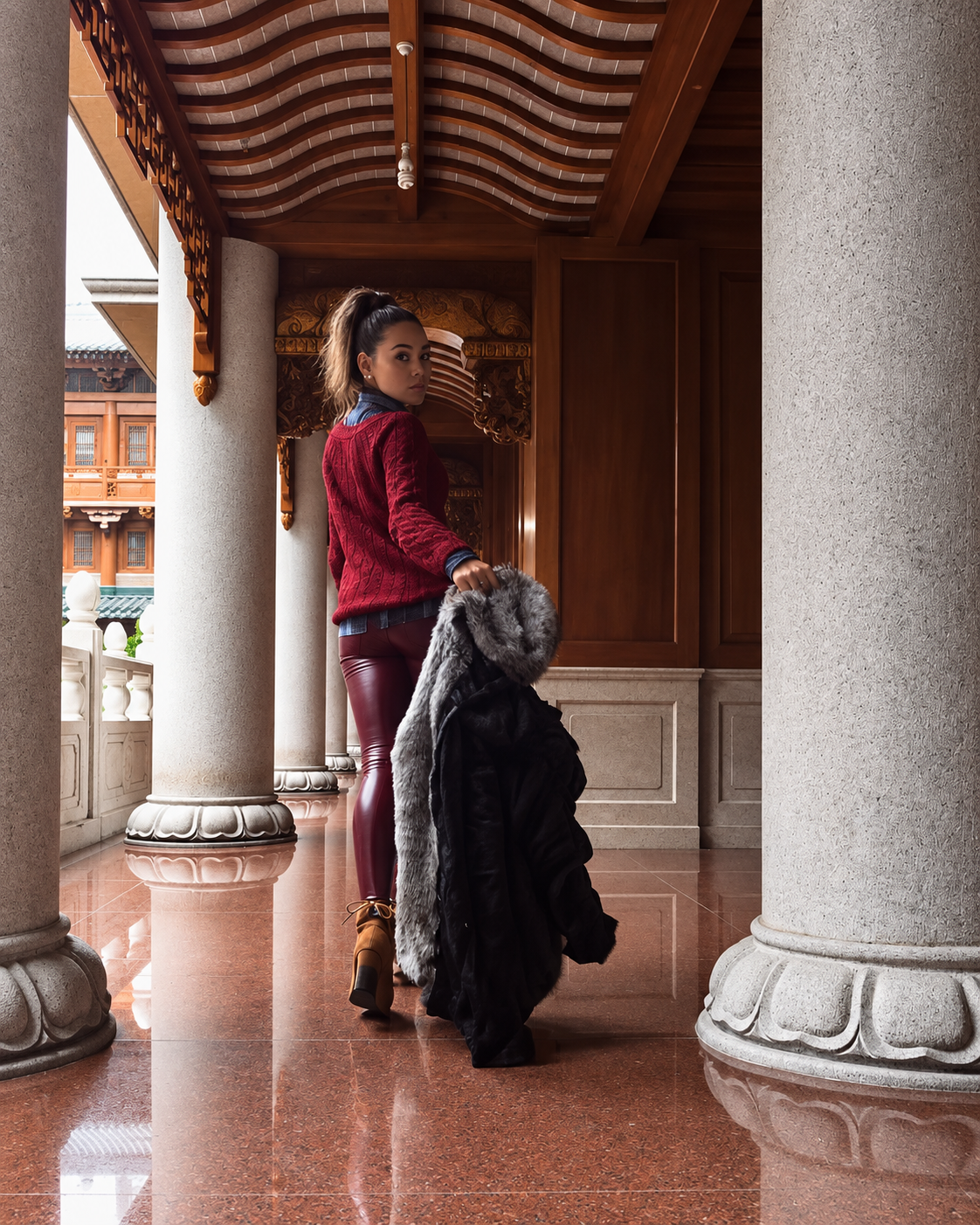
Outerwear as Investment
A winter coat functions less as a single purchase than as the organising decision an entire wardrobe is built around, which is why the strongest ones tend to hold their own structural argument independent of anything worn underneath them.
The most useful way to evaluate a winter coat is cost per wear: its price divided by the number of times it is worn across its life. As an illustration only, a coat costing 1,500 and worn on sixty days a winter for five winters is worn three hundred times, which comes to five per wear. A coat costing 150 and worn fifteen times before it loses its shape works out to ten per wear. The arithmetic will vary, but the principle holds: the cheaper garment is not necessarily the cheaper choice. Durable materials, sound construction and a silhouette that does not date all lower the figure over time, and resale marketplaces tend to favour well-made natural-fibre and heritage outerwear over fast-fashion equivalents.


Four genuinely different registers, and each makes its own case: the adidas by Stella McCartney TrueNature jacket for a technical, performance-driven silhouette that still reads as considered rather than purely functional; Barbour’s Beaufort in its classic check for a lineage of British countryside tailoring that has never needed reinvention to stay relevant; Alexander Wang’s fur-trimmed puffer for a more directional, fashion-forward take on volume; and STAND STUDIO’s Tayla coat for the kind of quiet, editorial-ready shape that photographs as effortlessly indoors as out.
The Finishing Language: Scarves, Gloves, and Hats
Accessories carry disproportionate weight in a winter wardrobe, precisely because they sit closest to the face and hands — the two areas a considered outfit is judged by most immediately, and the last two most winter dressing tends to neglect.
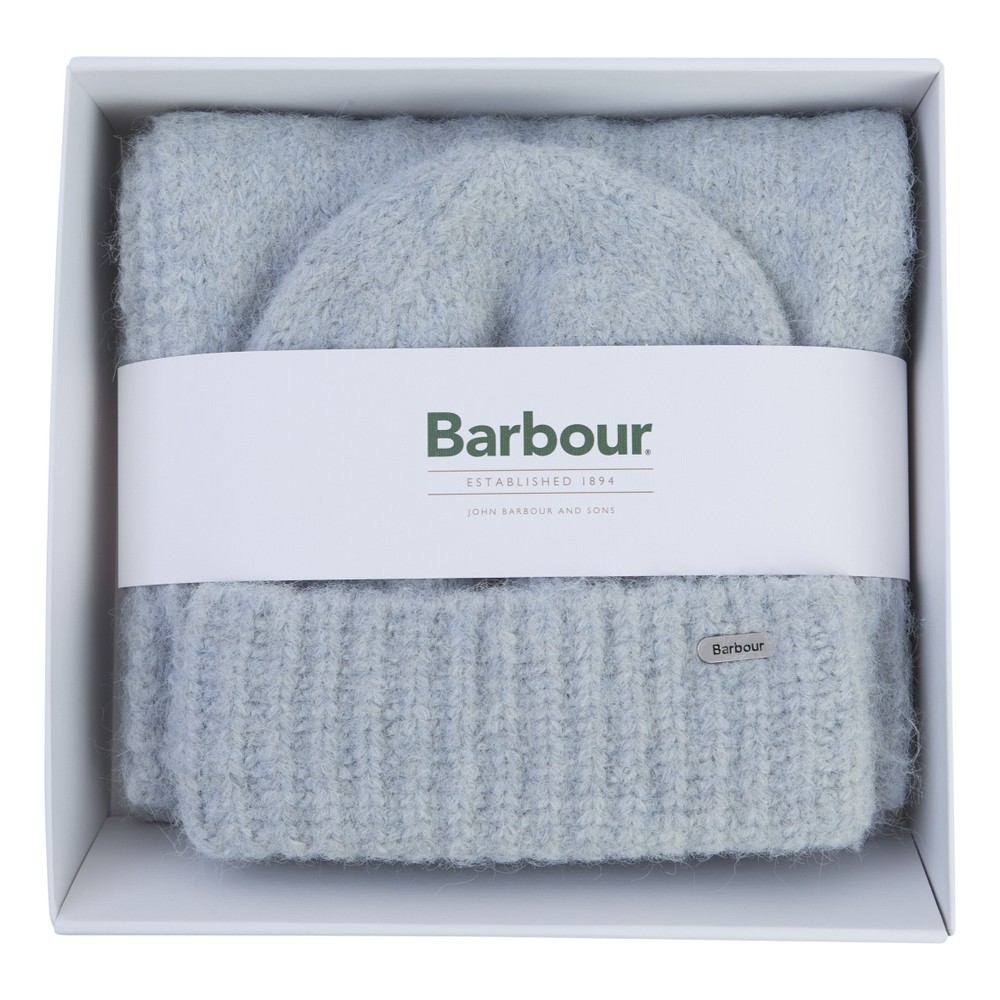
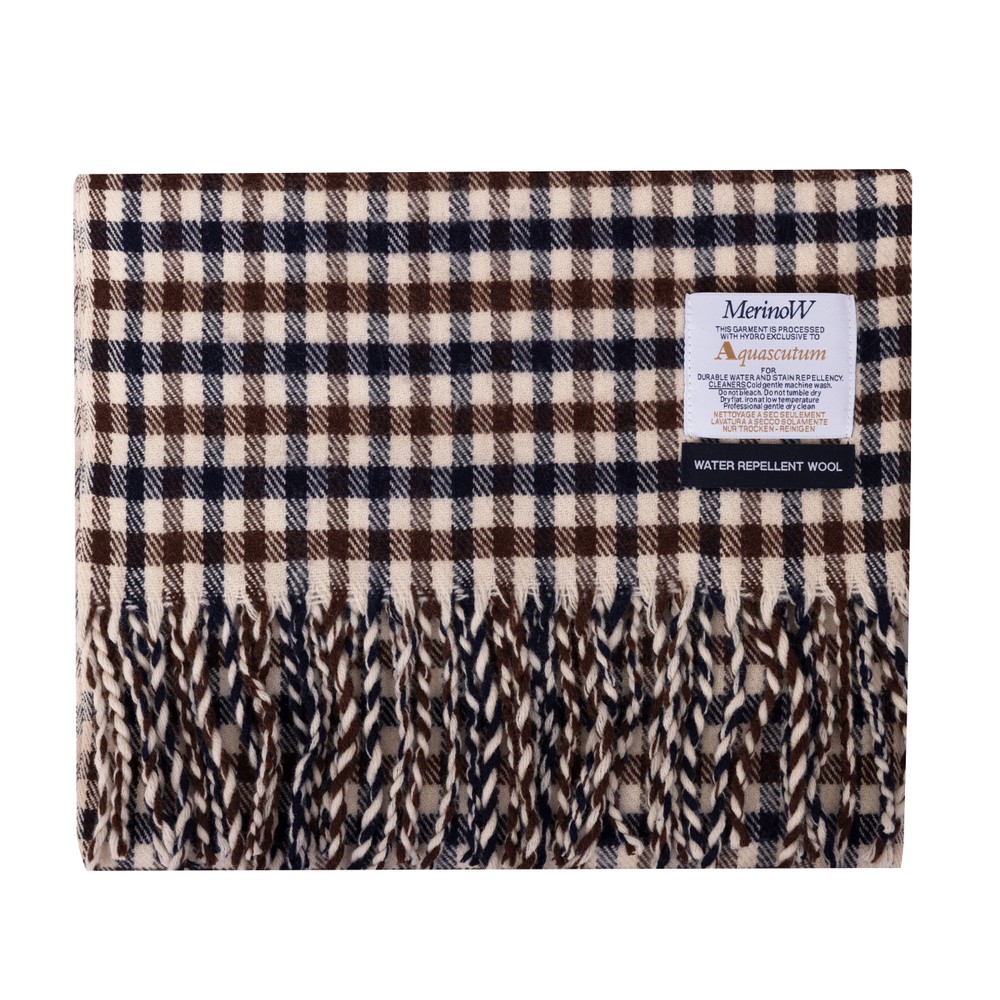


A beanie and scarf set built as a single considered piece, in Barbour’s case, removes the guesswork of pairing two separate accessories from scratch. Aquascutum’s wool scarf carries the kind of tailored, heritage-house restraint that elevates a plain coat instantly. Apparis, meanwhile, extends its considered, faux-forward material philosophy — already explored in this series’ look at the brand’s approach to timeless, responsibly made pieces — into gloves that read as genuinely directional rather than purely protective, whether in the sleek zipper-detailed Noa or the richly textured Robi Sable.
Footwear and the Smaller Objects That Complete a Winter Wardrobe
The final layer of any winter wardrobe lives in its smallest objects — the footwear built to withstand actual weather, and the accessories that carry a considered eye all the way down to the last detail.

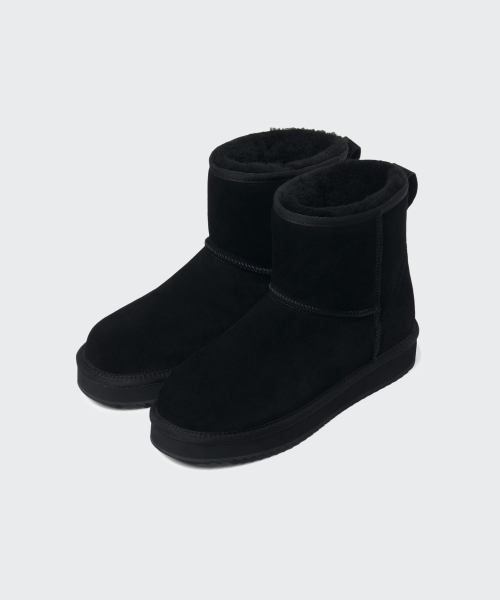
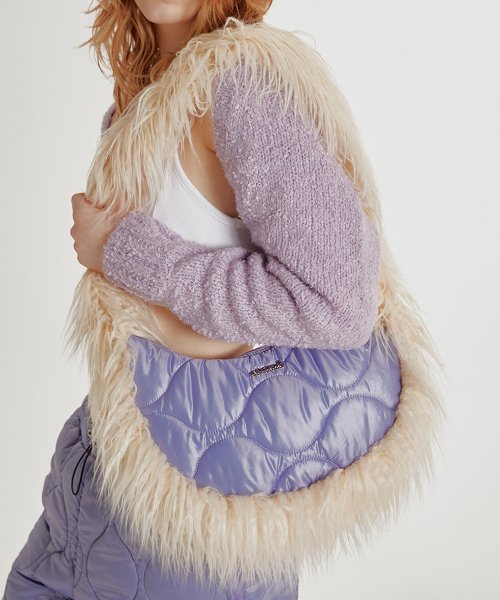

Off-White’s boot brings a genuinely directional, design-forward silhouette to a category most winter footwear treats purely functionally, while MUSINSA Standard’s Winter Pug Boot offers a softer, more approachable everyday register for the same climate demands. CRANK’s fur-padded shoulder bag closes the outfit with texture rather than another neutral, structured accessory — a small, deliberate departure that keeps an otherwise practical winter look from reading as purely utilitarian. And Polo Ralph Lauren’s winter bear socks are, quite simply, the kind of playful, gift-worthy detail that proves not every winter decision needs to be made in service of restraint.
How to Read a Winter Label
The final skill of an investment wardrobe is knowing what to look for before buying. A few details tell a buyer more than any brand name.
Fibre content. The composition label is the most reliable indicator of quality. For wool garments, a high proportion of wool and a fine fibre, such as merino, generally signals a softer, more durable piece; a small percentage of nylon or similar fibre may be added for strength without harming performance.
Weight and density. A heavier, denser fabric usually holds shape and insulates better, though weight alone is not a guarantee of warmth.
Fill and construction. For insulated garments, look for the type of fill, the fill power where down is used, the quality of the quilting and the finish of seams and closures.
Care. A garment’s care instructions are part of its cost. Natural fibres often last longest with gentle washing, airing and proper storage, and a considered owner treats maintenance as part of the investment.
Certifications. Independent standards for wool, down and recycled content give a useful, though not absolute, signal about sourcing.
Why Winter Rewards a Considered Eye
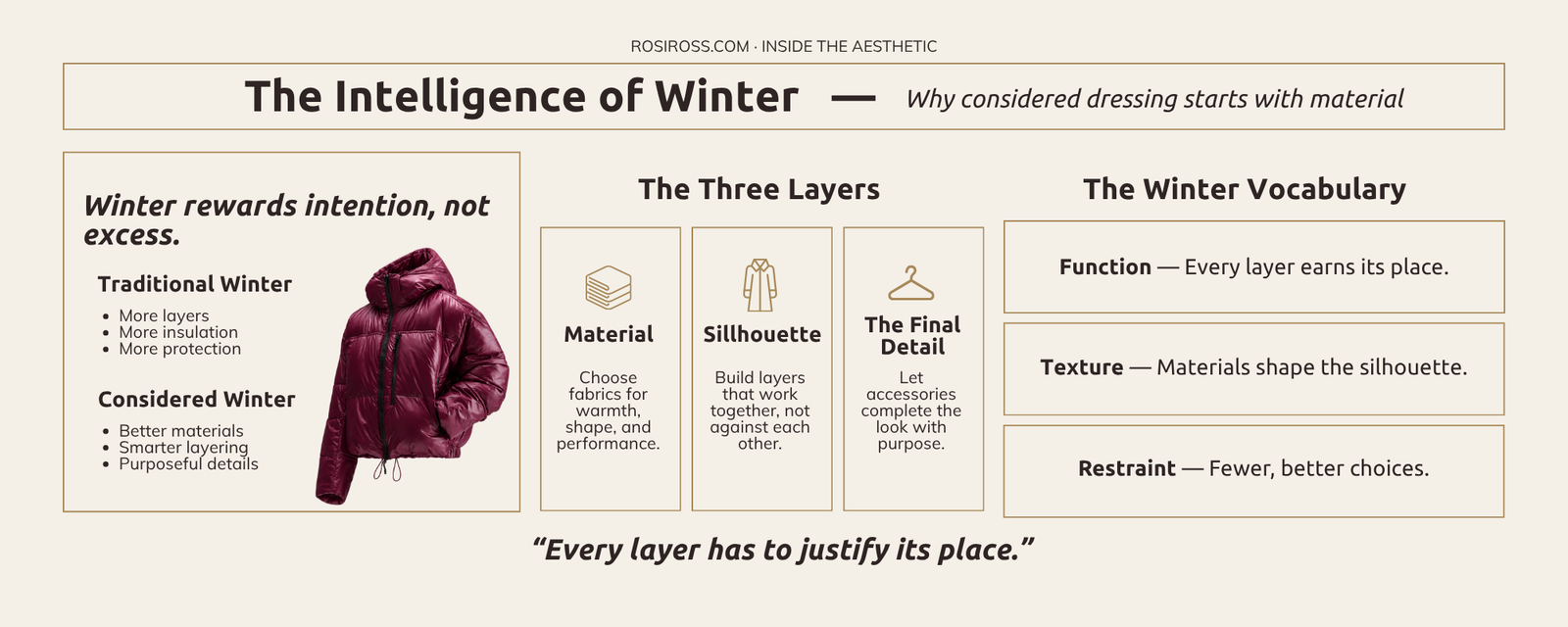
Winter dressing has always demanded a specific kind of discipline that milder seasons rarely require: fabric chosen for genuine function, layering built with real sequence and intention, and accessories treated as structural decisions rather than decorative afterthoughts. This is the same discernment Vogue has spent decades applying to seasonal dressing more broadly, and the same instinct toward considered materials and origin that runs through a craftsmanship tradition built on natural pigment and pattern, an interior philosophy built around textiles chosen for genuine texture and story, and a beauty ritual rooted in the Adriatic’s own regional materials. A city that reinvented an entire holiday season around its own December understood something similar about the cold: it rewards genuine intention rather than simply enduring it. The same logic runs through a jewellery philosophy built around meaning over volume — fewer, better, more deliberately chosen pieces, applied here to an entirely different category.
Winter, dressed properly, was never a season to simply survive. It is one of the few genuine opportunities in a wardrobe to demonstrate real material fluency — proof that the coldest months, handled with intention, can produce the most considered silhouettes of the entire year.
“Summer forgives
almost every choice.
Winter forgives none of them.
Every layer
has to justify its place,
every fabric
has to earn its warmth
without losing its shape.
This is not
a harder season to dress for.
It is simply
the one that finally asks
to see your actual taste.”

