
On why mature skin is not younger skin with more wrinkles but biologically different skin with different requirements, how declining lipid synthesis changes everything the barrier can do, why hydration without lipid support is a temporary solution to a structural problem, the serum as the most precise available vehicle for barrier restoration, and what skin longevity means as a philosophy when the goal is no longer correction but resilience
Mature skin is most frequently described through what it loses: firmness, elasticity, radiance, the unlined smoothness of an earlier decade. This vocabulary of loss positions ageing as a deterioration to be resisted and a visibility to be minimised — which produces a skincare culture built around correction, concealment, and the aggressive pursuit of reversal. A more accurate and more productive understanding begins differently: not with what mature skin has lost but with what it now requires. The biological changes of skin ageing are not the skin’s failure. They are its evolution — and the skincare practice most likely to produce genuinely beautiful mature skin is the one built on understanding what that evolution demands, not on resisting what it has produced.
The central biological shift of mature skin — the one that makes every other change more consequential — is the decline of the lipid matrix. The stratum corneum’s lamellar lipid structure, which in younger skin organises ceramides, cholesterol, and free fatty acids in the precise ratios and spatial arrangements that allow it to simultaneously retain moisture, resist environmental challenge, support the skin’s microbiome, and maintain the surface’s mechanical flexibility — changes with age in every one of these dimensions simultaneously. Ceramide synthesis declines. The ratio between lipid classes shifts. The lamellar organisation becomes less precise. Transepidermal water loss increases. The barrier’s recovery time after disruption lengthens. These are not cosmetic changes. They are biological ones — and they require biological responses that topical hydration alone cannot provide. The serum category’s ascent in mature skincare is the practical expression of this understanding: the move toward targeted, concentrated delivery of the specific ingredients that mature skin’s biology most precisely needs.
The lipid matrix — why barrier biology is the foundation of everything else
The stratum corneum’s lipid matrix is not simply a moisturising layer. It is the most sophisticated biological surface technology that evolution has produced for an air-breathing, environmentally exposed organism: a self-repairing, selectively permeable barrier that manages water retention, environmental resistance, immune surveillance, microbial ecology, and the mechanical behaviour of the skin’s surface simultaneously. Its primary structural components — ceramides at approximately 50% by weight, cholesterol providing membrane fluidity, free fatty acids maintaining the slightly acidic pH that supports barrier enzyme activity and limits pathogenic microorganism growth — are present in specific ratios and organised in a specific lamellar arrangement that requires all three components to be present in adequate quantity and in appropriate proportions to function as designed.
When one component declines — as ceramide synthesis does with age, and as fatty acid profiles shift — the lamellar organisation becomes less precise, and the functional consequences cascade: TEWL (transepidermal water loss) increases because the barrier’s water-retaining capacity depends on intact lamellar structure; sensitivity to topical actives increases because the compromised barrier allows penetration of materials that an intact barrier would screen; recovery time after cleansing, exfoliation, or environmental exposure lengthens because the repair mechanisms require the lipid precursors to rebuild what has been disrupted. The practitioner who applies increasingly active, increasingly stimulating products to mature skin without first addressing the lipid foundation is working against the biology rather than with it. The same barrier-first principle that governs the most considered approach to moisturisation governs the mature skin routine: the lipid foundation must be established before the transformative treatments can work efficiently on the skin that receives them.
As skin ages, the stratum corneum’s lipid matrix undergoes several simultaneous changes that collectively reduce barrier function: ceramide synthesis declines (particularly ceramide 1, which is responsible for the lamellar organisation of the lipid bilayers and whose reduction is most directly associated with increased TEWL); the ratio between ceramides, cholesterol, and fatty acids shifts away from the equimolar balance associated with optimal barrier function; epidermal turnover slows (from approximately 28 days in younger skin to 45–60+ days in mature skin), leading to the accumulation of older corneocytes with less precise lipid organisation; natural moisturising factor (NMF) concentration in corneocytes decreases as filaggrin processing declines; and sebaceous gland activity reduces, particularly in women following menopause, removing a significant source of surface lipids that supplemented the stratum corneum’s own barrier function. Together these changes produce a barrier that retains water less efficiently, recovers from disruption more slowly, and allows the penetration of irritants and sensitisers that a younger barrier would screen. A mature skincare approach must address these specific biological changes rather than simply intensifying the hydration and active ingredient delivery appropriate for younger skin.
Hydration without lipids — why the humectant alone is insufficient for mature skin
The most prevalent misunderstanding in mature skincare is the conflation of hydration with barrier repair. The consumer who applies a hyaluronic acid serum to mature skin and observes an immediate improvement in texture — a reduction in surface dryness, a plumping of dehydration lines, a temporary increase in the skin’s apparent suppleness — has successfully increased the water content of the stratum corneum. What they have not done is addressed the structural reason that water was depleted in the first place: the compromised lipid matrix that is allowing water to leave the skin at an accelerated rate. The hyaluronic acid molecule attracting and holding water within the corneocytes is providing a temporary reservoir — but that reservoir is draining faster than it would in younger skin because the barrier that should slow the drainage has been compromised.
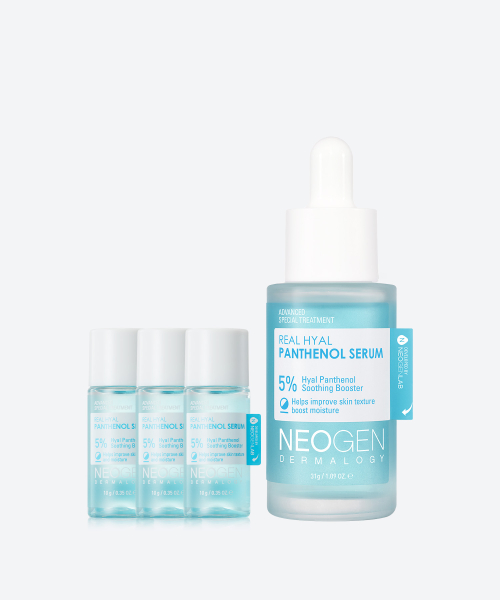
The Neogen Real Hyal Panthenol Serum addresses the hydration dimension of mature skin support with the specific advantage of the panthenol — provitamin B5 — component: a humectant that attracts water to the stratum corneum while simultaneously supporting the barrier’s own repair mechanisms through its conversion to pantothenic acid within the skin, which participates in the biosynthesis of coenzyme A, a molecule required for ceramide synthesis. This dual function — immediate humectant hydration and support for the skin’s own lipid production mechanisms — makes panthenol a particularly appropriate humectant for mature skin, whose primary hydration challenge is barrier-based rather than simply water-availability-based. The FACE REPUBLIC Hydro Boost Solution Serum provides the hydration layering approach — multiple molecular weight hyaluronic acid fractions that hydrate at different depths within the stratum corneum simultaneously — creating a more sustained hydration effect than single-molecule humectant serums achieve.

Ceramides and barrier architecture — the structural restoration argument
The ceramide category in skincare is one of the most clinically supported in consumer cosmetic chemistry — not because topically applied ceramides are incorporated directly into the stratum corneum’s lamellar structure (their molecular size and the surface barrier’s selective permeability make direct integration complex) but because ceramide-rich formulations have been documented in peer-reviewed research to measurably reduce TEWL, improve barrier recovery time after experimental disruption, and increase subjective skin comfort in both healthy subjects and subjects with compromised barrier conditions such as atopic dermatitis and xerosis. The mechanism is likely multi-factorial: some ceramide molecules may integrate into surface lipid domains; others may serve as precursors for ceramide synthesis; the combination of ceramide with cholesterol and fatty acids in well-formulated products more closely mimics the stratum corneum’s own lipid composition than any single component alone.
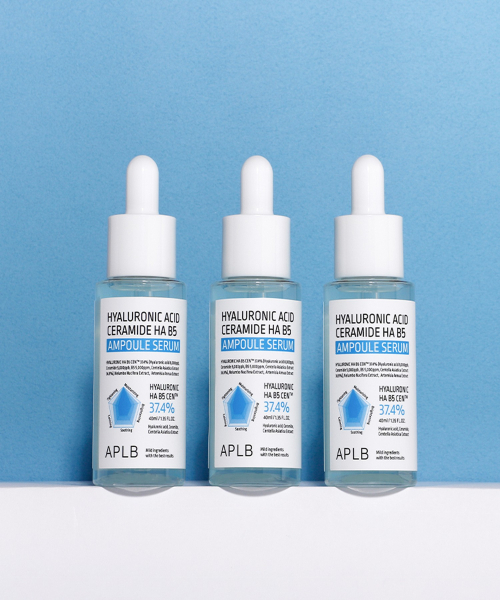
The APLB Hyaluronic Acid Ceramide HA B5 Ampoule Serum addresses the barrier restoration dimension with the ceramide and hyaluronic acid combination that represents the most practically complete available approach to the mature skin’s dual hydration challenge: the hyaluronic acid providing the humectant hydration layer, the ceramide providing the lipid structural support that allows that hydration to be retained. The B5 (panthenol) component adds the barrier repair mechanism discussed above. The serum format — higher concentration of active ingredients in a lightweight vehicle that penetrates before the moisturiser layer is applied — allows the ceramide and hyaluronic acid to reach the stratum corneum at meaningful concentrations before being sealed by the emollient and occlusive components of the moisturiser above them. The most barrier-intelligent topical approach is always the one that most closely provides what the barrier’s own biology is producing less of — and for mature skin, ceramides are the most specific available topical response to the most specific available biological deficit.
Peptides and skin architecture — the signalling dimension
Peptides occupy a specific and important position in the mature skin serum category because they address a biological mechanism that ceramides, humectants, and even retinoids do not directly engage: the cellular signalling pathways that regulate the skin’s own production of structural proteins, lipids, and repair factors. Peptides are short chains of amino acids — the same basic building blocks as proteins — that when applied topically can interact with cell surface receptors and intracellular signalling pathways in ways that influence gene expression, enzyme activity, and cellular behaviour. The most studied peptides in skincare include matrikines (fragments of collagen or other matrix proteins that stimulate fibroblast activity), signal peptides (which directly stimulate or modulate specific cellular functions), carrier peptides (which deliver copper or other minerals to enzyme systems involved in repair), and inhibitor peptides (which modulate the enzymatic pathways responsible for muscle contraction-related line formation).
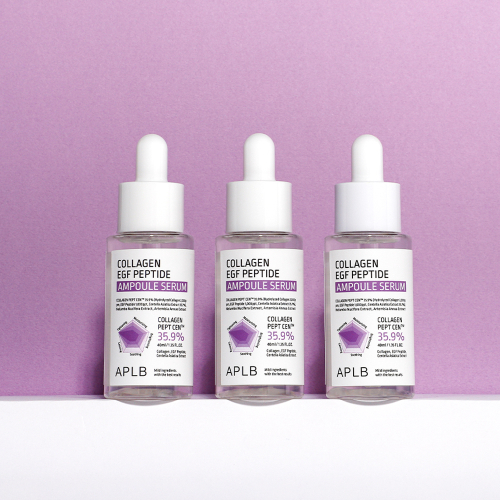
The APLB Collagen EGF Peptide Ampoule Serum addresses the signalling dimension with a peptide formulation that includes EGF (Epidermal Growth Factor) — a protein that binds to epidermal growth factor receptors on keratinocytes and fibroblasts and stimulates the cell proliferation and wound healing responses that mature skin’s slower cell turnover rate partly resembles in its recovery characteristics. EGF in cosmetic formulations is a functional ingredient whose topical application has been the subject of clinical study — the primary questions concern its stability in formulation and its ability to penetrate to the cellular targets where it acts, which the serum format’s delivery approach is designed to optimise. The Dr. Brandt Revitalizing Face Serum extends the peptide argument with a formulation designed specifically around the revitalisation goals of mature skin: the combination of peptide signalling with the antioxidant and barrier-supporting ingredients that provide the environmental context in which peptide activity can produce its most consistent results.

Lipid-rich serums for mature dry skin — when the barrier needs oil as much as water
Mature skin with a dry or lipid-deficient baseline presents the most specific and most demanding formulation challenge in the mature skincare category: it requires the lipid restoration that ceramide and fatty acid formulations provide, the humectant hydration that retains water within those lipids, and the occlusive component that prevents both from being lost through increased TEWL — while maintaining a texture that can be worn comfortably and that does not interfere with the other skincare and makeup products applied above it. The traditional solution — a rich cream — provides these components but not always in the concentrations or the delivery format most appropriate for the specific dermal targets that mature skin’s depleted biology requires. The serum-in-oil and facial oil formats address this by providing lipid-dominant formulations that penetrate through the barrier’s lipid channels — the same mechanism by which the barrier’s own lipids are organised — rather than sitting primarily on the surface.
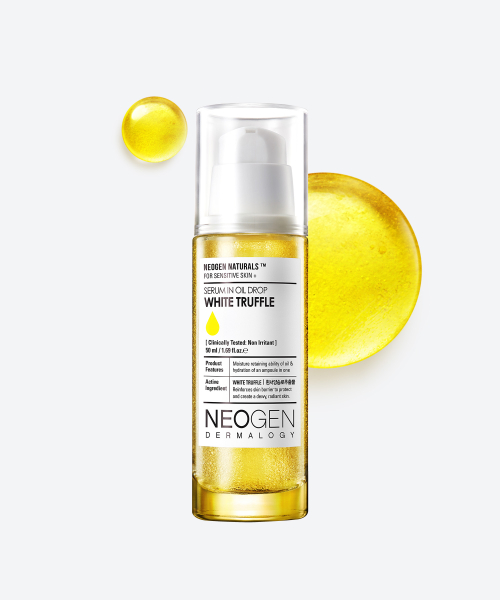
The Fresh Crème Ancienne White Truffle Face Serum represents the luxury end of the lipid-rich serum category for mature skin: a formulation that combines white truffle extract — a source of polysaccharides with demonstrated hydrating and skin-smoothing properties, and of antioxidant compounds that address the oxidative stress dimension of skin ageing — with the emollient and occlusive lipid components that provide the barrier support that mature dry skin most specifically requires. The Neogen White Truffle Serum in Oil Drops addresses the same lipid-rich requirement in a serum-in-oil format that delivers lipid components in a vehicle specifically designed for penetration through the barrier’s lipid channels, alongside the white truffle’s botanical actives. The Japanese beauty philosophy of layering lightweight preparations before richer ones — building moisture from the most penetrating to the most occlusive — governs the correct use of lipid-rich serums: applied after humectant preparation and before the final moisturising layer, they complete the three-part moisture architecture of humectant-lipid-occlusion that mature skin’s biology most specifically requires.

Squalane and the intelligent lipid — barrier support for mature combination skin
Squalane occupies a unique position among the lipid ingredients available for mature skin formulations because it is a hydrocarbon — not a fatty acid, not a ceramide, not a wax — whose molecular structure is compatible with the skin’s sebum in a specific and practically important way: squalene (the unsaturated precursor to cosmetic squalane) constitutes approximately 10–12% of human sebum by weight, making squalane one of the few topical lipid ingredients that the skin’s surface already recognises as biologically appropriate. Its application to mature skin is particularly relevant because squalene in sebum declines significantly with age — the decline beginning in the mid-twenties and accelerating through the forties and fifties — meaning that squalane application is directly restoring a component of the skin’s own lipid environment that has been depleted rather than introducing a foreign lipid material.
The e.l.f. SKIN Holy Hydration! Triple Bounce Serum deploys squalane within a lightweight gel serum format — alongside 1.7% hyaluronic acid in three molecular weights, niacinamide and vitamin B5 — that makes it appropriate for mature combination skin: the skin type whose T-zone lipid activity and drier cheek areas create different requirements within the same facial surface. Squalane here is one component of a hydration-led formula and not the sole lipid actor, and e.l.f. does not disclose its concentration, so the serum is best understood as a light hydrating layer with a squalane component — which is precisely the format in which mature combination skin tends to tolerate lipid support best. Squalane’s non-comedogenic properties (it does not occlude pores in the way that heavier plant oils can in lipid-excess areas) and its lightweight texture make it functional across all facial zones simultaneously — offering the lipid support that the drier areas require without aggravating the sebaceous areas, and the brand positions the serum for oily, combination, normal and dry skin types alike. This is the specific advantage that makes squalane one of the most versatile mature skin lipid ingredients: not the most intensively nourishing available, but the most broadly applicable, most biologically appropriate, and most likely to benefit a wide range of mature skin types with different lipid profiles across different facial zones. The evidence-based approach to skincare that prioritises ingredient mechanism over marketing claim identifies squalane’s biologically appropriate nature as its most significant advantage over other lipid ingredients for mature skin use.

Squalane is a saturated hydrocarbon derived by hydrogenation of squalene — an unsaturated hydrocarbon found in human sebum (at approximately 10–12% by weight), shark liver oil, and various plant sources (olive oil, sugarcane, amaranth seed). The hydrogenation of squalene to squalane is necessary for cosmetic stability, as squalene is highly susceptible to oxidation that produces comedogenic peroxides; squalane is stable and non-comedogenic. Its relevance to mature skin is specific: squalene in human sebum declines significantly with age (studies document declines of 20–30% between young adult and mature adult skin), meaning that squalane application directly restores a component of the skin’s own surface lipid environment that ageing has reduced. This makes it biologically appropriate in a way that plant fatty acids or synthetic lipids are not: the skin already possesses the receptor and metabolic infrastructure for squalene/squalane, reducing the risk of sensitisation or intolerance that novel lipid materials can occasionally produce in the increased sensitivity of mature skin.
Sensitive and reactive mature skin — restoration before stimulation
The most common error in mature sensitive skincare is the application of active ingredients designed for younger skin’s more robust barrier — high-concentration retinoids, exfoliating acids at professional-adjacent concentrations, vitamin C at percentages designed for maximum antioxidant delivery — to skin whose compromised barrier makes it significantly more susceptible to penetration of irritants, significantly slower to recover from disruption, and significantly more likely to respond to barrier challenge with inflammatory reactions that accelerate the very ageing processes the active ingredients were intended to address. The principle of restoration before stimulation — establishing a functional barrier foundation before introducing transformative actives — is not simply a conservative recommendation for sensitive skin types. It is the scientifically appropriate sequence for any mature skin whose barrier integrity is compromised.
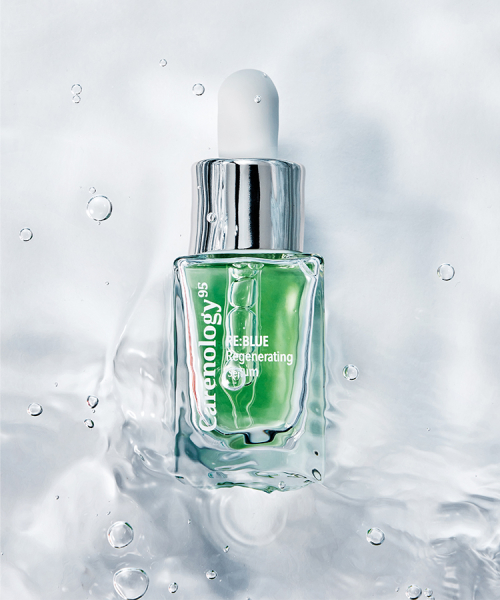
The ACMER Ginsenoside Repair Serum provides the barrier restoration and calming approach through ginsenosides — the active saponin compounds of Panax ginseng — which have documented anti-inflammatory activity through inhibition of NF-κB signalling pathways and antioxidant activity through free radical scavenging. The anti-inflammatory mechanism is particularly relevant for mature sensitive skin because low-grade chronic inflammation — inflammaging, in the dermatological literature — is one of the primary drivers of the structural and functional changes of skin ageing that the most aggressive correction-focused routines can inadvertently accelerate. The CARENOLOGY Reblue Regenerating Serum addresses the regeneration dimension for sensitive mature skin: a formulation designed around the specific needs of skin that requires renewal support but cannot tolerate the aggressive delivery of conventional renewal actives — providing regeneration-supporting ingredients in the gentle concentration and barrier-compatible formulation context that mature sensitive skin’s reduced tolerance requires. The same principle that makes antioxidant protection central to any skin health strategy makes it particularly indispensable in mature sensitive skin: preventing the oxidative and inflammatory damage that would require correction is always more effective than attempting to correct it after it has occurred.

Inflammaging is a term in gerontological and dermatological literature describing the chronic, low-grade, sterile inflammatory state that is a characteristic feature of biological ageing across organ systems, including the skin. In skin specifically, inflammaging manifests as persistently elevated levels of pro-inflammatory cytokines (including IL-1β, TNF-α, and IL-6) and reactive oxygen species in the dermal environment, produced by senescent cells that have exited the cell cycle and adopted a senescence-associated secretory phenotype (SASP) in which they secrete inflammatory mediators continuously. The practical consequences for skin are significant: matrix metalloproteinase (MMP) activity is elevated in the inflammatory environment, increasing the rate of collagen and elastin degradation; new collagen synthesis by fibroblasts is inhibited by the inflammatory cytokine milieu; epidermal barrier function is impaired by inflammatory mediators that disrupt tight junction organisation and lamellar lipid production; and the skin’s sensitivity to external irritants is increased because the inflammatory baseline is already elevated. Skincare routines that provoke additional inflammation through barrier disruption, aggressive exfoliation, or high-concentration actives applied to unprotected mature skin therefore compound the inflammaging process rather than addressing it. The anti-inflammatory dimension of mature skincare — through antioxidant protection, barrier support, and the selection of calming rather than stimulating actives — is one of the most clinically important and most frequently neglected components of a genuinely intelligent approach to skin longevity.

Pigmentation in mature skin — the antioxidant and melanin regulation approach
Visible pigmentation — the accumulation of solar lentigines (age spots), post-inflammatory hyperpigmentation, and the generally uneven skin tone that develops with cumulative UV exposure — is among the most visible age-related skin changes and among the most amenable to topical intervention when that intervention is approached through the correct biological pathway. The correct pathway is melanin regulation — the inhibition of the enzymatic processes that produce and distribute excess melanin within the epidermis — rather than surface exfoliation alone, which removes pigmented corneocytes temporarily but does not address the underlying melanin overproduction or maldistribution that immediately replenishes them.
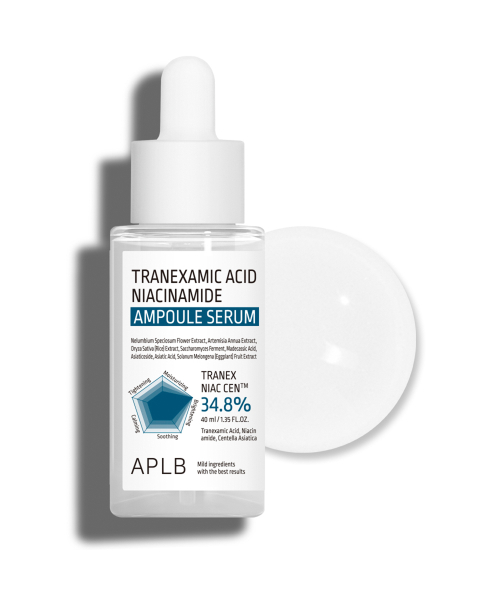
Tranexamic acid and niacinamide represent two of the most evidence-supported available approaches to melanin regulation. Tranexamic acid — a synthetic derivative of lysine originally developed as a haemostatic agent — inhibits the interaction between keratinocytes and melanocytes through plasmin inhibition, reducing the paracrine signalling that stimulates melanin production in response to UV exposure and inflammation. Niacinamide (vitamin B3) inhibits melanosome transfer — the process by which melanin produced in melanocytes is transferred to keratinocytes and distributed through the epidermis — producing visible brightening without affecting melanocyte function directly. The APLB Tranexamic Acid Niacinamide Ampoule Serum combines both mechanisms in a formulation designed for exactly the dual approach that mature pigmentation most specifically requires: tranexamic acid addressing the production signalling pathway, niacinamide addressing the distribution pathway, together creating a complementary intervention at two distinct points in the melanogenesis cascade. The most important concurrent intervention — broad-spectrum photoprotection daily — is the prerequisite for any pigmentation treatment to produce lasting rather than temporary results, because UV exposure is the primary stimulus for the melanocyte activity that both tranexamic acid and niacinamide are working to moderate.
Retinol for mature skin — the renewal argument and the balance requirement
Retinol (vitamin A alcohol) and its derivatives remain the most extensively studied class of topical skincare ingredients for addressing the structural changes of skin ageing: the peer-reviewed evidence for retinoid effects on epidermal turnover acceleration, dermal collagen synthesis stimulation, and the modulation of matrix metalloproteinase activity — the enzymes responsible for collagen degradation — is more extensive and more consistent than for any other consumer skincare ingredient category. For mature skin, this evidence base makes retinoids an important component of any comprehensive approach to skin longevity.
The integration of retinol into mature skin routines requires, however, a more careful protocol than is appropriate for younger skin — specifically because the same compromised barrier that characterises mature skin also increases its susceptibility to the retinoid dermatitis (dryness, flaking, redness, and sensitivity) that can occur when retinol is introduced too rapidly or at too high a concentration before the skin’s barrier is adequately supported. For skin that cannot yet sustain that protocol, or that prefers a different route to the same structural goals, the Caudalie Instant Firming Retinol Alternative Serum with Pro-Collagen Multi-Peptides offers an alternative built on a different premise: not a retinoid at all, but vine resveratrol combined with a complex of pro-collagen grape peptides — over 500 biomimetic peptides of natural origin, extracted from grapeseed — and micro hyaluronic acids for hydration. Caudalie states that the formula is clinically tested to be three times more firming than retinol without irritation, and positions it as suitable for sensitive skin and for those avoiding retinol; the comparison rests on the brand’s own testing and should be read as a brand claim, since the independent evidence base for retinoids remains considerably larger than for any alternative, this one included. What the formulation illustrates is the balance requirement addressed within the formula itself: a serum applied morning and night before the cream, designed so that the user is not required to construct an elaborate buffering protocol around a retinoid. The same restoration-before-stimulation principle that governs the most intelligent evening complexion routine applies equally to the mature skin retinol protocol and to the alternatives to it: establish the conditions in which the active can perform before introducing the active. The principle: the future of firming for mature skin is not stronger doses — it is smarter delivery, within formulations that respect the barrier biology of the skin they are treating.

Fermentation and biotechnology — the next frontier of mature skin serum intelligence
Fermentation technology in skincare — the use of controlled microbial fermentation to transform botanical ingredients, producing enhanced bioavailability, novel metabolite profiles, and modified molecular weights that may penetrate the barrier more effectively than their unfermented precursors — has been a cornerstone of Korean beauty formulation for decades and is now entering the mainstream of global serum development. The mechanism by which fermentation improves ingredient performance is multi-factorial: fermentation can reduce the molecular weight of large polysaccharides to sizes that penetrate the stratum corneum more effectively; it can produce novel metabolites with biological activity not present in the original ingredient; it can increase the pH stability of otherwise unstable actives; and it can generate the specific organic acids and enzymes that constitute one of the primary mechanisms by which the Korean beauty tradition of fermented ingredient application — including the traditional use of fermented rice water — achieves its documented skin benefits.
The WISH FORMULA Fermented Active Serum M Plus applies fermentation technology to a mature skin serum formulation that positions fermented actives within the broader barrier-support and skin-renewal context that mature skin requires. The VT Cosmetics Lidel Shot Lifting Serum addresses the lifting and density dimension of mature skin through a formulation approach that combines the structural support actives — the peptides and biotechnology-derived ingredients that influence the dermal tissue’s appearance of firmness — with the hydration and barrier support that create the surface condition in which structural improvement is most visibly expressed. Together these products represent the direction in which the most sophisticated mature skin serum development is moving: not toward increasingly aggressive active delivery but toward increasingly intelligent formulation systems that understand and work within the biological constraints of mature skin rather than attempting to overcome them through concentration alone.


Fermentation in skincare refers to the controlled transformation of botanical ingredients by microorganisms (bacteria, yeast, or fungi) or their enzymes, producing modified ingredient profiles with potentially enhanced cosmetic properties. The mechanisms by which fermentation can improve ingredient performance are specific and documented: molecular weight reduction (fermentation breaks large polysaccharides and proteins into smaller fragments that may penetrate the stratum corneum more effectively than their parent molecules); novel metabolite production (fermentation generates compounds — organic acids, polyphenols, enzymes, short-chain fatty acids — not present or present in different concentrations in the original botanical material); increased bioavailability (the structural changes produced by fermentation can improve an ingredient’s solubility in aqueous formulations and its interaction with the stratum corneum’s lipid environment); and stability enhancement (fermentation can produce more stable forms of otherwise unstable actives). For mature skin specifically, fermentation’s ability to produce smaller molecular weight fragments of barrier-supportive polysaccharides and structural proteins makes it particularly relevant: mature skin’s compromised barrier may allow penetration of ingredients at lower molecular weights than a more intact younger barrier, making the reduced fragment sizes that fermentation produces more practically effective.
From anti-ageing to skin longevity — the philosophy that changes the practice
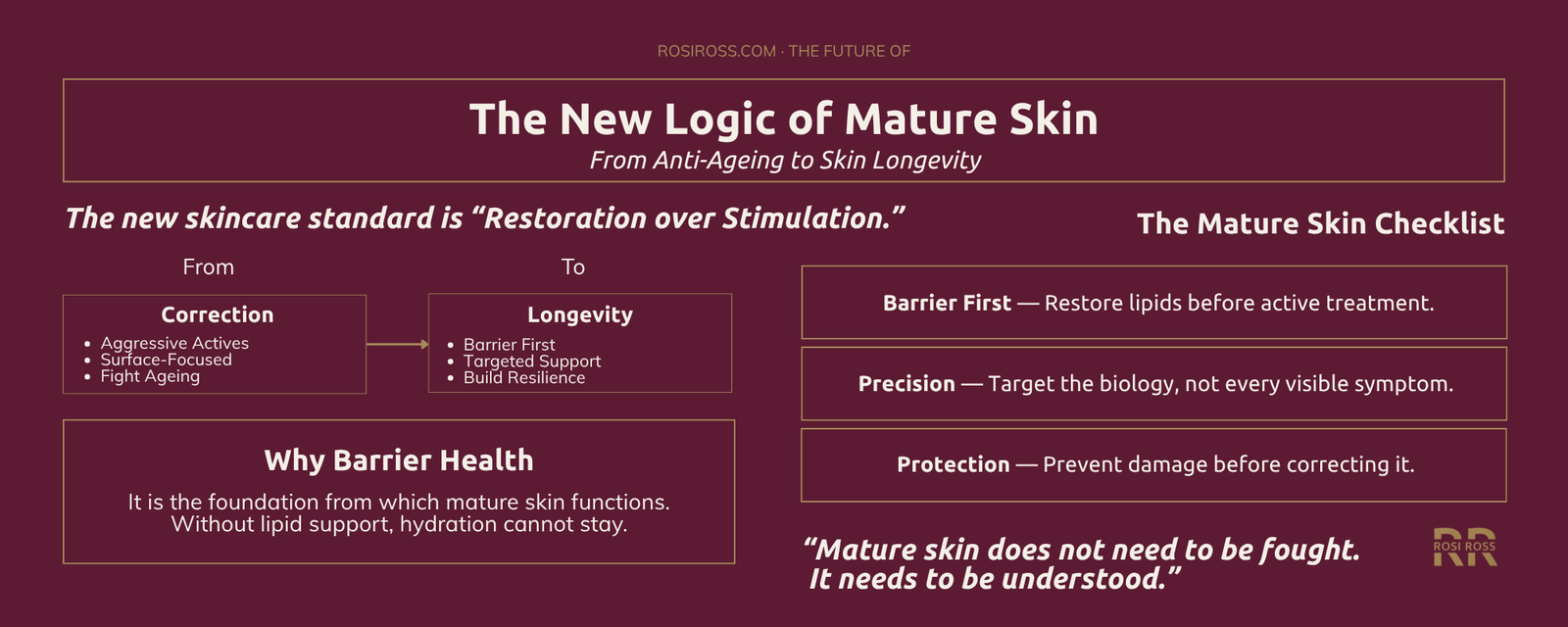
The language shift from anti-ageing to skin longevity is not simply semantic. It reflects a genuinely different understanding of what the goal of mature skincare is — and a different understanding of what success looks like. Anti-ageing positions the skin’s maturation as an adversary to be defeated, which produces the escalating aggression of correction-focused routines that frequently compromise the very barrier integrity on which the skin’s health and beauty depend. Skin longevity positions the skin’s maturation as a biological evolution to be understood and supported — which produces the barrier-first, restoration-before-stimulation, precision-over-intensity approach that the most advanced current dermatological thinking endorses.
The practical consequence of this philosophical shift is a mature skincare routine that prioritises in a specific order: first, barrier foundation — the ceramide, lipid, and humectant support that restores the stratum corneum’s functional capacity; second, targeted actives that address specific concerns within a barrier context that can support their delivery and tolerate their activity; third, photoprotection as the non-negotiable preventative layer that prevents the UV-driven melanocyte activity, collagen degradation, and oxidative damage that topical treatment can only partially address after the fact. This sequence is not complex. But it requires understanding the biology it is responding to rather than simply adding products to a routine whose logic has not been examined. The barrier literacy that governs the most considered approach to moisturisation is the same thinking that governs the most considered approach to mature skin: the understanding that skin health begins with the structural integrity of the surface that everything else depends on — and that maintaining that integrity across the full arc of a life is the most significant contribution that a skincare practice can make to the quality and the longevity of the skin it tends.
“Mature skin does not need to be fought.
It needs to be understood.
The biological changes of skin ageing
are not the skin’s failure.
They are its evolution —
and the skincare practice
most likely to produce genuinely beautiful skin
at every stage
is the one built on understanding
what that evolution demands.
Not on resisting
what it has already produced.”

